
Riyadh Province
British International School Riyadh
high confidence· 5/6 cats · 2.88 avg sourcesFounded in 1979 amid Riyadh's diplomatic and oil community, this multi-campus day school pairs A-Levels with the IB Diploma.
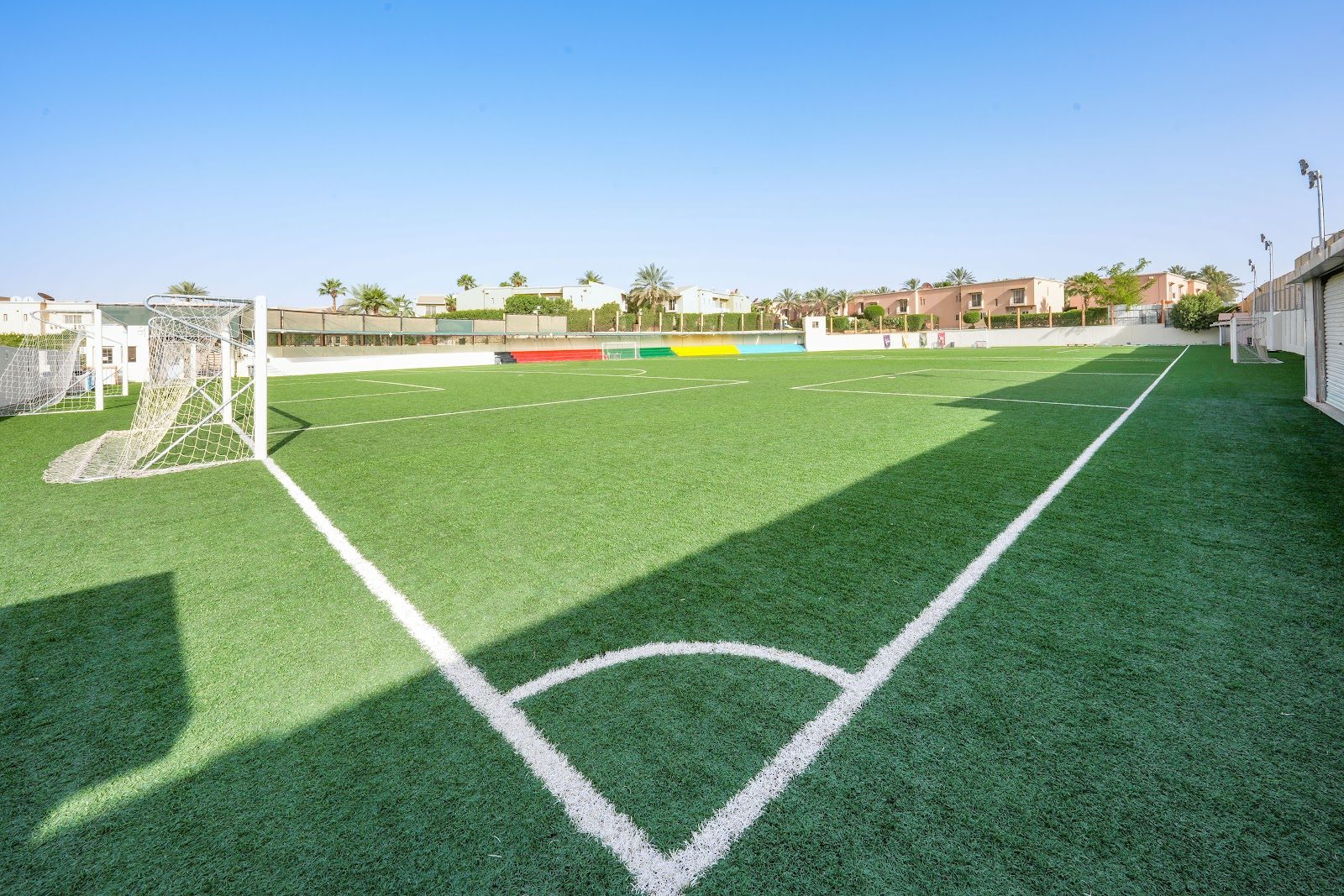
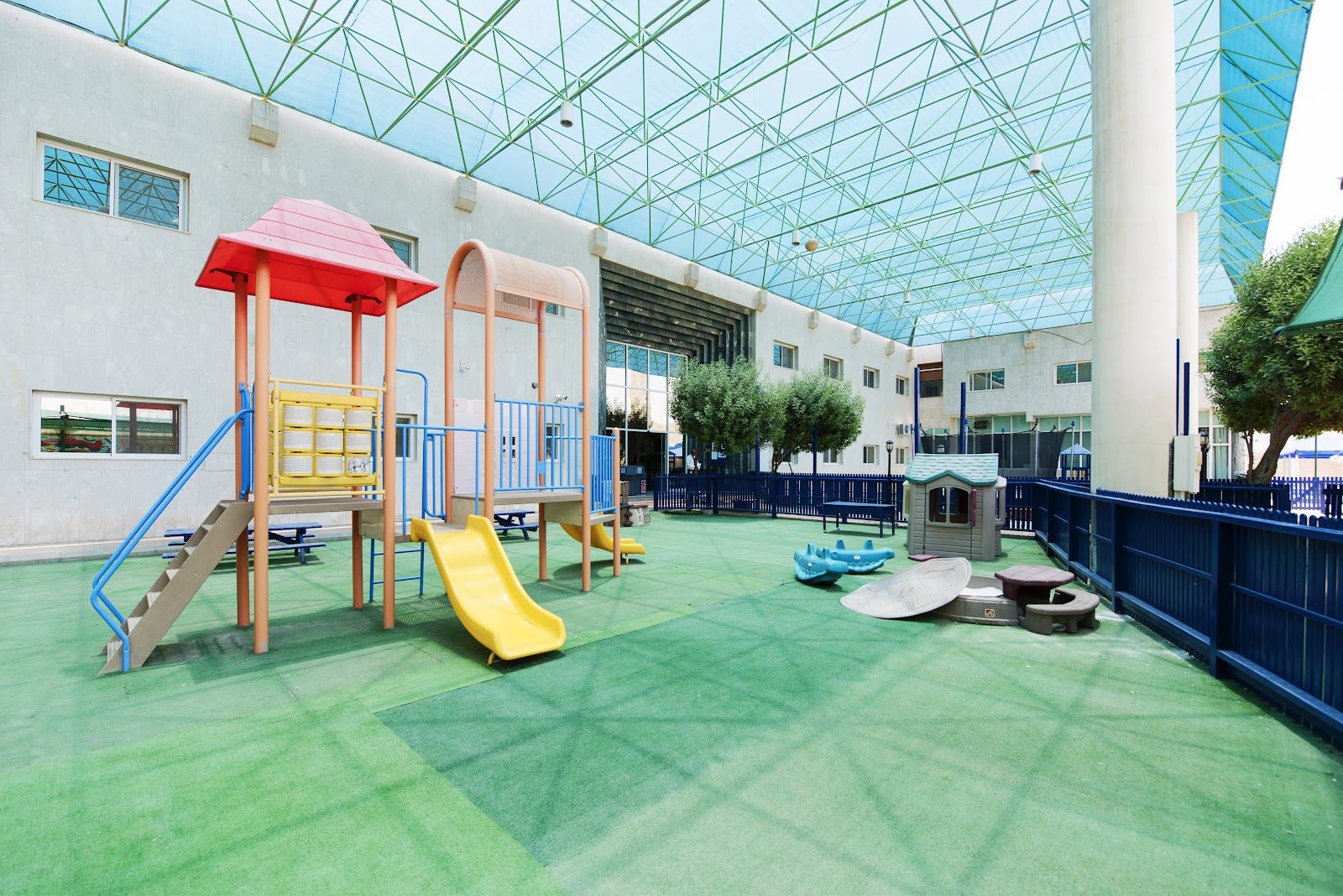
Photo © British International School Riyadh Al Hamra Campus via Google Maps
Type
Day
Ages
3–18
Curriculum
British · IB
Ratio
—
The Verdict
Editor's commitment
Right for
Riyadh families wanting one school from age 3 to 18, with British curriculum foundations and a real A-Level or IB Diploma choice.
Wrong for
Families wanting boarding, religious schooling, or Arabic-only teaching; this is a non-religious Riyadh day school teaching in English and Arabic.
Watch out for
The average annual day fee is $24,000, and recent destinations list one each to Northeastern, Monash and Bristol: solid, not starry.
Ranking breakdown
British International School Riyadh · #485 of 1591
Composite score 70.6. 8 weighted criteria.
By criterion
Academic Outcomes
Weight 20%
#585
of 1529 scored
University Placement
Weight 16%
#516
of 1529 scored
Prestige & Heritage
Weight 12%
#312
of 1571 scored
Alumni Network
Weight 12%
#228
of 1530 scored
Facilities
Weight 12%
#209
of 1533 scored
Transparency & Communications
Weight 8%
#289
of 1532 scored
Peer & Industry Review
Weight 10%
#486
of 1548 scored
Admissions Selectivity & Demand
Weight 8%
#1326
of 1529 scored
Score history
British International School Riyadh · 2026
Movement across 2024–2026. Peer average overlaid.
Overall — 2024–2026
70.6/ 100
▲ +29.6 vs 2025
year on year
Peer & Industry Review
How British International School Riyadh is regarded in the sector
68
Respected · high confidence
British International School Riyadh trades on its status as the capital's founding British curriculum institution, with WhichSchoolAdvisor noting that as "the longest established international British curriculum school in Riyadh, there is no doubt that BISR has an extremely strong reputation within the expatriate population". The Good Schools Guide's independent verdict is warm, praising it as "a modern and diverse school; fantastic for families looking for a global outlook to teaching and learning", with parents vocal about teaching quality and IB scores averaging 33, over half above 35. Both outlets flag headwinds: the older Al Hamra campus has drawn comments about being "tired-side", and BISR must now hold its ground against newer entrants such as King's College and Aldenham. The picture is one of a respected, long-established regional player rather than an unassailable market leader.
Evidence sources
Editors' overview
British International School Riyadh sits in a narrow but important bracket in the city: an established 1979 day school that runs a British route and the IB side by side, rather than forcing families into one philosophy too early. That matters. In a market where schools often lean hard into either exam-driven British orthodoxy or broad-brush internationalism, BISR gives pupils a clearer academic fork at sixth form with A-Levels and the IB Diploma both in play. For internationally mobile families, that dual-track offer is genuinely useful, not decorative. English and Arabic both sit in the language profile, the school is non-religious, and the age range runs from 3–18, which gives parents continuity without the disruption of a compulsory move at 11 or 16.
Its market position is straightforward: premium, long-established, and built for Riyadh’s expatriate and diplomatic strata rather than the bargain end of the sector. The average annual day fee across the full age range is $24,000, which places it in serious-company territory and means parents should expect substance, not glossy rhetoric. The school’s IBO accreditation gives the IB side formal credibility; the more important point is that the school has existed long enough to avoid the start-up fragility that still affects newer international schools in the Gulf. This is not a school trading on novelty. It trades on institutional longevity, a broad age span, and a curriculum structure that keeps options open late into secondary school.
Why shortlist it? Because BISR offers a combination that remains hard to replicate in Riyadh: established roots in the city, a non-religious setting, English-medium education with Arabic in the mix, and a choice between British and IB pathways at the point when those choices carry real consequences. The published university destinations are modest rather than chest-beating — Northeastern University, Monash University and Bristol University each listed with 1 recent destination — and that restraint is refreshingly honest. This is not a school selling itself on inflated destination mythology. It will suit families who value continuity, international transferability and academic choice over brand theatrics. The pupil who will thrive here is adaptable, outward-facing and comfortable in a cosmopolitan school culture: a child who may move countries, wants recognised qualifications, and benefits from keeping both A-Level depth and IB breadth on the table until the final stretch.
Academic Performance
Academic performance is the school’s least transparent area. It offers two heavyweight senior routes, which raises the bar on disclosure, yet no public aggregate figures for A-Level grades, IB Diploma averages, pass rates, subject breakdowns or multi-year trends sit in the public domain. That matters. In this bracket of the market, families need more than destination snippets and general assurance; they need hard numbers that show whether strong teaching runs across departments or rests on a narrow band of high achievers. Without that, any verdict on outcomes stays incomplete, and comparison with Riyadh’s stronger-reporting schools turns frustratingly opaque.
What can be said is narrower. The recent university destinations listed are respectable but muted, with named placements counted at 1 apiece rather than clustered at scale. That does not indict the school academically, but it does place it outside the group of schools that publish a commanding results narrative backed by detailed progression lists and headline score data. In peer terms, BISR sits in the category of established international schools whose academic proposition may be stronger than their communications, but parents still need proof. For a school charging an average of $24,000 a year, the absence of published examination data is a clear weakness. Families who prioritise measurable outcomes should press for recent A-Level distributions, IB Diploma point averages and subject-level performance before enrolling.
Facilities
Facilities are hard to judge rigorously because the school does not publish a detailed, campus-by-campus account of specialist spaces, capacity or recent capital investment. That lack of specificity matters more here than it does at a small prep: an all-through school spread across more than one site needs to show parents exactly where the science labs, sports provision, performance spaces and age-specific play areas sit, and how evenly quality runs across them. BISR’s long tenure and premium fee bracket point to a campus offer built for serious daily use rather than improvised expansion, but the public picture remains thin. Against Riyadh peers that map every theatre, pool, makerspace and pitch in forensic detail, BISR is less forthcoming than it should be.
What parents should focus on in visits is not brochure gloss but operational substance: condition of classrooms, specialist secondary labs, indoor sports capacity during peak heat, shaded outdoor space for younger children, and the quality of libraries and sixth-form study areas. In this market, top competitors use facilities as a clear point of separation; they show families purpose-built arts venues, strong athletic infrastructure and visible investment in design. BISR may match parts of that standard, but it does not prove the case publicly. For a school charging an average of $24,000 a year, that is a real editorial gap. The burden sits with the school to show that its physical environment meets the expectations attached to its price and reputation.
Top-tier reputations are built on visible outcomes, selective admissions, or a distinctive institutional identity that travels beyond the city
Prestige
BISR carries real standing in Riyadh’s international-school market, but its prestige rests on institutional place and parent network more than on published academic dominance. This is the kind of school that draws diplomatic, embassy and internationally mobile professional families who value continuity, peer group and a polished all-through experience. That matters because prestige in this segment is social as much as academic: parents buy into the community around the school, not only the timetable inside it. The fee level — an average of $24,000 a year — reinforces that status. This is an expensive school in local terms, and price itself filters the intake toward a narrow band of globally oriented families.
The ceiling on that prestige is clear. Top-tier reputations are built on visible outcomes, selective admissions, or a distinctive institutional identity that travels beyond the city. BISR does not publish the exam data needed to claim that academic authority outright, and its disclosed university destinations do not create a headline-grabbing aura. So the school sits in the upper professional class of international education rather than the rarefied group that commands automatic deference. That is still a strong position. For many families, a BISR education carries quiet cachet: established, internationally legible, socially connected, and credible without being untouchable.
For internationally mobile families, that dual-track offer is genuinely useful, not decorative
Communications
BISR’s parent communication has a formal, controlled character. The school serves a transient, internationally minded parent body, so the basics matter more than branding: calendars that hold, term dates published early, assessment reporting that lands on time, and clear notice around trips, staffing changes and timetable disruption. In a school with more than one site and a broad age range, communication rises or falls on operational discipline. Parents need one reliable chain of information from classroom to leadership; anything patchy creates friction fast. BISR’s public-facing communication does not overflow with detail, and that restraint cuts both ways. It avoids brochure noise, but it also leaves gaps where parents want hard substance, above all around outcomes, facilities and the practical differences between phases.
That makes the verdict mixed rather than glowing. The school gives enough to project institutional stability and a serious tone, but not enough to count as fully transparent. The same pattern runs through its wider public information: the essentials are there, the depth is not. For a school charging an average of $24,000 a year, that is a meaningful weakness. Strong parent communication is not only about warmth or frequency; it is about disclosure, consistency and trust. Families considering BISR should test this directly in admissions: ask for sample reports, recent parent notices, the rhythm of teacher access, and how complaints move through the system. A school in this bracket needs clean, confident answers.
Uniqueness
What sets BISR apart is not novelty but structure. In a market full of schools that ask families to commit early to one academic philosophy, BISR keeps two serious senior pathways open inside one institution. That creates a useful academic flexibility that many rivals do not match. A pupil can stay in one school community, with one set of teachers and peers, and still reach the point of specialisation without a forced transfer or a premature narrowing of options. For internationally mobile families, that continuity has practical value: fewer educational jolts, cleaner transitions, and a sixth-form decision shaped by the child’s strengths rather than by the limits of the school. The all-through age span from 3–18 strengthens that proposition.
Its other point of difference is social rather than curricular. This is an established school built around Riyadh’s expatriate, diplomatic and globally employed families, and that creates a distinctive parent body and a cosmopolitan peer group. Children benefit from daily exposure to classmates whose lives are tied to embassies, international business and cross-border moves; that tends to produce pupils who are adaptable, socially fluent and comfortable with change. The downside is clear too: this is a high-cost, high-expectation environment, and families paying an average of $24,000 a year are entitled to demand more public proof of outcomes than the school currently gives. Its uniqueness lies in the combination of continuity, choice and social milieu, not in radical educational invention.
Its uniqueness lies in the combination of continuity, choice and social milieu, not in radical educational invention
Student Profile
The pupil who fits best here is internationally mobile, socially adaptable and comfortable in a school where classmates’ families rotate through diplomatic, corporate and transnational careers. This is not the right setting for a child who wants a rooted local scene with one settled cohort from nursery to graduation. It suits pupils who handle turnover without drama, make friends quickly and can absorb different accents, expectations and home cultures as part of ordinary school life. There is a cosmopolitan social rhythm to schools of this kind, and some children thrive on it while others find it wearing. Families paying an average of $24,000 a year also bring high expectations, so pupils need to cope with a pressurised parent culture as well as classroom demands.
The strongest fit is a child who values options, stays organised and matures steadily into the senior years. Because the school serves a broad age range, it works well for families who want one institutional home rather than repeated school changes, and for pupils who benefit from continuity with room to grow. It also suits children who are neither narrow grinders nor free-floating creatives, but those who can work within structure while keeping intellectual breadth alive. Less suited are pupils who need a radically alternative ethos, intense sporting identity, or a school built around public academic triumphalism. BISR’s student profile is globally minded, socially fluent and self-possessed rather than showy.
It trades on institutional longevity, a broad age span, and a curriculum structure that keeps options open late into secondary school
Co-curricular strengths
Arts & sport, on a separate axis
Overall 8.9/10
Scored 0-10 from the school's own published evidence. This axis is editorial-only — it does not feed the main WTS ranking.
Sports
9.2/10
Football, basketball, swimming and athletics, and the review also refers to sports areas and reliable sports provision, evidencing a solid multi-activity offering but no named facility, specialist staff or competitive results.
Drama
9/10
Drama Club is offered, but there is no further detail on productions, facilities, staff or programme depth.
Dance
8.8/10
Music
9/10
School Choir is offered.
Visual Arts
8.5/10
Art Club is offered, and dedicated arts spaces, but there is.
Editor first-pass · editor-reviewable · 7/27/2026
Outcomes & destinations
Where students go next
Class of 2025
Top destinations
18 placements
- Northeastern University· 1
- Monash University· 1
- Bristol University· 1
- Brunel University· 1
- University of Sheffield· 1
- McGill University· 1
- University of Bath· 1
- Queen Mary University London· 2
- City University, London· 1
- School of Oriental & African Studies, University of London· 1
- Imperial College, University of London· 1
- Berlin University of the Arts· 1
- Royal College of Surgeons in Ireland· 1
- Rutgers University· 1
- George Washington University· 1
- Carlton University· 1
- Witwatersrand University· 1
Reported by the school. Confirm with admissions.
Strengths
- +One of the oldest international schools in Saudi Arabia, founded in 1979 as the Riyadh Continental School before being incorporated into the Saudi Arabian International Schools system in 1981.
- +Delivers a modified English National Curriculum through to IGCSEs and A-Levels, and benchmarks itself against private and leading state schools in Britain, with long-standing links to UK universities.
- +Subject to British Schools Overseas inspection by Penta International, a provider approved by the UK Department for Education to inspect schools overseas.
- +The main Al Hamra campus was rated as offering a good quality of education with many excellent features at its most recent inspection, while several satellite campuses (Al Saqr, Al Sharq, Tabuk and Taif) were rated Outstanding in 2025.
- +Draws a genuinely international community of over 90 nationalities, giving pupils exposure beyond a single expatriate bloc.
Considerations
- −Fees rise steeply through the school, with Sixth Form (A-Level) tuition running to roughly SAR 100,000-135,000 a year, placing it at the premium end of Riyadh's British-curriculum market.
- −The school now operates across seven campuses spread around the Kingdom, and inspection outcomes are not uniform across sites, so quality of provision can vary depending on which campus a family is assigned to.
- −Some satellite sites, such as the Salwa primary campus built for BAE/MOD families, sit roughly 30km from the main Al Hamra site, meaning geography and transfer arrangements need careful checking before enrolment.
- −Parent reviews on independent aggregator sites are mixed, with at least one flagging concerns that the level of education did not match the fees charged.
Availability
Primary entry gate & tests
Academic Record + Assessment
Gallery
Photo © شكرا من قلوبنا قيادتنا الرشيدة via Google Maps
Recommended reading
Independent write-ups of this school from editorial outlets we trust.
- British International School Riyadh — review on WhichSchoolAdvisorWhichSchoolAdvisor
Parent reviews
Have you sent your child here?
Voice reviews carry the strongest trust badge — we transcribe them for you to tidy up before they go live. Prefer to type? A written review is fine too.
Add your voice
In 60 seconds, tell other parents: what's the best thing about British International School Riyadh, and what surprised you when your child joined?
We ask for a Google sign-in so every review has a real face behind it — no anonymous drive-by attacks on schools, and no faked positive reviews. Your email is never shown publicly.
Send this profile to a friend
International parents rely on word-of-mouth. Share this review with someone weighing the same decision.
Schools with places
Similar schools to British International School Riyadh with places available now.
Misk Schools
Riyadh · Saudi Arabia
- 2026-27
- PLACES OPENApps open / space-dependent
- 2027-28
- WAITPOOL2027/28 timetable TBC
Multinational School Riyadh
Riyadh · Saudi Arabia
- 2026-27
- PLACES OPENApps open / space-dependent
- 2027-28
- WAITPOOL2027/28 timetable TBC
Availability first, then country, area, curriculum, price, co-curricular
Consider also
Also worth looking at alongside British International School Riyadh.
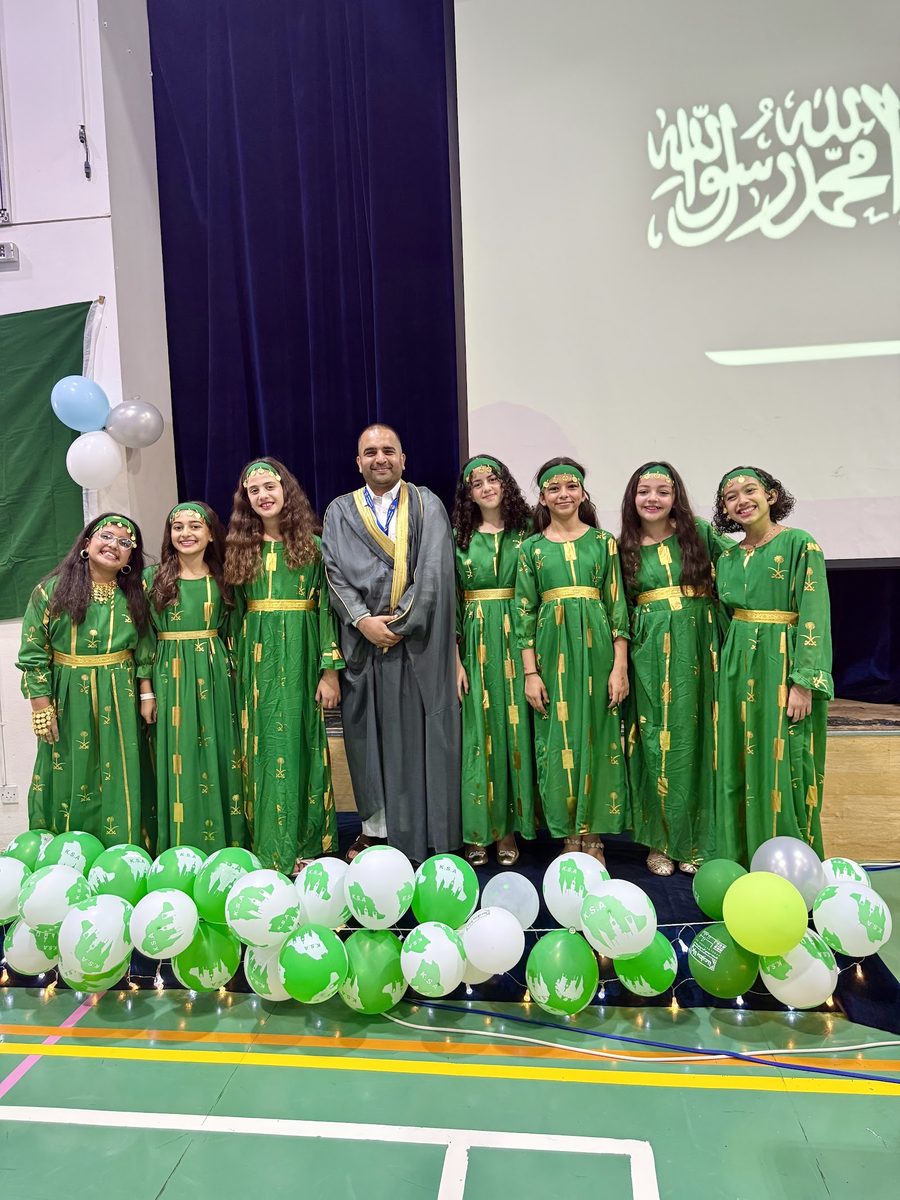
Jeddah Prep and Grammar School
Jeddah · Saudi Arabia
Founded in 1967 as the region's first British school, blending Cambridge rigor with a not-for-profit, fifty-nation community ethos.
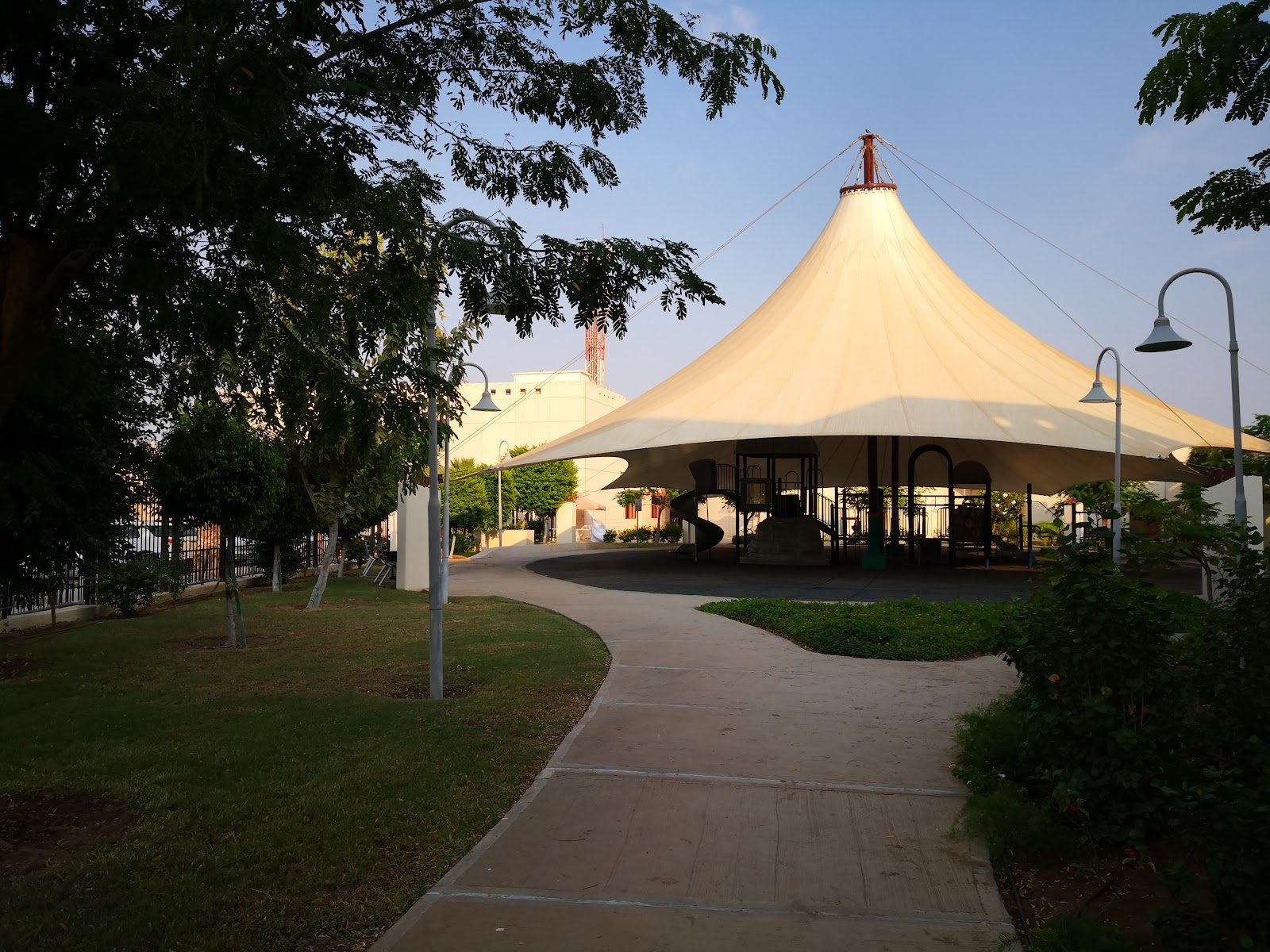
KAUST School
Thuwal · Saudi Arabia
Set inside a Red Sea research university campus, this IB continuum school pairs inquiry-based learning with a working scientific community.
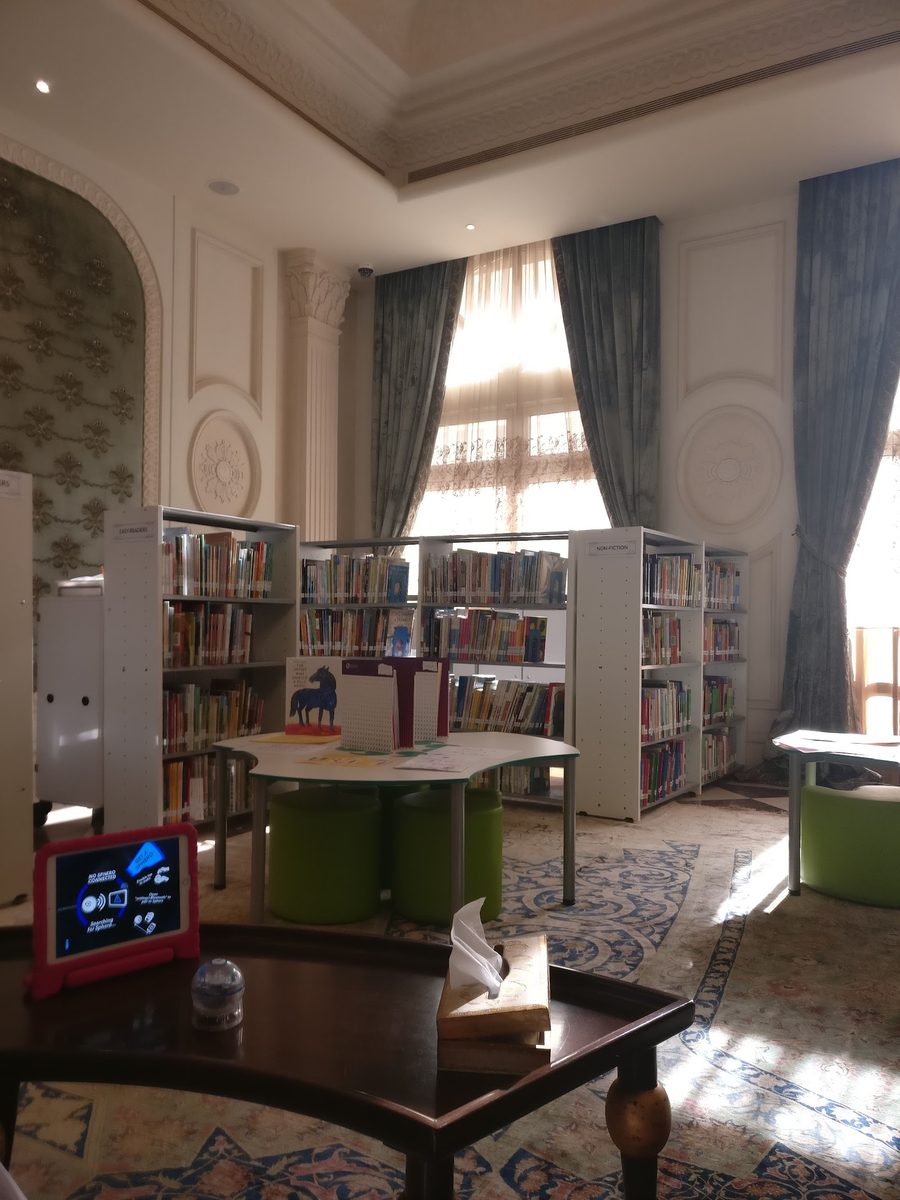
Misk Schools
Riyadh · Saudi Arabia
Nine single-sex academies share one royally founded Riyadh campus, built to engineer Vision 2030's next leaders.
Multinational School Riyadh
Riyadh · Saudi Arabia
A 1998-founded British day school in Riyadh built its reputation on inclusive teaching and one of the region's most developed learning-support programmes.
Same country and curriculum — closest matches within ±10 points either way