
Riyadh Province
Multinational School Riyadh
medium confidence· 4/6 cats · 2.3 avg sourcesA 1998-founded British day school in Riyadh built its reputation on inclusive teaching and one of the region's most developed learning-support programmes.
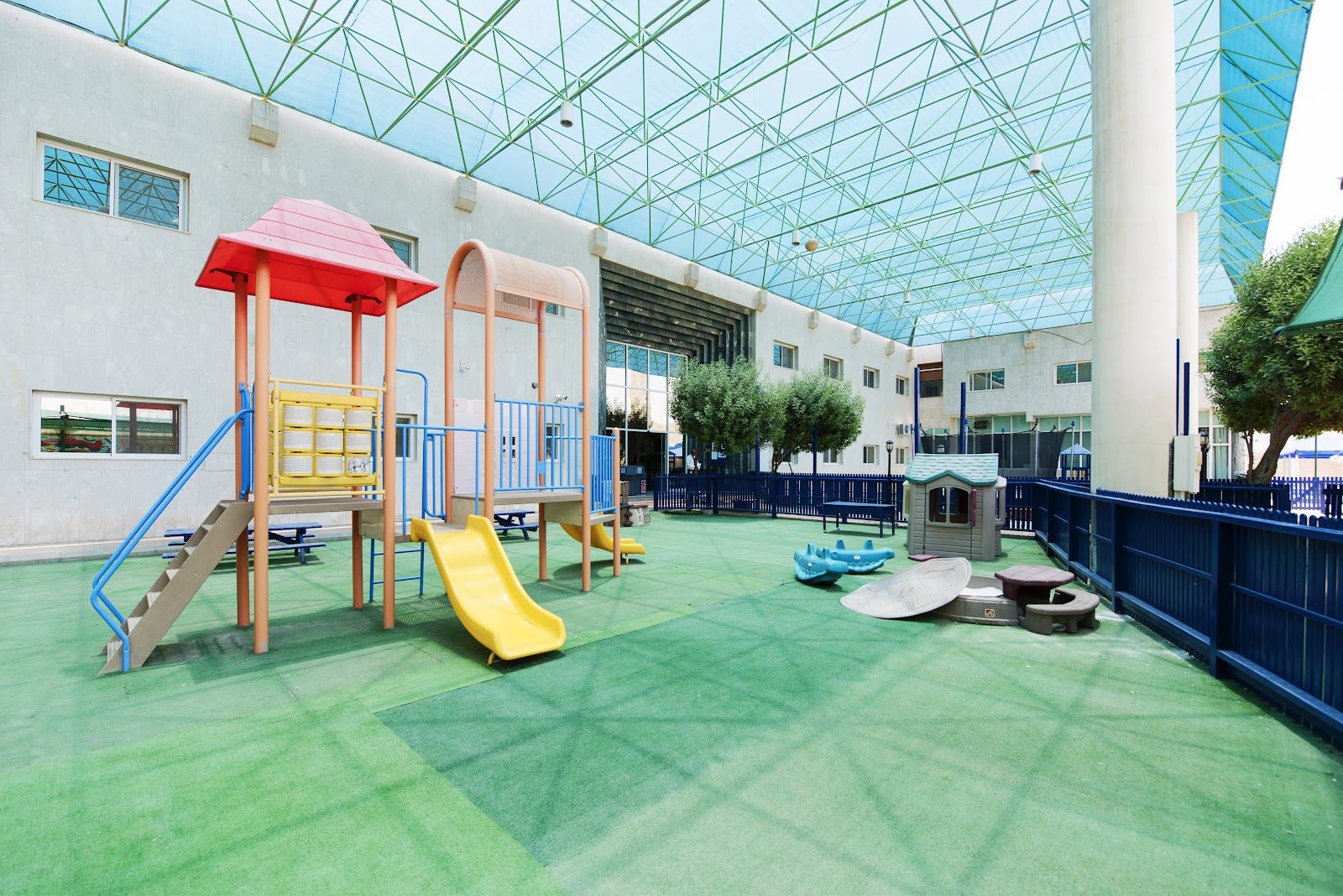
Photo © Multinational School Riyadh via Google Maps
Type
Day
Ages
3–18
Curriculum
British
Qualifications
A-Level · IGCSE
Ratio
—
The Verdict
Editor's commitment
Right for
Riyadh families wanting an English-medium British day school for ages 3–18, with non-religious provision rare in Saudi Arabia.
Wrong for
Families seeking boarding, a faith-based ethos or anything beyond a British curriculum; this 2011 Riyadh school is day-only and English-medium.
Watch out for
The school trades on breadth from ages 3–18, but publishes no public inspection grade, exam outcomes or accreditation list on this profile.
Ranking breakdown
Multinational School Riyadh · #937 of 1591
Composite score 64.1. 8 weighted criteria.
By criterion
Academic Outcomes
Weight 20%
#791
of 1529 scored
University Placement
Weight 16%
#793
of 1529 scored
Prestige & Heritage
Weight 12%
#1069
of 1571 scored
Alumni Network
Weight 12%
#825
of 1530 scored
Facilities
Weight 12%
#869
of 1533 scored
Transparency & Communications
Weight 8%
#651
of 1532 scored
Peer & Industry Review
Weight 10%
#793
of 1548 scored
Admissions Selectivity & Demand
Weight 8%
#1232
of 1529 scored
Score history
Multinational School Riyadh · 2026
Movement across 2024–2026. Peer average overlaid.
Overall — 2024–2026
64.1/ 100
▲ +39.0 vs 2025
year on year
Peer & Industry Review
How Multinational School Riyadh is regarded in the sector
58
Credible · medium confidence
Multinational School Riyadh, now trading as Reigate Grammar School Riyadh following its 2022 tie-up with the historic UK institution, carries a solid if regionally-bound reputation rather than a headline one. WhichSchoolAdvisor's review notes it had become the favourite choice for Antipodean and Canadian expatriates, with a reputation for strong academics but a more relaxed approach than that of the other long-standing options such as British International School Riyadh and American International School Riyadh, placing it firmly among the capital's established mid-tier expat schools. Its long track record since 1998 and the subsequent Reigate Grammar UK partnership have brought fresh sector attention, including WhichSchoolAdvisor's wider guide flagging that the long-established Multinational School was relaunched as Reigate Grammar School Riyadh. Coverage remains largely confined to this single specialist publisher and directory-style listings rather than a broad peer or press footprint, so while the school is credible and well-known locally, its industry profile has not yet reached top-tier or unanimous benchmark status.
Evidence sources
Editors' overview
Multinational School Riyadh occupies a clear niche in the Riyadh market: a British day school for families who want structure without elitist theatre, and support without academic dilution. The standout is not heritage — the school was founded in 2011, not 1998 — but the combination of English-medium British schooling, an age range spanning 3–18, and a reputation built around inclusive teaching. In a city where many schools talk about pastoral care, this school has won attention for making access and learning support central rather than decorative. That matters for parents who have spent too long hearing warm words and generic promises from competitors.
What puts it on a shortlist is that emphasis on students who do not slot neatly into a standard classroom model. Schools that take inclusion seriously change the daily experience of pupils and parents alike: better communication, sharper intervention, fewer battles over unmet needs. If Multinational School Riyadh delivers on that reputation in practice, it offers something hard to find in the region — a school where learning support is not an afterthought and where children who need steady guidance do not get pushed to the margins. For families who value calm competence, serious support and a school culture that treats difference as normal, that is a strong market position.
The right student for Multinational School Riyadh is not only the high-flyer chasing a spotless transcript. The school fits children who benefit from clear routines, close monitoring and an environment that does not worship narrow academic typecasting. It suits internationally mobile families who want a British framework in English and need continuity across the full school journey, from early years to sixth form age. It also suits pupils who have found larger, harsher systems needlessly bruising and need a school with more human scale and more patience.
The caveat is straightforward. Parents who want old-school prestige, selective swagger or a brand name school with centuries of institutional mythology will look elsewhere. Multinational School Riyadh sells a different proposition: practical inclusion, broad accessibility and support-led schooling in Riyadh. For the right family, that is not a consolation prize; it is the point.
Academic Performance
Multinational School Riyadh does not publish the data that lets parents judge academic performance properly. We have not seen aggregate GCSE results, aggregate A-level results, pass rates, top-grade distributions, value-added measures, university destinations, or subject-by-subject breakdowns. That leaves a serious gap in public accountability. In a market where stronger schools use hard numbers to prove academic strength, this school asks families to trust reputation and experience instead. For a school serving pupils through the examination years, that is not enough. Inclusion and learning support matter; exam transparency still matters.
That opacity makes peer comparison blunt rather than precise. The school does not sit in the publicly evidenced top tier of Riyadh’s British schools, because the top tier publishes outcomes that can withstand inspection by parents. Nor does the absence of published results prove weak attainment. It proves that external performance is opaque. For some families, especially those prioritising specialist support over league-table theatre, that will not be a deal-breaker. For others, it will be. The school’s academic case needs hard numbers in the public domain: headline pass rates, top grades, and destination data. Until those figures are published, its exam profile remains hard to verify against direct competitors.
Facilities
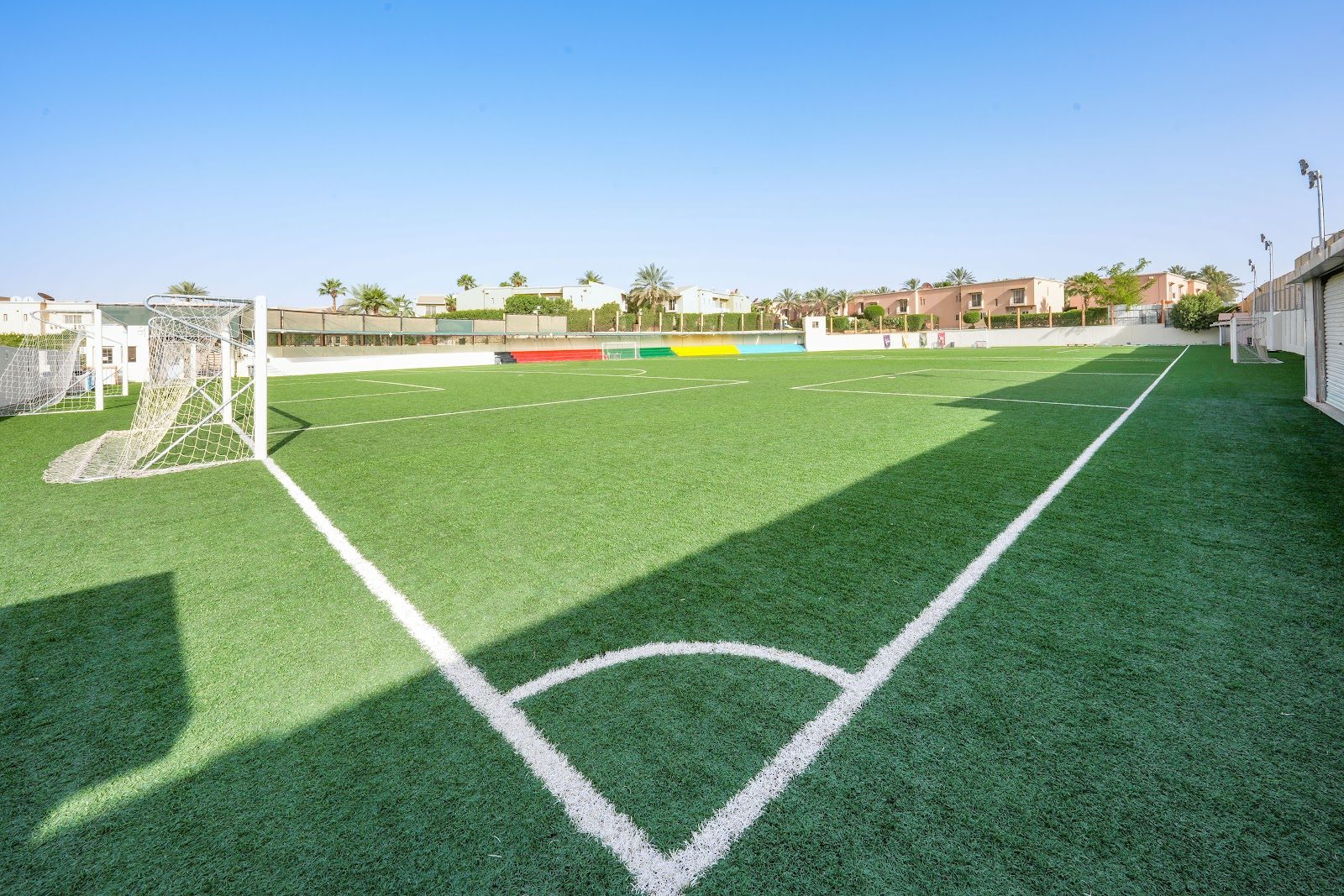
The school’s facility profile is hard to judge in depth because it does not publish a detailed campus inventory. That matters. Parents can forgive modest architecture; they should not have to decode what sits behind the prospectus. What stands out instead is functional fit. A school whose reputation rests on inclusion and learning support needs teaching spaces that support withdrawal work, small-group intervention, quieter regulation, and close adult oversight. If those rooms are well planned and well staffed, they matter more than an atrium built for photographs. Against Riyadh peers, that places Multinational School Riyadh in the camp of schools where practical provision counts for more than showpiece hardware. For families chasing Olympic-scale sports infrastructure, black-box theatres and sprawling specialist blocks, this is not the obvious front-runner.
That does not make the offer weak; it makes it targeted. In this part of the market, the real question is whether the campus works cleanly for daily teaching, movement between phases, safeguarding, and support delivery. The school’s public case would be stronger with plain disclosure: library, science labs, indoor and outdoor sports provision, performing arts spaces, specialist SEN rooms, and sixth-form facilities. Peer schools with stronger estates publish that detail because they know facilities help close the sale. Here, the lack of hard detail leaves the impression of a campus built for steady use rather than prestige display. For the right family, that is sensible. For others, it will feel underpowered.
Multinational School Riyadh sits in the middle of the prestige hierarchy, not near the top
Prestige
Multinational School Riyadh sits in the middle of the prestige hierarchy, not near the top. It does not trade on dynastic name recognition, inherited social cachet or the admissions mystique that powers the city’s most status-conscious schools. Its draw is more practical than glamorous. For many families, that produces a school with real utility and less social theatre; for prestige-minded buyers, it caps the school’s aura. The strongest private schools in this bracket build prestige from one of three things: elite selectivity, published academic dominance, or a famous brand. Multinational School Riyadh does not hold any of those cards in public view. That matters, because prestige in international education is not a feeling; it is a market verdict built from scarcity, outcomes and recognition.
The school still carries serious credibility in one area that counts: support for pupils who need more than a standard classroom offer. That gives it a form of earned respect among parents who care less about peacocking and more about whether a school can teach their child properly every day. In that narrower sense, its standing is stronger than its broader reputation. But specialist respect is not the same as top-tier prestige. Without published examination data, widely recognised destination outcomes, or the cachet of a marquee name, the school remains valued rather than coveted. For the right family, that is enough. In pure status terms, it is not.
The right student for Multinational School Riyadh is not only the high-flyer chasing a spotless transcript
Communications
Parent communication reads as serviceable rather than polished. The school website covers the essentials — admissions route, fee structure, calendar basics, contact points and a visible social-media presence — but it does not give parents the depth that stronger operators now treat as standard. We have not seen a clear archive of newsletters, a substantial head’s message stream, published governance updates, or a rich public window into day-to-day academic life. That matters because schools built on trust and support need tight communication, not just warm positioning. When a school’s public case leans heavily on care, parents need proof of daily competence: what gets shared, how frequently, and how clearly concerns move between classroom, support staff and home.
The strongest inference lies in the school’s reputation with families who need close oversight. Schools that handle those pupils well do not survive on vague messaging; they rely on prompt responses, plain language and staff who know when to escalate an issue before it turns into a draining battle. That gives Multinational School Riyadh a plausible communications strength at the individual-family level, even while its public-facing communication stays thin and underpowered. In other words, direct parent contact may be better than the website. Parents who value hand-holding and quick access to staff may find that works. Parents who expect a high-accountability communication culture, with abundant published updates and institutional transparency, will find the public standard too light.
Uniqueness
What makes Multinational School Riyadh distinct is not a rare curriculum, a grand campus story or a status badge. It is the school’s concentration on children who need more adaptation, more patience and more precise adult attention than a conventional classroom gives them. Many schools claim inclusion; far fewer build their identity around it. Here, that focus shapes the school’s market identity and, if executed well day to day, changes the lived experience of families. Pupils who have been mishandled elsewhere — the child who needs regulation, the child whose confidence has taken repeated knocks, the child whose learning profile does not fit the mainstream template — get a setting that treats support as core business, not damage limitation. In a market still crowded with one-size-fits-all schooling, that is a real differentiator.
For students, the benefit is concrete. A school built this way can deliver earlier intervention, tighter home-school communication, and teaching that does not force every child through the same pace or method. That does not guarantee academic brilliance, and it does not replace the need for published outcomes. It does mean that children who are vulnerable to being overlooked in more performative systems stand a better chance of staying engaged, making progress and keeping their dignity intact. The school’s uniqueness lies in that serious pastoral utility: less obsession with polish, more attention to whether a child can function, learn and recover confidence across a full school day from age 3 to 18.
Multinational School Riyadh sells a different proposition: practical inclusion, broad accessibility and support-led schooling in Riyadh
Student Profile
The best fit is a child who benefits from adults paying attention before a problem hardens into failure or conflict. This school suits pupils who need steady containment, clear routines, and teachers who do not treat difference as inconvenience. That includes children with uneven learning profiles, shaky confidence, gaps created by school moves, or a history of being lost in faster, sharper environments. It also fits families who value access over exclusivity. Because the age range runs from 3 to 18, the student body will include children with very different levels of independence and readiness; the common thread is not one academic type but a need for a school that can hold variation without turning it into stigma.
The weaker fit is just as clear. A pupil who wants a high-octane, openly competitive culture, constant public celebration of top scorers, or the social charge of a prestige-driven peer group will find this setting too muted. The school is better for children who work best with structure than for those who thrive on institutional intensity and academic peacocking. It also suits parents who want close adult oversight and are willing to trade some glamour for daily practicality. In social terms, the school fits families who want their child known well, monitored closely, and supported without needless drama.
Multinational School Riyadh does not publish the data that lets parents judge academic performance properly
Co-curricular strengths
Arts & sport, on a separate axis
Overall 7/10
Scored 0-10 from the school's own published evidence. This axis is editorial-only — it does not feed the main WTS ranking.
Sports
7.5/10
The extracurriculars explicitly list Football, Basketball, Volleyball, Swimming, Track and field, and Table tennis, showing a solid multi-sport offering.
Drama
7/10
Drama club is offered, but there is no further detail about productions, facilities, or staff.
Dance
6/10
Music
7.5/10
School choir is offered, but there is no further detail about ensembles, facilities, or specialist music provision.
Visual Arts
7/10
Art club is offered, but there is no further detail about studios, exhibitions, or specialist teaching.
Editor first-pass · editor-reviewable · 7/27/2026
Strengths
- +British curriculum throughout ages 3–18.
- +English-medium teaching suits many expatriate families.
- +Non-religious setting may appeal to international families.
- +Day school avoids boarding for younger children.
Considerations
- −Only day provision; no boarding option.
- −British curriculum may not suit non-British pathways.
- −Founded 2011; shorter track record than older schools.
Availability
Primary entry gate & tests
CAT4 / Assessment
Gallery
Photo © Multinational School Riyadh via Google Maps
Photo © Multinational School Riyadh via Google Maps
Photo © Multinational School Riyadh via Google Maps
Photo © Multinational School Riyadh via Google Maps
Photo © Multinational School Riyadh via Google Maps
Parent reviews
Have you sent your child here?
Voice reviews carry the strongest trust badge — we transcribe them for you to tidy up before they go live. Prefer to type? A written review is fine too.
Add your voice
In 60 seconds, tell other parents: what's the best thing about Multinational School Riyadh, and what surprised you when your child joined?
We ask for a Google sign-in so every review has a real face behind it — no anonymous drive-by attacks on schools, and no faked positive reviews. Your email is never shown publicly.
Send this profile to a friend
International parents rely on word-of-mouth. Share this review with someone weighing the same decision.
Schools with places
Similar schools to Multinational School Riyadh with places available now.
Misk Schools
Riyadh · Saudi Arabia
- 2026-27
- PLACES OPENApps open / space-dependent
- 2027-28
- WAITPOOL2027/28 timetable TBC
British International School Riyadh
Riyadh · Saudi Arabia
- 2026-27
- WAITPOOLSpace-dependent
- 2027-28
- PLACES OPENRolling
Availability first, then country, area, curriculum, price, co-curricular
Consider also
Also worth looking at alongside Multinational School Riyadh.
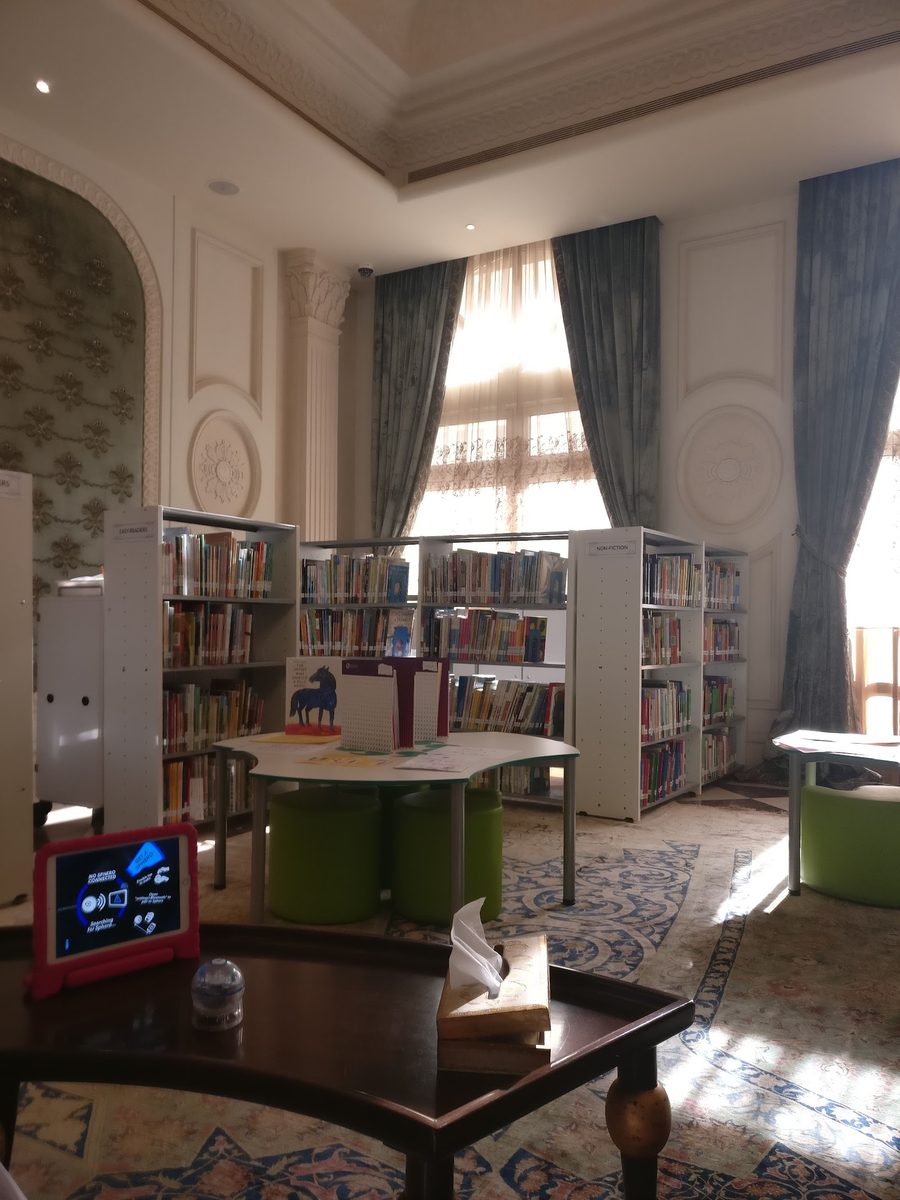
Misk Schools
Riyadh · Saudi Arabia
Nine single-sex academies share one royally founded Riyadh campus, built to engineer Vision 2030's next leaders.
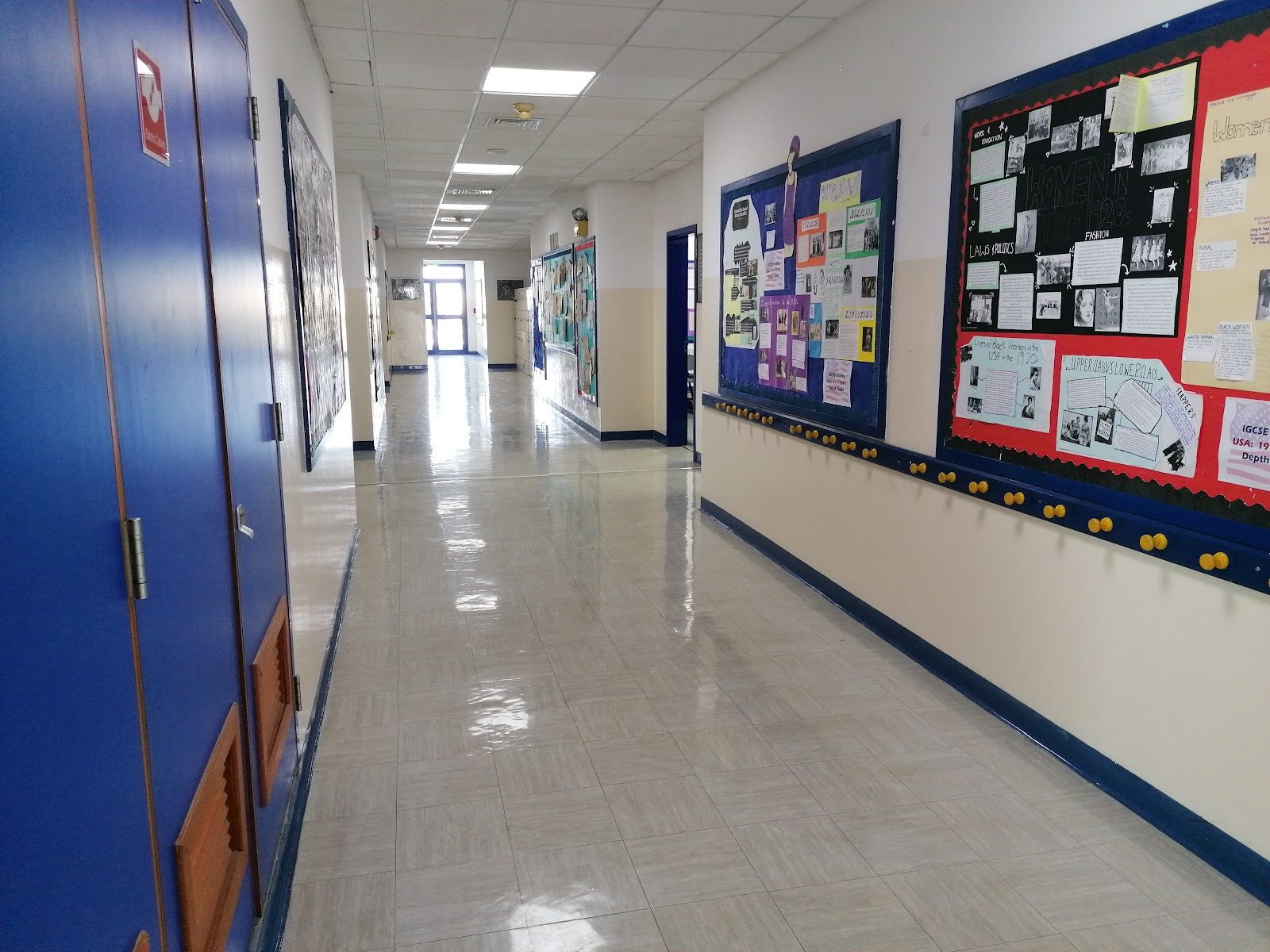
The British International School of Jeddah
Jeddah · Saudi Arabia
Born in a British Embassy room in 1977, this Jeddah 'Conti' became the first British-style school worldwide to earn ECIS accreditation.
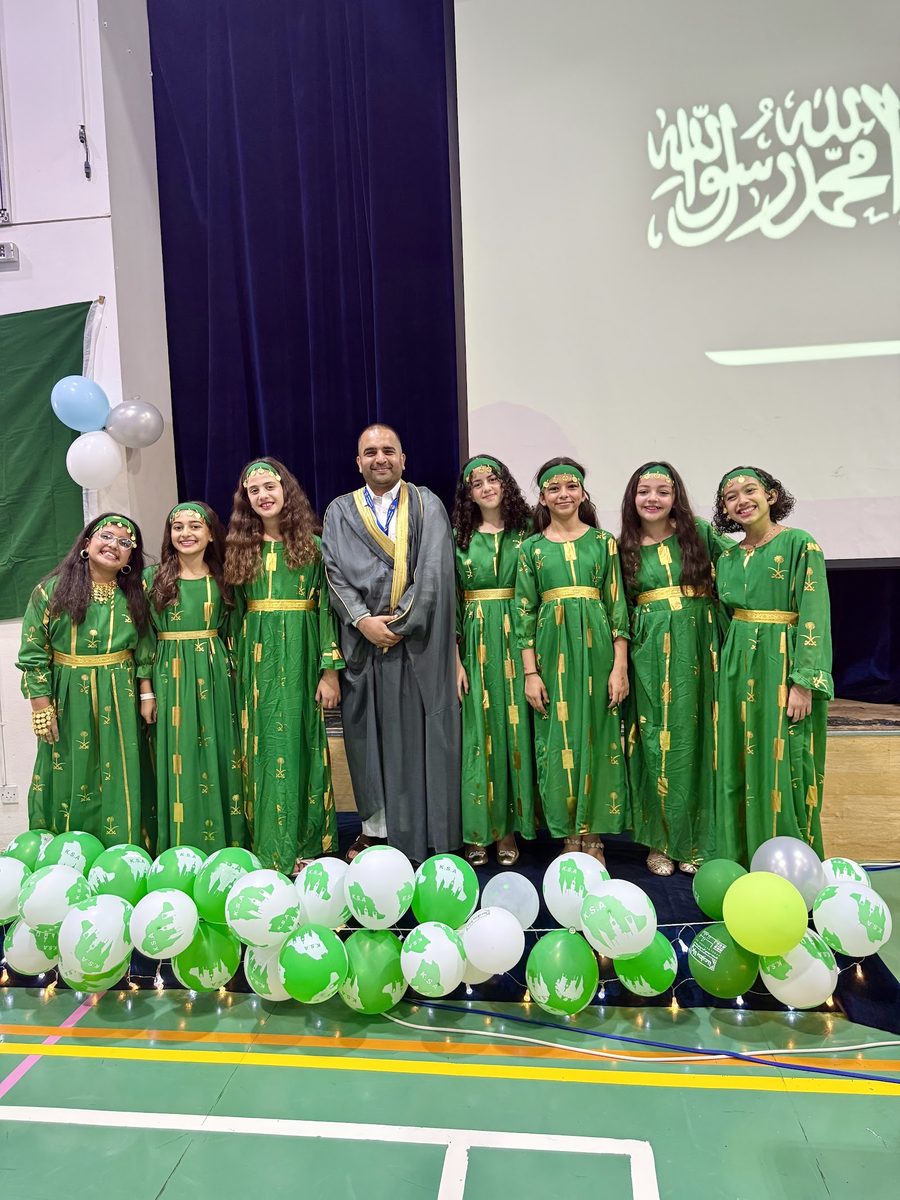
Jeddah Prep and Grammar School
Jeddah · Saudi Arabia
Founded in 1967 as the region's first British school, blending Cambridge rigor with a not-for-profit, fifty-nation community ethos.
British International School Riyadh
Riyadh · Saudi Arabia
Founded in 1979 amid Riyadh's diplomatic and oil community, this multi-campus day school pairs A-Levels with the IB Diploma.
Same country and curriculum — closest matches within ±10 points either way