
Makkah Province
Jeddah Prep and Grammar School
medium confidence· 5/6 cats · 2.1 avg sourcesFounded in 1967 as the region's first British school, blending Cambridge rigor with a not-for-profit, fifty-nation community ethos.
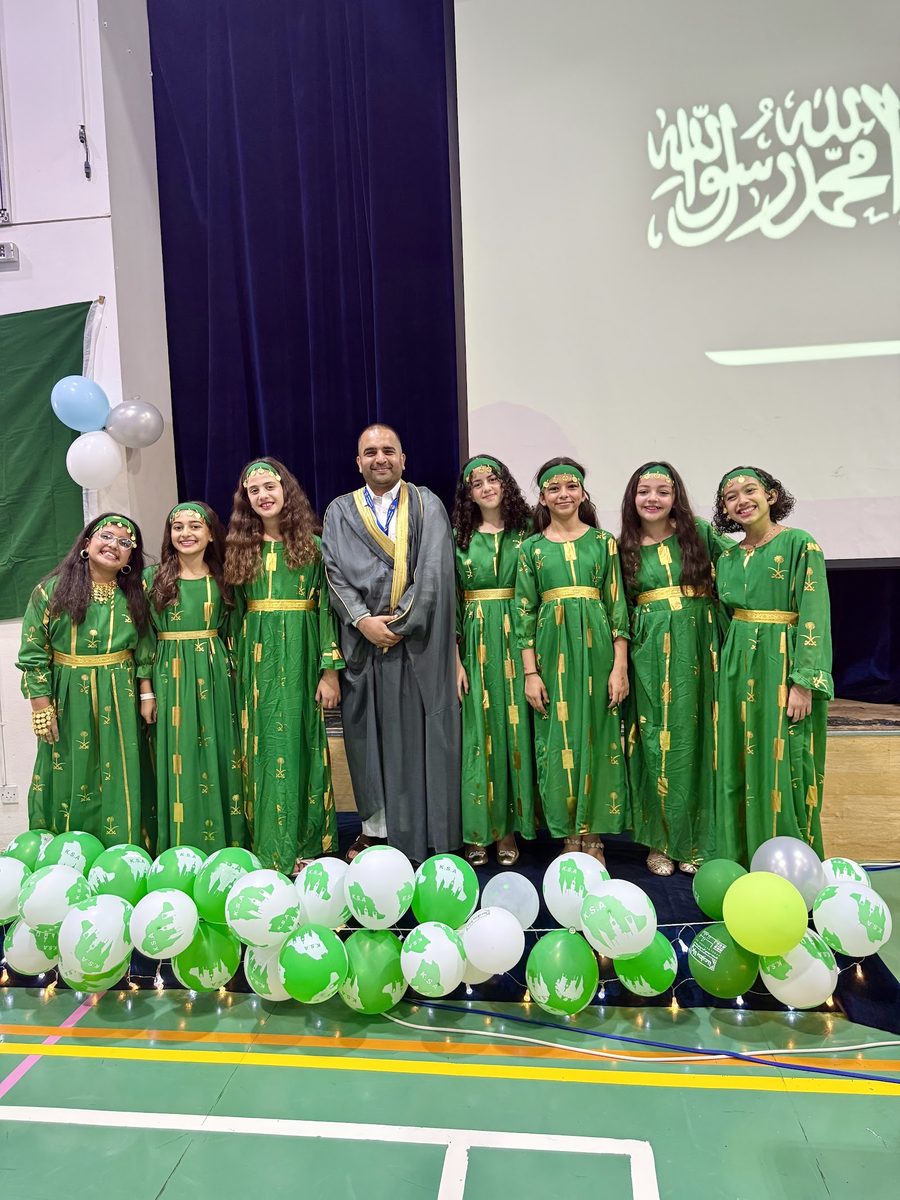
Photo © Jeddah Prep and Grammar School via Google Maps
Type
Day
Ages
3–18
Curriculum
British
Qualifications
A-Level · IGCSE
Ratio
—
The Verdict
Editor's commitment
Right for
Families in Jeddah who want an English-medium British school from age 3 to 18, with Cambridge IGCSEs and A-Levels.
Wrong for
Parents who want boarding, a faith-based ethos, or a lower-cost option than the 36,800 SAR average annual day fee.
Watch out for
The school cites 1967 while the verified founding year here is 1968; it also publishes no aggregate exam results.
Ranking breakdown
Jeddah Prep and Grammar School · #522 of 1591
Composite score 68.8. 8 weighted criteria.
By criterion
Academic Outcomes
Weight 20%
#668
of 1529 scored
University Placement
Weight 16%
#649
of 1529 scored
Prestige & Heritage
Weight 12%
#296
of 1571 scored
Alumni Network
Weight 12%
#195
of 1530 scored
Facilities
Weight 12%
#732
of 1533 scored
Transparency & Communications
Weight 8%
#456
of 1532 scored
Peer & Industry Review
Weight 10%
#533
of 1548 scored
Admissions Selectivity & Demand
Weight 8%
#1232
of 1529 scored
Score history
Jeddah Prep and Grammar School · 2026
Movement across 2024–2026. Peer average overlaid.
Overall — 2024–2026
68.8/ 100
▲ +39.7 vs 2025
year on year
Peer & Industry Review
How Jeddah Prep and Grammar School is regarded in the sector
63
Respected · medium confidence
Jeddah Prep and Grammar School is widely acknowledged as the standard-bearer among Saudi Arabia's traditional British-curriculum schools, tracing its history to 1967 and a founding role in the British Schools in the Middle East network. WhichSchoolAdvisor's independent review states it is "one of the longest-established 'traditional' British curriculum schools in Saudi Arabia, it is evident that Jeddah Prep and Grammar School remains highly regarded both within the school and wider community", adding that at its most recent inspection in March 2022, the school was found to have fully met all standards, with inspectors noting a British education that meets the needs of its students. The Good Schools Guide maintains a dedicated profile on the school, reinforcing its standing among internationally recognised institutions, though detailed results data remains sparse. Local expat guides consistently list JPGS alongside Jeddah's handful of established British and American options, but coverage stops short of the sustained, ranking-driven scrutiny given to the region's very top-tier schools.
Evidence sources
Editors' overview
Jeddah Prep and Grammar School trades on two things that still matter in this market: longevity and continuity. It opened in 1968, teaches in English, runs from age 3 to 18, and sticks to a British curriculum all the way through to IGCSE and A-Level under Cambridge accreditation. In a city where many schools sell new facilities and broad claims, JPGS has a sharper proposition: an established British academic route inside a non-religious, day-school setting with a stated international mix of 50 nationalities. That combination gives it a distinct place on a shortlist for parents who want a school with history, a recognisable academic structure and a community that is more international than insular.
The school’s strongest selling point is that it is not trying to be all things to all families. The offering is plainly British, exam-facing and university-minded. JPGS says more than 90% of pupils progress to universities in the UK, US and Canada; it does not publish the detail that would let parents test that claim properly, such as named destinations or cohort-level results. That opacity matters. Even so, the sixth-form route to A-Levels, the Cambridge framework and the school’s long tenure in Jeddah give it substance beyond the usual glossy language. At an average annual day fee of SAR 36,800, it sits in a compelling position: not bargain-basement, not ultra-premium, but strong value for a school covering the full 3–18 ladder.
What is special here is the blend of old-established British schooling and a genuinely international pupil body in Saudi Arabia. The school talks about resilience, integrity and knowledge, but the more telling facts are structural: almost 60 years in operation, a full through-school model from early years to sixth form, and a leadership team with dedicated heads for prep, grammar and sixth form. That gives JPGS the feel of a serious, settled school rather than a fast-built entrant chasing demand. Parents who need published inspection grades, detailed outcome data or a long list of external badges will find the public case thinner than it should be. Parents who value institutional memory, continuity and a clear British pathway will find more to work with.
The pupil who fits JPGS best is one who thrives in a traditional academic spine without needing the flashier extras of a premium-brand international school. This suits families who want English-medium education, Cambridge qualifications and a broad expatriate community, but do not need boarding, an IB track or a religious ethos. It will also appeal to students who benefit from staying in one school from the early years through to sixth form rather than switching campuses or systems at 11 or 16. For ambitious, internationally mobile families in Jeddah, JPGS earns shortlist status because it offers something harder to manufacture than branding: institutional depth.
Academic Performance
JPGS makes a strong public claim on outcomes: more than 90% of pupils move on to universities in Anglophone destinations. That signals ambition, but it does not answer the question parents need answered first: how well pupils perform in external examinations. The school does not publish aggregate IGCSE grades, A-Level grades, pass rates, value-added data or subject-level breakdowns. That is a material gap. In a British school serving exam years across the full secondary range, public results data is the cleanest test of academic strength. Without it, parents are being asked to accept a university-progression headline without the underlying numbers that make it credible. For a school with such an established profile, that lack of disclosure is below the standard set by the stronger operators in this market.
Relative to peers, JPGS sits in the opaque middle. It offers recognised external qualifications and a full route through to sixth form, which gives it more academic substance than schools with thinner senior provision. But the best British schools in the region publish enough exam detail for families to judge selectivity, consistency and stretch. JPGS does not. That does not mean weak results; it means unverified results. Until the school releases cohort-wide exam outcomes and named university destinations, its academic standing rests on reputation, longevity and institutional confidence rather than hard comparative data. For some families that is enough. For any parent making a results-led decision, it is not.
Facilities
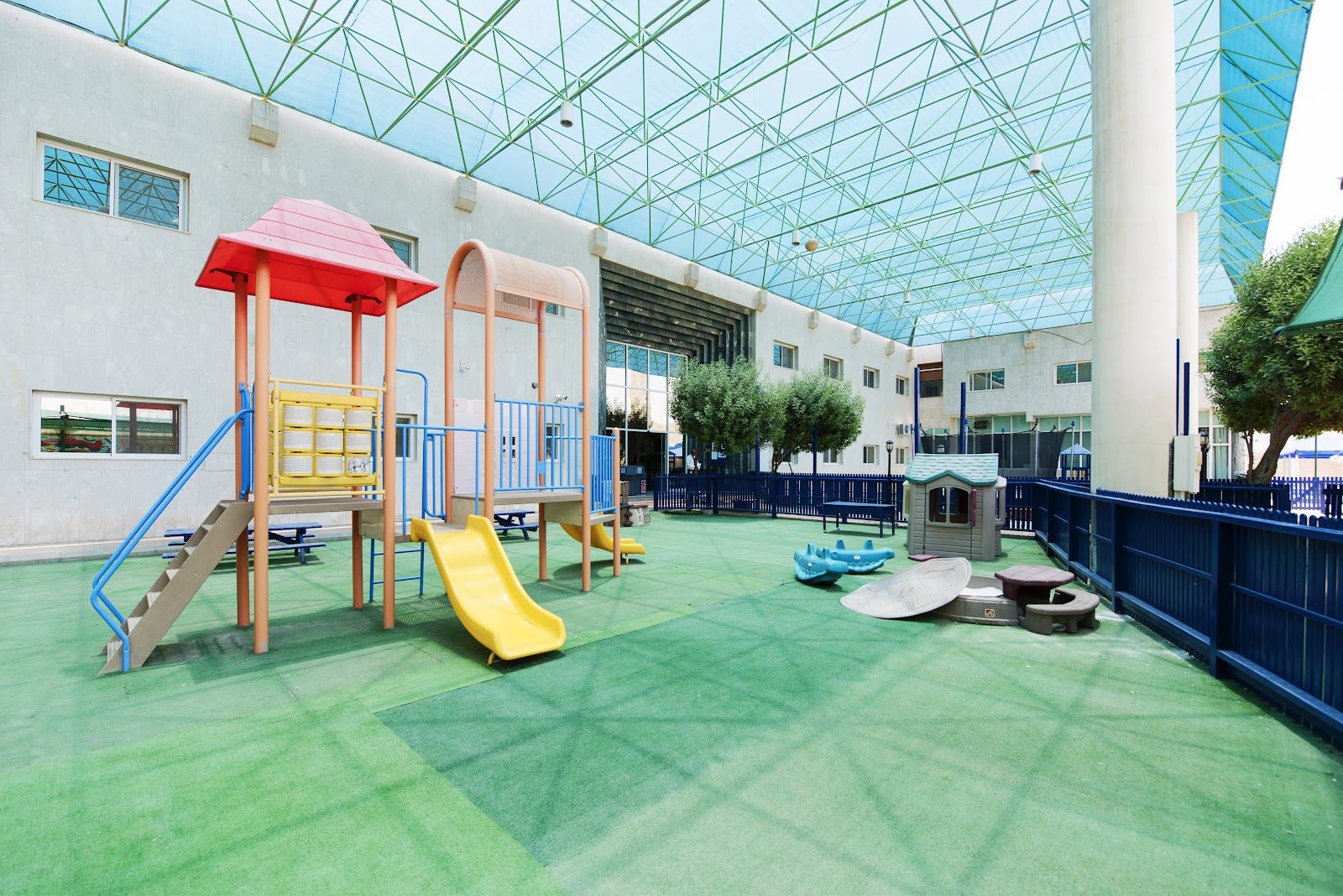
The public picture on facilities is thinner than it should be. JPGS clearly runs a full through-school operation, and the site points parents to distinct sections for early years, prep, grammar and sixth form, which signals age-specific provision rather than a single generic campus offer. It also names a director of sport and foregrounds enrichment alongside academics, so sports and co-curricular space matter in the school’s internal structure. Beyond that, the school does not publish the kind of concrete facilities detail serious parents expect: no proper campus overview, no clear breakdown of science labs, specialist art and music rooms, libraries, theatres, indoor sports provision or technology suites. That leaves a frustratingly opaque picture of the physical estate.
Against peers, that matters. Competing British schools in this bracket and above now spell out their built offer in detail because facilities shape daily life as much as exam pathways do. JPGS instead asks families to trust its institutional seriousness without showing much of the campus that underpins it. That does not mean weak facilities; it means thin disclosure. The school’s strongest structural advantage is the breadth of age range under one roof and a community spanning 50 nationalities, which points to a campus built for continuity and scale. But parents hunting for premium hardware — standout performing arts spaces, high-spec STEM environments or resort-style sports provision — will find the public case underpowered beside sharper-presented rivals.
Jeddah Prep and Grammar School trades on two things that still matter in this market: longevity and continuity
Prestige
JPGS carries local standing that rests on endurance, recognisable academic structure and a parent-friendly fee point, not on elite branding. In Jeddah, that matters. A school that has stayed in the market for decades, runs a full through-school and serves an internationally mixed parent body acquires credibility that newer operators cannot buy. The school also benefits from a broad community profile, claiming 50 nationalities, which gives it more social range than the insular compound-school model. At an average annual fee of SAR 36,800, it occupies a useful middle ground: expensive enough to signal seriousness, far below the stratospheric pricing that often buys prestige by association alone. That makes JPGS a school with earned reputation rather than status theatre.
Its prestige still has clear limits. This is not the kind of school whose name alone opens doors, nor one that trades on a global luxury-school aura. The public case for distinction is thinner than it needs to be: the school leans on heritage, university progression and broad claims of excellence, but it does not publish the exam data or destination detail that turns reputation into proof. That keeps JPGS in the category of solidly respected rather than top-tier aspirational. For families in Jeddah, the value of the name lies in trust, continuity and a serious academic route. For families chasing brand prestige or externally verified academic dominance, it falls short.
What is special here is the blend of old-established British schooling and a genuinely international pupil body in Saudi Arabia
Communications
JPGS communicates in a conventional, serviceable way. The website gives parents the essentials quickly: clear routes to admissions, academics, enrichment, FAQs, portals for pupils and parents, and direct prompts to contact the school. It also puts named senior staff in public view rather than hiding behind generic departmental addresses, which helps. The school says communication matters and points to updates on events, activities, announcements and achievements; that indicates a regular rhythm of parent-facing messaging rather than a static brochure site. For day-to-day practicality, that matters more than glossy branding. Parents want notices, points of contact and a functioning portal. JPGS shows those basics.
Where it falls short is depth and proof. The communications style is tidy but controlled: enough to guide an enquiry, not enough to answer every serious question a parent will have before visiting. Key areas across the public-facing information remain too thin — especially where discerning families expect hard detail rather than uplift. The school is much better at signalling warmth, community and aspiration than at publishing the evidence that underpins confidence. That weakens trust at the top end of the decision process. A parent making a shortlist will find JPGS reassuringly navigable; a parent trying to interrogate standards, campus provision or outcomes will hit the limits fast. In other words, communication is effective at access and tone, less convincing at transparency.
Uniqueness
What sets JPGS apart is not novelty but continuity with range. In a market crowded with newer operators and louder sales language, this school offers a through-school model that carries pupils from the earliest years to sixth form inside one institutional culture. That matters more than brochures admit. Children do not need to re-enter a new system at key transition points, parents do not need to relearn a different school every few years, and staff can build a longer view of academic and pastoral development. Add a community spanning 50 nationalities, and the result is a school that is unusually cosmopolitan without losing a clear academic spine. The non-religious setting sharpens that appeal for families who want an international education without a confessional frame.
There is also a distinctive tension here that works in the school’s favour: JPGS pairs old-school permanence with a fee level that remains accessible beside many prestige-priced rivals. That gives students something concrete — a community with memory, routines and expectations, rather than a campus built around brand theatre. The leadership structure reinforces that seriousness, with separate heads across the main phases and a dedicated sixth-form lead, which supports a more age-attuned experience than all-through schools that run as one undifferentiated block. Students benefit from that settled, no-nonsense environment if they value stability, broad international exposure and a direct route to external qualifications. The trade-off is clear: this is not a school selling flashy exclusivity. It offers coherence instead.
That keeps JPGS in the category of solidly respected rather than top-tier aspirational
Student Profile
The social fit at JPGS is clear. This suits pupils who do well in a structured, no-nonsense school culture: children who are comfortable with routine, teacher direction and an academic rhythm that builds steadily across the years. It also suits internationally mobile families who want a peer group broader than a single expatriate enclave. The school’s claim of 50 nationalities points to a community where students live with difference as a daily norm, not a slogan, and that matters for children who benefit from mixed reference points rather than a narrow local social scene. Families looking for a non-confessional environment, and those who want continuity from nursery age to sixth form without repeated school changes, will find that model attractive.
The best fit is not the child who needs a highly experimental education or a campus built around flashy prestige. It is the student who values stability, clear expectations and a community with institutional memory. Ambitious pupils with university plans fit the school’s direction, but so do steady, conscientious students who thrive when a school knows them over time and keeps the same standards in view. The public emphasis on resilience, integrity and knowledge gives a clue to the house style: traditional in tone, community-minded and more interested in durability than reinvention. Students who want to be stretched inside a settled, internationally mixed environment will fit well. Students chasing glamour, niche pathways or heavy self-direction will not.
Add a community spanning 50 nationalities, and the result is a school that is unusually cosmopolitan without losing a clear academic spine
Co-curricular strengths
Arts & sport, on a separate axis
Overall 6.84/10
Scored 0-10 from the school's own published evidence. This axis is editorial-only — it does not feed the main WTS ranking.
Sports
7.8/10
The extracurriculars explicitly list multiple sports—Football, Basketball, Netball, Swimming, Athletics, Cricket and Rounders—showing a solid multi-sport offering, but there is no named facility, specialist staff or competitive result.
Drama
7.2/10
Drama appears explicitly only as 'Drama club' in the extracurricular list, with no further detail.
Dance
5/10
Music
7/10
Music is evidenced by the explicit listing of 'School choir' in the extracurriculars, but there is.
Visual Arts
7.2/10
Editor first-pass · editor-reviewable · 7/27/2026
Strengths
- +Founded in 1968; long-established in Jeddah.
- +British curriculum taught in English throughout.
- +Covers ages 3–18 on one day-school pathway.
- +Non-religious; suits families seeking secular education.
Considerations
- −Day school only; no boarding option.
- −English-only instruction may not suit all families.
- −British curriculum may limit non-British pathway options.
Availability
Primary entry gate & tests
Age/grade-appropriate assessment; older applicants may complete English / CAT-style testing
Gallery
Photo © Jeddah Prep and Grammar School via Google Maps
Photo © Jeddah Prep and Grammar School via Google Maps
Photo © Jeddah Prep and Grammar School via Google Maps
Photo © Jeddah Prep and Grammar School via Google Maps
Photo © Jeddah Prep and Grammar School via Google Maps
Recommended reading
Independent write-ups of this school from editorial outlets we trust.
- Jeddah Prep and Grammar School — review on WhichSchoolAdvisorWhichSchoolAdvisor
Parent reviews
Have you sent your child here?
Voice reviews carry the strongest trust badge — we transcribe them for you to tidy up before they go live. Prefer to type? A written review is fine too.
Add your voice
In 60 seconds, tell other parents: what's the best thing about Jeddah Prep and Grammar School, and what surprised you when your child joined?
We ask for a Google sign-in so every review has a real face behind it — no anonymous drive-by attacks on schools, and no faked positive reviews. Your email is never shown publicly.
Send this profile to a friend
International parents rely on word-of-mouth. Share this review with someone weighing the same decision.
Schools with places
Similar schools to Jeddah Prep and Grammar School with places available now.
Availability first, then country, area, curriculum, price, co-curricular
Consider also
Also worth looking at alongside Jeddah Prep and Grammar School.
British International School Riyadh
Riyadh · Saudi Arabia
Founded in 1979 amid Riyadh's diplomatic and oil community, this multi-campus day school pairs A-Levels with the IB Diploma.
Misk Schools
Riyadh · Saudi Arabia
Nine single-sex academies share one royally founded Riyadh campus, built to engineer Vision 2030's next leaders.
The British International School of Jeddah
Jeddah · Saudi Arabia
Born in a British Embassy room in 1977, this Jeddah 'Conti' became the first British-style school worldwide to earn ECIS accreditation.
Multinational School Riyadh
Riyadh · Saudi Arabia
A 1998-founded British day school in Riyadh built its reputation on inclusive teaching and one of the region's most developed learning-support programmes.
Same country and curriculum — closest matches within ±10 points either way