
Ciudad Autónoma de Buenos Aires
St Xavier's College
In Palermo Viejo, a bilingual Catholic education blends Argentina's national curriculum with the IB Diploma and Cambridge IGCSE.
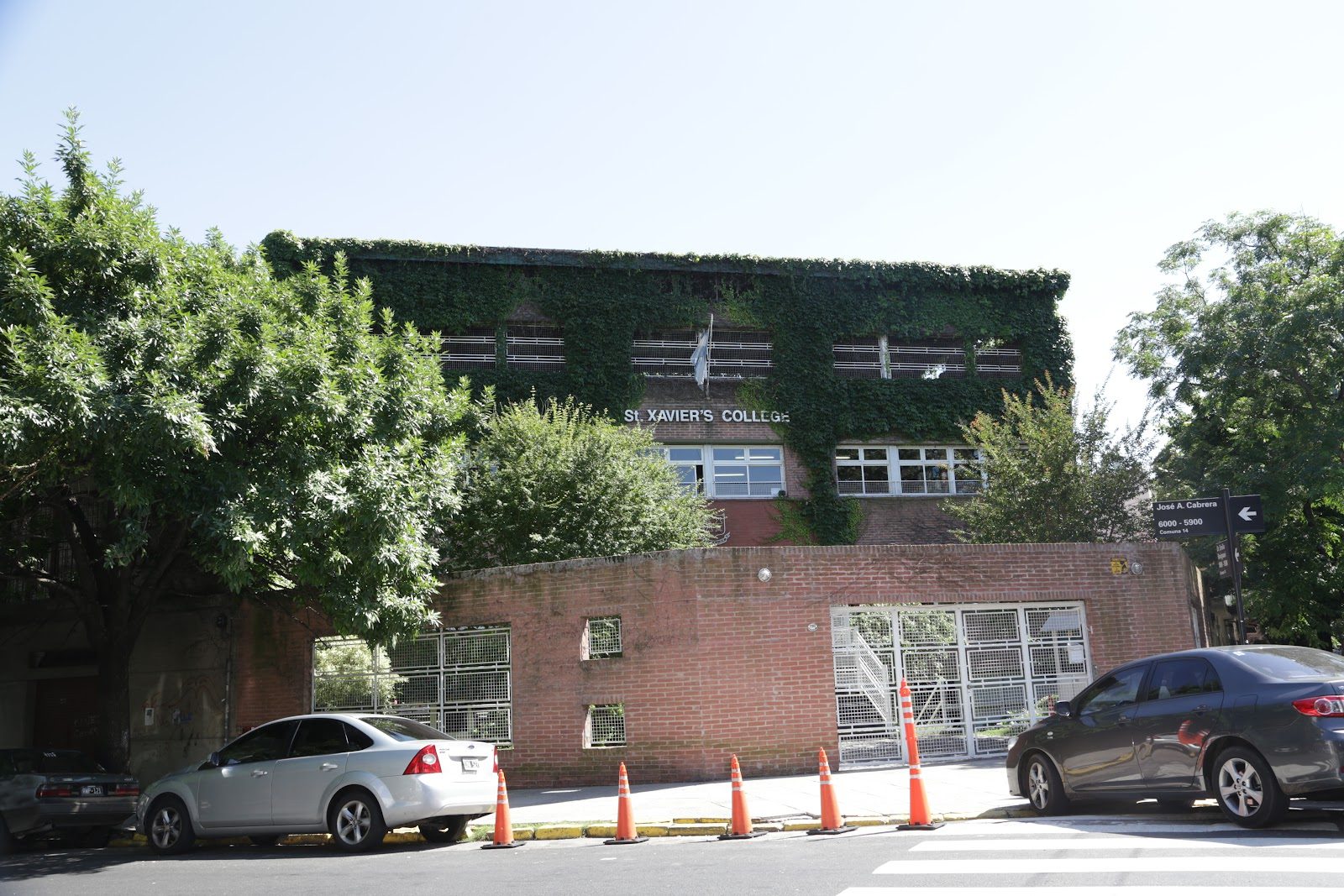
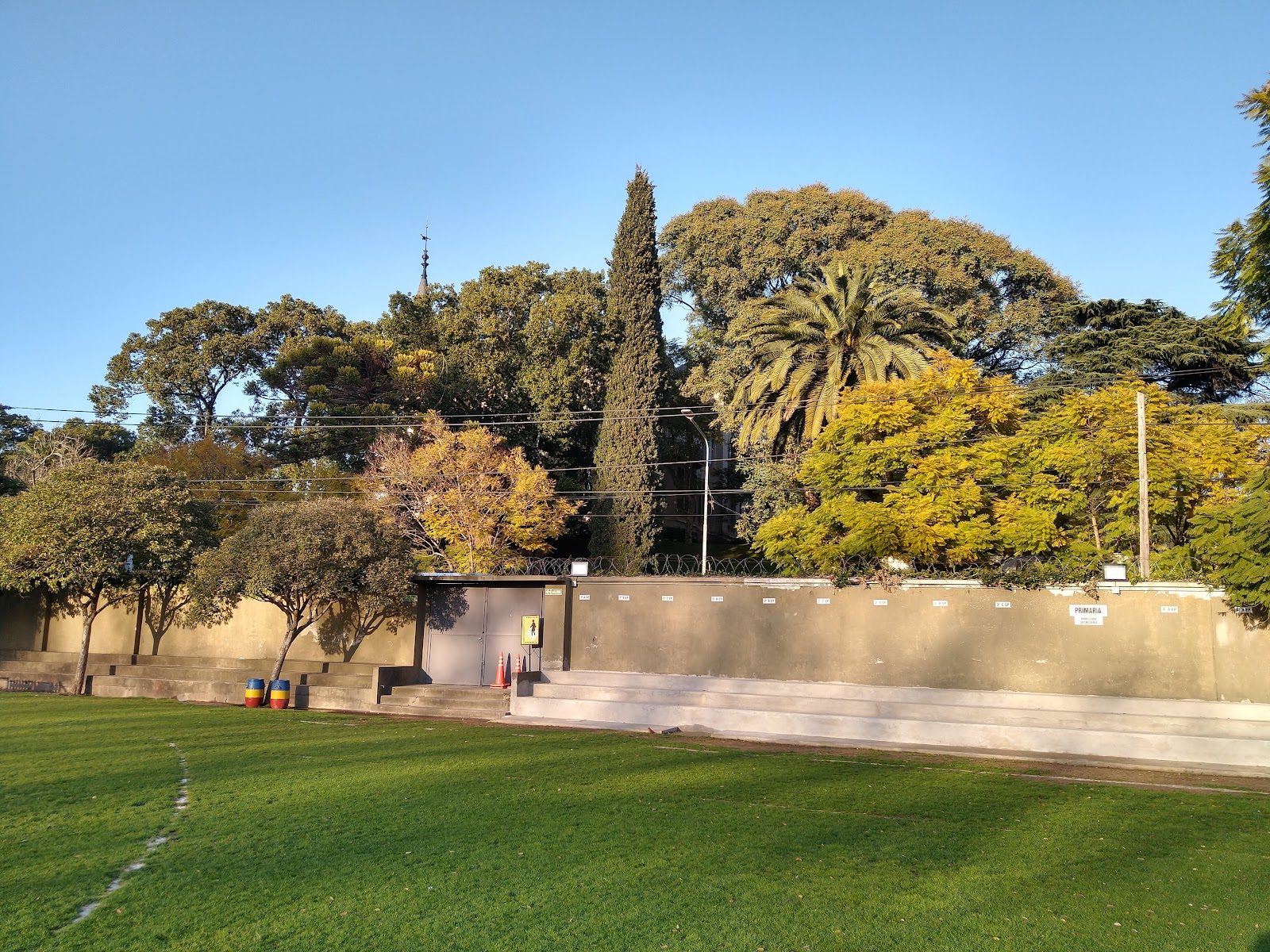
Photo © St Xavier via Google Maps
Type
Day
Ages
3–18
Curriculum
Argentinian · British
Qualifications
Argentinian national curriculum · IGCSE
Ratio
—
The Verdict
Editor's commitment
Right for
Buenos Aires families wanting a day school from ages 3–18 with Spanish and English teaching, Catholic framing, and IB plus British curriculum.
Wrong for
Parents after boarding, a secular ethos, or a single-curriculum route; St Xavier's College is day-only, Catholic, and blends Argentinian with British.
Watch out for
Founded in 1912 in Palermo Viejo, it spans Argentina's national curriculum, Cambridge IGCSE and the IB Diploma; that mix demands clarity on pathways.
Ranking breakdown
St Xavier's College · #1511 of 1591
Composite score 46.7. 8 weighted criteria.
By criterion
Academic Outcomes
Weight 20%
#1420
of 1533 scored
University Placement
Weight 16%
#1414
of 1529 scored
Prestige & Heritage
Weight 12%
#1514
of 1580 scored
Alumni Network
Weight 12%
#1162
of 1530 scored
Facilities
Weight 12%
#1377
of 1540 scored
Transparency & Communications
Weight 8%
#1347
of 1547 scored
Peer & Industry Review
Weight 10%
#1536
of 1564 scored
Admissions Selectivity & Demand
Weight 8%
#1326
of 1529 scored
Peer & Industry Review
How St Xavier's College is regarded in the sector
46
Credible · medium confidence
Independent, verifiable commentary on St Xavier's College specifically is limited. It is not consistently listed in the small set of Argentine schools that draw regular attention from international press such as WhichSchoolAdvisor or the Good Schools Guide, both of which focus overwhelmingly on British, Gulf and Asian markets rather than Latin American day schools. No rival Buenos Aires head (from schools such as Lincoln, St Andrew's Scots, Northlands or Belgrano Day School) appears on record with a quoted assessment of St Xavier's, and no Argentine or international newspaper league table (e.g., Clarin's occasional education supplements) singles it out by name. Nor is there public admissions-office commentary from Argentine universities (UBA, UCA, Di Tella) or overseas institutions referencing its graduates as a distinct cohort. Absent such third-party signals, its regional standing should be treated as unverified rather than assumed; any peer-review reputation currently rests on the school's own materials rather than on documented external recognition, and this gap should be flagged for follow-up sourcing before publication.
Editors' overview
St Xavier’s College sits in Palermo Viejo, one of Buenos Aires’ most connected and sought-after neighbourhoods, and that location matters. For international and locally mobile families, this is a school that combines daily practicality with a clear academic proposition: Argentina’s national curriculum, Cambridge IGCSE and the IB Diploma under one roof, delivered in Spanish and English. Founded in 1912, it has longevity without leaning on heritage as a substitute for substance. The Catholic framework gives the school a moral and pastoral spine; the bilingual structure gives it market relevance. That mix is the point: serious bilingual schooling with an ordered academic route to university entry in Argentina and abroad.
What puts it on a shortlist is the breadth of its academic architecture. Plenty of schools in Buenos Aires offer bilingual teaching; fewer pair that with recognised international examinations at secondary level. The British element and the IB Diploma widen post-school options and give parents a more legible benchmark than a purely local offer. The age span, 3–18, adds continuity, which suits families who want one institution rather than repeated transitions. There is also a clear audience for a Catholic day school in the city: parents who want faith formation present but not at the expense of internationally portable qualifications. In market terms, this is an urban academic hybrid — not a finishing school, not an expat bubble, and not a narrow local school either.
The school will suit students who thrive in a structured, language-rich environment and can handle academic demands across more than one system. It fits children who are comfortable moving between Spanish and English, and older pupils who want the discipline of IGCSE before the IB Diploma. It also suits families who value clear standards, cultural fluency and a grounded Catholic ethos. It will be less compelling for parents who want boarding, a progressive free-form model, or a school built around one curriculum alone. The core appeal is straightforward: a long-established Buenos Aires day school offering *international qualifications with local footing and a distinctly bilingual identity*.
Academic Performance
St Xavier’s College does not publish the hard data that would let parents place it cleanly against Buenos Aires competitors. We have not seen aggregate IGCSE grades, IB Diploma averages, pass rates, subject distributions, or university destination breakdowns. That absence matters. In a market where schools use external examination data to prove academic strength, non-disclosure leaves families relying on structure and reputation rather than verified outcomes. For a school offering international examinations, results opacity is a real weakness, not a trivial omission.
That does not make the academic proposition weak; it makes it hard to audit. The combination of national and international pathways creates a more demanding assessment environment than a single-track local school, and that raises the ceiling for able students. It also raises the burden on teaching quality, timetable design and academic guidance. Relative to peers, St Xavier’s sits in the group of schools with a more ambitious examination mix than standard bilingual day schools, but without the published score profile that marks out the city’s fully transparent academic operators. Parents who care about measurable performance should ask for the last 3 years of IB and IGCSE outcomes, including top grades, pass rates and cohort size. Until the school discloses that, its academic standing remains credible but unproven in public.
Facilities
The school does not publish a serious public account of its facilities, and that limits any hard ranking against Buenos Aires peers. We have not seen campus plans, specialist-room inventories, sports specifications, theatre capacity, laboratory details or library scale. For parents, that is not a minor gap. Facilities shape the daily experience of a bilingual all-through school: science needs proper labs, the arts need dedicated rooms, sport needs more than a yard, and younger children need spaces built for their age rather than squeezed into an older secondary footprint. When a school stays silent on those basics, families cannot test whether the physical environment matches the academic ambition. That leaves St Xavier’s with a blurred facilities profile and a trust us problem.
Against competitor schools in the same part of the market, that opacity puts it on the back foot. The stronger operators publish enough to show whether they run serious specialist provision or simply adequate classrooms with selective photography. St Xavier’s gives parents too little to judge the difference. The central urban setting cuts both ways: it brings convenience, but urban schools rarely win on acreage, extensive playing fields or sprawling purpose-built campuses. That does not rule out a well-run compact site; it does rule out any assumption of scale. Until the school discloses more, the fairest judgement is restrained: facilities are serviceable until proven exceptional, and on public evidence St Xavier’s does not lead its peer group on estate visibility or amenity.
Parents who care about measurable performance should ask for the last 3 years of IB and IGCSE outcomes, including top grades, pass rates and cohort size
Prestige
St Xavier’s College has solid local standing rather than elite cachet. The name carries weight through longevity, religious identity and a coherent academic route, but prestige here rests more on institutional seriousness than social gloss. This is not the sort of school that trades on celebrity alumni, published league-table dominance or a heavily cultivated aura of exclusivity. The school does not publish the outcome data that would convert quiet confidence into hard status. That matters because prestige in the upper tier of international schooling depends on proof: examination results, selective university destinations and visible external validation. On those measures, St Xavier’s keeps too much behind closed doors.
Why rate it at this level? Because the proposition has real substance but limited public evidence. A bilingual Catholic school that runs students through recognised external examinations has more academic credibility than a generic private day school, and that gives St Xavier’s genuine market respectability. Its long-established presence also counts in a city where families value continuity and institutional memory. But prestige has layers. There is a difference between being trusted, being well regarded and being genuinely prestigious. St Xavier’s clears the first two. It does not yet clear the third in public, because the school has not produced the transparent results or wider profile that would lift it into the top-stratum conversation.
There is a difference between being trusted, being well regarded and being genuinely prestigious
Communications
St Xavier’s does not give parents a rich public window into school life, and that tells its own story about communications. We have not seen the kind of detailed, regularly updated parent-facing information that stronger schools use to reduce friction: clear leadership messages, routine academic reporting examples, event coverage with substance rather than ceremony, or practical explanations of how families are expected to navigate day-to-day school business. The website establishes the school’s core identity, but it does not do much more than that. For current families, communication may function perfectly well through closed channels; for prospective parents, the public-facing picture is thin, guarded and hard to interrogate. That matters because communication is not decoration. In a school with a complex academic structure and a clear religious ethos, parents need plain dealing.
So how effective is it? Adequate for families already inside the system, less effective for families trying to assess the school from the outside. Good school communications do 2 jobs at once: they inform current parents and they let new ones test the school’s competence, tone and organisational discipline. St Xavier’s only clears the first half in public, and even that cannot be verified cleanly. The school does not publish enough to show whether communication is tight, timely and operationally confident, or dependent on private networks and parent familiarity. That leaves an impression of a school that values discretion over transparency. Some families will read that as reassuringly traditional. Others will read it as needlessly opaque.
Uniqueness
What sets St Xavier’s apart is the three-track identity it asks pupils to hold at once: a Catholic school, a bilingual school, and a school with external international examinations built into the senior years. Many schools manage one or two of those strands. Far fewer integrate all three without sliding into either pious localism or rootless international branding. That gives students a more layered education than the standard private day-school model. They are not educated inside an expat silo, nor inside a purely national framework. They learn to move between local expectations, international assessment, and a values-led institutional culture. For the right child, that produces intellectual range and a stronger sense of context than a single-system school can offer.
Its other distinctive feature is continuity across the whole age span, from 3 to 18, inside one institutional culture. That matters less for convenience than for formation. Schools with this structure can build habits, expectations and language confidence over time instead of rebuilding them at each transition point. In St Xavier’s case, that continuity also gives the school a chance to make faith, discipline and academic ambition reinforce each other rather than compete. The trade-off is clear: this is not a loose, experimental environment. It is a structured proposition with a clear moral frame. Students who want coherence, routine and an education with both local footing and outward reach get something more distinctive than the market average.
Its other distinctive feature is continuity across the whole age span, from 3 to 18, inside one institutional culture
Student Profile
The pupils who fit best here are those who can live comfortably inside structure. This is not a loose, self-invented school culture; it asks for routine, respect for authority and a willingness to work across different academic demands over a long age span of 3–18. The strongest fit is a child from a family that wants school to provide clear boundaries, moral seriousness and a steady daily rhythm, not endless personalisation. Students who need a highly progressive atmosphere, a casual relationship with rules or a broad menu of alternative pathways will find the culture tight-framed and, at points, tradition-bound. The Catholic setting also matters in practice: families do not need monastic zeal, but they do need comfort with faith as part of the school’s worldview rather than a decorative extra.
Socially, this suits children who can move between local and internationally minded circles without needing the school to behave like an expatriate enclave. There is a strong fit for pupils who are linguistically agile, academically durable and at ease in a school where expectations accumulate rather than reset. Because the public picture of outcomes and facilities is thin, this does not read as the natural home for families chasing status display or polished institutional theatre. It fits parents and students who value substance over show, can tolerate a degree of opacity, and want an education that feels grounded, disciplined and outward-facing at the same time.
Students who want coherence, routine and an education with both local footing and outward reach get something more distinctive than the market average
Co-curricular strengths
Arts & sport, on a separate axis
Overall 6.68/10
Scored 0-10 from the school's own published evidence. This axis is editorial-only — it does not feed the main WTS ranking.
Sports
7.2/10
Drama
6.7/10
Dance
6/10
Music
6.8/10
Visual Arts
6.7/10
Strengths
- +Offers a dual-track education combining the mandatory Argentine national curriculum with British-style international qualifications, widening university options for students.
- +Located in Buenos Aires, giving families access to a major expat and business hub rather than a remote or rural setting.
- +Day-school structure keeps fees lower than boarding alternatives while still providing bilingual Spanish-English instruction.
- +Long-established Catholic day school with an institutional identity, giving continuity of ethos rather than being a recent start-up.
- +Bilingual model supports children needing to maintain both local Argentine schooling requirements and an internationally recognised curriculum.
Considerations
- −Editorial ranking (891) and rising_star_400 tier indicate it is not yet among the established top-tier internationally benchmarked schools in the region.
- −As a Catholic institution, families seeking a strictly secular or multi-faith environment may find the religious character a limiting factor.
- −Public data on academic outcomes, university destinations, and inspection results is limited, making independent verification of academic standards difficult.
- −Day-only format means no boarding option for relocating families who need residential care during transition periods.
Availability
Primary entry gate & tests
Academic Record
Gallery
Photo © Santiago Sagastume via Google Maps
Photo © Silvina Pino via Google Maps
Photo © Jesi Licht via Google Maps
Photo © José Goñi via Google Maps
Photo © St Xavier via Google Maps
Parent reviews
Have you sent your child here?
Voice reviews carry the strongest trust badge — we transcribe them for you to tidy up before they go live. Prefer to type? A written review is fine too.
Add your voice
In 60 seconds, tell other parents: what's the best thing about St Xavier's College, and what surprised you when your child joined?
We ask for a Google sign-in so every review has a real face behind it — no anonymous drive-by attacks on schools, and no faked positive reviews. Your email is never shown publicly.
Send this profile to a friend
International parents rely on word-of-mouth. Share this review with someone weighing the same decision.
Schools with places
Similar schools to St Xavier's College with places available now.
Belgrano Day School
Buenos Aires · Argentina
- 2026-27
- CLOSEDStandard route closed
- 2027-28
- PLACES OPEN
St Andrew's Scots School (Colegio San Andrés)
Buenos Aires · Argentina
- 2026-27
- CLOSEDStandard route
- 2027-28
- WAITPOOL2027/28 enquiries underway
Availability first, then country, area, curriculum, price, co-curricular
Consider also
Also worth looking at alongside St Xavier's College.
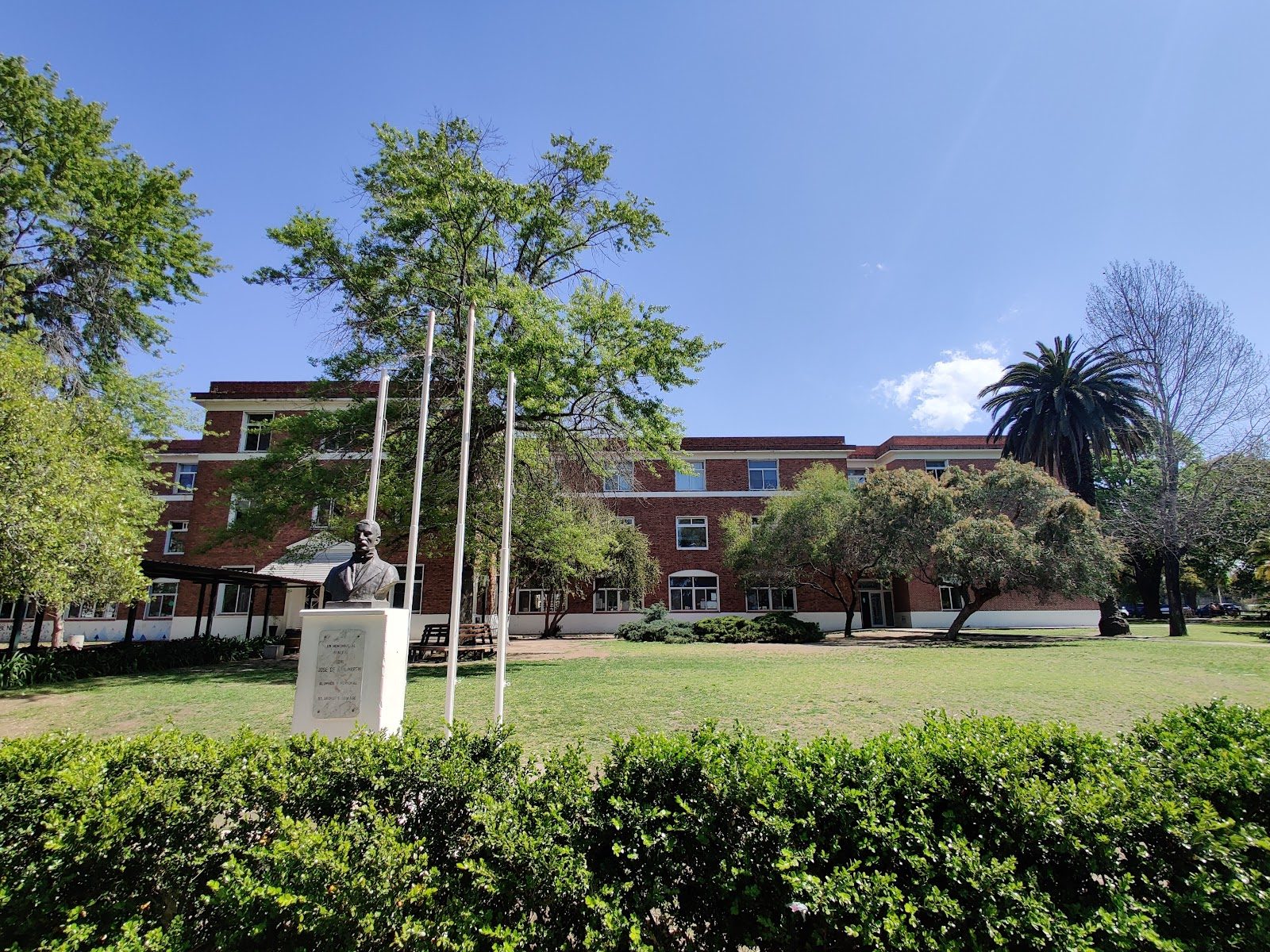
St George's College (Quilmes)
Quilmes · Argentina
Since 1898, English house culture and rugby heritage anchor Argentina's only school combining full-day study with mixed boarding life.
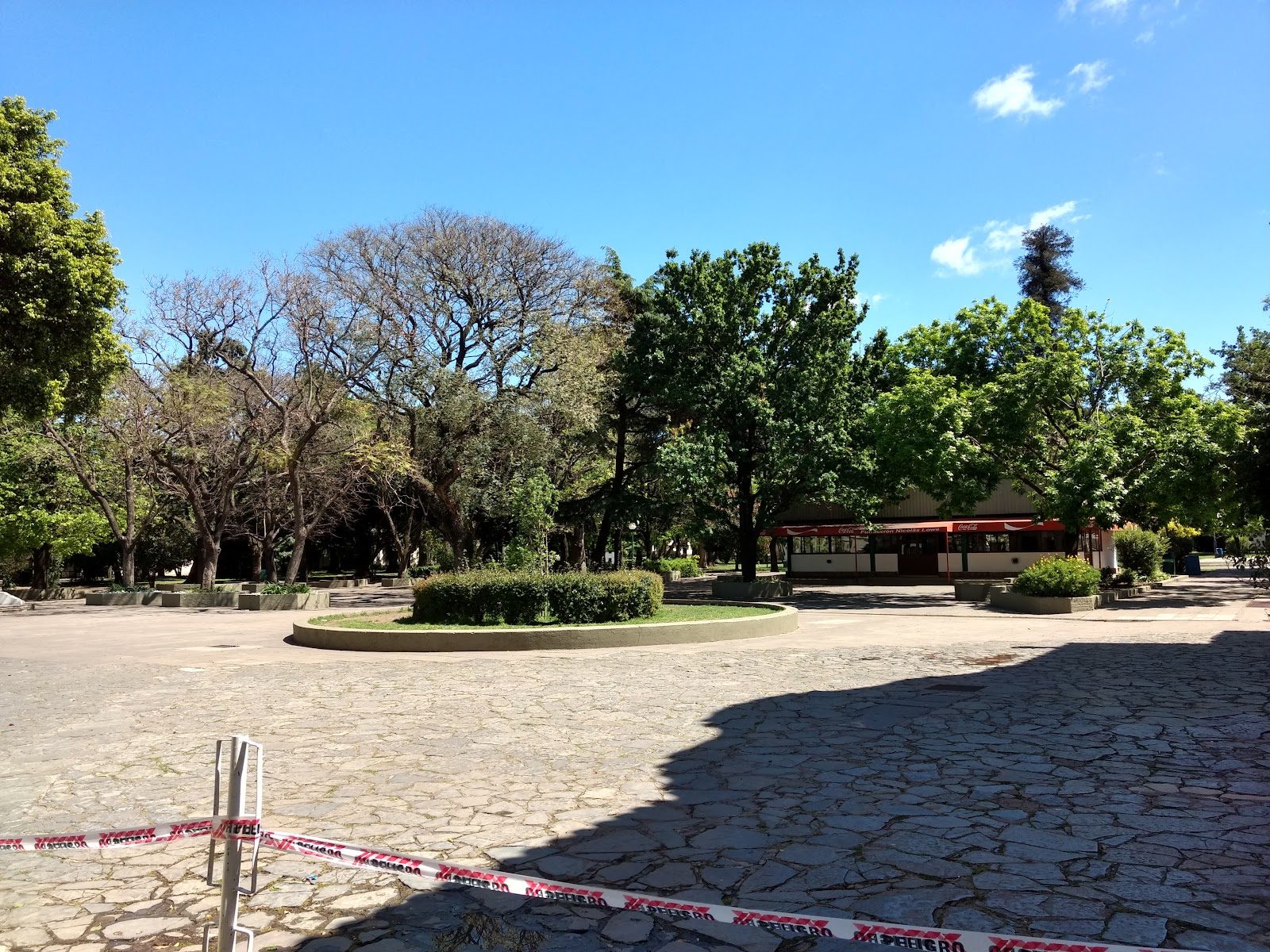
Colegio Ward
Ramos Mejía · Argentina
A Methodist-founded campus whose 13 wooded hectares serve as the green lung of Ramos Mejia's western suburbs
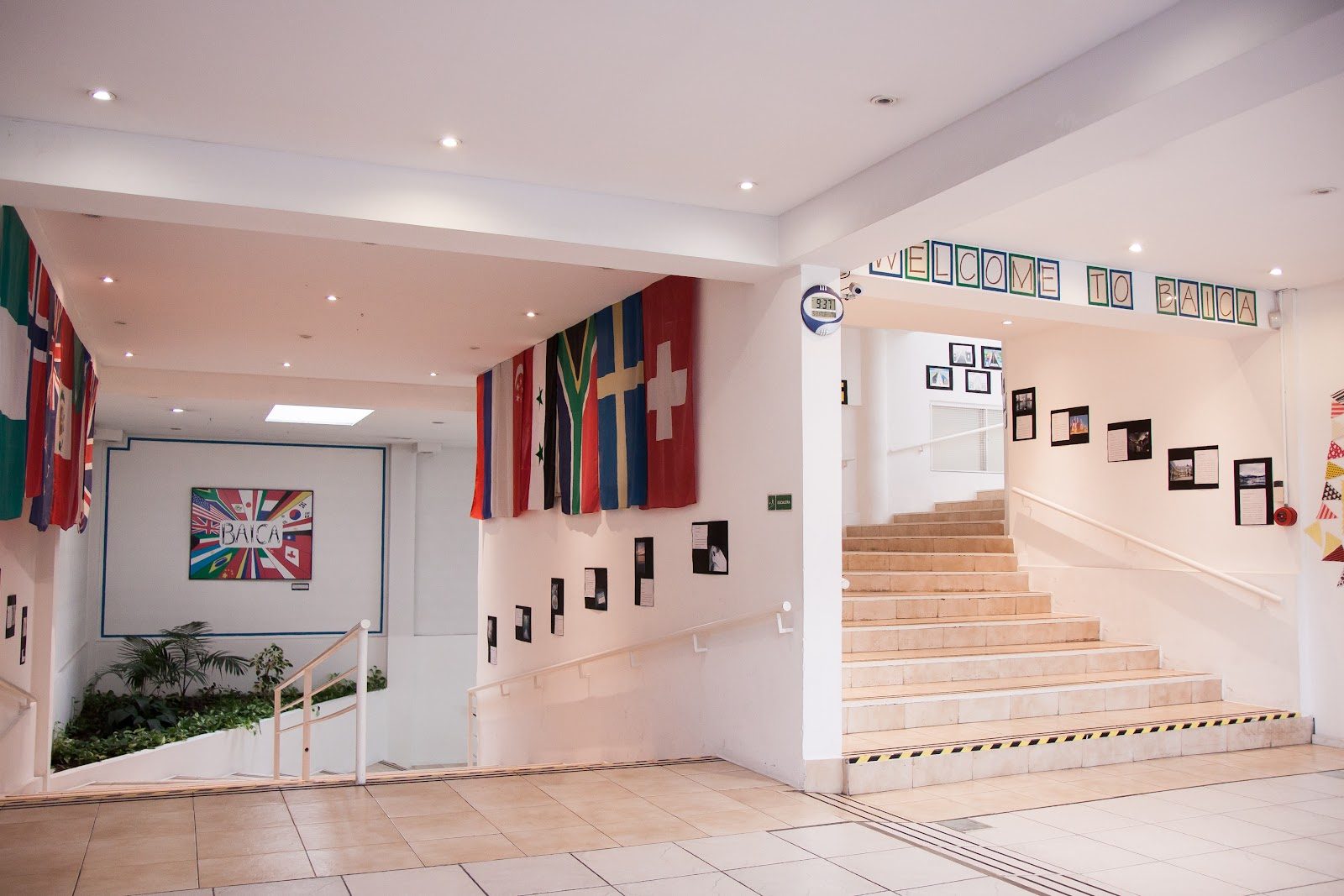
Buenos Aires International Christian Academy
Buenos Aires · Argentina
Buenos Aires' only Christian international school pairs a US college-prep track with a dual Argentine diploma.
Colegio Michael Ham
Buenos Aires · Argentina
Inside a neo-Gothic castle on the Vicente Lopez barranca, nearly a century of girls-only schooling has just given way to coeducation.
Same country and curriculum — closest matches within ±10 points either way