
Assam
Assam Valley School
medium confidence· 4/6 cats · 1.86 avg sourcesSet inside a working tea estate in Sonitpur, this co-ed boarder carries the Williamson Magor legacy into North-East India's only pan-Indian residential school.
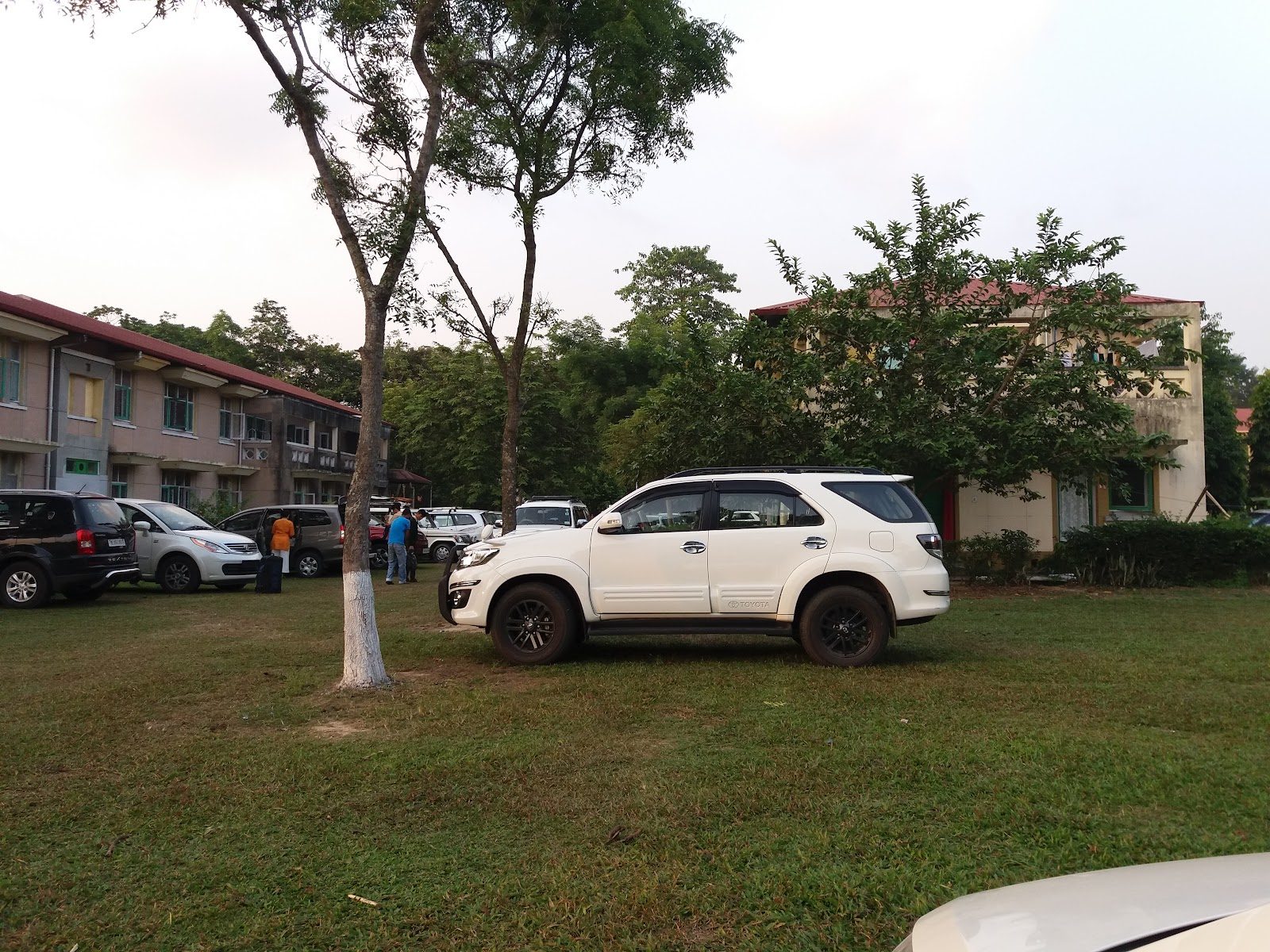
Photo © Saurabh Paul via Google Maps
Type
Boarding
Ages
9–18
Curriculum
Indian National
Qualifications
ICSE · ISC
Ratio
1:5
The Verdict
Editor's commitment
Right for
Families wanting a full boarding school in Balipara with English instruction, CISCE academics and an unusually low 1:5 student-teacher ratio.
Wrong for
Day-school families, younger children under 9, and anyone wanting IB or Cambridge pathways instead of the school's Indian National curriculum.
Watch out for
Founded in 1995 and set on a tea-estate campus in Sonitpur, it is distinctive; the school does not publish aggregate results here.
Ranking breakdown
Assam Valley School · #1061 of 1591
Composite score 61.4. 8 weighted criteria.
By criterion
Academic Outcomes
Weight 20%
#1085
of 1529 scored
University Placement
Weight 16%
#1089
of 1529 scored
Prestige & Heritage
Weight 12%
#967
of 1571 scored
Alumni Network
Weight 12%
#619
of 1530 scored
Facilities
Weight 12%
#1004
of 1533 scored
Transparency & Communications
Weight 8%
#1151
of 1532 scored
Peer & Industry Review
Weight 10%
#893
of 1548 scored
Admissions Selectivity & Demand
Weight 8%
#888
of 1529 scored
Peer & Industry Review
How Assam Valley School is regarded in the sector
62
Respected · low confidence
Assam Valley School is consistently cited as one of the leading boarding schools in Northeast India and is a member of prestigious groups like the Round Square association and IPSC (Indian Public Schools' Conference), which lends it credibility among peer institutions. However, independent third-party coverage (e.g., Good Schools Guide International, Tatler) is sparse compared to top-tier national boarding schools like Doon School or Mayo College, suggesting a solid regional reputation rather than nationwide top-tier status.
Evidence sources
Editors' overview
Assam Valley School occupies a rare position in the Indian market: a fully boarding, co-educational school in the North East with a genuinely national catchment and an estate setting few rivals can match. The location is not a decorative extra. AVS sits on 95 hectares of tea-country landscape near Balipara, with open space, distance from urban distraction and a campus scale that changes the daily experience of school life. Founded in 1995 by the Williamson Magor Education Trust, it carries the social legacy of the tea industry into a modern boarding model. For families who want an Indian National curriculum in English, CISCE affiliation and a residential school outside the crowded North Indian boarding circuit, AVS earns a place on the shortlist on geography alone. A sense of remoteness, room to breathe and a strong boarding identity are the school’s defining assets.
The school’s public shape is broad rather than narrowly academic. The website points to a substantial activity and leadership culture: Round Square, IAYP, social service, debates, music, dance, educational tours, sport, AVSMUN and a long list of student publications. There is also a riding school, swimming pool, multiple science labs, a central dining hall and a dedicated SEN centre. The published student–teacher ratio of 1:5 is strikingly low and, if reflected in real classroom practice and pastoral attention, gives AVS an advantage in supervision and access to adults. This is a school built for full-campus living, institutional rhythm and constant participation. Parents looking for a hothouse exam factory will find the emphasis wider than that. Parents looking for a serious all-round boarding education will find more to work with.
AVS suits students who will use a residential campus properly: independent children from age 9 upward, sociable boarders, keen joiners, outdoor types and pupils who gain from house life, fixtures, clubs, committees and shared routines. It also suits families in the North East who want a high-structure boarding option without sending children across the country, and families elsewhere who value pan-Indian peer mix in a landscape with presence. The trade-off is clear. Balipara is not Delhi, Bengaluru or Mumbai; that distance is either the point or the obstacle. For the right child, it is the point: less urban noise, more community, more continuity, and a campus large enough to feel like a world of its own.
Academic Performance
AVS gives parents less hard performance data than the best-run Indian boarding schools. The site has a results section, but the public-facing picture in these extracts does not include aggregate board averages, subject breakdowns, top-score distributions, university destinations, or multi-year trend lines. That matters. In a market where strong schools publish enough exam detail to let families judge academic consistency, AVS leaves too much opaque. The academic offer itself looks broad — science laboratories, a dedicated SEN centre, career reports and placement pages all point to a school that takes progression seriously — but serious intent is not the same as published proof. If you want a school that makes its academic case with cold public numbers, AVS does not do that here.
Relative to peers, this places Assam Valley in the credible but under-evidenced bracket rather than the results-led top tier. Its strongest comparative advantage lies in the total boarding environment and breadth of institutional life, not in a publicly documented exam machine. The school’s scale — Wikipedia cites 890 students — gives it enough mass for subject choice, internal competition and organised extension, and membership of Round Square and IPSC adds a layer of external benchmarked activity. But none of that substitutes for disclosed outcomes. Families comparing AVS with established Indian residential rivals should ask for recent ICSE and ISC performance by cohort, the share of high scorers, and destination patterns after school. Without that, academic judgement stays incomplete.
Facilities
The campus itself is the headline facility. AVS sits across 95 hectares of tea-estate landscape, and that gives it something many Indian boarding schools claim but few actually possess: real physical amplitude. Space changes what pupils can do in a day. Outdoor sport, house activity, walks between buildings and the plain psychological value of distance from congestion all benefit. Against peer schools, this is a strong advantage. Many established Indian boarders have venerable grounds but tighter footprints or more built-up surroundings. AVS also lists the infrastructure a full residential school needs to function properly rather than theatrically: a central dining hall, library, infirmary, counsellor support, laundry, guest house and organised transport. That package reads serious, operational and boarding-first.
The specialist provision is broader than average. Science is supported by separate biology, chemistry, physics, computer and biotech labs, which puts AVS on solid footing against comparable CISCE boarders. A riding school is a rarer asset and lifts the co-curricular profile above the standard pool-and-pitches formula. Add a swimming pool, indoor and outdoor sports facilities, communication systems, CDT, and a dedicated SEN centre, and the estate starts to look well-equipped rather than ornamental. The limit is not quantity but proof of quality. The school lists the facilities clearly; it does not publish the level of technical specification, fixture depth, library scale or arts-specialist spaces that top-tier competitors now document in detail. The bones are impressive. The public detail stops short of best-in-class proof.
Relative to peers, this places Assam Valley in the credible but under-evidenced bracket rather than the results-led top tier
Prestige
Assam Valley carries real domestic cachet in a narrow but important lane: Indian boarding families who know the public-school circuit, value residential formation and want a school outside the usual Himalayan and metropolitan axis. Membership of Round Square and the Indian Public Schools’ Conference matters here. Those badges place AVS inside a recognisable club of schools judged not only by exams but by house culture, leadership opportunities, sport and institutional manners. The estate setting sharpens that identity. This is not a day school with dormitories attached; it is a full-immersion boarding institution with the scale, routines and extracurricular machinery to project seriousness. A published roll of 890 students gives it enough social and competitive weight to feel established rather than boutique.
Its prestige still sits below India’s top-rung legacy boarders. The reason is straightforward. AVS has distinction, profile and a memorable setting, but not the same national shorthand as the old headline names whose academic outcomes and university pathways dominate parental conversation. The school also weakens its own standing by publishing too little hard attainment data. Prestige in this market rests on more than campus beauty and network memberships; it rests on proved academic authority. AVS earns respect for reach, culture and boarding credibility, and for being the North East’s only exclusive co-ed boarder. It does not command the automatic deference reserved for the country’s most entrenched residential heavyweights.
Its prestige still sits below India’s top-rung legacy boarders
Communications
Parent communication is active, multi-channel and more substantial than the average Indian boarding school. The site carries a live news feed, a blog, downloadable publications, a podcast, photo and video galleries, admissions FAQs, a fee structure page, contact pages and a travel management form for school breaks. It also publishes multiple direct phone lines rather than hiding behind a generic enquiry form, which matters for a boarding school where logistics, pastoral issues and travel coordination need quick answers. The volume of student media — magazines, journals and newsletters across culture, literature, sport and careers — gives parents a steady view of school life beyond staged prize-day photography. That breadth reads busy, institutional and genuinely lived-in.
The weakness is clarity, not effort. The navigation is crowded, repetitive and hard to scan; key menus and contact details recur across the same page, and the effect is cluttered rather than clean. Parents can find a lot, but they need patience. Communication at AVS works best when the school is telling families what is happening on campus: fixtures, conferences, service activity, tournaments and events. It works less well when parents need hard-edged accountability. We have not seen a crisp public dashboard for academic outcomes, destination data, safeguarding structure, boarding routines or staff leadership responsibilities. So the school communicates frequently and at length, but not always with enough editorial discipline. For community texture, it is strong. For decision-grade transparency, it needs tightening.
Uniqueness
What sets Assam Valley apart is not a single programme or badge but a combination few Indian schools can match: a true residential monopoly in its region, a tea-estate setting that is not cosmetic, and an institutional life built for children who live together rather than commute in and out. The school occupies 270 acres and draws enough pupils to create a proper peer society rather than a thin boarding add-on. That matters. Boarders here get a daily life shaped by houses, shared meals, fixtures, committees, publications, service and campus rituals on a scale that smaller or part-residential schools struggle to sustain. The result is immersion, not supplementation.
The location also changes the texture of childhood. This is a school where space, greenery and distance from city churn are part of the educational offer, not background scenery for prospectus photography. For the right student, that brings real independence, stronger communal habits and more appetite for outdoor life, organised activity and self-management. AVS also has a distinctive North-East Indian role: it gives families in the region access to a pan-Indian boarding culture without exporting children to the usual school belts elsewhere. That geographical position is its sharpest point of difference. For adventurous, socially resilient pupils, the place offers a contained world with reach; for children who need urban stimulation or easy weekend access home, the same remoteness is the cost.
That breadth reads busy, institutional and genuinely lived-in
Student Profile
Assam Valley suits children who want to live fully inside a school, not step in and out of it. The student who fits best is socially steady, game for communal routine and willing to take part without being pushed at every turn. House life, shared meals, fixtures, committees, publications, service and conferences all demand a pupil who can handle structure and company. This is a strong match for keen joiners, boarding-minded children and pupils who gain confidence from belonging to a busy institution rather than guarding their independence from it. The published 1:5 staffing ratio strengthens that appeal for families who want close adult oversight and frequent contact with teachers. It also helps younger entrants who need firm pastoral scaffolding as they settle into residential life.
The school does less for children who need anonymity, constant urban stimulus or a narrow exam-only culture. Its scale and residential rhythm favour students who will use sport, debate, trips, student media, service and leadership openings rather than ignore them. The riding school, outdoor emphasis and estate setting also point to a pupil body with room for outdoor energy and robust self-management. This is a good school for families in the region who want a serious all-round boarder with a national peer group, and for parents elsewhere who value distance from city distraction. It is a weaker fit for fragile boarders, reluctant participants and children who need home access at short notice.
Assam Valley School occupies a rare position in the Indian market: a fully boarding, co-educational school in the North East with a genuinely national catchment and an estate setting few rivals can match
Co-curricular strengths
Arts & sport, on a separate axis
Overall 8.64/10
Scored 0-10 from the school's own published evidence. This axis is editorial-only — it does not feed the main WTS ranking.
Sports
8.8/10
Drama
8.5/10
Dance
8.5/10
Music
8.7/10
Visual Arts
8.7/10
Editor first-pass · editor-reviewable · 7/30/2026
Strengths
- +CISCE curriculum suits families needing Indian national pathway
- +English-medium teaching eases transition for many international pupils
- +Boarding from ages 9–18 offers full residential continuity
- +Balipara, Sonitpur location gives access to North-East India
Considerations
- −Boarding-only model excludes day-school flexibility
- −Indian national curriculum may not suit IB or British seekers
- −Balipara location may feel remote for internationally mobile families
Availability
Primary entry gate & tests
Academic Record
Gallery
Photo © harjinder jassal via Google Maps
Photo © harjinder jassal via Google Maps
Photo © Angshuman Dutta via Google Maps
Photo © P Sarmah via Google Maps
Photo © P Sarmah via Google Maps
Parent reviews
Have you sent your child here?
Voice reviews carry the strongest trust badge — we transcribe them for you to tidy up before they go live. Prefer to type? A written review is fine too.
Add your voice
In 60 seconds, tell other parents: what's the best thing about Assam Valley School, and what surprised you when your child joined?
We ask for a Google sign-in so every review has a real face behind it — no anonymous drive-by attacks on schools, and no faked positive reviews. Your email is never shown publicly.
Send this profile to a friend
International parents rely on word-of-mouth. Share this review with someone weighing the same decision.
Schools with places
Similar schools to Assam Valley School with places available now.
Welham Girls' School
Dehradun · India
- 2026-27
- WAITPOOLSpace-dependent
- 2027-28
- PLACES OPENRolling
Woodstock School
Mussoorie · India
- 2026-27
- CLOSED
- 2027-28
- OPENS SOONOpens 17 Aug '26
Bishop Cotton School
Shimla · India
- 2026-27
- WAITPOOLSpace-dependent
- 2027-28
- PLACES OPENRolling
The Lawrence School, Sanawar
Solan · India
- 2026-27
- WAITPOOLSpace-dependent
- 2027-28
- PLACES OPENRolling
Availability first, then country, area, curriculum, price, co-curricular
Consider also
Also worth looking at alongside Assam Valley School.
Vasant Valley School
New Delhi · India
Founded in Vasant Kunj by the India Today family in 1990, its classrooms run on no bells, only rhythm and process over outcome.
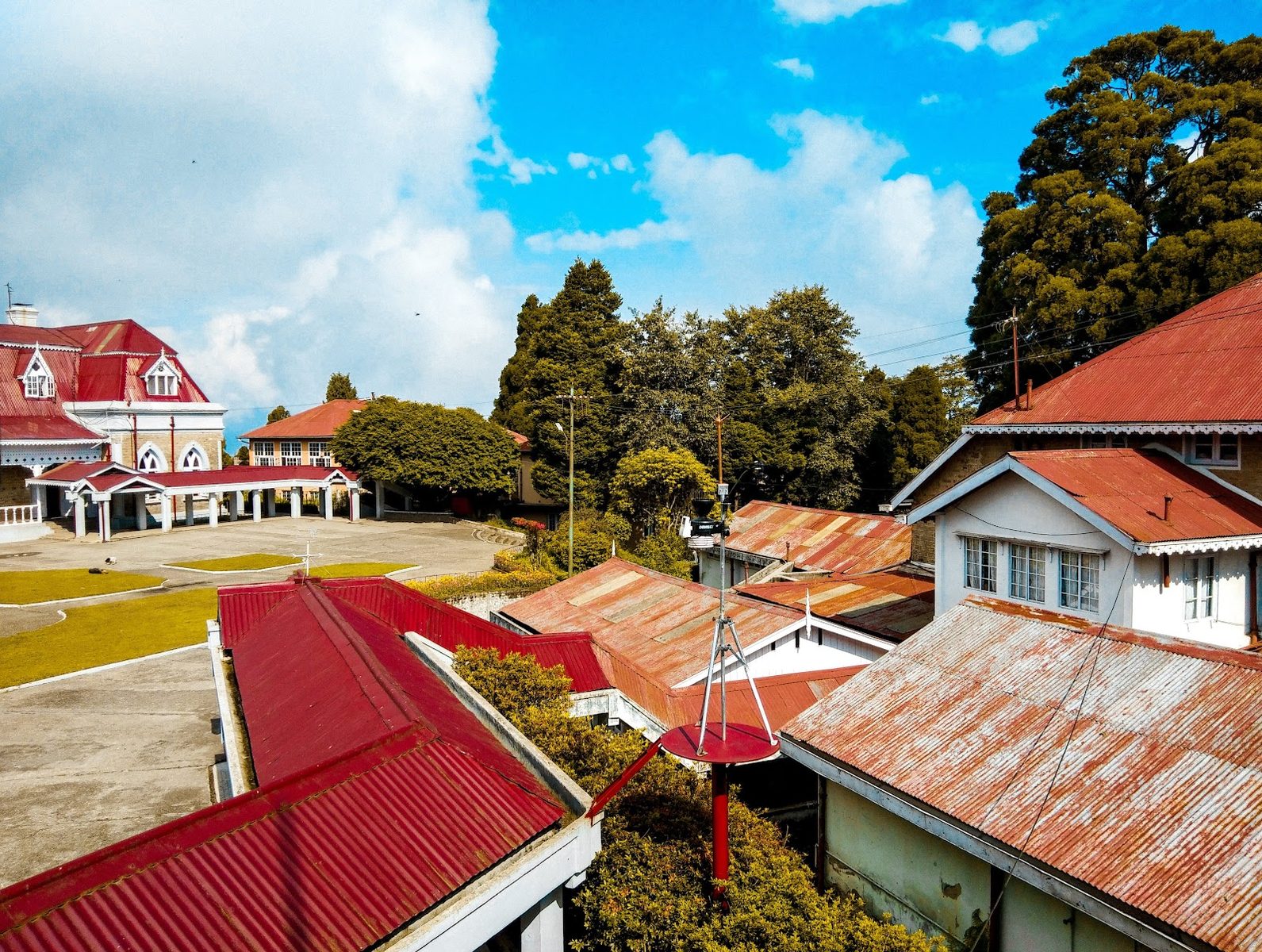
St. Paul's School, Darjeeling
Darjeeling · India
Founded in 1823 and perched near 7,600 feet in the Jalapahar hills, this boys' boarding school still runs on a century-old house system.
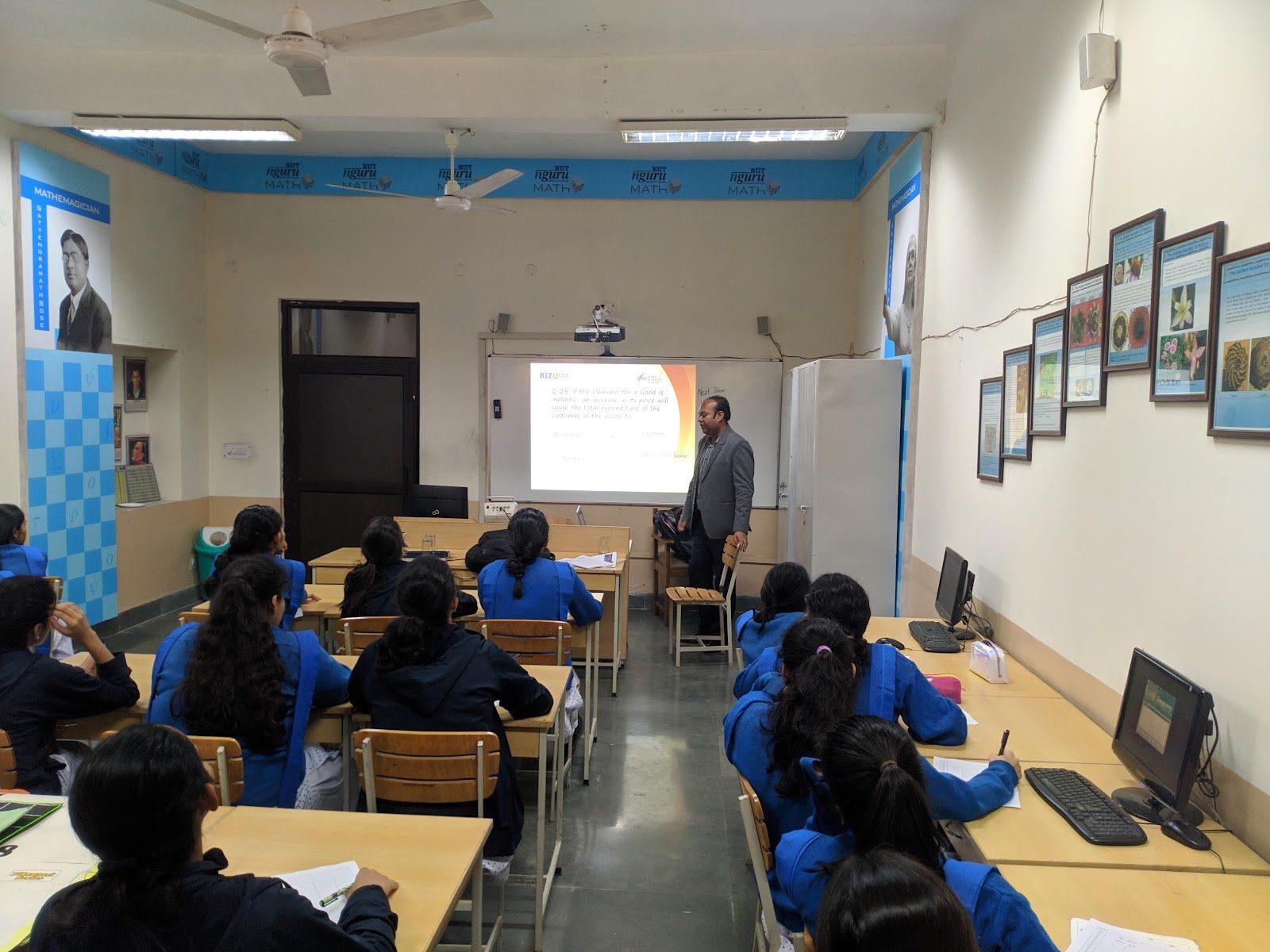
Welham Girls' School
Dehradun · India
Founded in 1957 as a bold counterpart to boys-only boarding, with bird-named houses and a legacy museum honoring the women who dared.
Woodstock School
Mussoorie · India
IB, American Diploma and Cambridge boarding amid the Himalayan foothills since 1854
Same country and curriculum — closest matches within ±10 points either way