
Matabeleland South
Falcon College
low confidence· 6/6 cats · 1 avg sourcesA derelict Matabeleland goldmine reborn as a Cambridge campus ringed by its own game park of zebra and giraffe
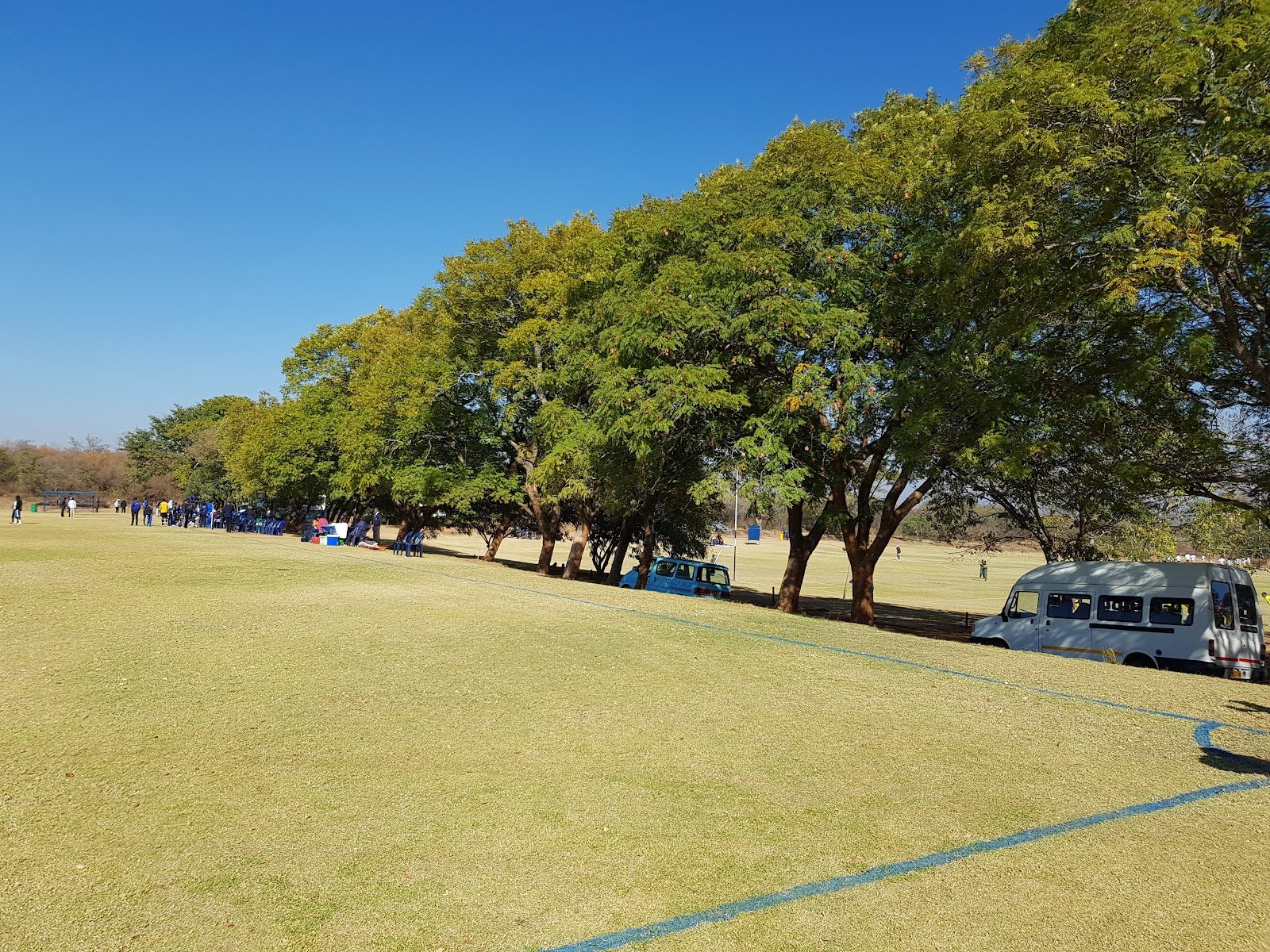
Photo © Tiry Nelson Gono via Google Maps
Type
Boarding
Ages
12–18
Curriculum
British
Qualifications
IGCSE · A-Level
Ratio
—
The Verdict
Editor's commitment
Right for
Boarders aged 12–18 who want a British Cambridge education in English, with Round Square breadth and a game-reserve setting near Esigodini.
Wrong for
Day families, secular households, or anyone wanting published academic outcomes; Falcon is Anglican, full boarding, and 50 kilometres from Bulawayo.
Watch out for
The sales pitch outruns the evidence: HMC, ATS Zimbabwe and Round Square are solid badges, but the school does not publish aggregate results.
Ranking breakdown
Falcon College · #1136 of 1591
Composite score 60.0. 8 weighted criteria.
By criterion
Academic Outcomes
Weight 20%
#1157
of 1529 scored
University Placement
Weight 16%
#1164
of 1529 scored
Prestige & Heritage
Weight 12%
#1009
of 1571 scored
Alumni Network
Weight 12%
#646
of 1530 scored
Facilities
Weight 12%
#1054
of 1533 scored
Transparency & Communications
Weight 8%
#1151
of 1532 scored
Peer & Industry Review
Weight 10%
#998
of 1548 scored
Admissions Selectivity & Demand
Weight 8%
#960
of 1529 scored
Peer & Industry Review
How Falcon College is regarded in the sector
62
Respected · medium confidence
Falcon College is consistently named alongside Peterhouse, St George's College and Churchill School in Zimbabwean 'top private schools' rankings and regional education directories, and its Old Falcon Association has an active international alumni network reflecting the Zimbabwean diaspora. However, it receives little to no coverage in Western specialist press (Tatler, Good Schools Guide) or expat forums outside Southern Africa, limiting its visibility as a globally benchmarked institution.
Evidence sources
Editors' overview
Falcon College’s distinction starts with the site itself: a 1954 boarding school built on the remains of the Bushtick gold mine, set near Esigodini and edged by the Quiet Waters Nature Reserve. That gives it a physical identity few schools can match — a bush campus with real character, not a generic suburban compound. The school trades on that setting hard, and with reason. Parents looking for a polished metropolitan day school will find a very different proposition here: *space, self-reliance and institutional tradition* in the Matabeleland bush. The Anglican foundation and full-boarding model reinforce that older Southern African boarding-school grammar of houses, competition, discipline and communal life.
Academically, Falcon offers a British curriculum through Cambridge International and says it combines small classes with support for varying abilities. That matters. This is not pitched as a narrowly academic pressure-cooker in the mould of the strongest exam factories; it is pitched as a rounded boarding school where lessons, sport, culture and conduct carry equal weight. The public case for the school rests on breadth and formation, not on published headline results. Falcon does not publish aggregate examination data on its main public-facing pages, which leaves parents without the hard academic comparators that sharper operators in the market now provide. Still, the proposition is clear: a disciplined, full-boarding education with academic structure, extensive co-curricular provision and a campus designed to keep adolescents fully occupied.
What puts Falcon on a shortlist is the combination of environment, boarding culture and range. It offers over 40 clubs and societies, six houses, and a campus life that leans heavily into sport, outdoor activity and conservation. Add the game-park setting and the Round Square affiliation, and Falcon lands in a distinctive niche: *old-school boarding with a conservation edge*. For families in Zimbabwe and the wider region, that has force. This is a school for students who will use the campus, not hide from it — children who enjoy organised sport, house identity, shared routine and the social intensity of boarding. The right pupil for Falcon is robust, sociable and willing to be stretched beyond the classroom; the wrong one is a child who needs urban anonymity, a soft institutional culture or a school that defines itself first by exam statistics. For the right family, Falcon offers *a formative, outdoor, deeply communal adolescence in a setting with few direct equivalents* in the region.
Academic Performance
Falcon’s public case on academics has a clear weakness: it does not publish aggregate IGCSE or A Level outcomes on its main website. That is a real handicap for parents trying to place the school against stronger regional comparators, because the best-run competitors now put headline pass rates, top grades and university destinations into the open. Here, the academic pitch rests instead on small classes, support for varying abilities and “academic rigour” as a stated principle. That points to a school aiming for solid breadth rather than a hard-edged results machine. The absence of published data does not prove weak results; it does mean parents must ask directly for recent grade distributions, subject-by-subject performance and destinations over at least 3 examination cycles.
Relative to peers, Falcon sits in the category of tradition-heavy boarding schools whose reputation draws as much from formation, sport and culture as from exam tables. That can work well for robust, self-managing pupils who thrive in a full campus life. It is less persuasive for families making a strictly academic comparison across Southern African independents. Without disclosed headline results, Falcon does not earn a place among the region’s transparent academic frontrunners. It earns attention as a broad school with a serious campus culture; on raw examination performance, the school has not made the public case. Parents should press for the share of A–A and A–C grades, top-performing departments, sixth-form value added and the proportion progressing to selective universities.
Facilities
The campus’s decisive asset is land. Falcon sits beside a nature reserve and uses that geography as part of the school day, not as scenic backdrop. That gives it facilities many peers cannot match: room for outdoor sport, conservation activity and the kind of movement that makes boarding life feel expansive rather than boxed in. The school also advertises equipped classrooms, campus-wide WiFi and tailored academic support, which puts the academic infrastructure at a competent modern baseline. More distinctive is the scale of organised activity around it: over 40 clubs and societies, strong performing-arts provision in the co-curricular mix, and a sports set-up the school treats as a flagship. Against urban independents, Falcon wins on space, range and environmental character; against the best-funded regional competitors, it gives less hard public detail on specialist teaching spaces, laboratories, libraries or arts venues.
Sport clearly sits near the centre of the estate. The school claims world-class sports facilities and coaching, and the breadth of campus life supports that emphasis. House-based competition, outdoor activity and conservation all fit the site and the institutional culture. For the right student, this is a high-usage boarding campus where facilities are there to be used hard, not admired on a tour. The limitation is transparency: parents get the broad promise, not the granular inventory. We have not seen a published list of pitches, courts, theatres, science suites or boarding-house amenities. In peer comparison, Falcon’s facility profile is strong in character, strong in outdoor breadth, and less persuasive in documented specification than schools that publish a full estate map and room-by-room detail.
Add the game-park setting and the Round Square affiliation, and Falcon lands in a distinctive niche: old-school boarding with a conservation edge
Prestige
Falcon carries real regional weight, but it is a specific kind of prestige. This is not the prestige of public exam transparency, Oxbridge branding or glossy international-school polish. It is the prestige of an old Zimbabwean boarding institution with durable name recognition, a strong house culture and a campus life that has produced a wide alumni spread across business, medicine, politics, education and sport. In Southern Africa, that still counts. The school’s affiliations reinforce that standing, and the combination of Anglican inheritance, bush setting and full residential intensity gives Falcon a clear social identity that many newer schools cannot replicate. For families who value formation, resilience and institutional memory, Falcon has serious cachet.
That prestige has limits, and they matter. Falcon does not publish the hard academic outcomes that turn reputation into proof. So its standing rests more on heritage, network and character formation than on documented academic supremacy. That puts it below the region’s true top-tier academic heavyweights in pure prestige terms, because the strongest schools now back their claims with results and destinations in the open. Falcon’s name still travels, and the school’s six-house structure and more than 40 clubs help sustain the image of a full-scale boarding world rather than a narrow exam shop. The verdict: high prestige within Zimbabwe’s traditional independent-school circle; more mixed prestige for parents making a cold, cross-border academic comparison.
Falcon’s strongest claim to uniqueness is not a programme or a badge; it is the total environment
Communications
Falcon’s parent-facing communication is clear on ethos and thin on operating detail. The website gives a strong sense of the school’s priorities — Christian values, house life, sport, clubs, conservation, tailored academic support — and it does so in language any prospective parent can decode quickly. That matters. Families can tell, fast, that this is a high-structure, all-in boarding environment with a heavy emphasis on conduct and participation. The admissions call to action is prominent, and the broad map of school life is easy to grasp. What the site does not do is publish the kind of granular information that turns atmosphere into confidence: detailed academic reporting, fuller staff visibility, practical parent information, or a sharper account of how day-to-day communication works once a child is enrolled. The result is strong branding, weaker disclosure.
For current and prospective parents, effectiveness rests on whether they value tone or proof. Falcon communicates culture confidently; it communicates institutional performance less well. The school gives headline claims — over 40 clubs, 6 houses, equipped classrooms, campus-wide WiFi — but stops short of the harder data and routine transparency that serious fee-paying parents now expect. There is nothing chaotic or obscure about the public message; the problem is that it stays at brochure altitude. For a school with a demanding, communal boarding model, parents need evidence of disciplined communication as much as disciplined pupils. Falcon has not yet made that case in public.
Uniqueness
Falcon’s strongest claim to uniqueness is not a programme or a badge; it is the total environment. Few schools give adolescents a daily life shaped by a former mine site, open bush, house loyalties, organised sport, conservation activity and a neighbouring reserve with zebra and giraffe at the perimeter. That combination creates a school with real physical identity. Students do not move between classrooms and a car park; they live inside a self-contained boarding world with its own rituals, pressures and freedoms. The scale of co-curricular choice — more than 40 clubs and societies — matters here because it turns the campus from backdrop into working territory. For the right pupil, that brings confidence, stamina and the habit of joining in rather than hanging back.
The second distinctive feature is cultural rather than scenic: Falcon still runs on an *old-school Southern African boarding grammar* of discipline, neatness, competition and communal obligation. The 6-house structure sharpens that. Students get a stronger sense of belonging than they do at looser, more anonymous schools, and they learn to manage friction, routine and shared standards early. That has value. It also narrows the market. Falcon suits robust, outward-facing children who enjoy being known, challenged and kept busy. It does less for private, fragile or highly urban teenagers who want latitude, anonymity or a school defined first by grades. What Falcon offers is formative intensity: a campus that presses students into participation and expects them to hold their own.
Falcon College’s distinction starts with the site itself: a 1954 boarding school built on the remains of the Bushtick gold mine, set near Esigodini and edged by the Quiet Waters Nature Reserve
Student Profile
Falcon suits students who want to be in the thick of things. The right child here is sociable, game, physically active and able to live under scrutiny without shrinking from it. This is a school of shared routine, visible standards and constant participation. House life, organised activity and the pressure of boarding mean pupils cannot drift at the edges for long. Those who thrive are the ones who enjoy being busy, respond well to competition, and can cope with the social wear-and-tear of communal adolescence. The school’s menu of more than 40 clubs helps, but breadth alone does not define the fit; temperament does. Falcon rewards stamina, good humour and a willingness to join in even when the timetable is full and privacy is limited.
It is less well suited to teenagers who need urban freedom, soft supervision or a low-demand social environment. A highly solitary child, or one who resists structure on principle, will find Falcon hard going. So will families whose first question is academic ranking rather than how a school shapes character, conduct and independence. The Anglican frame and values language matter here too: pupils do not need to be pious, but they do need tolerance for a school culture that takes manners, responsibility and community seriously. In blunt terms, Falcon is for robust boarders, not delicate consumers of education. The right student leaves stronger; the wrong one spends their school years feeling hemmed in.
That gives it a physical identity few schools can match — a bush campus with real character, not a generic suburban compound
Co-curricular strengths
Arts & sport, on a separate axis
Overall 7.74/10
Scored 0-10 from the school's own published evidence. This axis is editorial-only — it does not feed the main WTS ranking.
Sports
9.2/10
Drama
8.5/10
Dance
5/10
Music
8.5/10
Visual Arts
7.5/10
Editor first-pass · editor-reviewable · 7/30/2026
Strengths
- +Full boarding suits families outside Zimbabwe.
- +Cambridge International education in English.
- +Round Square member with broad extracurricular emphasis.
- +Anglican school with values-driven community.
Considerations
- −Remote Esigodini location, 50km from Bulawayo.
- −Full boarding only; no day option stated.
- −Co-educational now, despite boys' boarding tagline.
Availability
Primary entry gate & tests
Academic Record
Gallery
Photo © Logan Osborne via Google Maps
Photo © Sean Mawaro via Google Maps
Photo © Alfred Ncube via Google Maps
Photo © Falcon College via Google Maps
Photo © Falcon College via Google Maps
Parent reviews
Have you sent your child here?
Voice reviews carry the strongest trust badge — we transcribe them for you to tidy up before they go live. Prefer to type? A written review is fine too.
Add your voice
In 60 seconds, tell other parents: what's the best thing about Falcon College, and what surprised you when your child joined?
We ask for a Google sign-in so every review has a real face behind it — no anonymous drive-by attacks on schools, and no faked positive reviews. Your email is never shown publicly.
Send this profile to a friend
International parents rely on word-of-mouth. Share this review with someone weighing the same decision.
Schools with places
Similar schools to Falcon College with places available now.
The English School, Nicosia
Nicosia · Cyprus
- 2026-27
- WAITPOOLSpace-dependent
- 2027-28
- PLACES OPENRolling
Thomas's Battersea
London · United Kingdom
- 2026-27
- CLOSEDStandard route closed
- 2027-28
- PLACES OPENRegistration open for Sept 2027 and beyond
Santiago College
Santiago · Chile
- 2026-27
- WAITPOOLSpace-dependent
- 2027-28
- PLACES OPENRolling
Welham Girls' School
Dehradun · India
- 2026-27
- WAITPOOLSpace-dependent
- 2027-28
- PLACES OPENRolling
Availability first, then country, area, curriculum, price, co-curricular
Consider also
Also worth looking at alongside Falcon College.
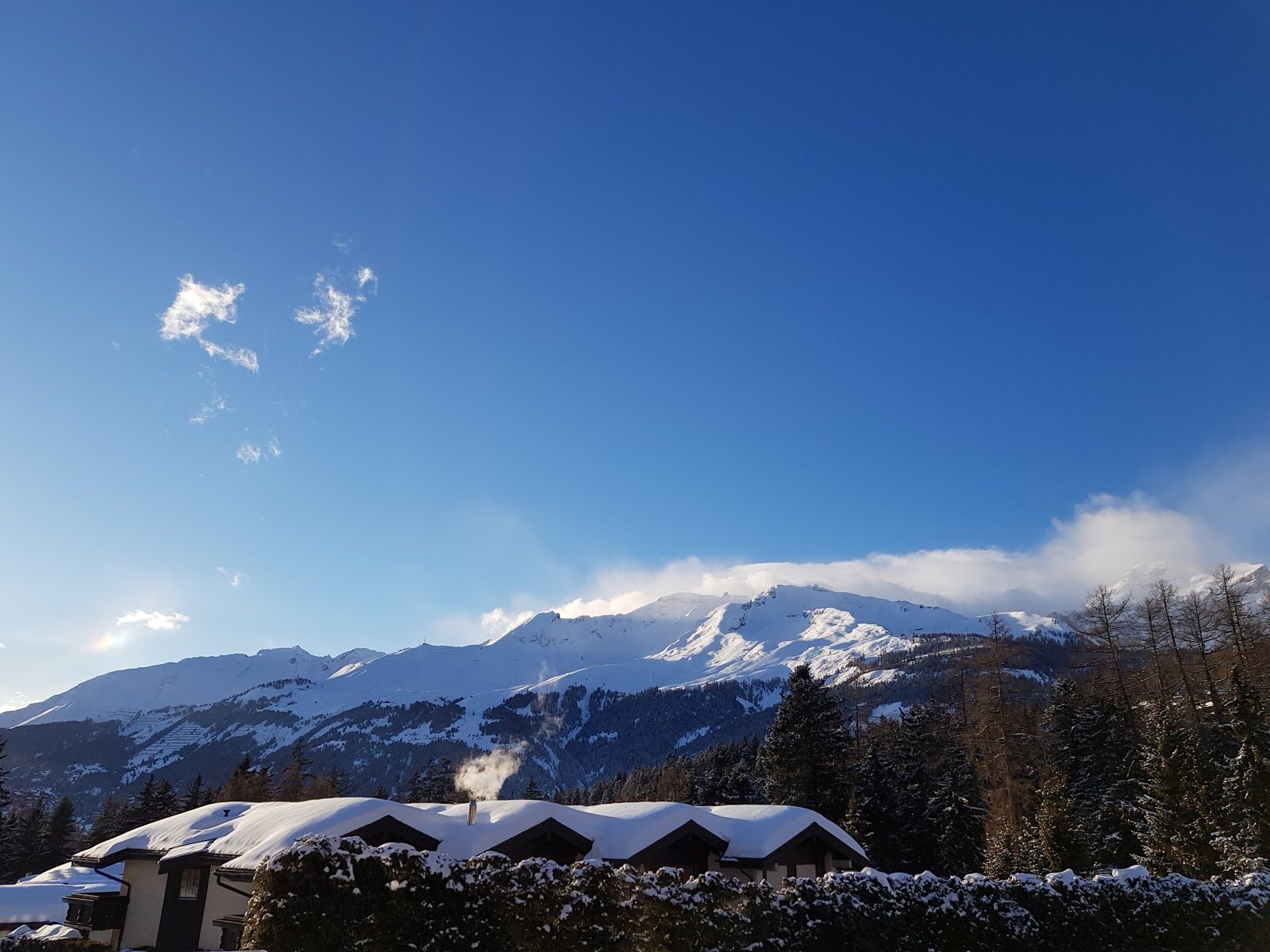
Le Régent International School
Crans-Montana · Switzerland
A purpose-built 2015 alpine campus at 1,500m pairing British and IB curricula with daily ski-in, ski-out outdoor education.
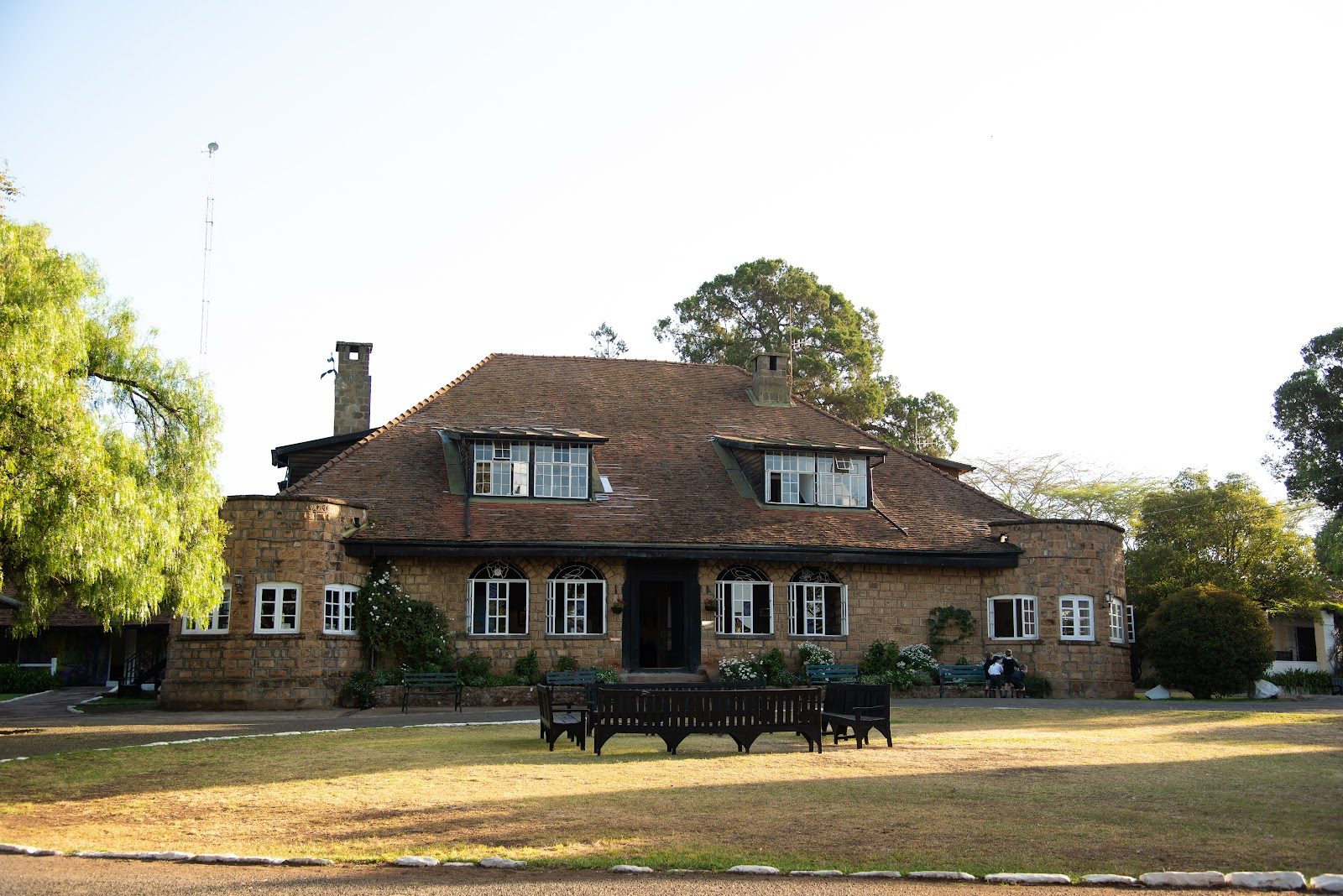
Pembroke House School
Gilgil · Kenya
Nearly a century deep in the Great Rift Valley, this British prep drills pupils through Common Entrance into top senior schools abroad.
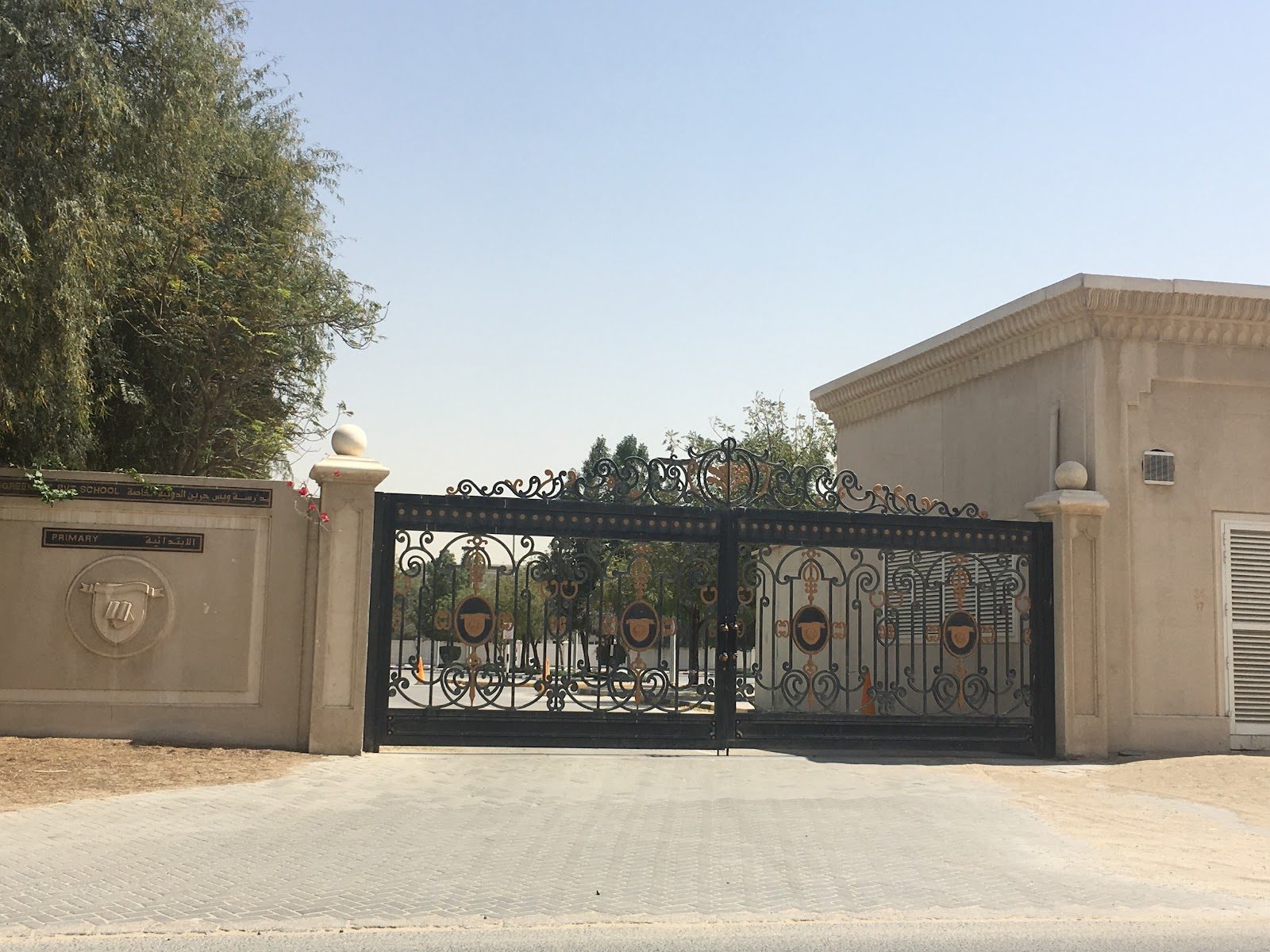
Wesgreen International School
Sharjah · United Arab Emirates
Founded by Sharjah's royal family in 1991, it runs separate boys' and girls' secondary campuses under a British Cambridge curriculum.
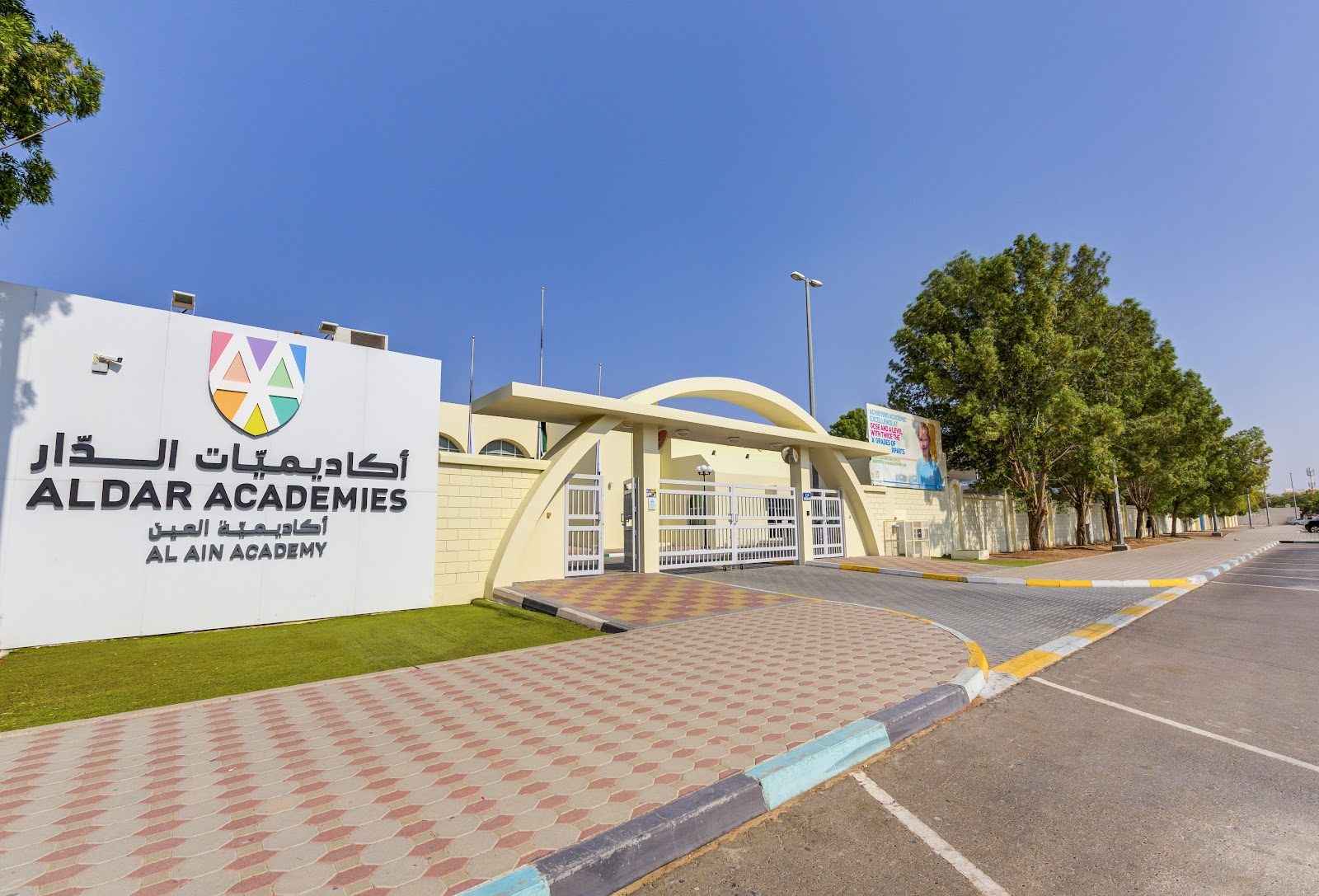
Aldar Academies at Al Ain
Al Ain · United Arab Emirates
The only Aldar campus in Al Ain, blending the English National Curriculum with Duke of Edinburgh awards and Microsoft Showcase status.
Same country and curriculum — closest matches within ±10 points either way