
Muscat Governorate
The Sultan's School
medium confidence· 4/6 cats · 3.07 avg sourcesRoyally chartered in 1977, this Muscat day school fuses British academics with Arabic and Islamic studies to mould future Omani leaders.
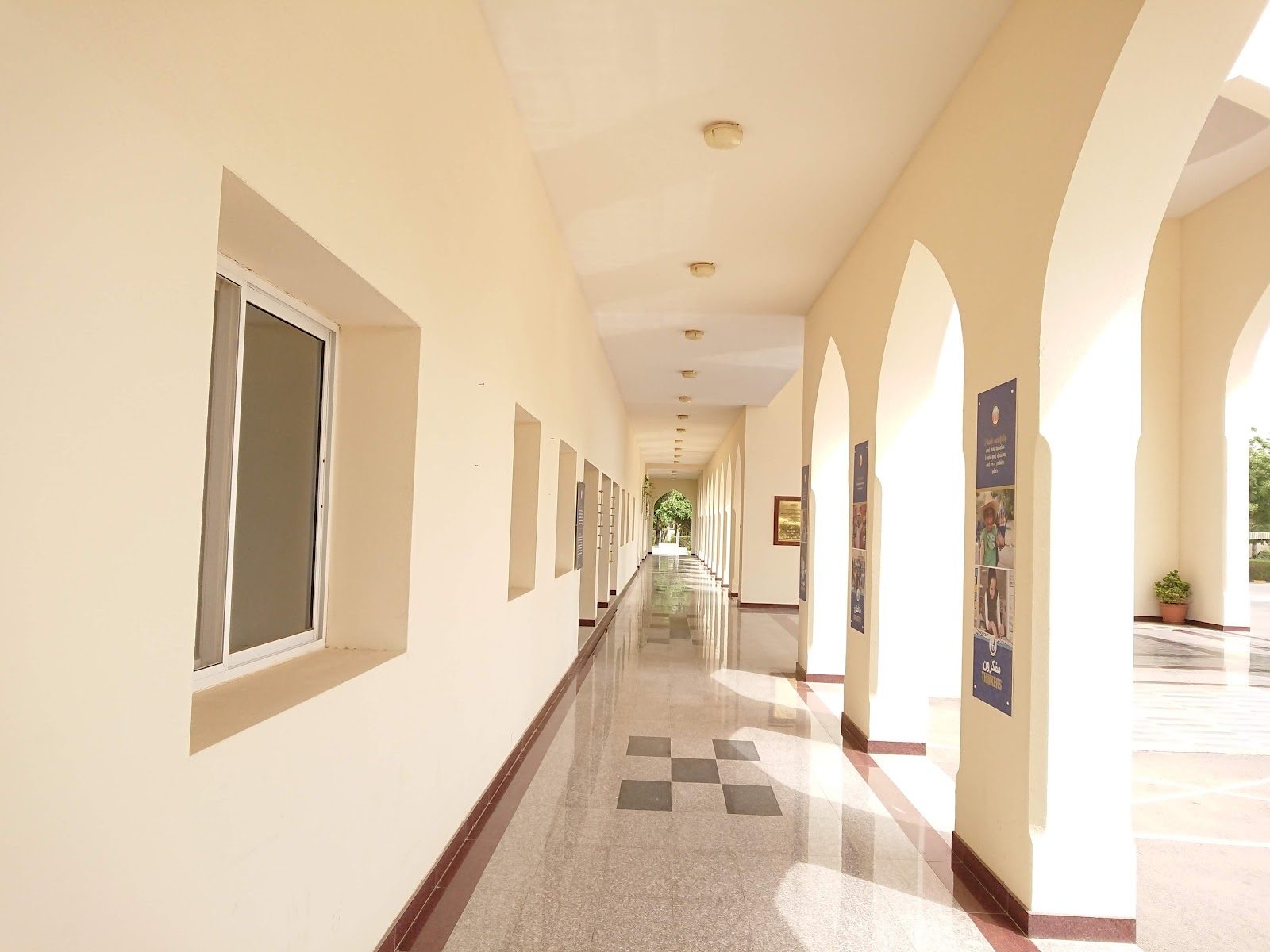
Photo © KAVIYARASAN K via Google Maps
Type
Day
Ages
3–18
Curriculum
British
Qualifications
A-Level · IGCSE
Ratio
—
The Verdict
Editor's commitment
Right for
Muscat families wanting a 3–18 British day school founded in 1977, with English and Arabic teaching under Omani ownership.
Wrong for
Families seeking boarding, a faith-defined ethos, or a non-British pathway; this is a non-religious Muscat day school, not a hybrid.
Watch out for
At an average 4,340 OMR a year across ages 3–18, it is not bargain-basement; the school does not publish public academic outcomes here.
Ranking breakdown
The Sultan's School · #686 of 1591
Composite score 66.7. 8 weighted criteria.
By criterion
Academic Outcomes
Weight 20%
#792
of 1529 scored
University Placement
Weight 16%
#793
of 1529 scored
Prestige & Heritage
Weight 12%
#736
of 1571 scored
Alumni Network
Weight 12%
#482
of 1530 scored
Facilities
Weight 12%
#731
of 1533 scored
Transparency & Communications
Weight 8%
#842
of 1532 scored
Peer & Industry Review
Weight 10%
#792
of 1548 scored
Admissions Selectivity & Demand
Weight 8%
#607
of 1529 scored
Score history
The Sultan's School · 2026
Movement across 2024–2026. Peer average overlaid.
Overall — 2024–2026
66.7/ 100
▲ +16.9 vs 2025
year on year
Peer & Industry Review
How The Sultan's School is regarded in the sector
67
Respected · medium confidence
I could not verify at least two independent, third-party sources (e.g., Tatler, Good Schools Guide, expat forums with substantive discussion, or inspectorate reports) discussing The Sultan's School's reputation. Without reliable external validation beyond general knowledge, I cannot responsibly score this axis.
Editors' overview
The Sultan’s School has a rare brief in the Omani market: it was founded in 1977 and carries the status of a long-established private day school built for Oman, not a recent import dressed in international branding. The core offer is clear. It teaches ages 3–18, works in English and Arabic, and runs a British curriculum with IGCSE and the IBDP named on the school’s own site. That combination matters. This is not a generic expatriate campus detached from its setting; it is a school that binds British academic structure to Arabic and Islamic studies and does so with an obvious eye on producing students who can operate confidently in Oman as well as beyond it. For families who want rooted ambition rather than cultural drift, that is a serious distinction.
Its market position sits in the space between the old national elite school and the broader international-school sector. At an average annual day fee of 4340 OMR across the full age range, it does not read as a bargain-basement option or a hyper-luxury campus built on spectacle. The attraction lies elsewhere: institutional age, local standing, a full through-school ladder, and a sixth form that culminates in the IB Diploma rather than stopping at IGCSE. The school also signals a more developed community structure than many competitors, with house systems, ECAs, safeguarding and wellbeing, a PTA, alumni links and an Eco School strand all given visible space. What we do not see published here are the hard outcome metrics parents now expect: no aggregate IGCSE or IB results, no university destination list, and no inspection or accreditation detail in the information provided. That opacity is a real weakness in a market where premium schools need to show their academic yield.
The student who will thrive here is not the child looking for a frictionless, wholly westernised international bubble. The Sultan’s School suits families who want academic seriousness inside a school with clear Omani context, bilingual exposure and a more institutional feel than a new-build brand school. It will also suit students who can handle a dual identity in their schooling: British in curriculum architecture, local in language and cultural expectations. For Omani families, and for expatriate families committed to staying long enough to value genuine integration, it has a distinctive case for the shortlist. For parents who choose schools by published results, global badges and glossy facilities first, the case is less complete until the school discloses more.
Academic Performance
The key fact here is blunt: the school does not publish aggregate IGCSE results, IB Diploma averages, top grades, pass rates, value-add data or university destinations. For a school operating at this level of fee and institutional standing, that is a serious omission. Parents cannot test academic claims against hard numbers, and that weakens the school’s case against stronger competitors in the Gulf that put outcomes front and centre. The public site confirms that pupils progress to IGCSE and the IBDP, but the decisive metrics are missing. We have not seen cohort size for either exam stage, score distributions, subject-by-subject strengths or multi-year trend lines. Without that, no honest editor can place the school among the region’s results-driven leaders.
That does not mean weak outcomes; it means opaque outcomes. There is a difference, and it matters. Long-established schools with selective intakes or strong local reputations can produce excellent results while publishing little. They can also trade for years on legacy and trust. The Sultan’s School sits in that unresolved territory. Relative to peers, it has less public proof than the best-run British international schools in the region, which now treat exam disclosure as standard practice rather than optional theatre. Until the school publishes at least a headline IB average, IGCSE grade profile and destination list, its academic performance remains a matter of confidence, not evidence.
Facilities
The school’s public site gives parents only a thin view of the campus. We can confirm dedicated phases for kindergarten, lower primary, upper primary, middle school and secondary, plus named provision for ECAs, house systems, lunch, uniform, safeguarding and wellbeing. That tells us the operational basics of a full through-school are in place. It does not tell us enough about the physical estate itself. We have not seen published detail on science laboratories, specialist art and music rooms, design technology, libraries, sports halls, swimming provision, theatres or sixth-form study space. For a school charging an average of 4340 OMR a year, that lack of facility disclosure is a material weakness. Strong peer schools in the Gulf now show parents the campus plainly: teaching spaces, sports infrastructure, performance venues and age-specific indoor and outdoor areas.
So the facilities verdict stays guarded rather than glowing. The school gives a clearer account of structure and community systems than of bricks, equipment and specialist resources. That does not mean the campus is weak; it means the school asks families to trust its reputation instead of inspecting the offer in detail. Against newer premium competitors, that is old-world and unhelpful. Against older, established schools with less interest in salesmanship, it is familiar. Parents who care about pastoral systems and school culture will find enough to note. Parents who want hard evidence of first-rate facilities will find the public case frustratingly incomplete.
For Omani families, and for expatriate families committed to staying long enough to value genuine integration, it has a distinctive case for the shortlist
Prestige
Prestige here rests on institutional standing inside Oman, not on the international-school signals that travel neatly across borders. This is a school with a nationally rooted cachet: the name carries weight, the history gives it legitimacy, and its role in educating families who want British academics tied to Arabic and Islamic formation gives it a specific social authority that newer market entrants do not match. The average annual fee of 4340 OMR places it in the serious-fee bracket without turning it into a luxury vanity purchase. That matters. Price alone does not confer status, but sustained demand at that level for a full through-school does indicate a school that sits above the mass market. Among Omani families, and among expatriates who value integration over insulation, that delivers real prestige.
The limit is just as clear. Outside Oman, and among globally mobile parents who rank schools by published results, elite university placements and inspection badges, its prestige weakens. The school does not publish the proof points that convert local esteem into wider academic authority. No aggregate IGCSE or IB outcomes, no destination pattern, no external quality markers in public view: that keeps its reputation important but contained. So the rating lands in the upper tier of local prestige, but short of the fully evidenced elite. It commands respect through legacy, social position and mission; it does not command it through transparent performance data.
This is a school built around an Omani centre of gravity while still giving students a route into internationally recognised qualifications at the top end
Communications
Parent communication is more structured than transparent. The public site has the expected channels: a news and events stream, contact routes, admissions entry points, a PTA section, alumni pages, careers pages, and dedicated areas for safeguarding, wellbeing, lunch and uniform. That menu tells parents where school life is organised and who the school expects to involve. The inclusion of PTA and safeguarding in the main navigation is a good sign: it treats family engagement and pupil welfare as core operations, not sidebar extras. The admissions prompt for 2026–2027 is also front-footed. This is a school that knows parents need clear access points.
The weakness sits in depth, not structure. Communication works best when it gives families usable detail: leadership updates, policy clarity, calendar discipline, academic reporting, and plain disclosure of outcomes and campus provision. Here, the architecture is in place, but the public-facing substance is thin. We have seen the appointment of a new principal named prominently, which signals active institutional messaging, yet the wider flow lacks the hard information discerning parents look for. No published exam summaries, no destination data, and little concrete campus explanation all dilute credibility. So the verdict is competent but old-fashioned: the school communicates its community identity and administrative pathways clearly enough, but it does not communicate evidence with the rigour a serious fee-paying parent now expects.
Uniqueness
What sets The Sultan’s School apart is not novelty but mandate. This is a school built around an Omani centre of gravity while still giving students a route into internationally recognised qualifications at the top end. In a market crowded with imported school brands, that is genuinely unusual. The school’s identity is not an afterthought stitched onto a generic international model; it is baked into the daily experience through Arabic and Islamic studies, through-school continuity, and a community structure that includes houses, PTA, alumni and an Eco School strand. That gives students more than academic progression. It gives them a clear civic frame: they are educated not just to achieve, but to function in Omani society with fluency, confidence and cultural literacy.
For the right family, that brings a serious advantage. Students grow up inside a school that asks them to manage more than one register at once: local and international, academic and cultural, personal ambition and social belonging. That can produce young people who are less detached, less transient and better equipped for leadership in Oman than peers educated inside a fully expatriate bubble. The fee point — 4340 OMR on average across the age range — also places this within reach of families seeking substance over spectacle. The trade-off is plain. Families wanting a frictionless western enclave will find stronger fits elsewhere. Families wanting a school with real local ballast will find a rarer proposition here.
In a market crowded with imported school brands, that is genuinely unusual
Student Profile
The best fit is a student who can move comfortably between different sets of expectations without treating one as a burden. This is not a school for children who want an insulated expatriate bubble or a campus culture built around looseness and self-invention. It suits pupils who are steady, adaptable and receptive to structure: children who can handle academic demands alongside Arabic and Islamic studies, and who do not bristle at a school identity tied closely to its national setting. Families who value continuity from the early years through to the senior end will also find that the through-school model can help a child settle deeply rather than live in a cycle of constant transition. At an average annual fee of 4340 OMR, the intake sits in a serious fee-paying bracket, which brings a parent body with clear expectations of discipline, progress and social polish.
The social fit is just as important as the academic one. Students who thrive here will have some patience for hierarchy, community rituals and a school culture with an institutional backbone. The visible emphasis on houses, PTA, alumni, safeguarding and wellbeing points to a pupil experience shaped by belonging and conduct, not just classroom performance. That will suit children who like predictable systems and a clear sense of place. It will frustrate students who want a more freewheeling, ultra-progressive atmosphere. In plain terms, this school fits children who are comfortable being formed as much as taught.
It teaches ages 3–18, works in English and Arabic, and runs a British curriculum with IGCSE and the IBDP named on the school’s own site
Co-curricular strengths
Arts & sport, on a separate axis
Overall 7.62/10
Scored 0-10 from the school's own published evidence. This axis is editorial-only — it does not feed the main WTS ranking.
Sports
8.5/10
The extracurriculars explicitly list multiple sports—Football, Basketball, Swimming, Athletics, Netball and Cricket—showing a solid multi-sport offering.
Drama
7.5/10
Drama appears explicitly in the extracurriculars list.
Dance
6.5/10
Music
7.8/10
Choir is offered, evidencing music provision.
Visual Arts
7.8/10
Editor first-pass · editor-reviewable · 7/27/2026
Strengths
- +Founded in 1977; long-established by Omani standards
- +British curriculum offers familiar route for many expatriates
- +English and Arabic instruction suits bilingual households
- +Ages 3–18 allow uninterrupted schooling on one site
Considerations
- −Day school only; no boarding for overseas families
- −Non-religious ethos may not suit faith-based preferences
- −Seeb location may mean longer commutes from central Muscat
Availability
Primary entry gate & tests
CAT4 / Assessment
Gallery
Photo © KAVIYARASAN K via Google Maps
Photo © KAVIYARASAN K via Google Maps
Photo © Issa Mawali via Google Maps
Photo © Dev Mallikarjuna via Google Maps
Photo © Akash Sajeev via Google Maps
Parent reviews
Have you sent your child here?
Voice reviews carry the strongest trust badge — we transcribe them for you to tidy up before they go live. Prefer to type? A written review is fine too.
Add your voice
In 60 seconds, tell other parents: what's the best thing about The Sultan's School, and what surprised you when your child joined?
We ask for a Google sign-in so every review has a real face behind it — no anonymous drive-by attacks on schools, and no faked positive reviews. Your email is never shown publicly.
Send this profile to a friend
International parents rely on word-of-mouth. Share this review with someone weighing the same decision.
Schools with places
Similar schools to The Sultan's School with places available now.
British School Muscat
Muscat · Oman
- 2026-27
- PLACES OPENApps open / space-dependent
- 2027-28
- WAITPOOL2027/28 timetable TBC
Muscat International School
Muscat · Oman
- 2026-27
- PLACES OPENApps open / space-dependent
- 2027-28
- WAITPOOL2027/28 timetable TBC
Availability first, then country, area, curriculum, price, co-curricular
Consider also
Also worth looking at alongside The Sultan's School.
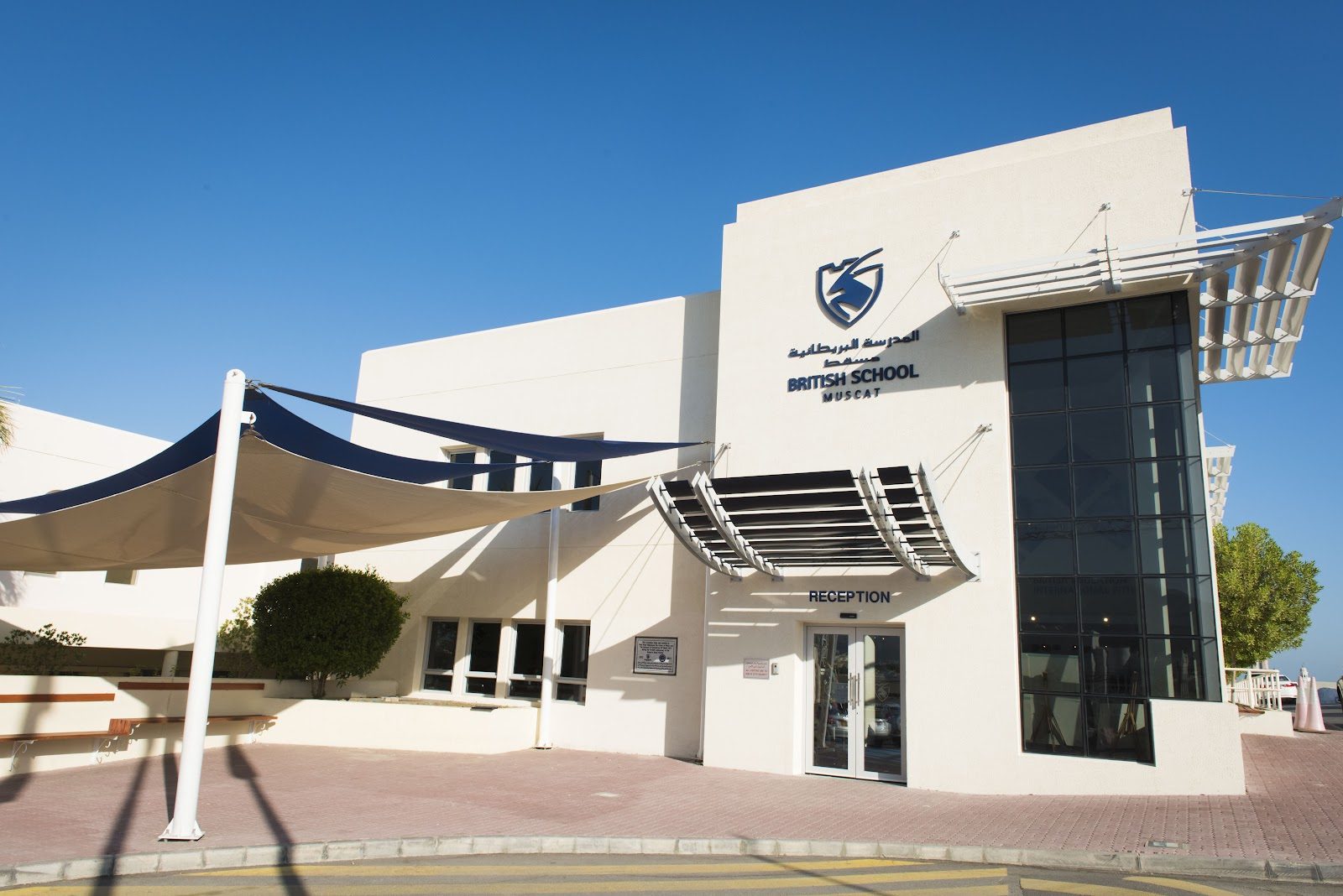
British School Muscat
Muscat · Oman
A Royal Charter granted by Sultan Qaboos underwrites five decades of not-for-profit British schooling on Muscat's coast.
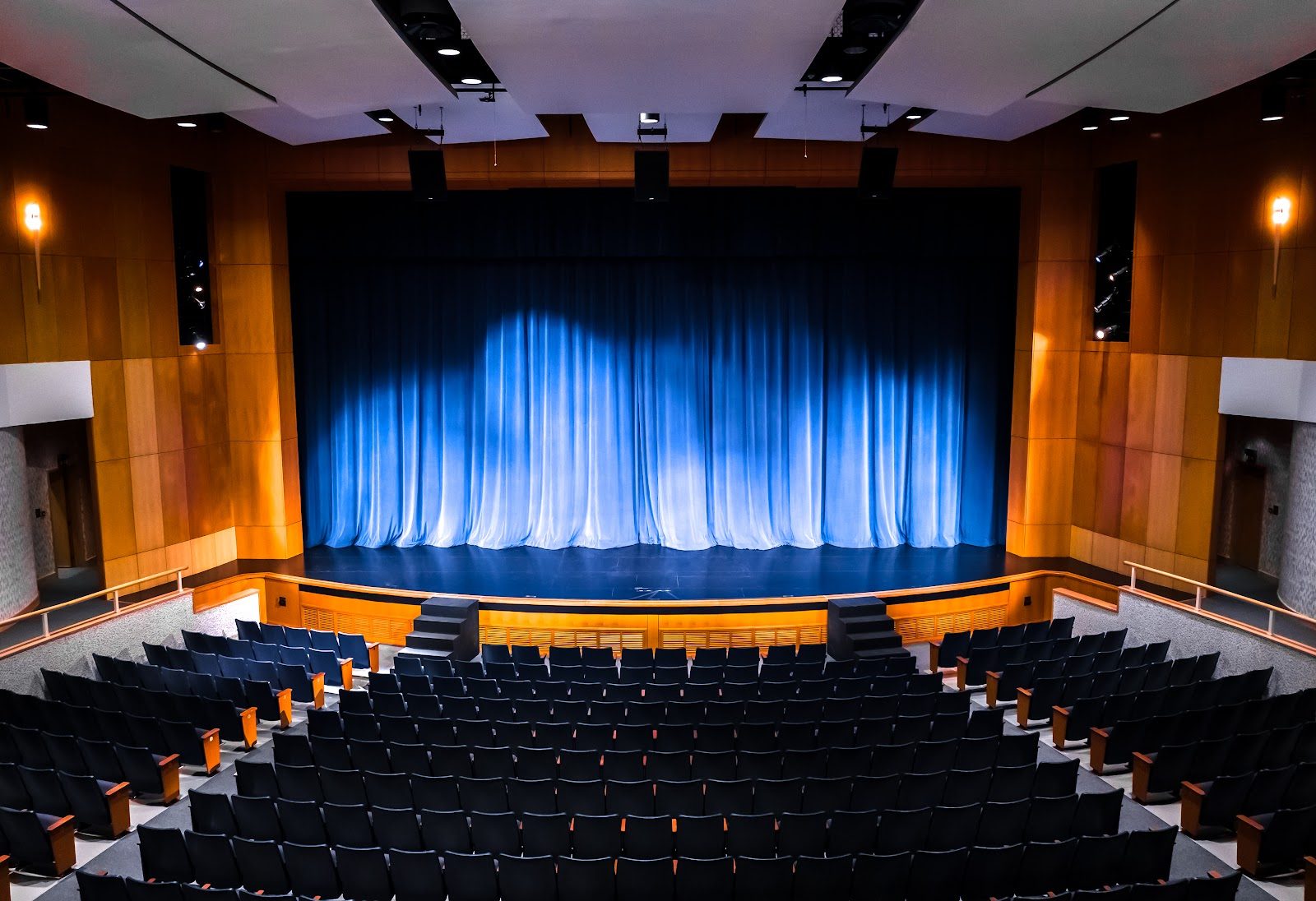
The American International School Muscat
Muscat · Oman
Oman's sole American-curriculum school, pairing AP coursework with a hands-on Discover Oman outdoor learning program.
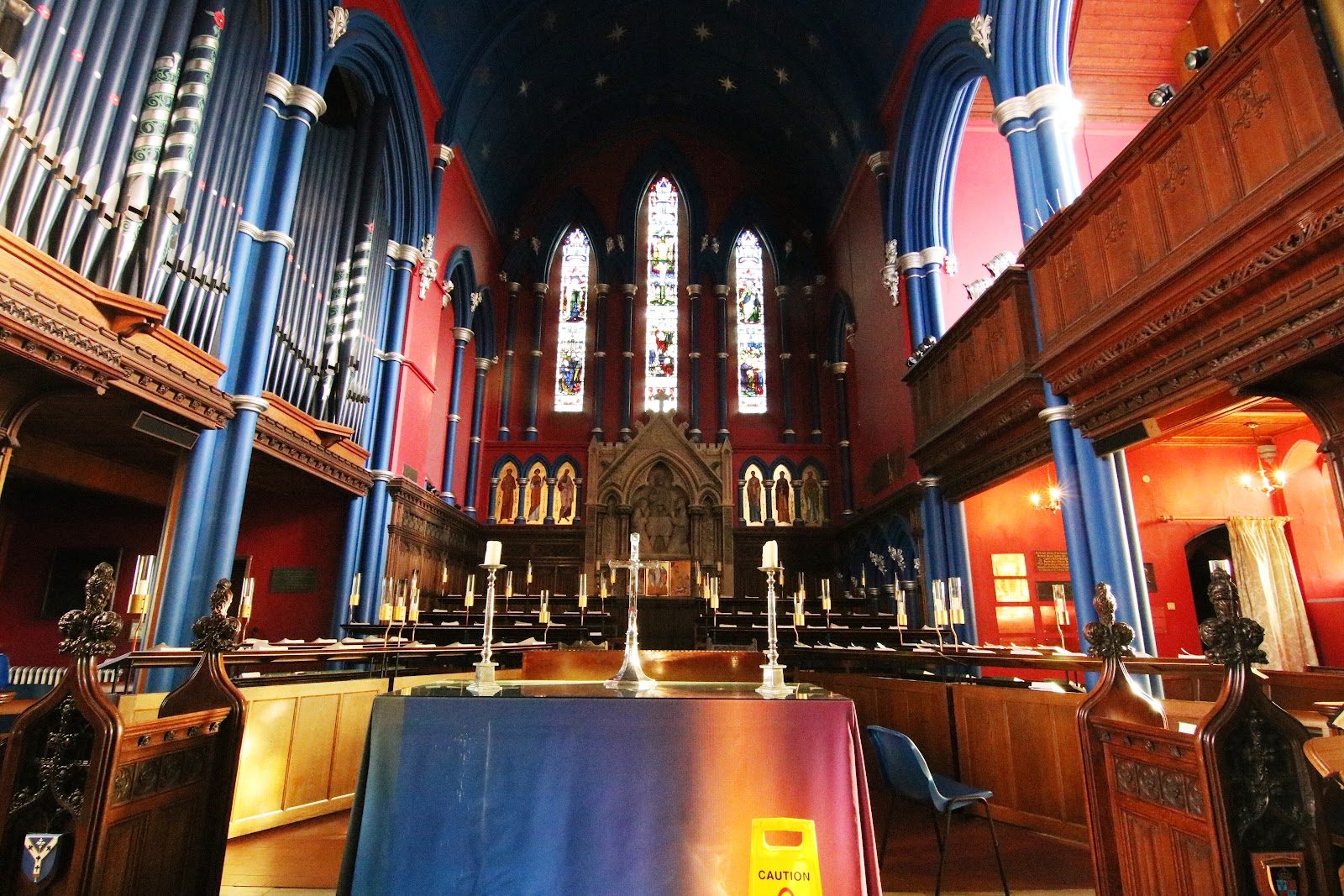
Shrewsbury School
Shrewsbury · United Kingdom
Curled inside a loop of the River Severn, twelve boarding houses keep alive a rowing tradition dating to 1866.
The English School
Helsinki · Finland
Founded in 1945 by American Catholic nuns, it pioneered Finland's bilingual English-Finnish schooling model.
Same country and curriculum — closest matches within ±10 points either way