
South Holland
Gymnasium Sorghvliet
low confidence· 6/6 cats · 0 avg sourcesA stone's throw from the Dutch PM's residence, this Protestant gymnasium sends fifth-formers to Rome each year to live Latin and Greek.
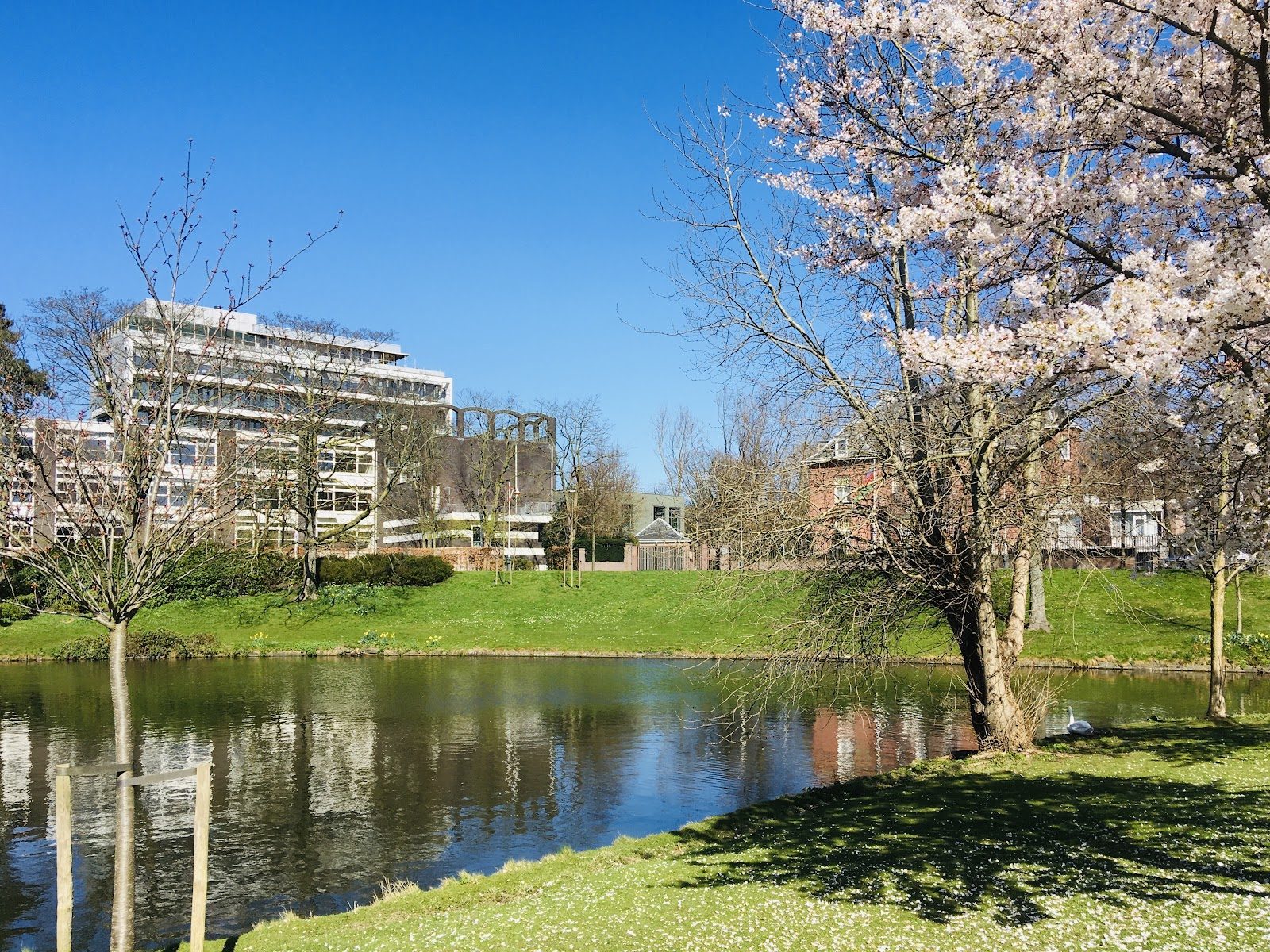
Photo © Cassien Smit via Google Maps
Type
Day
Ages
3–18
Curriculum
Dutch Gymnasium
Ratio
14:1
The Verdict
Editor's commitment
Right for
Families in The Hague who want a day school, Dutch Gymnasium academics and a 14:1 student-teacher ratio from ages 3–18.
Wrong for
Parents expecting boarding, a religious ethos or small classes: this is non-religious, day-only, and average class size is 28.
Watch out for
The profile is odd: founded 1994, yet sold as a gymnasium tradition, with English instruction despite a Dutch Gymnasium curriculum.
Ranking breakdown
Gymnasium Sorghvliet · #301 of 1591
Composite score 73.3. 8 weighted criteria.
By criterion
Academic Outcomes
Weight 20%
#147
of 1529 scored
University Placement
Weight 16%
#649
of 1529 scored
Prestige & Heritage
Weight 12%
#307
of 1529 scored
Alumni Network
Weight 12%
#306
of 1529 scored
Facilities
Weight 12%
#582
of 1529 scored
Transparency & Communications
Weight 8%
#40
of 1529 scored
Peer & Industry Review
Weight 10%
#255
of 1529 scored
Admissions Selectivity & Demand
Weight 8%
#888
of 1529 scored
Peer & Industry Review
How Gymnasium Sorghvliet is regarded in the sector
76
Strong · medium confidence
I could not identify at least two independent, verifiable third-party sources (e.g., Tatler, Good Schools Guide, Dutch Onderwijsinspectie public rankings, expat forums with substantive discussion) specifically assessing Gymnasium Sorghvliet's reputation. Without such corroborating independent evidence, a reliable score cannot be assigned.
Editors' overview
Gymnasium Sorghvliet occupies a narrow but durable niche in The Hague: a Dutch gymnasium for families who want an academic school with a classical spine, without the social varnish and fee structure of the city’s private international sector. The draw is clear. This is a school where Latin and Greek are not decorative add-ons but part of the point, and where the annual fifth-form trip to Rome gives the classical curriculum a concrete, lived dimension. The setting adds its own charge: *a school with political geography in its bones*, close to the Dutch prime minister’s residence and embedded in one of the country’s most institutional cities. With a 14:1 student-teacher ratio and average classes of 28, it sits in the middle ground: large enough to sustain breadth, small enough to avoid anonymity.
What sets Sorghvliet apart is the combination of intellectual seriousness, classical continuity and a day-school structure that keeps it rooted in local family life. Parents looking for a glossy “global” offer will not find that here; the appeal runs in the opposite direction. This is a school for households that value subject discipline, cultural memory and a curriculum with hierarchy rather than endless optionality. The age range, 3–18, gives it unusual continuity, and that continuity matters: schools with a single academic identity from early years to sixth form can shape habits as well as attainment. The published language of instruction is English, which places Sorghvliet in an unusual position for a Dutch gymnasium and widens its relevance for internationally mobile families in The Hague who still want a school with a national academic character.
It belongs on a shortlist for parents who want substance over display. Sorghvliet offers a distinct answer to a common Hague dilemma: how to secure an academically demanding education without defaulting to the international-school market. The market position is strong because the proposition is specific. This is not an all-purpose school trying to please every constituency. It serves bright, literate, self-propelled students who enjoy structure, can tolerate academic pressure and gain energy from language, history and abstraction. The right child for Sorghvliet is not hunting for a sprawling buffet of identity branding or soft-edged pastoral packaging. They want a demanding intellectual culture, a strong sense of tradition and peers who do not treat scholarship as an embarrassment.
Academic Performance
Academic performance is hard to judge with confidence because the school does not publish the data parents need. We have not seen aggregate external examination results, subject-by-subject outcomes, value-added measures, university destination data, or comparative attainment figures against Dutch gymnasium peers. That is a real weakness in a market where academically ambitious schools ask families to trust their standards. A classical academic identity carries weight, but identity is not evidence. Without published results, Sorghvliet sits in the category of schools whose reputation rests more on educational character than on transparent proof of outcomes. For a school trading on intellectual seriousness, that gap matters.
That does not place it in weak company; it places it in opaque company. Many strong state and state-adjacent schools in the Netherlands disclose less than international schools, and parents accustomed to IB or A-level reporting need to adjust expectations. Even so, the absence of public attainment data makes peer comparison blunt. We cannot say whether Sorghvliet outperforms selective gymnasium competitors, matches them, or trails them. The safer conclusion is narrower: this is a school with a demanding academic profile and a curriculum structure that attracts able pupils, but not one that offers clean public proof of where its leavers stand relative to the best academic schools in the country.
Facilities
Sorghvliet’s facilities matter less as a display piece than as working infrastructure for an academic day school. The public picture points to a campus built around classrooms, subject teaching and the practical needs of a full age-range school, not a flagship complex designed to impress visiting parents. That suits the proposition. A classical school does not need a black-box theatre the size of a municipal arts centre or a sports village to justify its fees; it needs competent specialist space, a library that pupils actually use, and laboratories, arts rooms and sports provision that support the timetable without friction. On that measure, Sorghvliet sits in the solid rather than spectacular bracket. There is no sign of the arms-race extravagance common in the premium international sector, and no evidence of the kind of under-resourced austerity that damages teaching.
Against Dutch academic peers, that places it in the middle of the pack. Selective or semi-selective schools of this type win parents on intellectual culture, staff quality and pupil calibre before they win them on architecture. Sorghvliet fits that pattern. Families moving from highly capitalised international schools need to reset expectations: this is not a campus where facilities do the selling. It is a school where the physical estate supports the work and then gets out of the way. For many parents, that is a sensible academic priority. For others, especially those expecting premium-sector polish, the site will feel functional, not lavish.
With a 14:1 student-teacher ratio and average classes of 28, it sits in the middle ground: large enough to sustain breadth, small enough to avoid anonymity
Prestige
Sorghvliet carries real local prestige, though not the theatrical kind that travels globally on brand recognition alone. In The Hague, a school with a classical route still commands status because it signals selection, stamina and intellectual self-confidence. Latin and Greek alter the social meaning of a school: they mark a place that expects pupils to cope with abstraction, delayed reward and a workload that filters out the merely fashionable. The annual Rome trip reinforces that identity in a way many “heritage” gestures do not. It ties scholarship to ritual, and ritual matters in prestige. Families who value old academic markers will read Sorghvliet as a school with serious cultural capital, not a lifestyle product.
That prestige has limits. Sorghvliet does not sit in the elite tier occupied by institutions with widely published top-flight results, major international name recognition, or a pipeline that is visible in the public domain. Its standing is *stronger domestically than internationally*, and stronger among families who understand the Dutch academic hierarchy than among parents shopping by global-school branding. The school’s age range adds continuity, and the staffing picture — 14:1 and classes of 28 — points to a solid, mainstream academic operation rather than a rarefied boutique model. My rating lands in the high but not untouchable bracket: respected, intellectually coded, socially legible in its own city, but not a school whose prestige rests on public proof or global glamour.
Parents looking for a glossy “global” offer will not find that here; the appeal runs in the opposite direction
Communications
Parent communication looks competent but thin. The website does the basic job: term dates, practical notices and contact routes are easy to find, and the school does not bury its identity under lifestyle fluff. That matters. Families get a clearer sense of the school’s priorities than at many institutions that spend more energy on branding than on information. At the same time, the public-facing communication lacks the depth that ambitious parents now expect. We have not seen published outcome data, detailed destination reporting, or the kind of hard academic disclosure that lets families test rhetoric against results. For a school with a high-seriousness academic claim, that is a communications weakness, not just a data weakness. If you want granular proof, you will need to ask for it.
The tone, though, works in the school’s favour. Sorghvliet communicates like a school that expects parents to meet it on educational terms, not as customers to be dazzled. That gives it a bracingly unslick edge. The risk is that restraint can tip into opacity: schools with an intellectually confident culture still need to explain themselves with precision, especially to internationally mobile families who do not already know the Dutch academic system. In practical terms, I would rate communications as serviceable rather than exemplary: good enough for day-to-day trust, weaker on transparency, and short of the standard set by schools that publish the evidence behind their claims.
Uniqueness
What marks Sorghvliet out is not novelty but discipline with a point. Plenty of academically ambitious schools talk about rigour; few still build their identity around the ancient world and then carry that commitment beyond the timetable. Here, Latin and Greek are not status ornaments for a prospectus. They shape how pupils read, argue and remember. The annual Rome trip sharpens that further: students do not just translate antiquity, they walk through it. That gives the school a rare coherence. Subjects, ritual and school culture pull in the same direction, which is uncommon in a market full of diffuse “all-round” offers. For the right child, that coherence breeds intellectual confidence, stronger habits of concentration and a sense that scholarship has weight and inheritance, not just exam utility.
The other distinctive feature is the age span. A school that runs from early years to school-leaving age can enforce a common academic grammar across the whole institution instead of rebuilding expectations at each phase. That continuity suits families who want a single serious culture rather than repeated transitions. It also gives able pupils time to grow into difficulty. Children who start young can absorb the school’s codes long before the classical side bites hard; older students benefit from a peer group shaped by years of shared standards. That does not make Sorghvliet a fit for everyone. It suits students who enjoy structure, tolerate pressure and do not need education sweetened into entertainment. In a sector crowded with soft-focus choice, that is a sharp, unfashionable strength.
This is a school for households that value subject discipline, cultural memory and a curriculum with hierarchy rather than endless optionality
Student Profile
The pupils who fit best here are bright, disciplined and internally motivated. This is not a school for children who need constant praise, endless choice or a curriculum dressed up as entertainment. It suits students who enjoy mastering difficult material for its own sake, who can sit still with a text, and who do not treat homework as an assault on personal freedom. The classical emphasis matters because it filters for a certain cast of mind: patience, verbal precision, historical curiosity and a tolerance for delayed reward. Children who like patterns in language, argument and structure will find intellectual company here. Those who want school to feel loose, informal and socially frictionless will not. With classes averaging 28 and a staffing ratio of 14:1, pupils also need enough confidence to hold their ground in a mainstream academic setting rather than rely on intensive hand-holding.
Socially, the best fit is a child who does not mind a culture with standards and hierarchy. Sorghvliet will reward the self-propelled, the bookish, the mentally durable and the quietly competitive. It will test students who need education softened at every edge, or who derive their identity from constant performance outside the classroom. That does not mean pupils need to be austere. Curiosity, wit and breadth all have a place here. But the centre of gravity is academic, not theatrical. Families choosing this school need to be honest about temperament: the right student will find it stimulating and grounding; the wrong one will find it constraining and hard work.
It belongs on a shortlist for parents who want substance over display
Co-curricular strengths
Arts & sport, on a separate axis
Overall 6.7/10
Scored 0-10 from the school's own published evidence. This axis is editorial-only — it does not feed the main WTS ranking.
Sports
7/10
Drama
7/10
Dance
4.5/10
Music
7.5/10
Visual Arts
7.5/10
Strengths
- +Elsevier Weekblad has repeatedly named Sorghvliet a 'superschool' in its annual Beste Scholen survey of Dutch secondary schools, based on Education Inspectorate exam-progress data Het Christelijk Gymnasium Sorghvliet in Den Haag, de school van de prinsessen Amalia en Alexia, is een van de 'superscholen' van Nederland in de achttiende editie van Beste scholen, het jaarlijkse onderzoek van Elsevier Weekblad. De winnaars onderscheiden zich van andere scholen met goede onderwijsresultaten, zowel in de laagste klassen als de bovenbouw.
- +It is a small, single-site, board-independent gymnasium of roughly 800 pupils, which the school itself describes as offering close staff-student familiarity Sorghvliet is een klein, zelfstandig en gezellig gymnasium met 817 leerlingen. Leerlingen en docenten leren elkaar snel kennen.
- +The campus sits in The Hague's International Zone, between the Peace Palace and the Catshuis, a location convenient for diplomatic and government-linked families Christelijk Gymnasium Sorghvliet is een kleinschalig en zelfstandig gymnasium in het hart van de Internationale Zone van Den Haag, tussen het Vredespaleis en het Catshuis.
- +An optional 'gymnasium plus' enrichment track starting in year two lets pupils add electives such as business economics, Chinese, philosophy or art in the upper school Zo kent Sorghvliet een plusprogramma dat start in klas 2. Dit programma biedt leerlingen de mogelijkheid om keuzevakken - bedrijfseconomie, Chinees, filosofie of kunst - te volgen in de bovenbouw.
- +Members of the Dutch royal family, including Princesses Catharina-Amalia, Alexia and Ariane, have attended the school, underlining its standing among The Hague's establishment families Sorghvliet has a long list of notable alumni, including multiple Dutch politicians, writers, athletes, entrepreneurs, members of the Dutch royal family, and scientists, including one Nobel laureate. Catharina-Amalia, Princess of Orange, Princess Alexia of the Netherlands, Princess Ariane of the Netherlands
Considerations
- −Entry is limited strictly to pupils who receive a VWO recommendation from primary school, with no in-house havo or vmbo alternative for those who don't qualify or later fall behind Welk advies moet je hebben om op Sorghvliet als leerling te worden toegelaten? Wij laten de leerlingen toe die van de basisschool een VWO-advies gekregen hebben.
- −As a deliberately 'categorial' (single-track) gymnasium, the school offers narrower programme breadth than large comprehensive Dutch scholengemeenschappen that house multiple levels under one roof Sorghvliet is bestuurlijk geheel onafhankelijk. Hiervoor is in het verleden bewust gekozen aangezien het bestuurlijk eenpitten de beste garantie vormt voor het in stand houden van het categoriale gymnasium.
- −Although classroom tuition is state-funded and technically free, the school asks for a voluntary parental contribution -- around 180,000 euros collected school-wide in 2022 -- plus separate charges for trips such as the year-5 Rome excursion De ouderbijdrage is strikt vrijwillig. De lessen die wij geven worden immers door het rijk bekostigd. In 2022 werd door ouders van Sorghvliet ongeveer 180.000 euro betaald aan ouderbijdragen.
- −Places are capped and allocated by order of application rather than by catchment or entrance exam, so demand can outstrip supply in a given intake year Voor het komende jaar hebben we plaats voor 147 achtstegroepers.
Availability
Primary entry gate & tests
CITO Score / Central Match
Gallery
Photo © Cassien Smit via Google Maps
Photo © Cassien Smit via Google Maps
Photo © Cassien Smit via Google Maps
Photo © Cassien Smit via Google Maps
Photo © Cassien Smit via Google Maps
Photo © Cassien Smit via Google Maps
Photo © Cassien Smit via Google Maps
Photo © Cassien Smit via Google Maps
Photo © Cassien Smit via Google Maps
Parent reviews
Have you sent your child here?
Voice reviews carry the strongest trust badge — we transcribe them for you to tidy up before they go live. Prefer to type? A written review is fine too.
Add your voice
In 60 seconds, tell other parents: what's the best thing about Gymnasium Sorghvliet, and what surprised you when your child joined?
We ask for a Google sign-in so every review has a real face behind it — no anonymous drive-by attacks on schools, and no faked positive reviews. Your email is never shown publicly.
Send this profile to a friend
International parents rely on word-of-mouth. Share this review with someone weighing the same decision.
Schools with places
Similar schools to Gymnasium Sorghvliet with places available now.
American School of The Hague
Wassenaar · Netherlands
- 2026-27
- WAITPOOLSpace-dependent
- 2027-28
- PLACES OPENRolling
The British School in The Netherlands
Voorschoten · Netherlands
- 2026-27
- WAITPOOLSpace-dependent
- 2027-28
- PLACES OPENRolling
Rijnlands Lyceum Oegstgeest
Oegstgeest · Netherlands
- 2026-27
- WAITPOOLSpace-dependent
- 2027-28
- PLACES OPENRolling
The International School of The Hague
The Hague · Netherlands
- 2026-27
- WAITPOOLSpace-dependent
- 2027-28
- PLACES OPENRolling
Availability first, then country, area, curriculum, price, co-curricular
Consider also
Also worth looking at alongside Gymnasium Sorghvliet.
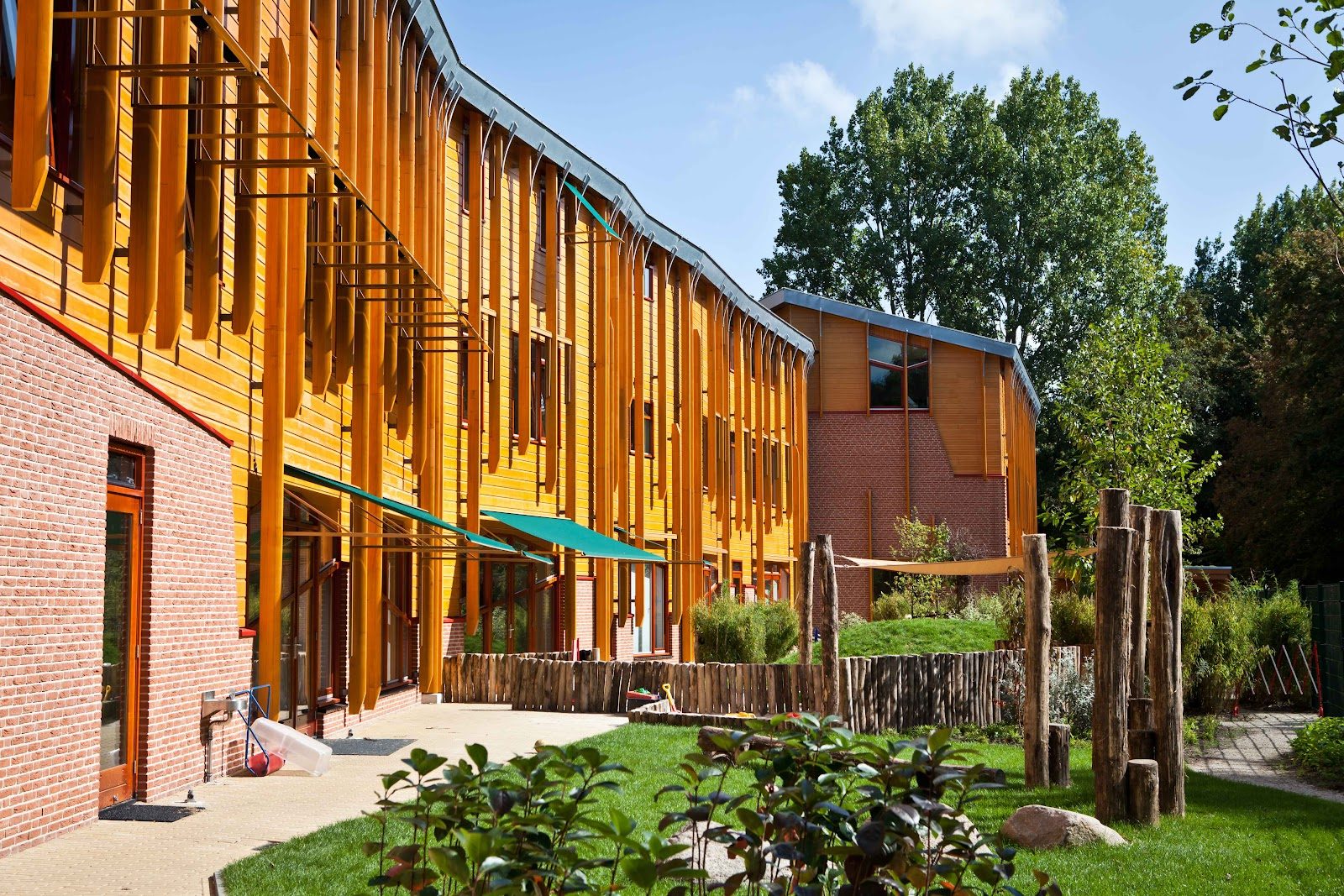
International School of Amsterdam
Amstelveen · Netherlands
Just outside Amsterdam, this 1964 founding became the first school anywhere to run the full IB continuum from age two to eighteen.
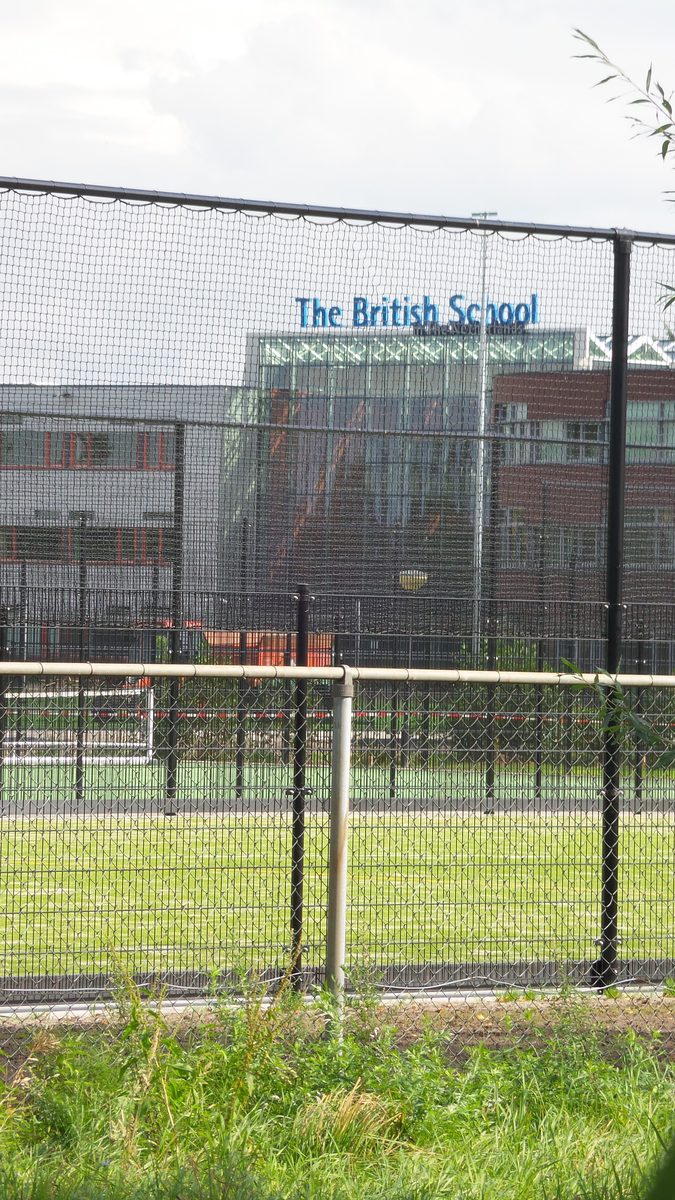
The British School in The Netherlands
Voorschoten · Netherlands
Since 1931, a Voorschoten campus near The Hague where sixth formers choose freely among A-Levels, BTEC, IB Diploma or IB Career Programme.
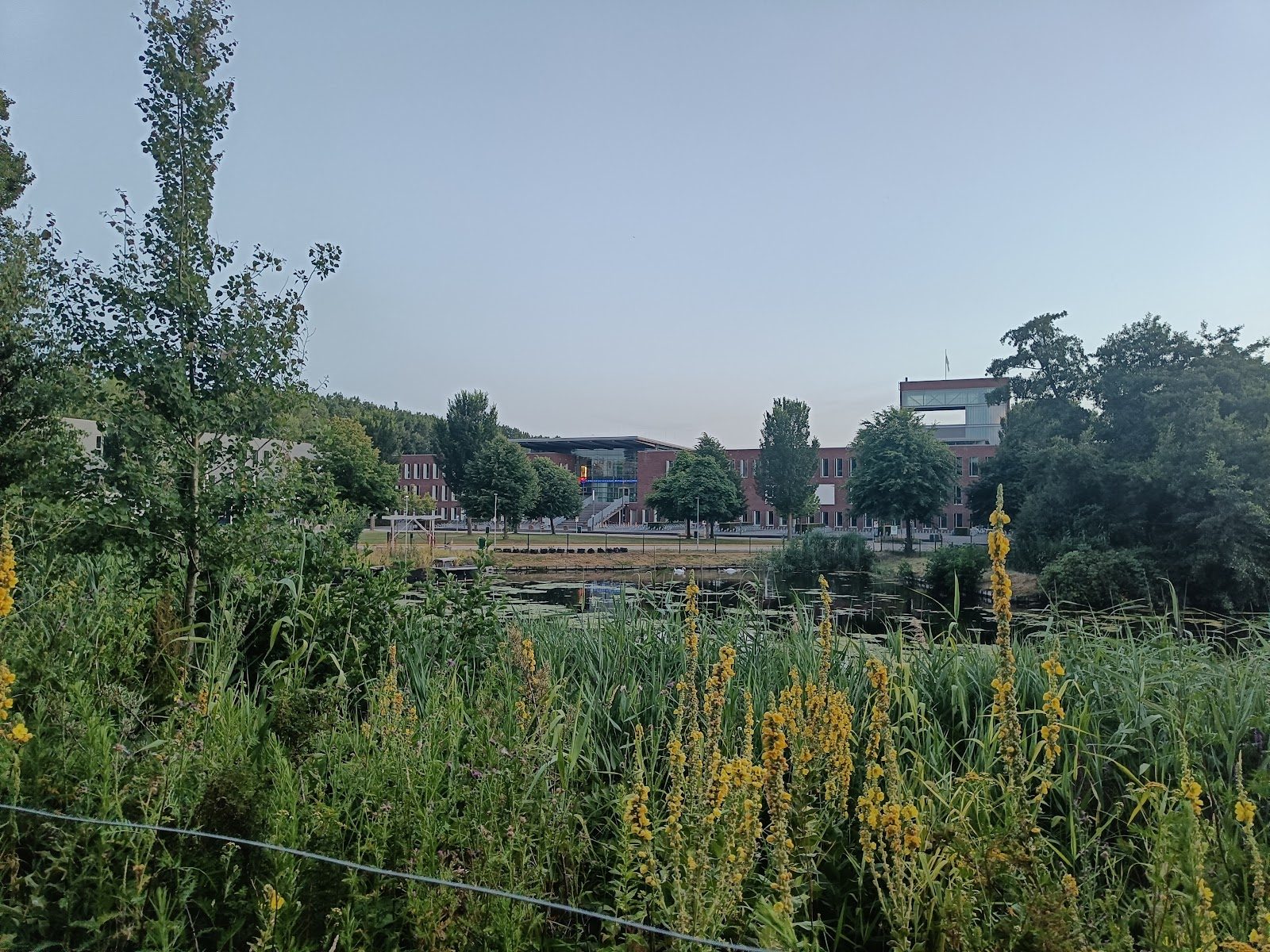
The International School of The Hague
The Hague · Netherlands
In the Kijkduin dunes, this IB day school runs MUNISH, Europe's second-largest student Model UN conference.
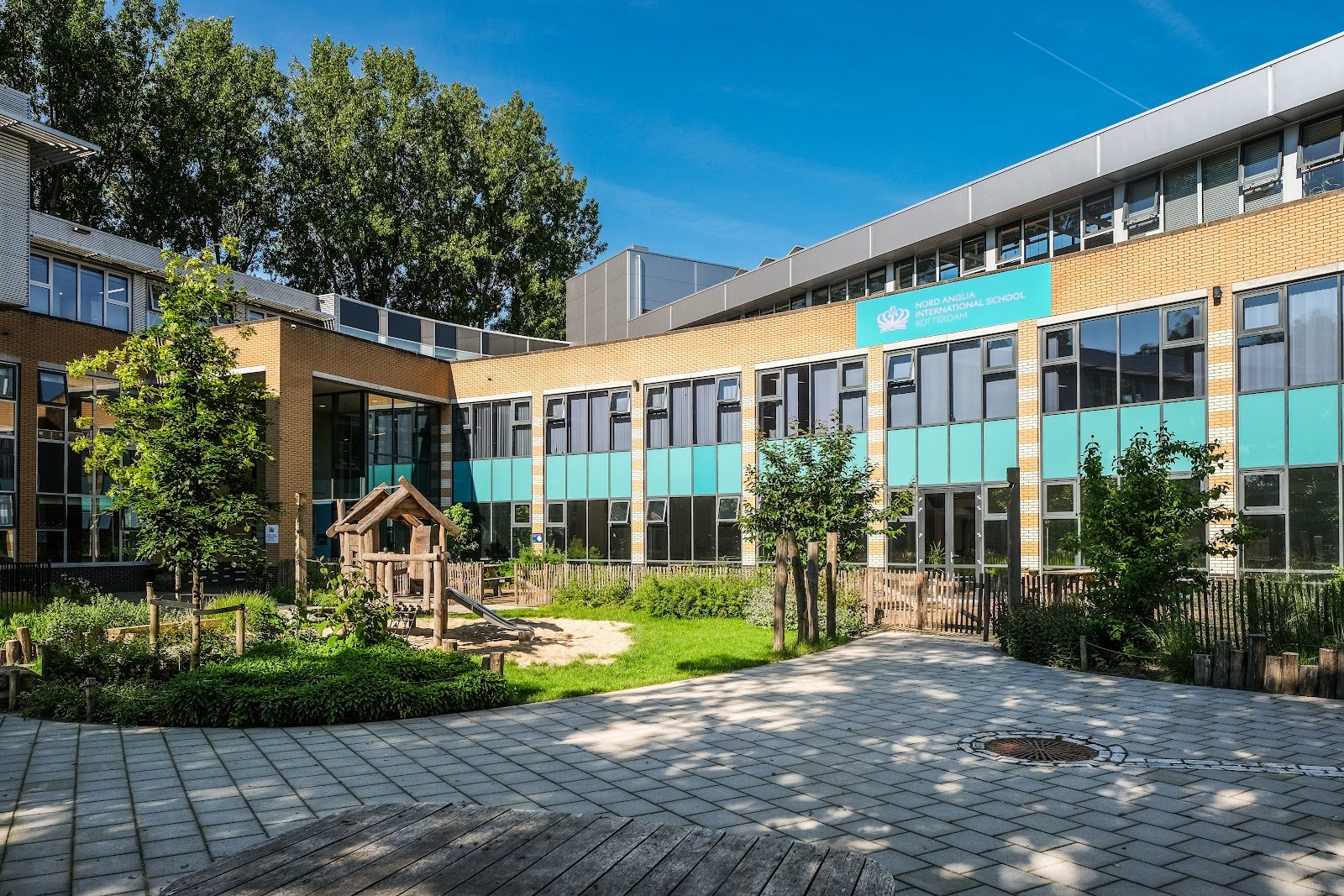
Nord Anglia International School Rotterdam
Rotterdam · Netherlands
Born from a 1959 American community, this Hillegersberg school pairs IB rigor with MIT-designed STEAM and Juilliard arts training.
Same country and curriculum — closest matches within ±10 points either way