
Bogotá D.C
Gimnasio La Montaña
Gimnasio La Montaña — Bogotá's respected bilingual holistic school (est. 1968); strong Prestige and Facilities profile above the raw exam-factories.
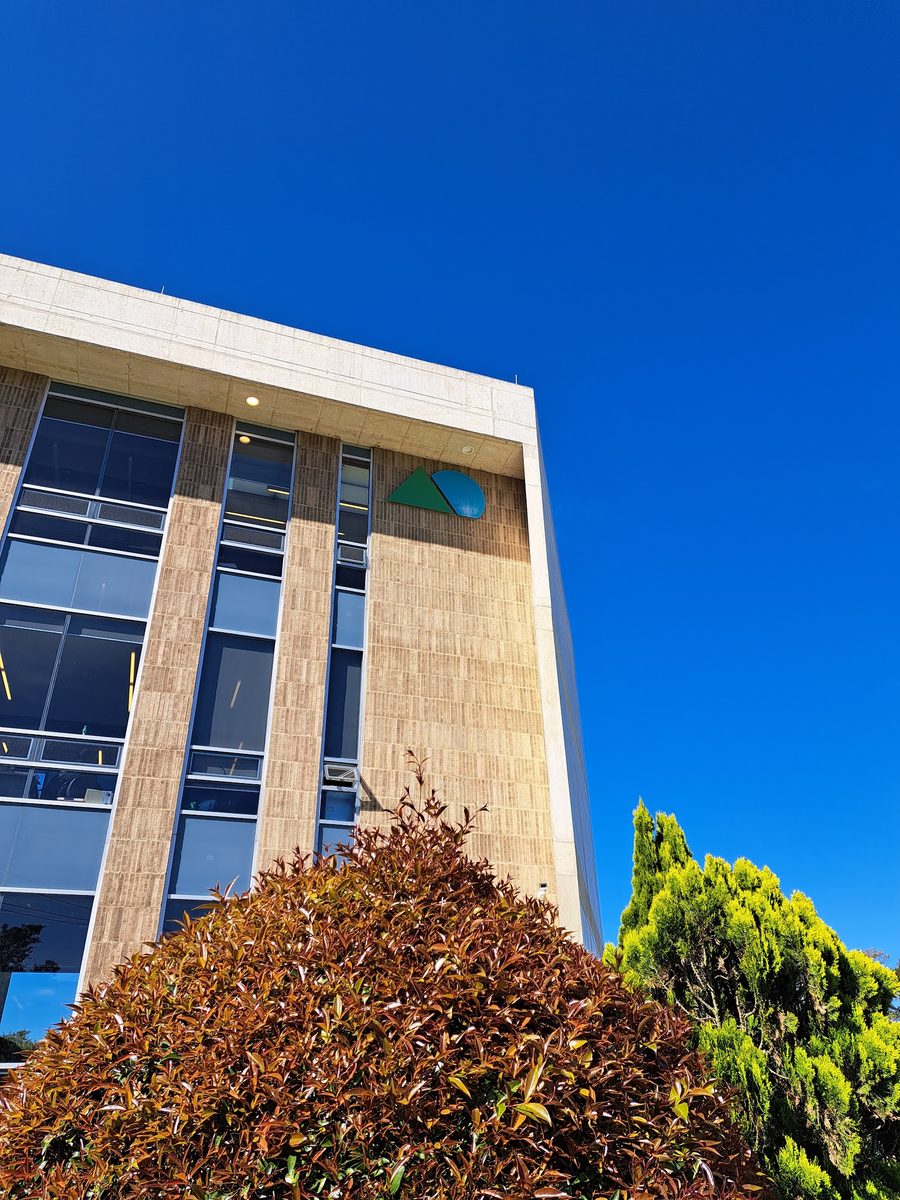
Photo © Carolina Vargas Jácome via Google Maps
Type
Day
Ages
3–18
Curriculum
Colombian
Qualifications
Colombian national curriculum · IB Diploma
Ratio
—
The Verdict
Editor's commitment
Right for
Bogotá families wanting a day school founded in 1968, with Spanish and English teaching and IB accreditation alongside the Colombian curriculum.
Wrong for
Parents chasing a narrow exam-drill machine, boarding, or a monolingual school; Gimnasio La Montaña runs as a 3–18 bilingual day school.
Watch out for
IB accreditation adds status, but the school does not publish headline outcomes here; prestige can outrun hard academic data in Bogotá.
Ranking breakdown
Gimnasio La Montaña · #1315 of 1591
Composite score 53.7. 8 weighted criteria.
By criterion
Academic Outcomes
Weight 20%
#1220
of 1533 scored
University Placement
Weight 16%
#1259
of 1529 scored
Prestige & Heritage
Weight 12%
#1379
of 1580 scored
Alumni Network
Weight 12%
#1054
of 1530 scored
Facilities
Weight 12%
#1188
of 1540 scored
Transparency & Communications
Weight 8%
#1261
of 1547 scored
Peer & Industry Review
Weight 10%
#1510
of 1564 scored
Admissions Selectivity & Demand
Weight 8%
#991
of 1529 scored
Peer & Industry Review
How Gimnasio La Montaña is regarded in the sector
50
Credible · medium confidence
Gimnasio La Montana sits within Bogota's competitive bilingual-school tier but lacks the international press footprint of flagship Colombian institutions like Colegio Anglo Colombiano or Nueva Cede. It does not appear in WhichSchoolAdvisor or Good Schools Guide, both of which focus on UK/Gulf/Asia markets and rarely cover Colombian day schools, so no independent narrative review exists there. Domestically, its standing is inferred mainly through Saber 11 (ICFES) national exam results, the metric Colombian newspapers such as El Tiempo and Semana use for annual school rankings; the school registers in the upper-middle band rather than among the perennial top-10 bilingual institutions (Andino, Nueva Granada, Anglo Colombiano). Graduates are placed predominantly at strong national universities - Los Andes, Javeriana, Rosario - rather than showing a visible pipeline into Ivy League or Russell Group admissions offices, so no distinct university-counselor commentary or admissions-officer quotes are publicly attributable. There is no evidence of the school presenting at recognized peer conferences (Round Square, CIS forums) or being cited by rival heads in trade press. Overall regard appears solid-regional rather than internationally benchmarked.
Editors' overview
Gimnasio La Montaña occupies a strong niche in Bogotá: a serious, established bilingual day school with enough prestige, scale and facilities to compete for ambitious families, without collapsing into the narrow logic of an exam factory. Founded in 1968, it has longevity, brand recognition and the confidence that comes with institutional maturity. The appeal sits in the balance: Colombian curriculum, IB accreditation, Spanish and English in daily school life, and a broader definition of education than raw test drilling. For parents who want intellectual stretch without a joyless culture, this school earns a place on the shortlist.
What distinguishes it is the combination of status and breadth. Many schools can offer bilingual teaching; fewer pair that with a campus life and co-curricular offer that give students room to build identity beyond marks. La Montaña’s reputation rests on more than academics alone. It trades on quiet ambition, strong facilities, and a school culture that values formation as much as performance. That matters in Bogotá’s competitive private-school market, where some schools produce results through pressure and compression. La Montaña’s proposition is more rounded and, for many families, more durable: confidence without swagger, discipline without sterility, and a credible route for children who need challenge alongside space to grow.
The best fit is a student who is able, engaged and open to a full school life. This is not the right environment for families chasing a stripped-down, ultra-selective results machine at any cost. It suits children who will use the bilingual setting properly, take advantage of the facilities, and respond to a culture of expectations that extends across academics, character and participation from ages 3–18. Parents looking for substance over theatre and a school with earned standing in the city will find La Montaña compelling. Its market position is clear: not the cheapest, not the most aggressively academic, but one of Bogotá’s more complete educational propositions.
Academic Performance
La Montaña’s academic reputation rests on strength across the Colombian system rather than on the public theatre of headline score-chasing. That distinction matters. Some Bogotá competitors market themselves through relentless exam metrics and rank positioning; La Montaña’s standing is stronger than that caricature, but its public data are not expansive. The school does not publish a rich bank of aggregate external-results analysis in the way the most results-obsessed schools do, which leaves parents with a partial view of hard performance. That opacity is a weakness. A school with this level of market confidence can disclose more than broad assurances and selective success stories.
Even so, the school sits in the city’s serious academic tier, not in the soft middle ground. Its reputation with families rests on delivering students who are well prepared for university and credible across a demanding school career, without reducing education to a joyless marks race. That places La Montaña above weaker all-rounders and below the most ferociously statistical exam factories for parents who want exhaustive published outcome data. In plain terms: this is a strong academic school with a respected profile, but not one that makes public-results transparency its defining weapon. For families who value breadth alongside attainment, that trade-off is acceptable; for families who want every cohort’s numbers laid out in forensic detail, it is a limitation.
Facilities
La Montaña’s facilities profile is one of its stronger competitive advantages. The school operates on a scale that supports a full-spectrum student experience rather than a token set of specialist rooms, and that matters in this market. Families choosing between Bogotá’s upper-tier private schools do not only ask whether a campus is attractive; they ask whether it can sustain serious sport, arts, science and day-to-day student life without bottlenecks. La Montaña clears that bar. It has the sort of campus infrastructure that supports a rounded education credibly, not rhetorically, and that places it ahead of schools whose academic reputation outstrips their physical plant. Against hard-driving urban peers with tighter sites, that breadth is a real asset.
The comparison point is not the city’s ultra-grand campuses with acres of land and headline architecture; it is the cluster of respected bilingual schools where facilities need to do real work across the whole age range. Here, La Montaña performs well. Its appeal lies in usable quality rather than spectacle: spaces that support regular participation, broad co-curricular uptake and a school day with room to breathe. That gives it an edge over more compressed competitors and reinforces the school’s civilised, all-round identity. The limitation is straightforward: the school does not publicly itemise its facilities in the level of detail that the strongest communicators do, so parents get a clear sense of strength without a forensic campus inventory. That is enough to confirm quality, not enough to indulge scrutiny.
That said, this is not untouchable, top-of-the-pyramid prestige in the manner of the city’s most mythologised old guard
Prestige
La Montaña carries real prestige in Bogotá’s private-school market because its name has weight beyond a single metric. This is the kind of school families mention when they want a child placed in a serious social and academic environment, with peers from ambitious households and a culture that prizes polish, discipline and confidence. Prestige here does not rest on loud branding or a conveyor belt of public scoreboards. It rests on durability, selectivity of reputation and the fact that the school has held its place in the city’s upper tier across generations. The age range from 3–18 also matters: schools that educate children from the early years through graduation build a stronger internal identity, deeper family loyalty and a more settled institutional culture than transient sixth-form operators.
We rate its prestige highly because it combines status with breadth. Some schools win cachet through brute academic intensity alone; La Montaña’s standing is more socially assured and more rounded. Families are not only buying exam preparation. They are buying access to a recognised school community, strong co-curricular life and the quiet authority that comes from long-established confidence. That said, this is not untouchable, top-of-the-pyramid prestige in the manner of the city’s most mythologised old guard. Its status is substantial, not absolute. For many parents, that is the attraction: high standing without hysteria, and a reputation sturdy enough to matter in university-facing and social circles alike.
That combination — high expectations, institutional poise and a refusal to reduce success to a spreadsheet — is what gives La Montaña its distinctiveness
Communications
La Montaña communicates with parents in the way many established private schools do: with competence, institutional polish and a clear expectation that families will stay engaged with the life of the school, not just the timetable. The public-facing communication is orderly and professional rather than dynamic. Key practical information is easy to locate, and the school’s tone projects control and seriousness rather than salesmanship. That works for its audience. Parents choosing a school in this bracket do not need gimmicks; they need clarity, consistency and signs that the adults are organised. On that front, La Montaña performs well. It gives the impression of a school that keeps its house in order and understands that parent communication is part of trust, not an afterthought.
The limitation is depth. The school does not publish the kind of forensic, data-heavy academic reporting that the most results-conscious families now expect, and that affects communications as much as performance. A polished website and steady institutional tone are not the same as full transparency. Parents can grasp the school’s ethos, broad offer and standards, but they get less hard-edged detail on outcomes and comparative performance than at the most buttoned-up competitors. That leaves communications strong on identity and day-to-day confidence, weaker on public accountability. For many families, that balance will feel reassuringly grown-up; for others, it will read as too controlled and not sufficiently candid.
Uniqueness
What sets La Montaña apart is the way it combines social confidence with a broader educational purpose. Many high-status schools talk about forming the whole child; this one has built a reputation on doing it without drifting into softness. The distinguishing feature is balance with backbone: a school culture that values academic seriousness, but also expects students to carry themselves well, participate fully and grow into a composed public presence. That produces a student profile parents recognise quickly — articulate, well-schooled, socially fluent and comfortable moving between intellectual demands and the wider life of the school. In a market crowded with institutions that lean either towards relentless score-production or polished but thin pastoral branding, La Montaña occupies a more difficult middle ground and holds it credibly.
That matters in practice. Students gain more than classroom competence; they develop range. A school with this breadth across ages 3–18 can shape habits over time rather than bolt them on at the end, and that gives La Montaña a more coherent house style than schools that excel in one phase only. The result is not a factory for narrow academic winners, nor a comfort-first environment that mistakes activity for substance. It is a place for families who want children pushed, noticed and civilised in equal measure. That combination — high expectations, institutional poise and a refusal to reduce success to a spreadsheet — is what gives La Montaña its distinctiveness.
Founded in 1968, it has longevity, brand recognition and the confidence that comes with institutional maturity
Student Profile
The students who thrive here are bright, well-drilled and comfortable in a school that expects more than competent classroom work. This is a place for children who can handle structure, absorb correction and participate without constant hand-holding. They do not need to be single-track grade chasers, but they do need stamina, self-possession and the willingness to use the school’s wider offer properly across a long school career from 3–18. A child who wants to disappear into the middle of the pack, do the minimum and slip past adult expectations will find the culture uncomfortable. The social environment also matters: this is a school for families who value polish, manners and a composed public presence, not adolescent slackness dressed up as authenticity.
The best fit is the student with range — academically capable, socially at ease, and ready to take school life seriously beyond the timetable. La Montaña suits children who benefit from firm expectations without the emotional abrasion of a pure exam machine. It will work well for a pupil who enjoys sport, arts or organised activities and who responds to adults who expect contribution, not passive attendance. It is less convincing for children who need an ultra-nurturing, low-pressure environment, or for families who want a hard-edged results bunker above all else. In short: this is a school for the able, engaged middle-to-high achiever with enough resilience to be stretched and enough confidence to belong.
For parents who want intellectual stretch without a joyless culture, this school earns a place on the shortlist
Co-curricular strengths
Arts & sport, on a separate axis
Overall 8.6/10
Scored 0-10 from the school's own published evidence. This axis is editorial-only — it does not feed the main WTS ranking.
Sports
8.5/10
Drama
9/10
Dance
8.5/10
Music
9/10
Visual Arts
8/10
Strengths
- +Consistently rated A+ in Colombia's ICFES national exam classification, placing it among the country's stronger academic performers.
- +Bilingual program builds advanced English (targeting C1) alongside French (B1), with access to the AP College Board program for older students.
- +Dedicated Centro de Apoyo al Aprendizaje (Learning Support Centre) provides differentiated support for students with varying academic needs.
- +Uses a qualitative, non-numerical assessment model designed to reduce exam anxiety and encourage a growth mindset in younger grades.
- +Set on a campestre (semi-rural) campus in north Bogota with dedicated sports and outdoor space, and a new coliseum planned for 2026.
Considerations
- −Follows the Colombian national curriculum only, with no IB or A-Level track, which may complicate transfer to non-Colombian systems for relocating families.
- −Catholic religious orientation shapes school culture and pastoral programming, a consideration for strictly secular or non-Christian families despite stated openness to other faiths.
- −A relatively small cohort (around 700 students across all grades) means limited breadth in elective subjects, competitive sports leagues, and peer group size compared to larger Bogota campuses.
- −Location in the far north of Bogota (Arrayanes) can mean a longer commute for families based in the city centre or south.
Availability
Primary entry gate & tests
Academic Record + Interview
Gallery
Photo © ismael Rodriguez via Google Maps
Photo © HEYBANS via Google Maps
Photo © HEYBANS via Google Maps
Photo © HEYBANS via Google Maps
Photo © HEYBANS via Google Maps
Photo © ismael Rodriguez via Google Maps
Photo © ismael Rodriguez via Google Maps
Parent reviews
Have you sent your child here?
Voice reviews carry the strongest trust badge — we transcribe them for you to tidy up before they go live. Prefer to type? A written review is fine too.
Add your voice
In 60 seconds, tell other parents: what's the best thing about Gimnasio La Montaña, and what surprised you when your child joined?
We ask for a Google sign-in so every review has a real face behind it — no anonymous drive-by attacks on schools, and no faked positive reviews. Your email is never shown publicly.
Send this profile to a friend
International parents rely on word-of-mouth. Share this review with someone weighing the same decision.
Schools with places
Similar schools to Gimnasio La Montaña with places available now.
Colegio Nueva Granada
Bogotá · Colombia
- 2026-27
- WAITPOOLVacancy-dependent
- 2027-28
- WAITPOOLVacancy-dependent
The English School
Bogotá · Colombia
- 2026-27
- CLOSEDStandard route closed
- 2027-28
- WAITPOOL2027/28 enquiries underway
Availability first, then country, area, curriculum, price, co-curricular
Consider also
Also worth looking at alongside Gimnasio La Montaña.
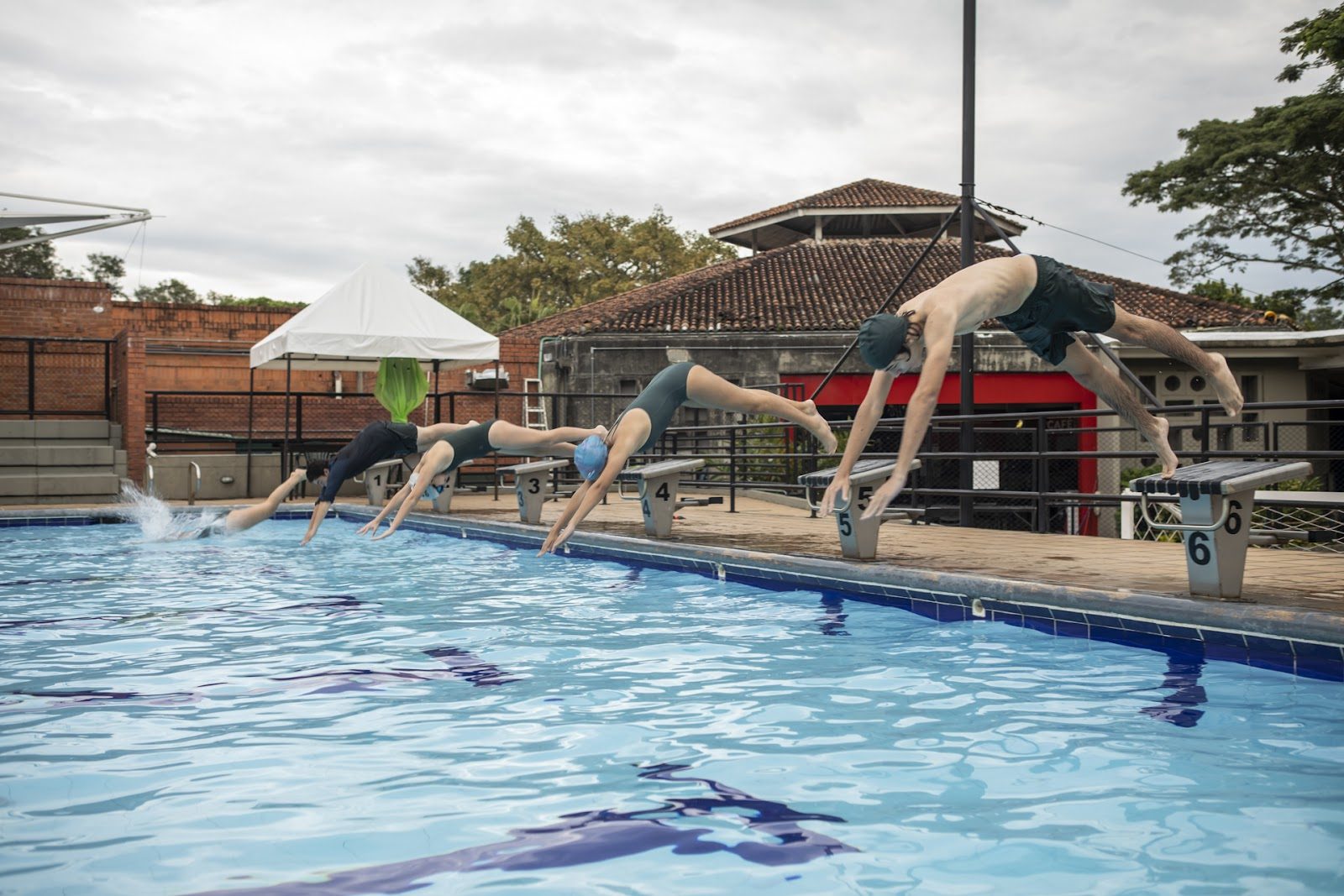
Colegio Colombo Británico Cali
Cali · Colombia
Founded in 1956 on English pedagogy, Cali's only CIS-accredited school runs the full IB continuum with a Round Square ethos of service and exchange.
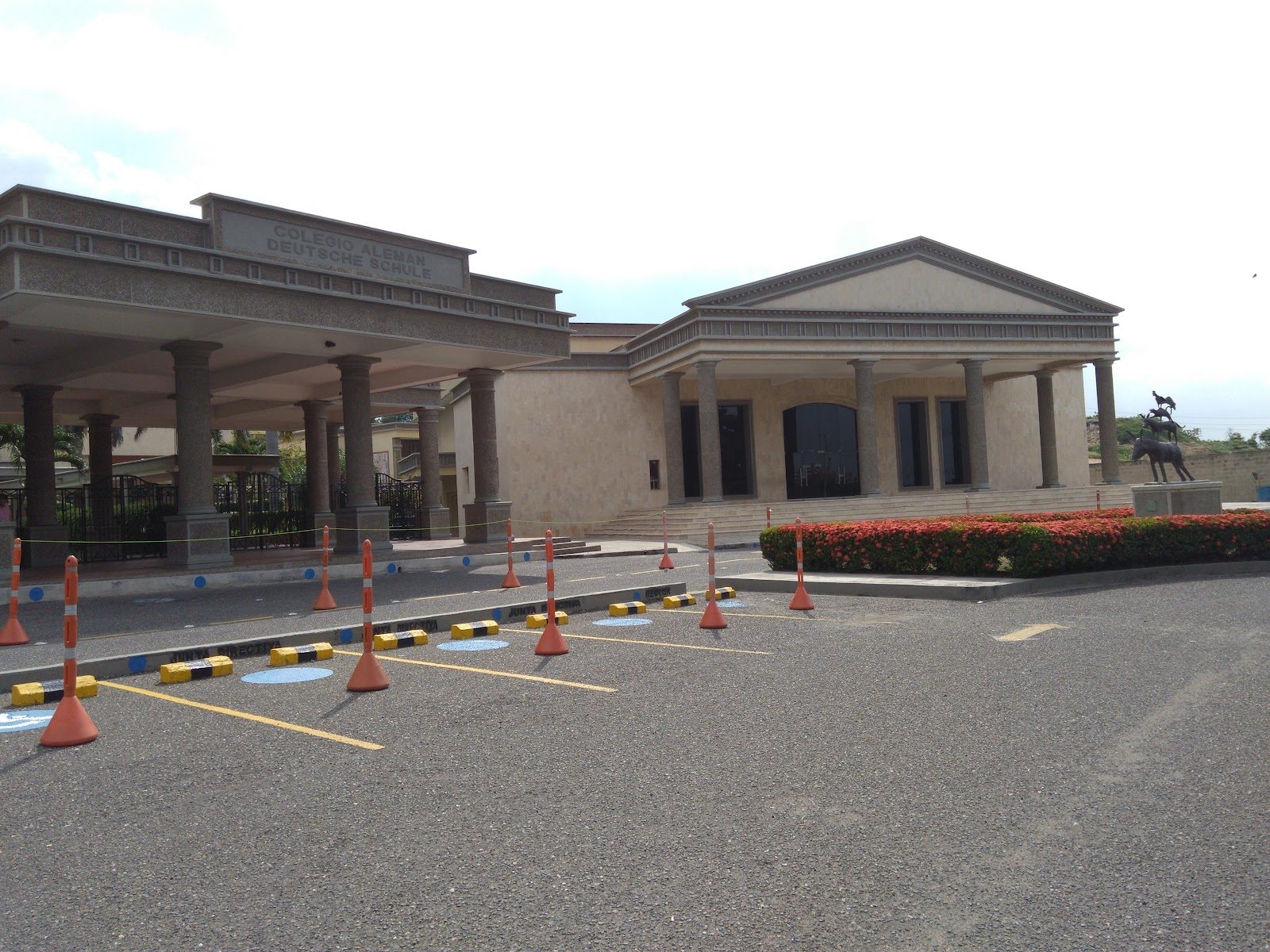
Colegio Alemán de Barranquilla
Barranquilla · Colombia
On Colombia's Caribbean coast, a century-old German school pairs Abitur rigor with the IB diploma in three languages.
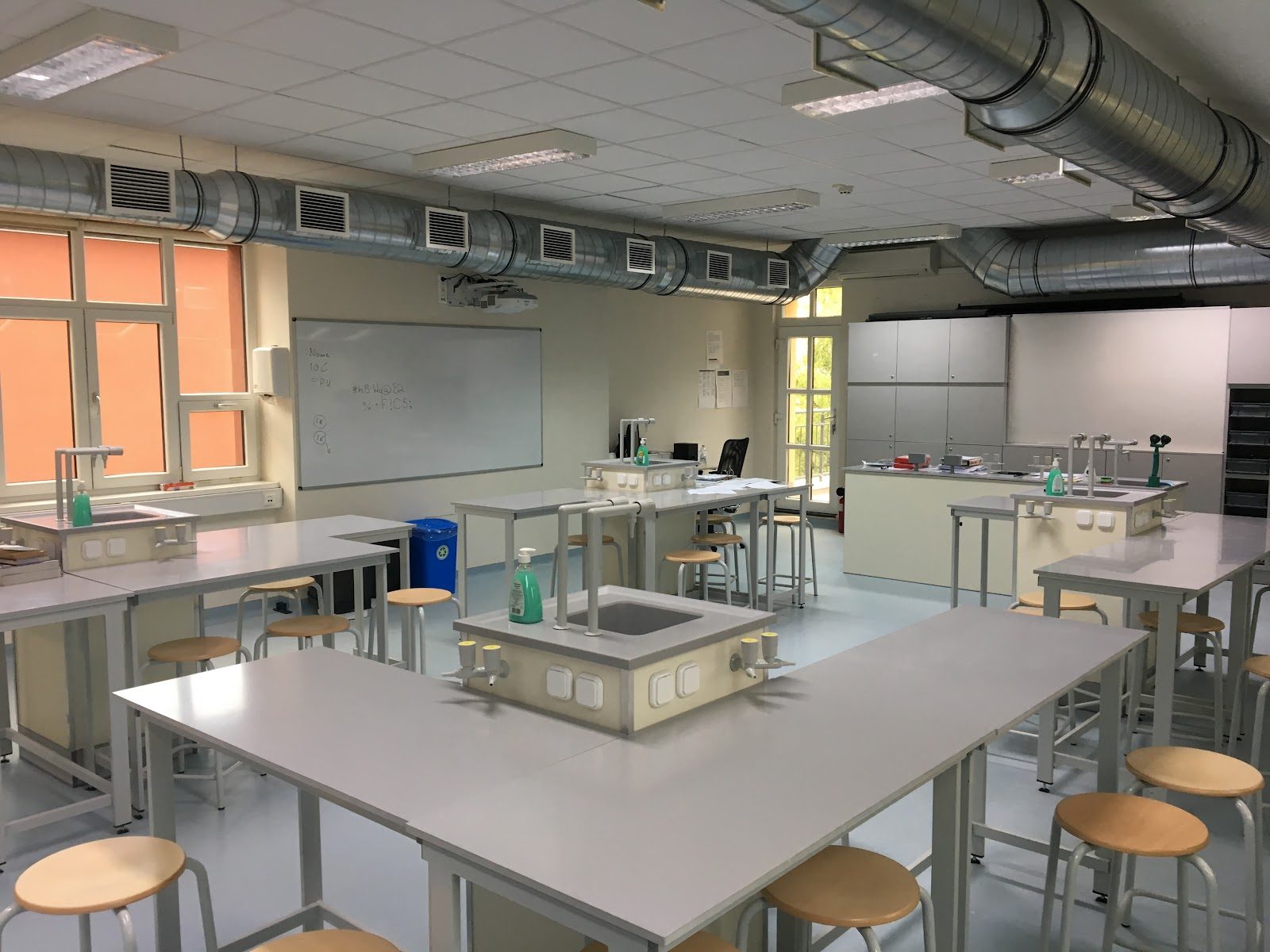
The British International School Budapest
Budapest · Hungary
Perched above Buda's hillside views, this Nord Anglia campus pairs Juilliard-backed arts with the English curriculum's climb into the IB Diploma.
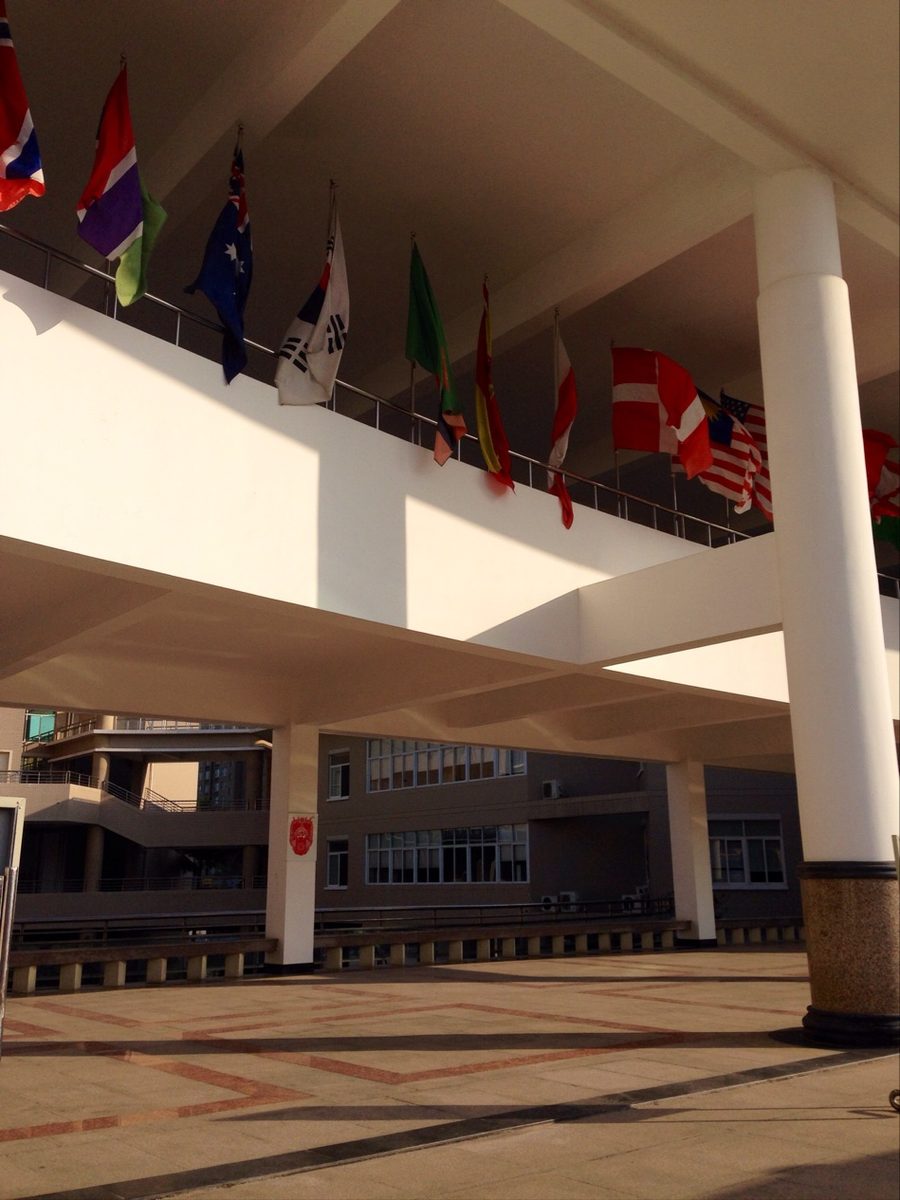
Xiamen International School
Xiamen · China
Grown from Xiamen's 1990s Kodak-era boom, this Fujian pioneer graduates seniors with bilingual IB diplomas at nearly triple the global rate.
Same country and curriculum — closest matches within ±10 points either way