
Greater London
Sutton Grammar School
low confidence· 6/6 cats · 0 avg sourcesA 1899 south London boys' grammar where Olympiad-trained mathematicians and 2,000 annual 11+ hopefuls chase 150 places.
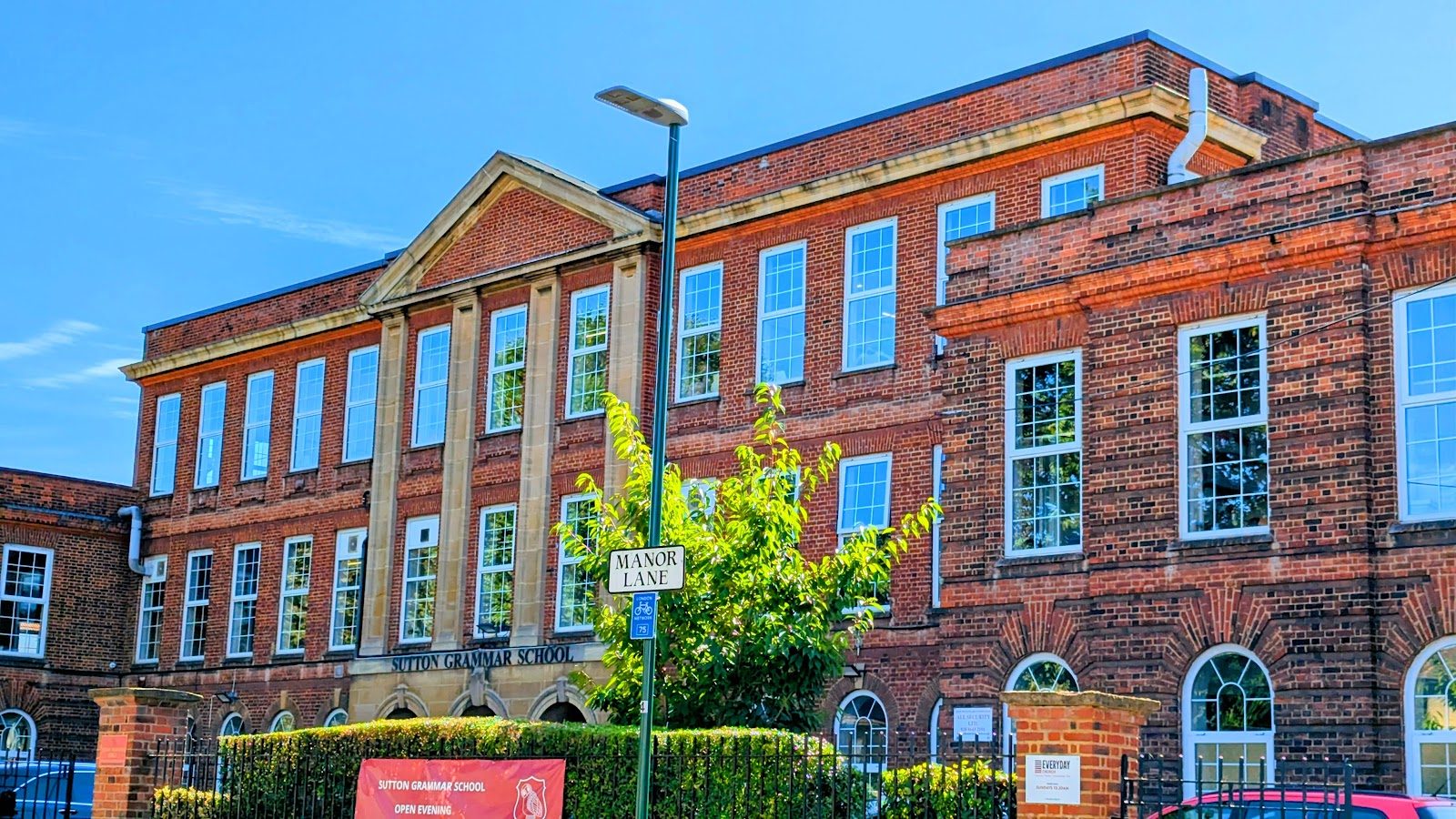
Photo © SanyaOdare via Google Maps
Type
Day
Ages
11–18
Curriculum
British
Ratio
14:1
The Verdict
Editor's commitment
Right for
Able boys, 11–18, who want a selective state grammar founded in 1899, with 150 places a year and a 14:1 ratio.
Wrong for
Families wanting a co-educational school from 11, tiny classes, or broad access: average class size is 27 and entry is fiercely selective.
Watch out for
Around 2,000 11+ hopefuls chase 150 places, and the school publishes triumphalist headlines before any hard aggregate exam data.
Ranking breakdown
Sutton Grammar School · #1101 of 1591
Composite score 61.1. 8 weighted criteria.
By criterion
Academic Outcomes
Weight 20%
#902
of 1529 scored
University Placement
Weight 16%
#965
of 1529 scored
Prestige & Heritage
Weight 12%
#1155
of 1529 scored
Alumni Network
Weight 12%
#981
of 1529 scored
Facilities
Weight 12%
#1336
of 1529 scored
Transparency & Communications
Weight 8%
#1016
of 1529 scored
Peer & Industry Review
Weight 10%
#988
of 1529 scored
Admissions Selectivity & Demand
Weight 8%
#607
of 1529 scored
Peer & Industry Review
How Sutton Grammar School is regarded in the sector
78
Strong · high confidence
Sutton Grammar School is consistently placed among the top tier of English state secondaries in independent sector coverage, a standing built on decades of published exam performance rather than marketing. The Good Schools Guide's independent review highlights an oversubscribed entry, noting that "places are highly sought after" with nearly 3,000 boys sitting the Sutton-wide selective test each year, and praises how the school blends art and design into a STEM-led curriculum. The Sunday Times Parent Power Guide has repeatedly ranked it among London's leading state schools, most recently eighth in London and 21st nationally in 2026, following earlier placings of seventh in 2020, eleventh in 2023, and tenth in both 2022 and 2024. That sustained, multi-year presence in a rigorously compiled national league table, alongside sustained editorial scrutiny from the Good Schools Guide, gives it a solid, well-evidenced peer reputation, just short of the handful of grammar schools that dominate the very top of the national rankings.
Evidence sources
Editors' overview
Sutton Grammar School occupies a very specific corner of the London market: a selective state day school for academically strong boys aged 11–18, with a co-educational sixth form and a scale that matters. Founded in 1899, it takes 150 boys a year at 11+ and adds about 50 external students into Year 12. That combination gives it two advantages. First, entry is fiercely contested, which sets the academic pace from the start. Second, the sixth form is not a closed shop, which keeps the senior years outward-looking. With 1,034 pupils on roll in 2022, including 355 in the sixth form, this is not a tiny grammar trading on intimacy; it is a substantial, established institution with enough depth to support serious subject teaching and a broad extracurricular life. The draw is clear: hard academic competition, public exam ambition, and a school culture that expects boys to keep up.
What marks Sutton Grammar out is not pastoral rhetoric but academic seriousness. The school itself leads with “record-breaking results” and “the strongest performance in the school’s history”, and its own tagline points to Olympiad-trained mathematicians. That matters. It signals a school that prizes stretch, not mere competence. Parents looking for a grammar where able pupils can disappear into the middle of the pack should look elsewhere; Sutton works for boys who want to test themselves against strong peers and who do not need constant hand-holding. The student-teacher ratio of 14:1 and average class size of 27 tell a mixed story: this is not boutique education, but neither is it impersonal. Expect serious classrooms, a brisk pace, and teachers used to teaching able students at scale.
It belongs on a shortlist for families who want selective education without independent-school fees, and who value outcomes, structure and intellectual edge over polish. The best fit is a boy with strong underlying academic confidence, high tolerance for competition, and genuine appetite for subjects rather than just marks. By sixth form, it also suits girls and boys who want entry into an established academic environment with a substantial peer group. The less suitable candidate is the child who needs a soft landing, extensive therapeutic pastoral scaffolding, or a school that defines itself through sport, performance or glossy campus life. Sutton Grammar offers something else: earned confidence, high expectations, and a close-knit but demanding culture. For the right student, that is exactly the point.
Academic Performance
Sutton Grammar trades on results, and the school now says its latest GCSE and A level outcomes mark the strongest performance in its history. That is a strong claim, but the school does not publish the hard numbers needed to test it properly here: no aggregate pass rates, no top-grade breakdowns, no subject tables, and no destination data sit in the public domain in the extracts we have seen. That limits precise comparison with rival grammars. Even so, the direction of travel is clear. A school that advertises an exam results analysis, celebrates record-breaking outcomes, and builds its identity around academic stretch is operating in the top end of the state selective market, not the broad middle.
Relative to peers, the key point is not just headline attainment but the level of internal competition. Entry is selective, the cohort is academically strong from the start, and the school adds around 50 external students into sixth form rather than sealing itself off. That tends to sharpen standards rather than protect incumbents. Parents should read Sutton as a high-pressure, high-output grammar: the kind of school where strong public exam performance is expected, not exceptional. What remains opaque is how far those results surpass other leading London-area grammars, because the school has not put the full comparative data front and centre. For a school this academically ambitious, that lack of published detail is a real weakness in its public case.
Facilities
The public picture on facilities is thinner than it should be. We can state two concrete assets: the school operates a main teaching site and separate playing fields in nearby Cheam. That matters. Dedicated off-site sports ground is a practical advantage over urban grammars forced into cramped all-weather cages and borrowed municipal space. It gives games more room and timetable flexibility, even if it also means movement between sites. Beyond that, the school’s front-facing information is surprisingly sparse. There is no clear published showcase of laboratories, libraries, theatre space, design workshops, music provision or specialist sixth-form study areas. For a school with a hard academic identity, that omission is striking.
Against peer grammars, Sutton’s facilities profile reads as functional rather than showpiece. Parents should not expect the polished capital builds, branded performance centres or lavish sports estates that top independents use to advertise themselves. That is not the standard here. The more relevant comparison is with selective state schools, and on that measure the separate playing fields are a solid point in Sutton’s favour. The weakness is transparency: families cannot judge from public information whether the science base is modern, whether the arts are properly housed, or whether sixth-form students get serious independent-study space. In short, the campus offer looks competent, not glamorous; the academic proposition carries the school more than any visible facilities arms race.
Parents should read Sutton as a high-pressure, high-output grammar: the kind of school where strong public exam performance is expected, not exceptional
Prestige
Sutton Grammar carries real academic prestige in the state sector, but it is a specific kind of prestige. This is not cachet built on fees, manicured grounds or old-boy mythmaking. It rests on selectivity, results culture and the concentration of able pupils in one place. The annual contest for 150 places at entry does the heavy lifting: parents know that a place is hard won, and that alone gives the school status across south London and the wider grammar-school market. The sixth form strengthens that standing rather than diluting it. A school confident enough to admit around 50 external students into Year 12 signals that its academic reputation extends beyond its own lower school and attracts families already making strategic choices at a decisive stage.
That said, prestige here has clear limits. Sutton Grammar has high local and specialist esteem, not the universal social gloss of the most famous independent schools or the handful of grammars with national name recognition far beyond their region. Its reputation is strongest among families who understand selective education and care about hard-edged academic credibility. The school’s own emphasis on record-breaking exam performance and Olympiad-level mathematics points to a culture of stretch that serious parents respect. The weak point is public transparency: for a school with this level of ambition, it does not publish enough detailed outcome data to turn reputation into an airtight public case. Even so, within its lane, Sutton Grammar is decidedly prestigious and plainly competitive.
Parents should not expect the polished capital builds, branded performance centres or lavish sports estates that top independents use to advertise themselves
Communications
Sutton Grammar’s parent communication is serviceable, timely and more practical than polished. The website is active: news posts are current, exam-season updates are pushed prominently, and key administrative routes such as sixth-form admissions, term dates and the calendar sit where parents expect to find them. That matters. A selective school with a high-stakes admissions culture and a substantial senior intake needs clean signposting, and Sutton delivers that at the functional level. The site also does one useful thing many schools duck: it gives a blunt instruction not to contact the school about PTA mock tests. That small note tells you staff are trying to control noise and keep channels clear. There is an identifiable headmaster’s welcome and an ethos statement, but the dominant tone is operational rather than expansive.
The weakness is depth. Communication here does not give parents a rich public picture of school life, teaching practice or provision beyond the basics. Facilities are thinly explained, academic outcomes are celebrated more than they are evidenced, and the public-facing story leans on upbeat headlines rather than hard disclosure. For current parents, that may matter less if day-to-day messaging is strong through internal channels; for prospective parents, it leaves gaps. The school communicates the essentials and keeps the machine moving. It does not yet communicate with the clarity and completeness that a school attracting around 2,000 applicants for 150 places has every reason to provide.
Uniqueness
What makes Sutton Grammar distinctive is the combination of a boys’ selective lower school with a co-educational sixth form that admits a meaningful external intake. Many academically strong state schools talk about openness; Sutton builds it into the structure. That changes the atmosphere in the senior years. The sixth form is not an automatic continuation for an untouched internal cohort; it is refreshed by new entrants and sharpened by fresh comparison. For students, that brings a more adult academic culture, less insulated than the standard grammar model and better preparation for university life, where no one is protected by familiarity. The school’s own emphasis on Olympiad-level mathematics pushes the point further: this is not just a place for high scorers, but for pupils who enjoy serious intellectual stretch.
The other unusual feature is scale at the point of selection. A school drawing around 2,000 applicants for 150 places creates a hard-edged meritocracy from the outset. That intensity has benefits and costs. The benefit is a peer group with real pace, strong subject appetite and little tolerance for coasting. Classroom discussion, competition and exam preparation all rise accordingly. The cost is plain: this is not a gentle school for boys who need confidence-building through low pressure or extensive hand-holding. For the right student, though, Sutton offers something distinctive in the state sector: earned academic identity, strong peer challenge, and a sixth form with more movement, and more reality, than many selective rivals.
Founded in 1899, it takes 150 boys a year at 11+ and adds about 50 external students into Year 12
Student Profile
The Sutton Grammar student is an able boy who does not need coaxing to work. He reads the room fast, keeps pace without drama, and does not wilt when surrounded by other strong students. This is a school for pupils who draw energy from academic pressure, not for those who need constant reassurance that they are doing fine. Curiosity matters, but so does stamina. The fit is strongest for boys who like solving hard problems, can tolerate correction, and take a certain pride in mastering difficult material. The school’s own reference to Olympiad-level mathematics is telling: Sutton suits the student who enjoys intellectual competition for its own sake, not just the one who wants safe top grades.
Socially, the best fit is a boy who can operate in a disciplined, fast-moving environment without demanding that every experience be personalised around him. He does not need boutique class sizes or a soft pastoral cocoon. He does need self-command, decent organisational habits and the confidence to hold his own in a large selective cohort. At sixth form, the profile widens: external entrants, including girls, can integrate well if they want a serious academic setting and are ready to join a year group with established rhythms. The wrong fit is clear enough. A child who needs a gentle, low-stakes school day, heavy emotional scaffolding or identity built around sport and spectacle will find Sutton hard going. The right one will relish it.
First, entry is fiercely contested, which sets the academic pace from the start
Co-curricular strengths
Arts & sport, on a separate axis
Overall 6.76/10
Scored 0-10 from the school's own published evidence. This axis is editorial-only — it does not feed the main WTS ranking.
Sports
7.5/10
Drama
7.2/10
Dance
4.5/10
Music
7.8/10
Visual Arts
6.8/10
Strengths
- +Selective state grammar admitting around 150 students per year
- +A co-educational sixth form adding about 50 extra places each year
- +Free, English-medium 11–18 British curriculum
- +Student–teacher ratio of 14:1 is relatively favourable
- +Facilities include a historic main hall dating to 1899 and a sports hall, with off-site playing fields in Cheam
Considerations
- −Average class size is 27, not especially small
- −Selective entry at 11 limits accessibility for newcomers
- −Boys-only until sixth form, which may not suit families wanting co-education from 11
- −Public materials emphasise academics over pastoral and personal-development detail
Availability
Primary entry gate & tests
Written Exams + Interview
Gallery
Photo © SanyaOdare via Google Maps
Photo © SanyaOdare via Google Maps
Photo © SanyaOdare via Google Maps
Photo © Leeton via Google Maps
Photo © Leeton via Google Maps
Photo © Leeton via Google Maps
Photo © Leeton via Google Maps
Photo © Leeton via Google Maps
Photo © Leeton via Google Maps
Parent reviews
Have you sent your child here?
Voice reviews carry the strongest trust badge — we transcribe them for you to tidy up before they go live. Prefer to type? A written review is fine too.
Add your voice
In 60 seconds, tell other parents: what's the best thing about Sutton Grammar School, and what surprised you when your child joined?
We ask for a Google sign-in so every review has a real face behind it — no anonymous drive-by attacks on schools, and no faked positive reviews. Your email is never shown publicly.
Send this profile to a friend
International parents rely on word-of-mouth. Share this review with someone weighing the same decision.
Schools with places
Similar schools to Sutton Grammar School with places available now.
Availability first, then country, area, curriculum, price, co-curricular
Consider also
Also worth looking at alongside Sutton Grammar School.

Downe House School
Cold Ash · United Kingdom
Rooted in Charles Darwin's former home, now a 110-acre Berkshire estate where science thrives and Oxbridge ambition runs deep.
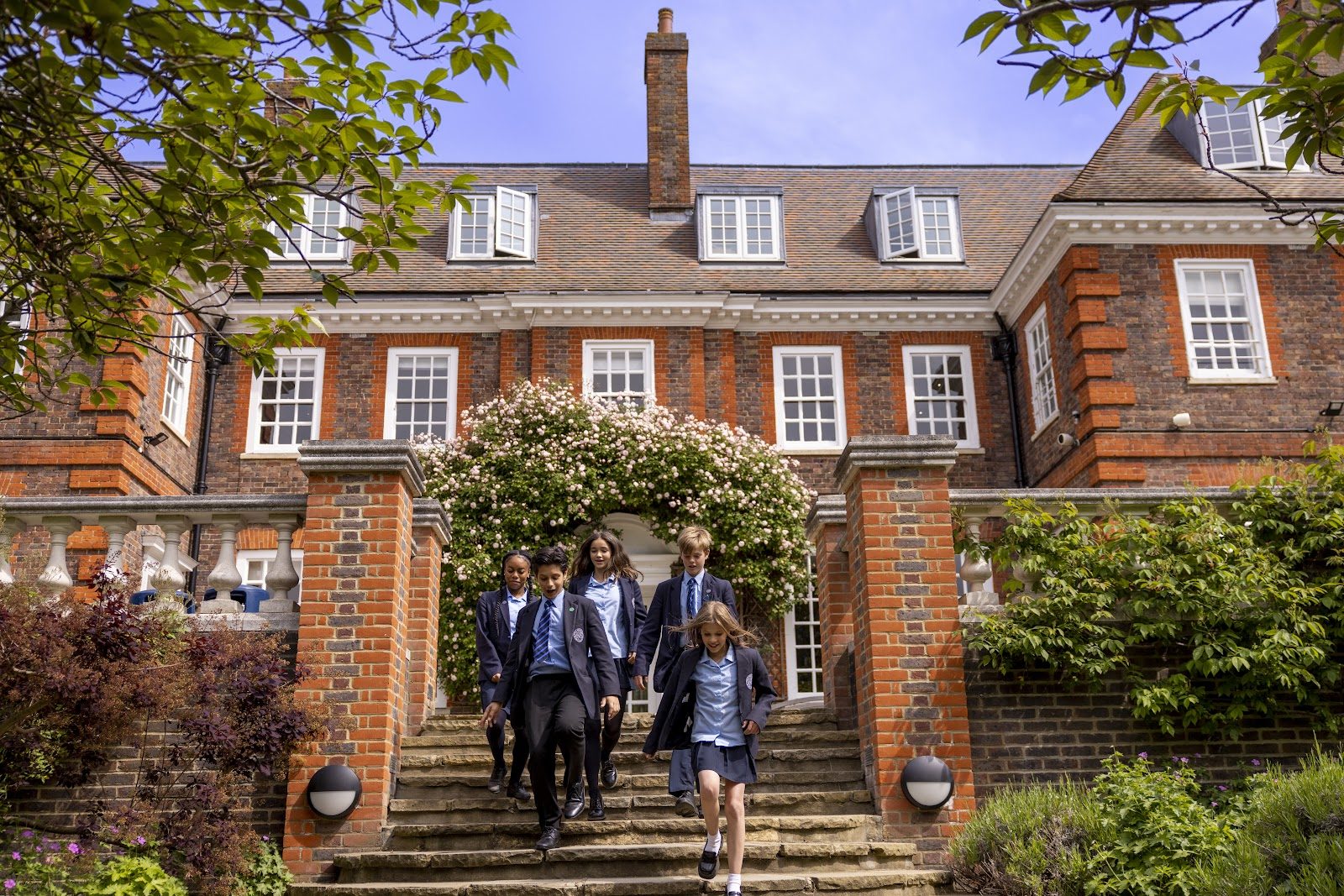
Ibstock Place School
London · United Kingdom
On the fringe of Richmond Park, a Froebel-founded day school has championed co-education since 1894.
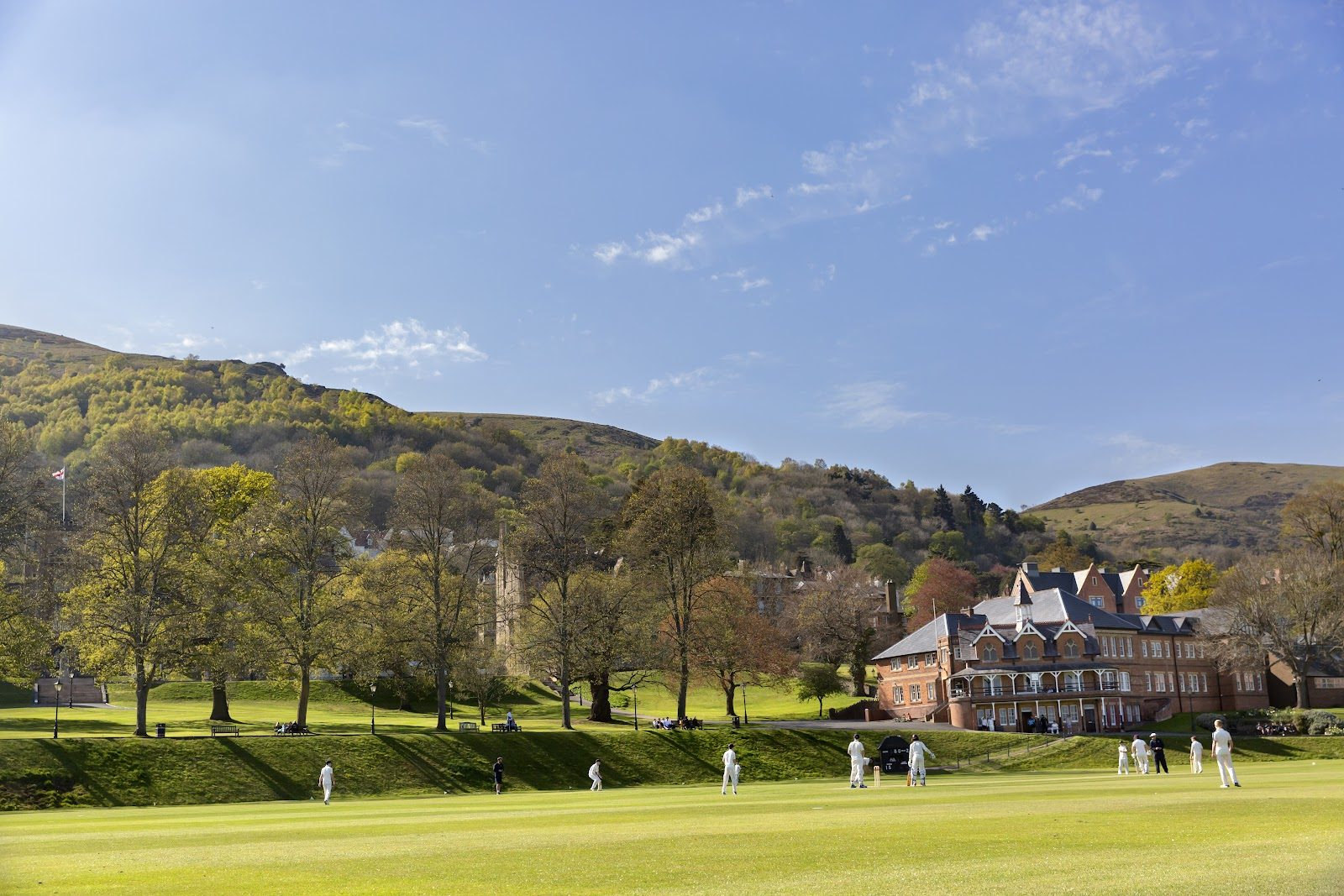
Malvern College
Malvern · United Kingdom
Beneath the Malvern Hills, a campus that once housed wartime radar research has produced four Nobel Prize winners.

Lady Eleanor Holles School
Hampton · United Kingdom
Since 1710 on a 24-acre Hampton site, a Thames boathouse has bred record-holding rowing eights alongside Oxbridge-track academics.
Same country and curriculum — closest matches within ±10 points either way