
Worcestershire
Malvern College
high confidence· 6/6 cats · 3.41 avg sourcesBeneath the Malvern Hills, a campus that once housed wartime radar research has produced four Nobel Prize winners.
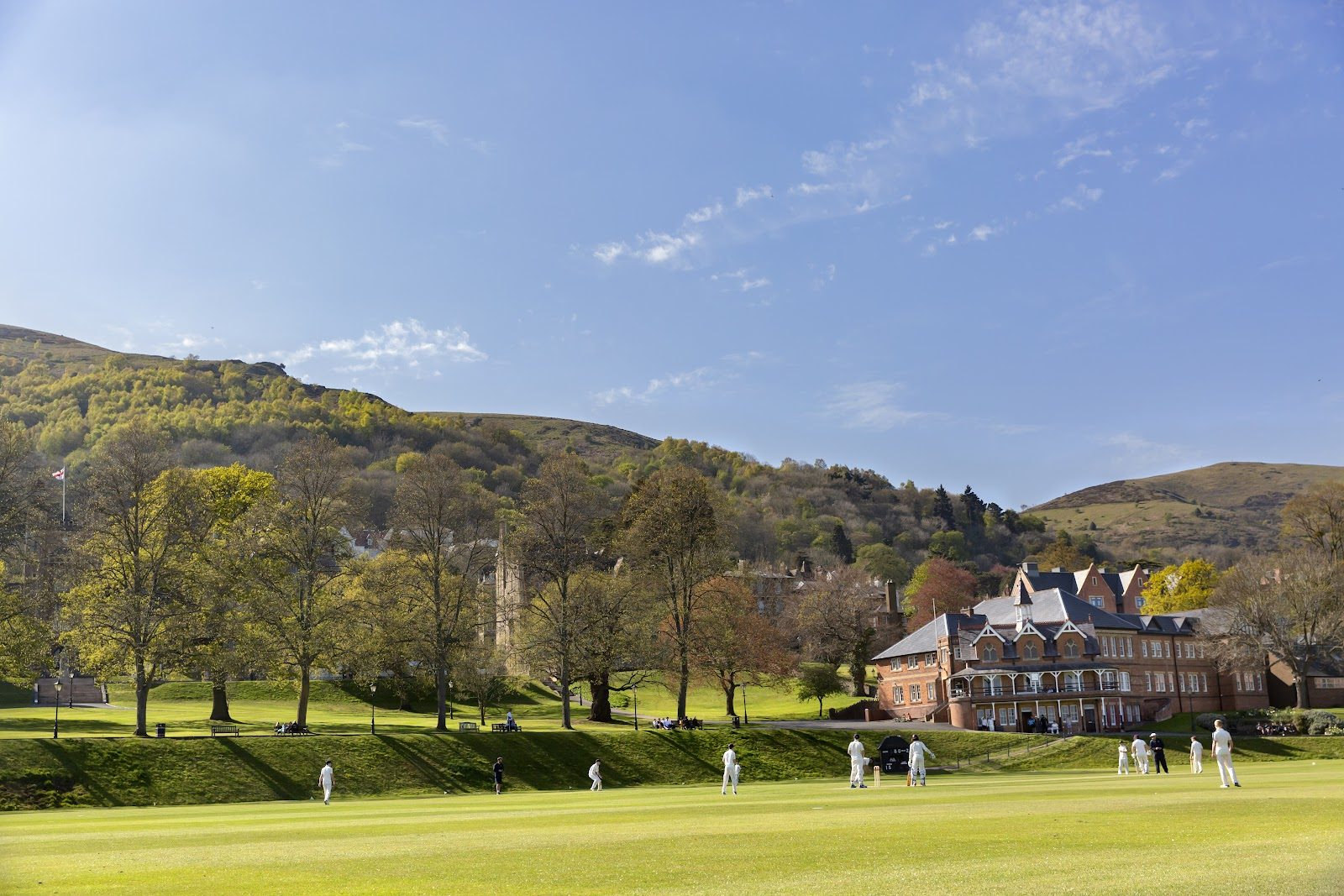
Photo © Malvern College via Google Maps
Type
Boarding
Ages
11–18
Curriculum
British
Qualifications
A-Level
Ratio
—
The Verdict
Editor's commitment
Right for
Boarders aged 11–18 who want a British academic track, Anglican setting, and a leavers' list led by Oxford, Cambridge and Durham.
Wrong for
Families unwilling to pay about £60,000 boarding or £41,000 day, or wanting IB, bilingual teaching, or anything beyond English-medium British schooling.
Watch out for
Malvern sells independence early: Years 9–11 push research, reflection and digital skills, and 82% of 155 leavers reached top-100 universities.
Ranking breakdown
Malvern College · #1030 of 1591
Composite score 61.8. 8 weighted criteria.
By criterion
Academic Outcomes
Weight 20%
#1136
of 1529 scored
University Placement
Weight 16%
#1144
of 1529 scored
Prestige & Heritage
Weight 12%
#854
of 1571 scored
Alumni Network
Weight 12%
#544
of 1530 scored
Facilities
Weight 12%
#933
of 1533 scored
Transparency & Communications
Weight 8%
#1098
of 1532 scored
Peer & Industry Review
Weight 10%
#998
of 1548 scored
Admissions Selectivity & Demand
Weight 8%
#888
of 1529 scored
Score history
Malvern College · 2026
Movement across 2024–2026. Peer average overlaid.
Overall — 2024–2026
61.8/ 100
▲ +6.5 vs 2025
year on year
Peer & Industry Review
How Malvern College is regarded in the sector
78
Strong · high confidence
Malvern College sits firmly among the second tier of England's great boarding schools, with a peer reputation built on consistent, independently verified evidence rather than marketing. WhichSchoolAdvisor's UK review credits the school with a distinctive blend of academic ambition and pastoral strength, noting that pupils leave "grounded, socially confident, intellectually curious" and well prepared for university life. The Good Schools Guide independently corroborates this, calling Malvern a "well-run, dynamic and forward-thinking school" and singling out its All-Steinway music provision and top-flight sports facilities, while Tatler's guide highlights an alumni roll that includes CS Lewis, Chief Medical Officer Sir Chris Whitty and Earthshot Prize winner Talal Hasan. Its rapid international expansion into Hong Kong, Tokyo, Egypt, China, Riyadh and São Paulo further signals that the Malvern brand carries genuine currency among sector operators and investors, though it remains a strong regional heavyweight rather than an automatic name on every "best in Britain" shortlist.
Editors' overview
Malvern’s setting does part of the work before the teaching starts: an old public-school campus under the Malvern Hills, with the intellectual ballast of a school that traces its history to 1865 and can point to four Nobel Prize winners in its orbit. That heritage matters less than how the school now uses it. This is a British boarding school for ages 11 to 18, Anglican in foundation, and it still trades on the old virtues of structure, seriousness and self-command. The school’s own curriculum language is revealing. In Years 9 to 11 it pushes independence, critical thinking, academic reflection, target-setting and digital skills, then gives pupils room to shape a GCSE route with eight core subjects plus pathway options that can extend to nine or ten GCSEs. That is not a soft, over-managed model. It is a school for pupils who can cope with a degree of autonomy and who want their teachers to stretch them.
Parents should shortlist Malvern if they want a full boarding-school experience without the social theatrics that can plague more self-conscious brands in this market. The school has strong enough academic outcomes to command attention: in the 2024 leavers’ cohort of 155, 82% went to top-100 universities, with 9 to Oxbridge and 43 to Russell Group institutions; Oxford, Cambridge and Durham feature prominently in the destination list. That profile places Malvern in the serious academic tier, even if it does not trade as a frantic results factory. It also carries recognisable institutional credibility through ISI and HMC. Fees are expensive, as they are across this part of the sector: an average of £60,000 a year for boarders and about £41,000 for day pupils across the full ladder. Parents are paying for scale, tradition, boarding infrastructure and a school culture that still values scholarship and routine over gimmicks.
The pupil who will thrive here is self-propelled, resilient and happy in a structured environment with real expectations attached. Malvern suits children who want breadth as well as exam discipline: pupils who will use tutor time properly, take advantage of academic flexibility, and respond well to being told to think for themselves. It is not for the faint-hearted or for families seeking a cocoon. Nor is it the right fit for children who need constant hand-holding or a more progressive, low-pressure atmosphere. For the right student, though, Malvern offers a serious education in a school with deep roots, a clear sense of purpose and enough academic evidence to justify its place on a competitive shortlist.
Academic Performance
Malvern’s academic picture is strong but not exhaustively published, which matters. The school is clear about how it teaches in the middle years: a structured push towards independence, subject choice and disciplined study habits, with room for pupils to take an extended GCSE load or an accelerated pre-sixth-form route. That points to a school that expects pupils to carry their share of the academic weight. What is missing from public view is the hard output: no aggregate GCSE, IGCSE or A-level score profile is in the public domain here, and that limits any claim to top-table academic dominance. Parents comparing Malvern with the most results-forward boarding schools will find the data thinner than at peers that publish clean headline tables and grade distributions.
Where Malvern does hold ground is university destination strength. The latest leavers’ outcomes place 82% into top-100 universities, with 9 heading to Oxbridge and 43 to Russell Group institutions. That is serious performance, and it places the school in the credible upper tier of academically solid British boarding schools rather than among the hyper-selective exam machines whose identity rests on relentless published results. In plain terms: this is a school with proven university traction and clear academic ambition, but not one that trades on forensic public disclosure of exam statistics. For many families that is enough. For others, the opacity will grate.
Facilities
The estate is one of Malvern’s strongest assets. The school sits on about 250 acres on the lower slopes of the hills, which gives it the space many historic boarding schools promise and fewer actually deliver. That matters in practice: room for playing fields, boarding houses, academic buildings and the daily circulation of a full residential community without the cramped feel that dogs older schools built into tighter town-centre footprints. The wartime history of the campus adds a layer of institutional heft that newer rivals cannot imitate. Against peer boarding schools in this bracket, Malvern’s advantage is not architectural glamour or metropolitan access; it is scale, continuity and breathing room. Families drawn to polished urban convenience will find other schools easier. Families who want a proper country boarding campus will rate this highly.
The limitation is disclosure. The school does not publish a clean, detailed public inventory of standout specialist facilities here, so parents do not get the easy checklist some competitors provide for science, arts or sport. That is a weakness in a market where rival schools use facilities pages to prove exactly what fee levels buy. Even so, the shape of the campus and the demands of a mixed day-and-boarding operation point to substantial core infrastructure. At the top end of the sector, Malvern sits in the camp of schools with serious physical presence rather than flashy capital-project theatre. If you want a campus that feels expansive and rooted, it competes well. If you want heavily marketed, publicly itemised specialist provision, peers are sharper.
The latest leavers’ outcomes place 82% into top-100 universities, with 9 heading to Oxbridge and 43 to Russell Group institutions
Prestige
Malvern carries real prestige, but it is old-school prestige rather than the flashier, status-anxious kind. In the British independent sector, its name still opens doors because it belongs to the established public-school world, sits within the Rugby Group and HMC, and has a long institutional memory that extends beyond marketing copy. The wartime chapter matters here: a campus important enough to be requisitioned for military research leaves a different cultural residue from a school built as a modern lifestyle product. So does the fact that the school can point to 4 Nobel Prize winners in its orbit. That does not make today’s pupil body intellectually exceptional by default, but it does place Malvern in a serious historic bracket that families, universities and employers still recognise.
I rate its prestige below the tiny cluster of name-maximalist British boarding schools that dominate global recognition and above the many competent independents whose reputation rarely travels far beyond their county. The school’s international footprint strengthens that standing: campuses in 4 overseas markets extend the brand and keep it visible with globally mobile families. University destinations also support the case; a school sending 9 leavers to Oxbridge in a single cycle holds real weight. The limit on Malvern’s prestige is that it does not command the same automatic awe as Eton, Winchester or Westminster, and it does not publish the kind of relentless exam data that would push it into the results-obsessed top echelon. Its status rests on heritage, recognisability and durable institutional credibility.
At the top end of the sector, Malvern sits in the camp of schools with serious physical presence rather than flashy capital-project theatre
Communications
Malvern’s parent communication has a traditional boarding-school cast: formal, structured and tied closely to academic life rather than lifestyle gloss. The clearest signal sits in the school’s own language around tutoring, study time, reflection and target-setting. That points to a system where information to families is anchored in progress, choices and routines, not a stream of brand-building noise. The website gives parents a usable picture of the lower-school academic framework, including how subject pathways work and where accelerated routes sit. That matters. At schools serving ambitious families, weak explanation creates friction fast. Malvern does the essentials well on curriculum shape and academic expectations, and that gives parents a firmer base than schools that bury substance under photography and sentiment.
The weakness is depth. Public-facing communication does not disclose enough hard operational detail, and that limits confidence. There is no rich, easily accessible public picture of reporting cadence, parent portals, response standards, pastoral communication channels or exactly how boarding-house communication works day to day. For a school charging an average of about £60,000 for boarding, that is a real shortcoming. Parents paying at this level have every right to expect crisp, explicit systems, not just institutional confidence that the basics are understood. My read is that communication inside the school may well be more robust than the public front end indicates, but the outward presentation remains old-fashioned and under-explained. That will suit families comfortable with established norms. It will frustrate those who want transparency before committing.
Uniqueness
What makes Malvern distinct is the combination of deep institutional memory with a school culture that still prizes thought over performance theatre. Many old British boarding schools trade on inheritance; Malvern adds a rare intellectual footnote. Its campus was not only preserved through wartime disruption but pressed into national scientific use, which gives the place a different texture from schools whose history is all chapel, cricket and nostalgia. The Nobel connection strengthens that identity. 4 laureates tied to the school’s orbit do not guarantee brilliance in every classroom, but they do mark a tradition with genuine academic weight. Add the overseas campuses — now spread across 4 markets — and Malvern gains an outward-facing dimension that many heritage schools still lack.
For pupils, that mix brings something concrete. They get the full old-school framework of a serious boarding education, but not in a setting trapped by its own rituals. The middle-school academic structure, with its emphasis on independent research, reflection, target-setting and digital skills, builds habits that matter beyond exams. The accelerated route for pupils who can complete public qualifications in a single year adds another point of difference: this is a school that leaves room for pace and ambition, not just compliance. The result is a more intellectually self-starting culture than at schools built around supervision and polish. For the right child, that breeds confidence, stamina and a capacity to work without constant prompting.
This is a British boarding school for ages 11 to 18, Anglican in foundation, and it still trades on the old virtues of structure, seriousness and self-command
Student Profile
The pupil who fits Malvern is self-directed, mentally sturdy and comfortable with adults who expect more than compliance. This is not a school for children who need constant supervision, endless reassurance or a softly managed day. The academic structure asks pupils to organise themselves, reflect on their work and make sensible choices early. In the examination years, that means handling a demanding subject load, with scope to take beyond the baseline and, for a small group, move at unusual speed. The strongest fit is a student who enjoys intellectual responsibility rather than simply tolerating it: someone who will use tutor time properly, cope with pressure without drama and respond well to a culture that values initiative.
Socially, Malvern suits families who want a serious boarding-school environment without the showier status performance found elsewhere in this market. Pupils who thrive here tend to be grounded, busy and willing to join in, rather than image-led or fragile. The university outcomes confirm that there is a substantial cohort aiming high, with 82% of leavers moving on to top-100 universities and 9 securing Oxbridge places in the latest cycle. That academic ambition shapes the peer group. Children who want a full-throttle hothouse built around public results tables will find sharper-edged rivals. Children who want breadth, structure and a community that still respects scholarship will fit well.
It is a school for pupils who can cope with a degree of autonomy and who want their teachers to stretch them
Co-curricular strengths
Arts & sport, on a separate axis
Overall 9.26/10
Scored 0-10 from the school's own published evidence. This axis is editorial-only — it does not feed the main WTS ranking.
Sports
9.6/10
Spanning a beautiful campus at the base of the Malvern Hills; fields historically dominant varsity cricket, rugby, and rackets pipelines.
Drama
9.5/10
The specialized Rogers Theatre complex provides a pre-professional training model for acting, set construction, and design.
Dance
8.4/10
Strong afternoon performance track providing core choreography assets for major collaborative musical theater shows.
Music
9.5/10
Deeply institutionalized choral and string tracking modules feeding active regional touring groups and seasonal events.
Visual Arts
9.3/10
Sun-drenched studio spaces running advanced design pipelines, ceramics, and photography to build elite university portfolios.
Editor-verified · 8/6/2026
Outcomes & destinations
Where students go next
Editorial estimateClass of 2024
155 graduates
A-Level & IB distribution
98% covered
- A*28%
- A32%
- B30%
- C8%
Top destinations
52 placements
- Oxford· 5
- Cambridge· 4
- Durham· 11
- Bristol· 8
- Exeter· 8
- Warwick· 6
- Edinburgh· 5
- Nottingham· 5
Worcestershire co-ed boarding; large international boarder cohort.
Editor-approximated from the school's own leavers report. Awaiting school-attested figures.
The story in one line
Average A-Level grade B- (APS 36.6)·ISI Routine Inspection 2025
AAB with 2 facilitating subjects is the Department for Education's published predictor of admission to a top-third UK university: the pupil has scored high grades in at least two of the classic Russell-Group subjects (maths, sciences, English, history, geography, or a modern language). Independent schools don't appear in the state-only HE-destinations dataset, so this is the strongest DfE-verified sixth-form signal available. Source: DfE 16-18 school and college performance data · 2023/24.
DfE-verified statistics
Official GCSE data · 2024/2025
Progress 8
—
Value-added score. State-schools only; 0 = expected progress, +1 = one grade above.
Attainment 8
14.6
Average grade across 8 GCSEs (score out of 90). National ≈ 46.
EBacc average score
0.49
Avg grade across the 5 EBacc pillars (English, Maths, Sciences, Language, Humanity).
EBacc slots filled
0.6
How many of the 5 EBacc pillars pupils typically enter (max 5).
A-Level attainment
Cohort · 2023/24
Avg A-Level grade
B-
APS per entry: 36.60
Best 3 grade
B-
Best-3 APS: 36.63
≥ AAB + 2 fac.
20.4%
Russell-Group predictor.
Progress (value-added)
-0.04
Average
Read with care. Independent schools frequently sit IGCSEs or Pre-U qualifications instead of standard GCSEs — DfE data only counts standard GCSEs, so these numbers may reflect a partial cohort. For a fuller picture, cross-check with the school's own annually-published results.
URN 117017Verified · DfE 2024/2025
Official inspection
ISI report · 2025
Inspectorate
Independent Schools Inspectorate
The Government-approved inspectorate for English independent schools.
Latest report
14 January 2025
Routine Inspection
Report history
Verified · Independent Schools InspectorateSource-of-truth
Strengths
- +250-acre campus on the lower slopes of the Malvern Hills
- +Full boarding community for ages 13–18, with around 75% of pupils boarding
- +10:1 student-teacher ratio and average classes of 18
- +82% of 2024 leavers to top-100 universities, with published results
- +Choice of A Level, IB Diploma and selected BTEC post-16 pathways
Considerations
- −Annual boarding fees of £55,000 place it in the premium bracket
- −Traditional Anglican foundation may not suit families seeking a progressive culture
- −Strongly boarding-weighted, so less oriented to a purely day-school experience
Availability
Primary entry gate & tests
Written Exams + Interview
Gallery
Photo © Patrick Collins Photography via Google Maps
Photo © Malvern College via Google Maps
Photo © Ray Talbot via Google Maps
Photo © Malvern College via Google Maps
Photo © Malvern College via Google Maps
Photo © Malvern College via Google Maps
Photo © Malvern College via Google Maps
Photo © Malvern College via Google Maps
Photo © Malvern College via Google Maps
Recommended reading
Independent write-ups of this school from editorial outlets we trust.
- Malvern College reviewGood Schools Guide
Parent reviews
Have you sent your child here?
Voice reviews carry the strongest trust badge — we transcribe them for you to tidy up before they go live. Prefer to type? A written review is fine too.
Add your voice
In 60 seconds, tell other parents: what's the best thing about Malvern College, and what surprised you when your child joined?
We ask for a Google sign-in so every review has a real face behind it — no anonymous drive-by attacks on schools, and no faked positive reviews. Your email is never shown publicly.
Send this profile to a friend
International parents rely on word-of-mouth. Share this review with someone weighing the same decision.
Schools with places
Similar schools to Malvern College with places available now.
Badminton School
Bristol · United Kingdom
- 2026-27
- CLOSEDStandard route closed
- 2027-28
- PLACES OPENCloses Oct/Nov '26
Christ's Hospital
Horsham · United Kingdom
- 2026-27
- CLOSEDStandard route closed
- 2027-28
- PLACES OPEN2027 entry assessment timetable active
Thomas's Battersea
London · United Kingdom
- 2026-27
- CLOSEDStandard route closed
- 2027-28
- PLACES OPENRegistration open for Sept 2027 and beyond
St Swithun's School
Winchester · United Kingdom
- 2026-27
- CLOSEDStandard route closed
- 2027-28
- PLACES OPENCloses Nov '26
Availability first, then country, area, curriculum, price, co-curricular
Consider also
Also worth looking at alongside Malvern College.

Badminton School
Bristol · United Kingdom
On a Bristol campus where girls have played cricket since 1858, science labs for women followed decades ahead of the curve

Oakham School
Oakham · United Kingdom
Where a 1584 market-town foundation meets Rutland Water sailing, early co-education, and a long-standing IB Diploma alongside A-levels.
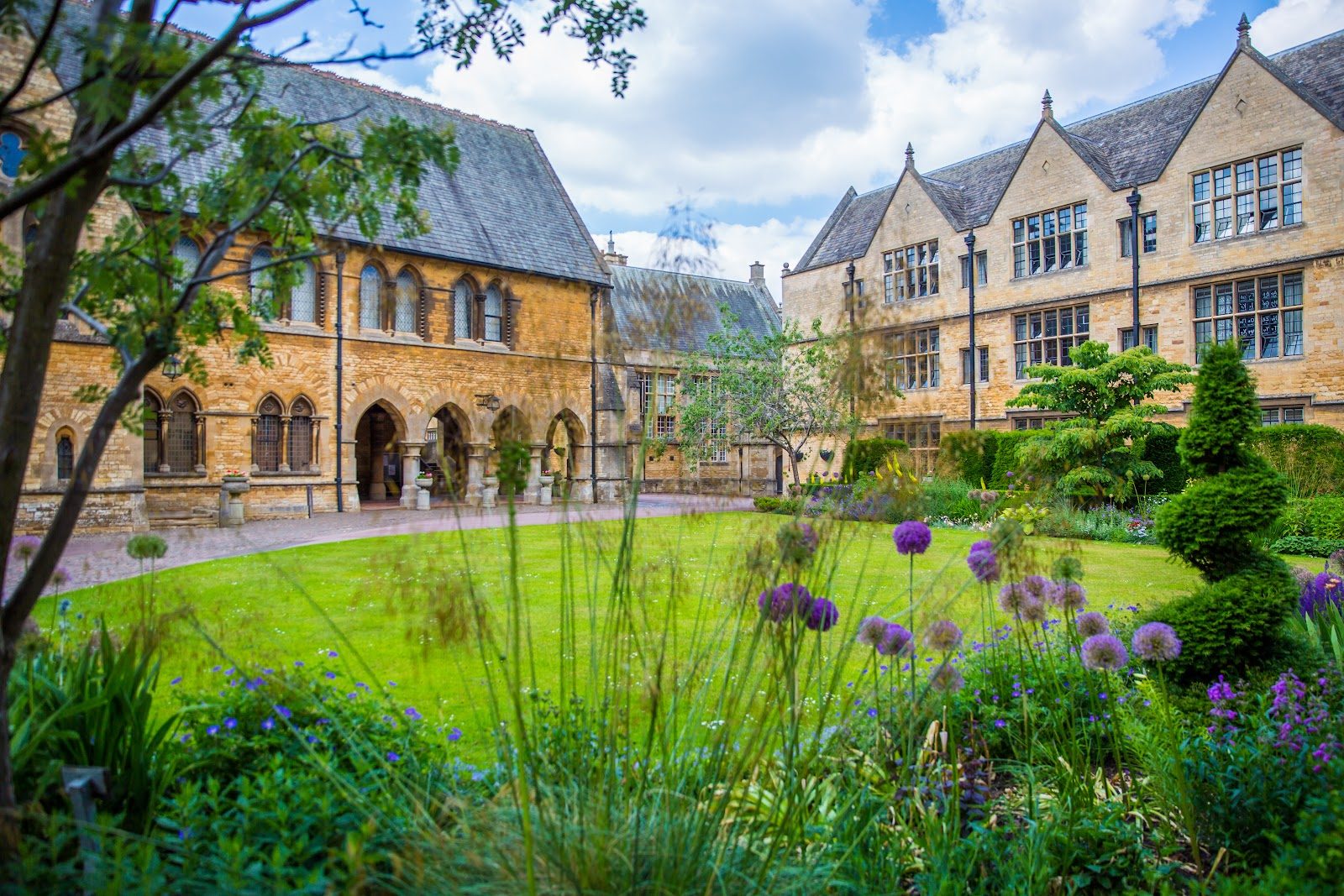
Uppingham School
Uppingham · United Kingdom
A Rutland boarding school where Thring's music-first Victorian philosophy still shapes seven-day house life today
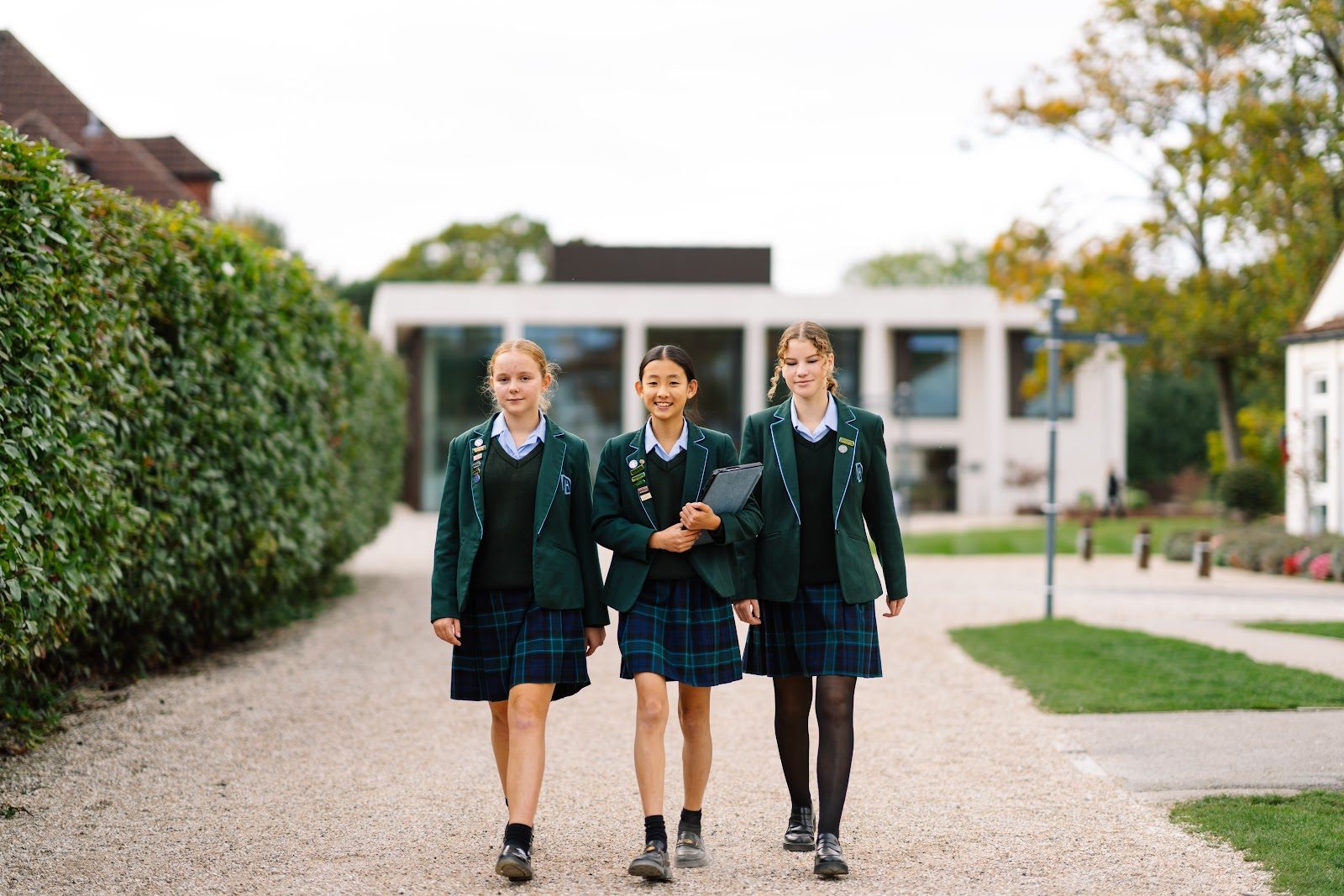
Downe House School
Cold Ash · United Kingdom
Rooted in Charles Darwin's former home, now a 110-acre Berkshire estate where science thrives and Oxbridge ambition runs deep.
Same country and curriculum — closest matches within ±10 points either way