
Bedfordshire
Bedford School
low confidence· 6/6 cats · 0 avg sourcesOn the River Great Ouse since 1861, a boat club anchors this Harpur Trust boys' school's centuries-old academic tradition.
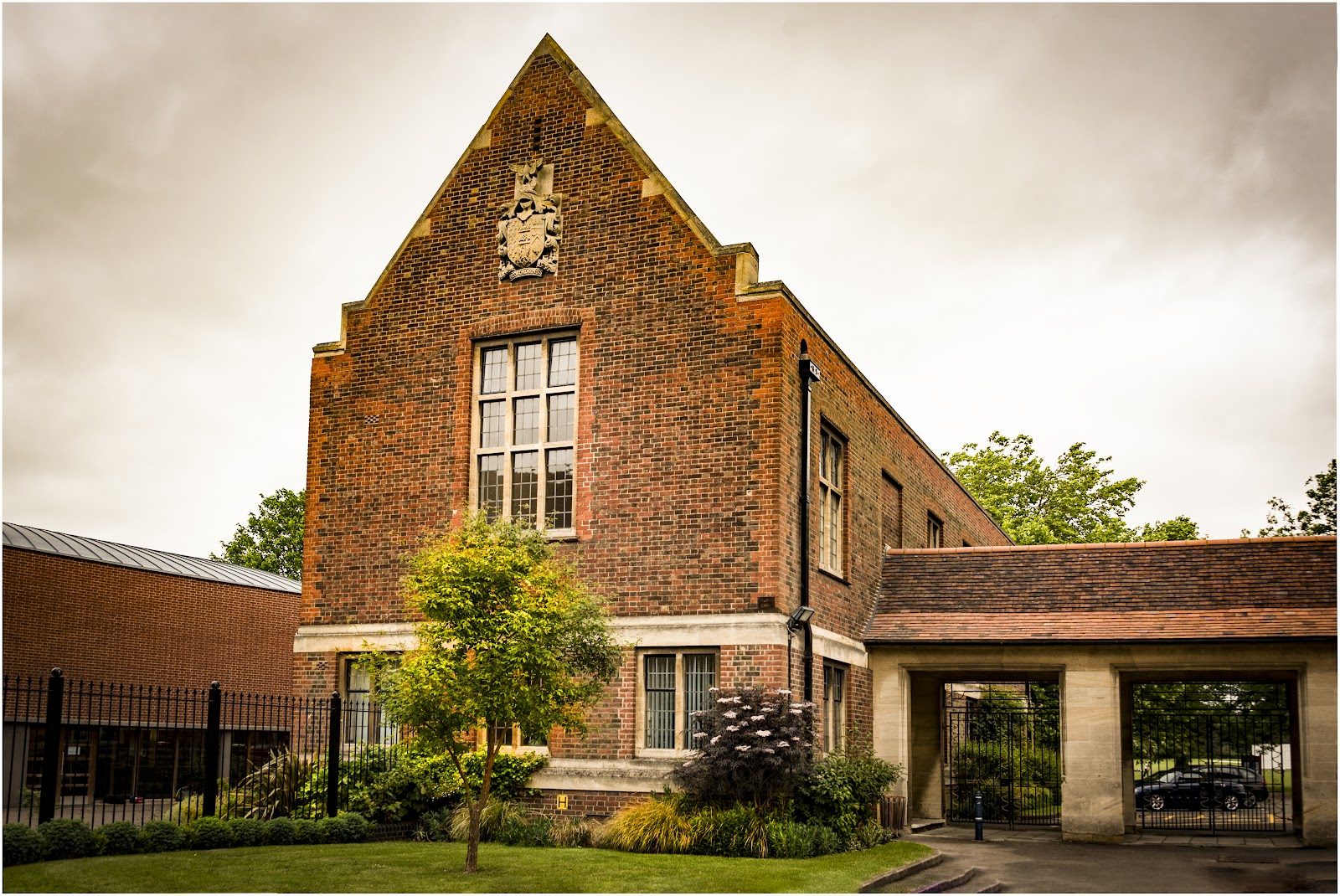
Photo © Paul Avery via Google Maps
Type
Both
Ages
13–18
Curriculum
British
Ratio
9:1
The Verdict
Editor's commitment
Right for
Boys 13–18 who want a Harpur Trust school with a 9:1 ratio, average classes of 17, and serious rowing culture on the Ouse.
Wrong for
Families wanting co-education, a girls' cohort, or a pure A-Level sixth form: Bedford is boys-only and public results cite A-Levels, BTEC and IB.
Watch out for
At an average £27,000 day and £38,000 boarding, this is expensive; the school trumpets strong GCSEs and A-Levels but publishes no aggregate destination data.
Ranking breakdown
Bedford School · #1060 of 1591
Composite score 61.8. 8 weighted criteria.
By criterion
Academic Outcomes
Weight 20%
#1084
of 1529 scored
University Placement
Weight 16%
#1089
of 1529 scored
Prestige & Heritage
Weight 12%
#925
of 1571 scored
Alumni Network
Weight 12%
#656
of 1530 scored
Facilities
Weight 12%
#1015
of 1533 scored
Transparency & Communications
Weight 8%
#1097
of 1532 scored
Peer & Industry Review
Weight 10%
#999
of 1548 scored
Admissions Selectivity & Demand
Weight 8%
#837
of 1529 scored
Peer & Industry Review
How Bedford School is regarded in the sector
72
Respected · high confidence
Bedford School holds a genuinely national reputation among British boys' boarding schools, underpinned by independent sector coverage rather than self-promotion. The Good Schools Guide rates it as a solid, pressure-free option where boys can reach their potential, singling out its softer skills as "a real point of differentiation" and praising the "current dynamic head's" strong sense of service. Tatler's Schools Guide has repeatedly endorsed it, once calling it "one of the happiest schools" its researchers had visited, while Fortune and Statista's global boarding schools survey placed it among just six boys' boarding schools worldwide to earn a five-star rating. Its 2021 Independent Boys' School of the Year title, judged by a panel including the heads of the ISC and BSA, further cements standing among sector peers, though it sits a tier below the handful of schools referenced in every "best in Britain" list.
Editors' overview
The River Great Ouse, the Harpur Trust connection and a serious boat club give Bedford School a distinct profile: this is an old English boys’ boarding school with a strong sense of place, not a generic commuter independent. The school’s upper section covers ages 13 to 18, teaches in English, and runs as both day and boarding. That matters. Bedford sits in the market as a traditional full-service boys’ school with enough scale and institutional memory to offer the co-curricular depth families expect from this sector, while still keeping classroom numbers controlled at an average of 17 and a student-teacher ratio of 9:1. The average annual fee is £26,680 for day pupils and £37,612 for boarders, which places it in the expensive but not extreme bracket for UK independent boarding.
What separates Bedford from weaker heritage schools is that it publishes concrete academic signals rather than hiding behind vague claims. The school reports 72% of GCSE grades at 9–7 and 93.2% at 9–5, which is strong by any plain reading. It also records a final International Baccalaureate cohort in which half scored 40 points or more, alongside A-levels and BTEC pathways. That mix gives Bedford more breadth than the old caricature of a one-track academic boys’ school. The caveat is clear enough: this is not a progressive, experimental environment for families who want a loose culture or a co-educational social model. Bedford’s language about producing “good men” and leadership is deliberately traditional, and parents need to want that rather than talk themselves into it.
The school belongs on a shortlist for boys who thrive with structure, rituals and a strong institutional identity, and who want substantial sport and activities alongside solid academic outcomes. It will suit the boy who likes being busy, likes belonging to a clearly defined community and does well in an environment that expects him to participate rather than drift. The boarding option broadens its reach beyond Bedford itself, and the Harpur Trust background adds real civic weight in the town. Boys who want a mixed school, a softer culture or a less codified version of adolescence will find Bedford too steeped in its own tradition. For the right student, that tradition is the point.
Academic Performance
Bedford does not hide its exam profile. The GCSE data are strong in any serious comparison: 72% of grades at the top band and 93.2% at the secure pass-and-above range put the school firmly in the upper tier of academically selective boys’ independents, even if they do not place it in the tiny group of results-obsessed hothouses that post near-clean sweeps of top grades. That distinction matters. Bedford’s numbers read as the output of a school with real academic muscle and breadth, not a narrow crammer built only for league-table optics.
The sixth-form picture is more mixed in structure but still convincing in substance. The school points to strong A-level outcomes, BTEC success in Sport Science and Enterprise & Entrepreneurship, and a final IB cohort in which half scored 40 points or more. That IB sample was only ten boys, so it is too small for grand claims, but the top-end attainment is still genuinely impressive. Relative to peers, Bedford sits in the bracket below the most ferociously selective London and south-east names, and above the large middle market of independent schools whose marketing runs ahead of their published results. For families, the practical conclusion is clear: this is a school where a capable boy can expect serious academic traction without being dropped into a monoculture of exam drill.
Facilities
The facility that matters most at Bedford is not a glossy innovation suite or a trophy theatre. It is the river. The school’s identity is tied to rowing, and the boat club gives it a piece of infrastructure that many peers cannot replicate: daily access to a real training environment rather than an ornamental water-sports offer bolted on for prospectus effect. For a traditional boys’ school, that counts. Serious rowing schools in Britain build culture through boathouses, early mornings and repeated crew training, and Bedford has that hard-edged institutional advantage. It also gains from being part of the Harpur Trust stable rather than operating as an isolated campus, which adds depth and continuity to the wider estate even if the school does not publish the sort of facility inventory that top-tier rivals now put online. That opacity is a weakness. Parents can infer strength in sport and co-curricular provision; they cannot inspect it in detail from published information.
Against peers, Bedford reads as strong in the areas that matter most to its market: sport, boarding support and the physical framework for a structured, tradition-bound school day. The average class size of 17 also tells you something about teaching spaces: this is not a school cramming boys into oversized sets. What Bedford does not do, at least publicly, is flaunt specialist centres, headline arts buildings or high-spec STEM showpieces in the way many competitor schools now do. That does not make the provision weak. It makes Bedford less performative and more dependent on its core strengths. For families who want a boat club with real substance and a campus built for organised adolescent busyness, that is enough.
That IB sample was only ten boys, so it is too small for grand claims, but the top-end attainment is still genuinely impressive
Prestige
Bedford carries real standing in the British independent sector, though not the kind built on metropolitan glamour or relentless social signalling. Its prestige rests on three sturdier foundations: age, institutional continuity and performance that the school is willing to put in public. The Harpur Trust link matters here. It gives Bedford a civic and philanthropic pedigree that reads differently from a privately owned school trading on polish alone. So does the boys-only format: this is a school with a clear old-school identity, and that still carries weight with families who want a recognisable English public-school model rather than a softened modern variant. The fees reinforce the point. An average of £37,612 for boarding and £26,680 for day places puts Bedford in the serious-money, serious-expectation bracket.
I rate its prestige as high but not absolute. Bedford has national recognition, a long-established name and results strong enough to justify confidence, including 72% of GCSE grades at the top band and an award as Independent Boys School of the Year. That is substantial currency. What it does not have is the rarefied social cachet of the most famous boarding brands, where name recognition alone opens doors in every drawing room and overseas admissions market. Bedford’s status is more earned than theatrical. For many families, that is a strength: the school has genuine institutional heft without the layer of self-mythology that can make more celebrated names insufferable.
When a school puts 72% of GCSE grades in the top band and 93.2% at strong pass-and-above into plain view, it is communicating with welcome directness
Communications
Bedford communicates in the manner of an established independent school that expects parents to value clarity, routine and institutional tone over chatter. The public-facing site is clean to navigate, with a straightforward split between prep, upper school and sixth form, and it gives parents enough to grasp the school’s priorities fast: boys, values, activity and results. The strongest point is that Bedford publishes hard outcome data instead of hiding behind mood music. When a school puts 72% of GCSE grades in the top band and 93.2% at strong pass-and-above into plain view, it is communicating with welcome directness. The message is not coy. This is a school confident in its academic record and comfortable stating it.
That said, Bedford’s communications are stronger on ethos and achievement than on operational detail. The school talks fluently about forming “good men” and gives a steady stream of celebratory news, but parents doing serious due diligence will want more granular information on everyday school life, facilities and the mechanics of boarding support. That gap does not make the communication poor; it makes it selective and at points old-fashioned. The tone is disciplined, coherent and unmistakably institutional, which will reassure families who want a school with a firm centre. Parents who prefer exhaustive transparency and a more forensic level of practical detail will find Bedford less forthcoming than the best modern communicators in the sector.
Uniqueness
What marks Bedford out is the combination of a deeply codified boys’ culture with unusual breadth in post-16 pathways. Many traditional boys’ schools still treat one route as the gold standard and everything else as second best. Bedford has run A-levels, BTEC options and, until very recently, the IB in parallel. That matters for students because it widens the definition of success inside a school that still holds a clear line on character, conduct and participation. The school’s repeated language about forming “good men” will attract some families and repel others; either response is rational. For the right boy, that clarity is an asset. He knows the code, the expectations and the kind of adult the school intends to produce. In a sector full of blurred messaging, Bedford is refreshingly explicit.
Its other distinctive strength is place. The river is not decorative branding; it gives rowing and the wider culture of the school a hard practical centre. That changes student life. Schools with a real boat club build routine, resilience and collective discipline in ways that indoor facilities do not. Add the Harpur Trust connection and Bedford gains a civic rootedness that many boarding schools lack: it belongs to its town rather than floating above it. Academic results back up the identity, with 72% of GCSE grades at the top band and 93.2% at strong pass-and-above. The result is a school that feels less fashionable than durable — strong on structure, belonging and purposeful busyness.
Academic results back up the identity, with 72% of GCSE grades at the top band and 93.2% at strong pass-and-above
Student Profile
Bedford suits boys who like a school with a clear code. This is not the place for a teenager who wants to negotiate every boundary, drift at the edges or treat school as a loose academic service. The fit is better for boys who respond to structure, who can handle tradition without rolling their eyes, and who gain from being pulled into teams, clubs and collective routines. The published class size and staffing profile — 17 in a class and 9:1 overall — point to a setting where staff know boys properly and where disengagement is harder to hide. The school’s own language about producing “good men” is deliberately old-fashioned; families need to want that moral framing, not just tolerate it.
The strongest fit is the boy who is energetic, sociable and coachable: comfortable speaking to adults, willing to be busy, and happy in an environment where sport and activity carry real status. Rowers and boys drawn to a hard-working team culture will find a natural home, but Bedford is not only for athletes; its exam profile and sixth-form breadth also suit able students who want strong outcomes without the claustrophobic intensity of a pure results factory. Boys who need a mixed-sex social environment, a more fluid culture or a softer institutional tone will feel out of step. Bedford works best for families who want adolescence shaped, not merely supervised.
The school’s upper section covers ages 13 to 18, teaches in English, and runs as both day and boarding
Co-curricular strengths
Arts & sport, on a separate axis
Overall 8/10
Scored 0-10 from the school's own published evidence. This axis is editorial-only — it does not feed the main WTS ranking.
Sports
9/10
Absolute all-boys athletic force in the UK; fields historically dominant varsity rugby, rowing, and cricket pipelines across vast playing fields.
Drama
8.7/10
The custom-built Quarry Theatre provides a highly technical, professional-standard space for major classical and modern student productions.
Dance
4.5/10
Maintained strictly as a minor auxiliary component for stage movement in musical theater rather than an independent discipline.
Music
9/10
Deeply institutionalized choral and string tracking modules feeding active regional touring groups and major seasonal showcases.
Visual Arts
8.8/10
Studio spaces running advanced design pipelines, ceramics, and photography to build elite university portfolios.
Editor-verified · 8/7/2026
Strengths
- +Founded in 1552; long-established boys' school within the Harpur Trust.
- +Best-ever 2025 GCSE results, with 50% of grades at 9-8, published openly.
- +World-class sporting provision, notably cricket, rugby and rowing.
- +Extensive 50-acre estate with theatre, music school, science labs and golf centre.
- +Recognised as a leading boarding school in Fortune's global ranking.
- +Day and boarding options offer flexibility for families.
Considerations
- −Boys-only school; unsuitable for families wanting co-education.
- −Upper School entry begins at 13, limiting earlier senior-school entry.
- −English-only instruction may challenge non-fluent students.
- −IB is being discontinued, narrowing the sixth-form qualification mix.
Availability
Primary entry gate & tests
Written Exams + Interview
Gallery
Photo © Joanne Lock via Google Maps
Photo © Peng Shawn via Google Maps
Photo © Peng Shawn via Google Maps
Photo © Peng Shawn via Google Maps
Photo © Peng Shawn via Google Maps
Photo © Peng Shawn via Google Maps
Photo © CuteTimster via Google Maps
Photo © Paul Avery via Google Maps
Photo © Joanne Lock via Google Maps
Parent reviews
Have you sent your child here?
Voice reviews carry the strongest trust badge — we transcribe them for you to tidy up before they go live. Prefer to type? A written review is fine too.
Add your voice
In 60 seconds, tell other parents: what's the best thing about Bedford School, and what surprised you when your child joined?
We ask for a Google sign-in so every review has a real face behind it — no anonymous drive-by attacks on schools, and no faked positive reviews. Your email is never shown publicly.
Send this profile to a friend
International parents rely on word-of-mouth. Share this review with someone weighing the same decision.
Schools with places
Similar schools to Bedford School with places available now.
Badminton School
Bristol · United Kingdom
- 2026-27
- CLOSEDStandard route closed
- 2027-28
- PLACES OPENCloses Oct/Nov '26
Christ's Hospital
Horsham · United Kingdom
- 2026-27
- CLOSEDStandard route closed
- 2027-28
- PLACES OPEN2027 entry assessment timetable active
St Swithun's School
Winchester · United Kingdom
- 2026-27
- CLOSEDStandard route closed
- 2027-28
- PLACES OPENCloses Nov '26
Royal Grammar School, Guildford
Guildford · United Kingdom
- 2026-27
- CLOSEDStandard route closed
- 2027-28
- PLACES OPEN11+ / 13+ / 16+ active
Availability first, then country, area, curriculum, price, co-curricular
Consider also
Also worth looking at alongside Bedford School.
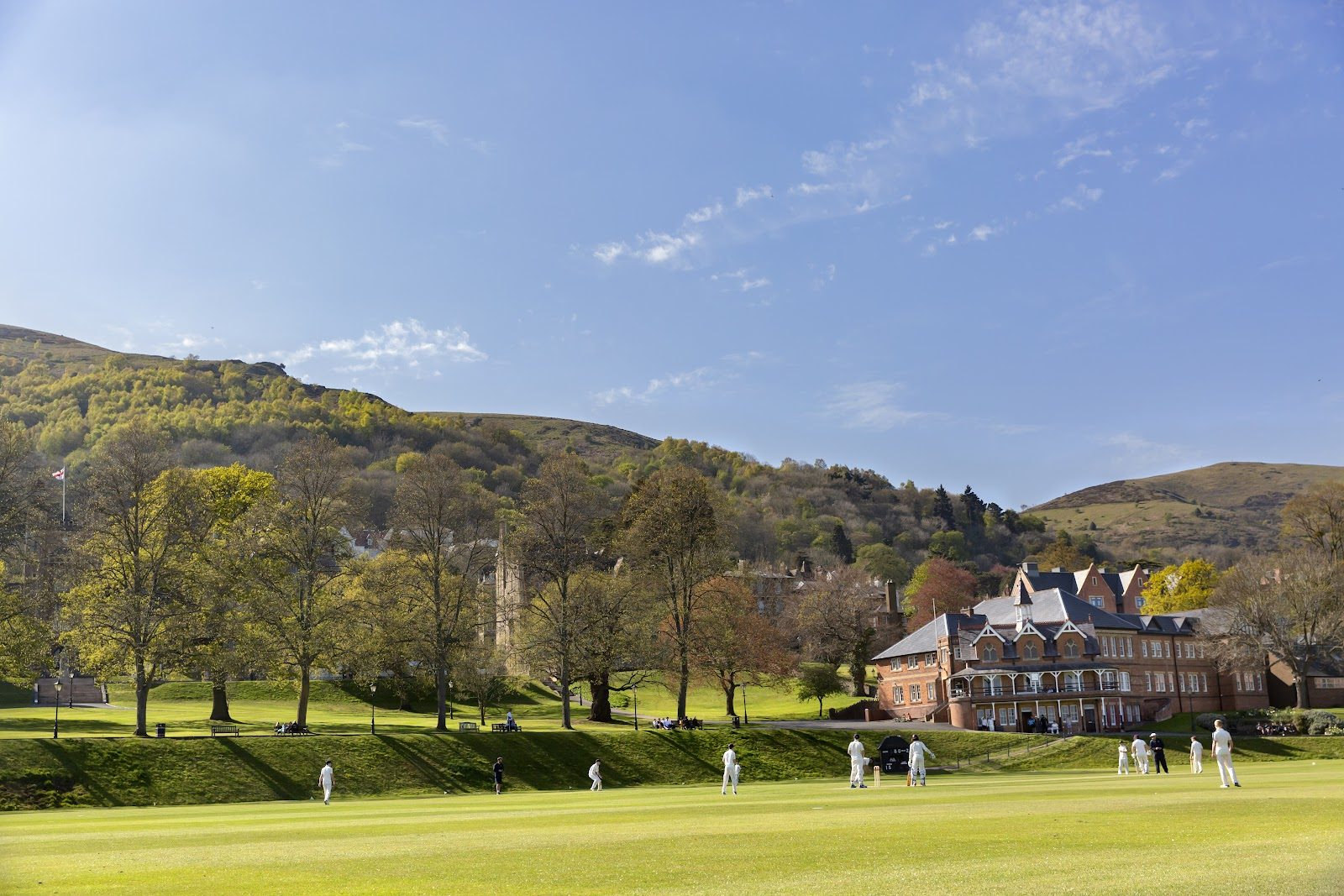
Malvern College
Malvern · United Kingdom
Beneath the Malvern Hills, a campus that once housed wartime radar research has produced four Nobel Prize winners.

Badminton School
Bristol · United Kingdom
On a Bristol campus where girls have played cricket since 1858, science labs for women followed decades ahead of the curve

Oakham School
Oakham · United Kingdom
Where a 1584 market-town foundation meets Rutland Water sailing, early co-education, and a long-standing IB Diploma alongside A-levels.
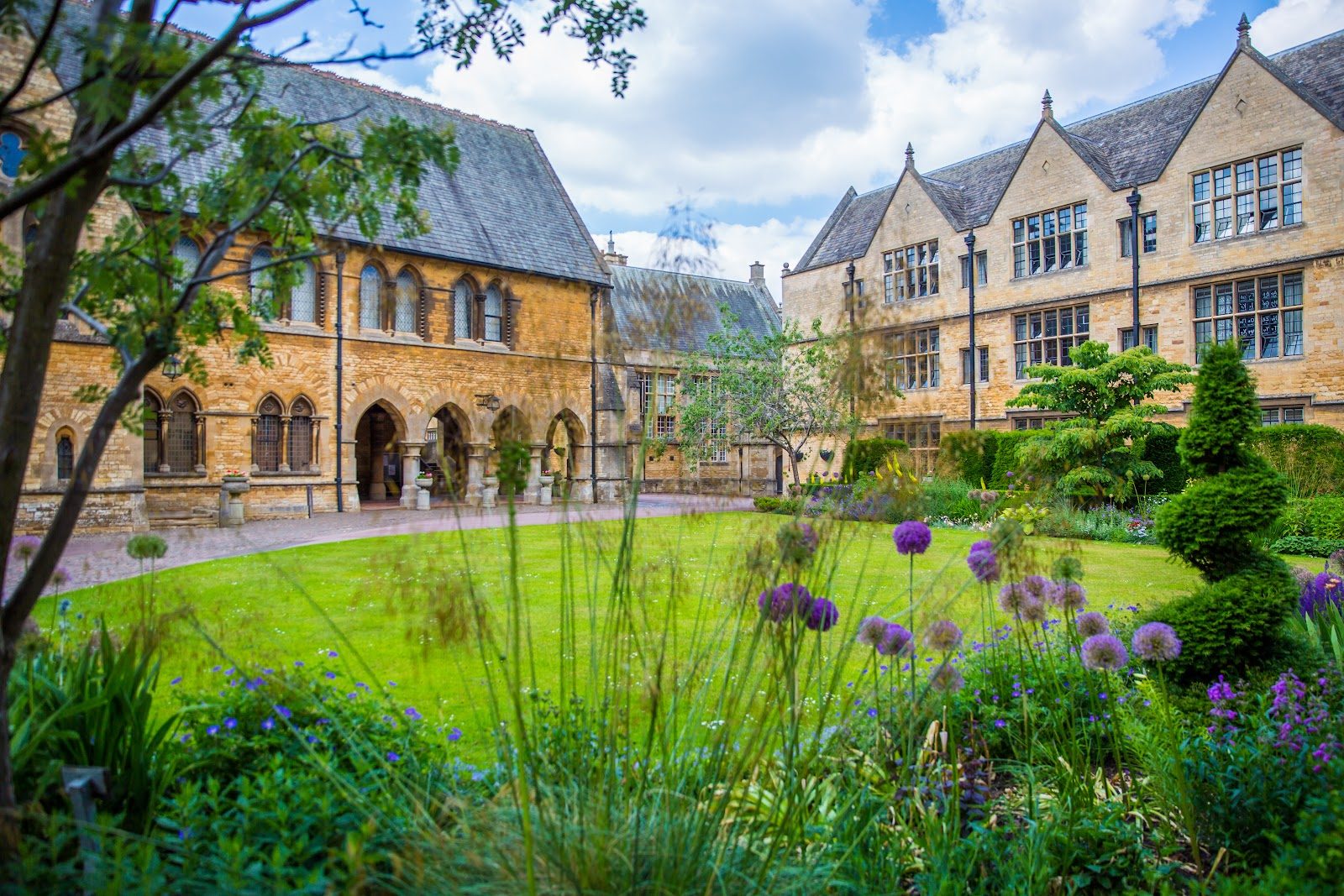
Uppingham School
Uppingham · United Kingdom
A Rutland boarding school where Thring's music-first Victorian philosophy still shapes seven-day house life today
Same country and curriculum — closest matches within ±10 points either way