
West Sussex
Lancing College
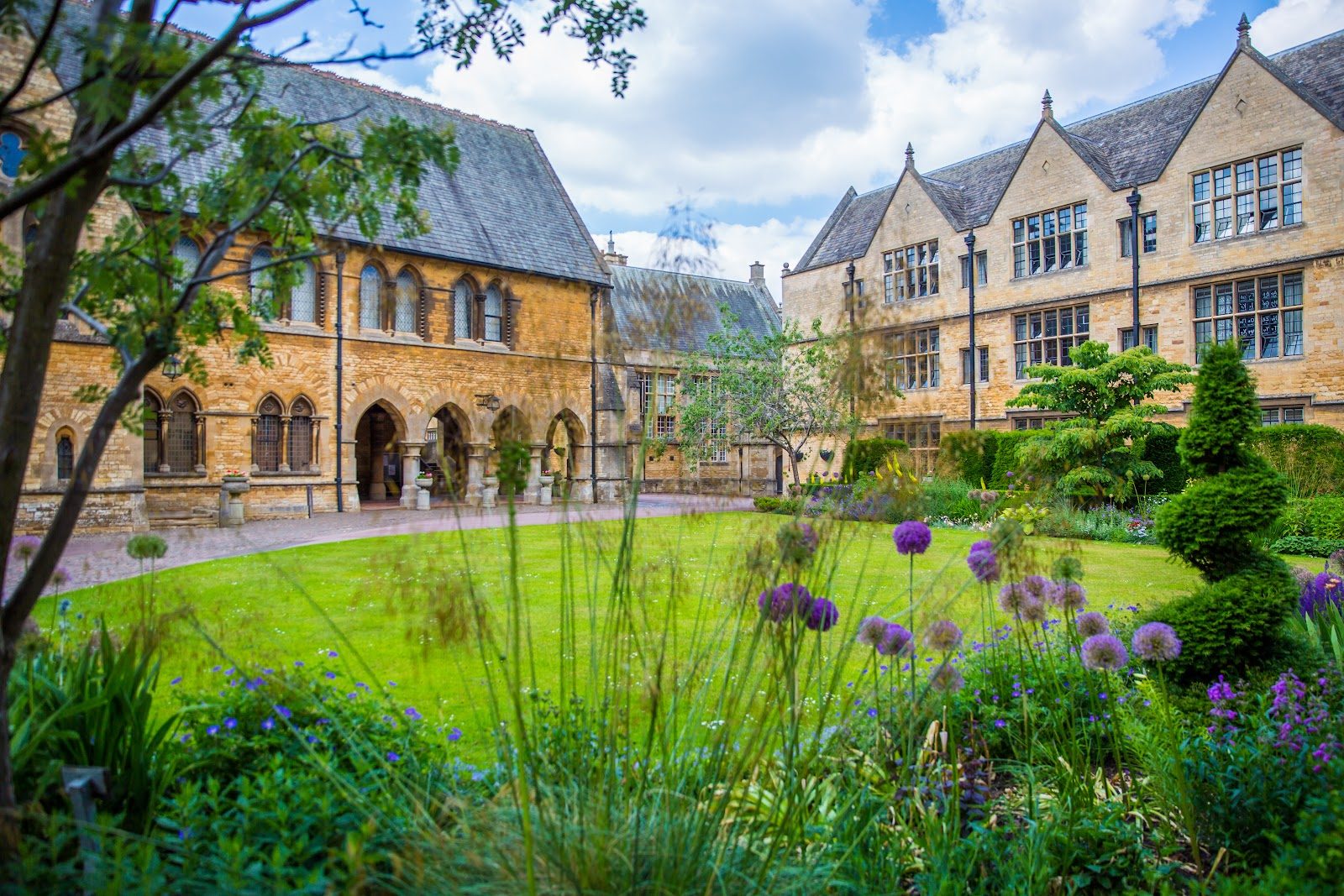
low confidence· 6/6 cats · 0 avg sourcesA Gothic Revival chapel dubbed the 'Cathedral of the Downs' crowns this school perched on the South Downs skyline.
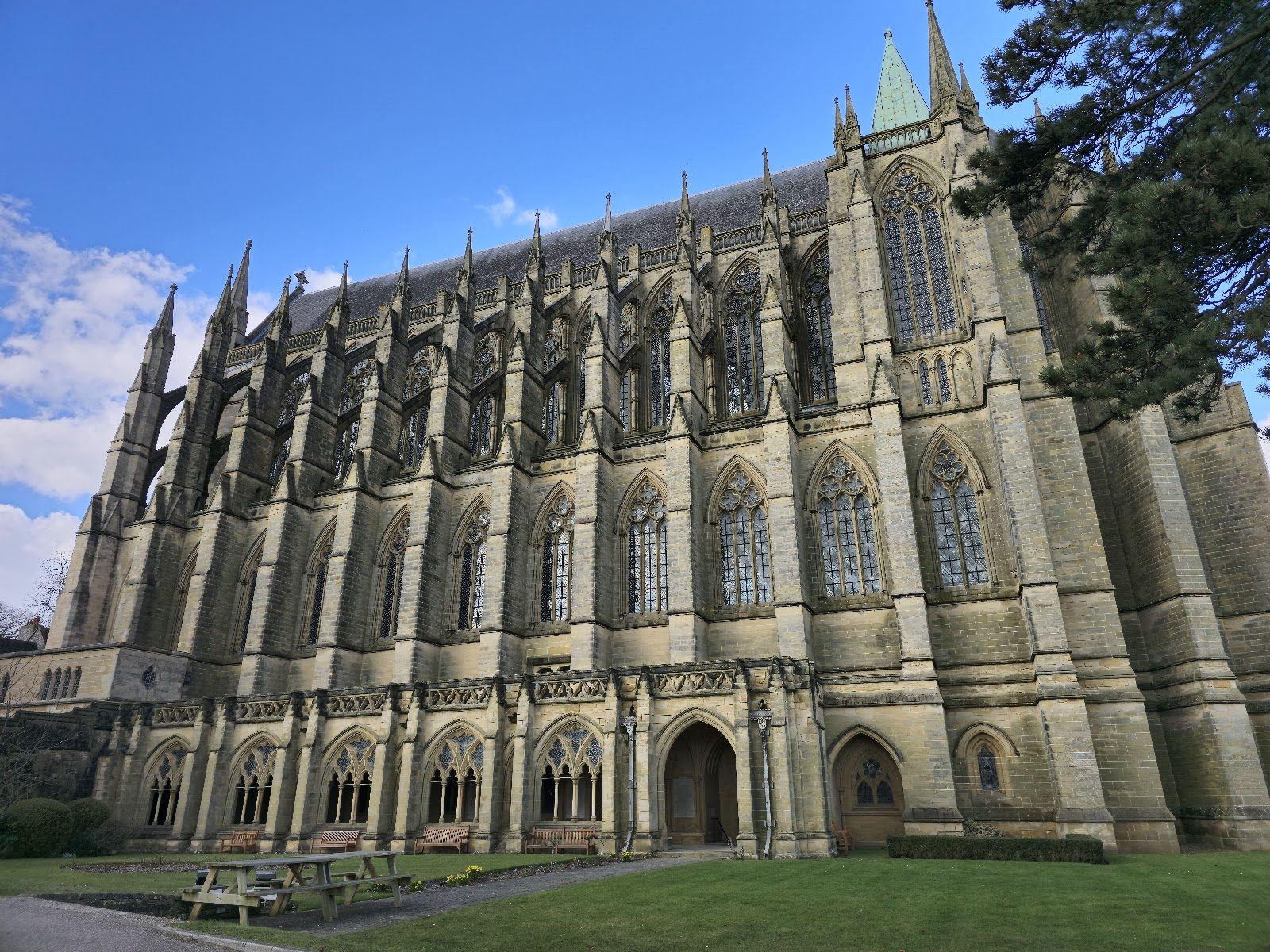
Photo © Anas kp via Google Maps
Type
Both
Ages
13–18
Curriculum
British
Ratio
8:1
The Verdict
Editor's commitment
Right for
Families wanting a British 13–18 school with both day and boarding, founded in 1848, and a skyline chapel at its centre.
Wrong for
Parents who want a non-religious environment should look elsewhere: Lancing states Anglican roots, Christian values and education for integrity and purpose.
Watch out for
This is expensive: average annual fees run to £39,330 day and £57,540 boarding, and the school publishes no academic outcomes here.
Ranking breakdown
Lancing College · #1028 of 1591
Composite score 61.8. 8 weighted criteria.
By criterion
Academic Outcomes
Weight 20%
#1136
of 1529 scored
University Placement
Weight 16%
#1144
of 1529 scored
Prestige & Heritage
Weight 12%
#854
of 1571 scored
Alumni Network
Weight 12%
#544
of 1530 scored
Facilities
Weight 12%
#933
of 1533 scored
Transparency & Communications
Weight 8%
#1098
of 1532 scored
Peer & Industry Review
Weight 10%
#998
of 1548 scored
Admissions Selectivity & Demand
Weight 8%
#888
of 1529 scored
Peer & Industry Review
How Lancing College is regarded in the sector
70
Respected · medium confidence
Lancing College is consistently framed by independent reviewers as one of the more distinctive traditional boarding schools on the south coast rather than a headline national name. WhichSchoolAdvisor calls it "one of England's most prestigious co-ed day and boarding schools" and highlights its 2017 Excellent ISI inspection rating, while the Good Schools Guide notes its "longstanding reputation for traditional values and outstanding pastoral care". Best Schools' independent verdict places it as regularly featuring in the top 30 co-ed boarding schools for A-level results, strong in sport and music but not among the handful of unanimously top-tier UK names. The overall picture is of a respected, well-established regional player with a loyal international following rather than a school that dominates every best-schools list.
Evidence sources
Editors' overview
The first thing a parent notices at Lancing is the setting: that vast Gothic chapel on the South Downs ridge, visible for miles, gives the school a physical identity few British boarding schools can match. The substance matters more. Lancing is a British school for ages 13 to 18, founded in 1848, with both day and boarding pupils, and it charges an average of £39,000 a year for day places and £58,000 for boarding across the full ladder. That puts it firmly in the expensive, serious end of the independent market. This is not a modest local day school with a boarding house attached; it is a full senior school with sixth form, scale, history and a clear sense of itself.
What marks Lancing out is the combination of grandeur and moral seriousness. The school talks about minds stretched beyond the exam syllabus, a co-curricular life broad enough for every pupil to find a place, and a community “built on Christian values and real kindness”. That religious inheritance matters, even though the school is listed here as non-religious: the culture carries an Anglican imprint, and parents should read that as part of the school’s character rather than a decorative footnote. The best version of Lancing is high-minded without being pious: a school that wants pupils to think hard, join in fully and treat service as part of an educated life. The risk, as with many old English boarding schools with a strong symbolic centre, is that some children will find the atmosphere too weighty or too invested in tradition.
It belongs on a shortlist for families who want a classic English senior school with real presence, strong pastoral intent and the full boarding-school architecture of houses, chapel, games and co-curricular expectation. It will suit pupils who want more than a transactional exam factory and who can use a big setting well: teenagers who are intellectually curious, comfortable with structure and ready to participate rather than hide at the edges. It is not for the faint-hearted or for children who want an informal, stripped-down, urban sixth-form experience. For the right student, though, Lancing offers something distinctive and durable: a beautiful, imposing school that still knows exactly what kind of formation it is trying to give.
Academic Performance
Lancing’s public academic messaging points in the right direction but stops short of the full statistical disclosure that top independent-school buyers now expect. The school has published a headline GCSE line: an average grade of 7. That places it in the strong, competitive bracket among established English independents and well above the national picture, but it does not on its own settle where Lancing sits against the most fiercely academic boarding schools, which publish fuller breakdowns at the top grades and do so across both GCSE and sixth-form examinations. We have not seen aggregate A-level results in the school’s public domain here, and that matters. For a school charging this level of fee, parents deserve clean, current exam data at both key stages.
The broader academic proposition is clear enough. The head’s language about stretching minds beyond the syllabus signals a school that wants intellectual range rather than narrow score-chasing, and that can be a real strength. It also means parents need to distinguish between schools that produce excellent results and schools that build their entire identity around examination tables. Lancing fits the first category, not the second. In peer terms, that puts it ahead of middling independents with vague outcomes, but short of the data-rich super-selective group that leaves no doubt about academic dominance. For many families, that balance will read as serious without being monastic; for others, the lack of fuller published results will remain a hard irritation.
Facilities
Facilities at Lancing start with the obvious one: the chapel. This is not a token heritage building wheeled out for prospectuses; it is the physical and symbolic centre of the school, and few peers can match it for architectural force. For families who value atmosphere, ceremony and music, that matters. For families who dislike institutional grandeur, it matters just as much. Beyond the chapel, the public-facing picture points to a campus built to sustain a full boarding-school life: houses, performance and worship space, and enough estate infrastructure to host conferences, celebrations and community events. That last point tells you something practical. Schools do not market external venue hire unless they have a campus with real operational heft. Against peer boarding schools, that places Lancing in the properly resourced, old-establishment category rather than the compact or improvised end of the market.
What is missing is the level of hard facility detail that sharper schools now publish as standard. We have not seen a clean public inventory of science labs, art studios, design technology spaces, theatre specifications or sports provision, and that limits how far one can push the comparison. At this price point, parents should expect precise disclosure, not mood and skyline. Still, the essentials are plain: this is a school with a commanding estate, a house-based structure and the capacity for a full-spectrum senior experience. It competes well on setting and sense of place. It is less convincing on published operational detail.
That puts it firmly in the expensive, serious end of the independent market
Prestige
Lancing carries real national recognition in the English independent-school market, but it does not sit in the tiny top stratum where brand alone functions as a passport. Its prestige rests on three things: architectural presence, institutional age and the social durability of the traditional boarding-school model. The chapel gives it an instantly legible identity that many schools would pay dearly to manufacture and never could. The house system reinforces that old-school seriousness, with 10 houses split across boys’, girls’ and mixed provision. Add a pupil body of about 600, and you get a school large enough to sustain breadth and internal momentum without turning anonymous. That matters. Prestige in this sector depends not only on results, but on whether a school feels established, self-confident and embedded in the national imagination. Lancing does.
Why not rate it higher? Because the most elite British names combine symbolic capital with relentless academic transparency and a stronger grip on the global parent market. Lancing has the full ceremonial weight and social credibility of a serious public school, but not the same automatic cachet as the handful of schools that dominate overseas recognition and Oxbridge gossip in equal measure. It sits a tier below that circle and above the mass of respectable independents. For many families, that is an attractive position: *distinguished without being over-mythologised, traditional without being absurdly grand*, and prestigious in a way that still connects to daily school life rather than pure legend.
This is not a modest local day school with a boarding house attached; it is a full senior school with sixth form, scale, history and a clear sense of itself
Communications
Lancing communicates in a polished, institution-first style. The website is visually strong, easy to navigate and anchored by clear signposting across the wider family of schools, senior years, sixth form, chapel and society life. Parents can find the school’s stated values, leadership voices and practical entry points without much friction. News output is active too, with dated updates on exam results, term highlights and school life. That steady cadence matters: a school that publishes fresh notices gives parents evidence of operational rhythm. The weakness is precision. Too much of the communication trades in ethos, heritage and uplift, and too little in the hard-edged detail that fee-paying parents need. At an average of £39,330 for day pupils and £57,540 for boarders, atmosphere alone is not enough.
The tone is cultivated, high-minded and unmistakably traditional. For families who want a school with moral language, shared ritual and an obvious centre, that will feel coherent. For parents who judge communications by clarity, data and practical disclosure, Lancing is less impressive. We have seen one clean academic headline and plenty of value-led prose; we have not seen the kind of granular public information that would make comparison easy on facilities, outcomes or the mechanics of daily school life. That does not make the school opaque. It makes it selective in what it chooses to foreground. Effective for brand, yes. Fully satisfactory for scrutiny, no.
Uniqueness
What Lancing has that very few schools can claim is a skyline identity. The chapel does more than decorate prospectuses: it organises the place. Daily life sits under a building that dominates the downs and gives the school a centre of gravity beyond classrooms and timetables. That creates a culture with ceremonial weight, institutional confidence and a stronger sense of shared life than many polished but interchangeable independents. The house structure deepens that effect. With 10 houses across boys’, girls’ and mixed provision, the school can offer belonging at a human scale inside a setting that might otherwise feel imposing. For students, that matters. Big schools work best when they break down into smaller loyalties, routines and adult relationships.
The other distinctive feature is moral tone. Lancing talks plainly about kindness, service, reflection and using the school’s strength beyond its own walls. Many schools borrow that language; here it fits the architecture, the Anglican inheritance and the older public-school idea that education has a civic purpose. That brings real advantages for pupils who want more than grades: a serious-minded environment, a co-curricular life with moral as well as competitive force, and a community that asks students to contribute rather than just perform. The drawback is clear too. This is a weighty, high-expectation culture, not a breezy or ironic one. Pupils who thrive on structure, ritual and collective identity will find it deeply formative. Those who resist institutions in principle will not.
What marks Lancing out is the combination of grandeur and moral seriousness
Student Profile
The pupils who do best here are the ones who can handle a school with a strong centre and a visible collective life. Lancing suits teenagers who do not want to drift anonymously through sixth form, but who want houses, rituals, teams, performances and adults who know where they stand. With 10 houses and a pupil body of around 600, it has enough scale for variety but not so much that a child can disappear for long. The best fit is a student with some appetite for commitment: academic effort, co-curricular participation and a willingness to live inside a community with expectations. Self-directed, socially capable and comfortable with structure are better indicators of fit than flamboyance or polish.
This is less convincing for pupils who want a loose, urban, low-ceremony education or who bridle at institutions with moral language and inherited formality. The school talks openly about Christian values, kindness, service and purpose, and that shapes the student culture whether or not a family wants a religious education in any formal sense. Children who thrive here will tolerate, and often enjoy, that high-expectation, tradition-conscious atmosphere. They do not need to be extroverts, but they do need some resilience and a readiness to join in. A sharp, independent-minded teenager can flourish here too, provided that independence does not harden into refusal. For the right pupil, Lancing offers a serious-minded, full-immersion adolescence; for the wrong one, it will feel too weighty by half.
It is not for the faint-hearted or for children who want an informal, stripped-down, urban sixth-form experience
Co-curricular strengths
Arts & sport, on a separate axis
Overall 8.42/10
Scored 0-10 from the school's own published evidence. This axis is editorial-only — it does not feed the main WTS ranking.
Sports
8.5/10
Highly competitive UK independent sports competitor, fielding highly competitive football, squash, and swimming squads across extensive grounds.
Drama
8.8/10
The school's theater complexes operate at an exceptionally high standard, cultivating creative and performance tech tracks.
Dance
7.6/10
Maintained primarily as an ensemble component to support physical performance blocks inside their large-scale theater tracks.
Music
9.2/10
Outstanding musical depth; supports world-famous chapel choirs inside the largest school chapel on Earth, creating monumental acoustics.
Visual Arts
8/10
Studio-intensive fine arts focus housed within custom studio environments, prioritizing portrait design, fine oils, and advanced portfolio mastery.
Editor-verified · 8/6/2026
Strengths
- +Boarding and day options for ages 13-18 within a traditional English public school model
- +Strong published outcomes: 2026 A-Level cohort achieved 26% A* and 54% A*/A (school website)
- +World-class music and elite-level drama and sport by our co-curricular scoring
- +8:1 student-teacher ratio and average class size of 15 allow close attention
- +Striking South Downs campus with facilities the school publicly describes
Considerations
- −Profile is more regional and traditional than international or avant-garde
- −Senior school starts only at age 13, with a separate Sixth Form phase from 16
- −Full boarding numbers have fluctuated as day and flexi-boarding have grown
- −Detailed admissions timelines and bursary provision are not set out in public material we reviewed
Availability
Primary entry gate & tests
Written Exams + Interview
Gallery
Photo © Anna Fiťková via Google Maps
Photo © Anna Fiťková via Google Maps
Photo © Ralph Kiesewetter via Google Maps
Photo © Bruce McLeod via Google Maps
Photo © Lancing College via Google Maps
Photo © Mike W via Google Maps
Photo © TM via Google Maps
Photo © Martin Deane via Google Maps
Photo © Vladislav Navrozashvili via Google Maps
Parent reviews
Have you sent your child here?
Voice reviews carry the strongest trust badge — we transcribe them for you to tidy up before they go live. Prefer to type? A written review is fine too.
Add your voice
In 60 seconds, tell other parents: what's the best thing about Lancing College, and what surprised you when your child joined?
We ask for a Google sign-in so every review has a real face behind it — no anonymous drive-by attacks on schools, and no faked positive reviews. Your email is never shown publicly.
Send this profile to a friend
International parents rely on word-of-mouth. Share this review with someone weighing the same decision.
Schools with places
Similar schools to Lancing College with places available now.
Availability first, then country, area, curriculum, price, co-curricular
Consider also
Also worth looking at alongside Lancing College.
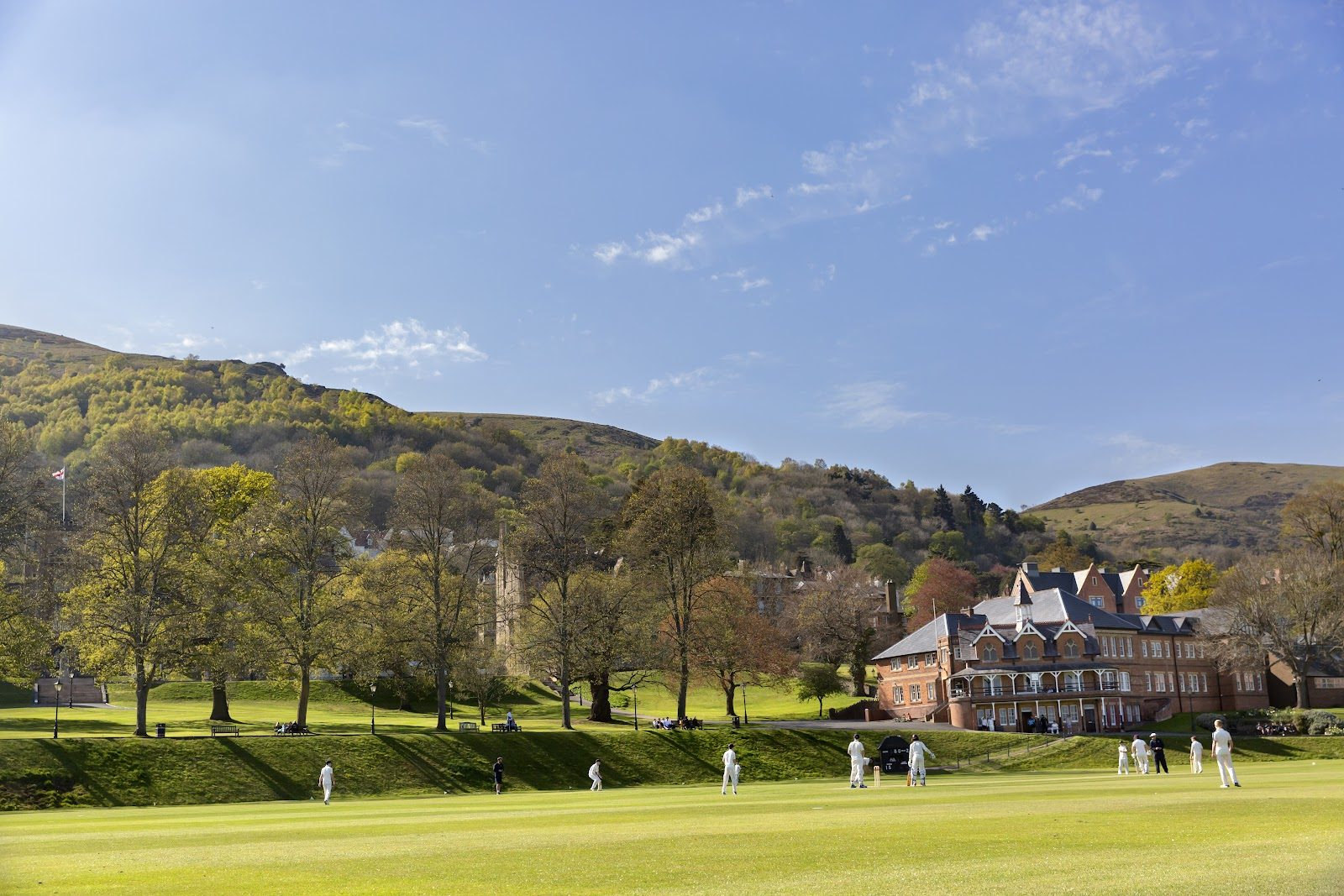
Malvern College
Malvern · United Kingdom
Beneath the Malvern Hills, a campus that once housed wartime radar research has produced four Nobel Prize winners.
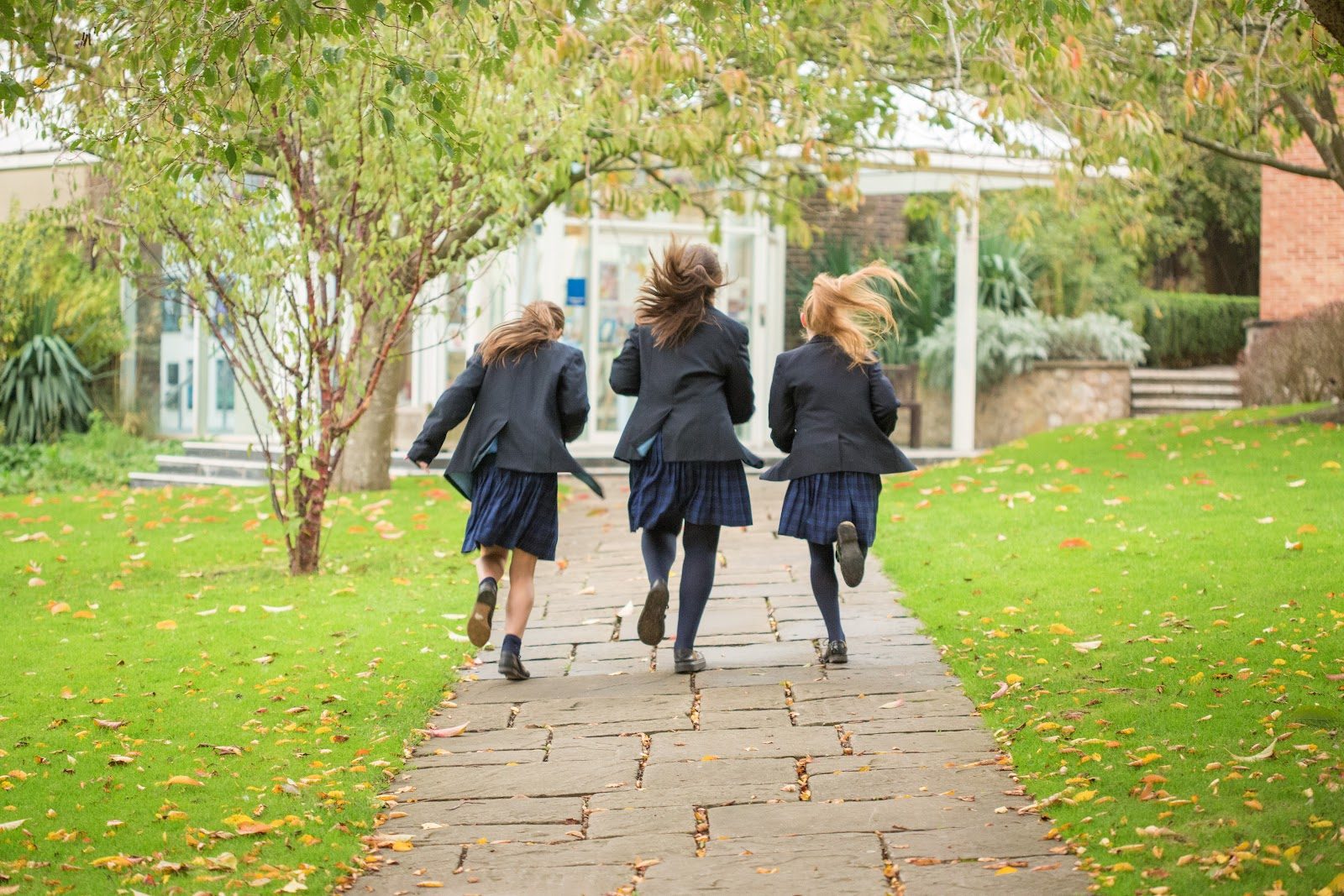
Badminton School
Bristol · United Kingdom
On a Bristol campus where girls have played cricket since 1858, science labs for women followed decades ahead of the curve
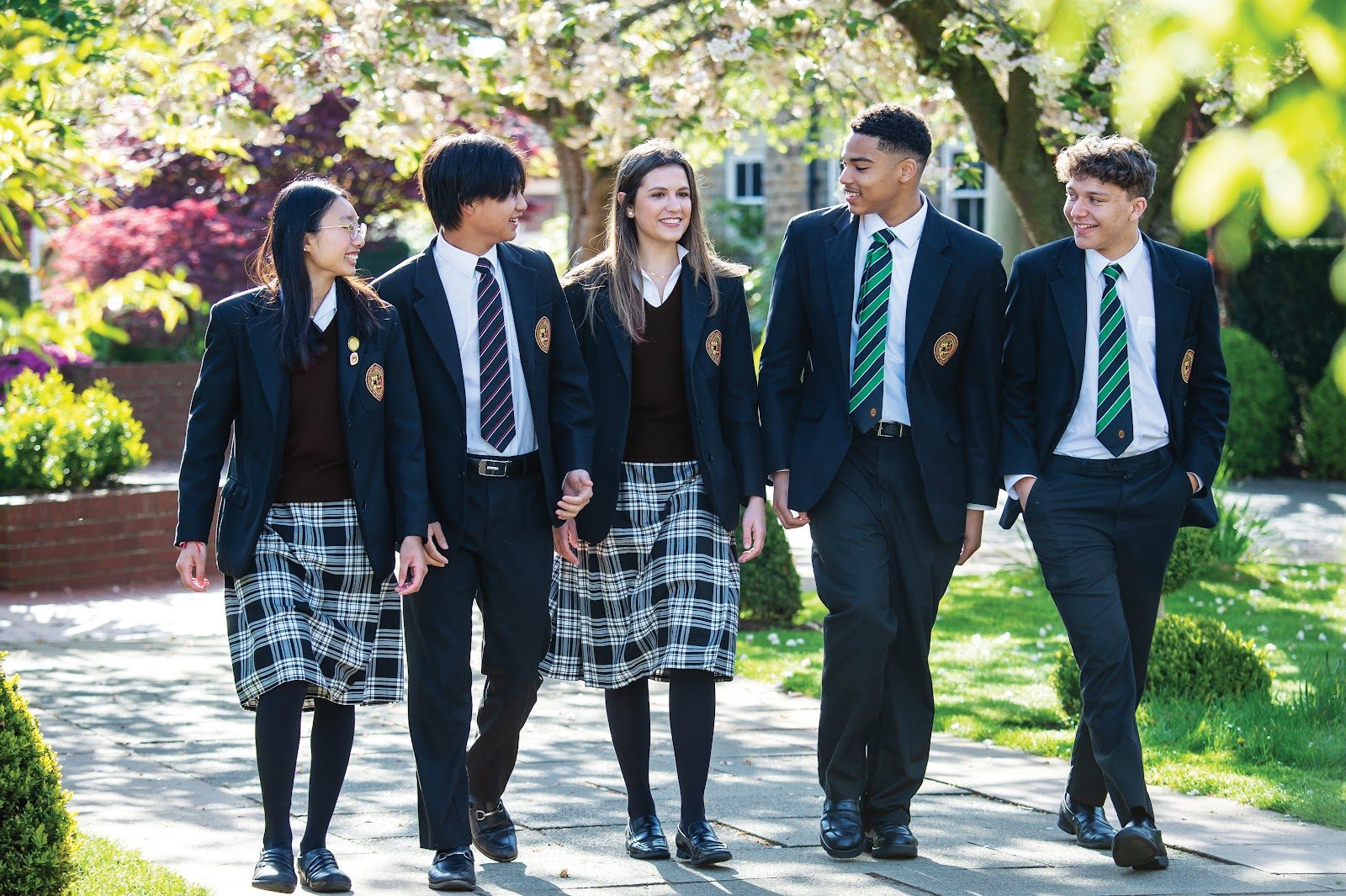
Oakham School
Oakham · United Kingdom
Where a 1584 market-town foundation meets Rutland Water sailing, early co-education, and a long-standing IB Diploma alongside A-levels.
Uppingham School
Uppingham · United Kingdom
A Rutland boarding school where Thring's music-first Victorian philosophy still shapes seven-day house life today
Same country and curriculum — closest matches within ±10 points either way