
Dublin
St. Michael's College
Born a Blackrock feeder school in 1944 on Ailesbury Road, now a three-time Leinster Schools Senior Cup rugby power.
Type
Day
Ages
8–18
Curriculum
Irish
Qualifications
Junior Cycle · Leaving Certificate
Ratio
—
The Verdict
Editor's commitment
Right for
Boys aged 8–18 who want a Catholic day school in Ballsbridge with Spiritan roots and a hard-edged rugby culture.
Wrong for
Families wanting co-education, boarding, or a secular ethos; St. Michael's College is a boys' Catholic day school founded in 1944.
Watch out for
The Irish curriculum in English keeps it local in outlook; this 1944 Ballsbridge school trades heavily on rugby prestige and tradition.
Ranking breakdown
St. Michael's College · #881 of 1591
Composite score 63.9. 8 weighted criteria.
By criterion
Academic Outcomes
Weight 20%
#586
of 1529 scored
University Placement
Weight 16%
#354
of 1529 scored
Prestige & Heritage
Weight 12%
#819
of 1571 scored
Alumni Network
Weight 12%
#692
of 1530 scored
Facilities
Weight 12%
#1228
of 1533 scored
Transparency & Communications
Weight 8%
#1293
of 1532 scored
Peer & Industry Review
Weight 10%
#1108
of 1548 scored
Admissions Selectivity & Demand
Weight 8%
#1077
of 1529 scored
Peer & Industry Review
How St. Michael's College is regarded in the sector
64
Respected · medium confidence
Within Dublin's southside network of Catholic voluntary secondary schools, St. Michael's is consistently grouped alongside Blackrock College, Gonzaga and Belvedere in the annual Irish Times and Sunday Times 'feeder school' league tables that track progression into UCD, Trinity College Dublin and the RCSI, giving it a recognised if second-tier standing behind Blackrock in pure academic placement statistics. Its Spiritan heritage and senior rugby programme keep it firmly inside the established Leinster Schools Cup circuit, where rival heads and coaches routinely acknowledge its competitiveness against Blackrock and Clongowes, reinforcing peer respect built on sporting rather than purely academic prestige. Irish education press coverage tends to be embedded in broader southside-schools comparison pieces rather than standalone profiles, and it does not feature prominently in UK-oriented guides such as Good Schools Guide or WhichSchoolAdvisor, which concentrate on British and international schools. Overall, its reputation is solid and locally well-understood among Dublin's fee-paying school ecosystem, but it lacks the distinct national media spotlight or university admissions commentary that would elevate it above regional peer status.
- Brian O'Driscoll — Rugby player, Sport
- Fergus Slattery — Rugby player, Sport
- Neil Francis — Rugby player, Sport
Editors' overview
St. Michael’s College occupies a specific niche in Dublin: a Catholic day school for boys from 8–18, founded in 1944, with deep roots in south Dublin’s professional class and an identity shaped as much by rugby as by academics. The school’s origin as a feeder to Blackrock still matters to its social history, but St. Michael’s now stands as its own institution, and a serious one. The headline distinction is clear: this is a school with real sporting prestige, anchored by three Leinster Schools Senior Cup titles, and that record carries weight in Ireland. For parents, the attraction is competitive edge, old-school confidence and a networked environment in Ballsbridge that sits close to the centre of Dublin’s establishment.
What puts it on a shortlist is not novelty but concentration. St. Michael’s offers a focused, traditional proposition: English-medium teaching, an Irish curriculum, Catholic formation in the Spiritan tradition, and a day-school structure that keeps family life in the frame. There is no need to dress that up. Families who want a co-educational, progressive, visibly international school will look elsewhere. Families who want institutional muscle, serious rugby culture and a school with a clear sense of hierarchy and expectation will pay attention. The location on Ailesbury Road adds to the draw; this is a well-heeled part of Dublin, and the school sits squarely in that social geography.
The student who will thrive here is a boy who responds well to structure, competition and a culture where standards are set externally as well as internally. Sport-heavy pupils, especially rugby players, have an obvious reason to apply, but the fit is broader than the first XV. Boys who value routine, camaraderie and a school with tribal loyalty tend to do well. Boys who need a looser pastoral style, a more experimental classroom culture or a visibly diverse peer group may find the atmosphere constraining. St. Michael’s does not sell reinvention; it offers belonging, discipline and prestige within a defined tradition.
In market terms, St. Michael’s sits as a high-status Dublin day school with a strong Catholic identity and a sporting reputation that lifts it above the ordinary. Its appeal rests on clarity. Parents know what they are buying: a school founded in 1944, serving boys across 10 year groups, with a reputation built on academic seriousness, social capital and elite school rugby. That combination gives it sharp market definition. For the right family, that is exactly the point.
Academic Performance
St. Michael’s keeps one awkward fact out of easy reach: it does not publish a full set of aggregate Leaving Certificate outcomes in the public domain. That matters. In Dublin’s top fee-paying day-school market, serious academic operators make headline results easy to find, whether through distinctions, points profiles or clear progression data. Here, the public picture is opaque. Parents can infer academic ambition from the calibre of intake and the school’s social position, but inference is not evidence. Without published points distributions, subject-level trends or a consistent run of headline examination data, St. Michael’s does not give families the clean benchmarking that rival schools sometimes provide. For a school with this profile, that is a conspicuous omission.
That does not place it in the academic second rank; it places it in the category of schools whose reputation runs ahead of disclosed proof. In Irish terms, that still leaves St. Michael’s competing in a high-pressure band of selective south Dublin schools where expectations are steep and university progression is part of the package. The question is not whether boys achieve. Many do. The question is how far the school outperforms comparable peers, and on that point the published record is thin. Parents who prize hard academic data over brand, network and sporting prestige will want sharper answers before treating it as a clear academic leader.
Facilities
Facilities at St. Michael’s are defined less by architectural theatre than by what the school takes seriously. The key asset is sport. For a school whose public identity is tied so tightly to rugby, parents should expect strong playing provision, training space and the practical infrastructure that supports a serious games programme. That matters because in Dublin’s top boys’ day-school market, rugby schools live or die by the quality and intensity of their sporting estate. St. Michael’s sits in that competitive bracket. The site on Ailesbury Road also gives it an advantage many urban schools lack: a prestigious address with room to sustain a proper school environment rather than a squeezed city-campus compromise. That said, this is not a sprawling country campus, and families expecting the sheer acreage or estate-like scale of some larger peers will not find it here.
Where the picture is less satisfying is academic and specialist provision. The school does not publish the kind of detailed facilities breakdown that would let parents assess laboratories, performing arts spaces, design rooms or sixth-form study areas against competitors. That silence matters, because peer schools with serious all-round ambitions tend to document those spaces clearly. The absence of that detail leaves St. Michael’s looking sport-first and institutionally private about everything else. That does not mean the facilities are weak; it means the school asks families to trust the name. In this tier of the market, trust without detail is a thin offer.
That matters because in Dublin’s top boys’ day-school market, rugby schools live or die by the quality and intensity of their sporting estate
Prestige
St. Michael’s carries real social weight in Dublin’s fee-paying school market, but the source of that prestige is narrower than families sometimes admit. It does not rest on transparent academic disclosure; that record remains thin. Its standing comes from a potent mix of inherited social capital, a loyal south Dublin parent base, and a sporting culture with genuine public recognition. The rugby record matters here, and 3 Leinster Schools Senior Cup titles give the school a level of name recognition that reaches well beyond its classrooms. In Ireland, that kind of success travels fast through family networks, old-boy circles and professional communities. The result is status with local force: not diffuse global prestige, but high-value domestic prestige in exactly the circles many parents care about.
That distinction matters. A St. Michael’s education carries cachet because it signals entry into a tight, well-connected milieu with clear codes, strong peer expectations and access to influential networks. For families in that world, the school name opens doors socially and carries instant recognition. For families outside it, the appeal depends more on fit than aura. This is not prestige built on international reach, intellectual flamboyance or published academic dominance. It is prestige built on tribal confidence, sporting credibility and establishment familiarity. That still makes it formidable. It also makes it a school whose reputation is strongest at home, among the people who already know exactly what the name signifies.
The school’s origin as a feeder to Blackrock still matters to its social history, but St
Communications
St. Michael’s communicates with parents in the manner of many established Irish schools: formally, sparingly and with an assumption that families already understand the culture they are joining. The public-facing website does the functional work — calendar items, admissions information, basic school news and contact points — but it does not offer the kind of rich, continuously updated parent information architecture that marks out the strongest operators. There is little sense of radical transparency. For current parents, that often works well enough in a school where expectations are settled and community networks run deep. For prospective parents, it leaves gaps. If you want clear public evidence on academic tracking, detailed pastoral systems or a granular sense of day-to-day school life, the school gives a thin account.
That style has strengths. It is controlled, direct and in keeping with a school that values order over performance. It also has limits. In a competitive fee-paying market, strong communication now means more than basic notices and ceremonial updates; it means publishing the information parents actually use to judge a school’s seriousness. On that measure, St. Michael’s is guarded. The institution communicates confidence, but confidence is not the same thing as disclosure. Families already inside this social world will read that reserve as normal. Families comparing schools with a colder eye may read it as institutional opacity and ask harder questions before committing.
Uniqueness
What marks St. Michael’s out is the way it turns a narrow brief into a powerful identity. This is not a school trying to be all things to all families. It is a boys’ institution with a hard-edged sense of self, rooted in Catholic formation, social confidence and a games culture that has real public consequence. The Blackrock connection still shadows its story, but only as background; the school’s own name now carries weight because it has built a recognisable culture of discipline, team loyalty and expectation. The rugby success matters here not as decoration but as organising principle. 3 Senior Cup titles signal more than sporting competence: they signal a place where competition is normalised, hierarchy is legible and collective standards are enforced in full view of the wider school community.
For pupils, that brings clear benefits and clear limits. Boys who thrive on structure, ritual and shared identity gain a strong tribal belonging that many schools fail to generate. They get a peer culture with momentum, a school name that means something in influential Dublin circles, and an education that trains them to operate inside established systems rather than outside them. That can be formidably effective for confident, socially fluent boys. It can also be constricting for anyone who wants anonymity, reinvention or a broader definition of success than the school’s dominant codes reward. That tension is part of what makes St. Michael’s distinct.
Michael’s now stands as its own institution, and a serious one
Student Profile
The boy who fits St. Michael’s is comfortable in a school where status is legible and earned in public. He does not need a soft landing or endless personal customisation. He can handle a culture with clear pecking orders, visible winners and a strong premium on team loyalty. Sporting commitment carries weight well beyond the touchline, and boys who enjoy competition, banter and the discipline of turning up for the group tend to settle fastest. The school spans 10 year groups, so that culture starts early and hardens over time. A confident, socially fluent pupil will read that as energising; a boy who dislikes scrutiny or shrinks from comparison will find it abrasive.
This is also a school for families who value conventional masculinity, institutional routine and a Catholic frame that still shapes the tone of daily life. Boys who like belonging to something bigger than themselves, and who are happy to work within established codes rather than question them, will fit. Quiet, self-possessed pupils can do well too, but only if they are resilient enough to hold their ground in a peer culture that rewards presence and conviction. It is a poor match for boys who want a progressive atmosphere, a broad mix of identities, or a school determined to flatten hierarchy. St. Michael’s rewards boys who can compete, conform when needed, and take pride in a tribal school identity.
What puts it on a shortlist is not novelty but concentration
Co-curricular strengths
Arts & sport, on a separate axis
Overall 6.96/10
Scored 0-10 from the school's own published evidence. This axis is editorial-only — it does not feed the main WTS ranking.
Sports
9.6/10
Drama
6.5/10
Dance
5.2/10
Music
6.8/10
Visual Arts
6.7/10
Strengths
- +Founded in 1944 by the Congregation of the Holy Spirit (Spiritans) as a feeder school alongside Willow Park, giving it a long-established place in Dublin's south-side Catholic school network. Founded in 1944 by the Congregation of the Holy Spirit (The Spiritans) as a second feeder school along with Willow Park, it was initially a primary school to Blackrock College.
- +Recorded the highest third-level progression rate among Dublin schools in the Irish Times' 2022 feeder-schools analysis. While Gaelcholáiste na Mara in Arklow had the highest progression rate of the country, St Michael's College on Ailesbury Road was the top Dublin school.
- +Strong and sustained rugby programme, having won the Leinster Schools Junior Cup six times and the Senior Cup on three occasions. The school has a strong rugby playing tradition, having won the Leinster Schools Junior Cup six times: in 1991, 2002, 2012, 2017, 2019 and 2022 in addition to reaching 6 JCT finals in a row up to 2012.
- +On-site sporting infrastructure has been steadily upgraded, including a purpose-built gym and strength-and-conditioning coaching staff. The St Michael's gym was built in 2001 and has been upgraded along the way, with similar equipment to the Leinster gym if not on the same scale, and the school have enlisted top-end strength and conditioning coaches
- +Central, leafy Ballsbridge location on Ailesbury Road places the school within an established south Dublin school corridor convenient for many professional and expat families. Founded in 1944 as a voluntary Catholic boys school by the Holy Ghost Fathers on Ailesbury Road in leafy Ballsbridge, St Michael's was a feeder school along with Willow Park to Blackrock College, a mile or so up the Rock Road.
Considerations
- −Single-sex boys' school throughout, which rules it out for families wanting co-education or with daughters to place in the same institution. St Michael's College (Irish: Coláiste Naomh Mícheál) is a voluntary Catholic boys' school, with an associated primary school, located on Ailesbury Road in Dublin 4, Ireland.
- −Rugby dominates the school's sporting and social identity to an unusual degree, which may not suit boys or families with little interest in the sport. St. Michael's has a proud sporting tradition since its inception in 1944. The primary sport played in both the Junior and Senior school is rugby.
- −It is a voluntary, fee-charging Catholic school, and current tuition fee figures are not published on the school's own website, requiring families to enquire directly.
- −As an established, high-demand south Dublin institution with a strong Catholic and Spiritan ethos, its intake skews toward a narrow social and religious catchment rather than a broadly international one.
Availability
Primary entry gate & tests
Transcripts + Interview (Boys)
Parent reviews
Have you sent your child here?
Voice reviews carry the strongest trust badge — we transcribe them for you to tidy up before they go live. Prefer to type? A written review is fine too.
Add your voice
In 60 seconds, tell other parents: what's the best thing about St. Michael's College, and what surprised you when your child joined?
We ask for a Google sign-in so every review has a real face behind it — no anonymous drive-by attacks on schools, and no faked positive reviews. Your email is never shown publicly.
Send this profile to a friend
International parents rely on word-of-mouth. Share this review with someone weighing the same decision.
Schools with places
Similar schools to St. Michael's College with places available now.
St. Andrew's College Dublin
Dublin · Ireland
- 2026-27
- WAITPOOLVacancy-dependent
- 2027-28
- PLACES OPEN
St. Kilian's Deutsche Schule Dublin
Dublin · Ireland
- 2026-27
- WAITPOOLVacancy-dependent
- 2027-28
- OPENS SOONExpected Oct '26
Availability first, then country, area, curriculum, price, co-curricular
Consider also
Also worth looking at alongside St. Michael's College.
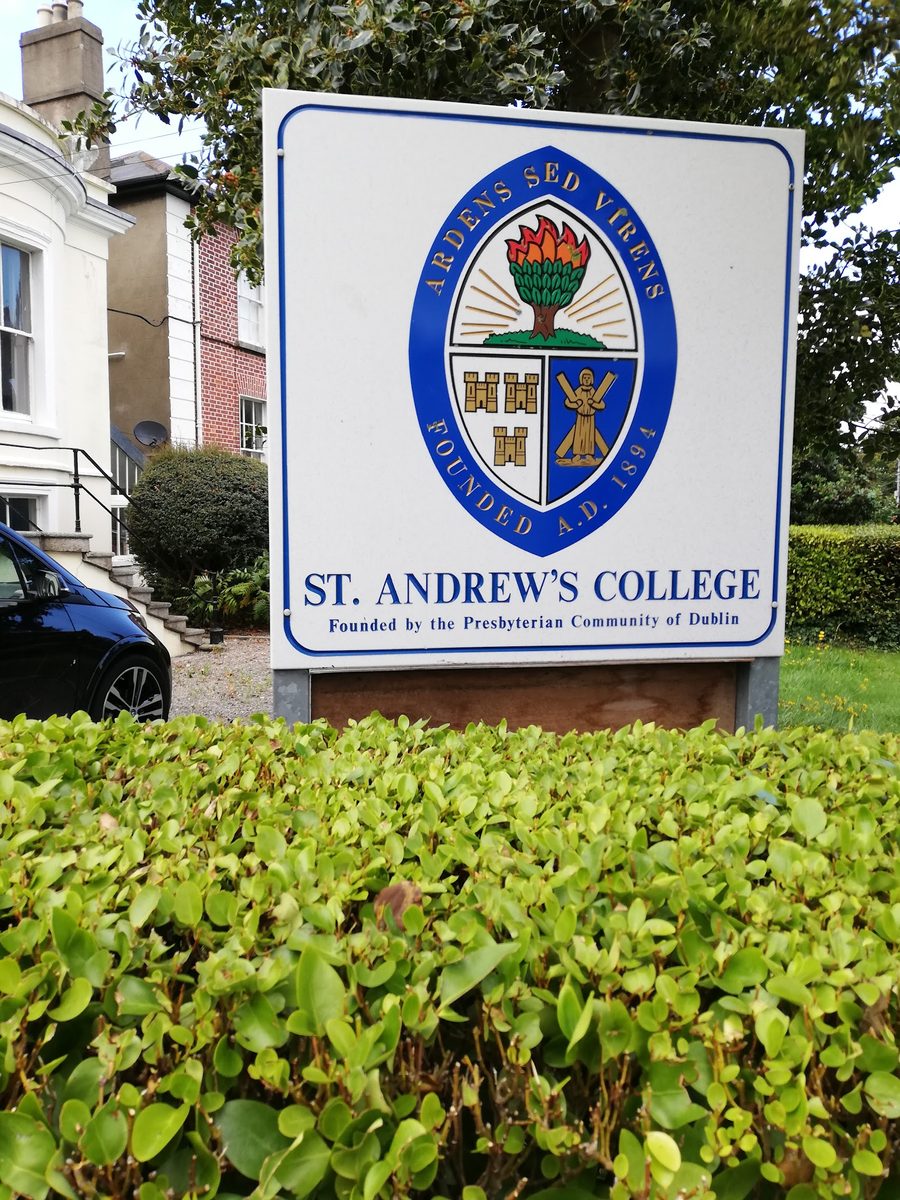
St. Andrew's College Dublin
Dublin · Ireland
First in Ireland to gain IB Diploma authorisation, this interdenominational Booterstown day school still hosts its own Model UN each Easter.
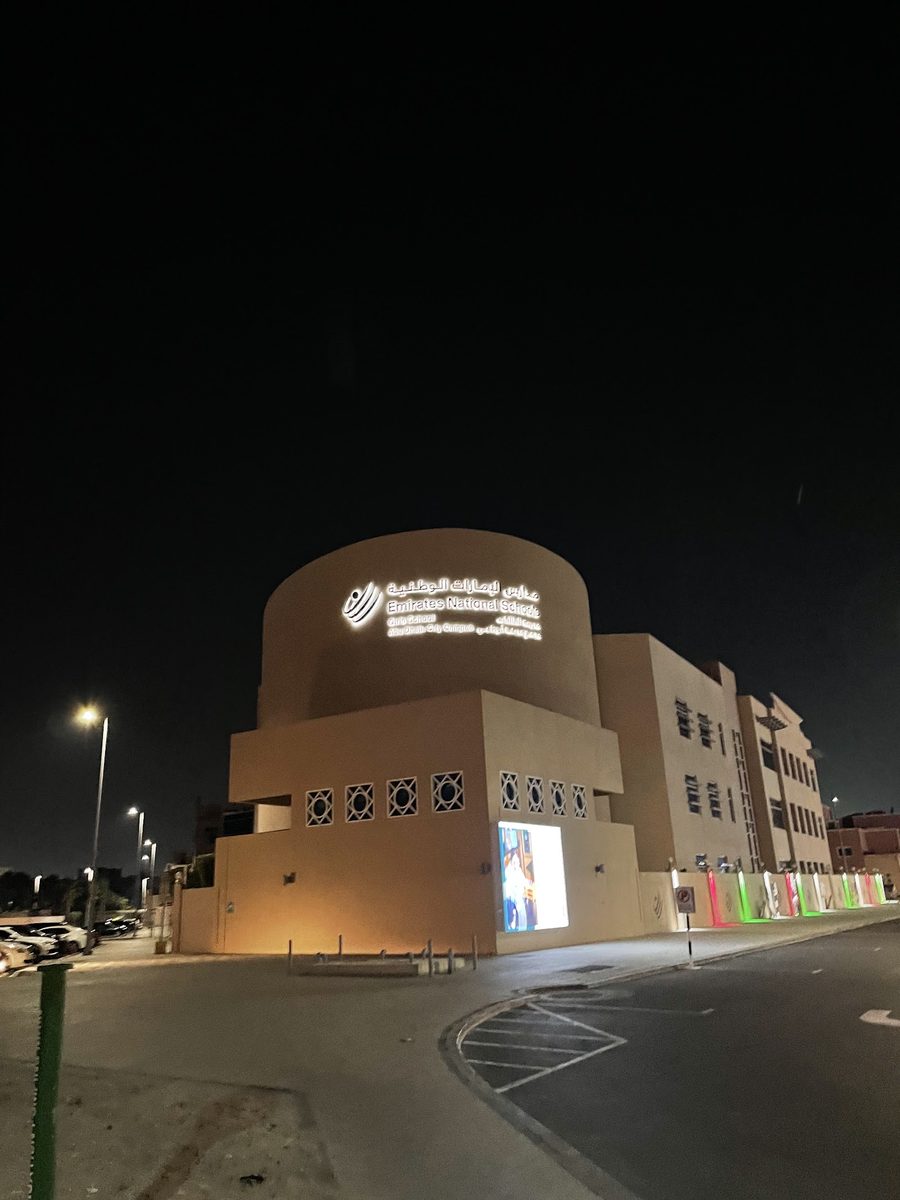
Emirates National Schools - Abu Dhabi Campus
Abu Dhabi · United Arab Emirates
American Common Core curriculum meets the IB Diploma and AP pathways, framed by mandatory Arabic and Islamic studies.
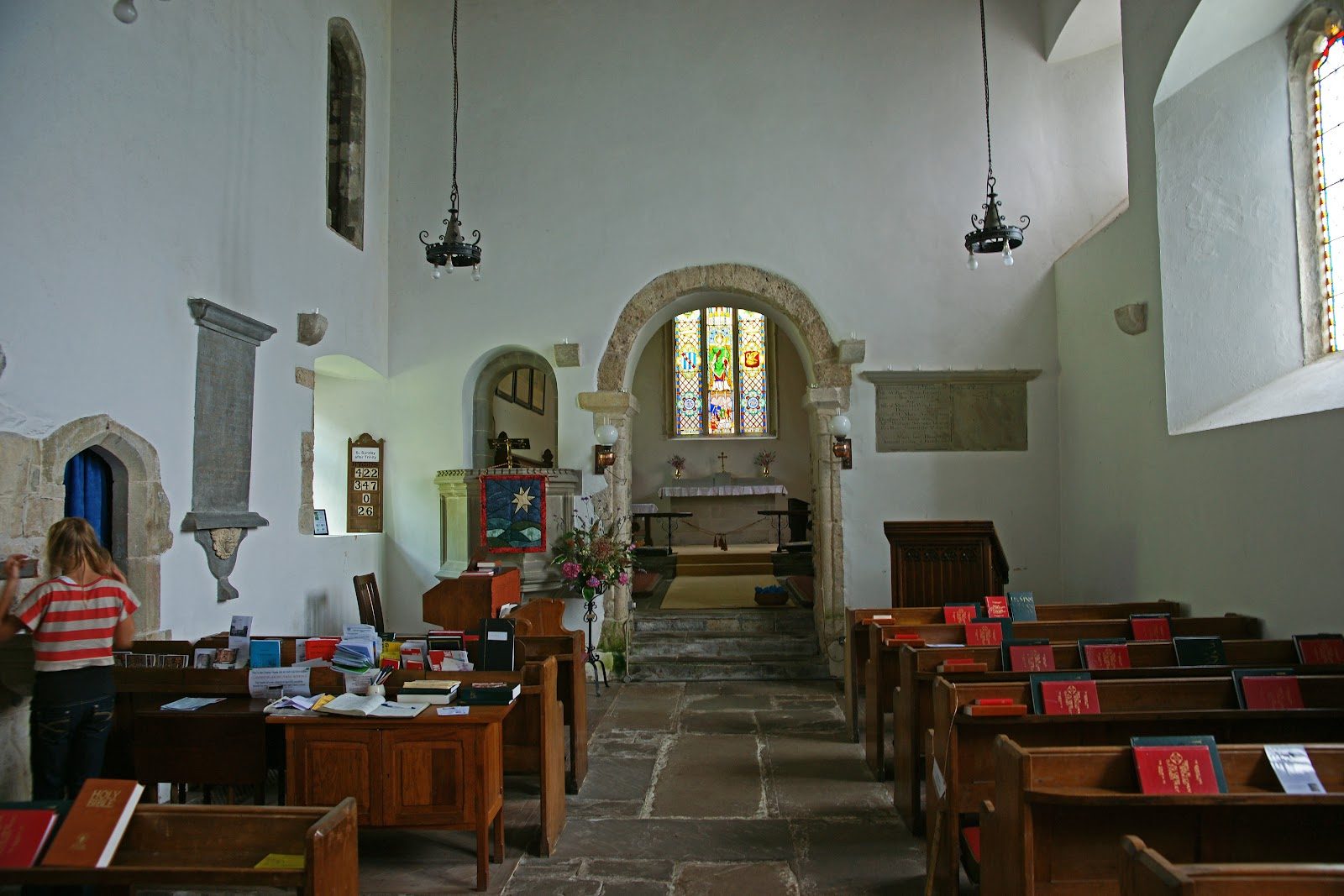
UWC Atlantic
Llantwit Major · United Kingdom
In a seafront medieval castle in Wales, the founding United World College still teaches the IB curriculum it helped invent.
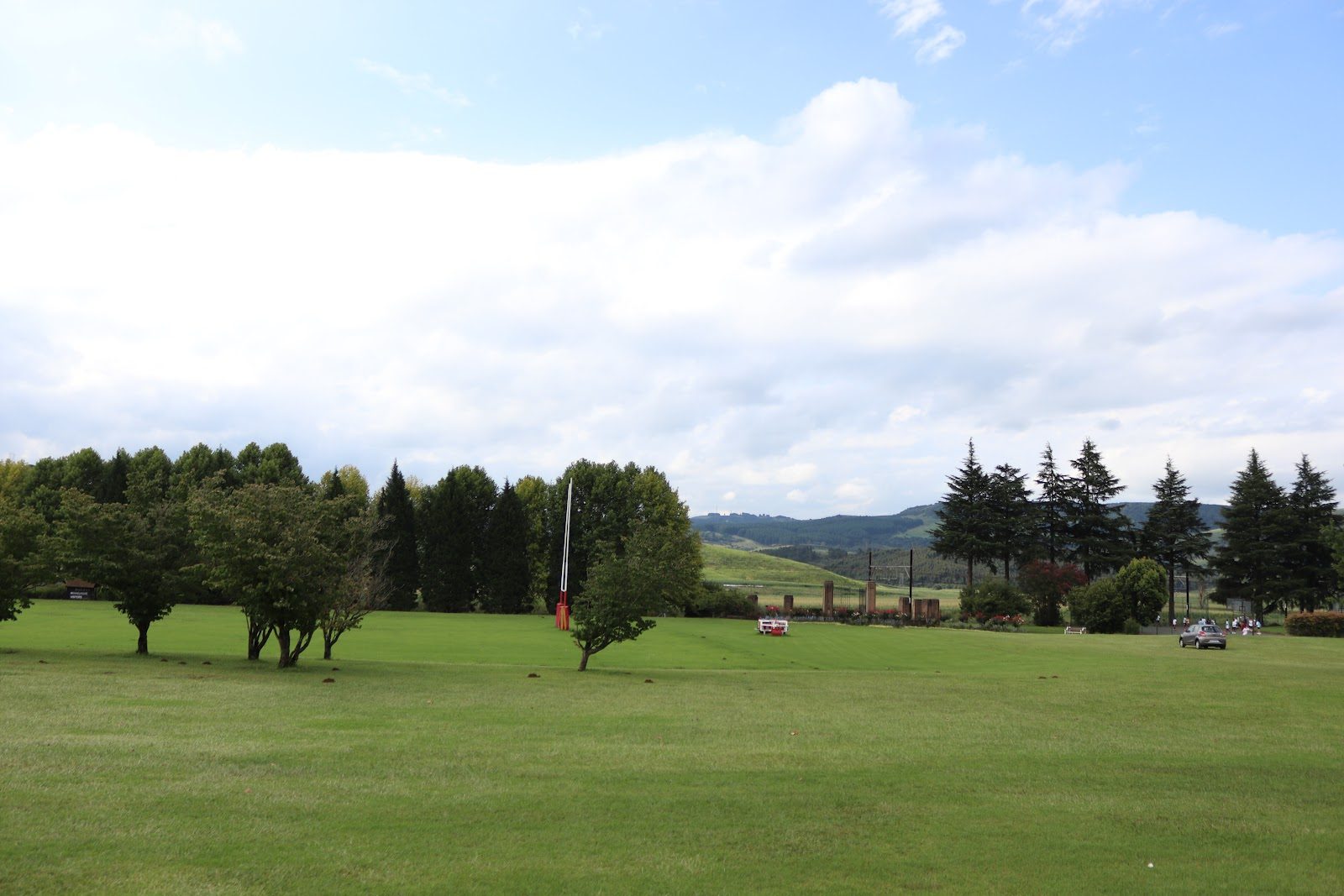
Michaelhouse
Balgowan · South Africa
In South Africa's Midlands, one of the world's few remaining all-boys, all-boarding schools borders a rare mistbelt grassland reserve.
Same country and curriculum — closest matches within ±10 points either way