
South Africa
Pro Arte Alphen Park – Visual Art & Design
New · 2026/27Type
Ages
—
Curriculum
—
Ratio
—
The Verdict
Editor's commitment
Right for
Families in South Africa who want a school explicitly centred on visual art and design, not a generic academic all-rounder.
Wrong for
Parents seeking published curriculum details, accreditations or exam outcomes; Pro Arte Alphen Park – Visual Art & Design does not disclose them here.
Watch out for
The only firm facts are the South Africa location and the visual art and design focus; almost everything else is opaque.
Ranking breakdown
Pro Arte Alphen Park – Visual Art & Design · #1477 of 1591
Composite score 49.1. 8 weighted criteria.
By criterion
Academic Outcomes
Weight 20%
No data yet
1533 of 1591 scored
University Placement
Weight 16%
No data yet
1529 of 1591 scored
Prestige & Heritage
Weight 12%
No data yet
1580 of 1591 scored
Alumni Network
Weight 12%
No data yet
1530 of 1591 scored
Facilities
Weight 12%
No data yet
1540 of 1591 scored
Transparency & Communications
Weight 8%
No data yet
1547 of 1591 scored
Peer & Industry Review
Weight 10%
#1544
of 1564 scored
Admissions Selectivity & Demand
Weight 8%
No data yet
1529 of 1591 scored
Peer & Industry Review
How Pro Arte Alphen Park – Visual Art & Design is regarded in the sector
41
Regional · medium confidence
Pro Arte Alphen Park is not a fixture in the rankings and commentary that shape South Africa's independent-school discourse. It does not appear in Good Schools Guide or WhichSchoolAdvisor coverage, which concentrate on IEB heavyweights like St John's, Roedean, or Herschel, and it is absent from the annual matric league tables published by outlets such as News24 and BusinessTech that peer schools cite competitively. As a specialist visual-art-and-design public school, it sits outside the private-school peer circuit that drives most head-to-head reputational comparison in the country. There is no verifiable record of university admissions officers publicly referencing the school by name, nor of conference presentations at bodies like ISASA or the National Alliance of Independent Schools. Its standing is best understood as a respected but locally-scoped arts-specialist institution within Gauteng's public education sector, known informally among arts educators for its studio-based curriculum, rather than as a nationally benchmarked academic peer of South Africa's top independent schools. Coverage remains limited to occasional local Pretoria-area press rather than sustained national or international editorial scrutiny.
Award
Elite Visual & Fine Arts 76
World's Top School · The Global Ranking
Pro Arte Alphen Park – Visual Art & Design is featured on our Global Top 76 ranking at #62. This seal is available for the school's marketing team to use on their website, prospectus and social channels.
Editors' overview
Pro Arte Alphen Park – Visual Art & Design occupies a narrow and valuable niche: a specialist school for students whose strongest work happens in the studio, workshop or design space, not only at a desk. That focus is its market position. In a South African market crowded with general academic schools that bolt on art as an enrichment subject, Pro Arte offers a route for teenagers who want serious visual art and design training embedded in daily school life. For the right family, that is the central attraction: a school built around creative practice rather than one that treats it as an afterthought.
What puts it on a shortlist is clarity of purpose. Students with authentic commitment to drawing, design, making and visual communication need time, specialist teaching and a peer group that values the same work. Pro Arte answers that need. The school will suit the teenager who fills sketchbooks unprompted, obsesses over composition, materials or digital image-making, and wants their school identity tied to creative output. It will also suit students who have felt boxed in by conventional schools where art departments sit at the edge of the timetable. For them, a specialist environment can be transformative, serious and artistically ambitious.
There is, however, a trade-off, and parents should face it directly. A specialist school is not the right choice for a child who wants a broad all-round school culture first and an art interest second. Pro Arte is for students prepared to commit early to a creative lane. That can be liberating for the right child and constraining for the wrong one. Families should test that fit carefully: does the student want intensive visual art and design because they are driven to do it, or because they simply enjoy art lessons more than chemistry? Those are not the same thing.
In short, Pro Arte belongs on the shortlist of families seeking a distinctive, purpose-built education for a visually creative student. Its strength lies in specialisation, identity and alignment: student, teachers and programme pulling in the same direction. The ideal applicant is not just “good at art” but hungry for disciplined creative development, comfortable standing apart from mainstream school culture, and ready to treat visual art and design as a serious part of their education from the start.
An Elite Visual & Fine Arts 76 school
Pro Arte Alphen Park sits in Pretoria East, Gauteng, South Africa, and holds rank sixty-two on the Elite Visual & Fine Arts 76. It is a government school specialising in the creative and performing arts situated in the suburb of Alphen Park in Pretoria, and the single fact that anchors its place here is concrete: its Visual Art & Design stream produced Lionel Smit, who enrolled in Pretoria's Pro Arte School of Arts and went on to graduate in 2000 as the Best Painting Student in his class, later exhibiting work that was exhibited at the National Portrait Gallery in London where it received the Viewer's Choice Award.
The specialism itself is honestly modest rather than internationally elite: the school offers six specialised focus areas, namely Dance, Visual Art & Design, Music, Drama, Hospitality Studies and Enterprise Management, with enrolling subject to an audition in a specific focus area. The Art department has three well-equipped classrooms and specialises in visual art and design, and while the CAPS curriculum requires 3.5 hours per week for the FET Phase, learners here receive 6 hours per week including daily instruction of at least an hour per focus area. Named career pathways include Visual Art and Design leading toward fine arts, architecture, jewellery design, interior design, theatre studies, fashion, photography. There is no verified record of direct matriculation into Royal College of Art, Slade, Central Saint Martins or comparable foundation programmes, and no named head of art department could be confirmed.
Lionel Smit remains the school's clearest visual-arts credential: now a painter and sculptor based in Cape Town, South Africa, but also represented internationally in London, he is represented by Everard Read, South Africa and Rook and Raven, London, UK, with exhibitions and art fairs in Amsterdam, Germany, India, Miami, Monaco, London and Hong Kong. Beyond Smit, other named alumni work chiefly in performing arts and hospitality rather than fine art.
International openness is limited and should be approached with realistic expectations. Pro Arte Villa Nova offers boarding for up to 84 girls and 34 boys, serving learners from all over the country as well as anywhere else, in an English medium school. Annual costs are reported inconsistently, from roughly R32,000 to R75,000 depending on boarding status. No dedicated overseas-admissions office, ESL programme or student-visa service was verifiable, since this is a South African public school built primarily for domestic learners. Families abroad should contact the school directly well ahead of the May audition round and independently confirm study-visa requirements through South African immigration channels before committing.
Academic Performance
Public exam performance is the critical unknown here. Pro Arte’s specialist brief gives it a clear identity, but identity is not the same thing as transparent academic reporting. The school does not publish headline external examination data in the public domain: no overall pass rates, no subject distributions, no bachelor-level entry figures, no distinction counts, and no multi-year trendline that lets parents place outcomes against South African specialist or mainstream peers. That absence matters. For a school asking families to back a narrower educational path, hard results should be easy to find. Here, they are opaque.
That does not mean weak performance; it means unverified performance. In a school built around visual art and design, the relevant benchmark is not only whether students pass, but whether they secure strong results in the subjects that drive portfolio quality, tertiary admission and creative progression. Without published data, parents cannot test that properly. Relative to peers, Pro Arte sits in a hard-to-rank category: more specialised than conventional schools, yet less transparent on outcomes than the strongest academically driven independents, which publish headline numbers and let scrutiny do its work. Families considering this route should ask for the last 3 years of external results, subject-by-subject performance in art and design disciplines, and destination data. Without that, assessment stays incomplete.
Facilities
The facilities that matter here are the specialist ones: studios, design rooms, making spaces and display areas that let students work as artists rather than as pupils squeezing practical work around a conventional timetable. That gives Pro Arte an edge over mainstream South African schools where art departments occupy a few rooms at the edge of campus life. For a serious young illustrator, designer or maker, dedicated spaces for drawing, experimentation, critique and production are not decorative extras; they are the educational core. If those rooms are well-run, accessible across the school week and stocked for sustained coursework, the advantage is substantial. If they are thinly resourced, the school’s whole proposition weakens. That is the standard on which families should judge this campus.
The problem is that the school does not publish a clear, detailed public account of its specialist provision: no serious inventory of workshops, no technical specification of digital tools, no statement of how studio access works by year group, and no hard sense of exhibition or portfolio infrastructure. Against direct specialist peers, that leaves Pro Arte at a disadvantage. The strongest arts schools show parents exactly where students make work, what equipment they use, and how spaces support progression from foundation skills to portfolio-ready output. Here, the broad identity is compelling; the public detail on facilities is thin. Parents need to ask blunt questions on ceramics, printmaking, photography, digital design, fabrication and gallery space before treating the school’s specialist claim as fully proven.
In short, Pro Arte belongs on the shortlist of families seeking a distinctive, purpose-built education for a visually creative student
Prestige
Prestige here is specialist prestige, not broad social cachet. Pro Arte carries weight with families and students who value serious visual practice, portfolio development and a school culture organised around making. That gives it a distinctive identity in a crowded market. The prestige is real, but narrow: this is not the kind of school whose name alone signals all-round academic dominance or old-establishment status across South African education. Its standing rests on fit and focus. For a visually committed student, that can matter more than inherited brand power. For families chasing conventional pecking-order prestige, it will feel too niche.
That is why the rating sits in the middle rather than at the top. A specialist arts school earns esteem through visible outcomes: strong senior work, credible tertiary destinations, notable alumni in creative fields, competitive exhibition results, and public academic data that proves students are not sacrificing core attainment for specialism. Pro Arte has the advantage of a clear artistic mandate. It lacks the published evidence that would lift reputation from respected niche player to undeniable leader. Prestige in education is not built on mission alone; it is built on results, selectivity, and external validation. Here, the mission is clear. The public proof is thin.
That is why the rating sits in the middle rather than at the top
Communications
Parent communication does not match the school’s specialist ambition. For a school asking families to commit to a narrow educational choice, the public-facing picture is too thin and too short on the operational detail parents need. The essentials matter here: who to contact, how quickly the school responds, how calendar changes are handled, how exhibitions and assessment points are announced, and how clearly expectations around materials, deadlines and portfolio work are explained. We have not seen a strong public system laid out in that level of detail. That weakens confidence. In a specialist setting, communication needs to do more than circulate notices; it needs to explain process, workload and progression with real precision.
The reason is simple. Families at an arts-focused school are not buying a standard school experience with an added elective. They need clear information about studio routines, assessment milestones, showcases, practical requirements and the bridge from school work to later study. If communication is crisp, parents can support the work at home and students stay organised. If it is vague, the burden shifts onto the child, and that is a poor way to run an intensive creative programme. Pro Arte’s identity is strong. Its communication, at least in public view, lacks the same discipline and transparency. Before enrolling, parents should test this directly: send 2 or 3 practical questions and judge the reply for speed, clarity and substance.
Uniqueness
What sets Pro Arte apart is not “creativity” in the generic school-brochure sense, but institutional permission to take visual work seriously while still at school. For the right student, that changes the daily hierarchy of value. Drawing, design process, observation, composition and making do not sit at the margins as reward subjects after the “real” timetable; they carry status. That matters more than many parents realise. Teenagers who are wired for visual thinking need repetition, critique, failure, revision and sustained practical time. In a mainstream setting, they spend too much of that energy defending their interest. Here, the school’s core wager is that artistic discipline deserves structure, not indulgence. That creates a rare kind of legitimacy for students whose best thinking happens through images, materials and form.
The gain for students is identity as much as instruction. A young artist or designer develops faster in a peer group where serious studio work is normal, not eccentric. That can be deeply affirming for students who have felt miscast elsewhere, and it can sharpen ambition early: stronger portfolios, clearer self-knowledge, and a more concrete route into creative study after school. The risk sits alongside the benefit. This is a narrow-track environment. Students who want a broad school experience with art on the side will find the model too confining. Students who want to build a life around visual practice will find something genuinely hard to replace in the South African market.
Students who want to build a life around visual practice will find something genuinely hard to replace in the South African market
Student Profile
The right student for Pro Arte is visually driven, self-motivated and comfortable giving serious time to practical work. This is not the place for a child who “likes art” in the casual sense, enjoys the occasional creative project, or wants school to revolve around sport, social status or a broad all-round menu. It suits the teenager who draws without being told, notices typography, composition and objects in the built world, and gets real satisfaction from revision, not just first ideas. A good fit also needs stamina. Creative education at this level demands persistence, tolerance for critique and the ability to work through imperfect drafts until the work improves. That makes the environment demanding, studio-minded and, for the right student, deeply validating.
Socially, the best fit is a young person who does not need mainstream school culture to feel secure. Specialist schools attract students with a stronger sense of identity and a clearer internal compass; that can be liberating for teenagers who have felt out of place elsewhere. It can also expose weak motivation fast. Students who need constant external pushing, or who want art as an accessory to a conventional school life, will struggle with the school’s narrower lane. Families should also ask hard questions about admissions expectations and portfolio readiness. In a school built around visual practice, the difference between genuine commitment and passing interest becomes clear within 1 term.
For the right family, that is the central attraction: a school built around creative practice rather than one that treats it as an afterthought
Co-curricular strengths
Arts & sport, on a separate axis
Overall 8.42/10
Scored 0-10 from the school's own published evidence. This axis is editorial-only — it does not feed the main WTS ranking.
Sports
5/10
Drama
9.2/10
Dance
9.3/10
Music
9.2/10
Visual Arts
9.4/10
Parent reviews
Have you sent your child here?
Voice reviews carry the strongest trust badge — we transcribe them for you to tidy up before they go live. Prefer to type? A written review is fine too.
Add your voice
In 60 seconds, tell other parents: what's the best thing about Pro Arte Alphen Park – Visual Art & Design, and what surprised you when your child joined?
We ask for a Google sign-in so every review has a real face behind it — no anonymous drive-by attacks on schools, and no faked positive reviews. Your email is never shown publicly.
Send this profile to a friend
International parents rely on word-of-mouth. Share this review with someone weighing the same decision.
Schools with places
Similar schools to Pro Arte Alphen Park – Visual Art & Design with places available now.
Availability first, then country, area, curriculum, price, co-curricular
Consider also
Also worth looking at alongside Pro Arte Alphen Park – Visual Art & Design.
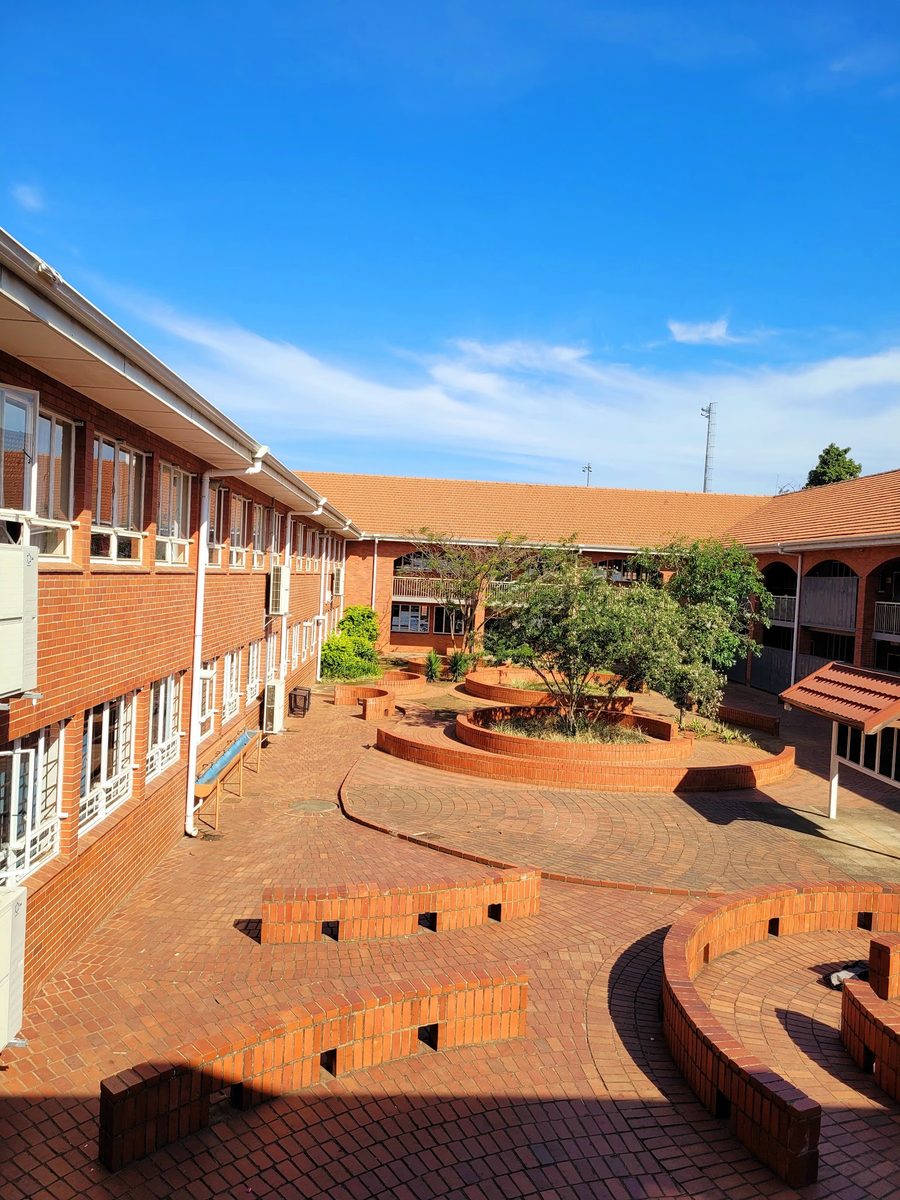
Maritzburg College
Pietermaritzburg · South Africa
Since 1863, KwaZulu-Natal's oldest boys' school has turned Victorian-era tradition into a rugby pedigree few provincial rivals can match.
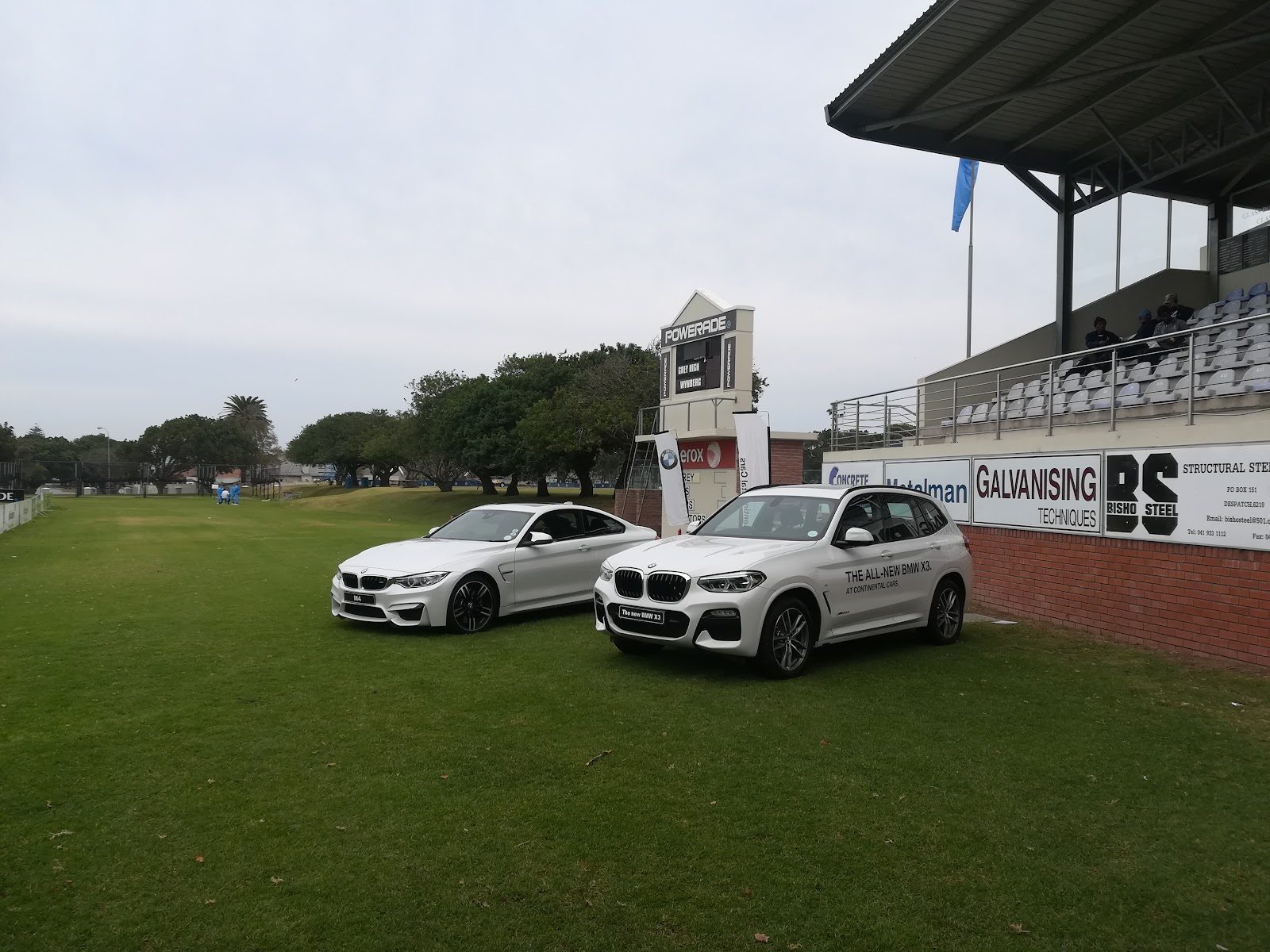
Grey High School Gqeberha
Gqeberha (Port Elizabeth) · South Africa
Founded in 1856 on the Eastern Cape coast, a storied rugby stronghold still built on mind, body and spirit.
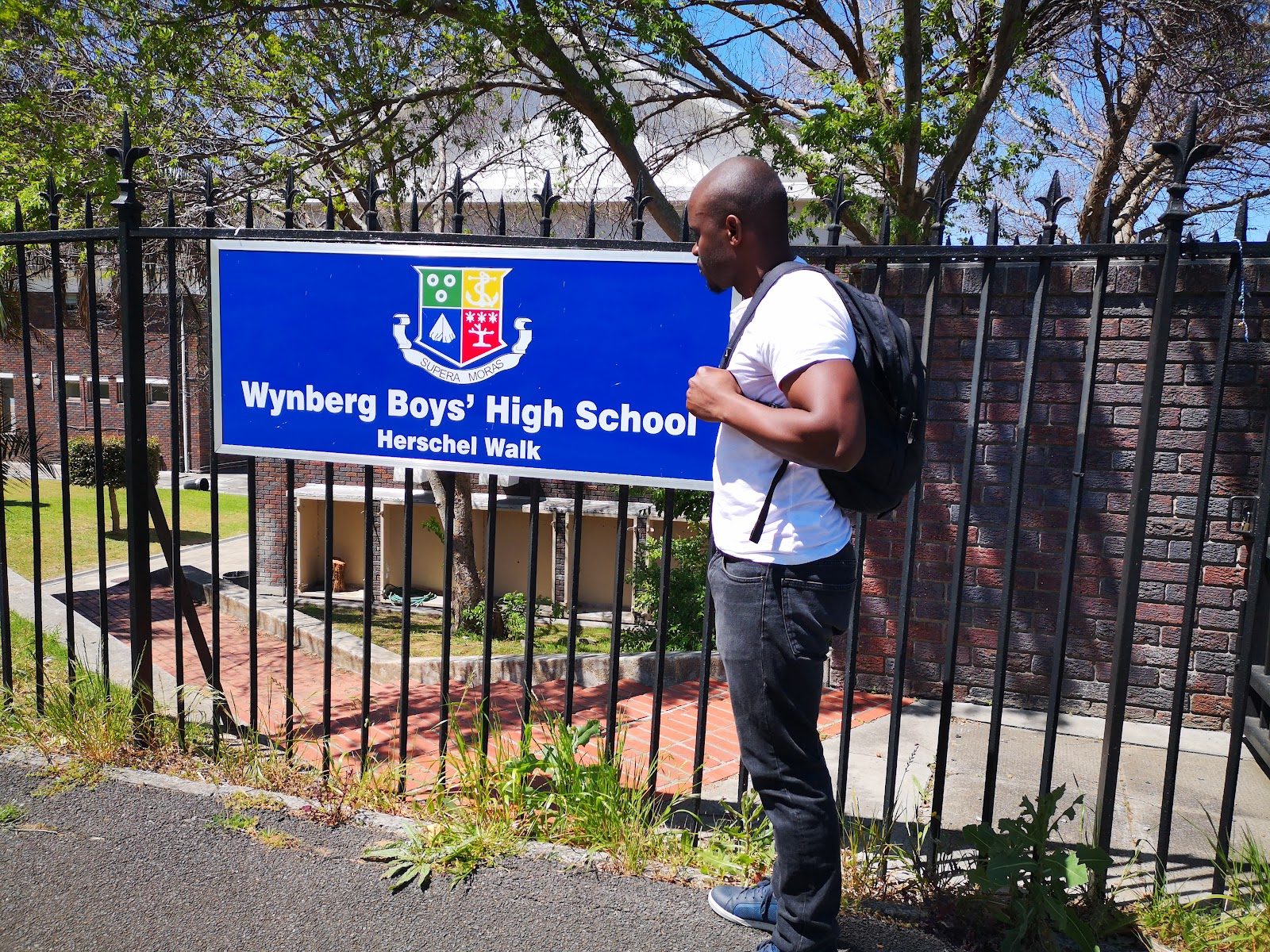
Wynberg Boys' High School
Wynberg, Cape Town · South Africa
Since 1841 in Cape Town's southern suburbs, a school where rugby festivals and nationally ranked hockey and cricket sides anchor campus life.
South African College Schools (SACS)
Newlands, Cape Town · South Africa
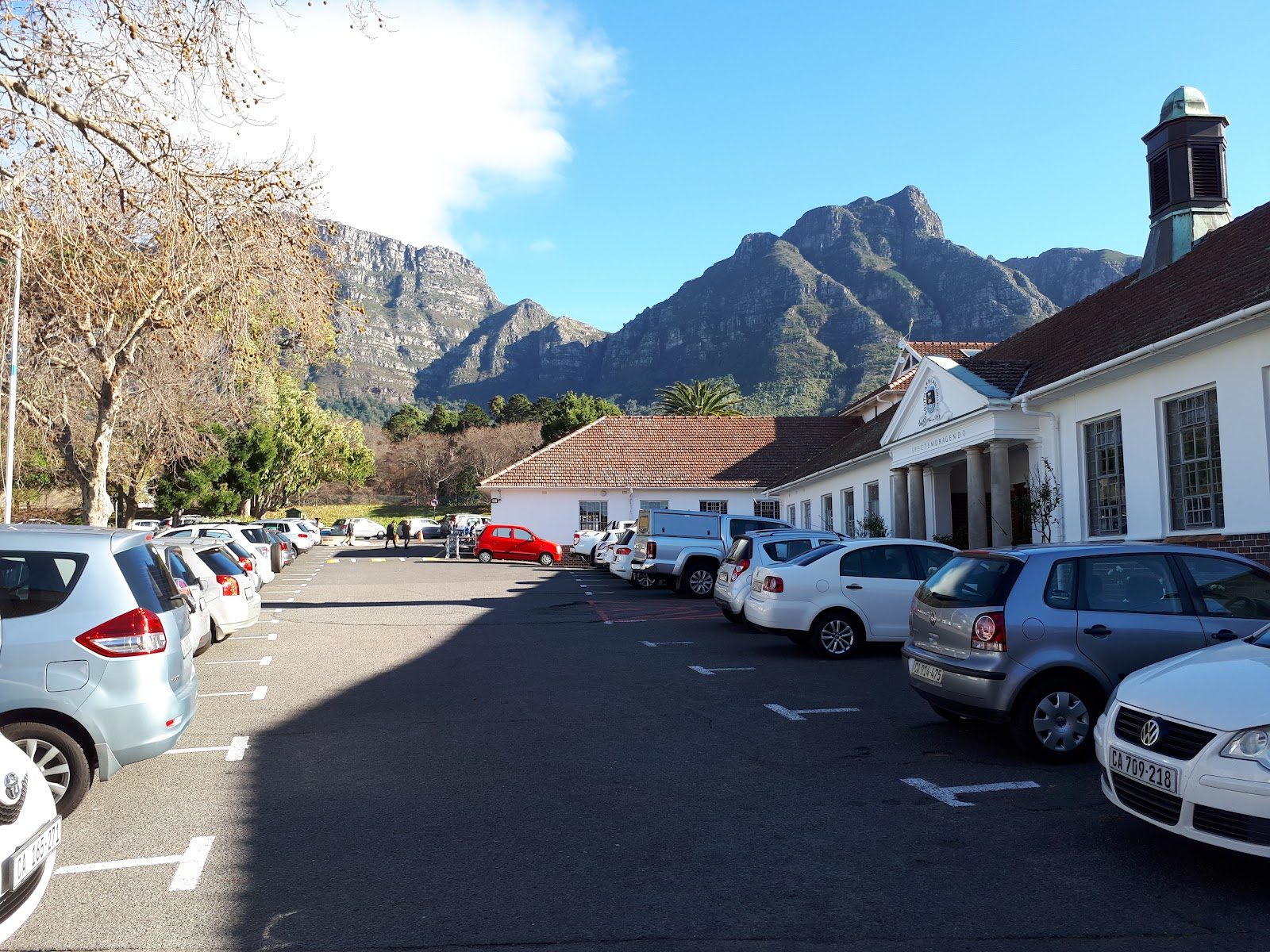
Founded in 1829 beneath Devil's Peak, the Cape Town institution whose academic wing became the University of Cape Town.
Same country and curriculum — closest matches within ±10 points either way