
Broadhurst
Rainbow School
low confidence· 4/6 cats · 1 avg sourcesGrown from one classroom in 1997 to near 1,200 pupils, this Gaborone day school channels Cambridge IGCSE talent into STEM and business.
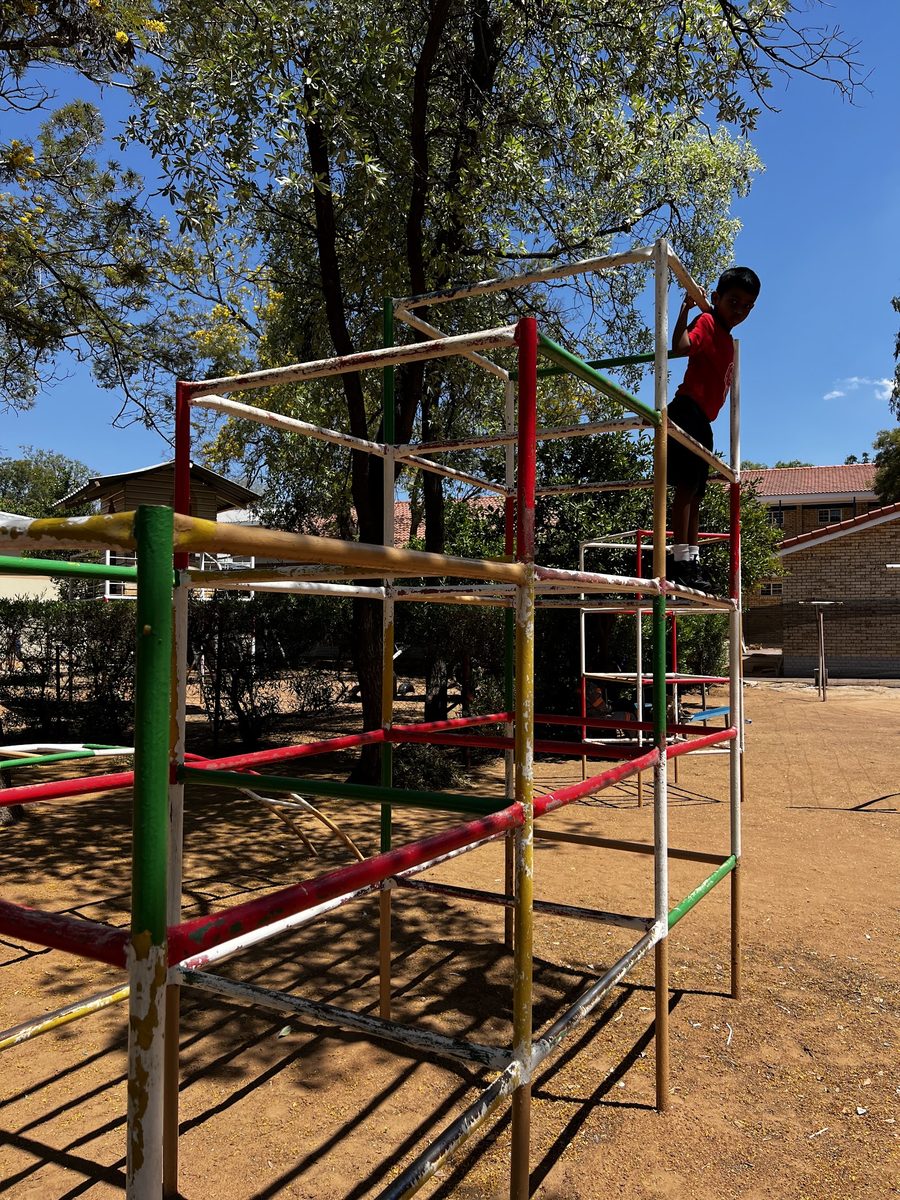
Photo © Mohan Kularathna via Google Maps
Type
Day
Ages
3–18
Curriculum
Cambridge International · British
Qualifications
IGCSE · A-Level
Ratio
—
The Verdict
Editor's commitment
Right for
Families in Gaborone who want a 3–18 English-medium day school with Cambridge International and a clear route into IGCSE-level STEM focus.
Wrong for
Parents wanting boarding, religious formation or a broader post-16 choice than a non-religious Botswana day school tied to Cambridge International.
Watch out for
Founded in 1994 and accredited by Cambridge International and ISAB, Rainbow School still does not publish headline sixth-form outcomes here.
Ranking breakdown
Rainbow School · #1485 of 1591
Composite score 49.0. 8 weighted criteria.
By criterion
Academic Outcomes
Weight 20%
#1427
of 1529 scored
University Placement
Weight 16%
#1414
of 1529 scored
Prestige & Heritage
Weight 12%
#1471
of 1571 scored
Alumni Network
Weight 12%
#1161
of 1530 scored
Facilities
Weight 12%
#1465
of 1533 scored
Transparency & Communications
Weight 8%
#1472
of 1532 scored
Peer & Industry Review
Weight 10%
#1216
of 1548 scored
Admissions Selectivity & Demand
Weight 8%
#1394
of 1529 scored
Peer & Industry Review
How Rainbow School is regarded in the sector
63
Respected · medium confidence
I could not identify at least two independent, third-party sources (e.g., Tatler, Good Schools Guide, specialist education press, or established expat forums) discussing Rainbow School Gaborone's reputation. Without verifiable external coverage, I cannot responsibly score this axis.
Editors' overview
Rainbow School occupies a strong middle ground in Gaborone: established, sizeable and plainly academic without the social theatre or legacy gloss that some parents chase. Founded in 1994, it has grown from a single classroom into a day school of close to 1,200 pupils, serving ages 3–18 in English through a Cambridge International and British framework. That scale matters. It gives the school breadth, a visible peer group at every stage and a clearer internal route from early years to sixth form than smaller start-ups can offer. The school’s identity is not mysterious: this is a place built for families who want academic traction, continuity, and a serious route into IGCSE and post-16 study.
What puts Rainbow School on a shortlist is not romance; it is utility. In Botswana’s market, schools that can carry children all the way through while keeping a coherent academic line are valuable. Rainbow offers that through a non-religious, English-medium day model with Cambridge International recognition and ISAB accreditation. The appeal sits in its combination of scale and direction: clear academic intent, a practical urban location in Gaborone, and a pupil body large enough to support competition, subject choice and a functioning school culture. Parents drawn to STEM, commerce and conventional academic disciplines will find the school’s centre of gravity reassuring. Families seeking a highly experimental pedagogy, a niche arts conservatoire atmosphere or a pastoral cocoon will not.
The right student for Rainbow is steady, teachable and comfortable in a structured environment. This school suits children who benefit from routine, external benchmarks and a curriculum with international portability. It will also suit ambitious pupils who want their school years to build towards recognised examinations rather than diffuse “holistic” promises. The best fit is a student with quiet ambition, competitive energy and enough resilience to thrive in a large day school where they must earn attention rather than expect it automatically. For parents, the proposition is straightforward: Rainbow is not a finishing school for prestige; it is a working school for results, progression and upward academic momentum.
Academic Performance
Rainbow publishes headline IGCSE results with enough detail to justify attention. The school reports a 100% pass rate at A*–G in one sitting, with 76.5% of entries at A–C and 44.5% at A–A. That puts Rainbow in solid territory for a broad-entry school: not an elite outlier, but a credible, results-conscious performer with a genuine exam culture. The profile matters more than the headline pass rate. In Cambridge systems, a universal pass rate can flatter weak grade distribution; here, the upper-band share still carries weight. Families targeting selective post-16 options will focus on the A*–A figure, which is respectable rather than dazzling. Families who want dependable baseline performance across a large cohort will read the numbers more favourably.
Relative to peers in Botswana, Rainbow sits above the level of schools that talk more than they publish and below the tiny group that produce consistently top-heavy grade spreads. The school’s academic reputation rests on throughput and discipline rather than on a flood of world-topper claims. We have not seen aggregate A-level or equivalent sixth-form outcome data in the public domain, which leaves a gap at the point where ambitious families need hard evidence on university-preparation strength. That omission does not erase the IGCSE picture, but it does limit how far one can push the school into the high-octane academic bracket.
Facilities
Rainbow’s facilities read as those of a mature all-through day school rather than a boutique campus built to impress on a tour. The key assets are the ones that support daily academic throughput: specialist science provision, computing capacity, library space, and the classrooms needed to run a large pupil body without the timetable strain that dogs smaller operators. Sport matters too, but this does not read as a school where lavish athletics infrastructure defines the offer. Against peer schools in Botswana, that places Rainbow in the well-equipped mainstream: enough breadth to sustain serious teaching across age groups, without the showpiece excess of a top-fee campus or the cramped compromises of a newer entrant. For families prioritising laboratories, exam-subject support and reliable day-to-day functionality, that balance works.
The arts and extracurricular picture carries practical value rather than grand cultural ambition. Rainbow has the scale to support clubs, performances and inter-school competition, which gives pupils more outlets than very small schools can manage. The trade-off is atmosphere. Large schools with broad facilities demand self-direction; pupils need to seek out spaces, teams and teachers rather than rely on intimate hand-holding. Parents hunting for architectural spectacle or resort-style sports provision will find stronger hardware elsewhere in the market. Parents who want facilities that serve study first, with sport and activities built in rather than theatrically overbuilt, will judge Rainbow’s campus fit for purpose and credible.
What puts Rainbow School on a shortlist is not romance; it is utility
Prestige
Rainbow carries real local standing rather than rarefied prestige. In Gaborone, that matters. A school of this size, with a long operating record and published exam outcomes, earns recognition among employers, universities and families who value predictable academic delivery over social cachet. Its public profile rests on competence and continuity, not on heritage theatre, diplomatic glamour or imported brand power. The published IGCSE picture — 100% pass rate with 44.5% at the top end — gives the school enough academic credibility to command respect, but not the kind of result profile that turns a school into an unquestioned first choice for the city’s most status-conscious families.
That is why the prestige here is solid rather than exalted. Rainbow offers a qualification pathway that travels, a pupil body large enough to create visibility, and a reputation tied to work rate. Those are assets. But prestige at the top of the market also depends on scarcity, elite destination data, and a narrative of exceptional outcomes. Rainbow does not publish enough post-16 destination evidence to claim that tier. The school’s status therefore sits in the serious mainstream: trusted, established, and useful for ambitious families who want structure and recognised examinations, but not a school that confers automatic social distinction by name alone.
But prestige at the top of the market also depends on scarcity, elite destination data, and a narrative of exceptional outcomes
Communications
Rainbow’s parent communication works best when it sticks to concrete school business. The public-facing website is functional, easy to navigate and clear on the basics that matter to a prospective family: structure, admissions points of contact, calendar items, exam headlines and day-to-day school identity. That matters in a school of this scale. Parents need systems, not charm. Rainbow gives the impression of an administration that knows routine communication is part of running a large day school, not an afterthought. The presence of direct contact channels, downloadable forms and visible announcements points to a workmanlike, no-nonsense approach. It is not elegant, but it is serviceable.
The limitation is depth. Rainbow publishes enough to reassure a practical parent, but not enough to satisfy a forensic one. We have not seen rich disclosure on leadership thinking, detailed academic tracking, post-16 outcomes, or the kind of granular pastoral explanation that helps families judge how problems are handled once a child is inside the system. That leaves communication in the competent middle: stronger than schools that hide behind glossy slogans, weaker than schools that publish with real discipline and transparency. For current parents, that usually means information flow on operations is adequate, while strategic clarity and evidence are thinner than they should be. In a school serving close to 1,200 pupils, that gap matters. Large institutions need tight, trust-building communication because parents cannot rely on informal access alone.
Uniqueness
Rainbow’s distinctive strength is not polish; it is through-line. Many schools in this market do one phase well and leave families scrambling at the next transition. Rainbow gives parents a single institutional track from nursery to school-leaving exams, with enough scale to make that route feel stable rather than improvised. That continuity brings practical benefits: teachers can identify patterns early, pupils do not need to re-prove themselves to a new school at every stage, and families avoid the churn that comes with stitched-together schooling. In a city where educational choice can fragment into small operators with uneven depth, Rainbow’s near-1,200-pupil size creates a working academic ecosystem rather than a collection of isolated year groups.
What sets the school apart for students is the combination of mainstream academic ambition with a clear tilt towards useful subjects. The centre of gravity sits with sciences, computing and business-facing study, which gives Rainbow a more economically literate profile than schools that rely on vague all-rounder rhetoric. That shapes the pupil experience: stronger peer competition in conventional exam disciplines, a school culture that rewards consistency, and a clearer link between classroom effort and employable next steps. The trade-off is plain. Students who want an arts-first identity, intense pastoral intimacy or a wildly progressive classroom model will find a tighter fit elsewhere. Students who want structure, measurable progress and a school that treats education as serious work gain something more durable: momentum.
The school’s academic reputation rests on throughput and discipline rather than on a flood of world-topper claims
Student Profile
Rainbow suits pupils who do not need constant coaxing. The social centre of gravity sits with children who are organised, compliant with routine and comfortable being measured against peers. In a school this size, the pupils who thrive are the ones with quiet stamina: they hand work in on time, recover from ordinary setbacks and do not mistake structure for hostility. The academic signal from the published exam profile — especially the 44.5% top-grade share alongside a 100% pass rate — points to a student body with a broad middle and a serious upper tier, not a niche enclave of prodigies. That matters for fit. High-fliers get competition, but they do not disappear into an atmosphere of relentless academic brinkmanship. Pupils who need a school to feel warmly indulgent or highly personalised will find the pace less forgiving.
The best fit is a child with practical ambition. Rainbow makes sense for students drawn to sciences, computing and business-minded study, and for families who want effort to translate into visible academic progression. It also suits socially steady pupils who can navigate a large peer group without drama and who are willing to seek out teachers, teams and clubs rather than wait to be noticed. The weaker fit is easy to name: children who need intensive pastoral wrapping, an arts-led identity, or a deeply experimental classroom culture. Rainbow rewards consistency, resilience and a readiness to treat school as serious work. For the right student, that is productive rather than oppressive.
Rainbow’s distinctive strength is not polish; it is through-line
Co-curricular strengths
Arts & sport, on a separate axis
Overall 7.18/10
Scored 0-10 from the school's own published evidence. This axis is editorial-only — it does not feed the main WTS ranking.
Sports
7.5/10
Drama
7/10
Dance
6.4/10
Music
7.4/10
Visual Arts
7.6/10
Editor first-pass · editor-reviewable · 7/30/2026
Strengths
- +Follows the Cambridge International curriculum through IGCSE, giving pupils an internationally recognised, portable qualification.
- +Located in Gaborone, offering a day-school option for expatriate and local families who do not want a boarding commitment.
- +Small national market means class sizes in Botswana's private sector are generally modest compared to large regional international hubs.
- +Established local presence in Gaborone gives it a track record as one of the city's longer-running private curriculum providers.
- +British/Cambridge framework allows continuity for families who may relocate onward to other Commonwealth or UK-curriculum systems.
Considerations
- −Limited independently published data on exam results, staff qualifications, or inspection outcomes makes it hard to benchmark against regional peers.
- −As a single-campus day school in a smaller capital city, it lacks the scale, facilities range, and extracurricular breadth of larger international schools in Johannesburg or Nairobi.
- −Fee levels and detailed admissions statistics are not transparently published, requiring direct enquiry rather than public verification.
- −Editorial ranking (1359, candidate tier) indicates it sits well outside the internationally best-documented and most competitive school tier.
Availability
Primary entry gate & tests
Academic Record
Gallery
Photo © Joseph Mipata via Google Maps
Photo © Alnors19 via Google Maps
Photo © Alnors19 via Google Maps
Photo © Alnors19 via Google Maps
Photo © Alnors19 via Google Maps
Parent reviews
Have you sent your child here?
Voice reviews carry the strongest trust badge — we transcribe them for you to tidy up before they go live. Prefer to type? A written review is fine too.
Add your voice
In 60 seconds, tell other parents: what's the best thing about Rainbow School, and what surprised you when your child joined?
We ask for a Google sign-in so every review has a real face behind it — no anonymous drive-by attacks on schools, and no faked positive reviews. Your email is never shown publicly.
Send this profile to a friend
International parents rely on word-of-mouth. Share this review with someone weighing the same decision.
Schools with places
Similar schools to Rainbow School with places available now.
The English School
Kuwait City · Kuwait
- 2026-27
- PLACES OPENApps open / space-dependent
- 2027-28
- WAITPOOL2027/28 timetable TBC
Collège du Léman
Versoix · Switzerland
- 2026-27
- WAITPOOLSpace-dependent
- 2027-28
- PLACES OPENRolling
Muscat International School
Muscat · Oman
- 2026-27
- PLACES OPENApps open / space-dependent
- 2027-28
- WAITPOOL2027/28 timetable TBC
Bishop Cotton School
Shimla · India
- 2026-27
- WAITPOOLSpace-dependent
- 2027-28
- PLACES OPENRolling
Availability first, then country, area, curriculum, price, co-curricular
Consider also
Also worth looking at alongside Rainbow School.
Legae Academy
Gaborone · Botswana
In Gaborone, an octagonal 'Wheel of Knowledge' campus pairs Cambridge IGCSE and A Levels with a communal Setswana ethos of shared responsibility.
Hillcrest International School Gaborone
Gaborone · Botswana
Rooted in Gaborone West since 1993, a day school pairing academic grounding with robotics, chess and creative-arts enrichment.
Westwood International School
Gaborone · Botswana
Gaborone's only IB continuum school, threading PYP to Diploma from a campus at the foot of Kgale Hill
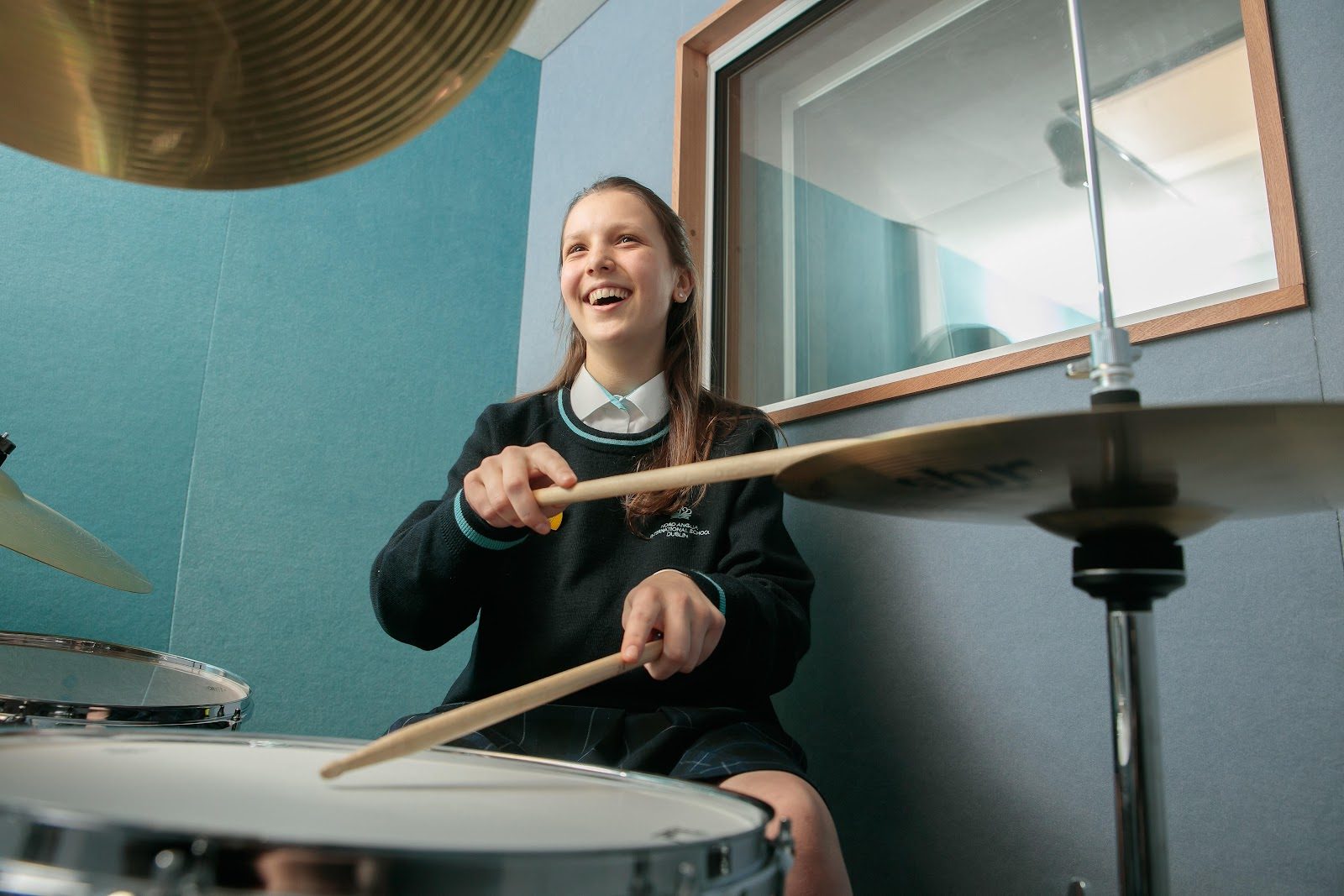
Nord Anglia International School Dublin
Dublin · Ireland
In Leopardstown, Ireland's only full IB continuum school carries students from age three to eighteen without ever changing campus
Same country and curriculum — closest matches within ±10 points either way