
Village
Hillcrest International School Gaborone
low confidence· 4/6 cats · 1 avg sourcesRooted in Gaborone West since 1993, a day school pairing academic grounding with robotics, chess and creative-arts enrichment.
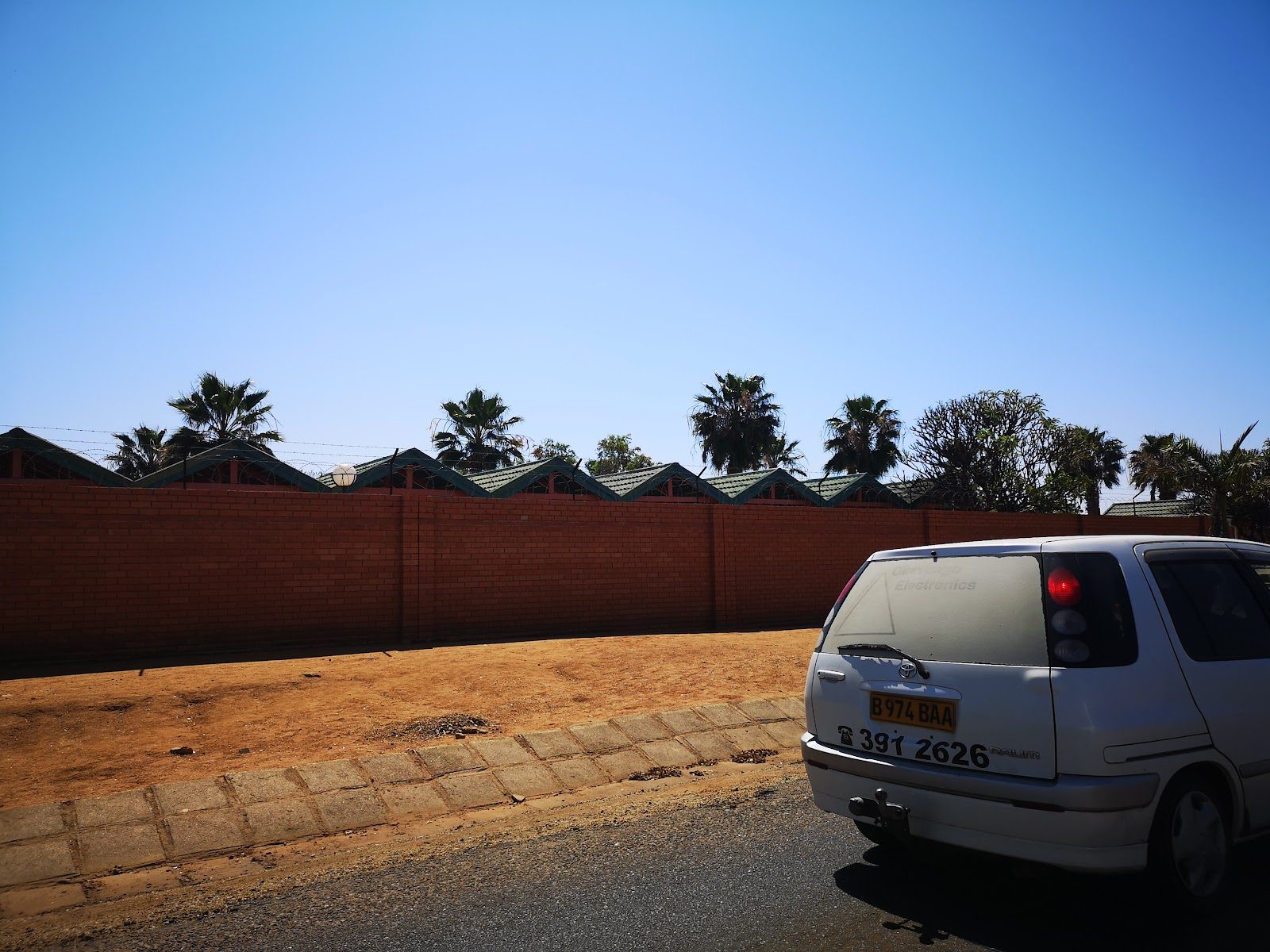
Photo © Alnors19 via Google Maps
Type
Day
Ages
3–18
Curriculum
Cambridge International · British
Qualifications
IGCSE · A-Level
Ratio
—
The Verdict
Editor's commitment
Right for
Gaborone families wanting an English-medium day school, ages 3–18, with Cambridge International academics and BSO accreditation.
Wrong for
Parents wanting boarding, religious formation or an IB pathway; Hillcrest in Gaborone is non-religious, day-only and British/Cambridge.
Watch out for
Founded in 1966 and rooted in Gaborone, Hillcrest sells continuity; parents still need harder public data on outcomes beyond BSO, ISAB and Cambridge badges.
Ranking breakdown
Hillcrest International School Gaborone · #1388 of 1591
Composite score 52.6. 8 weighted criteria.
By criterion
Academic Outcomes
Weight 20%
#1352
of 1529 scored
University Placement
Weight 16%
#1332
of 1529 scored
Prestige & Heritage
Weight 12%
#1396
of 1571 scored
Alumni Network
Weight 12%
#1061
of 1530 scored
Facilities
Weight 12%
#1382
of 1533 scored
Transparency & Communications
Weight 8%
#1370
of 1532 scored
Peer & Industry Review
Weight 10%
#1216
of 1548 scored
Admissions Selectivity & Demand
Weight 8%
#1232
of 1529 scored
Peer & Industry Review
How Hillcrest International School Gaborone is regarded in the sector
63
Respected · medium confidence
I could not identify at least two independent third-party sources (e.g., Tatler, Good Schools Guide, specialist education press, expat forums with substantive discussion) that assess Hillcrest International School Gaborone's reputation. Available information appears limited to the school's own materials or unverifiable directory listings, which do not meet the independent-evidence threshold.
Editors' overview
Hillcrest International School Gaborone is an established fixture in the city’s school market: a non-religious English-medium day school for ages 3–18, founded in 1966 and anchored in Gaborone West since 1993. Its core offer is clear. This is a Cambridge International and British curriculum school with the breadth parents expect from an all-through campus and the steadiness that long-running institutions either earn or lose. Hillcrest has kept its place. Accreditation through BSO, Cambridge International and ISAB gives it external scrutiny that matters. In a market where some schools trade on aspiration and thin disclosure, that institutional backbone carries weight.
What marks Hillcrest out is not novelty but range with structure. The school couples academic progression with enrichment that has shape: robotics, chess and the creative arts sit alongside the classroom rather than dangling as decorative extras. That gives Hillcrest a useful identity for families who want more than exam preparation but have no appetite for educational fashion. The attraction is academic steadiness, city-centre practicality and co-curricular substance rather than glamour. Parents looking for a school with boarding, a faith framework or a narrow specialist brief should look elsewhere. Parents looking for a school that covers the full age range, keeps children in one system, and offers a grounded, purposeful education should pay attention.
Hillcrest belongs on a shortlist because it occupies a persuasive middle ground: established without being archaic, broad without being diffuse, and serious without becoming joyless. For internationally minded families in Gaborone, the value lies in continuity from early years to sixth form, English as the language of instruction, and a school culture that gives capable, busy children room to build interests beyond the timetable. The strongest fit is the student who wants clear routines, visible challenge and a school life that includes competition, performance and problem-solving. Children who thrive on constant reinvention or highly rarefied elite signalling will find other schools more to their taste. Students who want consistency, opportunity and a well-run all-through environment will find Hillcrest a credible choice.
Academic Performance
Hillcrest does not publish the kind of hard outcomes data that lets parents place it cleanly against serious competitors. We have not seen aggregate IGCSE or A Level pass rates, top-grade distributions, university destination lists, subject-by-subject breakdowns or multi-year trend lines in the public domain. That is a real weakness in a market where stronger schools know that results transparency is part of the academic offer, not an optional extra. Without those figures, any claim of standout performance remains unproven. The school’s breadth and longevity count for something; they do not replace disclosed attainment.
That puts Hillcrest in the middle tier for academic visibility rather than at the front of the pack. Schools with published exam data, clear destination patterns and year-on-year context give parents a firmer basis for judging value and ambition. Hillcrest gives less. That does not mean weak results; it means opaque results. For some families, especially those prioritising continuity and a balanced school life, that opacity will be tolerable. For parents making a decision on sixth-form outcomes first and everything else second, it is a material drawback. The school needs to publish multi-year exam outcomes, grade distributions and destination data before it can claim a stronger academic position relative to peers.
Facilities
Hillcrest’s facilities profile reads as practical rather than grand. The all-through setup matters: younger children and sixth formers share one institutional footprint, which tends to produce a campus built for continuity rather than architectural theatre. The strongest points, given the school’s stated co-curricular offer, sit in spaces that support robotics, chess and the creative arts; those are not token extras if they run properly, and they demand dedicated rooms, storage, timetabled access and staff oversight. For families comparing schools in this segment, that gives Hillcrest a useful functional edge over campuses that advertise enrichment but treat it as an afterthought. The trade-off is clear too. We have not seen evidence of the kind of lavish specialist infrastructure that shifts a school into the premium tier: no published case for major performing arts venues, elite sports complexes or standout maker facilities that would place it ahead of the strongest regional competitors.
Against peers, Hillcrest fits the competent middle ground. It offers the facilities a broad day school needs, with enough co-curricular infrastructure to support sustained participation, not just occasional clubs. That will suit families who prize day-to-day usability over spectacle. It will not satisfy parents hunting for the hard-edged wow factor of a newer capital-intensive campus. The school’s advantage lies in coherence: facilities that serve the timetable, the enrichment programme and the all-through model in one place. Its weakness is the absence of publicly documented standout assets. In a crowded market, schools with published theatres, high-spec labs, aquatic centres or competition-grade sports provision make a cleaner facilities case. Hillcrest’s case is sound, but not dominant.
Hillcrest’s distinctiveness lies in its refusal to force families into a false choice between academic routine and a richer school life
Prestige
Hillcrest carries solid local standing rather than rarefied prestige. Its reputation rests on permanence, recognisable name value and the fact that families can keep children in one institution from nursery to sixth form. That matters in a market where continuity carries social and practical weight. The school serves the full span from early childhood to university entry, across 3–18, which gives it a broad alumni footprint and steady visibility in family networks. Prestige here is earned through durability, not through elite mystique, published selectivity or a stream of headline-grabbing outcomes. The school reads as established and dependable, with enough co-curricular substance to avoid the charge of being a narrow exam factory.
That keeps Hillcrest below the top prestige bracket. The missing ingredient is hard academic distinction in public. Schools at the front rank publish results cleanly, show where leavers go, and build a reputation that extends beyond convenience and familiarity. Hillcrest does not do that, and the absence matters. Nor does it trade in the heavy-brand cachet of a global luxury chain or the social exclusivity of a tiny, hyper-selective school. Its prestige is therefore credible but limited: strong enough to reassure, not strong enough to confer status on its own. For parents who value steady respectability over social theatre, that is a sensible proposition. For families chasing the strongest signalling power, Hillcrest does not lead the field.
Accreditation through BSO, Cambridge International and ISAB gives it external scrutiny that matters
Communications
Hillcrest’s parent communications read as those of an established day school rather than a high-gloss brand operation. The key strength is functional clarity: families need prompt notices on timetables, fixtures, events, deadlines and day-to-day changes, and the school’s public-facing presence gives the impression of a system geared to that practical traffic rather than image management. That suits a school serving children across the full 3–18 span, where parents need reliable operational information far more than marketing theatre. The tone is workmanlike, direct and institutionally steady. The weakness sits elsewhere. We have not seen the kind of deep public disclosure that marks out the strongest communicators: detailed academic reporting, rich performance data, or a consistently developed evidence base that anticipates hard parental questions before they are asked.
So the verdict is mixed, but clear. Hillcrest communicates competently on school life and community rhythm; it does not communicate with the forensic transparency that ambitious parents now expect when judging academic value. That distinction matters. Good school communication is not just about announcing concerts and term dates; it is also about publishing outcomes, explaining standards and showing how the school measures itself. On that front, Hillcrest is serviceable rather than exemplary. Parents who want a usable, orderly flow of practical information will cope well. Parents who expect communications to double as a rigorous window into academic performance will find the school’s public communication model too thin.
Uniqueness
Hillcrest’s distinctiveness lies in its refusal to force families into a false choice between academic routine and a richer school life. Plenty of all-through day schools promise “balance”; fewer build a recognisable identity around pursuits such as robotics, chess and the creative arts, then sustain that across the whole age range of 3–18. That mix gives the school a clearer character than many generalist competitors. It offers intellectually competitive outlets for students who do not define themselves through sport alone, and it gives quieter, more specialist children proper room to matter. Chess sharpens concentration and strategic thinking; robotics adds design, logic and teamwork; the arts provide performance, discipline and public confidence. Together, they create a school culture with more texture than the standard academic-plus-clubs formula.
The other point of difference is continuity without drift. In many all-through schools, breadth turns into vagueness. Here, the through-line reads as grounded rather than grandiose: one institution, one daily rhythm, one set of expectations, with scope for children to accumulate interests over time instead of restarting at each phase. That matters for families who value stability with substance. Students benefit from a school experience that can carry a child from the early years to sixth form while still leaving space for competition, creativity and problem-solving. Hillcrest’s uniqueness is not glamour. It is structured breadth in a school that knows what it is.
In a market where some schools trade on aspiration and thin disclosure, that institutional backbone carries weight
Student Profile
The best fit here is the student who benefits from rhythm, oversight and a full school life that does not revolve around social display. Hillcrest suits children who are ready to work, willing to join in, and comfortable in a community where enrichment has real weight alongside lessons. The profile is broad because the school serves 3–18, but the common thread is clear: students who like having several lanes open at once tend to do well here. That includes the child who wants academic structure without a joyless atmosphere, the technically minded pupil drawn to robotics, the strategic thinker who thrives on chess, and the performer or maker who needs the arts to feel central rather than ornamental. It is a grounded, well-contained environment for busy children who want to build competence over time.
The weaker fit is just as clear. Students who crave a highly rarefied peer culture, intense status competition or constant novelty will find Hillcrest too steady for their taste. Equally, families seeking a school built around a single dominant identity — elite sport, extreme academic pressure, or a strong faith frame — will not find that here. Hillcrest works best for pupils who value clear expectations, respond to adult direction, and can make sensible use of a broad day-school routine. It also suits parents who want one institution to carry a child through multiple stages without repeated disruption. For the right student, that continuity is quietly valuable rather than glamorous.
What marks Hillcrest out is not novelty but range with structure
Co-curricular strengths
Arts & sport, on a separate axis
Overall 6.04/10
Scored 0-10 from the school's own published evidence. This axis is editorial-only — it does not feed the main WTS ranking.
Sports
7.4/10
Drama
5.5/10
Dance
4.8/10
Music
6/10
Visual Arts
6.5/10
Editor first-pass · editor-reviewable · 7/30/2026
Strengths
- +Offers the Cambridge International curriculum (IGCSE and A-Level), giving pupils an internationally portable qualification recognised by universities worldwide.
- +Based in Gaborone, Botswana's capital, placing it close to embassies, multinational employers and the diplomatic community it has traditionally served.
- +One of Botswana's longer-established international schools, giving it more institutional continuity than newer market entrants.
- +Day-school model keeps pupils embedded in family and local community life rather than in a residential boarding setting.
- +Forms part of a wider Hillcrest group of schools, allowing a consistent curriculum philosophy across earlier and later school stages.
Considerations
- −No boarding option, so families living outside Gaborone or without dependable transport may find daily attendance impractical.
- −Botswana's small international-school market means facilities, extracurricular breadth and sporting infrastructure are more limited than at larger regional international schools.
- −Publicly available data on examination results, fee structures and university destinations is sparse, making outcomes difficult for relocating families to verify in advance.
- −Its editorial ranking (1308) places it well outside the internationally benchmarked top tier, reflecting a modest scale and regional rather than global profile.
Availability
Primary entry gate & tests
Academic Record
Gallery
Photo © Alnors19 via Google Maps
Photo © Alnors19 via Google Maps
Parent reviews
Have you sent your child here?
Voice reviews carry the strongest trust badge — we transcribe them for you to tidy up before they go live. Prefer to type? A written review is fine too.
Add your voice
In 60 seconds, tell other parents: what's the best thing about Hillcrest International School Gaborone, and what surprised you when your child joined?
We ask for a Google sign-in so every review has a real face behind it — no anonymous drive-by attacks on schools, and no faked positive reviews. Your email is never shown publicly.
Send this profile to a friend
International parents rely on word-of-mouth. Share this review with someone weighing the same decision.
Schools with places
Similar schools to Hillcrest International School Gaborone with places available now.
Collège du Léman
Versoix · Switzerland
- 2026-27
- WAITPOOLSpace-dependent
- 2027-28
- PLACES OPENRolling
Muscat International School
Muscat · Oman
- 2026-27
- PLACES OPENApps open / space-dependent
- 2027-28
- WAITPOOL2027/28 timetable TBC
Bishop Cotton School
Shimla · India
- 2026-27
- WAITPOOLSpace-dependent
- 2027-28
- PLACES OPENRolling
Millfield School
Street · United Kingdom
- 2026-27
- CLOSEDStandard route closed
- 2027-28
- PLACES OPEN11+ / 13+ / 16+ active
Availability first, then country, area, curriculum, price, co-curricular
Consider also
Also worth looking at alongside Hillcrest International School Gaborone.
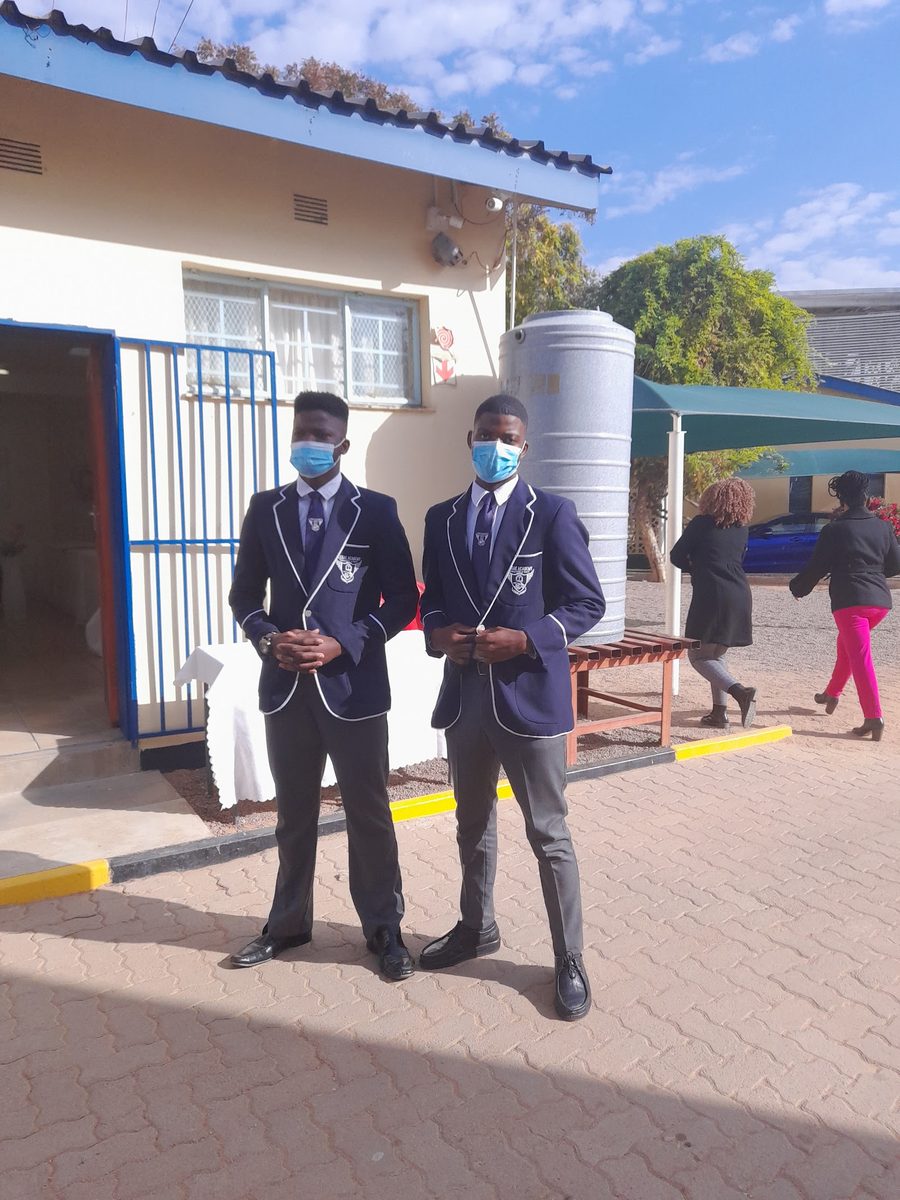
Legae Academy
Gaborone · Botswana
In Gaborone, an octagonal 'Wheel of Knowledge' campus pairs Cambridge IGCSE and A Levels with a communal Setswana ethos of shared responsibility.
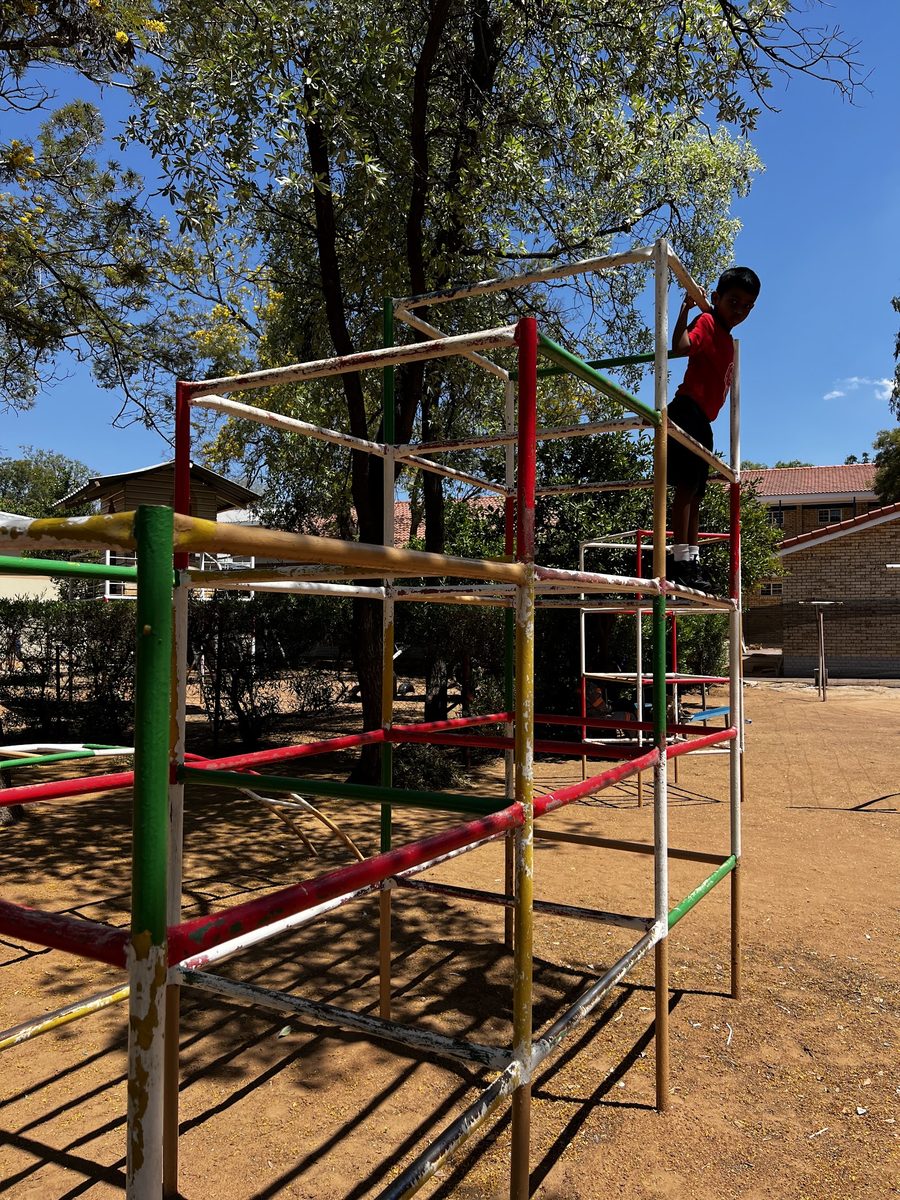
Rainbow School
Gaborone · Botswana
Grown from one classroom in 1997 to near 1,200 pupils, this Gaborone day school channels Cambridge IGCSE talent into STEM and business.

Westwood International School
Gaborone · Botswana
Gaborone's only IB continuum school, threading PYP to Diploma from a campus at the foot of Kgale Hill

Lechwe School
Kitwe · Zambia
Born in a Copperbelt church hall in 1977, this Cambridge day school has tracked Kitwe's mining fortunes ever since.
Same country and curriculum — closest matches within ±10 points either way