
Extension 12
Westwood International School
low confidence· 4/6 cats · 1 avg sourcesGaborone's only IB continuum school, threading PYP to Diploma from a campus at the foot of Kgale Hill
Photo © Ahmed Musbah via Google Maps
Type
Day
Ages
3–18
Curriculum
IB
Qualifications
IB Diploma · IB MYP · IB PYP
Ratio
—
The Verdict
Editor's commitment
Right for
Gaborone families wanting Botswana's only IB continuum school, from age 3 to 18, with 550 students across 39 nationalities.
Wrong for
Parents who want boarding, a religious ethos, or a non-IB route; Westwood is a day school and the curriculum is IB throughout.
Watch out for
Accreditations are solid — IB World School, CIS and AISA — but the school does not publish aggregate Diploma results or university destinations.
Ranking breakdown
Westwood International School · #1352 of 1591
Composite score 53.7. 8 weighted criteria.
By criterion
Academic Outcomes
Weight 20%
#1313
of 1529 scored
University Placement
Weight 16%
#1313
of 1529 scored
Prestige & Heritage
Weight 12%
#1373
of 1571 scored
Alumni Network
Weight 12%
#1013
of 1530 scored
Facilities
Weight 12%
#1314
of 1533 scored
Transparency & Communications
Weight 8%
#1309
of 1532 scored
Peer & Industry Review
Weight 10%
#1216
of 1548 scored
Admissions Selectivity & Demand
Weight 8%
#1205
of 1529 scored
Peer & Industry Review
How Westwood International School is regarded in the sector
63
Respected · medium confidence
I could not identify at least two independent, verifiable third-party sources (e.g., Tatler, Good Schools Guide, specialist education press, government inspectorate reports, or established expat forums) that discuss Westwood International School's reputation. Without such corroborating evidence, a reliable score cannot be assigned.
Editors' overview
Westwood sits in a strong niche in Gaborone: it is the city’s only full IB continuum school, running students from the early years through to the Diploma on one campus. For parents who want a single academic philosophy from age 3 to 18, that matters. So does scale. At about 550 students, Westwood is large enough to sustain breadth in sport, arts and service, but small enough to avoid the anonymity of a very big city school. The student body spans 39 nationalities, which gives the school genuine international range rather than a token passport mix. In Botswana, that combination is rare. *This is a serious proposition for internationally mobile families.*
What puts Westwood on a shortlist is continuity, accreditation and market position. The school has been operating since 1988, which gives it institutional memory and a settled place in Gaborone’s expatriate and diplomatic community. It holds IB World School, CIS and AISA accreditation, and it states that it is the only US Department of State-assisted school in Botswana. That matters to families who value external scrutiny and a school built to serve an international population, not a local school with an international label attached later. The proposition is clear: English-medium teaching, a non-religious setting, and an IB pathway that threads inquiry, concept-based learning and global citizenship from the youngest years to university entry. *For the right family, that coherence is hard to beat.*
There are limits. Westwood talks confidently about holistic education, sustainability and global citizenship, but it does not publish aggregate Diploma results or other headline attainment data in the public domain. Parents who want hard outcome metrics will need to ask direct questions. The school’s own language also leans heavily on mission and ethos; that is common in IB schools, but it does not replace evidence on academic performance, subject breadth or university destinations. *The school’s strongest selling point is structure, not published numbers.* If you are choosing between schools on measurable exam outcomes alone, Westwood leaves work for the parent.
The best fit is a student who thrives in an internationally mixed, English-speaking environment and responds well to inquiry rather than rote instruction. Westwood will suit children from diplomatic, NGO, corporate and mobile professional families, and local families who want an outward-facing education without leaving Botswana. It will also suit students who want their schooling to extend beyond the classroom into performance, sport and service. There is a clear sense of purpose here. The atmosphere is cosmopolitan. *The through-line from nursery to Diploma is the real prize.*
Academic Performance
Westwood does not publish aggregate IB Diploma results, average point scores, pass rates, subject-level outcomes or university destination lists in the public domain. That is the central fact for any parent judging academic performance. In a market where stronger schools increasingly disclose at least headline exam data, this is a real gap. The school asks families to trust the structure, the ethos and the accreditations, but not the numbers. For a school with about 550 students and a long-standing place in the international sector, that opacity is hard to defend. If your comparison set includes schools that publish Diploma averages and destination patterns, Westwood lands on the less transparent side of the ledger.
That does not make the academic offer weak; it makes it difficult to verify against peers. The school’s strongest academic claim is systemic rather than statistical: a full IB pathway on one campus, which gives coherence in teaching approach and assessment culture. In Botswana, that is a distinct competitive advantage. Against other international schools in the country, Westwood has a stronger case on continuity and external validation than on published attainment. Against more data-rich IB schools elsewhere in southern Africa, it is at a disadvantage in public accountability. Parents who care about outcomes need to ask blunt questions: recent Diploma averages, pass rates over several years, higher-level subject spread, top scores, and where graduates actually go.
Facilities
Westwood does not publish a detailed campus inventory, floor plan or specialist-room breakdown, so any facilities assessment starts with a clear limitation: the school is less transparent on bricks-and-mortar than strong peers in larger regional markets. What it does claim, and what matters most, is functional breadth. The school explicitly frames student life across the classroom, stage, sports field and community service, which points to a campus built for more than core academics alone. For a school of about 550 students, that matters: breadth is credible at this scale, and the range of nationalities on site supports the use of shared spaces for performance, events and community activity rather than a purely transactional school day. Parents should still ask direct questions about science labs, libraries, indoor sports provision, early years outdoor space, and whether specialist arts facilities are dedicated or multi-use.
Against peer schools in Botswana, Westwood’s edge lies in whole-school usability rather than headline architecture. Many smaller international schools can offer classrooms and a field; fewer can support a genuinely all-through student experience without facilities feeling compressed or improvised. Against bigger, better-funded campuses in Johannesburg or Nairobi, Westwood is at a disadvantage if you want theatre-grade arts spaces, extensive aquatic provision or high-spec sports infrastructure. This does not read as a campus that trades on spectacle. It reads as a school that needs facilities to work hard across ages 3–18. That is practical rather than grand, and for many families that is enough.
The impression is solid rather than exceptional: enough to reassure, not enough to prove excellence
Prestige
Westwood carries real prestige in Botswana because its standing rests on scarcity, not hype. In a small market, the school occupies a commanding niche: one campus, one through-school pathway, and a student body drawn from 39 nationalities. That matters in an international capital where diplomatic, development and corporate families want a school that can absorb mobility without forcing children into a local system misaligned with later moves abroad. The school also benefits from its historic links with American and British government sponsorship and its continuing status as the only US Department of State-assisted school in the country. That gives it a serious institutional stamp with the expatriate community. Among schools in Botswana, Westwood sits near the top of the prestige ladder because it serves the international sector directly rather than borrowing its cachet from a domestic reputation.
That said, this is *market prestige more than academic prestige*. Westwood has status, visibility and a well-established place in the city’s international ecosystem, but it does not publish the hard outcome data that would elevate it into a more rarefied category. The name carries weight locally; it does not carry the automatic global recognition of the big legacy schools in Nairobi, Johannesburg or Cape Town. Prestige here comes from role, longevity and constituency, not from publicly demonstrated exam dominance. For families in Botswana, that is still a strong position. For families comparing schools across the region, it is respected rather than formidable.
For parents who want a single academic philosophy from age 3 to 18, that matters
Communications
Westwood’s parent communication reads as competent but not deeply evidenced. The public-facing site gives families the core institutional signals: a named head, clear navigation to leadership and governance, and a Parent Teacher Association visible enough to indicate organised parent involvement rather than an afterthought. The school also states a community of about 550 students from 39 countries, which raises the bar for communication. A school serving that mix needs disciplined messaging, fast operational updates and a clean line between strategic information and day-to-day notices. Westwood gives a coherent institutional picture and a clear sense of community, but it does not publish much that lets parents test how information flows in practice.
That gap matters. Strong parent communication is not just warm tone and mission language; it is evidence of rhythm, transparency and specificity. Here, the website leans heavily on values, identity and broad educational claims. It says less about the mechanics parents live with: reporting cycles, calendar clarity, channels for urgent notices, how leadership handles feedback, or how much detail families get on academic progress. The visible PTA helps, and the governance pages point to proper structure, but the school does not showcase the sort of *high-accountability communication culture* that top-tier international schools now make easy to inspect. The impression is solid rather than exceptional: enough to reassure, not enough to prove excellence.
Uniqueness
Westwood’s clearest point of difference is not a shiny campus feature or a fashionable programme add-on. It is structural. In Botswana, no other school offers the full IB journey in one place, which gives families a rare continuity of expectations, assessment style and classroom culture from the first years to school leaving. That matters for children who move countries, but it also matters for children who stay put: fewer academic gear changes, fewer resets in teaching philosophy, and less risk of a jagged handover between phases. For students, the gain is cumulative. Inquiry, writing, discussion, reflection and independent study do not arrive late as exam tactics; they are built into the school’s DNA from the start. In a small national market, that is a genuine distinction.
The second differentiator is the composition of the community. A roll of about 550 drawn from 39 countries creates an unusually international social environment for Botswana without tipping into the impersonality of a very large school. Students grow up with difference as a daily fact, not an annual international day performance. That sharpens social fluency, confidence across cultures and the ability to work with people who do not share the same assumptions. The school’s long-standing ties to diplomatic and internationally mobile families reinforce that character. The result is a student experience that is outward-facing, mobile-minded and more globally literate than the domestic norm. For the right child, that mix is hard to replicate locally.
At about 550 students, Westwood is large enough to sustain breadth in sport, arts and service, but small enough to avoid the anonymity of a very big city school
Student Profile
Westwood suits children who are comfortable in an internationally mixed environment and do not need the social certainty of a single dominant national culture. With students from 39 countries, the peer group is genuinely international, and that changes the daily experience: accents vary, family backgrounds vary, and assumptions about school, home and identity vary too. The students who do best here are curious, adaptable and socially agile. They do not need constant hand-holding to cross between groups. They can cope with classmates arriving and leaving as mobile families rotate through postings. For children who enjoy meeting new people and working across cultures, that is a real advantage. For children who want a settled local crowd and a fixed friendship map, it can feel socially fluid.
This is also a school for families who want school life to extend beyond lessons. Westwood talks with conviction about the stage, the sports field and community service, so the best fit is not the narrow exam machine but the student willing to participate, perform and contribute. There is room here for the balanced all-rounder, the internationally minded joiner, and the child who benefits from a community with visible adult expectations around dignity and responsibility. It is not an obvious fit for teenagers who want a hard-edged, data-driven academic culture with published outcomes at every turn. Westwood fits students who value breadth, community and continuity, and whose families accept a less transparent picture on results in exchange for a coherent international upbringing.
The student body spans 39 nationalities, which gives the school genuine international range rather than a token passport mix
Co-curricular strengths
Arts & sport, on a separate axis
Overall 7.7/10
Scored 0-10 from the school's own published evidence. This axis is editorial-only — it does not feed the main WTS ranking.
Sports
8.5/10
Drama
8/10
Dance
5.5/10
Music
8/10
Visual Arts
8.5/10
Editor first-pass · editor-reviewable · 7/30/2026
Strengths
- +Authorised as an IB World School, offering the International Baccalaureate continuum in a country where IB provision is limited.
- +Located in Gaborone, Botswana's capital, giving access to embassies, government offices and the small expatriate professional community it primarily serves.
- +Day-school structure keeps fees and logistics simpler than boarding alternatives, suiting families based long-term in Gaborone.
- +Small national market position means the school is one of very few genuine international/IB options in Botswana, reducing local competition for places.
- +International curriculum framework supports mobility for diplomatic, NGO and corporate families who may relocate again within a few years.
Considerations
- −Editorial rank (1287) and 'candidate' tier indicate limited independent verification of academic outcomes compared with established regional IB schools.
- −Gaborone's small expatriate population means smaller cohort sizes, less subject choice at Diploma level, and fewer extracurricular or sporting facilities than larger city schools.
- −Limited publicly available data on university placement, examination results or fee structure makes it hard for relocating families to benchmark against peer schools.
- −As a single-campus day school, families needing boarding or wanting a large, established international community will find options more limited than in bigger regional hubs like Johannesburg or Nairobi.
Availability
Primary entry gate & tests
Academic Record
Gallery
Photo © Kitso France via Google Maps
Photo © Kitso France via Google Maps
Photo © Jay Jagannathan via Google Maps
Photo © Jay Jagannathan via Google Maps
Parent reviews
Have you sent your child here?
Voice reviews carry the strongest trust badge — we transcribe them for you to tidy up before they go live. Prefer to type? A written review is fine too.
Add your voice
In 60 seconds, tell other parents: what's the best thing about Westwood International School, and what surprised you when your child joined?
We ask for a Google sign-in so every review has a real face behind it — no anonymous drive-by attacks on schools, and no faked positive reviews. Your email is never shown publicly.
Send this profile to a friend
International parents rely on word-of-mouth. Share this review with someone weighing the same decision.
Schools with places
Similar schools to Westwood International School with places available now.
Collège du Léman
Versoix · Switzerland
- 2026-27
- WAITPOOLSpace-dependent
- 2027-28
- PLACES OPENRolling
Yew Chung International School of Chongqing
Chongqing · China
- 2026-27
- WAITPOOLSpace-dependent
- 2027-28
- WAITPOOLRolling / space-dependent
Bishop Cotton School
Shimla · India
- 2026-27
- WAITPOOLSpace-dependent
- 2027-28
- PLACES OPENRolling
Christ's College
Christchurch · New Zealand
- 2026-27
- WAITPOOLVacancy-dependent
- 2027-28
- PLACES OPEN
Availability first, then country, area, curriculum, price, co-curricular
Consider also
Also worth looking at alongside Westwood International School.
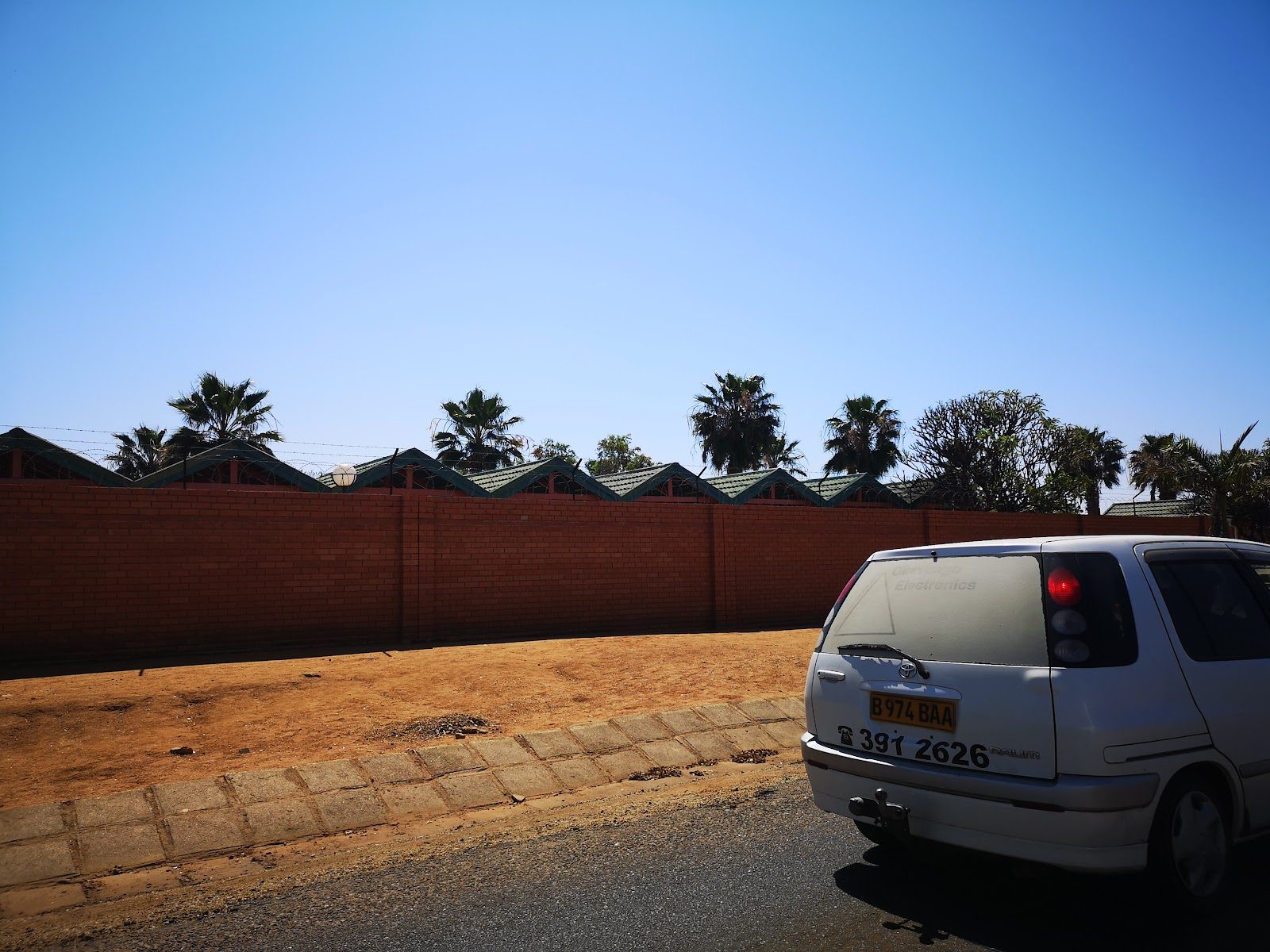
Hillcrest International School Gaborone
Gaborone · Botswana
Rooted in Gaborone West since 1993, a day school pairing academic grounding with robotics, chess and creative-arts enrichment.
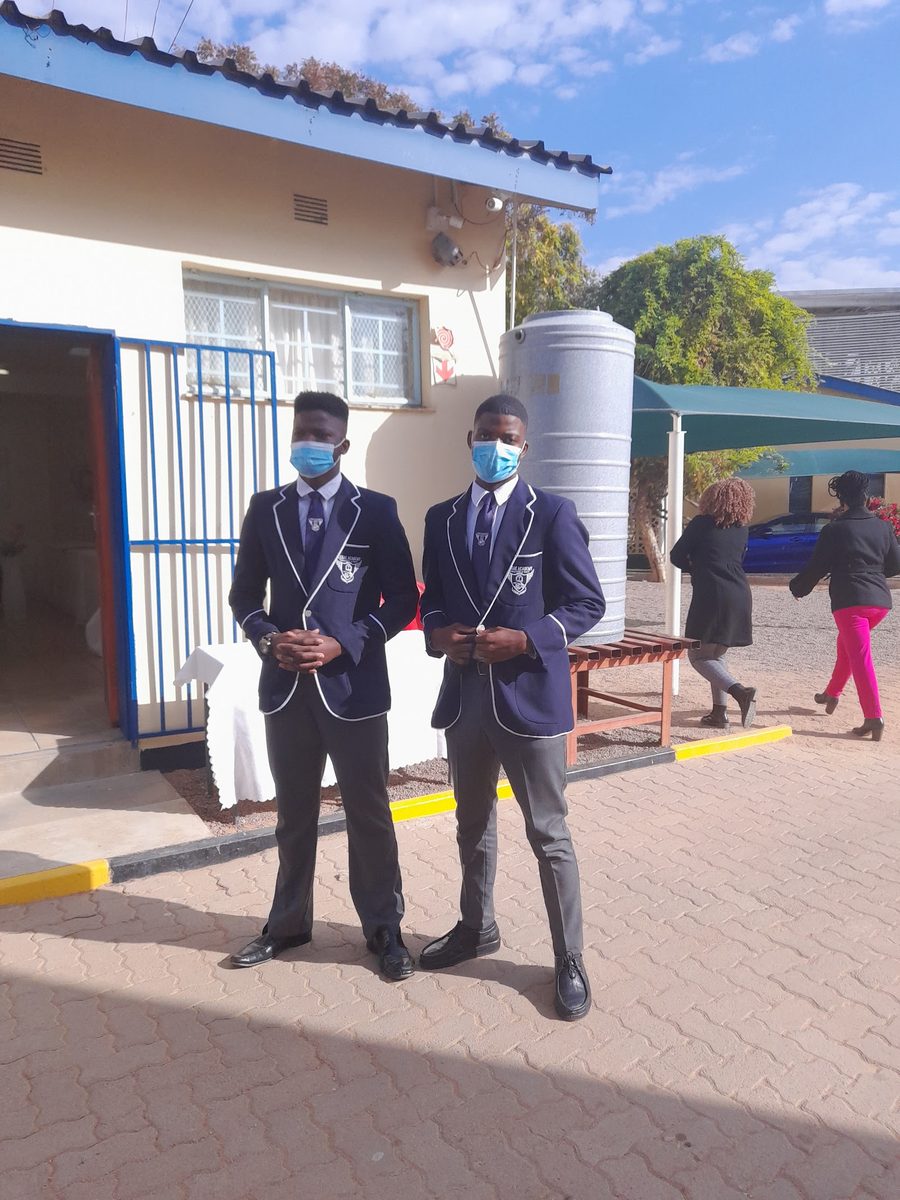
Legae Academy
Gaborone · Botswana
In Gaborone, an octagonal 'Wheel of Knowledge' campus pairs Cambridge IGCSE and A Levels with a communal Setswana ethos of shared responsibility.
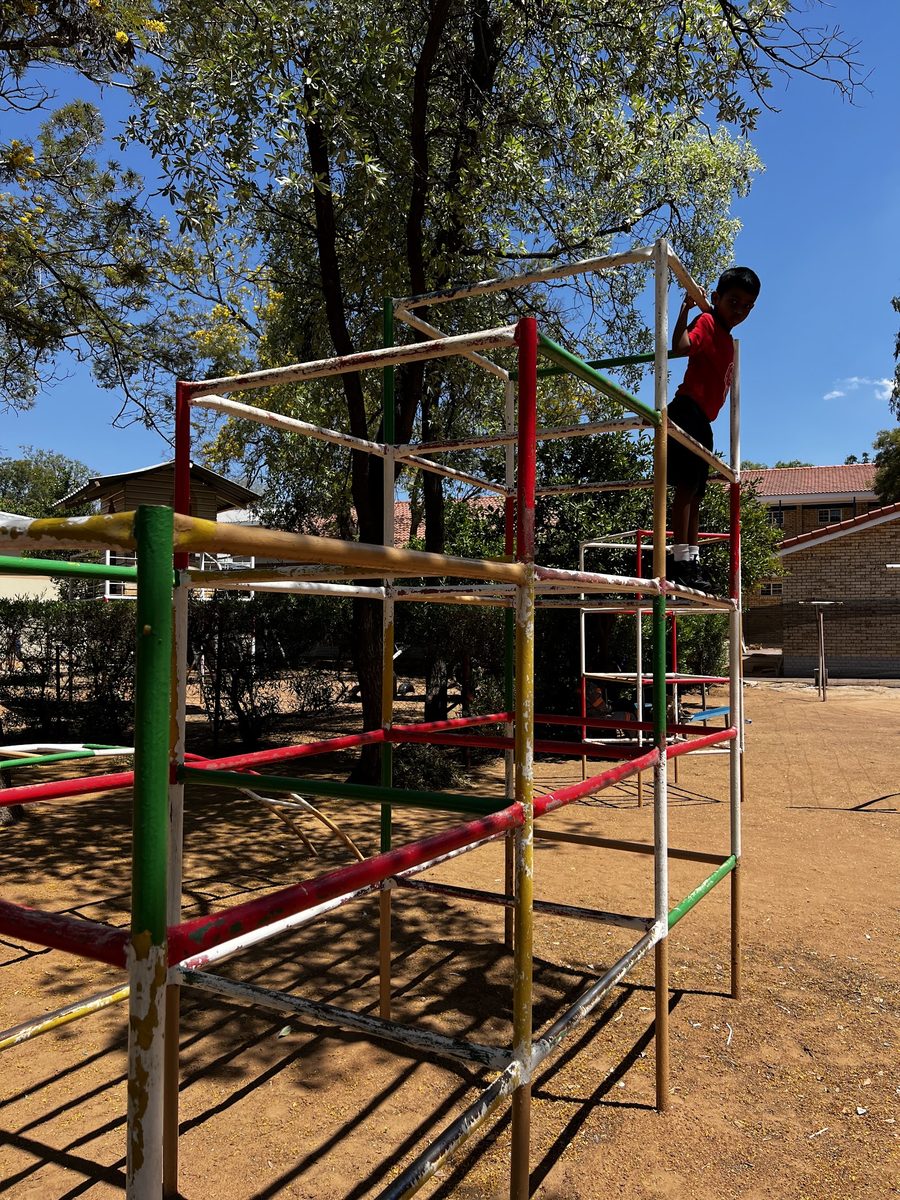
Rainbow School
Gaborone · Botswana
Grown from one classroom in 1997 to near 1,200 pupils, this Gaborone day school channels Cambridge IGCSE talent into STEM and business.
Ecole Mondiale World School
Mumbai · India
In Juhu since 2004, Mumbai's first full-continuum IB school runs Primary, Middle Years and Diploma under one roof
Same country and curriculum — closest matches within ±10 points either way