
Copperbelt
Lechwe School
low confidence· 4/6 cats · 1 avg sourcesBorn in a Copperbelt church hall in 1977, this Cambridge day school has tracked Kitwe's mining fortunes ever since.
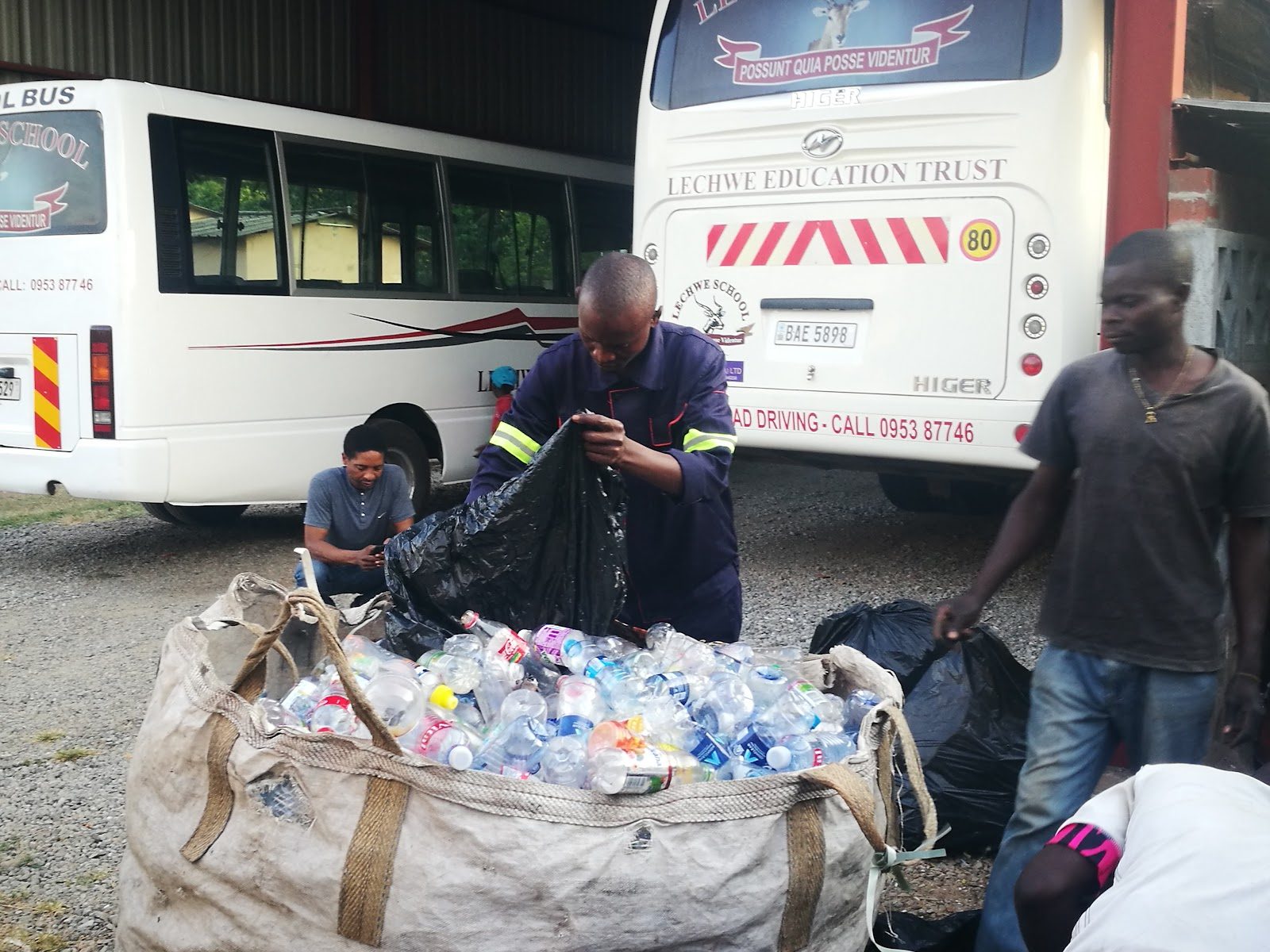
Photo © JOHN CHOLA BWALYA (Chouvix) via Google Maps
Type
Day
Ages
3–18
Curriculum
Cambridge International · British
Qualifications
IGCSE · A-Level
Ratio
—
The Verdict
Editor's commitment
Right for
Kitwe families wanting a non-religious, English-medium day school from age 3 to 18 with Cambridge International and British curriculum continuity.
Wrong for
Families who want boarding, a faith-based ethos, or an IB pathway; Lechwe is a day school in Kitwe with Cambridge International only.
Watch out for
Founded in 1971 and accredited by Cambridge International and ISAZ, Lechwe offers credibility; the school does not publish outcomes here.
Ranking breakdown
Lechwe School · #1387 of 1591
Composite score 52.6. 8 weighted criteria.
By criterion
Academic Outcomes
Weight 20%
#1352
of 1529 scored
University Placement
Weight 16%
#1332
of 1529 scored
Prestige & Heritage
Weight 12%
#1396
of 1571 scored
Alumni Network
Weight 12%
#1061
of 1530 scored
Facilities
Weight 12%
#1382
of 1533 scored
Transparency & Communications
Weight 8%
#1370
of 1532 scored
Peer & Industry Review
Weight 10%
#1216
of 1548 scored
Admissions Selectivity & Demand
Weight 8%
#1232
of 1529 scored
Peer & Industry Review
How Lechwe School is regarded in the sector
63
Respected · medium confidence
I could not identify at least two independent, third-party sources (e.g., Tatler, Good Schools Guide, specialist education press, alumni-network coverage, or expat-parent forums) that substantively discuss Lechwe School's reputation. Available information appears limited to the school's own materials or unverifiable listings, which do not meet the evidentiary bar for this assessment.
Editors' overview
Lechwe School occupies a specific niche in Zambia’s school market: an established, non-religious Cambridge day school in Kitwe serving ages 3–18. That matters. Outside Lusaka, parents have fewer schools with real continuity from early years to sixth form, and Lechwe offers a single through-school route in English with Cambridge International and British framing. Its history also gives it texture. Founded in 1971, and tied in the public imagination to Kitwe’s mining economy, it carries the steady confidence of an institution that has lived through booms, contractions and the civic churn of the Copperbelt. This is not a new entrant trading on glossy promise.
What sets Lechwe apart is not novelty but local standing, longevity and breadth. In Kitwe, that combination puts it near the top of the shortlist for families who want an academically serious day school without a religious brief. Cambridge International accreditation gives the school an intelligible academic pathway; ISAZ membership places it within Zambia’s independent-school circuit. That said, parents should keep their eyes open. The school’s market position rests on reputation and continuity more than on publicly detailed performance data. Lechwe does not trade in hard-edged academic theatre. Families who want exhaustive public disclosure of outcomes, university destinations or value-added metrics will find the picture thinner than at the most transparent international schools.
The students who fit Lechwe best are those who want structure, familiarity and a full school life rooted in one city rather than a transient expatriate experience. This suits children who thrive in a stable day-school environment, families planning to stay in Kitwe, and pupils who benefit from clear routines, settled expectations and a peer group drawn from the local professional class. It also suits parents who value a school with institutional memory over one selling reinvention every admissions cycle. For children who need a high-octane, globally mobile campus culture, or for families who want boarding, Lechwe is the wrong product: it is a day school, and a distinctly local one.
Why shortlist it? Because in the Copperbelt, durability has value. Lechwe offers a grounded, serious education in English across 17 years of schooling, with Cambridge alignment and a reputation built over decades, not launched last term. Its appeal lies in being rooted rather than fashionable: a school for families who want consistency, recognised academics and a strong local network in Kitwe.
Academic Performance
Lechwe’s public handling of academic performance is restrained to a fault. The school promotes individual pupil success in Cambridge examinations, including top-in-country and top-in-world distinctions, but it does not publish the numbers that let parents judge whole-cohort strength: no aggregate IGCSE pass rates, no A Level score profile, no breakdown of A*–A attainment, and no multi-year trend line. That gap matters. A school can produce a handful of headline-grabbing results without showing whether standards run deep across the year group. For parents comparing options, this leaves Lechwe short of the hard comparative clarity offered by the most transparent schools.
That said, sustained Cambridge recognition at the top end does not happen by accident. It points to a school that can stretch strong pupils and prepare them well for external examinations. The missing piece is breadth: how many pupils sit, how results distribute across subjects, and how sixth-form outcomes translate into university entry. Relative to peers, Lechwe sits in the category of established schools with a credible academic reputation but opaque published outcomes. In the Copperbelt that still carries weight, because the local field is not crowded with fully disclosed exam data. In a tighter regional comparison against the best-known schools in the capital, the absence of published cohort metrics leaves Lechwe at a disadvantage.
Facilities
Lechwe’s facilities profile is practical rather than flamboyant. The school’s own public imagery and communications point to the essentials families expect from a full all-through campus: dedicated early years space, standard science laboratories, ICT provision, library resources, sports areas and rooms for music and other co-curricular activity. That package matters more in a regional city than in a capital with a deeper supply of specialist schools. A through-school needs enough breadth on site to carry children from nursery to sixth form without obvious gaps, and Lechwe clears that bar. What it does not project is a campus built to impress. There is no public case for showpiece architecture, lavish specialist build, or the kind of arms-race facilities that wealthier metropolitan competitors now use as a selling point.
Against peer schools in the Copperbelt, that is still a solid offer. Many local families want reliability, usable sports provision and functioning academic spaces more than theatre. On that measure, Lechwe looks *well-equipped enough for serious daily school life*. Against top independent schools in the capital, the comparison tightens. Those schools have a stronger habit of publicising specialist centres, premium indoor sports infrastructure and higher-end performing arts spaces. Lechwe sits below that tier on visible campus ambition. For parents, the conclusion is straightforward: these facilities support a grounded, workmanlike education across 3–18, but they are not the school’s sharpest competitive edge.
Lechwe School occupies a specific niche in Zambia’s school market: an established, non-religious Cambridge day school in Kitwe serving ages 3–18
Prestige
Lechwe carries real local prestige, but it is the prestige of permanence and trust, not of elite global branding. In the Copperbelt, that distinction matters. Families know the school, employers know it, and generations of local professionals have treated it as a serious option for a full school career rather than a stopgap. That gives Lechwe social weight in its own market. It also benefits from rarity: a non-religious through-school for ages 3–18 outside the capital occupies valuable ground. For parents in its catchment, that confers practical status as much as social cachet. This is a school people recognise as established and dependable, with the kind of name that carries in local conversation without needing constant self-advertisement.
The ceiling on that prestige is clear. Lechwe does not sit in the tier of African schools whose names travel effortlessly across borders or whose published outcomes force attention. Its reputation is stronger in Zambia than beyond it, and stronger in established local circles than in the international-school circuit at large. The school’s top individual Cambridge honours add serious academic lustre, but public data on whole-cohort outcomes remain thin, which stops prestige hardening into unquestioned academic authority. That leaves Lechwe in a high-standing but not untouchable position: an important school in its region, a respected one nationally, and a less commanding name once the comparison shifts to the continent’s most visible international operators.
In Kitwe, that combination puts it near the top of the shortlist for families who want an academically serious day school without a religious brief
Communications
Lechwe communicates like an established local school rather than a polished multinational operator. Parents get the core notices: admissions information, term structure, calendar dates, news items and contact routes are all easy to find, and the school uses public channels to celebrate pupil achievements, events and community activity. That gives families a workable sense of school life and keeps routine administration from becoming a scavenger hunt. The tone is plain-speaking, institutionally steady and serviceable. It is not slick. For many parents, that counts in its favour: a school does not need glossy copy to tell families when reports are due or which event is on next. It does, however, need consistency, and Lechwe clears that basic test.
Where the communication weakens is in depth and analytical value. The school tells parents what is happening; it tells them less clearly how well the school is performing in the round. Public communication leans on celebration and practical notice rather than hard disclosure. That pattern fits the school’s wider style: reassuringly old-school for families who value familiarity, frustratingly thin for parents who want data, sharper explanation of academic outcomes, or a stronger account of strategic direction. In short, Lechwe communicates competently at the day-to-day level and conservatively at the accountability level. Families comfortable with a trust-based relationship will find that enough. Families who expect forensic transparency will not.
Uniqueness
Lechwe’s distinctiveness lies in its place, not in imported theatre. This is a through-school built for one community and one city’s professional families, with children able to move from the first school years to sixth form without a disruptive institutional reset. That creates something many schools talk about and few deliver: continuity with memory. Teachers and families know the school’s rhythms, older pupils model expectations for younger ones, and pupils grow up in a culture that values staying the course. For students, that brings settled belonging, stable friendships and less of the churn that marks more transient international schools. It also produces a clear social map: children know where they stand, what is expected and how the school works.
The other point of difference is Lechwe’s refusal to chase spectacle. It does not sell itself through glossy novelty, inflated global posturing or a campus designed as a status object. Its identity is plainly workmanlike: durable local reputation, a full age range from 3 to 18, and a school life rooted in routine rather than reinvention. That suits students who learn best in an environment where adults prize consistency over constant change. The trade-off is clear too. Pupils get institutional steadiness and a strong local network; they do not get the buzz, breadth or outward-facing swagger of a more internationally mobile school.
That said, sustained Cambridge recognition at the top end does not happen by accident
Student Profile
The pupils who fit Lechwe best are those who value stability over reinvention. This is a school for children who settle into routine, cope well with clear expectations and do not need a constant stream of novelty to stay engaged. Families rooted in the local professional community will find a natural peer group here, and pupils who like seeing familiar faces year after year tend to do well. The all-through structure from ages 3–18 also suits children who benefit from continuity: no forced school change at a delicate stage, no abrupt cultural reset, and no need to rebuild social standing every few years. For many students, that creates a settled, orderly and socially legible environment.
The less obvious point is who fits less well. Children craving a restless, highly international social mix or a campus culture built on constant movement will find the school narrow in scope. So will pupils who need an aggressively competitive atmosphere to stay switched on. Lechwe suits students who are steady rather than showy, comfortable in a community where reputation builds over time and school life has a grounded local centre of gravity. Parents looking for a transient expatriate crowd, or for the social theatre that attaches to bigger flagship international schools, are shopping in the wrong market. This school works best for families who want consistency, recognisable standards and a pupil body shaped more by permanence than churn.
Against top independent schools in the capital, the comparison tightens
Co-curricular strengths
Arts & sport, on a separate axis
Overall 7.8/10
Scored 0-10 from the school's own published evidence. This axis is editorial-only — it does not feed the main WTS ranking.
Sports
8.8/10
Drama
8/10
Dance
5.5/10
Music
8.2/10
Visual Arts
8.5/10
Editor first-pass · editor-reviewable · 7/30/2026
Strengths
- +Follows the Cambridge International curriculum through to IGCSE and A Level, giving pupils internationally transferable qualifications.
- +Based in Kitwe, the commercial centre of the Copperbelt, making it a practical option for expatriate and professional families working in the region's mining and business sectors.
- +Operates as a day school, which keeps overall costs lower than boarding alternatives and allows children to remain in the family home.
- +One of the more established private schools on the Copperbelt, offering greater institutional continuity than newer entrants to the market.
Considerations
- −Public data on examination results, staff qualifications, and independent inspection outcomes is limited compared to larger international school groups.
- −Location in Kitwe rather than Lusaka reduces proximity to the wider range of international schools, universities, and cultural resources concentrated in the capital.
- −No boarding provision, which may be a limitation for expatriate families without settled local housing or those relocating without domestic support.
- −The depth and breadth of A-Level subject choice is not fully documented in public sources, so families should confirm current offerings directly.
Availability
Primary entry gate & tests
Academic Record
Gallery
Photo © JOHN CHOLA BWALYA (Chouvix) via Google Maps
Photo © Vemula Chandrasekhar via Google Maps
Photo © Kamlesh Patel via Google Maps
Photo © Kamlesh Patel via Google Maps
Photo © Kamlesh Patel via Google Maps
Parent reviews
Have you sent your child here?
Voice reviews carry the strongest trust badge — we transcribe them for you to tidy up before they go live. Prefer to type? A written review is fine too.
Add your voice
In 60 seconds, tell other parents: what's the best thing about Lechwe School, and what surprised you when your child joined?
We ask for a Google sign-in so every review has a real face behind it — no anonymous drive-by attacks on schools, and no faked positive reviews. Your email is never shown publicly.
Send this profile to a friend
International parents rely on word-of-mouth. Share this review with someone weighing the same decision.
Schools with places
Similar schools to Lechwe School with places available now.
Collège du Léman
Versoix · Switzerland
- 2026-27
- WAITPOOLSpace-dependent
- 2027-28
- PLACES OPENRolling
Muscat International School
Muscat · Oman
- 2026-27
- PLACES OPENApps open / space-dependent
- 2027-28
- WAITPOOL2027/28 timetable TBC
Bishop Cotton School
Shimla · India
- 2026-27
- WAITPOOLSpace-dependent
- 2027-28
- PLACES OPENRolling
Millfield School
Street · United Kingdom
- 2026-27
- CLOSEDStandard route closed
- 2027-28
- PLACES OPEN11+ / 13+ / 16+ active
Availability first, then country, area, curriculum, price, co-curricular
Consider also
Also worth looking at alongside Lechwe School.
Baobab College
Lusaka · Zambia
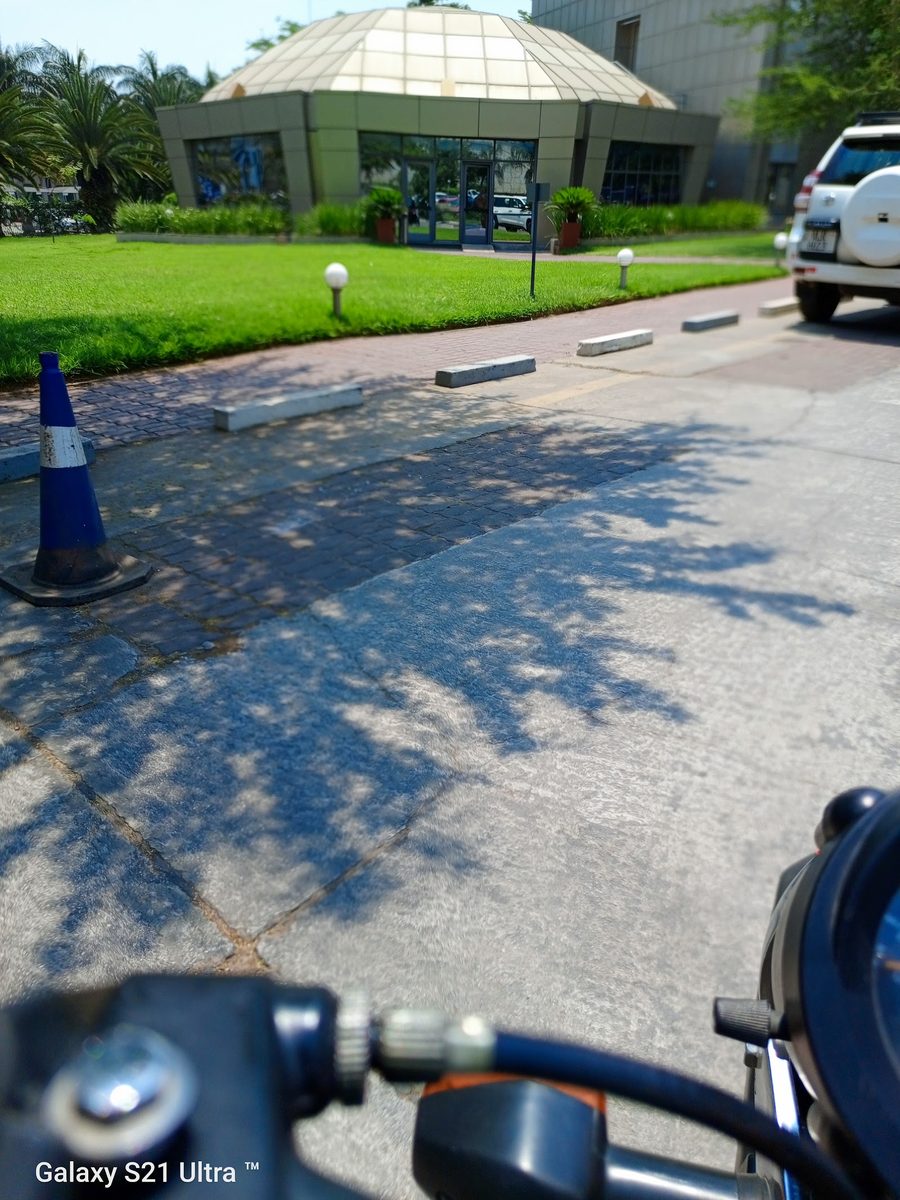
South of Lusaka's green campus, an eight-lane pool hosted the Sub Saharan short course championships back in 2006.
Lusaka International Community School
Lusaka · Zambia
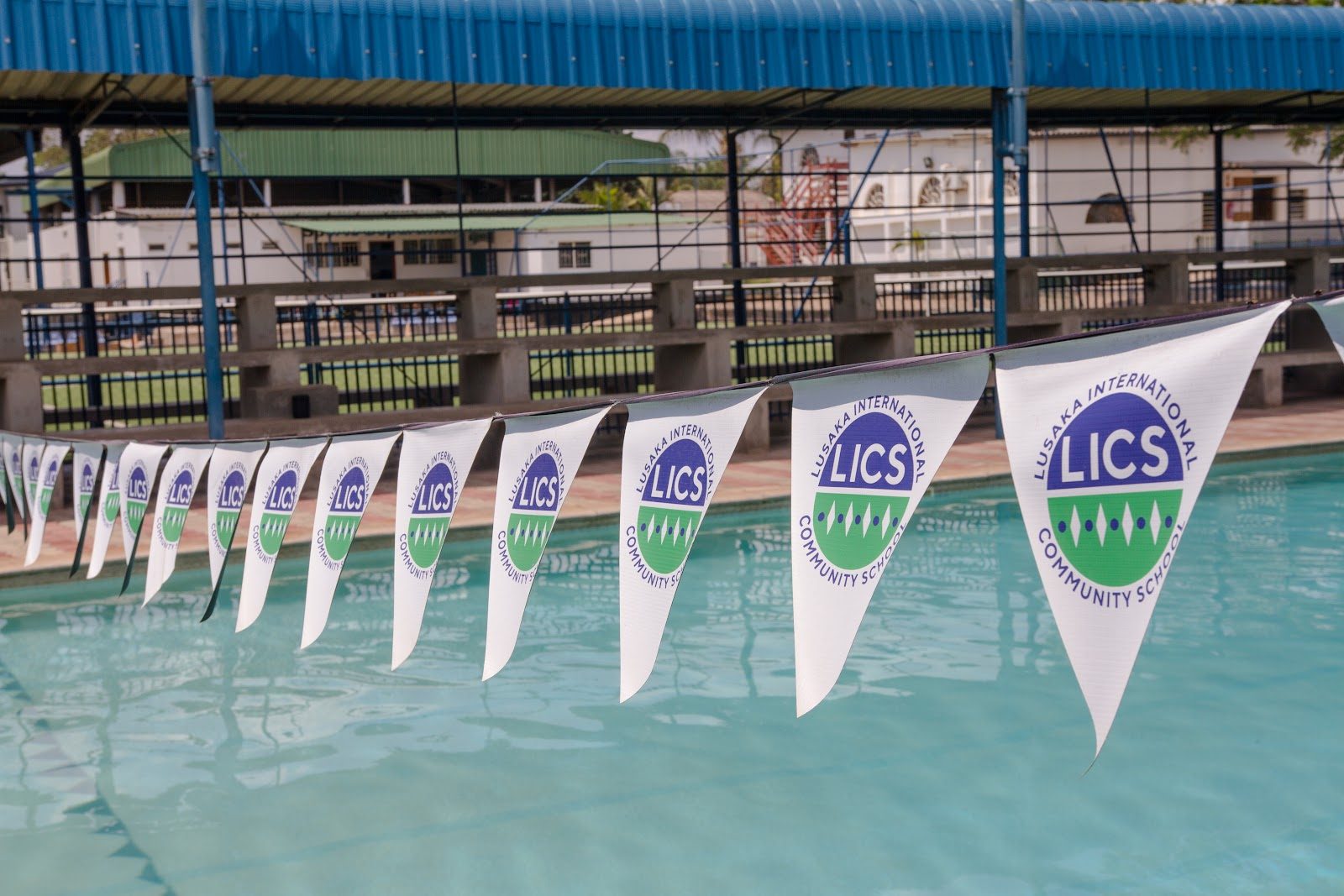
Parent-owned since 1993, blending Cambridge rigor with a 40-nation community on Roma's floodlit AstroTurf campus

American International School of Lusaka
Lusaka · Zambia
One of a handful of African schools authorized for the full IB continuum, PYP to DP, on a 25-acre Lusaka campus with U.S.-embassy roots.
International School of Lusaka
Lusaka · Zambia
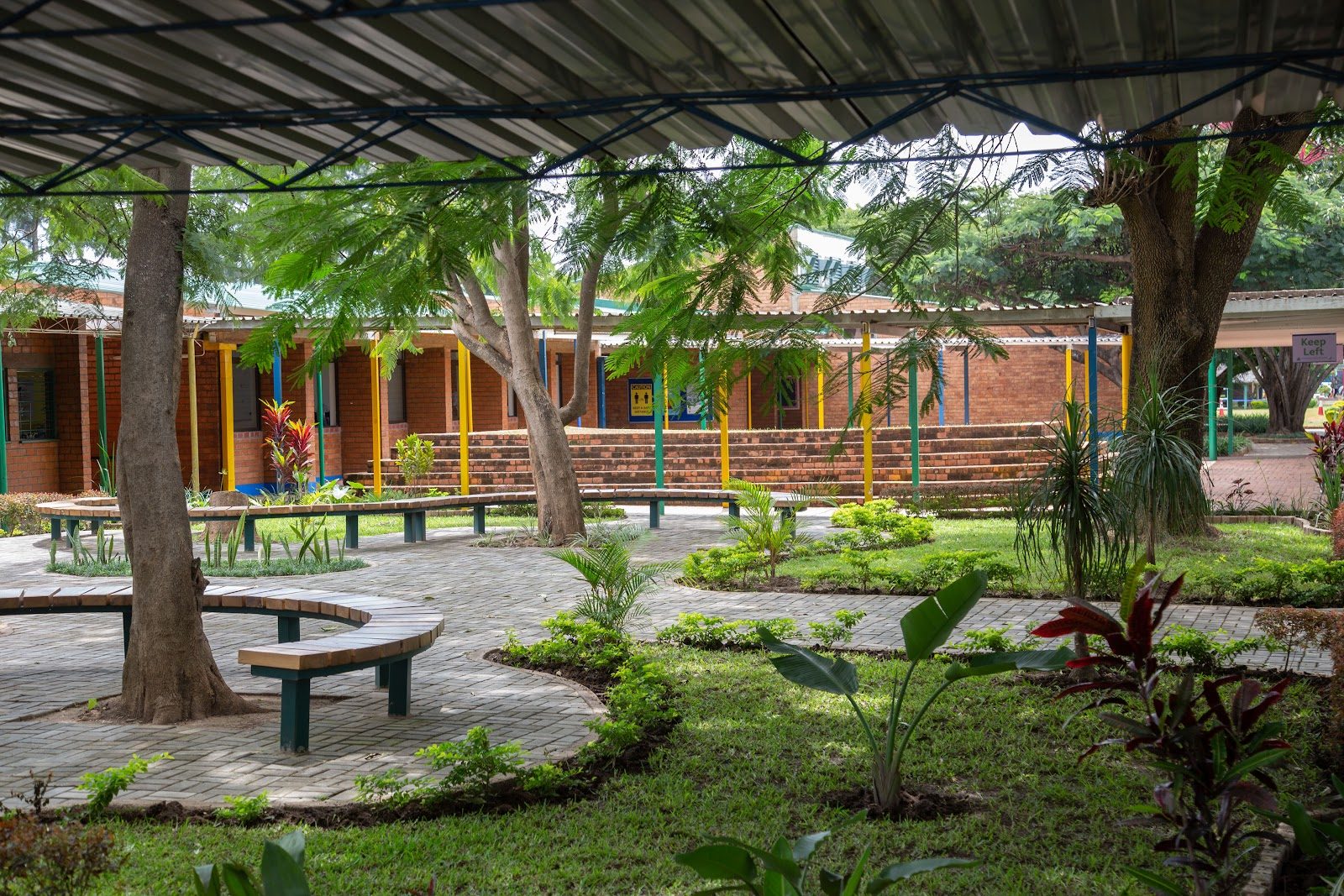
One of Africa's oldest international schools, running the full IB continuum with houses named for Zambia's rivers.
Same country and curriculum — closest matches within ±10 points either way