
Roma
Lusaka International Community School
low confidence· 4/6 cats · 1 avg sourcesParent-owned since 1993, blending Cambridge rigor with a 40-nation community on Roma's floodlit AstroTurf campus
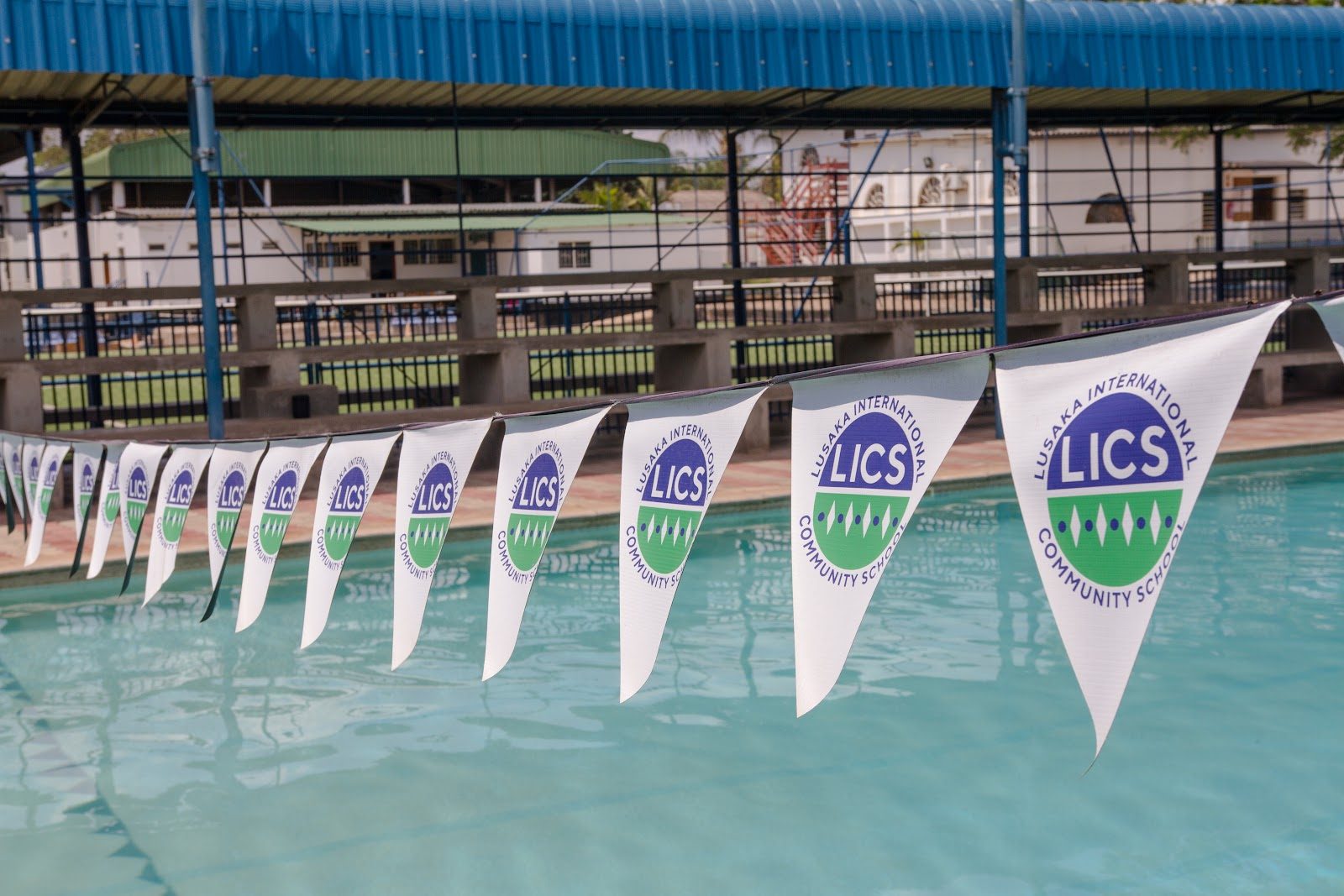
Photo © AZIELE PHIRI via Google Maps
Type
Day
Ages
3–18
Curriculum
Cambridge International · British
Qualifications
IGCSE · A-Level
Ratio
—
The Verdict
Editor's commitment
Right for
Families wanting a non-religious, English-medium day school in Lusaka with Cambridge International and British pathways from ages 3–18.
Wrong for
Parents chasing boarding, faith-based ethos or bargain pricing: this parent-owned school charges an average annual day fee of $18,312.
Watch out for
BSO, COBIS and Cambridge International accreditations give it external ballast, but parent-owned governance can turn community opinion into pressure.
Ranking breakdown
Lusaka International Community School · #1460 of 1591
Composite score 49.9. 8 weighted criteria.
By criterion
Academic Outcomes
Weight 20%
#1414
of 1529 scored
University Placement
Weight 16%
#1401
of 1529 scored
Prestige & Heritage
Weight 12%
#1459
of 1571 scored
Alumni Network
Weight 12%
#1130
of 1530 scored
Facilities
Weight 12%
#1449
of 1533 scored
Transparency & Communications
Weight 8%
#1437
of 1532 scored
Peer & Industry Review
Weight 10%
#1216
of 1548 scored
Admissions Selectivity & Demand
Weight 8%
#1370
of 1529 scored
Peer & Industry Review
How Lusaka International Community School is regarded in the sector
63
Respected · medium confidence
I was unable to identify at least two independent third-party sources (specialist education press, inspectorate reports, alumni-network coverage, or established expat forums) that substantively assess Lusaka International Community School's reputation. Any information available appears to derive primarily from the school's own materials or lacks verifiable independent corroboration.
Editors' overview
Parent-owned schools are rare in this market, and that matters. Lusaka International Community School has been in place since 1999, runs as a non-religious day school for ages 3 to 18, and combines Cambridge International with a British curriculum in English. That gives it a clear identity: academically conventional, internationally legible, and less exposed to the corporate churn that can flatten school culture. The strongest point is the mix. A school community drawn from 40 nationalities, on the school’s own account, can feel genuinely international rather than imported-expat narrow. Parents who want a recognisable academic route without the social stiffness or missionary undertow that still shapes parts of the regional market will find that attractive.
Its market position is solidly premium by Zambian standards, without entering the stratosphere occupied by the most expensive capital-city internationals elsewhere on the continent. The average annual day fee is $18,312 across the full age range. Accreditations from BSO, COBIS and Cambridge International give parents useful external reference points and place the school inside a serious British international orbit rather than an improvised local version of it. The “community” in the title does real work here: parent ownership can produce a more accountable school, but it can also produce slower decision-making and a constituency that expects to be heard. Some families value that; others want a cleaner top-down model.
The school belongs on a shortlist for families who want breadth of community and a curriculum with hard academic edges. It suits internationally mobile children, third-culture families, and students who do well in structured systems with clear expectations. It also fits children who want a proper school day rather than a bare-bones academic factory: the Roma campus, with its floodlit AstroTurf, signals that sport and after-school life are part of the offer, not an afterthought. This is not the school for parents chasing a boutique sixth-form hothouse or a luxury campus built to impress on a tour. It is for families who want a credible, established, English-medium school with 3–18 continuity, British-Cambridge substance and a cosmopolitan peer group that extends beyond one passport class.
Academic Performance
Lusaka International Community School publishes enough headline data to show academic competence, but not enough to claim elite dominance. In the senior years, the school reports an IGCSE pass rate of 96% at A–C and 37% at A–A, alongside an A Level pass rate of 98% with 46% at A–B. Those are creditable* results for a broad international day school. They place LICS above the level of schools that simply get students through the exams, but below the hard-edged selective schools that produce a much higher concentration of top grades. The pattern matters: pass rates are strong, while the top-end profile is good rather than exceptional.
Relative to peers in the region, that puts the school in the serious middle of the premium market: dependable, academically structured, and capable of delivering externally validated outcomes across the ability range. What is missing is the deeper disclosure that ambitious parents now expect. The school does not publish cohort size alongside each results set, subject-by-subject breakdowns, three-year grade trends, or university destinations in a form that allows proper comparison. Without that, the numbers prove solidity, not supremacy. For families who want a school with clear academic traction and no fantasy branding around results, this is a respectable showing. For families chasing a pure exam hothouse, the public evidence does not support that label.
Facilities
The campus offer is practical rather than theatrical, and that distinction matters. The standout feature is the school’s floodlit AstroTurf, which gives football and field-based sport proper year-round footing rather than the worn grass or dusty multipurpose surfaces common in the region. For a day school in this market, that is a serious functional asset. Parents should read the site as built for daily use, not for brochure photography: space to play, train and stay on after lessons counts more than atrium glamour. The school also serves a community drawn from 40 nationalities, which gives communal spaces a different weight; dining, break and after-school areas need to work for a broad age range and a genuinely mixed student body, not a narrow enclave intake.
Against peer schools, the facilities picture sits in the strong middle of the premium bracket. The sports provision lands above schools that rely on improvised outdoor space and below the arms-race campuses with aquatic centres, theatres and specialist complexes in every discipline. That is not a weakness unless a family wants spectacle. What matters more is whether the school has the laboratories, library, classroom stock and arts spaces to match its academic ambitions. On that front, public detail is thin. We have not seen the kind of granular facilities breakdown that top schools now publish as standard. The result is a campus that reads as capable and grounded, with one clear sporting strength, but without the exhaustive transparency that would let parents benchmark every department with confidence.
Lusaka International Community School publishes enough headline data to show academic competence, but not enough to claim elite dominance
Prestige
Lusaka International Community School carries solid local prestige and credible international standing, but not the kind of global cachet that attaches to famous legacy names or ultra-selective capitals. In Lusaka, it sits in the top tier of international options because it offers continuity across the full age range, recognised external oversight, and a parent-owned governance model that gives it a distinct identity. That ownership structure matters to prestige in a city of franchise brands and founder-led schools: it reads as established civic infrastructure rather than a short-cycle private venture. The fee level — an average of $18,312 a year — also places it firmly in the premium bracket for the local market. This is a school families choose deliberately, not a bargain compromise.
Its prestige rests more on trust and seriousness than on glamour. The strongest status signal is not architectural spectacle or hyper-selective admissions, but the combination of a broad expatriate and internationally minded parent body, published exam outcomes that clear a respectable bar, and external memberships that place the school inside a recognised British international network. The community drawn from 40 nationalities adds social weight: children are not being educated inside a narrow diplomatic enclave or one-country bubble. The limitation is clear. This is respected rather than rarefied. Parents looking for top-table prestige measured by famous university pipelines, dazzling facilities, or market-dominating results will not find that public case made here. Parents looking for a school with earned standing in its city will.
The pattern matters: pass rates are strong, while the top-end profile is good rather than exceptional
Communications
LICS communicates like a school that expects an engaged parent body, not passive fee payers. That matters in a parent-owned institution, where silence breeds friction fast. The public-facing side is serviceable rather than polished to death: clear contact routes, regular updates on school life, and enough practical information to show a functioning administrative spine. The tone lands on community-first rather than corporate. That works for families who want a school with human scale and a sense that real people answer questions. It works less well for parents who expect immaculate data dashboards, deep policy libraries and exhaustive disclosure on every front. The school talks competently about student life and day-to-day operations; it is less strong when the subject turns to hard comparative evidence.
That distinction shapes the verdict on effectiveness. For routine parent communication, the school looks responsive and lived-in: the kind of place where events, activities and ordinary school business are kept visible. For high-stakes parental due diligence, the communication is less rigorous than the best international schools now deliver. We have not seen full public reporting on items that serious families use to benchmark a school properly, including richer academic trend data and more granular detail on departmental provision. A community spanning 40 nationalities raises the bar here; diverse, mobile families need communication that is not just warm but forensically clear. LICS clears the first test. It does not clear the second with the same authority.
Uniqueness
What marks this school out is governance. Parent ownership is not a branding flourish; it changes the institution’s centre of gravity. Decisions sit closer to the families who use the school, and that can produce a more answerable, less corporate culture than the standard international-school template. Children feel that difference in daily life. Schools run at arm’s length by a chain can drift into uniformity; this model gives LICS a distinct civic character, with a community that has a stake in standards, behaviour and the quality of school life beyond the classroom. For students, that often means adults who are invested for reasons deeper than quarterly growth or franchise expansion.
The other point of difference is the social mix. A student body spanning 40 nationalities gives the school a genuinely international texture that many “international” schools never achieve. That matters educationally as much as socially. Children learn early how to work across accents, assumptions and home cultures; they also avoid the closed-country cliques that can narrow adolescence in expatriate settings. Add the full age-range continuity and the result is a school that can build durable peer relationships and a strong internal identity without becoming insular. The trade-off is plain: community-led schools can move more slowly and carry more parent pressure. Handled well, that gives students a school with real social substance, not a polished export product.
A school community drawn from 40 nationalities, on the school’s own account, can feel genuinely international rather than imported-expat narrow
Student Profile
This school fits children who are comfortable in a structured, internationally mixed environment and who do not need a velvet rope culture to feel they belong. The social profile reads broad rather than tribal: families moving between countries, long-settled expatriates, internationally minded local households, and students used to hearing more than one home story in a classroom. That mix suits adaptable children who make friends across national lines and who can handle difference without turning it into theatre. A community spanning 40 nationalities gives socially confident students room to grow, but it also helps quieter children who prefer to find their people in niches rather than within one dominant group. This is not the place for families chasing a rarefied peer set or a school built around one embassy, one church or one domestic elite.
In temperament, the best fit is a child who likes clarity: clear routines, external exams, organised sport, and a school day with shape. Pupils who thrive here tend to be steady workers rather than high-drama prodigies; they value belonging, predictability and breadth over constant status competition. The floodlit AstroTurf also points to a student body that stays engaged beyond lessons, so sporty, sociable children will find easy points of entry. The harder fit is the teenager who wants an ultra-selective academic pressure cooker, a luxury-brand campus culture, or the anonymity of a giant institution. LICS suits families who want their child known, stretched and folded into a real community, not processed through a prestige machine.
Some families value that; others want a cleaner top-down model
Co-curricular strengths
Arts & sport, on a separate axis
Overall 8.16/10
Scored 0-10 from the school's own published evidence. This axis is editorial-only — it does not feed the main WTS ranking.
Sports
8.5/10
Drama
8.4/10
Dance
7.5/10
Music
8.2/10
Visual Arts
8.2/10
Editor first-pass · editor-reviewable · 7/30/2026
Strengths
- +Follows the Cambridge International curriculum, offering IGCSE and A-Level qualifications recognised for university entry worldwide.
- +Operates as a day school, avoiding the higher fees and logistical commitments associated with boarding provision.
- +Based in Lusaka, Zambia's capital, making it accessible to expatriate families attached to embassies, NGOs and multinational employers based in the city.
- +British-style curriculum structure offers a familiar academic framework for relocating UK and Commonwealth families.
Considerations
- −Editorial rank (1344) and candidate-tier classification indicate limited independent verification of academic outcomes, staff credentials or facilities compared to established international schools.
- −Public data on examination results, university placement records, or accreditation status is not readily available, making outcomes difficult to benchmark.
- −Lusaka offers a smaller pool of extracurricular, cultural and co-curricular partners than major regional hubs such as Nairobi or Johannesburg.
- −Single-curriculum offering (Cambridge only) provides less flexibility than schools offering IB or dual-curriculum pathways for families uncertain of long-term relocation plans.
Availability
Primary entry gate & tests
Academic Record
Gallery
Photo © AZIELE PHIRI via Google Maps
Photo © George Kasanga via Google Maps
Photo © Emmanuel Phiri via Google Maps
Photo © Emmanuel Phiri via Google Maps
Photo © E. Aksoy via Google Maps
Parent reviews
Have you sent your child here?
Voice reviews carry the strongest trust badge — we transcribe them for you to tidy up before they go live. Prefer to type? A written review is fine too.
Add your voice
In 60 seconds, tell other parents: what's the best thing about Lusaka International Community School, and what surprised you when your child joined?
We ask for a Google sign-in so every review has a real face behind it — no anonymous drive-by attacks on schools, and no faked positive reviews. Your email is never shown publicly.
Send this profile to a friend
International parents rely on word-of-mouth. Share this review with someone weighing the same decision.
Schools with places
Similar schools to Lusaka International Community School with places available now.
The English School
Kuwait City · Kuwait
- 2026-27
- PLACES OPENApps open / space-dependent
- 2027-28
- WAITPOOL2027/28 timetable TBC
Collège du Léman
Versoix · Switzerland
- 2026-27
- WAITPOOLSpace-dependent
- 2027-28
- PLACES OPENRolling
Muscat International School
Muscat · Oman
- 2026-27
- PLACES OPENApps open / space-dependent
- 2027-28
- WAITPOOL2027/28 timetable TBC
Bishop Cotton School
Shimla · India
- 2026-27
- WAITPOOLSpace-dependent
- 2027-28
- PLACES OPENRolling
Availability first, then country, area, curriculum, price, co-curricular
Consider also
Also worth looking at alongside Lusaka International Community School.
Baobab College
Lusaka · Zambia
South of Lusaka's green campus, an eight-lane pool hosted the Sub Saharan short course championships back in 2006.

Lechwe School
Kitwe · Zambia
Born in a Copperbelt church hall in 1977, this Cambridge day school has tracked Kitwe's mining fortunes ever since.

American International School of Lusaka
Lusaka · Zambia
One of a handful of African schools authorized for the full IB continuum, PYP to DP, on a 25-acre Lusaka campus with U.S.-embassy roots.
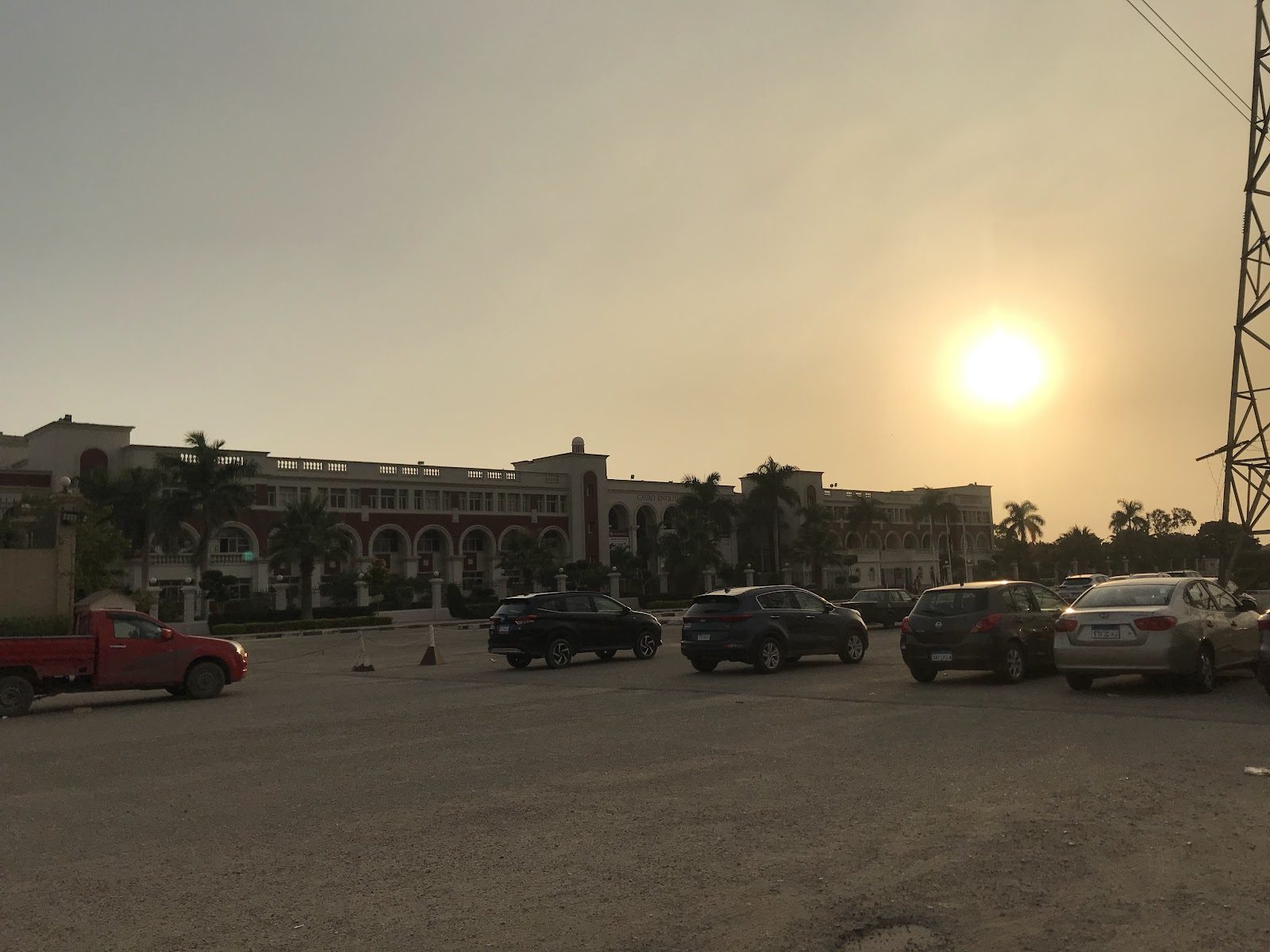
Cairo English School
Cairo · Egypt
A New Cairo campus where English National Curriculum meets Cambridge and IB pathways, anchored by Duke of Edinburgh expeditions and Week Without Walls
Same country and curriculum — closest matches within ±10 points either way