
Kuwait
The English School
low confidence· 3/6 cats · 3 avg sourcesFounded under the British Embassy in 1953, Kuwait's first British-curriculum school remains its only not-for-profit, family-stewarded institution.
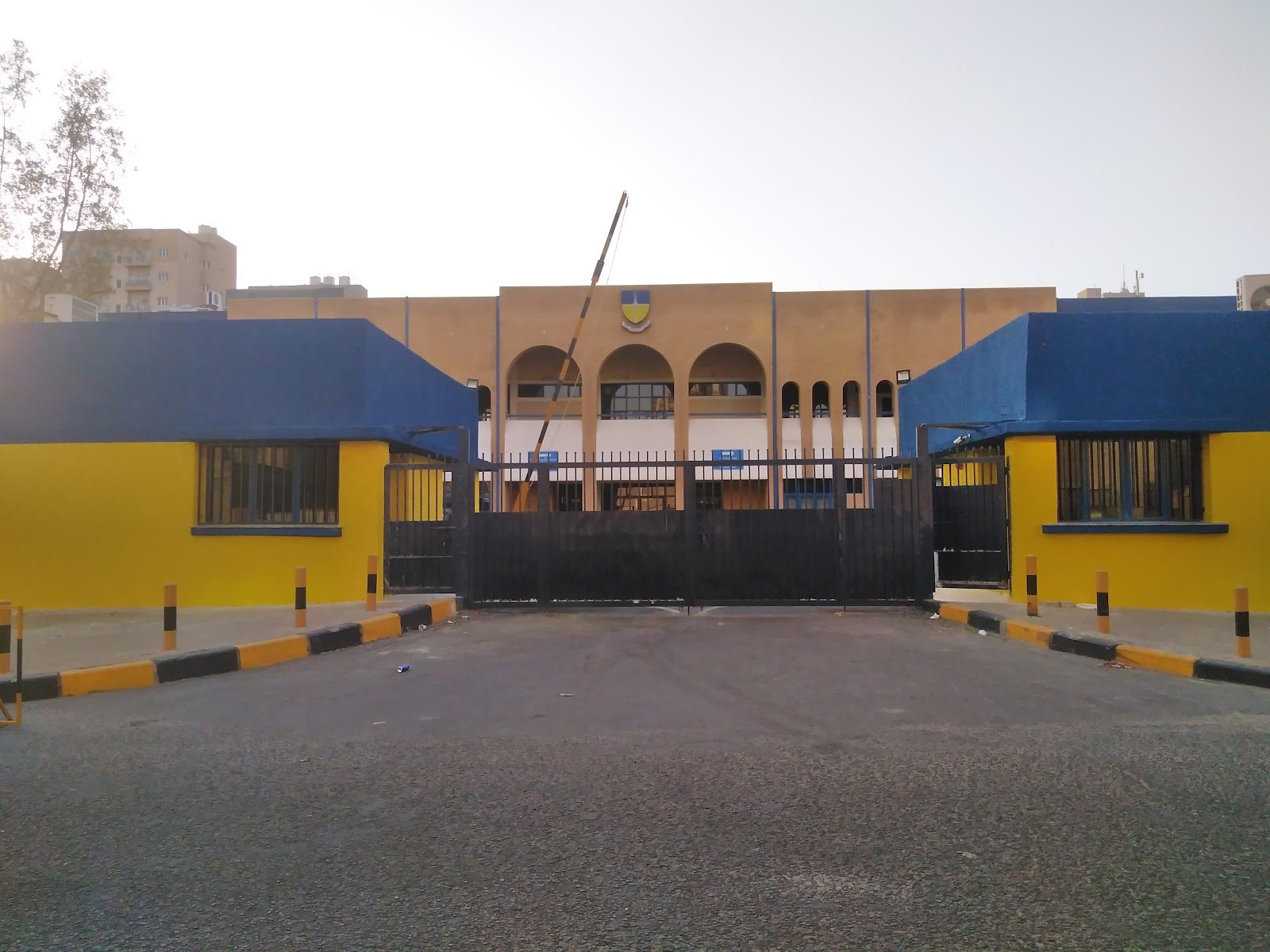
Photo © Anoop Kolatheyil via Google Maps
Type
Day
Ages
3–18
Curriculum
British
Qualifications
A-Level · IGCSE
Ratio
—
The Verdict
Editor's commitment
Right for
Families wanting a straightforward British day school in Kuwait City, with English teaching from age 3 to 18 and no religious overlay.
Wrong for
Those seeking boarding, bilingual Arabic-English instruction, or anything other than a non-religious British day school founded in 1975.
Watch out for
At 3–18, day-only and British by declaration, it promises continuity; whether that translates into standout outcomes is not published here.
Ranking breakdown
The English School · #1553 of 1591
Composite score 44.0. 8 weighted criteria.
By criterion
Academic Outcomes
Weight 20%
#1481
of 1529 scored
University Placement
Weight 16%
#1484
of 1529 scored
Prestige & Heritage
Weight 12%
#1517
of 1571 scored
Alumni Network
Weight 12%
#1219
of 1530 scored
Facilities
Weight 12%
#1509
of 1533 scored
Transparency & Communications
Weight 8%
#1489
of 1532 scored
Peer & Industry Review
Weight 10%
#1512
of 1548 scored
Admissions Selectivity & Demand
Weight 8%
#1491
of 1529 scored
Score history
The English School · 2026
Movement across 2024–2026. Peer average overlaid.
Overall — 2024–2026
44.0/ 100
▲ +9.3 vs 2025
year on year
Peer & Industry Review
How The English School is regarded in the sector
62
Respected · low confidence
The English School Kuwait is consistently listed among the top British-curriculum schools in Kuwait in expat-parent forums (e.g. ExpatWoman, British Embassy Kuwait school guidance) and has appeared in British Schools Overseas (BSO) inspection frameworks with generally positive ratings, reflecting a solid regional reputation among the expat community. However, it lacks the broader specialist press coverage (Tatler, Good Schools Guide feature pieces, Sunday Times School of the Year) that would place it in the top tier, and independent alumni-network coverage is minimal.
Evidence sources
Editors' overview
The English School is a compact, long-established British day school in Kuwait City with a notably clear identity: English-medium, all-through, and unusually, explicitly not-for-profit. In a market crowded with proprietary schools and broad “international” positioning, that matters. So does scale. With 710 pupils, 53 nationalities and 70 teaching staff, TES looks less like a mass-market operation and more like a deliberately contained school community. It follows the National Curriculum for England and appears to trade on something many parents say they want but do not always find in Kuwait: a settled atmosphere, high expectations without drama, and a school small enough for children to be known properly.
What is special here is not novelty but coherence. TES presents itself as a school of tradition, pastoral steadiness and consistent academic preparation rather than aggressive ambition or glossy reinvention. The facilities are stronger than one might expect from a school of this size: a performing arts centre seating over 600, a 6-lane 13 x 25m pool, three ICT labs and three science labs. That gives it some breadth beyond the “nice but limited” profile that smaller schools can fall into. The likely appeal, then, is to families who value calm competence, genuine community, and a British curriculum delivered in an environment that does not feel overblown. It should be on a shortlist for parents who want an established English-speaking school with enough infrastructure to support sport, performance and practical subjects, but without the impersonality of a very large campus.
The likely student fit is straightforward. This is a good match for children who benefit from routine, pastoral attention and a school culture that prizes respect, effort and confidence over swagger. Pupils who want endless scale, heavy sixth-form-style specialisation, or the social sprawl of a huge international school may find it comparatively contained. But for students who are likely to thrive in a purposeful, well-mannered environment and families seeking substance over flash, TES has a persuasive case. Its strongest selling point is that it seems to know exactly what it is — and in this sector, that is rarer than schools like to admit.
Academic Performance
The English School presents itself as a British school following the National Curriculum for England, but on the evidence provided here it does not publish any hard external examination data. There are no school-supplied IGCSE, GCSE, AS or A-level results in the source material, no year-on-year score trends, and no university destination breakdown beyond the broad claim that pupils move on to “excellent schools in Kuwait, the UK and around the world”. That makes precise judgement difficult. What can be said is that TES is a well-established local name, with 710 pupils, 70 teaching staff and 53 nationalities represented; those figures suggest a school of reasonable scale rather than a boutique operation, and one likely to attract families wanting continuity in Kuwait City.
Relative to peers, TES therefore sits in an evidence-light middle ground. It may well produce solid outcomes, but unlike the stronger British schools in the Gulf that publish detailed public exam profiles, TES does not — at least not in the material supplied. For parents comparing academic performance, that matters. The school’s description points instead to a broadly traditional English model, strong pastoral positioning and an emphasis on pupil character and school culture. In editorial terms, this is not a results-transparent school. Until verifiable examination outcomes are made public, it is more credible to place TES among schools whose reputation rests on longevity and community standing rather than demonstrable top-tier exam performance.
Facilities
The English School’s facilities are stronger than one might expect from a relatively compact British day school in Kuwait City. The clearest headline is the performing arts centre, a 600-plus-seat venue that is materially better than the assembly halls found at many mid-sized peer schools; it gives productions, concerts and whole-school events proper scale rather than making do with multipurpose space. Sport is also well served: an air-conditioned gym with sprung wooden floor and a 6-lane, 13 x 25m swimming pool with double deep ends is a serious asset, especially in Kuwait’s climate. Against comparable British-curriculum schools, that puts TES in the above-average bracket for indoor sports provision, even if it does not suggest the sprawling athletics infrastructure of the largest premium campuses.
Academic facilities are solid rather than lavish. Three ICT labs with around 60 PCs, three science labs with a prep room, and a library with both study and informal reading space indicate competent core provision for a school of 710 students. That should be enough for regular specialist teaching without the bottlenecks seen in smaller schools, though it is not an especially ambitious laboratory or technology offering by top-tier regional standards. The school also emphasises generous play and social areas, which matter in a day-school setting and support a well-used, practical campus. In short: not the flashiest estate in the market, but a facility mix that looks *thoughtfully matched to the school’s size and purpose*.
The English School’s facilities are stronger than one might expect from a relatively compact British day school in Kuwait City
Prestige
Prestige here rests less on glamour than on durability. The English School is a well-established fixture in Kuwait’s English-speaking market: a British day school in Kuwait City serving ages 3–18, with 710 pupils, 53 nationalities and 70 teaching staff according to the school. That gives it a credible profile among expatriate families looking for continuity, English-medium teaching and a conventional National Curriculum for England structure. The school also describes itself as Kuwait’s only not-for-profit school, which, if accurate, is a meaningful distinction and suggests an identity built more on institutional mission than on commercial scaling. Its principal says pupils move on to “excellent schools” in Kuwait, the UK and elsewhere, but the school does not publish the kind of destination data or examination statistics that would justify calling it academically elite.
So the prestige level is best described as solid rather than rarefied: long-standing, widely recognised and reassuringly established, but not obviously in the top tier of globally known British international schools on the evidence provided. What strengthens its standing is breadth and seriousness of provision: a performing arts centre seating over 600, a 6-lane swimming pool, separate science labs and multiple ICT labs indicate a school with real substance rather than a light-frills operation. In editorial terms, this is practical prestige — the kind that matters to parents on the ground in Kuwait — rather than the more competitive prestige that comes from published outcomes, selective admissions or international brand cachet.
What distinguishes The English School in Kuwait City is not novelty but institutional shape
Communications
The English School presents itself clearly online, and for most prospective parents that will be the first clue to its communication style: orderly, upbeat and fairly direct. The website gives the practical essentials without much digging — ages, curriculum direction, facilities, values and a sense of school life — and it does so in plain English rather than jargon. There is also visible use of social media, with regular Instagram-style updates showing recent activities, student work and staff introductions. That matters in an expatriate market, where parents often want a quick read on day-to-day atmosphere, not just policy statements. The school also has enough scale to suggest a reasonably structured parent-facing operation: 710 students, 53 nationalities and 70 teaching staff.
That said, the communication shown here is stronger on tone and community visibility than on hard information. It is warmly presented, easy to navigate and reassuringly consistent in message, but also somewhat promotional and *lighter on detail than the best schools provide*. For example, the site foregrounds values, happiness and destination schools, yet the extracts do not show much by way of handbooks, reporting rhythms, governance detail or concrete explanations of how parents are kept informed once enrolled. The social feed adds immediacy, but social media is not the same thing as systematic communication. So the impression is of a school that communicates confidently and frequently in public, but whose deeper parent communication systems are not fully evidenced in the material provided.
Uniqueness
What distinguishes The English School in Kuwait City is not novelty but institutional shape. It describes itself as Kuwait’s only not-for-profit school, and that matters more than the slogan-heavy language elsewhere on the site. In practical terms, a not-for-profit model can support a more mission-led culture and a less obviously commercial relationship with families. The school is also unusually established: the editorial record gives a founding date of 1975, while the school site claims a much earlier history; either way, this is plainly a long-running institution rather than a recent market entrant. Its scale is another point of difference — 710 pupils, 53 nationalities and 70 teaching staff — which suggests a school large enough to offer breadth without becoming anonymous. For students, that combination is likely to mean a settled, internationally mixed environment with systems that have had time to bed in.
The school’s British character also appears unusually explicit. It says it follows the Foundation Stage and National Curriculum for England, and positions itself as a route into “excellent schools in Kuwait, the UK and around the world”. That is a familiar claim, but the more concrete point is that this is a 3–18 English-medium day school with a broad age range and visible facilities: a performing arts centre seating over 600, a 6-lane pool, three ICT labs and three science labs. For pupils, that should translate into continuity from early years to sixth form age, a strong co-curricular spine, and day-to-day access to specialist spaces rather than a bare-bones academic setup.
The English School will suit families looking for a settled, traditional British day school rather than a sprawling, high-churn international campus
Student Profile
The English School will suit families looking for a settled, traditional British day school rather than a sprawling, high-churn international campus. With 710 pupils and 53 nationalities, it appears to occupy that useful middle ground: large enough to feel internationally mixed, small enough for children to be known. The school’s own language is revealing. It stresses happiness, pastoral care, involvement in school life and values such as respect, integrity and confidence. That suggests a community likely to work best for pupils who are polite, cooperative and willing to participate, not children who need a highly anonymous or aggressively competitive environment. As the only not-for-profit school in Kuwait, it may also appeal to parents who prefer a mission-led school culture over a more overtly commercial one.
Academically, this looks like a fit for children who will do well within a *recognisably English educational structure*, following the Foundation Stage and National Curriculum for England in English throughout. There is enough on offer beyond lessons — from the performing arts centre to swimming, sport and ECAs — to suit pupils who want a busy all-round school life. The school’s stated emphasis on pupils being happy, hard-working and well-balanced points to a *pastorally minded, conventional student culture*. Best for families who value consistency, community and routine; less obviously suited to those seeking a very progressive educational model or a school defined primarily by elite academic signalling.
The English School is a compact, long-established British day school in Kuwait City with a notably clear identity: English-medium, all-through, and unusually, explicitly not-for-profit
Co-curricular strengths
Arts & sport, on a separate axis
Overall 3.2/10
Scored 0-10 from the school's own published evidence. This axis is editorial-only — it does not feed the main WTS ranking.
Sports
4/10
Multiple sports—Football, Basketball, Swimming, Netball and Athletics—showing a solid multi-sport extracurricular offer, but gives no facilities, staff, fixtures or competitive results.
Drama
3/10
Drama appears explicitly as 'Drama club' in the extracurricular list.
Dance
—
Music
3/10
Music is evidenced by the explicit listing of a 'School choir', but there is no further detail on ensembles, facilities, curriculum depth or specialist staff.
Visual Arts
3/10
Visual arts is evidenced by the explicit listing of an 'Art club', but there is no further detail on studios, exhibitions, specialist staff or broader programme depth.
Editor first-pass · editor-reviewable · 7/27/2026
Strengths
- +British curriculum from age 3 to 18
- +English-medium teaching throughout
- +Day school avoids boarding disruption
- +Established in Kuwait City since 1975
Considerations
- −No boarding option for overseas families
- −British curriculum only; no IB mentioned
- −Kuwait City location may limit commute choices
Availability
Primary entry gate & tests
CAT4 / Assessment
Gallery
Photo © Kirsten Setili via Google Maps
Photo © Kirsten Setili via Google Maps
Photo © ibrahim ahmed via Google Maps
Photo © Anoop Kolatheyil via Google Maps
Photo © Anoop Kolatheyil via Google Maps
Parent reviews
Have you sent your child here?
Voice reviews carry the strongest trust badge — we transcribe them for you to tidy up before they go live. Prefer to type? A written review is fine too.
Add your voice
In 60 seconds, tell other parents: what's the best thing about The English School, and what surprised you when your child joined?
We ask for a Google sign-in so every review has a real face behind it — no anonymous drive-by attacks on schools, and no faked positive reviews. Your email is never shown publicly.
Send this profile to a friend
International parents rely on word-of-mouth. Share this review with someone weighing the same decision.
Schools with places
Similar schools to The English School with places available now.
Collège du Léman
Versoix · Switzerland
- 2026-27
- WAITPOOLSpace-dependent
- 2027-28
- PLACES OPENRolling
Muscat International School
Muscat · Oman
- 2026-27
- PLACES OPENApps open / space-dependent
- 2027-28
- WAITPOOL2027/28 timetable TBC
Bishop Cotton School
Shimla · India
- 2026-27
- WAITPOOLSpace-dependent
- 2027-28
- PLACES OPENRolling
Millfield School
Street · United Kingdom
- 2026-27
- CLOSEDStandard route closed
- 2027-28
- PLACES OPEN11+ / 13+ / 16+ active
Availability first, then country, area, curriculum, price, co-curricular
Consider also
Also worth looking at alongside The English School.
Shanghai Rego International School
Shanghai · China
A Minhang day-and-boarding campus delivering the English National Curriculum through GCSEs and A-Levels, with houses, an indoor pool and daily Mandarin study.
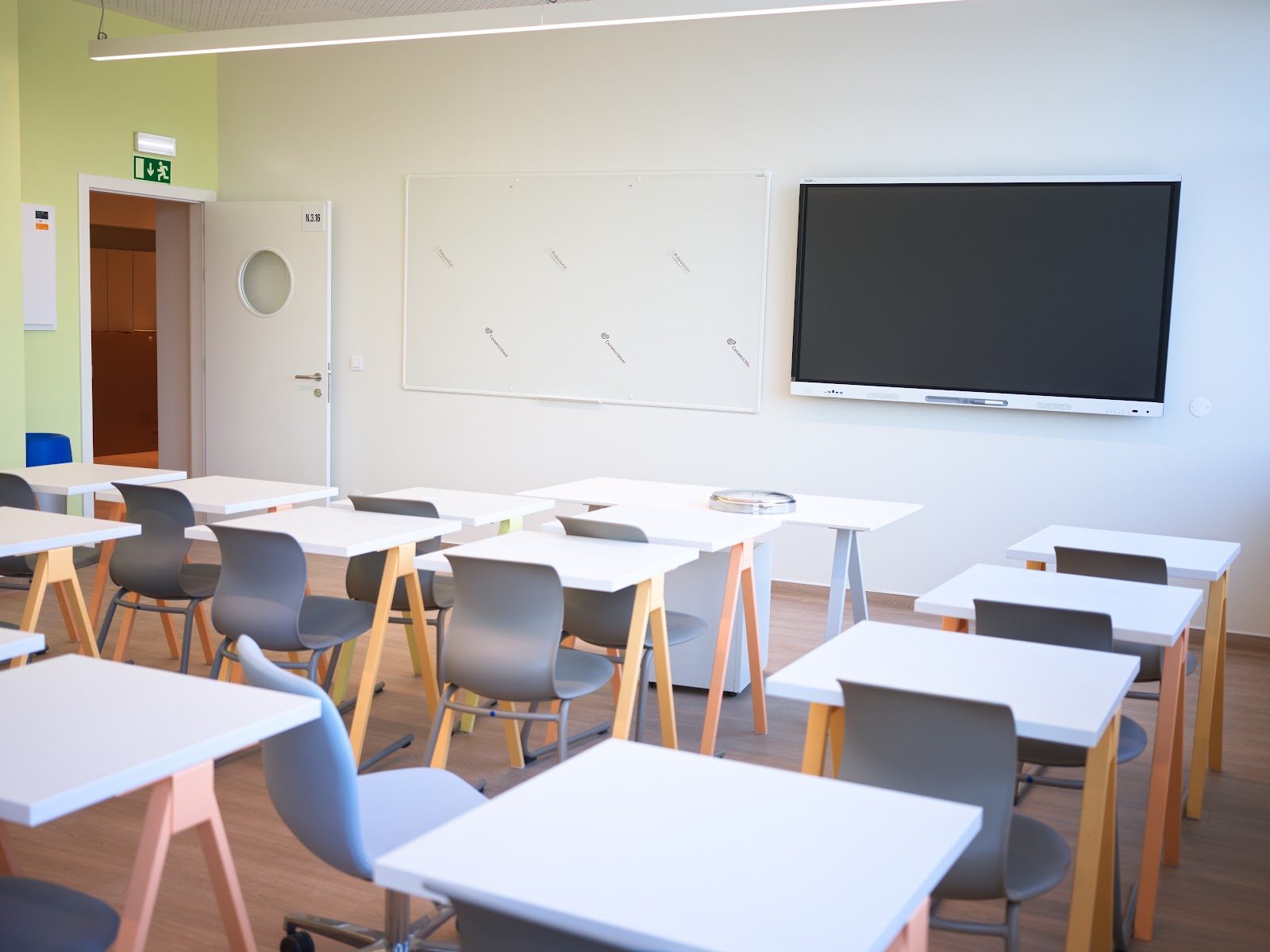
King's College School Cascais
Cascais · Portugal
A EUR75 million coastal campus outside Lisbon pairs Cambridge rigor through Year 11 with a choice of IB or A-Levels beyond.
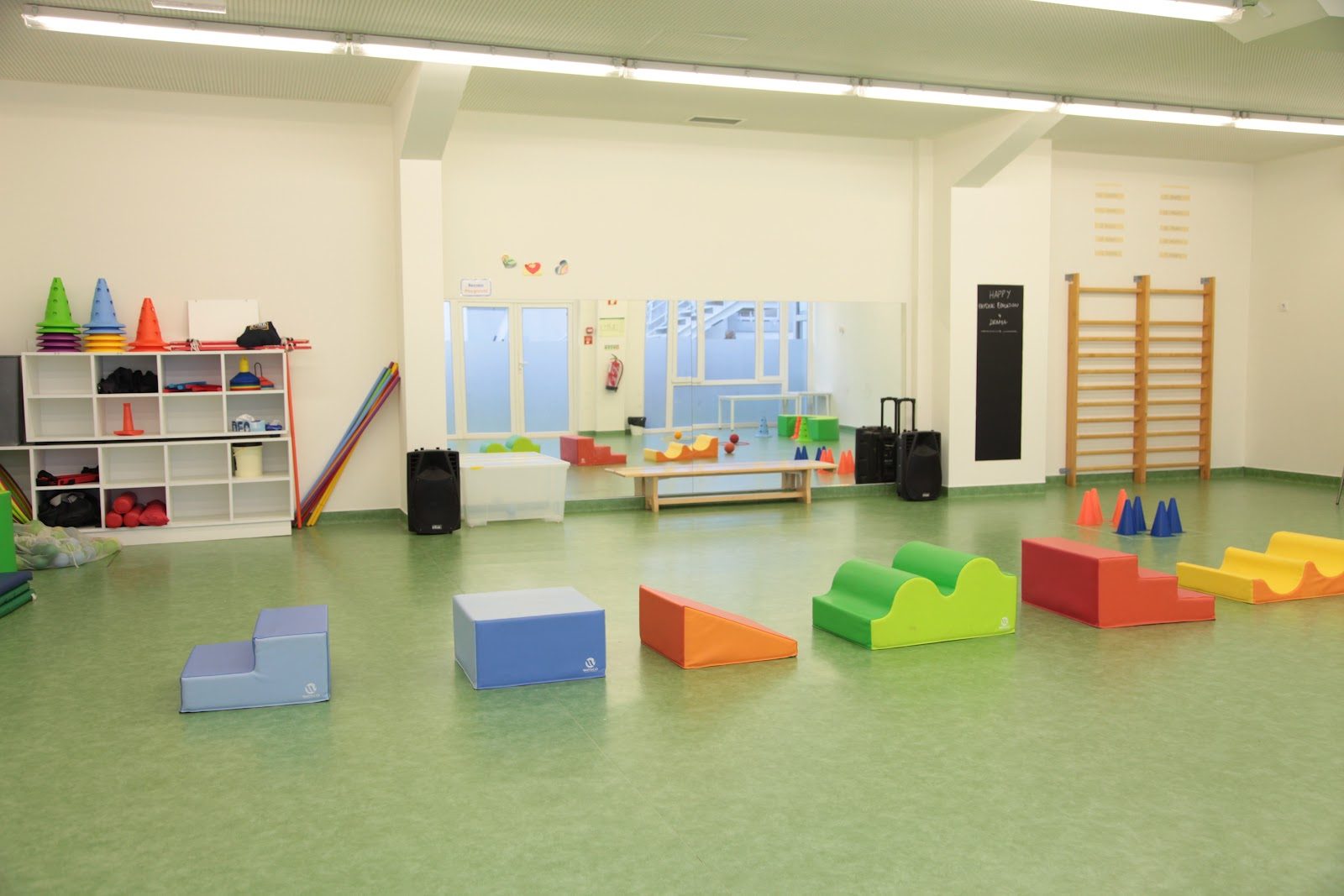
PaRK International School
Lisbon · Portugal
Bilingual immersion to Grade 4 gives way to Cambridge IGCSE and the IB Diploma, inside Lisbon's global Inspired Education network.
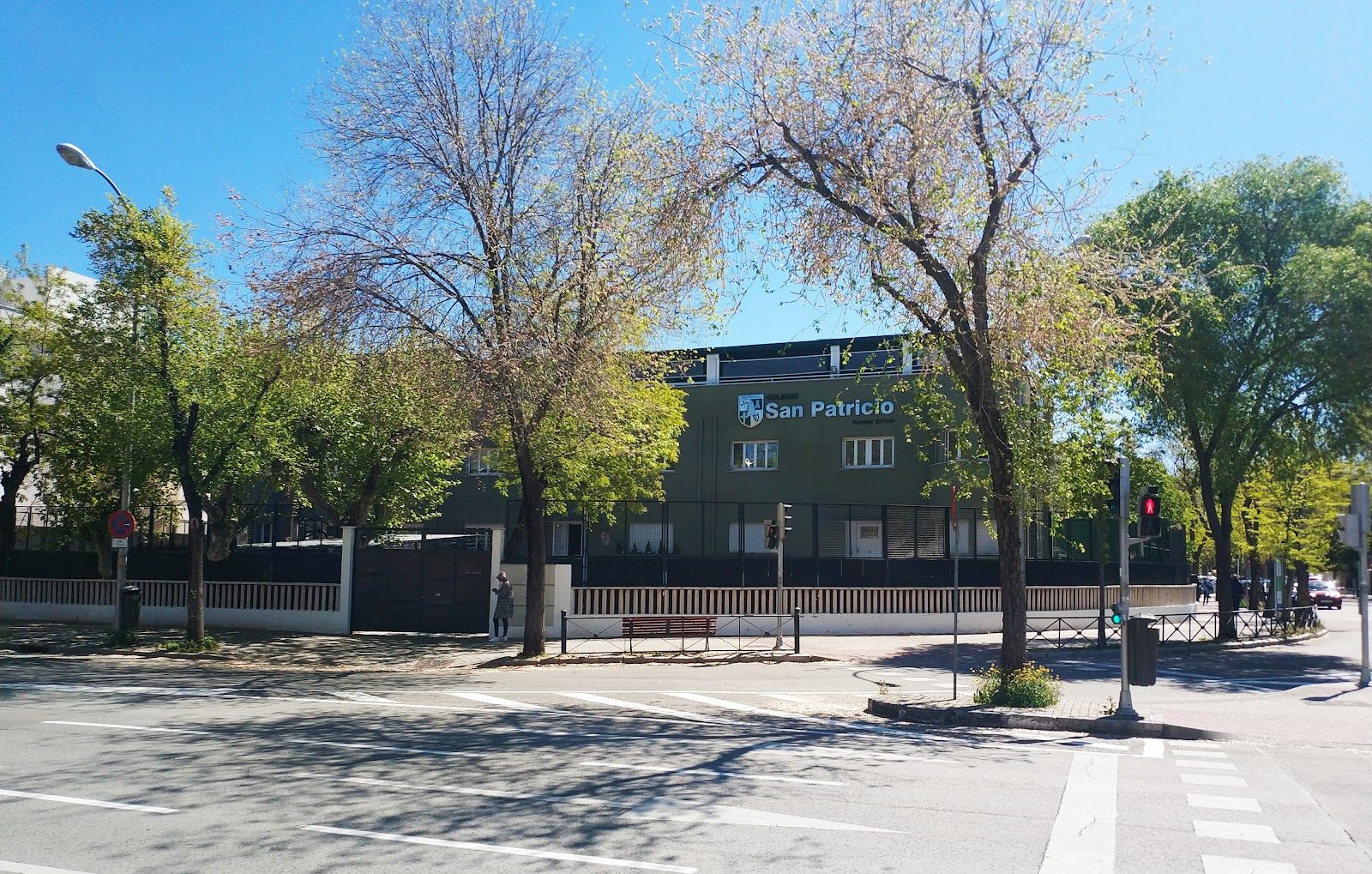
Colegio San Patricio Madrid
Madrid · Spain
Three Madrid campuses pair Spain's national Bachillerato with the IB Diploma, adding German and French from age three.
Same country and curriculum — closest matches within ±10 points either way