
Guangdong
Shenzhen American International School
low confidence· 2/6 cats · 2.5 avg sourcesIn China's electronics capital, a Shekou campus swaps lecture halls for a maker space, fusing Common Core rigor with hands-on invention.
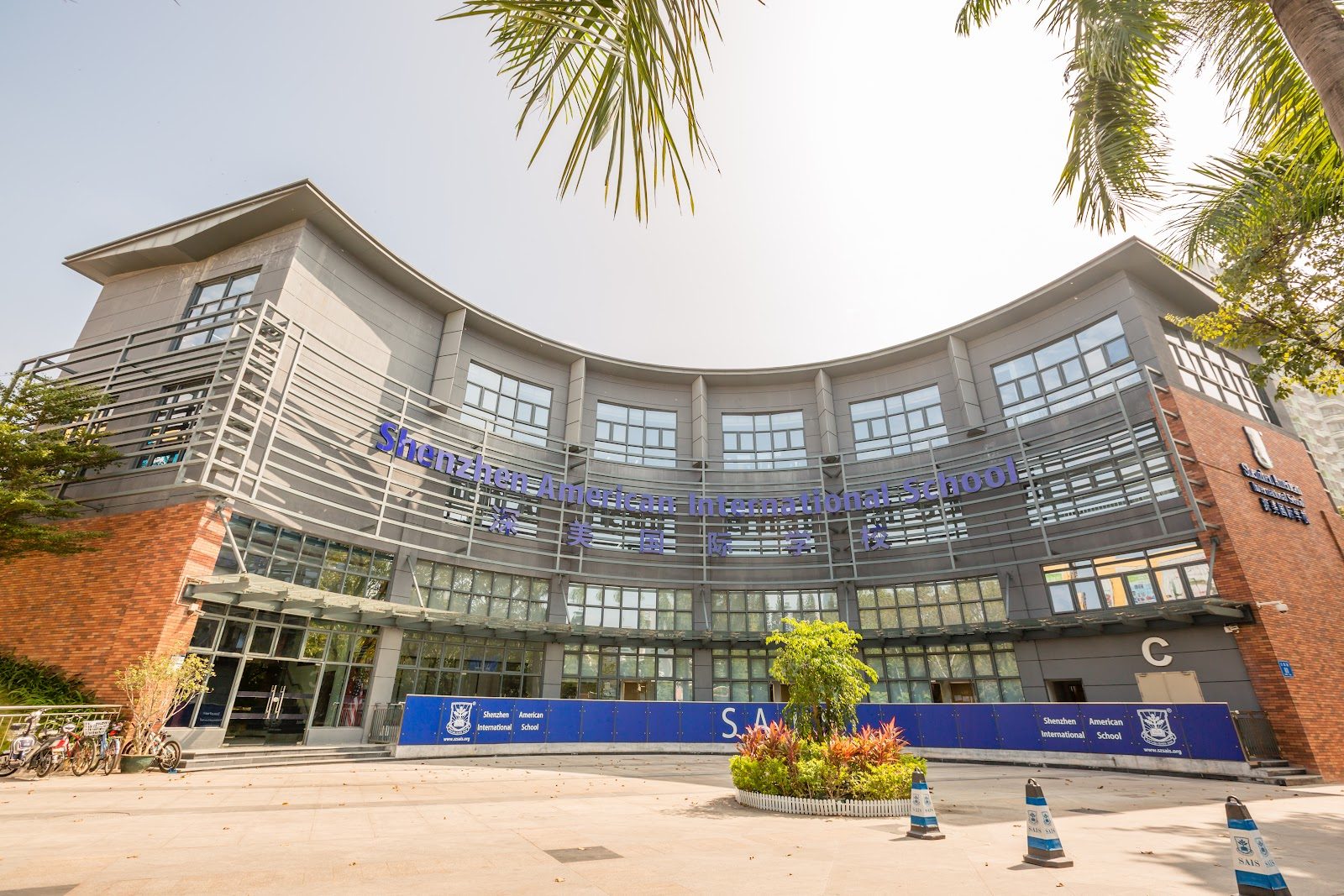
Photo © 深圳市深美外籍人员子女学校(SAIS) via Google Maps
Type
Day
Ages
3–18
Curriculum
American
Ratio
—
The Verdict
Editor's commitment
Right for
Families in Shenzhen who want a day school in Shekou with an American curriculum, English and Mandarin, and WASC plus CIS accreditation.
Wrong for
Parents chasing boarding, a British or IB route, or a school trading on old-brand prestige; SAIS is a secular day school founded in 1988.
Watch out for
The hard facts stop at Shekou, 1988, American curriculum and WASC/CIS; the school does not publish wider public proof points here.
Ranking breakdown
Shenzhen American International School · #1552 of 1591
Composite score 44.0. 8 weighted criteria.
By criterion
Academic Outcomes
Weight 20%
#1481
of 1529 scored
University Placement
Weight 16%
#1484
of 1529 scored
Prestige & Heritage
Weight 12%
#1523
of 1571 scored
Alumni Network
Weight 12%
#1224
of 1530 scored
Facilities
Weight 12%
#1465
of 1533 scored
Transparency & Communications
Weight 8%
#1489
of 1532 scored
Peer & Industry Review
Weight 10%
#1512
of 1548 scored
Admissions Selectivity & Demand
Weight 8%
#1491
of 1529 scored
Score history
Shenzhen American International School · 2026
Movement across 2024–2026. Peer average overlaid.
Overall — 2024–2026
44.0/ 100
▲ +13.4 vs 2025
year on year
Peer & Industry Review
How Shenzhen American International School is regarded in the sector
49
Credible · medium confidence
I could not identify at least two independent, third-party sources (e.g., Tatler, Good Schools Guide, specialist education press, or established expat forums) that substantively discuss Shenzhen American International School's reputation. Available information appears limited to the school's own marketing materials or unverifiable listings, which do not meet the evidentiary bar required for this assessment.
Editors' overview
Set in Shekou, Shenzhen American International School has a clear niche: an American day school for ages 3 to 18 in a city better known for hardware start-ups and industrial pace than for long-established international-school tradition. The school’s most distinctive feature is right there in the proposition: American curriculum, English and Mandarin instruction, and a campus culture tied to making and building rather than passive note-taking. In a market full of IB and British options, that gives SAIS a usefully different identity. Founded in 1988, and accredited by WASC and CIS, it has the institutional markers parents need to see, even if the school does not publish the kind of granular outcome data that would make academic scrutiny easier.
Why shortlist it? Because it offers a specific answer to a specific family brief. Parents who want an American educational frame in mainland China, delivered in English but with Mandarin in the mix, do not have an endless list of credible options. SAIS covers the full 3–18 age range, which matters for families trying to avoid repeated school moves, and its Shekou location places it in the part of Shenzhen where international families have long clustered. The school’s practical streak also matters. In China’s electronics capital, a school that leans into hands-on invention and maker-space learning has more local logic than a generic “global” pitch. That will suit children who learn best by doing, building, testing and iterating, not just by absorbing content for exams.
The caveat is straightforward. SAIS is not the school for families chasing a hyper-transparent results culture with pages of published university destinations, exam breakdowns and selective-admissions chest-beating. The public picture is more restrained than that. What is solid and verifiable is the framework: secular, day-only, American, bilingual in English and Mandarin, with established accreditation. What remains less clear in the public domain is the fine-grain evidence on outcomes, cohort profile and academic selectivity. For some parents, that is a decisive drawback. For others, the school’s clear sense of purpose will outweigh it.
The child who fits SAIS best is curious, independent and happy in a school that values applied learning alongside academic structure. This is a good shortlist school for internationally mobile families, for American or American-leaning households who want curricular familiarity, and for students who will thrive in a maker-minded environment rather than a narrow exam factory. It is less compelling for families who want the social theatre and publication-heavy prestige machinery of a bigger, more aggressively branded international school.
Academic Performance
SAIS does not publish public exam data in any useful level of detail. We have not seen aggregate AP results, SAT averages, grade distributions, college-placement lists or year-by-year destination breakdowns. That puts the school at a disadvantage against stronger-reporting peers in China’s international market, where serious operators now disclose at least some hard numbers. For parents trying to judge academic punch, that opacity matters. It makes external benchmarking needlessly difficult and shifts the decision back onto fit, teaching quality and direct due diligence rather than published outcomes.
That absence of data does not mean weak academics; it means unproven academics in the public domain. Relative to schools that trade heavily on selective university admissions or exhaustive exam reporting, SAIS sits in a less performance-broadcast bracket. The school’s value proposition rests elsewhere, and families need to be comfortable with that. If your shortlist depends on headline metrics and comparative tables, SAIS will frustrate you. If you can live without a public scoreboard and are prepared to press hard in admissions meetings for cohort results, subject availability and destination history across the last 3 to 5 years, the picture may sharpen. Until then, this remains an evidence-light academic story rather than a results-led one.
Facilities
The facility story rests on one clear asset: a maker-space culture that gives practical work real status rather than treating it as an add-on. In a city tied so closely to manufacturing, prototyping and electronics, that matters. For children who learn by building, testing and iterating, this is a more purposeful setup than the token innovation labs found in many mid-market international schools. The trade-off is scale. SAIS does not project the sprawling sports villages, theatre complexes or eye-catching specialist blocks that larger rivals in China use to signal ambition. Parents touring the campus need to ask a blunt question: does the school have the depth of specialist provision your child will use every week, or a compact set of spaces built around a clearer educational idea?
Against peers, that puts SAIS in the focused rather than lavish bracket. The campus proposition makes sense if you value workshop-style learning, manageable scale and facilities tied closely to day-to-day teaching. It is less persuasive if your benchmark is the full international-school arms race: Olympic-scale aquatics, multiple performance venues, elite competition sport and headline architecture. For some families, that restraint is a strength. It keeps the school from drifting into expensive spectacle. For others, it will read as a thinner offer than what premium competitors deliver. The key point is simple: SAIS’s most important facilities support making and applied learning well; they do not anchor a grand campus experience.
In a market full of IB and British options, that gives SAIS a usefully different identity
Prestige
SAIS carries niche prestige, not the broad, status-signalling clout of Shenzhen’s most brand-conscious international schools. Its name means something to families who know the Shekou expatriate circuit and who want an American route without the social theatre that surrounds bigger institutions. That distinction matters. Prestige in international education comes in different forms: some schools trade on scale, selectivity and relentless outcome marketing; SAIS trades on longevity, local recognition and a clearer sense of educational character. That gives it earned credibility inside its lane, but not the kind of cachet that turns heads across every corporate compound and relocation short list in the city.
Why rate it this way? Because the school’s public profile is restrained, its outcome reporting is thin, and prestige at the top end of this market depends on visible proof: published destinations, exam data, waiting-list pressure and a reputation that travels beyond its immediate catchment. SAIS does not project that level of institutional weight. What it does have is a more self-contained reputation built over decades with international families who value stability and fit over peacocking. For parents who want a school that feels grounded rather than glossy, that has value. For parents who want the strongest possible signal to universities, employers or their peer group, SAIS sits in the second tier of prestige rather than the first.
Because it offers a specific answer to a specific family brief
Communications
Parent communication is functional rather than polished, and that distinction matters. SAIS gives families the core institutional facts they need, but the public-facing picture lacks the hard-edged clarity that stronger communicators now treat as standard. We have not seen the kind of detailed, routinely updated parent information architecture that makes a school easy to track at a distance: clear academic reporting samples, rich calendar visibility, deep leadership messaging, or a substantial archive of news that shows what pupils actually do week by week. For a school serving children across a long age span, that leaves too much to the admissions conversation and too little in plain view. The tone is serviceable, not forensically transparent.
That does not make communication poor; it makes it narrow in scope. Families who value direct, low-drama exchanges and do not need a constant stream of polished content may find that refreshing. Families who want a school to publish evidence, explain decisions in detail and document school life with real consistency will find SAIS underpowered. The weakness links directly to the school’s broader public profile: it tells you what it is, but does not do enough to prove, illustrate and update that case in depth. For current parents, effectiveness will rest heavily on the quality of day-to-day channels after enrolment. For prospective parents, the external communications leave too many obvious questions unanswered.
Uniqueness
What marks SAIS out is not prestige, scale or a trophy-case public narrative. It is the combination of an American school structure with a maker-first educational instinct in a Chinese technology hub that rewards practical competence. That matters because many international schools talk about innovation while still organising learning around conventional classroom performance and polished marketing language. SAIS’s identity is more grounded than glamorous. The emphasis on building, testing and problem-solving gives students a school day with more physical and intellectual texture: ideas move off the page and into prototypes, projects and visible outcomes. For the right child, that is genuinely distinctive.
The gain for students is clear. Children who are restless in purely lecture-led settings get a route into learning through doing; academically able pupils with engineering, design or entrepreneurial instincts get an environment that treats those strengths seriously rather than as extracurricular decoration. The school also serves a narrower family brief than many rivals, and that focus is a strength. It suits internationally mobile households that want continuity across the full age range and a school culture with less social posturing and more day-to-day substance. The compromise is plain: this is not a campus built to impress through spectacle, and it does not sell itself through a barrage of published outcomes. What it offers instead is a clearer educational thesis — one that can fit a child far better than a shinier, louder school.
In China’s electronics capital, a school that leans into hands-on invention and maker-space learning has more local logic than a generic “global” pitch
Student Profile
The best fit here is a child who wants school to feel active, not ceremonial. SAIS suits pupils who like to make things happen: the student who asks practical questions, wants to test ideas, and does not need constant external pressure to stay engaged. Independent workers will do well, but this is not a sink-or-swim environment for lone wolves; the stronger match is a student comfortable moving between classroom instruction, project work and collaborative problem-solving. Families looking for a status-conscious peer culture, heavy social display or a relentlessly competitive hierarchy will find the student body less aligned with their aims. This reads as a school for children who value substance over theatre.
It also fits internationally mobile families who want continuity without the prestige pageantry that defines parts of this market. Pupils who thrive here will tolerate a campus experience that is more compact and more practical than glamorous, and they will not need a school to broadcast achievement at every turn. Children with engineering, design or entrepreneurial instincts stand out as a strong match, as do students who are bright but under-stimulated by passive, talk-heavy teaching. The weaker fit is clear too: teenagers chasing a high-octane social scene, families who want a results-billboard culture, and students who need a large, high-pressure ecosystem to stay motivated. For the right child, the draw is focus, purpose and room to build.
That will suit children who learn best by doing, building, testing and iterating, not just by absorbing content for exams
Co-curricular strengths
Arts & sport, on a separate axis
Overall 3.3/10
Scored 0-10 from the school's own published evidence. This axis is editorial-only — it does not feed the main WTS ranking.
Sports
4/10
Multiple sports—Basketball, Volleyball, Soccer, Swimming, Badminton and Table Tennis—showing a solid multi-activity offering.
Drama
3/10
Drama appears explicitly as 'Drama Club' in the extracurricular list.
Dance
—
Music
3/10
Music is evidenced by the explicit listing of 'Choir', but there is no further detail on ensembles, specialist staff or music facilities.
Visual Arts
—
Editor first-pass · editor-reviewable · 7/27/2026
Strengths
- +American curriculum clearly stated
- +Located in Shekou, Nanshan District
- +Shenzhen location suits local expatriate families
- +American international school in China
Considerations
- −Only American curriculum listed
- −No accreditations provided in sources
- −No published details on fees or outcomes
Availability
Primary entry gate & tests
Academic Record
Gallery
Photo © Sharu Hakkim via Google Maps
Photo © Sharu Hakkim via Google Maps
Photo © Sharu Hakkim via Google Maps
Photo © Sharu Hakkim via Google Maps
Photo © Sharu Hakkim via Google Maps
Photo © Sharu Hakkim via Google Maps
Photo © Sharu Hakkim via Google Maps
Photo © Sharu Hakkim via Google Maps
Photo © Sharu Hakkim via Google Maps
Parent reviews
Have you sent your child here?
Voice reviews carry the strongest trust badge — we transcribe them for you to tidy up before they go live. Prefer to type? A written review is fine too.
Add your voice
In 60 seconds, tell other parents: what's the best thing about Shenzhen American International School, and what surprised you when your child joined?
We ask for a Google sign-in so every review has a real face behind it — no anonymous drive-by attacks on schools, and no faked positive reviews. Your email is never shown publicly.
Send this profile to a friend
International parents rely on word-of-mouth. Share this review with someone weighing the same decision.
Schools with places
Similar schools to Shenzhen American International School with places available now.
Shekou International School
Shenzhen · China
- 2026-27
- WAITPOOLSpace-dependent
- 2027-28
- PLACES OPENRolling
American International School of Guangzhou
Guangzhou · China
- 2026-27
- WAITPOOLSpace-dependent
- 2027-28
- PLACES OPENRolling
Availability first, then country, area, curriculum, price, co-curricular
Consider also
Also worth looking at alongside Shenzhen American International School.
Wuhan Yangtze International School
Wuhan · China
In Hanyang on the Yangtze, this foreign-passport-only campus rallies students into four house teams: Viper, Tiger, Crane, Panda.
QSI International School of Chengdu
Chengdu · China
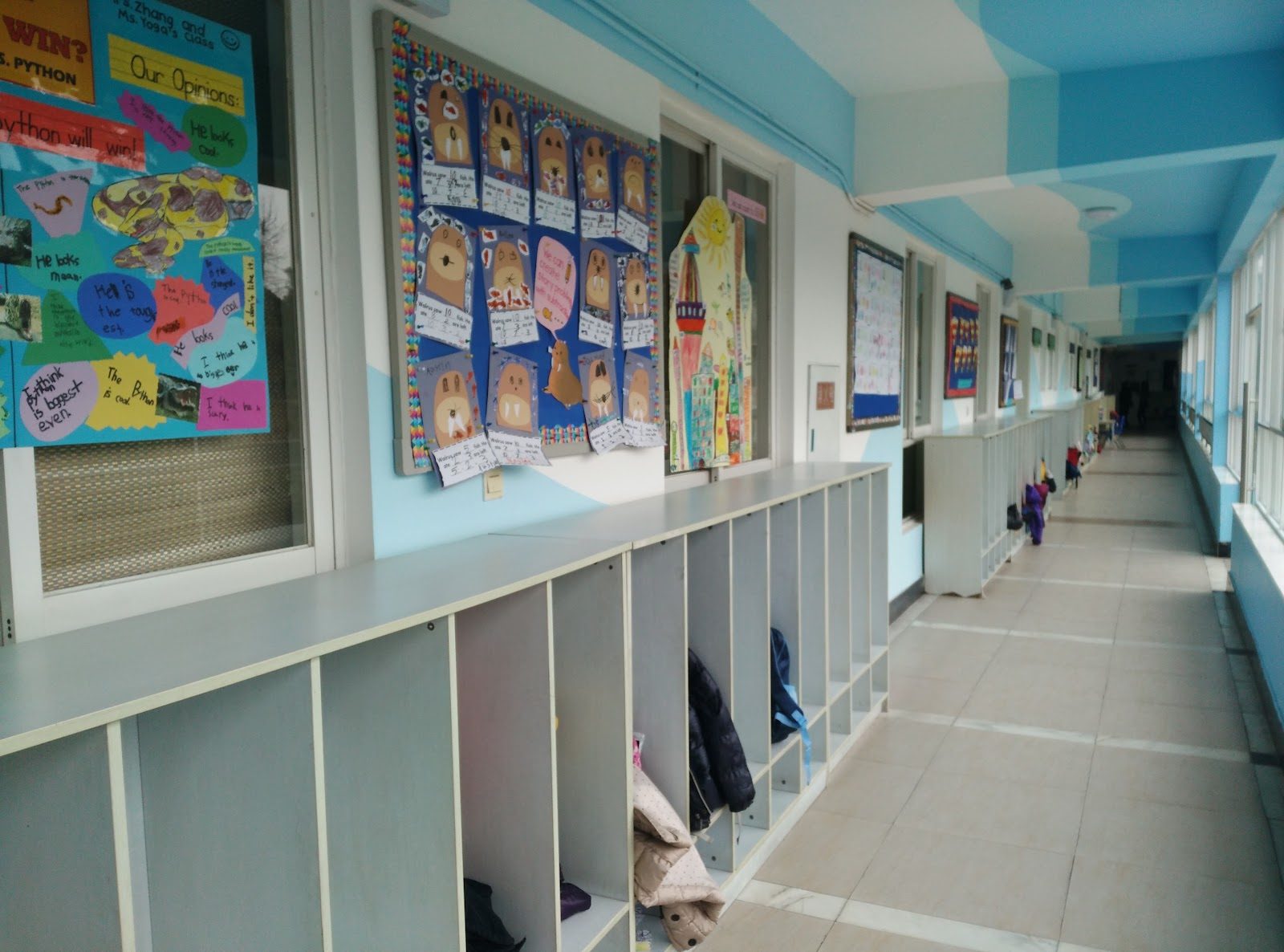
A mastery-learning model and single-digit class sizes anchor this American Garden campus school inside Chengdu's Third Ring Road.
Livingston American School Shanghai
Shanghai · China
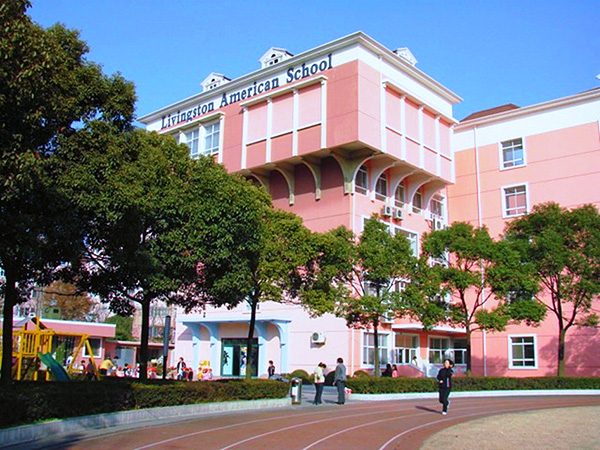
Founded by a former US congressman, this Changning day school pairs a California-aligned curriculum with AP rigor for Shanghai's expat families.
Xiamen International School
Xiamen · China
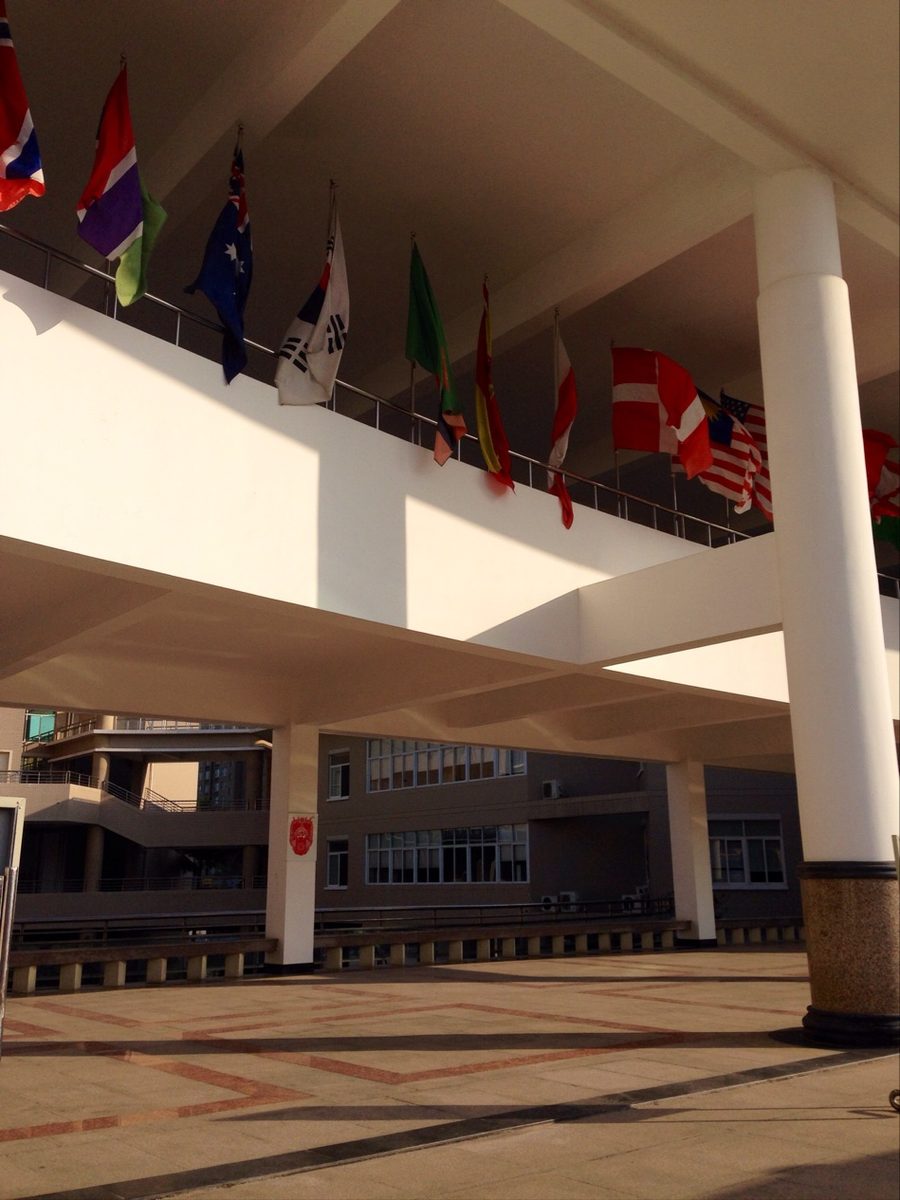
Grown from Xiamen's 1990s Kodak-era boom, this Fujian pioneer graduates seniors with bilingual IB diplomas at nearly triple the global rate.
Same country and curriculum — closest matches within ±10 points either way