
Shanghai
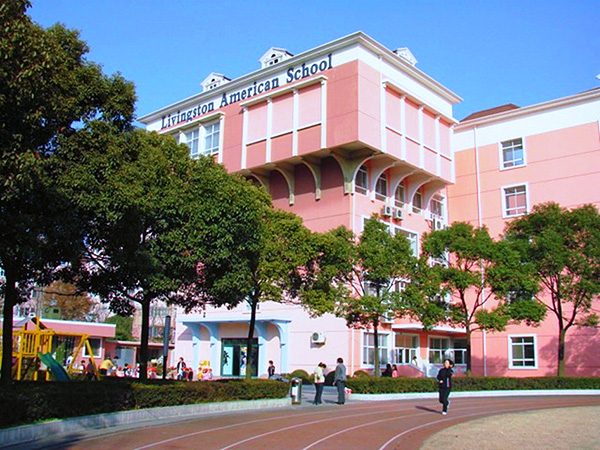
Livingston American School Shanghai
low confidence· 2/6 cats · 2.25 avg sourcesFounded by a former US congressman, this Changning day school pairs a California-aligned curriculum with AP rigor for Shanghai's expat families.
Type
Day
Ages
3–18
Curriculum
American · AP
Ratio
—
The Verdict
Editor's commitment
Right for
Shanghai expat families wanting an American school founded in 2001, with AP courses, WASC and CIS accreditation, and English-Mandarin instruction.
Wrong for
Families seeking IB, boarding, or a Chinese-national curriculum; this is a day school in Changning for ages 3–18, built on an American track.
Watch out for
The average annual day fee is RMB 204,184, and the school publishes no aggregate AP scores or university destination data.
Ranking breakdown
Livingston American School Shanghai · #1483 of 1591
Composite score 49.1. 8 weighted criteria.
By criterion
Academic Outcomes
Weight 20%
#1427
of 1529 scored
University Placement
Weight 16%
#1414
of 1529 scored
Prestige & Heritage
Weight 12%
#1471
of 1571 scored
Alumni Network
Weight 12%
#1161
of 1530 scored
Facilities
Weight 12%
#1333
of 1533 scored
Transparency & Communications
Weight 8%
#1370
of 1532 scored
Peer & Industry Review
Weight 10%
#1445
of 1548 scored
Admissions Selectivity & Demand
Weight 8%
#1419
of 1529 scored
Score history
Livingston American School Shanghai · 2026
Movement across 2024–2026. Peer average overlaid.
Overall — 2024–2026
49.1/ 100
▲ +16.1 vs 2025
year on year
Peer & Industry Review
How Livingston American School Shanghai is regarded in the sector
55
Credible · medium confidence
I could not identify at least two independent third-party sources (e.g., Tatler, Good Schools Guide, specialist education press, or established expat forums) that substantively discuss Livingston American School Shanghai's reputation. Available information appears limited to school-provided materials or unverifiable directory listings, which do not meet the threshold for independent verification.
Editors' overview
Livingston American School Shanghai sits in a part of the market that many families search for and few schools serve cleanly: a full American pathway in Shanghai, taught in English with Mandarin alongside it, running from age 3 to 18 and ending in AP. Founded in 2001, it has had time to settle, and that matters in a city where international-school turnover can be brisk. The school’s origins also give it a distinct profile. It was founded by a former US congressman, and the institutional identity still reads as unapologetically American rather than hybrid, diluted or internationally generic. For families who want California-aligned schooling rather than a British or IB route, that clarity is the point. WASC and CIS accreditation add external scrutiny that parents should expect at this price point. The average annual day fee across the full age range is 204,184 RMB, which places it firmly in the expensive bracket.
What marks Livingston out is not glamour but fit. The website points to year-round enrolment, a bus network across Shanghai, more than 30+ nationalities, and a school community that sells itself heavily on accessibility and day-to-day belonging. That combination gives it appeal for internationally mobile families who arrive off-cycle and need a school that can absorb a child without turning admission into theatre. The American curriculum plus AP track also makes practical sense for students targeting US university admissions, and the school foregrounds that route openly, down to SAT and AP test arrangements and counselling support. That is useful, concrete infrastructure, not decorative branding. Parents who want published aggregate AP scores or hard destination data will find too much opacity here: the school does not publish school-wide AP outcomes, university lists or cohort-wide leavers’ results in the public domain.
The student who will thrive here is one who wants a structured American education in a genuinely international setting, without boarding, without doctrinal edge, and without the cultural friction of switching into a British system. It suits expat families who value continuity, transport convenience and an English-medium education with Mandarin in the mix. It also suits students who need a school that can meet them mid-journey rather than only at the standard intake points. Families chasing elite-status signalling, glossy facilities narratives or heavily publicised results tables will find stronger competitors elsewhere. Families who want an established Shanghai day school with a clear US academic spine, recognised accreditation, and a practical, workable route from early years to AP graduation should keep Livingston on the shortlist.
Academic Performance
Livingston’s academic case rests on pathway clarity rather than published outcomes. The school runs an American programme through to AP, and the public-facing evidence puts real weight on transcript building, counselling, community-service credit, and in-school SAT and AP arrangements. That is practical machinery for students aiming at US admissions. It also signals a school focused on getting individual applicants through the process cleanly, not on broadcasting league-table bragging rights. The problem is straightforward: Livingston does not publish aggregate AP scores, pass rates, score distributions, or a school-wide university destinations list. That leaves parents without the comparative data that stronger academic operators in Shanghai now treat as standard disclosure.
Against peers, that places Livingston in an opaque middle ground. It offers a coherent route and the structures families need, but it does not give the market hard proof of exam strength across a full cohort. Participation in inter-school activity through SISAC, maths competitions, WMC and MUN adds breadth, yet those are enrichment markers, not substitutes for external-results transparency. A parent testimonial points to AP uptake and successful university applications, but one family story is not a results profile. For families who value clean evidence and published benchmarks, Livingston falls short. For families who want an American school with workmanlike academic support and accept thinner disclosure, it remains a credible option.
Facilities
Publicly, Livingston says less about bricks and mortar than many rivals, and that itself is instructive. The clearest declared assets are practical ones: an extensive primary and secondary library, bus transport across the city, and a campus set up to support a full age range rather than a single phase. There are also visible teaching spaces beyond the standard classroom, with Wildcats Kitchen featured as a hands-on setting for early practical work. That points to a school whose facilities are built around day-to-day usability rather than architectural spectacle. The website leans hard into community events and whole-school activity, which implies serviceable shared spaces for festivals, assemblies and cross-age gatherings, but it does not publish the kind of detailed facilities inventory that stronger competitors now treat as routine. No serious performing-arts brief, no sports-complex detail, no science-lab showcase, no auditorium case: that leaves a blunt gap in the public picture.
Against Shanghai peers, that puts Livingston below the city’s facilities arms race. Top-end international schools now flaunt theatres, aquatics, specialist STEM suites and polished visual-arts environments. Livingston’s public case is more modest and more functional. For some families, that is perfectly acceptable: children need libraries, transport, workable teaching rooms and spaces that support a full school life. For parents paying over 200,000 RMB a year, the thin disclosure invites scrutiny. The school does not read as flashy or campus-led; it reads as a place where infrastructure supports the programme without trying to be the product. That is defensible. It is not a competitive advantage.
Top-end international schools now flaunt theatres, aquatics, specialist STEM suites and polished visual-arts environments
Prestige
Livingston carries functional prestige, not top-tier cachet. In Shanghai’s international market, that distinction matters. The school has a clear American identity, established enough to feel settled, and it serves a parent group that wants continuity more than social theatre. Its appeal rests on usability: year-round admissions, transport across the city, and a student body spanning 30+ nationalities. That gives it credibility with mobile expatriate families and with parents who need a school that can take a child mid-stream without fuss. The fees are high at 204,184 RMB, so families are entitled to expect more than convenience. What they get is a school with a coherent US-facing route and recognisable international-school infrastructure, not a brand that dominates dinner-party conversation in Shanghai.
That is why the prestige ceiling sits below the city’s most coveted names. Livingston does not publish the kind of cohort-wide outcomes that convert a solid reputation into market-leading status. No public AP aggregate data, no published destinations list, and no hard academic dashboard means its standing relies on word-of-mouth confidence and day-to-day family experience rather than on visible proof of elite performance. For some families, that is enough. For prestige-conscious buyers, it is not. The school’s reputation is credible, serviceable and established; it is not rarefied, not socially magnetic, and not academically lionised in the way Shanghai’s strongest-status schools are.
Livingston does not publish the kind of cohort-wide outcomes that convert a solid reputation into market-leading status
Communications
Livingston communicates with parents in a service-first way. The website is active, current and plainly built to keep families informed about school life rather than to stage-manage prestige. News posts are frequent and concrete, covering events, staff appreciation and classroom activity with dates attached, which matters: stale school websites signal drift, while an updated one signals operational grip. The admissions message is also direct. Year-round enrolment is stated without fuss, transport information is easy to find, and practical parent needs sit close to the surface. The school also foregrounds community range — more than 30+ nationalities — which tells parents that international mix is part of the day-to-day conversation, not a buried claim. This is workmanlike communication, not polished storytelling.
Its effectiveness is mixed. For existing parents and families considering a move, the school does the practical essentials well: what is happening, how the school functions, and whom it serves. The tone is warm, busy and community-minded. What it does not do well is publish the hard information that more exacting parents want before committing serious money. We have not seen a robust public dashboard for cohort-wide academic outcomes, destination patterns, or a detailed account of specialist provision. Parent testimonials fill some of that space, but testimonials are soft evidence. At an average annual fee of 204,184 RMB, families can expect sharper disclosure. Livingston communicates daily life clearly; it communicates institutional performance less well.
Uniqueness
Livingston’s distinctiveness lies in how plainly American it is in a market crowded with hybrids, compromises and schools that borrow a US label without building the full machinery behind it. Here, the identity runs deeper than branding. The school ties that US orientation to practical systems that matter to internationally mobile families: year-round entry, in-school arrangements for standardised testing, counselling geared to American university applications, and community-service credit treated as part of the route rather than an afterthought. Add a student body spanning 30+ nationalities and you get a school that is less socially tribal than some Shanghai competitors. For children arriving mid-posting, or moving between countries on an uneven timetable, that brings real stability: fewer admissions bottlenecks, less cultural translation, and a clearer academic line of travel.
That mix gives students something concrete. They get a school built for transferability, not ritual. They can enter outside the standard cycle, join a community already used to cross-border movement, and work within a system that connects school life to university preparation in a workmanlike, usable way. Participation in SISAC, maths competitions, WMC and MUN adds a layer of external engagement beyond the classroom, which matters in a school that does not trade on prestige theatrics. Livingston’s uniqueness is not glamour or elite mystique. It is operational clarity for families who need an American education in Shanghai that functions cleanly, absorbs disruption, and keeps students moving forward.
Founded in 2001, it has had time to settle, and that matters in a city where international-school turnover can be brisk
Student Profile
The best fit here is the child from an internationally mobile family who needs a school to work without drama. With students from 30+ nationalities and year-round entry, Livingston suits pupils who arrive mid-posting, slot into a new class fast, and need a peer group already used to churn, transition and mixed cultural reference points. It also fits families who want school life to feel accessible rather than socially forbidding. The public face is community-heavy, busy with festivals, team language and whole-school activity. Children who enjoy joining in, recognise adults across phases, and prefer a less status-driven atmosphere than some Shanghai rivals will settle more easily here than at schools built around exclusivity or polished mystique.
The academic fit is narrower. This is a good school for students who are aiming at the US university route and can use structured support around transcripts, testing and counselling. Self-contained high-flyers who want published proof of a relentlessly academic cohort may find the environment too opaque. So may families chasing a peer group defined by elite admissions swagger. Livingston works better for students who are solid, adaptable and internationally minded, and for parents who value practical continuity over cachet. It is also a sensible option for children who benefit from a school that treats transport, daily logistics and mid-year admissions as normal parts of family life rather than special-case complications.
For families who want California-aligned schooling rather than a British or IB route, that clarity is the point
Co-curricular strengths
Arts & sport, on a separate axis
Overall 6/10
Scored 0-10 from the school's own published evidence. This axis is editorial-only — it does not feed the main WTS ranking.
Sports
6.5/10
Basketball, Volleyball, Soccer and Table Tennis and also notes participation in Shanghai inter-school activities such as SISAC, indicating a solid multi-sport offering with visible participation.
Drama
5/10
Drama Club appears explicitly in the extracurricular list.
Dance
5.5/10
Music
6.5/10
Choir and refers to a spring concert, showing an active music offering with performance participation but no named music facility, department or specialist staff.
Visual Arts
6.5/10
Visual Arts is explicitly named in the extracurricular list, but there is.
Editor first-pass · editor-reviewable · 7/27/2026
Strengths
- +American and AP curriculum for US-oriented families
- +Year-round enrolment offers flexibility for mid-year moves
- +More than 30 nationalities represented on campus
- +Bus service available across Shanghai
Considerations
- −School publishes limited academic outcome data
- −Only American and AP curriculum listed
- −Website foregrounds community events over academics
Availability
Primary entry gate & tests
Academic Record
Parent reviews
Have you sent your child here?
Voice reviews carry the strongest trust badge — we transcribe them for you to tidy up before they go live. Prefer to type? A written review is fine too.
Add your voice
In 60 seconds, tell other parents: what's the best thing about Livingston American School Shanghai, and what surprised you when your child joined?
We ask for a Google sign-in so every review has a real face behind it — no anonymous drive-by attacks on schools, and no faked positive reviews. Your email is never shown publicly.
Send this profile to a friend
International parents rely on word-of-mouth. Share this review with someone weighing the same decision.
Schools with places
Similar schools to Livingston American School Shanghai with places available now.
Shanghai American School
Shanghai · China
- 2026-27
- WAITPOOLSpace-dependent
- 2027-28
- PLACES OPENRolling
Shanghai High School International Division
Shanghai · China
- 2026-27
- CLOSEDStandard route
- 2027-28
- OPENS SOONOpens Late '26 (Spring '27)
Availability first, then country, area, curriculum, price, co-curricular
Consider also
Also worth looking at alongside Livingston American School Shanghai.
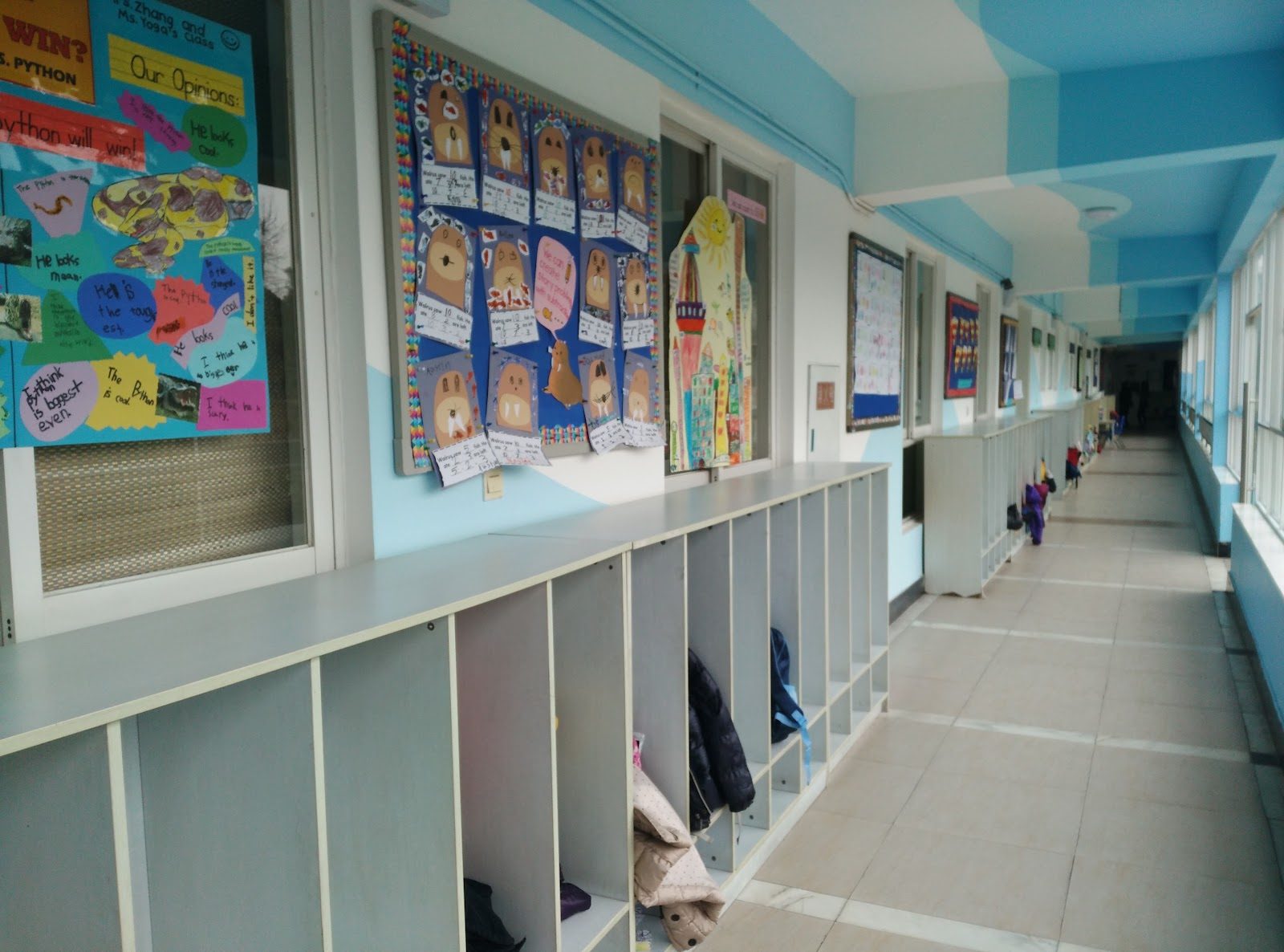
QSI International School of Chengdu
Chengdu · China
A mastery-learning model and single-digit class sizes anchor this American Garden campus school inside Chengdu's Third Ring Road.
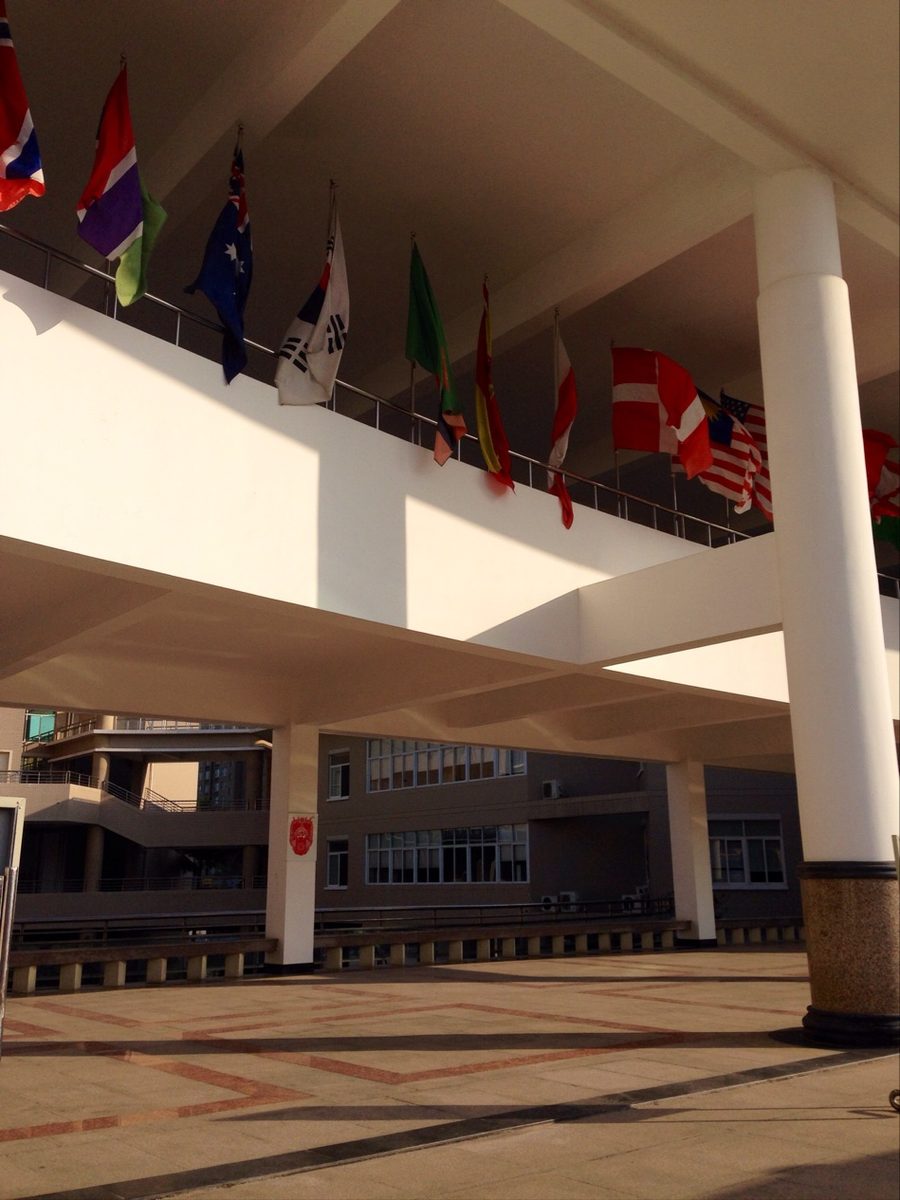
Xiamen International School
Xiamen · China
Grown from Xiamen's 1990s Kodak-era boom, this Fujian pioneer graduates seniors with bilingual IB diplomas at nearly triple the global rate.
Wuhan Yangtze International School
Wuhan · China
In Hanyang on the Yangtze, this foreign-passport-only campus rallies students into four house teams: Viper, Tiger, Crane, Panda.
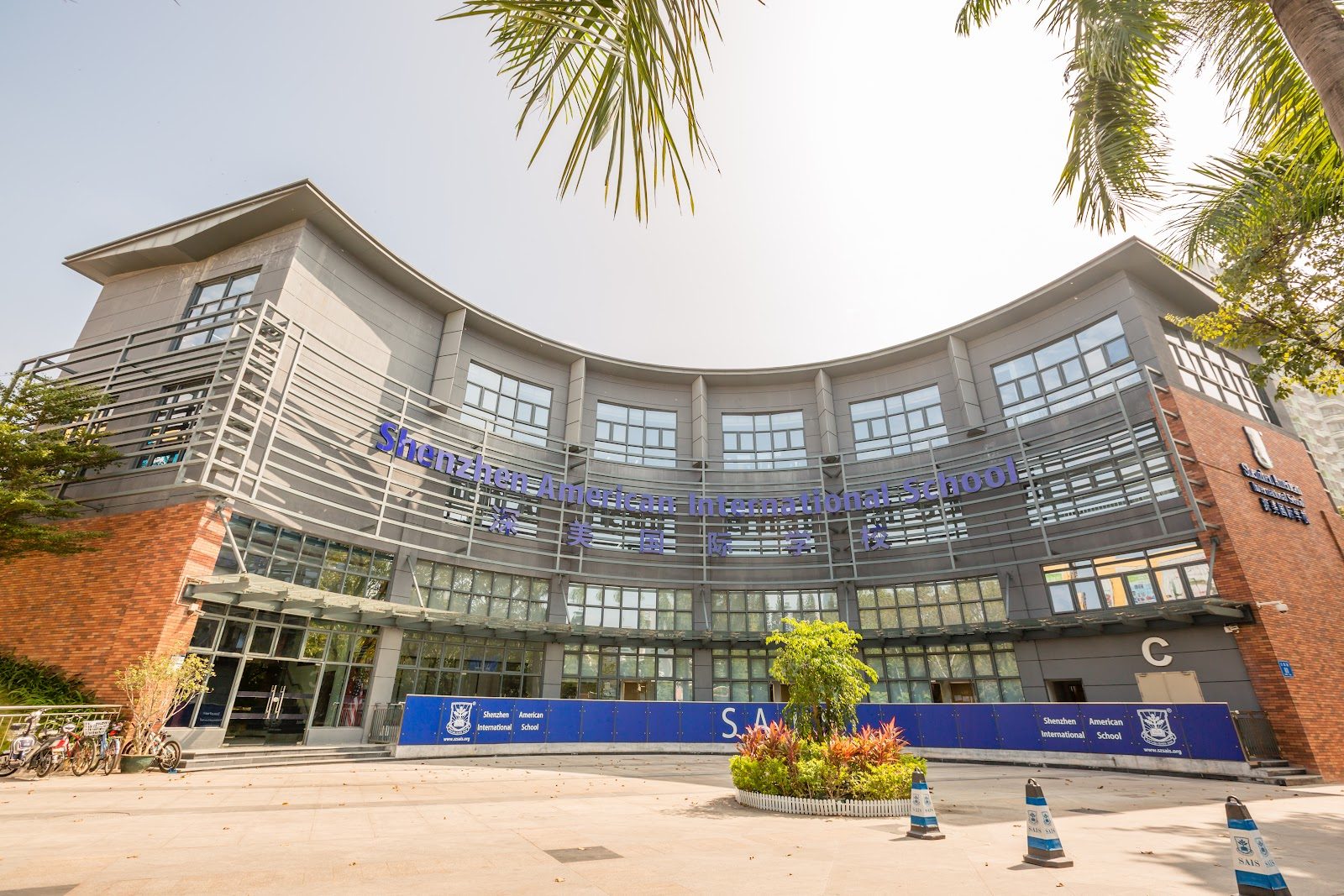
Shenzhen American International School
Shenzhen · China
In China's electronics capital, a Shekou campus swaps lecture halls for a maker space, fusing Common Core rigor with hands-on invention.
Same country and curriculum — closest matches within ±10 points either way