
Shanghai
Shanghai High School International Division
medium confidence· 4/6 cats · 3.06 avg sourcesGrown from a 19th-century public school in Xuhui, its IB cohort has averaged 41 points for fifteen straight years.
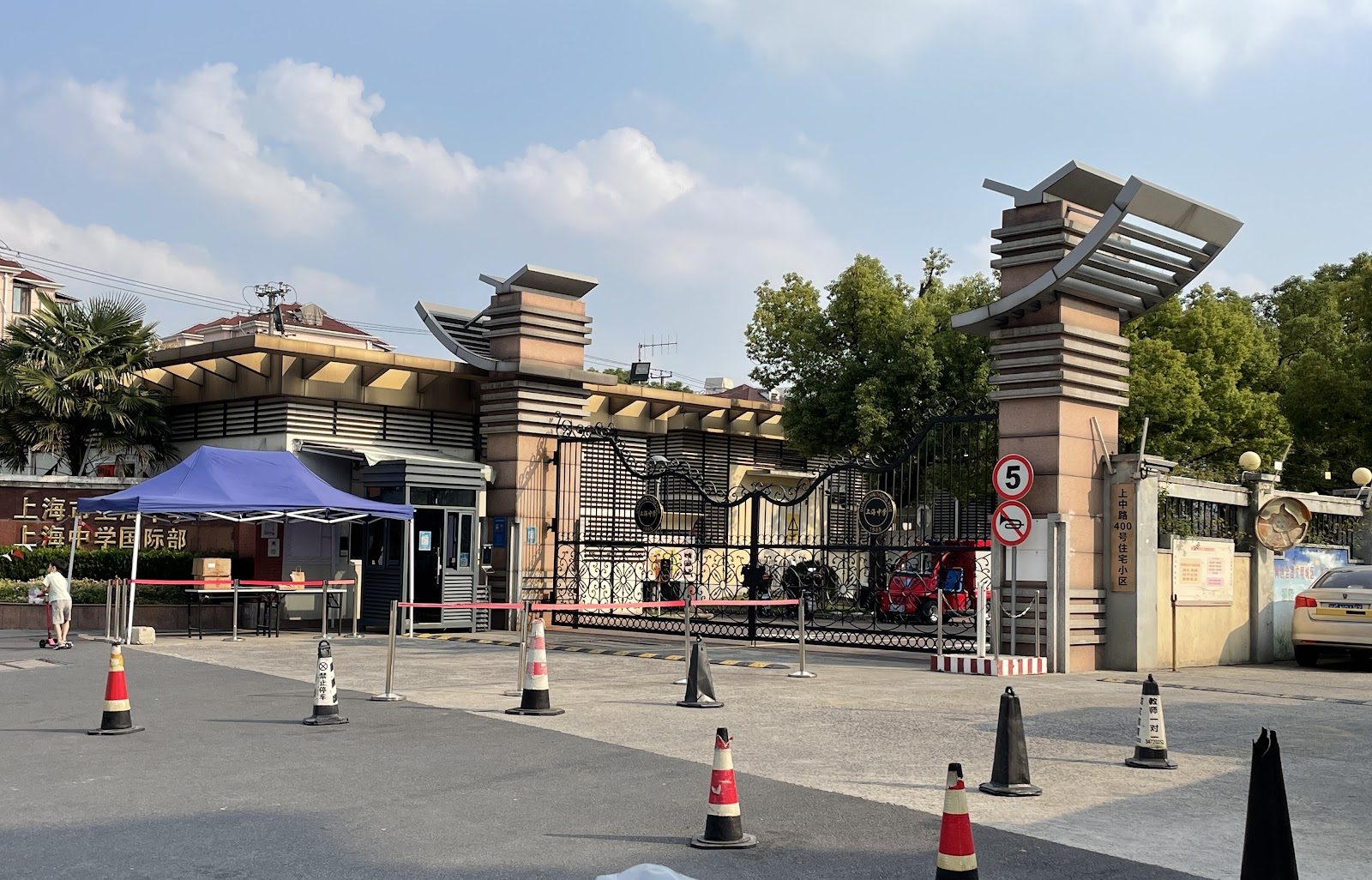
Photo © harry chang via Google Maps
Type
Both
Ages
3–18
Curriculum
IB · American
Ratio
5:1
The Verdict
Editor's commitment
Right for
Families who want a 3–18 English and Mandarin school with IB and American pathways, plus a 5:1 student-teacher ratio.
Wrong for
Parents who want low-cost schooling, a single curriculum, or religious framing: SHSID is non-religious and averages RMB 148,666 a year.
Watch out for
The headline is the IB cohort’s 41-point average across fifteen years; that sets a hard academic bar from a 1993 international division.
Ranking breakdown
Shanghai High School International Division · #73 of 1591
Composite score 79.0. 8 weighted criteria.
By criterion
Academic Outcomes
Weight 20%
#43
of 1529 scored
University Placement
Weight 16%
#41
of 1529 scored
Prestige & Heritage
Weight 12%
#144
of 1529 scored
Alumni Network
Weight 12%
#180
of 1529 scored
Facilities
Weight 12%
#352
of 1529 scored
Transparency & Communications
Weight 8%
#204
of 1529 scored
Peer & Industry Review
Weight 10%
#146
of 1529 scored
Admissions Selectivity & Demand
Weight 8%
#93
of 1529 scored
Score history
Shanghai High School International Division · 2026
Movement across 2024–2026. Peer average overlaid.
Overall — 2024–2026
79.0/ 100
▲ +32.2 vs 2025
year on year
Peer & Industry Review
How Shanghai High School International Division is regarded in the sector
65
Respected · low confidence
Shanghai High School International Division (SHSID) is widely recognized within Shanghai and Chinese education circles as one of the most established public-school international divisions, frequently cited in local and expat parent discussions (e.g., Shanghai expat forums, That's Shanghai school guides) for its strong US/UK university placement record and AP/IB-style curriculum. However, independent international coverage (Good Schools Guide International, Tatler, mainstream specialist education press) is sparse compared to fully private international schools in Shanghai, limiting verifiable third-party benchmarking beyond regional/local recognition.
Award
Elite Science & Research 58
World's Top School · The Global Ranking
Shanghai High School International Division is featured on our Global Top 58 ranking at #17. This seal is available for the school's marketing team to use on their website, prospectus and social channels.
Award
Elite Computing & AI 60
World's Top School · The Global Ranking
Shanghai High School International Division is featured on our Global Top 60 ranking at #31. This seal is available for the school's marketing team to use on their website, prospectus and social channels.
Award
Elite Mathematics 60
World's Top School · The Global Ranking
Shanghai High School International Division is featured on our Global Top 60 ranking at #3. This seal is available for the school's marketing team to use on their website, prospectus and social channels.
Editors' overview
The figure that matters here is the IB: an average of 41 points for fifteen straight years is rarefied territory by any standard, and it puts Shanghai High School International Division in the city’s serious academic top tier. This is not a new standalone start-up trading on borrowed prestige. The international division, founded in 1993, sits within the orbit of Shanghai High School, a much older public-school institution in Xuhui, and that connection gives it more depth than many expatriate-facing schools can claim. The school covers ages 3 to 18, teaches in English and Mandarin, and runs both IB and American pathways. It also carries CIS and IBO accreditation, which matters because parents shopping in this bracket should expect external scrutiny, not just glossy self-description.
What stands out in market terms is intensity, breadth and scale of ambition. A 5:1 student-teacher ratio is exceptionally low, and the public-facing academic and co-curricular menu is expansive: AP courses alongside the IBDP, dedicated college counselling, science and technology competitions, subject Olympiad-style activity, and a club culture that ranges from robotics, Model United Nations and mock trial to choir, drama, debate and a long athletics list. This is a school built for students who want a high-output, competitive environment and who will use it. The average annual day fee across the full age range is RMB 148,666, which places SHSID in Shanghai’s premium international bracket, but the proposition is clear: parents are paying for academic horsepower, unusual programme density and a peer group that expects to work hard.
The children who thrive here are bright, self-directed and comfortable with pressure. This is a strong fit for internationally minded families who want a bilingual setting, serious university preparation and a school where intellectual stretch is the point, not an optional extra. It is less convincing for parents seeking a soft-edged, intimate school with a visibly distinctive pastoral identity; the published story leans far more heavily on outcomes, opportunity and activity than on emotional language about nurture. For the right student, that is exactly the attraction. SHSID belongs on a shortlist for families who want elite academic momentum without sacrificing range, and who know their child will push into the opportunities rather than wait to be coaxed.
An Elite Science & Research 58 school
Shanghai High School International Division, in the Xuhui district of Shanghai, sits at rank seventeen because it now sends students to the very top of the world's largest pre-college science competition rather than merely entering them. At the 2025 Regeneron ISEF Global Finals, SHSID's XinYan Chen won the Craig R. Barrett Award for Innovation, the fair's top honour, for a low-cost device that measures and destroys indoor formaldehyde, and this was the school's third consecutive year securing a First Place Award at the Global Finals.
The research architecture behind that result is systematic rather than incidental. The school runs 30 dedicated innovation laboratories, including facilities for laser and fibre-optics research, analytical chemistry, and biochemistry and molecular biology, and pairs students with mentors across 17 partner universities, research institutes and enterprises. Concretely, this includes joint experimental courses with Shanghai Jiao Tong University and a named "Academic Interest and Innovative Literacy Cultivation Mentorship Program" run with Fudan University, giving pupils sustained access to real faculty labs rather than one-off lectures. Since 2021 that pipeline has produced numerous ISEF Special Awards, three Fourth Place Awards, one Second Place, four First Place Awards and two Top Awards, a density of results unusual for a school of its size.
Alumnus Dr. Li Lingzhi, who graduated from SHSID in 2014 with a perfect IB score of 45, went on to Cambridge for a first-class mathematics degree, an MIT PhD in operations research, and a tenure-track assistant professorship at Harvard Business School. Beyond individual names, the school's science cohort feeds directly into MIT, Caltech and Stanford, alongside consistent multi-year admissions streaks at Cambridge and Brown.
International openness is real but should be understood correctly: SHSID is fundamentally a day school, though it operates limited dormitory boarding for Grade 7 and above students whose homes fall outside shuttle-bus range, run by professional supervisors on a weekly cycle. Instruction is in English, with IB, AP and A-Level pathways and TOEFL testing on-site. Unusually among Shanghai's foreign-curriculum schools, it admits both Chinese and foreign-passport applicants via a written and oral entrance assessment in English, Chinese and Mathematics, with Physics and Chemistry added from Grade 10. High-school tuition runs approximately RMB 156,000 per year plus bus and incidental fees. Overseas families should treat this as a highly selective day-school application requiring an in-person entrance exam and, if boarding is needed, an early direct conversation with Admissions about dormitory eligibility rather than assuming a Western-style residential model.
An Elite Computing & AI 60 school
Shanghai High School International Division (SHSID), in the Xuhui district of Shanghai, China, sits at rank thirty-one on the Elite Computing & AI 60. The single strongest anchor is a named result: in August 2022, class-of-2022 pupil Andy van Horssen won the silver medal at the 34th International Olympiad in Informatics (IOI 2022) among over 350 outstanding global contestants after a 10-hour test over two days. That result sits inside a wider record in which students have represented different countries in national teams, winning international bronze and silver medals at the IOI.
The genuine differentiator is not the generic IB/AP computer science offering but an embedded university pipeline. Shanghai Jiao Tong University (SJTU) and SHSID jointly funded an Artificial Intelligence lab on Computer Vision and Machine Learning, with fifteen grade 9-11 students participating and Professor Ni Bingbing and his team from SJTU travelling to campus every Friday afternoon to deliver lectures with lab supervision. That relationship has continued: in January 2026 SHSID teachers visited the School of Artificial Intelligence at SJTU, where Professor Yan Junchi introduced the team's Think2Drive, described as the world's first world-model-driven autonomous driving controller. Separately, the school's Computing Department has visited AI company YITU Technology specifically to understand face-recognition technology and explore campus security cooperation. A structured academic competition training system covers mathematics, physics and engineering, chemistry, biology and environmental science, and computer science and informatics.
Notable alumni tied directly to this pipeline remain few but verifiable: Andy van Horssen, the IOI 2022 silver medallist, went on to study for a bachelor of science degree in mathematics and computer science at St John's College, University of Oxford. Beyond him, the school has earned one bronze and one silver medal at the IOI, with two further students selected for their countries' national informatics Olympiad teams and, in 2025, another chosen for the 20-member training camp of the US National IOI team.
International openness has real limits worth stating plainly. SHSID enrolls qualified children of foreign personnel in Shanghai, including students from Hong Kong, Taiwan or Macao of China, and application documents require proof of a parent's Shanghai work visa — this is a relocation school, not an open-enrolment overseas boarding placement. Boarding does exist: students in 7th grade and above whose homes are beyond shuttle-bus reach can apply for boarding, returning to school Sunday evening and leaving Friday afternoon. Tuition for Grades 9-12 runs RMB 78,000 per semester, roughly RMB 156,000 annually. Families should confirm current dormitory allocation directly with admissions and plan around a relocating parent's work-visa timeline well before applying.
An Elite Mathematics 60 school
Shanghai High School International Division (SHSID), on the shared Xuhui District campus of Shanghai High School, sits at rank three on the Elite Mathematics 60 because its host institution was chosen to stage the 67th International Mathematical Olympiad in July 2026, marking the first time in the competition's history that the IMO was held on a high school campus, following a run in which students from the wider Shanghai High School system have accumulated 17 IMO gold medals since 2000, including back-to-back individual golds for Wang Chunji in 2023 and 2024.
That IMO gold-medal pipeline runs chiefly through Shanghai High School's Chinese-curriculum mathematics classes, established in 1990, rather than through SHSID's own IB/AP/A-Level cohort, and honesty requires saying so; what SHSID's international-division students share is the same campus, the same 30-teacher mathematics group (over 80% hold master's degrees, four hold PhDs), and a comparably intense competition culture channelled into international-facing contests instead. In 2024, 66 SHSID students advanced from AMC10/12 into the AIME, and by 2025 more than 50 qualified with roughly half scoring 7 or above; over the past five years, 35 SHSID students have taken top prizes in HiMCM and IMMC modelling, alongside active PUMaC, BMO and Euclid entries. Course architecture runs from standard through S+ and honors tracks into a hybrid model for students who outgrow honors, feeding into A-Level, AP and IB Higher Level Mathematics.
Notable alumni include Michael Li, SHSID Class of 2014, who earned an honours degree in Mathematics at Cambridge, a master's and doctorate in operations research at MIT, and is now a tenure-track professor at Harvard Business School. Recent classes have also matriculated into Mathematics at Oxford, Cambridge, Stanford and Yale, alongside Natural Sciences and Engineering offers at Cambridge.
International openness comes with an important caveat: SHSID enrolls qualified children of foreign personnel already working in Shanghai, including Hong Kong, Taiwan and Macao residents, and requires proof of Shanghai employment and a valid work visa from parents rather than offering a standalone relocation-for-school route. Boarding exists only for grade 7 and above whose homes fall beyond shuttle-bus range, with dormitory students returning home Friday afternoons and back by Sunday evening; it is fundamentally a day school. Entrance requires written and oral assessment in English, Chinese and Mathematics, plus Physics and Chemistry from Grade 10. High school tuition runs RMB 78,000 per semester (RMB 156,000 a year). For families already relocating to Shanghai for work who want elite competition-mathematics depth layered onto IB, AP or A-Level, SHSID is a genuine first choice; families without an existing Shanghai work-visa route should confirm eligibility with Admissions well before applying, since residency documentation, not boarding capacity, is the real gatekeeper here.
Academic Performance
On published outcomes, SHSID sits in Shanghai’s top academic bracket. The headline fact is the school’s IB run: an average of 41 points sustained across 15 consecutive years. That is not a one-off spike built on a single strong cohort; it is hard-edged consistency at a level few schools maintain. In practical market terms, that places SHSID above the city’s broad middle and into the company of the handful of schools parents scrutinise for elite university trajectories. The school also advertises AP provision, but it does not publish aggregate AP scores in the public domain, so the external-performance picture is far clearer on the IB side than on the American-programme side.
The surrounding signals reinforce that reading. The school gives unusual prominence to achievements and matriculations, college application outcomes, subject competitions, maths Olympiad activity and science-and-technology contests. That does not replace exam data, but it does point to a results-driven, high-pressure academic culture with strong extension for students who thrive on stretch. Parents should read the school as a place where external benchmarks matter and where high attainment is built into the institutional identity. The strength here is not mystery; it is sustained academic force. The limitation is disclosure: outside the IB, the school publishes less than a rigorous parent would want on comparative examination performance.
Facilities
Facilities are one of SHSID’s stronger cards, though the school does not trade on them with the glossy overkill common in this market. The practical headline is footprint: 4 campuses, spread across different parts of the city, give it room to separate age groups and avoid the cramped, vertical feel that dogs many Shanghai schools. The site navigation also points to real programme infrastructure rather than generic multipurpose rooms: an Art Center and Gallery, a Music and Drama Center, dedicated athletics teams across a long sports list, counselling and psychological services, medical services, cafeteria provision, bus services and formal campus-safety systems. The newly opened Hsi Building matters too. New space in a school of this scale usually translates into better specialist teaching rooms and circulation, not just prettier marketing images. This is a well-equipped, high-throughput operation built to handle volume.
Against peer schools, that places SHSID above the city’s many competent but spatially constrained international campuses, especially on co-curricular range and the breadth of specialist provision. The average class size of 19 supports that reading: facilities are not carrying overcrowded groups. The weak point is clarity. The school publishes less hard detail than rigorous parents would want on laboratories, libraries, theatre specifications, pool access and whether the strongest facilities sit on every campus or are concentrated in one. So the verdict is solid and serious rather than architectural showpiece. Families chasing marble-lobby theatre have other options. Families who care about whether a school has the rooms, centres and support systems to sustain a demanding, full-spectrum student life will find enough here.
On published outcomes, SHSID sits in Shanghai’s top academic bracket
Prestige
SHSID carries real academic prestige in Shanghai because it couples a hard-to-ignore outcomes record with institutional weight. The international division sits inside a long-established local flagship rather than operating as a free-floating expatriate school, and that matters: parents read it as a place with standards, scrutiny and serious expectations. Its scale also adds to that standing. A student body of more than 3,500 across 4 campuses from dozens of countries gives it reach beyond the boutique end of the market, while the very low staffing ratio points to resources that many competitors do not match. This is not prestige built on architecture, branding or imported heritage tropes. It is built on exam credibility, selective ambition and the fact that high-attaining families know the name.
The school’s public profile reinforces that ranking. It gives prominent space to matriculations, college applications, Olympiad-level mathematics, science and technology contests, mock trial, robotics and a long list of high-commitment clubs and sports. That breadth does not create prestige on its own; plenty of schools offer busy activity menus. Here, it supports a reputation for high-output students and a serious, competitive culture. The caveat is worth stating plainly: this is prestige with a strong academic bias, not the softer social cachet of a small, clubby international school. Families who value intellectual pressure and measurable accomplishment will rate that as a strength. Families looking for warmth, charm and a gentler identity will not.
SHSID grows out of a domestic flagship with its own institutional gravity, and that changes the feel of the place
Communications
Parent communication is more structured than intimate. The school runs a busy public website with clear top-level routes for admissions, academics, administration, health and wellness, campus safety, transport and cafeteria services, plus calendars, announcements and event coverage. That matters in a multi-campus school: parents need logistics, not mood music. SHSID provides dedicated pages for application procedures, required documents, fees, bus stops, contact points, PTSA information and safety notices, which gives families the operational basics without much friction. The site also carries a steady stream of news, class-year updates and alumni destination stories stretching back across many cohorts. That creates a strong sense of institutional continuity, but it also tells you where the school puts its emphasis: information-rich, systems-driven and heavily tilted towards achievement, events and process.
The effectiveness is solid on organisation and weaker on tone. The structure is disciplined and practical, and the volume of updates points to a school that does not leave parents guessing about timetables or major happenings. The weak point is warmth. The public voice is formal, dense and administrative; it prioritises throughput over personality. Parents who want polished hand-holding, conversational storytelling or a high-touch sense of pastoral dialogue will find this communication style brisk and institutional. Parents who value fast access to notices, procedures and the machinery of school life will rate it highly. In editorial terms, SHSID communicates like a large, serious school with 4 campuses and 3,500+ students: efficient, serviceable and more concerned with running the operation than charming the reader.
Uniqueness
What marks SHSID out is the combination of a Chinese public-school backbone with an international division that operates at full academic throttle. Many international schools in Shanghai import ethos, branding and staffing models from abroad. SHSID grows out of a domestic flagship with its own institutional gravity, and that changes the feel of the place. The school reads less like an expatriate enclave and more like a high-expectation academic system that happens to serve an international cohort. The scale sharpens that difference: more than 160 expatriate teachers, students drawn from 48 countries and regions, and a club-and-competition ecosystem that runs deep into robotics, Olympiads, debate, mock trial, publishing, music, sport and service. For students, that brings range without drift. Ambitious children get multiple serious outlets for performance, not token enrichment bolted onto lessons.
The other distinguishing trait is that SHSID treats extension as the norm, not the reward for a small gifted subset. Its public profile gives equal weight to college applications, contest culture, subject departments and student production. That creates a relentless, high-output environment in which able students find peers who work hard and adults who expect them to do the same. The payoff is intellectual momentum, strong preparation for selective universities and a student culture with real energy. The cost is obvious too: this is not for families chasing softness. Students who need coaxing, hand-holding or a gentler social tempo have stronger options elsewhere.
This is not a new standalone start-up trading on borrowed prestige
Student Profile
The students who fit best here are bright, driven and comfortable in a culture where performance is public. SHSID runs at a fast clip, and the children who flourish are the ones who take initiative without waiting to be nudged. They sign up for robotics, Olympiad-style maths, debate, mock trial, publishing, drama or serious team sport because they want the work, not because a teacher has to manufacture enthusiasm. With more than 3,500 students drawn from 48 countries and regions, the peer group is broad and international, but this is not a loose, anything-goes environment. The dominant type is ambitious, high-capacity and competitive-minded.
This suits families who want their child surrounded by other students with strong academic habits and a high tolerance for pressure. It also suits children who can navigate a large institution, advocate for themselves and make use of a deep activity menu. The less persuasive fit is the child who needs constant reassurance, intensive pastoral cushioning or a small-circle social atmosphere. A quieter, more tentative student can still do well here, but only with enough confidence to avoid being overshadowed by louder, faster-moving peers. In blunt terms, SHSID is not a sanctuary school. It is a demanding, high-output place for students who gain energy from challenge and who do not shrink from strong competition.
The school covers ages 3 to 18, teaches in English and Mandarin, and runs both IB and American pathways
Co-curricular strengths
Arts & sport, on a separate axis
Overall 8.1/10
Scored 0-10 from the school's own published evidence. This axis is editorial-only — it does not feed the main WTS ranking.
Sports
8/10
Basketball, volleyball and swimming, and cites indoor sports halls, outdoor fields and courts, plus several gymnasiums and various sports facilities, evidencing both structured provision and dedicated facilities.
Drama
8/10
The extracurriculars explicitly include Drama Productions, and the named recurring productions clear the notable-strength threshold even though no dedicated theatre is described.
Dance
7.5/10
Music
8.5/10
Specialist music spaces, and a Music center, which is sufficient evidence of dedicated music facilities.
Visual Arts
8.5/10
Specialist arts spaces, and an Art center, indicating dedicated visual-arts provision.
Editor first-pass · editor-reviewable · 7/27/2026
WTS 300 badge
2025/26 editionShanghai High School International Division is one of the World's Top 300 Schools for 2025/26. Claim your listing to add it to your site →
Strengths
- +IB Diploma results have averaged over 41 out of 45 points since 2021, well above the global average of around 30.6.
- +It was the first school in Shanghai authorised to offer the IB Diploma Programme, gaining this status in 1995.
- +Curriculum breadth spans IB, AP and A-Level pathways rather than locking students into a single exam system.
- +Tuition (RMB 156,000/year for high school) is markedly lower than premium foreign-passport international schools in Shanghai charging RMB 336,100-385,300.
- +Multiple campuses across the city (Xuhui/Puxi, Pudong/Zhangjiang, Lingang, Hongkou) give families some choice of location.
Considerations
- −Enrolment is legally restricted: the applicant must hold a foreign passport and have at least one parent with a foreign passport, which excludes fully local Chinese families.
- −Entrance assessment is demanding, testing English, Chinese and Maths for all applicants plus Physics and Chemistry for Grade 10 and above.
- −The school's admissions pages do not describe a routine scholarship or financial-aid programme for new international-division students.
- −Applications require extensive documentation, including proof of Shanghai employment and residence, birth and marriage certificates, and two years of prior school records.
Availability
Primary entry gate & tests
SHSID Internal English/Math
Gallery
Photo © 楊凱莉 via Google Maps
Photo © Bret J. via Google Maps
Photo © Bret J. via Google Maps
Photo © Bret J. via Google Maps
Parent reviews
Have you sent your child here?
Voice reviews carry the strongest trust badge — we transcribe them for you to tidy up before they go live. Prefer to type? A written review is fine too.
Add your voice
In 60 seconds, tell other parents: what's the best thing about Shanghai High School International Division, and what surprised you when your child joined?
We ask for a Google sign-in so every review has a real face behind it — no anonymous drive-by attacks on schools, and no faked positive reviews. Your email is never shown publicly.
Send this profile to a friend
International parents rely on word-of-mouth. Share this review with someone weighing the same decision.
Schools with places
Similar schools to Shanghai High School International Division with places available now.
Shanghai American School
Shanghai · China
- 2026-27
- WAITPOOLSpace-dependent
- 2027-28
- PLACES OPENRolling
Wellington College International Shanghai
Shanghai · China
- 2026-27
- WAITPOOLSpace-dependent
- 2027-28
- PLACES OPENRolling
Concordia International School Shanghai
Shanghai · China
- 2026-27
- WAITPOOLRolling after priority deadline / capacity-dependent
- 2027-28
- FUTURE CYCLEDates TBC
Shanghai Community International School
Shanghai · China
- 2026-27
- WAITPOOLRolling after priority period / capacity-dependent
- 2027-28
- FUTURE CYCLEDates TBC
Availability first, then country, area, curriculum, price, co-curricular
Consider also
Also worth looking at alongside Shanghai High School International Division.
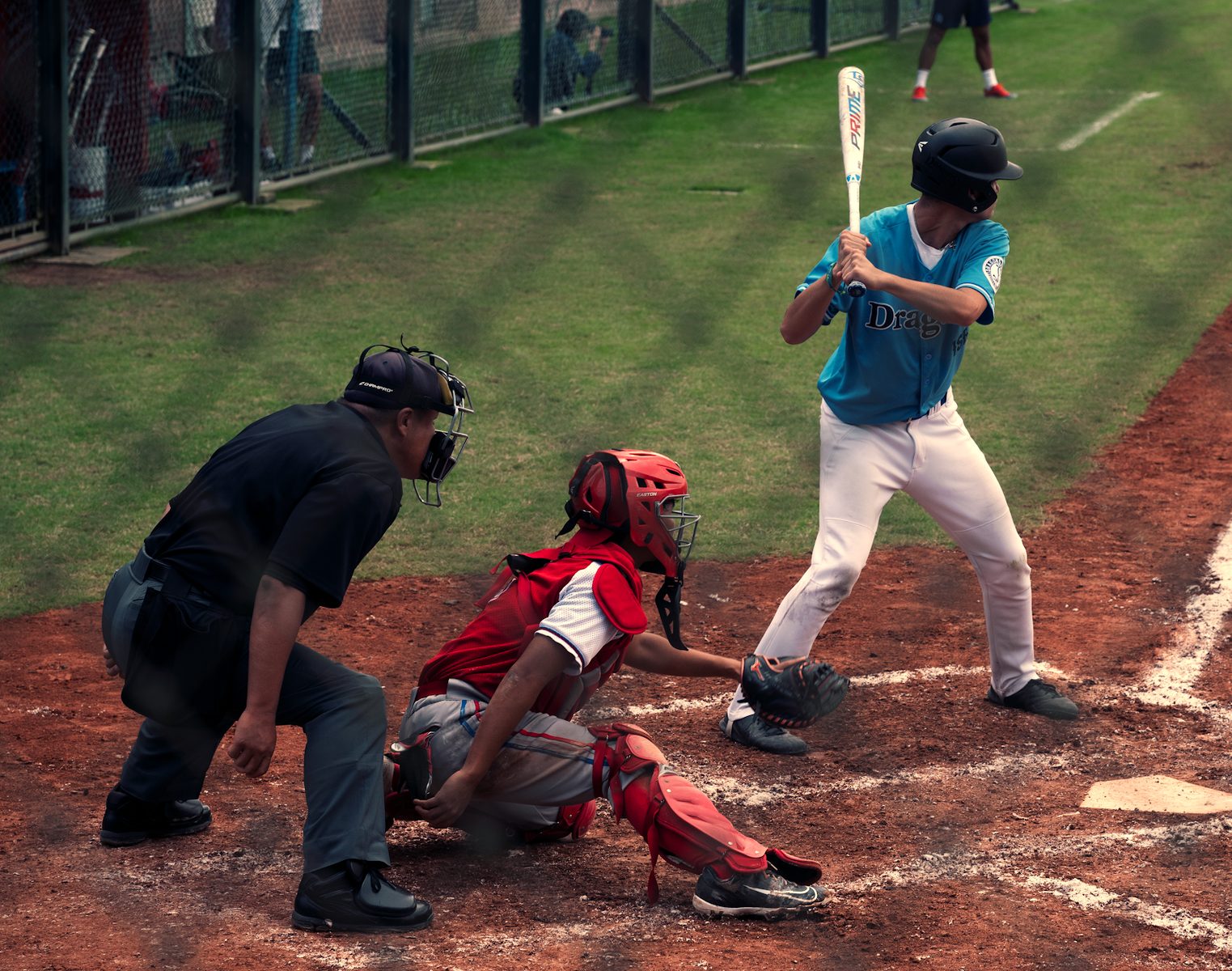
Shanghai American School
Shanghai · China
A century-old Shanghai institution since 1912, running AP and IB in parallel across two sprawling campuses
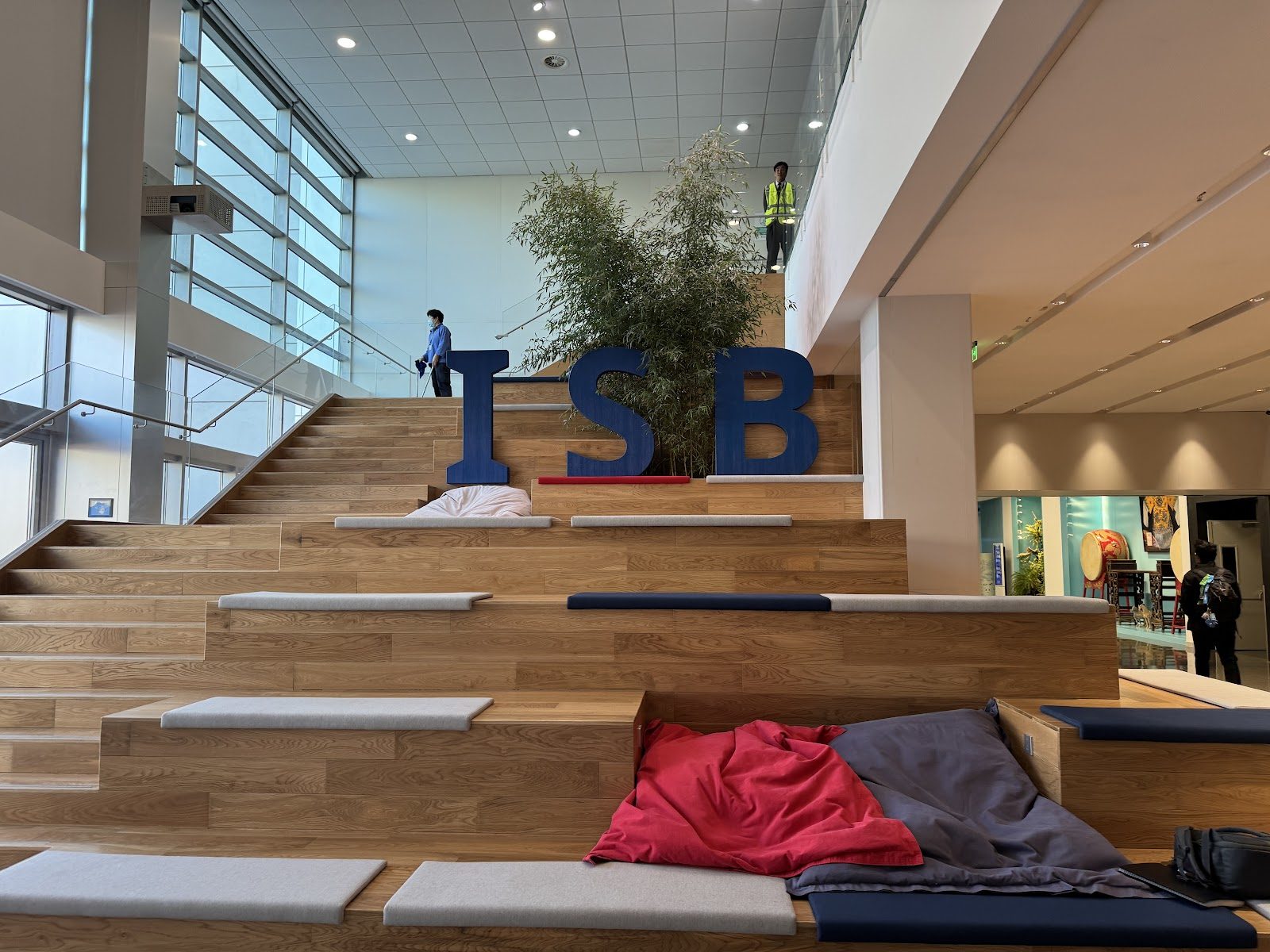
Keystone Academy
Beijing · China
Five houses named for the Chinese elements anchor a bilingual boarding culture on Beijing's Shunyi plain, near the Great Wall.
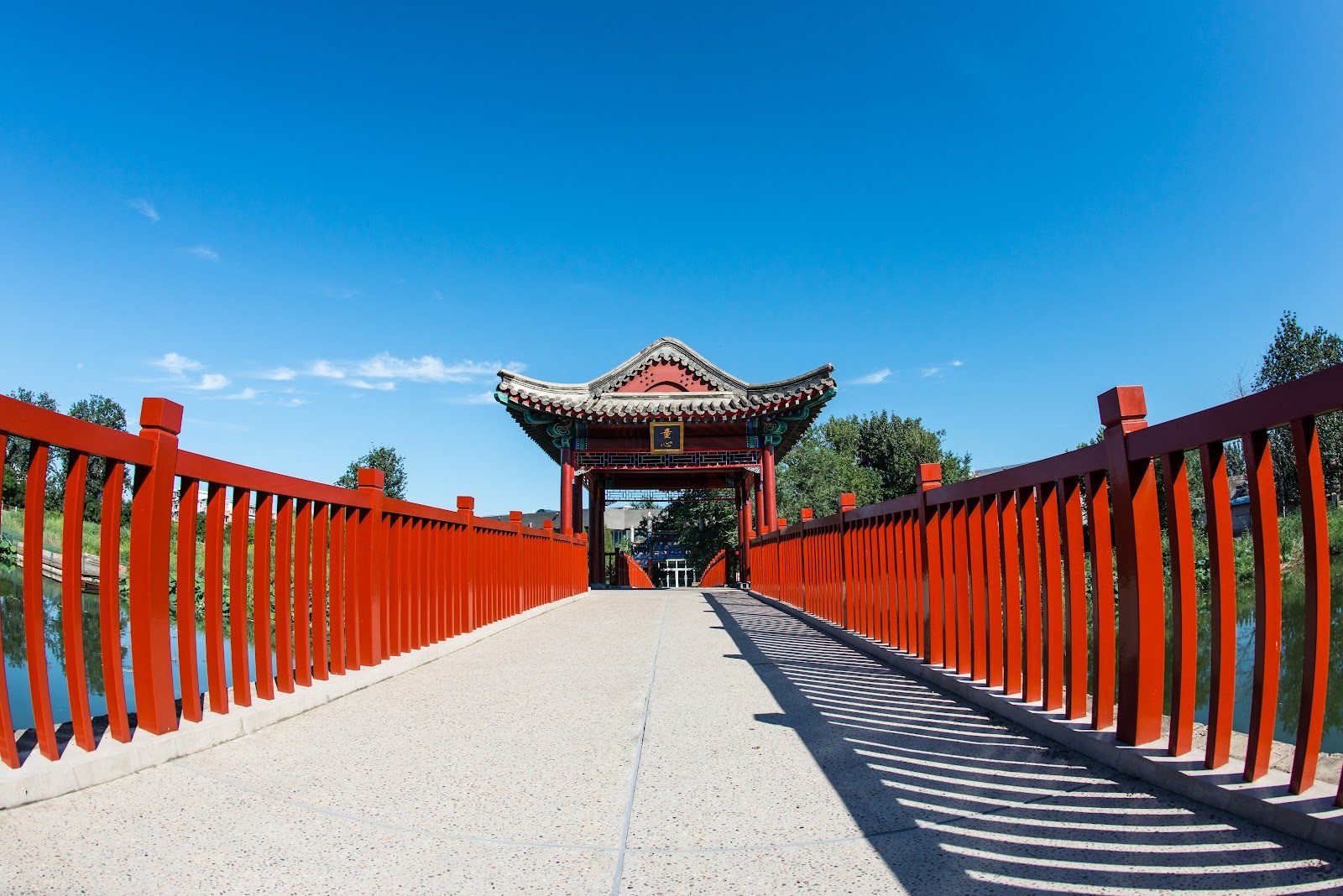
Western Academy of Beijing
Beijing · China
Running the full IB continuum since 1994 from a Chaoyang campus once named a Beijing Olympic model school
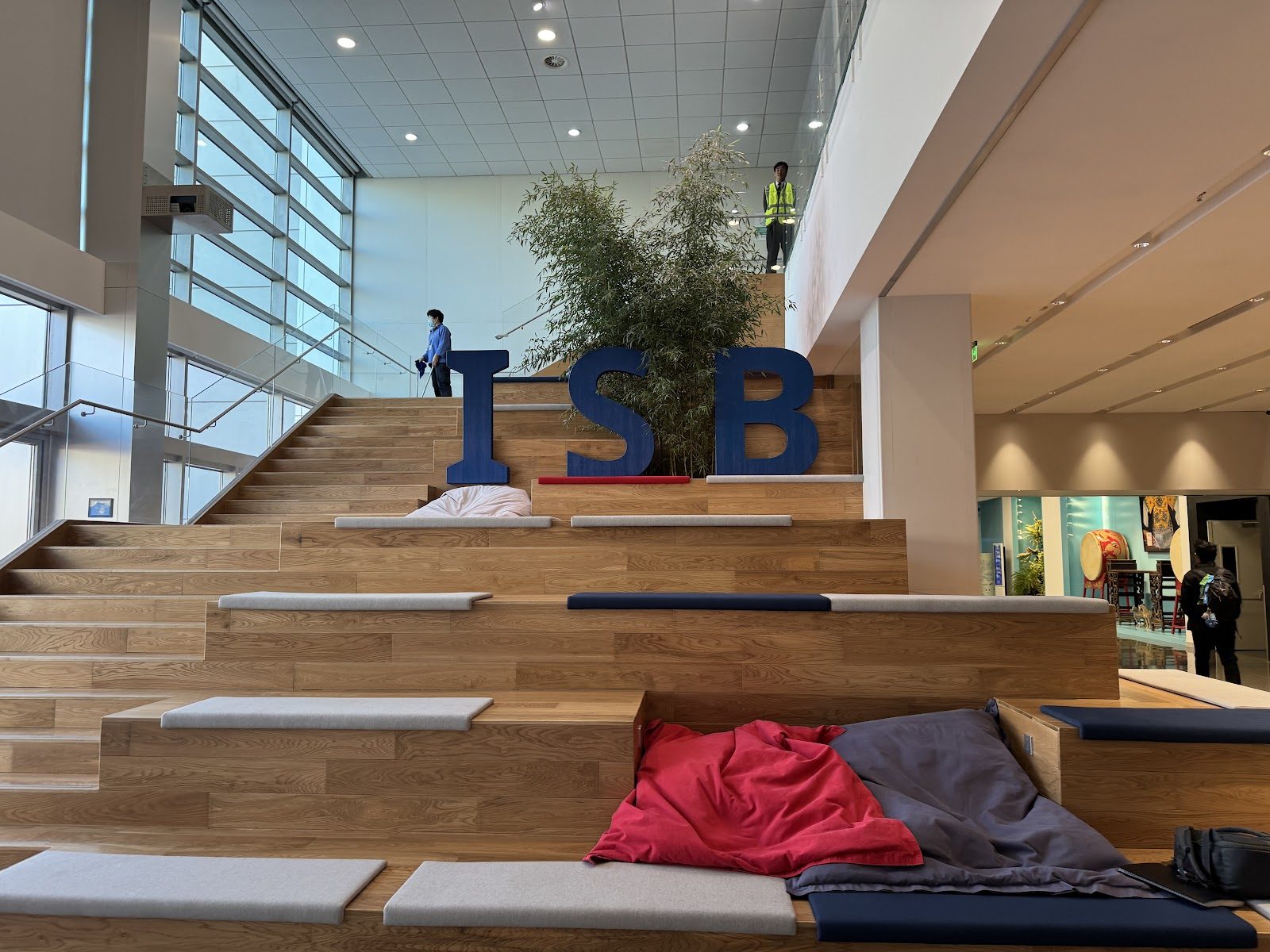
International School of Beijing
Beijing · China
Founded in 1980 by five embassies, this Shunyi day school pairs a US diploma track with IB rigor and dual-language classes from early years.
Same country and curriculum — closest matches within ±10 points either way