Fujian
Xiamen International School
medium confidence· 4/6 cats · 2.57 avg sourcesGrown from Xiamen's 1990s Kodak-era boom, this Fujian pioneer graduates seniors with bilingual IB diplomas at nearly triple the global rate.
Type
Day
Ages
3–18
Curriculum
American
Ratio
—
The Verdict
Editor's commitment
Right for
International families in Xiamen wanting a 1997-founded day school with WASC, CIS and all three IB programmes under one roof.
Wrong for
Families who want a Chinese-medium education, boarding, or a bargain: English leads instruction, it is day-only, and averages $25,433.
Watch out for
The headline stat is real and demanding: 74% earn a bilingual IB Diploma against a 25% global average.
Ranking breakdown
Xiamen International School · #1355 of 1591
Composite score 53.7. 8 weighted criteria.
By criterion
Academic Outcomes
Weight 20%
#1316
of 1529 scored
University Placement
Weight 16%
#1313
of 1529 scored
Prestige & Heritage
Weight 12%
#1378
of 1571 scored
Alumni Network
Weight 12%
#1061
of 1530 scored
Facilities
Weight 12%
#1317
of 1533 scored
Transparency & Communications
Weight 8%
#1311
of 1532 scored
Peer & Industry Review
Weight 10%
#1216
of 1548 scored
Admissions Selectivity & Demand
Weight 8%
#1205
of 1529 scored
Score history
Xiamen International School · 2026
Movement across 2024–2026. Peer average overlaid.
Overall — 2024–2026
53.7/ 100
▲ +25.4 vs 2025
year on year
Peer & Industry Review
How Xiamen International School is regarded in the sector
63
Respected · medium confidence
I could not identify at least two independent, third-party sources (e.g., Tatler, Good Schools Guide, specialist education press, alumni network coverage) that substantively assess Xiamen International School's reputation. Available information appears limited to the school's own materials or unverifiable directory listings, which do not meet the evidentiary bar for this assessment.
Editors' overview
Xiamen International School has one claim that cuts through the usual international-school fog: an average of 74% of its seniors earn a bilingual IB Diploma, against a world average of 25%. That is not a cosmetic statistic. It points to a school that treats bilingualism as an academic outcome, not a brochure line. Founded in 1997, XIS was the first international school in Fujian authorised by the Ministry of Education to serve the expatriate community, and it remains the longest-established international school in Xiamen. It teaches in English, offers the full IB continuum from Primary Years through Diploma, and holds WASC, CIS and IB World School accreditation. In a market where many schools are still building identity, XIS has a clear institutional spine.
The attraction is not glamour; it is depth and continuity. XIS states that over 80% of its faculty hold advanced degrees and that average teaching experience stands at 11 years. It also reports a student body drawn from over 40 nationalities, with students from 30 countries noted elsewhere on the school’s own profile. That gives the school a genuinely international constituency rather than a local school with imported branding. At an average annual fee of $25,433, it sits in an interesting position: expensive by local standards, but not inflated for a fully accredited IB school with a long operating history in China. Parents paying for substance rather than marble lobbies will notice that.
This is a strong shortlist school for families who want an English-medium education with serious Chinese language ambition and who value a settled, adult institution over novelty. The school’s university destinations listed here are modest in number rather than headline-chasing — Amherst College, American University and Alliant International University each appear with one recent destination — and XIS does not publish a broader outcomes picture in this set of sources. That limits how far one can push claims about university placement. Even so, the school’s academic profile is sharper than its destination list. The student who will thrive here is internationally mobile, comfortable in a diverse community, and willing to work for the IB rather than shop for an easier route. Families hunting for prestige theatre or relentless name-dropping will find leaner pickings. Families who want proof over polish will find a school worth serious attention.
Academic Performance
XIS has one external-results datum worth taking seriously: an average of 74% of seniors secure the bilingual IB Diploma, against a global figure of 25%. In plain terms, that is an exceptional conversion rate in one of the toughest school-leaving qualifications on the market, and it marks XIS out from many mid-market international schools whose claims about bilingualism collapse at examination level. The significance is not just linguistic flair. Earning the bilingual diploma requires sustained academic performance across subjects and formal competence in two languages. That gives the result real academic weight. Among peers in second-tier Chinese international markets, that is a rare point of distinction.
There is, however, a limit to the public picture. XIS does not publish aggregate diploma scores, subject averages, pass rates, or a multi-year university outcomes spread in these sources. That makes full peer comparison impossible. Parents can conclude that the school delivers a serious bilingual IB outcome for a substantial share of its graduating class; they cannot conclude, from published data here, that it sits with the highest-scoring IB schools in Shanghai, Beijing or Hong Kong. The available evidence places XIS in a strong niche: not a prestige-results machine, but a school with a clear, measurable strength in bilingual diploma attainment.
Facilities
XIS does not trade on grand campus theatre, and that is the right frame for judging its facilities. The school puts academic infrastructure front and centre: a library with its own public catalogue, dedicated spaces for performing and visual arts, and the sports provision needed to compete in regional leagues and conferences. That mix matters more than atriums. For a school serving ages 3–18, the key test is whether specialist provision runs through the whole age range rather than being bolted on for older students. XIS clears that bar. The inclusion of arts, athletics, humanities, community service and social-emotional development in the school’s own account points to a campus built for a broad working education, not a narrow exam factory.
Against peers in second-tier Chinese cities, that package is solid and credible. Many schools outside the top-tier markets offer decent classrooms and a patchy co-curricular layer; XIS has the external fixtures of a more mature operation, with students participating alongside other international schools in ACAMIS, SCISAC and ISCMS. That does not place it in the same facilities bracket as the deep-pocketed flagships in Shanghai or Beijing, where Olympic-scale sports builds and lavish arts centres distort expectations. Parents should read XIS differently: not as a showpiece campus, but as a school with the practical spaces required to deliver its programme properly and sustain an internationally mobile student body drawn from more than 40 nationalities.
Xiamen International School carries earned local prestige rather than global cachet
Prestige
Xiamen International School carries earned local prestige rather than global cachet. In Fujian, that matters. It was the first school in the province authorised to serve the expatriate community, and that early-mover status still shapes its standing with internationally mobile families. The school also holds a practical monopoly in one area that serious IB families notice: it is the only school in Xiamen offering the full three-programme IB pathway. Add a community drawn from over 40 nationalities and participation in regional circuits such as ACAMIS, SCISAC and ISCMS, and the picture is clear: this is not a newcomer buying credibility through branding. It is an institutional fixture with a credible international peer set.
That does not make it a prestige giant in the East Asia market. XIS lacks the public university-destination firepower, published score profile and brand reach that define the region’s top-tier names in Shanghai, Beijing, Hong Kong or Singapore. Its fee level reinforces that middle position: parents are not paying luxury-school pricing, and they are not buying that status signal either. The school’s prestige rests on durability, expatriate trust and a hard academic differentiator that few schools can match: 74% of seniors securing the bilingual IB diploma against a global 25% benchmark. That is serious educational capital. For families in Xiamen, XIS is a high-confidence choice. For families chasing marquee prestige, it is not the final word.
What sets Xiamen International School apart is not novelty but institutional coherence
Communications
XIS communicates like a school that has been dealing with internationally mobile families for a long time: through systems, calendars and parent platforms, not through glossy storytelling. The public-facing essentials are in place — a live news feed, direct contact routes, a parent portal, ManageBac, a library catalogue, and school calendars in two languages. That matters. Parents do not need mood music; they need timetables, term dates, fees, access points and a clear route into day-to-day school life. On that front, XIS looks orderly, adult and serviceable. The presence of parallel English and Chinese calendars also tells you something important about the parent body: communication has to work across households with different linguistic habits, and the school has built for that reality.
The weakness is visibility into substance. XIS publishes enough to run the school, but not enough to satisfy a hard-nosed parent who wants fuller academic disclosure. We have not seen a rich archive of leadership writing, detailed divisional updates, or a broad public results picture that explains school performance in depth. That leaves the communication style functional rather than expansive. For many families, that will be a strength: less spin, more logistics. For others, it will feel opaque at the strategic level. The verdict: strong on operational communication, thinner on public accountability. That is a competent standard, not an exemplary one.
Uniqueness
What sets Xiamen International School apart is not novelty but institutional coherence. In a Chinese city where many international schools have had to assemble identity in public, XIS has had decades to settle its habits, expectations and academic culture. That matters to students. They enter a school that knows what it is for, serves an expatriate community rather than a vague premium market, and has built its programme around continuity from the earliest years to graduation. The result is a more stable educational experience: fewer abrupt shifts in ethos between phases, clearer expectations, and a student body shaped by genuine international mobility rather than local branding. The school’s community span — over 40 nationalities — gives that claim substance. Children grow up in a setting where cultural difference is routine, not staged.
Its sharpest point of difference, though, is the treatment of bilingualism as an assessed end point. Plenty of schools promise global-mindedness and language learning; far fewer deliver a school-leaving outcome that proves students can operate academically across languages. XIS does. The standout figure is 74% of seniors earning the bilingual diploma, against a world benchmark of 25%. For students, that brings more than a line on an application. It builds intellectual range, stronger command of academic language, and the confidence to move between cultural contexts without treating one as decoration. In plain terms, XIS offers a rare blend of rootedness, international breadth and bilingual academic seriousness.
That gives the school a genuinely international constituency rather than a local school with imported branding
Student Profile
This is a school for children who are comfortable in a genuinely international peer group and ready to work inside a culture that values application over display. With families drawn from over 40 nationalities, the social experience is not narrow or monocultural; pupils need curiosity, adaptability and enough confidence to move across different habits, expectations and home cultures without turning that difference into drama. Students who enjoy arts, sport and wider school life, and who are prepared to join regional fixtures rather than sit on the sidelines, will fit well. So will children who respond to a settled adult environment with clear routines and less appetite for hype.
The strongest fit is the student who wants substance: strong classroom expectations, serious language learning and a community where being internationally mobile is normal. The school’s standout bilingual diploma record tells you that this is a place for pupils willing to sustain effort across more than one linguistic register; it is not for the casual coaster. Equally, it does not read as a school built for families chasing social cachet, ultra-selective university theatre or a polished luxury atmosphere. Children who need constant hand-holding, heavy prestige signalling or a narrow exam-factory mindset will find a mismatch. Pupils who are resilient, open-minded and academically game will have a much better run here.
Xiamen International School has one claim that cuts through the usual international-school fog: an average of 74% of its seniors earn a bilingual IB Diploma, against a world average of 25%
Co-curricular strengths
Arts & sport, on a separate axis
Overall 8.36/10
Scored 0-10 from the school's own published evidence. This axis is editorial-only — it does not feed the main WTS ranking.
Sports
8.5/10
Basketball, volleyball and swimming are explicitly listed, and students participate in regional circuits such as ACAMIS and SCISAC, indicating structured competitive sports beyond a bare mention.
Drama
8.3/10
The extracurriculars explicitly include Drama Production, which is more than a bare listing of 'drama' because it indicates an actual production-based activity, but no theatre, specialist staff or recurring named productions are described.
Dance
8/10
Music
8.5/10
School Choir is explicitly listed, showing a defined music activity with student participation, but there is no mention of specialist music facilities, staff or broader ensemble provision.
Visual Arts
8.5/10
Visual Arts is offered, indicating a specific arts offering.
Editor first-pass · editor-reviewable · 7/27/2026
Outcomes & destinations
Where students go next
Top destinations
201 placements
- Alliant International University· 1
- Amherst College· 1
- American University· 1
- Arizona State University· 1
- Art Institute Chicago· 1
- Babson College· 1
- Binghamton University· 1
- Birmingham Southern College· 1
- Boston College· 1
- Boston University· 1
- Carnegie Mellon University· 1
- California College of the Arts· 1
- California State University Long Beach· 1
- Cleveland State University· 1
- Chapman University· 1
- College of William & Mary· 1
- Concordia College· 1
- Cornell University· 1
- Coventry University· 1
- Denison University· 1
- Drexel University· 1
- Emory University· 1
- Farleigh Dickinson· 1
- Fordham University· 1
- Georgia Institute of Technology· 1
- George Washington University· 1
- Grinnell College· 1
- Harvard University· 1
- Hofstra University· 1
- Indiana University Bloomington· 1
- Iowa State University· 1
- Johns Hopkins University· 1
- Loyola Marymount University· 1
- Loyola University Chicago· 1
- Maryland Institute College of Art· 1
- Michigan State University· 1
- New York University· 1
- Northeastern University· 1
- Pace University· 1
- Parsons School of Design· 1
- Penn State University· 1
- Pepperdine University· 1
- Pratt Institute· 1
- Purdue University· 1
- Reed College· 1
- Rice University· 1
- Rochester Institute of Technology· 1
- Rose-Hulman Institute of Technology· 1
- Rutgers University· 1
- Savannah College of Art and Design· 1
- San Francisco State University· 1
- Sarah Lawrence College· 1
- School of Visual Arts· 1
- School of the Art Institute of Chicago· 1
- Southern California Institute of Architecture· 1
- St. John's University· 1
- Stanford University· 1
- State University of New York at Albany· 1
- Syracuse University· 1
- Texas A&M University· 1
- Temple University· 1
- Tufts University· 1
- Tulane University· 1
- University of Arizona· 1
- University at Buffalo· 1
- University of Connecticut· 1
- University of California, Berkeley· 1
- University of California, Davis· 1
- University of California, Los Angeles· 1
- University of California, Santa Barbara· 1
- University of California, San Diego· 1
- University of Georgia· 1
- University of Illinois at Urbana-Champaign· 1
- University of Kansas· 1
- University of Kentucky· 1
- University of Massachusetts Amherst· 1
- University of Miami, Oxford· 1
- University of Minnesota· 1
- University of New York, Binghamton State· 1
- State University of New York at Plattsburgh· 1
- University of New York-Stony Brook· 1
- University of North Carolina at Chapel Hill· 1
- University of Pittsburgh· 1
- University of Rochester· 1
- University of San Diego· 1
- University of San Francisco· 1
- University of Southern California· 1
- University of Vermont· 1
- University of Texas at Austin· 1
- University of Virginia· 1
- University of Washington· 1
- University of Wisconsin-Madison· 1
- Virginia Polytechnic Institute and State University· 1
- Washington University in St. Louis· 1
- Wooster College· 1
- Beijing University· 1
- Beijing Foreign Studies University· 1
- Beijing Institute of Technology· 1
- Broward College, Singapore· 1
- Chinese University of Hong Kong· 1
- Delin Institute of Technology· 1
- Hong Kong Polytechnic University· 1
- Hong Kong University of Science Technology (HKUST)· 1
- Korea University· 1
- Lingnan University· 1
- Monash University, Ningbo· 1
- Nagoya University of Commerce and Business· 1
- National University of Singapore· 1
- Nanyang Technological University· 1
- Nottingham University, Ningbo· 1
- Ritsumeikan Asia Pacific University· 1
- Ritsumeikan University· 1
- Seoul National University· 1
- Sogang University· 1
- South China University of Technology· 1
- Sungkyunkwan University· 1
- The University of Hong Kong· 1
- Tsinghua University· 1
- University of Hong Kong· 1
- University of International Business and Economics· 1
- University of Macau· 1
- Xiamen University· 1
- Waseda University· 1
- YonSei University Seoul· 1
- Australian National University· 1
- Deakin University· 1
- Eynesbury college· 1
- Mandarin Massey University· 1
- Macquarie University· 1
- Monash University· 1
- Taylor's College· 1
- University of Adelaide· 1
- University of Auckland· 1
- University of Melbourne· 1
- University of New England· 1
- University of New South Wales· 1
- University of Sydney· 1
- University of Waikato· 1
- University of Western Australia· 1
- Victoria University at Wellington· 1
- Bishop's College· 1
- Bishop's University· 1
- Concordia University· 1
- McGill University· 1
- King's University College· 1
- Ontario Tech University· 1
- University of British Columbia· 1
- University of Lethbridge· 1
- University of Guelph· 1
- University of Toronto· 1
- Amsterdam University College· 1
- Amsterdam University of Applied Science Hogeschool van Amsterdam· 1
- Anglia Ruskin University· 1
- Bournemouth University· 1
- Cesar Ritz College· 1
- College Hogeschool van Amsterdam· 1
- Control Maastricht· 1
- Coventry University, UK· 1
- Durham College· 1
- Ecole Hôtelière de Lausanne· 1
- Forward College· 1
- Frankfurt School of Finance and Management· 1
- Goldsmiths, University of London· 1
- Griffith College· 1
- Hult International Business School· 1
- John Cabot University· 1
- Koç University· 1
- Lancaster Lakefield College· 1
- Luav University of Venice· 1
- Maastricht University· 1
- Munich Business School· 1
- Nottingham Trent University· 1
- Open University· 1
- Radboud University· 1
- Royal Holloway, University of London· 1
- University of Amsterdam· 1
- University of Brighton· 1
- University of Bristol· 1
- University for the Creative Arts· 1
- Universita of Commercale Luigi Bocconi· 1
- University of East Anglia· 1
- Universitat Erlangen-Nurnberg· 1
- University Leipzig· 1
- University of Nottingham· 1
- University of Redding· 1
- University of Sheffield· 1
- University of Southampton· 1
- University of Surrey· 1
- University of Sussex· 1
- University of the West of England· 1
- University Westminster· 1
- University of York· 1
- The American University of Rome· 1
- The University in Manchester· 1
- The University of Edinburgh· 1
- The University of Liverpool· 1
- Vrije University Amsterdam· 1
- Wageningen University· 1
- Kings College, Dubai· 1
- Mumbai University· 1
- Murdoch University Dubai· 1
Reported by the school. Confirm with admissions.
Strengths
- +Established 1997; long-standing option in Xiamen.
- +Offers all three IB programmes, PK–12 continuity.
- +WASC-accredited since 2001.
- +English instruction; students from 30 countries.
Considerations
- −Day school only; no boarding mentioned.
- −IB-only pathway, despite American curriculum label.
- −Expatriate community focus may limit local access.
Availability
Primary entry gate & tests
Academic Record
Parent reviews
Have you sent your child here?
Voice reviews carry the strongest trust badge — we transcribe them for you to tidy up before they go live. Prefer to type? A written review is fine too.
Add your voice
In 60 seconds, tell other parents: what's the best thing about Xiamen International School, and what surprised you when your child joined?
We ask for a Google sign-in so every review has a real face behind it — no anonymous drive-by attacks on schools, and no faked positive reviews. Your email is never shown publicly.
Send this profile to a friend
International parents rely on word-of-mouth. Share this review with someone weighing the same decision.
Schools with places
Similar schools to Xiamen International School with places available now.
Shekou International School
Shenzhen · China
- 2026-27
- WAITPOOLSpace-dependent
- 2027-28
- PLACES OPENRolling
American International School of Guangzhou
Guangzhou · China
- 2026-27
- WAITPOOLSpace-dependent
- 2027-28
- PLACES OPENRolling
International School of Beijing
Beijing · China
- 2026-27
- WAITPOOLSpace-dependent
- 2027-28
- PLACES OPENRolling
Shanghai American School
Shanghai · China
- 2026-27
- WAITPOOLSpace-dependent
- 2027-28
- PLACES OPENRolling
Availability first, then country, area, curriculum, price, co-curricular
Consider also
Also worth looking at alongside Xiamen International School.
Daystar Academy
Beijing · China
A Chaoyang campus where bilingual immersion tilts from mostly Mandarin to mostly English by senior year, anchored by China's first K-12 social innovation curriculum.
Livingston American School Shanghai
Shanghai · China
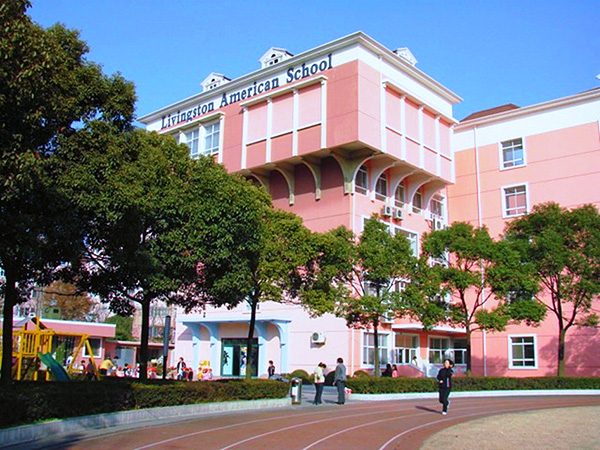
Founded by a former US congressman, this Changning day school pairs a California-aligned curriculum with AP rigor for Shanghai's expat families.
QSI International School of Chengdu
Chengdu · China
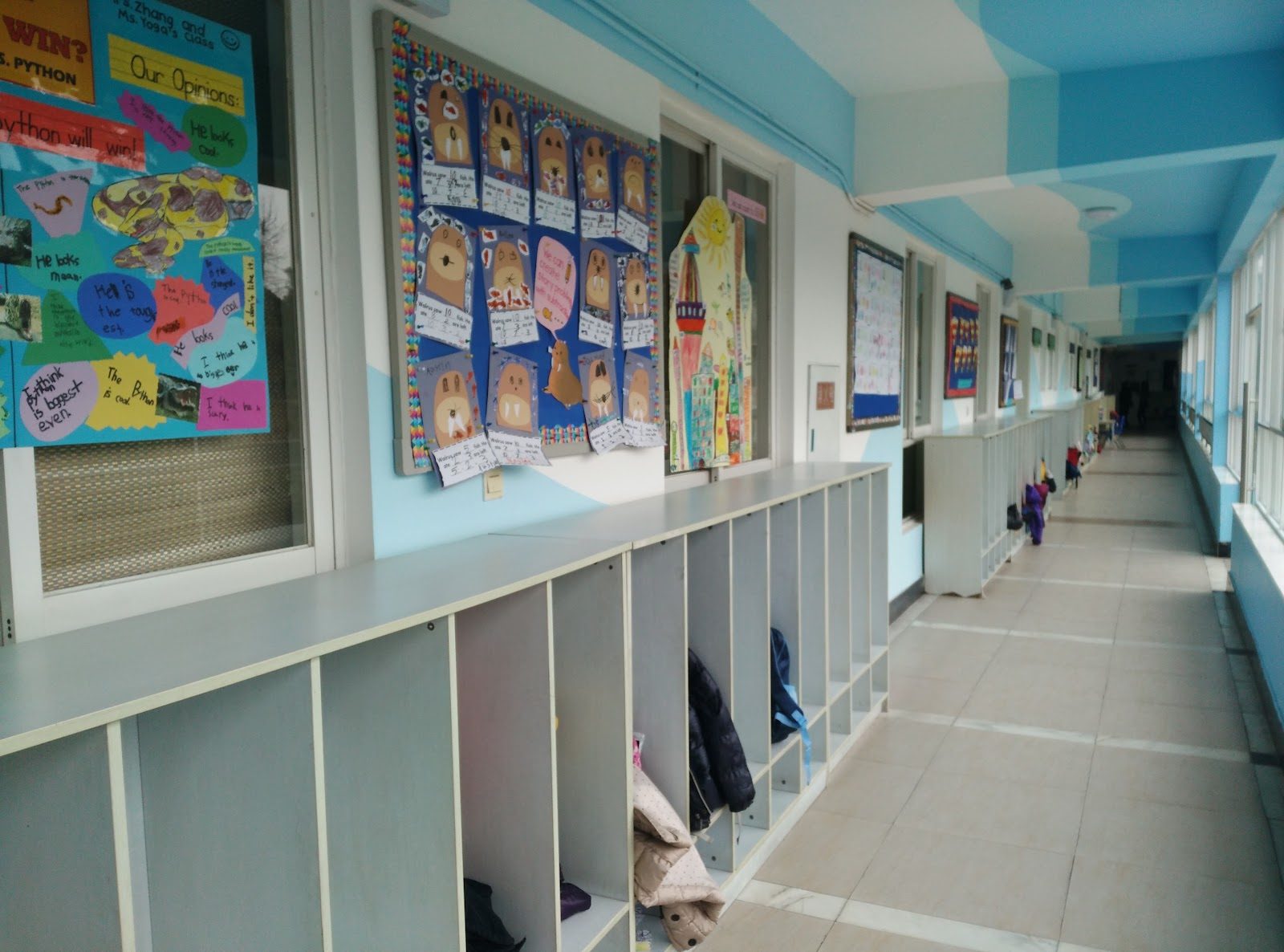
A mastery-learning model and single-digit class sizes anchor this American Garden campus school inside Chengdu's Third Ring Road.
Wuhan Yangtze International School
Wuhan · China
In Hanyang on the Yangtze, this foreign-passport-only campus rallies students into four house teams: Viper, Tiger, Crane, Panda.
Same country and curriculum — closest matches within ±10 points either way