
Lisbon District
King's College School Cascais
A EUR75 million coastal campus outside Lisbon pairs Cambridge rigor through Year 11 with a choice of IB or A-Levels beyond.
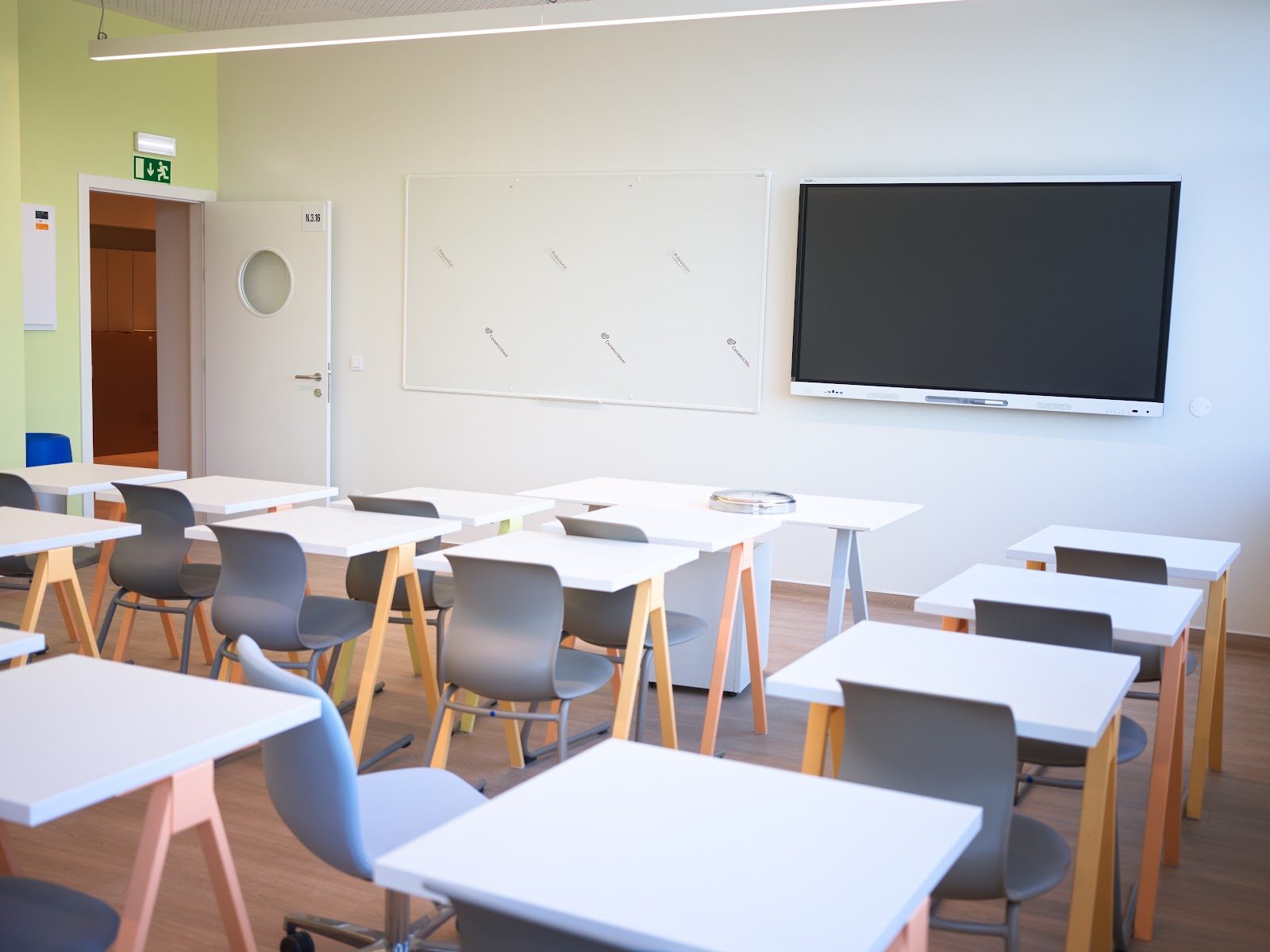
Photo © Inspired Marketing via Google Maps
Type
Day
Ages
3–18
Curriculum
British
Qualifications
IGCSE · A-Level
Ratio
—
The Verdict
Editor's commitment
Right for
Families near Cascais who want English-medium day schooling from age 3 to 18, with Cambridge International and COBIS backing.
Wrong for
Parents who want boarding, a religious ethos, or one fixed sixth-form route; this 2018 school splits post-16 between IB and A-Levels.
Watch out for
The EUR75 million campus is the easy sell; interrogate substance beyond facilities, especially in a young school founded in 2018.
Ranking breakdown
King's College School Cascais · #1548 of 1591
Composite score 45.0. 8 weighted criteria.
By criterion
Academic Outcomes
Weight 20%
#1459
of 1529 scored
University Placement
Weight 16%
#1462
of 1529 scored
Prestige & Heritage
Weight 12%
#1526
of 1571 scored
Alumni Network
Weight 12%
#1283
of 1530 scored
Facilities
Weight 12%
#1110
of 1533 scored
Transparency & Communications
Weight 8%
#1383
of 1532 scored
Peer & Industry Review
Weight 10%
#1495
of 1548 scored
Admissions Selectivity & Demand
Weight 8%
#1506
of 1529 scored
Peer & Industry Review
How King's College School Cascais is regarded in the sector
50
Credible · medium confidence
King's College School Cascais benefits from association with the King's Group, whose flagship King's College Soto de Vinuelas in Madrid is well established among British curriculum schools in Iberia and often referenced by rival heads and consultants (e.g. NABSS, COBIS circles) as a credible exporter of the English National Curriculum and IB into Spain and Portugal. However, the Cascais campus itself is very young, having opened in the early 2020s, so it has not yet accumulated the independent editorial coverage, league-table history, or verifiable university destination data that outlets like Good Schools Guide, WhichSchoolAdvisor or Portuguese press typically use to benchmark established international schools. There is no publicly documented commentary from Portuguese state or private school heads, nor named university admissions officers, specifically addressing this campus. Group-level accreditation (British Schools Overseas, IB authorisation processes) lends procedural credibility, but school-specific peer and university regard remains largely unverified in public sources at this stage, reflecting its candidate rather than established tier status.
Editors' overview
King’s College School Cascais sits in a crowded premium segment and separates itself through scale, finish and route choice. This is a British day school, founded in 2018, teaching in English from ages 3 to 18, with Cambridge International in place through Year 11 and a fork at sixth form: IB or A-Levels. That matters. Many schools ask families to buy into one post-16 philosophy; King’s College School Cascais keeps both doors open. The campus investment also sets the tone. A EUR75 million site outside Lisbon gives the school the physical weight of an established institution, not a start-up improvising year by year. For parents who want serious academic infrastructure without boarding, that is a clear draw.
What is special here is the combination of British academic framing, Portuguese location and a genuinely broad senior-school choice. The school targets internationally mobile families and ambitious local families who want English-medium schooling without sacrificing access to university systems that reward either the IB or A-Levels. COBIS and Cambridge International accreditation give it external anchors, but the stronger selling point is practical: this school offers a clean, legible pathway from early years to university entrance qualifications that travel well. In market terms, it competes at the top end: expensive, polished and built for parents who value standards, campus quality and international portability over intimacy or eccentricity.
Why shortlist it? Because it solves several common parental problems in one place. It gives a child continuity from age 3 to 18, a British curriculum identity, and two credible sixth-form exits in a coastal Lisbon location that attracts expatriate executives, returning Portuguese families and globally minded professionals. It also avoids the false choice between a local school with limited international reach and an international school with weak academic structure. The proposition is high-control, high-ambition schooling in a setting that carries lifestyle appeal as well as convenience. Families who want a school with institutional heft and a well-signposted academic route will find it compelling.
The best fit is a student who thrives in a structured, academic environment and benefits from clarity, pace and expectation. This is not the obvious choice for a child who needs a loose, alternative culture or a small, idiosyncratic community. It suits the pupil who wants strong English-medium academics, classmates from internationally oriented families, and the option at 16 to choose between two distinct routes to university. For the right child, that mix of global mobility and exam-course flexibility puts King’s College School Cascais firmly on the shortlist.
Academic Performance
King’s College School Cascais does not yet publish the kind of deep, time-series outcomes data that lets parents rank it confidently against the strongest exam-led schools in Portugal’s international market. We have not seen multi-year IGCSE distributions, no aggregate A-Level profile, and no IB averages placed plainly in the public domain. That matters. In a premium school charging top-end fees, families should expect hard academic evidence, not just pathway choice and polished infrastructure. The school’s examination story is still opaque where it counts: consistency over time, proportions at the top grades, and how its cohorts perform against selective peers in Lisbon and the wider region.
That does not put the school in weak company; it puts it in unproven company. A newer school with a full age range still building its exam record cannot yet claim the entrenched results culture of longer-established competitors. Parents comparing schools for sixth-form outcomes need to ask for the last 3 years of IGCSE, IB and A-Level results, grade distributions rather than pass rates, and destination lists with course detail. Without that, King’s College School Cascais sits in the upper-fee, high-expectation bracket on promise and structure rather than on a battle-tested public results profile. For families comfortable judging trajectory as well as output, that remains workable. For results-driven buyers, the missing data is a serious gap.
Facilities
Facilities are one of this school’s clearest strengths. The campus has the scale and finish of a serious premium operation, not a school squeezing ambition into adapted buildings. A dedicated early years area matters for the youngest children; so do specialist science labs, art and music spaces, a library, and sports provision built for full-school use rather than token timetable coverage. The standout element is the breadth: this is not a single-star facility wrapped in glossy photography, but a campus designed to support academic teaching, performing arts and physical education at the same time. In a market where some international schools still trade on location while working around compromised sites, King’s College School Cascais offers real operational substance.
Against peers in the Lisbon and Cascais premium bracket, the school sits near the top for physical infrastructure. The reported investment of EUR75 million puts it in big-ticket territory, and parents will feel that in the day-to-day experience: cleaner zoning, better specialist rooms, and less of the logistical friction that dogs smaller campuses. That does not make the estate distinctive in every respect. We have not seen evidence of the kind of world-class theatre, aquatic complex or elite-performance sports set-up that marks out the most lavish international campuses globally. But within its local competitive set, the school’s facilities are a genuine asset and one of the strongest concrete reasons to pay its fees.
What is special here is the combination of British academic framing, Portuguese location and a genuinely broad senior-school choice
Prestige
King’s College School Cascais carries aspirational prestige more than old prestige. The name has cachet, the campus has visible status value, and the fee level places it firmly in the luxury tier. For many families, that combination matters: it signals ambition, social sorting and a school built to attract internationally minded professionals rather than a broad local intake. The setting outside Lisbon adds lifestyle pull, and the school benefits from the kind of parent perception that attaches to polished British-branded education in coastal Portugal. That said, prestige built on image, investment and route design is not the same as prestige earned over decades through public results, university placements and a settled reputation across multiple graduating cohorts. At present, this is high-market prestige, not old institutional authority.
That distinction drives the rating. The school has the ingredients of a status-conscious top-end international school: a headline campus spend of EUR75 million, a premium parent base and a sixth-form structure that broadens its appeal. It does not yet have the entrenched public record that turns a desirable school into an undisputed heavyweight. In this market, prestige has layers. King’s College School Cascais sits above newer, less coherent competitors because it has scale, finish and brand recognition. It still sits below the rare schools whose reputations rest on long-run academic proof rather than presentation. For parents, the message is clear: this is a strong social and market signal, but not yet the finished article in reputational terms.
In a premium school charging top-end fees, families should expect hard academic evidence, not just pathway choice and polished infrastructure
Communications
King’s College School Cascais communicates in the manner of an expensive, tightly managed school: polished, orderly and parent-facing. The public channels do the basics well. Key practical information is easy to find, the visual presentation is consistent, and the school knows how to frame itself for time-poor international families. That matters less as branding than as an operational clue. Schools that organise admissions, calendar information and day-to-day parent touchpoints cleanly tend to run a tidier front office. Here, the signal is competent and deliberate. The weak point is depth. The school does not publish enough hard performance data, and that limits trust where serious parents want it most. A slick communications operation is useful; it is not a substitute for disclosure.
For enrolled families, the test is not polish but candour, speed and specificity when things change, problems arise or individual pupils need attention. The school’s scale and premium positioning create a clear expectation: communication must be fast, precise and unsentimental, not warm-but-vague. We have not seen evidence of chronic opacity in routine communication, but we have seen a public communications style that prioritises image over scrutiny. That leaves King’s College School Cascais in a credible middle-to-upper tier for parent communications: strong on presentation, less convincing on transparency, and not yet the standard-setter that the top fee bracket demands. Parents should ask current families how quickly staff reply, how much notice the school gives on operational changes, and whether concerns get real answers within 24–48 hours.
Uniqueness
What sets King’s College School Cascais apart is not one headline feature but a rarely tidy combination of choices that schools in this bracket often fail to hold together. It offers a through-school experience with a clean decision point in the senior years, rather than forcing families into one academic ideology from the outset. For students, that matters in practical terms: a child can develop inside one institutional culture, with one peer group and one set of expectations, then choose the qualification route that best fits temperament, subject strengths and university ambitions. That reduces the disruption that often comes with changing schools for sixth form and gives adolescents more room to sharpen their direction before high-stakes specialisation. In a market crowded with polished claims, that degree of route flexibility is a real structural advantage.
The other point of difference is the school’s high-investment, low-compromise physical set-up. The campus was built at a level of spending that few schools can match, and students benefit from that every day: less makeshift provision, fewer bottlenecks, and more credible space for sciences, arts and sport to coexist without one area cannibalising another. That does not make the school quirky or intimate; it makes it institutionally confident. For the right student, the gain is consistency: a school where ambition is organised, resources are substantial, and the path from early childhood to university entry does not need constant renegotiation. The cost, of course, is that this is a high-spec, high-expectation environment, not a loose or forgiving one.
Against peers in the Lisbon and Cascais premium bracket, the school sits near the top for physical infrastructure
Student Profile
The best fit here is the child who does well with structure, pace and adult expectation. This school suits students from internationally minded families who treat education as a serious project, not a lifestyle accessory. The social mix will include mobile expatriate households and ambitious local families, so pupils need to handle a community where standards, polish and comparison all carry weight. A self-directed, academically confident student will have room to thrive; a child who needs constant coaxing, a loose classroom culture or a deeply alternative ethos will find the environment too managed and too performance-conscious. The school’s premium setting also brings a certain parental intensity. Children who cope well when home and school pull in the same direction will fare better than those who bristle at pressure.
Temperament matters as much as attainment. This is a good match for pupils who want breadth without chaos: sport, arts and classroom learning all taken seriously, with adult systems in place to keep things moving. It also works for families planning beyond one national system and wanting options preserved into the senior years. The less comfortable fit is the child who needs a small, forgiving community where eccentricity outranks polish, or one who is still finding basic academic resilience. In plain terms, this is a school for families buying order, ambition and momentum. If your child rises in a high-expectation peer group and can absorb the social confidence of a top-fee environment, the fit is strong.
If your child rises in a high-expectation peer group and can absorb the social confidence of a top-fee environment, the fit is strong
Co-curricular strengths
Arts & sport, on a separate axis
Overall 8.7/10
Scored 0-10 from the school's own published evidence. This axis is editorial-only — it does not feed the main WTS ranking.
Sports
9.3/10
Drama
8.8/10
Dance
8.8/10
Music
8.3/10
Visual Arts
8.3/10
Strengths
- +Part of the King's Group Schools network, whose British curriculum model originates from King's College Alicante, founded in 1969, giving pedagogical continuity across campuses.
- +Offers a full British curriculum pathway from Early Years through to A-Levels, easing transition for families planning a return to UK or Commonwealth universities.
- +Located in Cascais, an affluent coastal town near Lisbon with a well-established international business and expat community, reducing relocation friction for families.
- +Sister campuses across Spain, Panama and Ecuador allow continuity of curriculum and pastoral approach for families who relocate again within the group's network.
- +As a comparatively new school, likely benefits from modern, purpose-considered facilities rather than an aging estate.
Considerations
- −As a relatively young campus, it lacks the decades-long public exam results record, university placement history and alumni network of longer-established British schools in the region.
- −Fees for a full British international curriculum are typically at the higher end of the Portuguese schooling market, a material factor for relocating families on fixed budgets.
- −Single-campus location in Cascais may mean a significant commute for families based in central Lisbon or on the eastern side of the city.
- −Being one of several campuses within a larger for-profit group means a more standardised, corporate school culture rather than the singular character of an independent legacy institution.
Availability
Primary entry gate & tests
Academic Record
Gallery
Photo © King’s College School, Cascais via Google Maps
Photo © Samuel Deskin via Google Maps
Photo © Samuel Deskin via Google Maps
Photo © Samuel Deskin via Google Maps
Photo © King’s College School, Cascais via Google Maps
Photo © King’s College School, Cascais via Google Maps
Photo © King’s College School, Cascais via Google Maps
Parent reviews
Have you sent your child here?
Voice reviews carry the strongest trust badge — we transcribe them for you to tidy up before they go live. Prefer to type? A written review is fine too.
Add your voice
In 60 seconds, tell other parents: what's the best thing about King's College School Cascais, and what surprised you when your child joined?
We ask for a Google sign-in so every review has a real face behind it — no anonymous drive-by attacks on schools, and no faked positive reviews. Your email is never shown publicly.
Send this profile to a friend
International parents rely on word-of-mouth. Share this review with someone weighing the same decision.
Schools with places
Similar schools to King's College School Cascais with places available now.
St Peter's International School
Palmela · Portugal
- 2026-27
- WAITPOOLSpace-dependent
- 2027-28
- PLACES OPENRolling
St. Julian's School
Carcavelos · Portugal
- 2026-27
- WAITPOOLMostly full / waitlist
- 2027-28
- PLACES OPEN
Availability first, then country, area, curriculum, price, co-curricular
Consider also
Also worth looking at alongside King's College School Cascais.
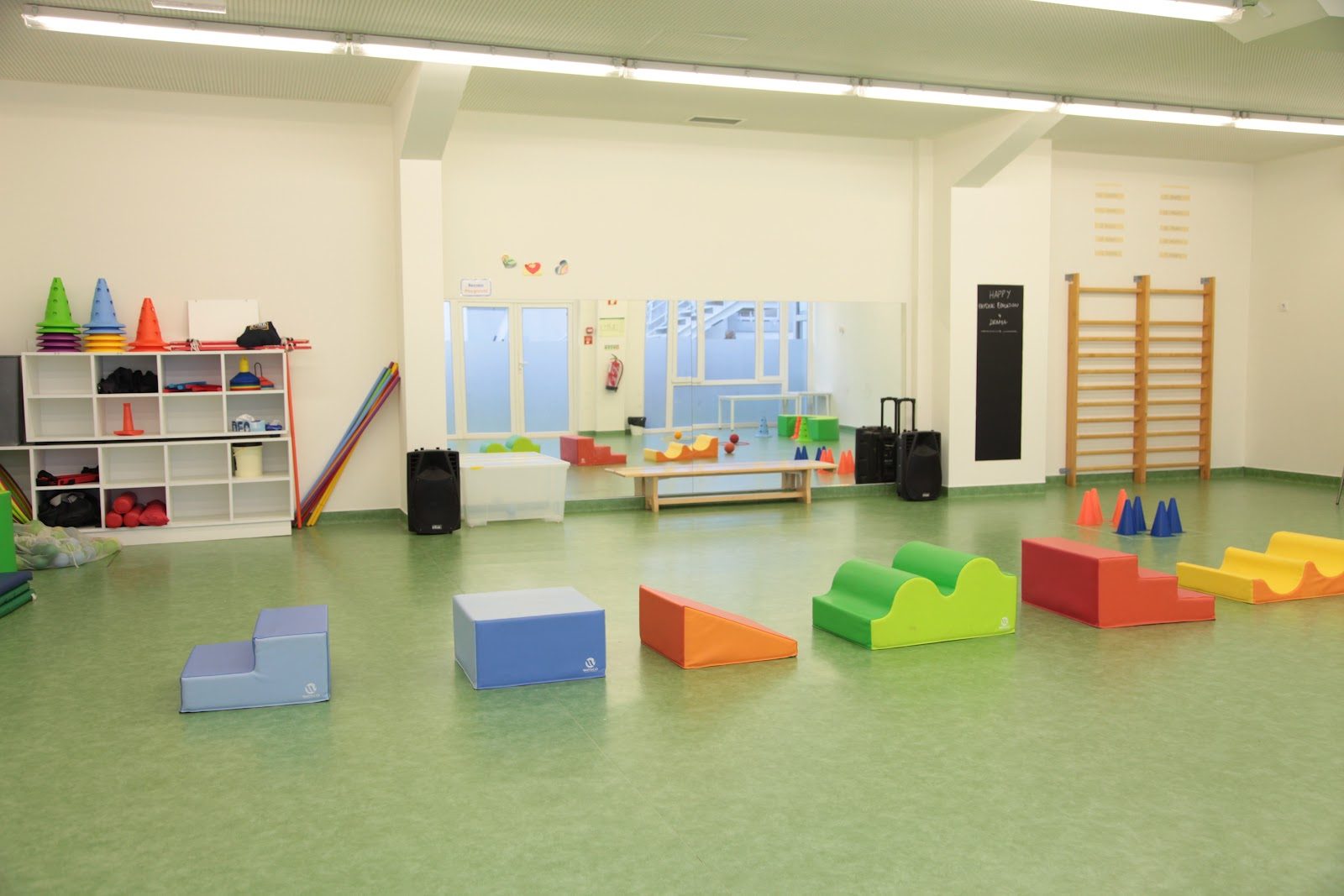
PaRK International School
Lisbon · Portugal
Bilingual immersion to Grade 4 gives way to Cambridge IGCSE and the IB Diploma, inside Lisbon's global Inspired Education network.

CLIP – Oporto International School
Porto · Portugal
Where Cambridge IGCSE and the IB run in parallel, and OPOMUN each spring turns Porto into a model United Nations chamber.
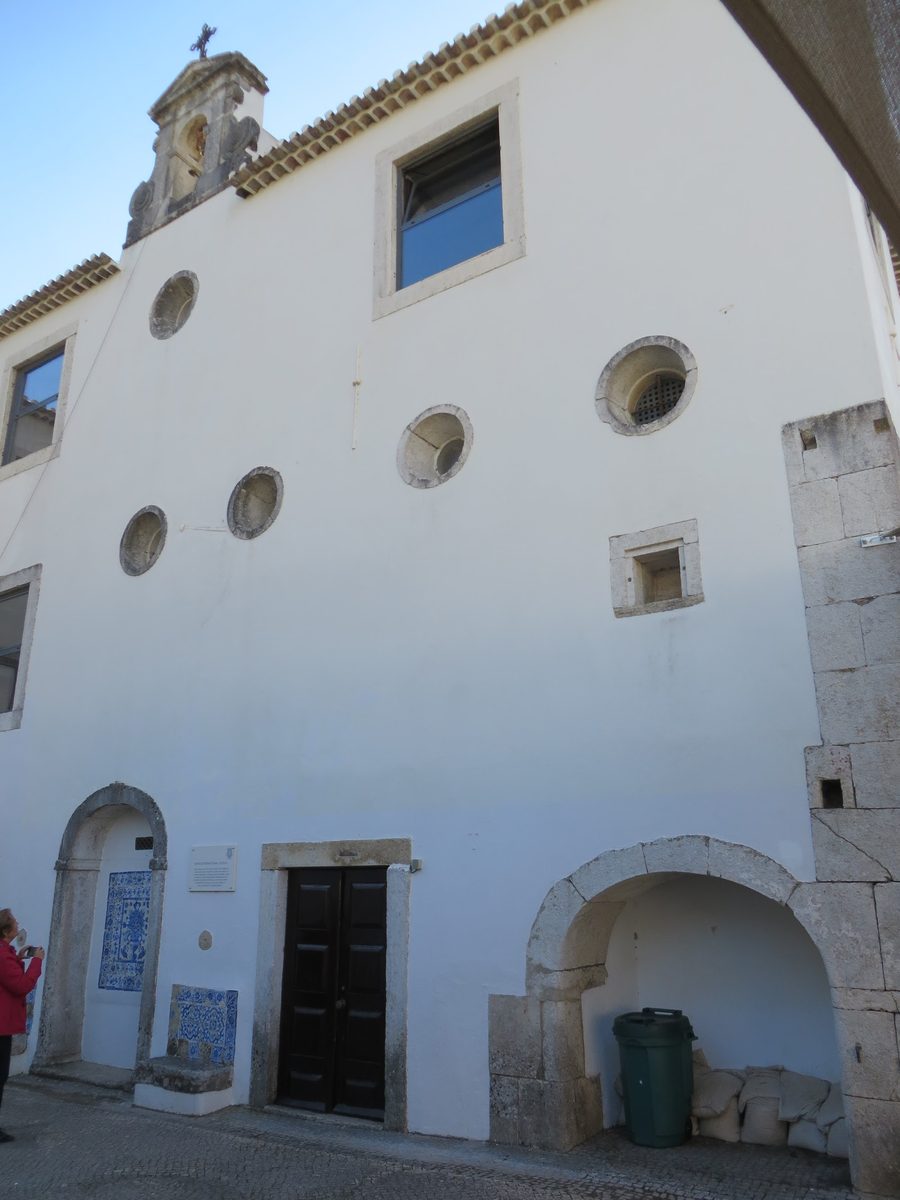
Oeiras International School
Oeiras · Portugal
A 17th-century palace estate near Lisbon runs the full IB continuum on a deliberately non-selective, community-rooted admissions model.
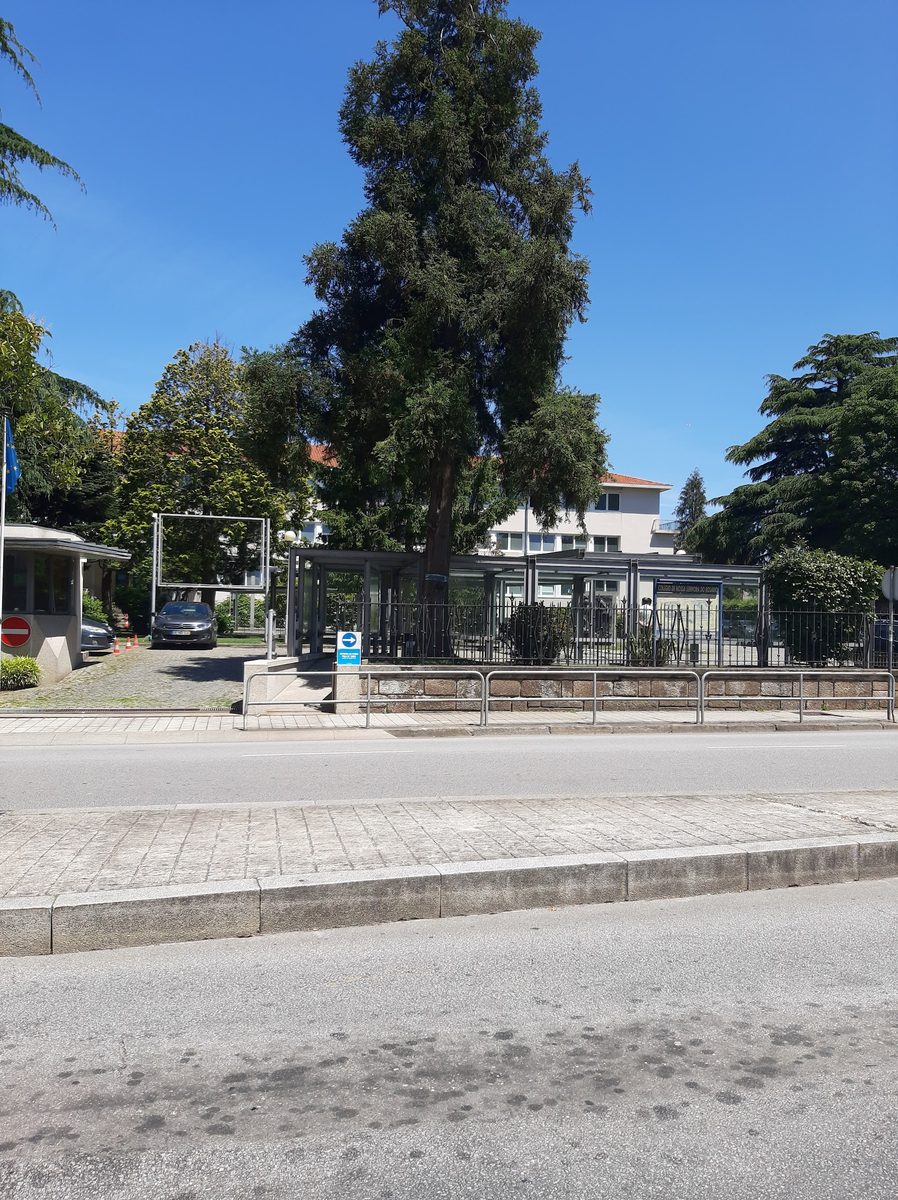
Colégio Nossa Senhora do Rosário
Porto · Portugal
Rooted in an 1871 mission by an Irish schoolmistress and her Sisters of the Sacred Heart, this Boavista convent day school has repeatedly topped Portugal's national secondary exam rankings.
Same country and curriculum — closest matches within ±10 points either way