
Lisbon District
Oeiras International School
A 17th-century palace estate near Lisbon runs the full IB continuum on a deliberately non-selective, community-rooted admissions model.
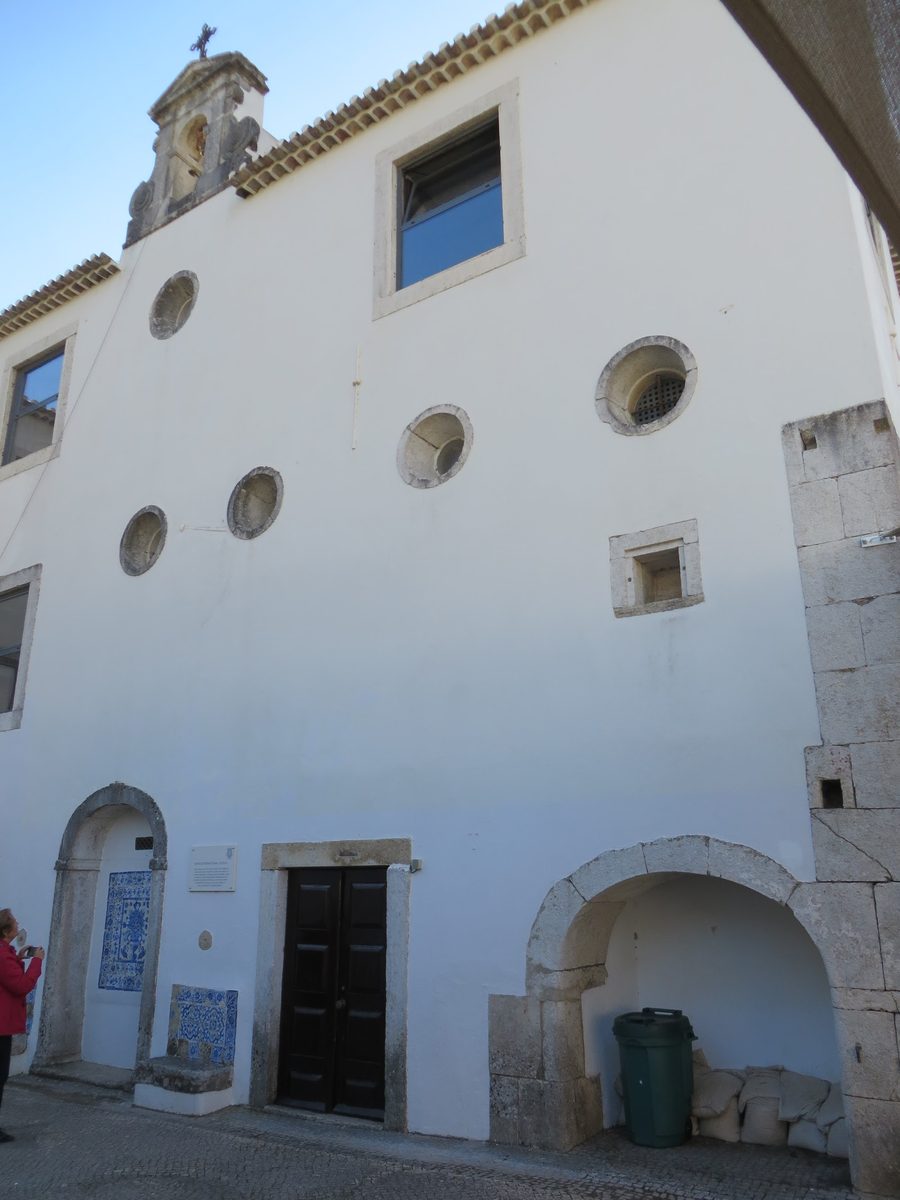
Photo © Luís Boléo via Google Maps
Type
Day
Ages
3–18
Curriculum
IB
Qualifications
IB PYP · IB MYP · IB Diploma
Ratio
6:1
The Verdict
Editor's commitment
Right for
Families who want a day school in Oeiras running the full IB, from age 3 to 18, with CIS accreditation.
Wrong for
Parents chasing academic selection or a hothouse culture; OIS states it is not academically selective and serves 463 students.
Watch out for
The 1:6 ratio and 16 average class size impress, but the school does not publish aggregate IB Diploma results or university destinations.
Ranking breakdown
Oeiras International School · #1523 of 1591
Composite score 47.4. 8 weighted criteria.
By criterion
Academic Outcomes
Weight 20%
#1382
of 1529 scored
University Placement
Weight 16%
#1414
of 1529 scored
Prestige & Heritage
Weight 12%
#1526
of 1571 scored
Alumni Network
Weight 12%
#1267
of 1530 scored
Facilities
Weight 12%
#1247
of 1533 scored
Transparency & Communications
Weight 8%
#1243
of 1532 scored
Peer & Industry Review
Weight 10%
#1495
of 1548 scored
Admissions Selectivity & Demand
Weight 8%
#1419
of 1529 scored
Peer & Industry Review
How Oeiras International School is regarded in the sector
50
Credible · medium confidence
Oeiras International School is a young entrant (opened 2019) in the Lisbon-Cascais international school market, and it has not yet accumulated the kind of independent scrutiny that shapes peer reputation for longer-established rivals such as St. Julian's, Carlucci American International School, or United Lisbon International School. No Good Schools Guide or WhichSchoolAdvisor review of OIS is currently publicly available, and it does not yet appear in Portuguese national league tables or in the comparative round-ups that Publico or Expresso run on private/international schools. There is no verifiable record of rival heads or university admissions officers commenting publicly on the school, reflecting its small graduating cohorts to date and limited track record of university placement data. Its Cambridge International curriculum affiliation gives it a recognisable external benchmark, but conference and press visibility remains modest compared to Lisbon's established international schools. Overall, OIS should currently be read as a credible but still-emerging institution whose reputational standing among elite peers and higher-education gatekeepers is not yet substantiated by independent published commentary, rather than one with a demonstrated adverse or negative peer perception.
Editors' overview
Oeiras International School occupies a distinctive niche in the Lisbon market: a full English-medium IB day school, founded in 2008, with a declared non-selective admissions model and a campus that carries real physical character. The headline facts matter. OIS runs the IB continuum, holds IB and CIS accreditation, enrols 463 students, cites a 1:6 teacher-student ratio, and sits on a 5-hectare estate. That combination gives it a market position that many competitors cannot match: a school with space to breathe, a rare all-through IB route, and a scale that stays personal rather than sprawling.
What sets it apart is not raw academic exclusivity but its explicit rejection of it. OIS states that it is “not academically selective” and places individual progress at the centre of its proposition. For families tired of schools that filter heavily at entry and then market the results as institutional magic, that is a serious point of difference. The trade-off is obvious: parents hunting for a high-pressure, exam-maximising culture built on selective intake will find stronger fits elsewhere. OIS pitches itself as a school for independent learners, personal growth, and a broad balance of academics, arts and sport. The average class size of 16 supports that claim in practical terms.
The setting also matters. A 17th-century palace estate near Lisbon, in a rural valley with woodland and a river, gives OIS a grounded sense of place that many urban international schools lack. This is not a glass-box business campus. For children who learn better with room, movement and visual calm, that changes the daily experience in material ways. Add a community of 48+ nationalities and the school lands as international without being rootless. It suits families who want English-language international education in Portugal without sacrificing local quality of life.
OIS belongs on a shortlist for parents who value the IB from early years through to diploma, want a school that does not treat admissions selectivity as a badge of honour, and prefer a mid-sized community over a giant institution. The best-fit student is curious, self-directed and comfortable in an inquiry-led framework; a child who benefits from close adult attention, breadth beyond academics, and a more humane pace than the market’s sharper-edged operators. For the right family, OIS offers substance over theatre. The caveat is clear: the school does not publish aggregate IB outcomes in the public domain, so parents who make decisions on hard sixth-form result data will need to ask direct questions.
Academic Performance
Oeiras International School does not publish aggregate IB Diploma results, average point scores, subject breakdowns, top scores, pass rates, or university destination data in the public domain. That is the central fact in any academic assessment. In a market where stronger operators disclose at least headline outcomes, this leaves OIS in the opaque middle ground. Parents cannot test the school’s academic claims against hard external benchmarks, and that weakens its standing against Lisbon-area competitors that put results front and centre. A non-selective admissions model makes context important, but it does not remove the need for disclosure; it makes disclosure more important.
What the school does publish points instead to capacity and educational intent rather than measurable outcomes: a small overall roll, average classes of 16, and a low staffing ratio of 1:6. Those conditions support individual attention and can serve students well across a broad ability range. They do not, on their own, prove academic strength at Diploma level. Relative to peers, OIS fits parents who value development over score-chasing, breadth over league-table optics, and a less results-obsessed culture. Families who rank sixth-form performance data as the decisive factor need to ask direct questions on recent IB cohorts, score distribution, higher-level subject performance, and university offers before treating OIS as a serious academic bet.
Facilities
The estate is the story here. OIS sits on a campus with room, landscape and visual calm, and that matters more than a glossy building spec. The school points to a beautiful, green campus in a rural valley with woodland, a river and wide views; that gives children space for movement, outdoor time and a daily environment that does not feel hemmed in by roads or apartment blocks. In the Lisbon market, where many international schools operate from tighter urban or business-park sites, this is a genuine competitive advantage. The grounds read as lived-in rather than showy: less chrome-and-glass spectacle, more usable outdoor setting. For younger children in particular, that has real value.
What is less clear is the specialist indoor provision. OIS publishes the broad campus picture and the estate acreage — 5 hectares — but does not set out, in public, a detailed facilities inventory for science, performing arts, design, sixth-form study space or high-performance sport. That leaves parents with an incomplete view of how the school compares with peers that publish every lab, theatre and pitch. The school also cites 104 staff, which indicates operational depth across teaching and support, but staffing is not a substitute for hard facilities detail. The verdict: the campus itself is a serious asset, the outdoor environment is well above the local norm, and the public disclosure on specialist infrastructure is too thin.
Oeiras International School carries moderate prestige in the Lisbon-area international market: real appeal, real distinctiveness, but not top-tier cachet
Prestige
Oeiras International School carries moderate prestige in the Lisbon-area international market: real appeal, real distinctiveness, but not top-tier cachet. Its status rests on three things. First, it offers the full IB route in one school, which gives it structural credibility with internationally mobile families. Second, it has a setting with genuine presence rather than the anonymous feel of a rented office-park campus. Third, its community is visibly international, with 48+ nationalities, which matters in a market where some schools trade on “international” branding with a much narrower reality. Add the low staffing ratio and the school has the ingredients of a thoughtfully built operation rather than a makeshift local entrant.
What holds OIS back from the upper prestige bracket is the same issue that limits its academic standing: public proof. Elite reputation in this sector comes from a combination of selectivity, long-established brand recognition, and published senior-school outcomes. OIS rejects selective admissions on principle, which gives it a more open, less status-driven identity but removes one of the classic prestige signals. It also does not publish the hard leavers’ data that turn a good school into a market leader. The result is a school with clear credibility and a strong fit for families who value ethos over pecking order, but not one that commands the instant recognition or inherited social capital of the market’s most sought-after names.
Oeiras International School communicates with parents in a structured, serviceable way, with a clear bias towards practical information over polished spin
Communications
Oeiras International School communicates with parents in a structured, serviceable way, with a clear bias towards practical information over polished spin. The public-facing site is easy to navigate and puts the basics where parents need them: admissions, fees, calendar, transport, uniform, after-school activities, behaviour policies and a named welcome from the principal. That matters. Schools that hide operational detail behind enquiry forms waste families’ time; OIS does not. The school also signposts visits aggressively, which fits a campus-led sales case and gives parents a direct route to judge the place for themselves. The news feed adds a sense of school life, but it reads more as brand maintenance than hard parent communication. Useful enough, not essential reading.
Where OIS is strong is transparency on day-to-day matters; where it is weak is transparency on outcomes. Parents can find logistics, routines and points of contact without much friction, and that indicates a school that understands the demands of family life. The weakness sits higher up the chain: communication is operationally clear but strategically incomplete. A school asking families to buy into its educational model needs to publish stronger evidence of where that model leads at the senior end. Without aggregate diploma results or destination data, the message stops short at ethos and process. The result is competent, parent-friendly communication with a blunt credibility gap in the one area many parents scrutinise hardest. The site gives a good picture of daily life; it does not give a full picture of academic payoff.
Uniqueness
What marks Oeiras International School out is the combination of a deliberately open-door admissions model with a campus that gives children real physical freedom. Plenty of international schools talk about nurturing the whole child; fewer reject academic selectivity in explicit terms and then build the school around that choice. OIS does. That creates a student body with a wider spread of confidence, attainment and temperament than the polished top tier, and that changes the daily culture. In classrooms, pupils are not sorted into a narrow band of high performers and left to compete for rank. They work in a setting that prizes independence, personal progress and contribution. For the right child, that is materially healthier: less social theatre, less admissions snobbery, more room to develop at a credible pace.
The other point of difference is the estate itself. A school with 48+ nationalities on a historic palace property, set among woodland and a river, delivers an experience that feels grounded rather than corporate. Children do not spend their days in a sealed urban box; they move through a landscape with texture, quiet and scale. That supports younger pupils especially well, but the benefit runs through the age range: more outdoor life, more visual calm, and a stronger sense that school is a community rather than a throughput machine. Add the school’s small overall scale and average class size of 16, and OIS offers a rare mix of international breadth, human scale and daily contact with the natural environment.
The best-fit student at Oeiras International School is not the child who wants to win the room by force of competition
Student Profile
The best-fit student at Oeiras International School is not the child who wants to win the room by force of competition. This school suits pupils who respond to encouragement, structure and adult attention rather than pressure-cooker sorting. Its declared non-selective model matters here: the student body will include a wider spread of attainment and confidence than the sharper, status-driven schools, and that changes the social tone. Children who thrive in mixed-ability settings, who can work independently without constant rank-ordering, and who value steady personal growth over constant comparison will fit well. The international mix — 48+ nationalities — also favours students who are adaptable, open with others and comfortable building friendships across cultures rather than staying inside one settled local clique.
It is also a strong fit for children who need space, calm and room to breathe in the school day. Restless younger pupils, creative students, and those who benefit from a less abrasive peer culture have more to work with here than at schools built around academic triage. The small classes — 16 on average — support quieter children who can get lost in bigger systems, as well as students who need close monitoring to stay organised. Less suited are highly driven applicants who want a hard-edged, openly selective environment with public academic results as a central part of school identity. OIS fits families who want breadth, pastoral steadiness and a community that treats children as individuals rather than a scoreboard.
Oeiras International School does not publish aggregate IB Diploma results, average point scores, subject breakdowns, top scores, pass rates, or university destination data in the public domain
Co-curricular strengths
Arts & sport, on a separate axis
Overall 6.76/10
Scored 0-10 from the school's own published evidence. This axis is editorial-only — it does not feed the main WTS ranking.
Sports
8.8/10
Drama
5.5/10
Dance
4.5/10
Music
7.5/10
Visual Arts
7.5/10
Strengths
- +Located in Oeiras, a business and technology corridor west of Lisbon that hosts numerous multinational companies, making it convenient for relocating corporate families.
- +Offers the International Baccalaureate framework, giving families a globally recognised curriculum pathway rather than a purely local one.
- +As a newer, smaller institution, class sizes are likely modest, which can mean more individualised attention than at Lisbon's larger, longer-established international schools.
- +Day-school format avoids boarding fees and keeps children within the family home, a consideration for families relocating with younger children.
Considerations
- −As a young school with a 'rising star' rather than established profile, it lacks a long track record of IB Diploma results or university placement outcomes.
- −Smaller current size likely means a narrower range of extracurricular, sporting and subject options than larger, more established Lisbon-area international schools.
- −Alumni network and institutional reputation are still developing, which may matter to families prioritising long-term brand recognition.
- −Facilities and staff continuity typical of newer schools should be verified directly, as these can evolve quickly during a school's early growth phase.
Availability
Primary entry gate & tests
Academic Record + Interview
Gallery
Photo © Luís Boléo via Google Maps
Photo © Oeiras International School via Google Maps
Photo © Amândio Paulo via Google Maps
Photo © Ruth Lewis via Google Maps
Photo © Oeiras International School, Main Campus via Google Maps
Photo © Oeiras International School, Main Campus via Google Maps
Photo © Yi Wang via Google Maps
Parent reviews
Have you sent your child here?
Voice reviews carry the strongest trust badge — we transcribe them for you to tidy up before they go live. Prefer to type? A written review is fine too.
Add your voice
In 60 seconds, tell other parents: what's the best thing about Oeiras International School, and what surprised you when your child joined?
We ask for a Google sign-in so every review has a real face behind it — no anonymous drive-by attacks on schools, and no faked positive reviews. Your email is never shown publicly.
Send this profile to a friend
International parents rely on word-of-mouth. Share this review with someone weighing the same decision.
Schools with places
Similar schools to Oeiras International School with places available now.
Availability first, then country, area, curriculum, price, co-curricular
Consider also
Also worth looking at alongside Oeiras International School.

CLIP – Oporto International School
Porto · Portugal
Where Cambridge IGCSE and the IB run in parallel, and OPOMUN each spring turns Porto into a model United Nations chamber.
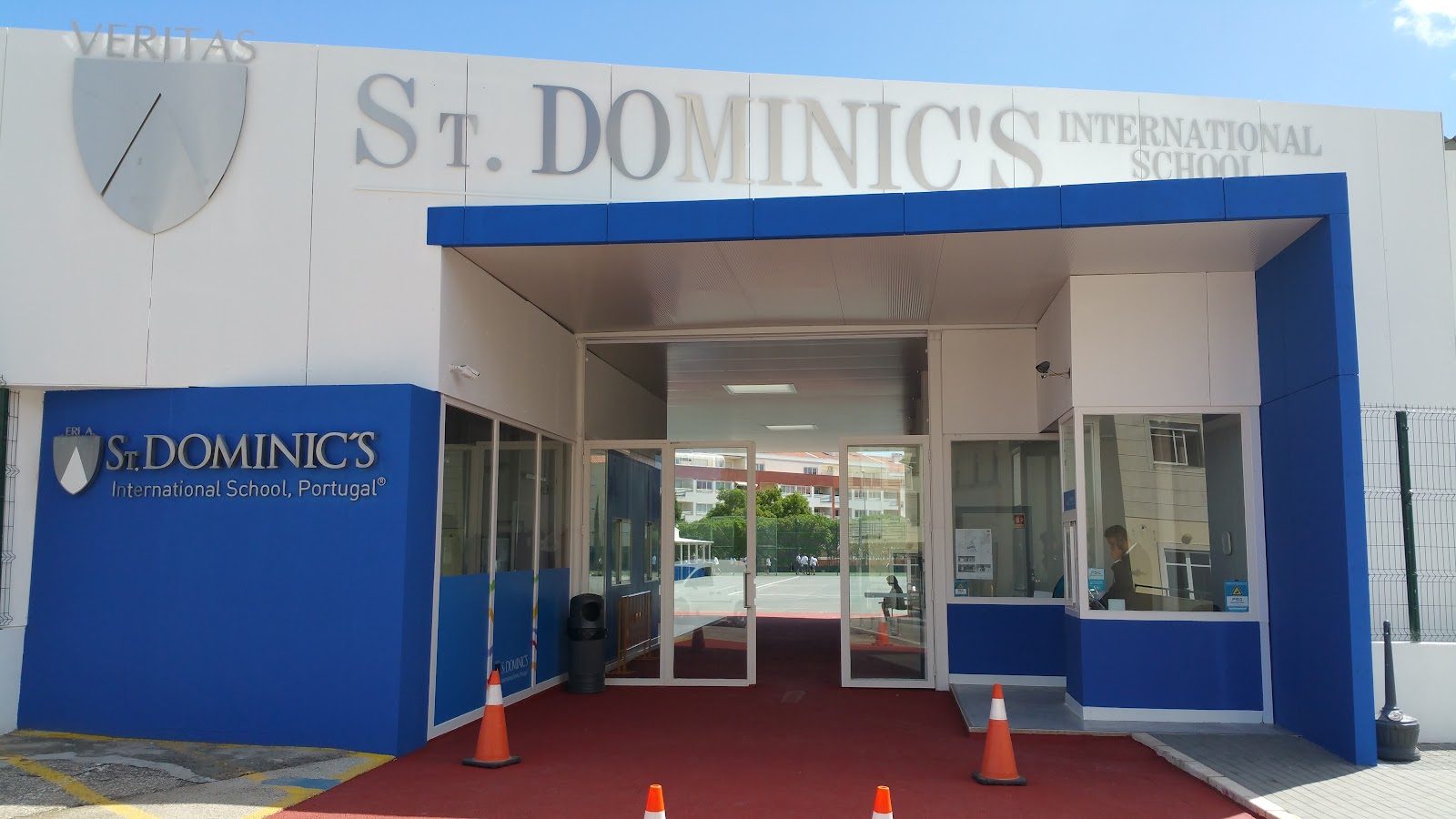
St. Dominic's International School
São Domingos de Rana · Portugal
Portugal's first full IB continuum school, tracing a Dominican search for truth back to 1954 on the Cascais coast.
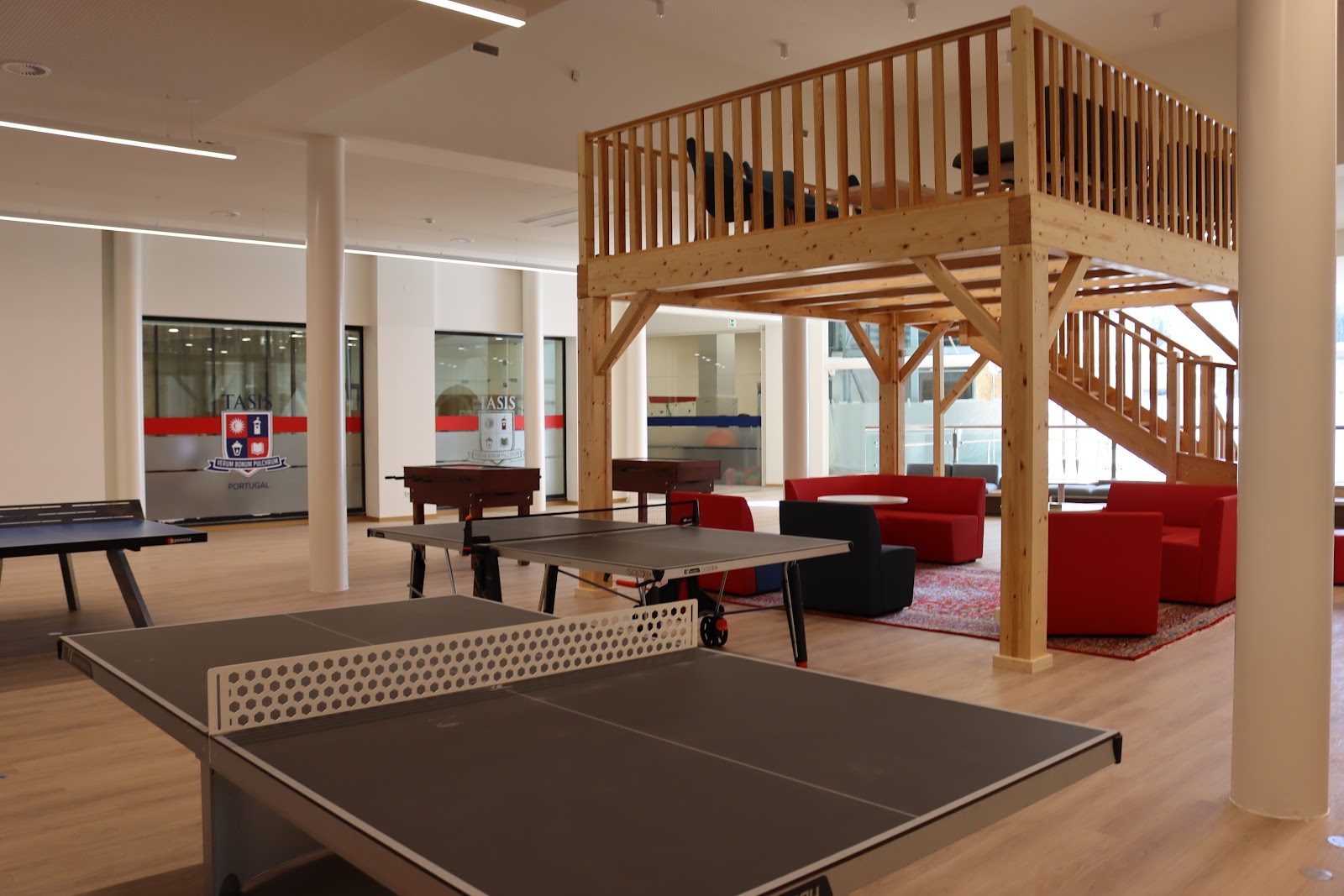
TASIS Portugal
Sintra · Portugal
A 1956 Swiss lineage lands on the Portuguese Riviera, pairing Core Knowledge rigor with an IB Diploma graduating its first class in 2026.

United Lisbon International School
Lisbon · Portugal
Blending American rigor with the IB Diploma on Lisbon's Parque das Nacoes waterfront, backed by Microsoft Showcase School status.
Same country and curriculum — closest matches within ±10 points either way