
Lisbon District
United Lisbon International School
Blending American rigor with the IB Diploma on Lisbon's Parque das Nacoes waterfront, backed by Microsoft Showcase School status.

Photo © United Lisbon International School via Google Maps
Type
Day
Ages
3–18
Curriculum
American · IB
Qualifications
High School Diploma · AP · IB Diploma
Ratio
—
The Verdict
Editor's commitment
Right for
Families wanting English-medium schooling from ages 3–18, with an American curriculum feeding into the IB Diploma in Lisbon.
Wrong for
Parents demanding a long track record, settled alumni outcomes or full accreditation; the school opened in 2020 and holds NEASC candidate status.
Watch out for
The Parque das Nacoes waterfront setting and Microsoft Showcase School sheen do not replace published academic data; aggregate results are not disclosed.
Ranking breakdown
United Lisbon International School · #1567 of 1591
Composite score 38.3. 8 weighted criteria.
By criterion
Academic Outcomes
Weight 20%
#1496
of 1529 scored
University Placement
Weight 16%
#1496
of 1529 scored
Prestige & Heritage
Weight 12%
#1551
of 1571 scored
Alumni Network
Weight 12%
#1296
of 1530 scored
Facilities
Weight 12%
#1509
of 1533 scored
Transparency & Communications
Weight 8%
#1383
of 1532 scored
Peer & Industry Review
Weight 10%
#1536
of 1548 scored
Admissions Selectivity & Demand
Weight 8%
#1518
of 1529 scored
Peer & Industry Review
How United Lisbon International School is regarded in the sector
38
Regional · medium confidence
United Lisbon International School is a relatively young entrant in Lisbon's international school market and does not yet have a verifiable independent-press or peer-benchmarking footprint comparable to established Lisbon institutions such as St. Julian's School, Carlucci American International School of Lisbon, or St. Dominic's International School. No listing or review for the school could be confirmed on WhichSchoolAdvisor, the Good Schools Guide International, or in Portuguese national league tables, which in any case focus on state and national-curriculum schools rather than newer private international entrants. No quoted commentary from heads of rival Lisbon schools, university admissions officers, or education journalists referencing this school specifically was found in public sources. It does not appear to have a presence at recognised international-schools conferences (e.g. COBIS, ECIS) based on available public records. Given its recent founding and candidate status, its reputation among elite peer schools and universities is still emerging and undocumented in independent media; any characterisation beyond this would be unverified. This absence of third-party signal, rather than negative signal, is the accurate current state of its industry standing.
Editors' overview
United Lisbon International School is a very new entrant in Lisbon’s international market, founded in 2020, and that cuts both ways. Parents get a modern school built for current international demand rather than legacy habit: English-medium, secular, day-only, for ages 3–18, with an American-style structure leading to the IB Diploma. The setting in Parque das Nações gives it a clear identity. This is waterfront, contemporary Lisbon, not an old-campus school trading on history. The school’s strongest distinguishing feature is the blend of US-style academic organisation with the IB at the top end, aimed at families who want forward-facing ambition, international fluency and a school that speaks the language of mobility.
What puts it on a shortlist is not romance; it is fit. United Lisbon targets globally mobile, professionally international families who want an English-language education in Lisbon without sacrificing university breadth later on. The school also sits inside the Dukes Education group, which adds financial backing and operational heft that many start-ups lack. Its Microsoft Showcase School status gives it another point of difference in a crowded market of schools all claiming innovation. That matters for parents who want technology embedded in teaching rather than bolted on for open days. There is also a plain commercial truth here: Lisbon has attracted a surge of relocating families, and United Lisbon was built for that market from day one. The proposition is polished and current, with a strong bias toward future skills, entrepreneurship, STEAM and international-mindedness.
The caveat is equally plain. This is not an old, battle-tested Lisbon institution with decades of public exam data, deep alumni networks or inherited prestige. Founded in 2020, it is still building its record. The school context lists NEASC candidate status, so parents should read the school as a developing institution with serious aspirations rather than a finished one. That does not disqualify it. It does define the buying decision. Families who need the reassurance of long-established local reputation may prefer an older competitor. Families who value energy over tradition, urban convenience, and a school still shaping its culture may find United Lisbon more compelling.
The best fit is the child who thrives in an international peer group, likes structured academics but does not want a narrow exam factory, and benefits from a school that prizes confidence, presentation, leadership and adaptability alongside grades. This suits students who are comfortable in motion, curious, digitally literate and open to a broad extracurricular life. It also suits parents who want Lisbon without stepping out of a recognisably international system. United Lisbon earns shortlist status for families seeking a new-school cosmopolitanism in the city’s modern quarter, with a route to the IB Diploma and a product calibrated for the expatriate and returning-global family market.
Academic Performance
United Lisbon is still too new for any serious editorial verdict on academic outcomes. The school states that pupils progress to the IB Diploma and promises strong results, but it does not publish aggregate IB scores, pass rates, subject averages, university matriculation lists, or trend data across multiple graduating cohorts. That leaves parents without the basic comparative evidence that established competitors put into the public domain. For a school asking families to buy into a high-aspiration, future-facing proposition, that gap matters. External validation exists in structure and intent; public proof on results remains thin.
Relative to peers, that places United Lisbon in the category of promising but unproven. Older international schools in the city can point to several cycles of exam outcomes and destinations data; United Lisbon cannot yet do that in a way parents can test. The academic model has breadth, and the emphasis on leadership, STEAM, entrepreneurship and the arts points away from a narrow exam-factory culture. That will suit some families. Others will want harder evidence before treating the school as a top academic bet. Until published data arrives for at least several cohorts, United Lisbon sits below Lisbon’s more established academic names on certainty, even if its ambition is plainly serious.
Facilities
Facilities are part of United Lisbon’s sales case. The school pushes a future-facing mix of arts, sport, STEAM and entrepreneurship rather than a stripped-back academic shell, and that matters in a market where newer campuses can drift into corporate minimalism. The Parque das Nações setting gives it a distinctly urban footprint, so parents should not expect the sprawling grounds of an older suburban campus. The trade-off is access to a modern city environment and a campus planned for contemporary use rather than inherited buildings awkwardly adapted for schools. The school also makes a strong point of technology integration, reinforced by Microsoft Showcase School status, which puts digital provision above the Lisbon average. That does not automatically mean better teaching, but it does mean families can expect serious investment in classroom tech rather than token devices rolled out for marketing.
Beyond that, public detail is thinner than it should be. The school promises a rich extracurricular programme with arts, community service, entrepreneurship and extensive sports options, but it does not publish the kind of hard facilities inventory exacting parents want: specialist lab count, theatre specification, pool access, dedicated design spaces, or the scale of indoor and outdoor sports provision. Against established Lisbon competitors, that lack of specificity is a weakness. The best reading is that United Lisbon offers well-planned modern provision in a polished urban campus, but not the deep, land-rich sports infrastructure or instantly legible physical heft that older premium schools can show at a glance.
United Lisbon International School is a very new entrant in Lisbon’s international market, founded in 2020, and that cuts both ways
Prestige
United Lisbon’s prestige sits in the aspirational rather than established tier. It has money behind it, a prime urban setting, and founders with serious profile in Lisbon business and hospitality. The later tie-up with Dukes Education adds corporate ballast and gives the school a stronger platform than many independent start-ups. That matters. So does the school’s early embrace of technology branding and its membership links with international school networks. These things signal ambition and polish. They do not yet amount to inherited cachet. In the hierarchy international parents recognise, prestige still rests on age, exam transparency, alumni reach and hard-earned local trust. United Lisbon lacks that depth because it has not had time to build it.
So why rate it where we do? Because this is a school with high social visibility and real market momentum, but not yet the old-money authority or academic record that confers top-tier status. For some families, that is a feature, not a flaw: the school feels current, connected and confident, with a parent community drawn to mobile professional life rather than legacy tradition. The ownership story also carries weight. Founders active in Portugal since 2001 and a group now spread across 5 European countries give the school reach beyond a single campus identity. Prestige here comes from network, setting and ambition. It does not come from decades of proven outcomes or a name that opens doors on sight.
Others will want harder evidence before treating the school as a top academic bet
Communications
United Lisbon communicates with parents in the way many new premium schools do: polished, frequent and tightly managed. The public-facing tone is confident, service-minded and unmistakably aimed at internationally mobile families who expect clarity rather than local improvisation. The website carries the main burden and does the essentials well: age range, educational stance, extracurricular priorities, founders, group ownership and external memberships are all easy to find. There is also a clear invitation to visit, which fits a school selling an experience as much as a set of results. The weakness sits in substance. When a school talks at length about excellence, innovation and global connection but publishes little hard outcome data, communication starts to feel carefully curated rather than fully transparent.
That does not mean weak parent communications day to day. The school’s family-hospitality DNA and corporate backing point to a high-touch operational style, and the breadth of school life it advertises demands organised channels with parents. Still, exacting families should ask direct questions and judge the answers, not the polish. We have not seen enough public detail on academic reporting, governance communication, complaint routes, or the hard mechanics of how parents are kept informed beyond the marketing layer. So the verdict is mixed: strong on presentation, strong on accessibility, weaker on forensic transparency. For families who value responsiveness and tone, that will work well. For families who want every claim backed by published evidence, it remains a step short.
Uniqueness
What marks United Lisbon out is not heritage or exam mythology. It is the attempt to build a school around the habits of internationally mobile families in Lisbon’s most modern quarter, with a model that mixes American academic structure, the IB at the top end, and a declared interest in entrepreneurship, STEAM, leadership and technology. That combination is still uncommon in the city. The school’s link to family-oriented founders from the Martinhal world also gives it a different commercial instinct from old academic institutions: service, presentation and parent experience matter here. The later move into the Dukes network adds scale and operational backing across 5 European countries, which gives students access to a school that is less isolated than a standalone start-up and more strategically built than many boutique independents.
For students, that brings a school culture with a clear bias toward modernity: confidence in public speaking, comfort with digital tools, exposure to community action, and a wider definition of success than grades alone. The school’s use of the International Curriculum Association in its earlier years also stands out; it was the first in Portugal to adopt it, tying the lower years to a global framework used in over 1,000 schools across more than 90 countries. That matters for children who move between systems or whose parents want continuity without an old-fashioned institutional feel. The trade-off is plain: uniqueness here lies in being new-model, globally packaged and deliberately cosmopolitan, not in offering the settled weight of a long-proven school culture.
This is waterfront, contemporary Lisbon, not an old-campus school trading on history
Student Profile
The student body this school attracts is international by design: children of relocating executives, founders, diplomats, returning Portuguese families and parents who want a school calibrated to cross-border life rather than local convention. It suits students who are comfortable joining a mixed peer group, switching between friendship circles and taking part in a school culture that prizes leadership, performance, sport, community action and visible participation. Quiet competence will do fine here; complete reluctance to engage will not. The school talks repeatedly about character, resilience and confidence, and that points to a student profile that rewards self-possession and a readiness to get involved. With pupils spanning ages 3–18, there is also a practical appeal for families who want siblings educated under one roof rather than scattered across different schools.
The best fit is a child who likes breadth as much as structure: academically serious, but not narrow; digitally fluent, but not glued to a screen; socially adaptable, but not desperate for an old-fashioned house tradition to lean on. Creative students, sporty students and children drawn to entrepreneurship or STEAM all have clear routes into school life. The weaker fit is the child who needs a deeply rooted local culture, a settled old-school identity or a low-profile environment with little pressure to step forward. United Lisbon suits families buying into a modern international peer set, high parental ambition and a school culture with a strong outward-facing streak.
The school also sits inside the Dukes Education group, which adds financial backing and operational heft that many start-ups lack
Co-curricular strengths
Arts & sport, on a separate axis
Overall 8.2/10
Scored 0-10 from the school's own published evidence. This axis is editorial-only — it does not feed the main WTS ranking.
Sports
9/10
Drama
7.5/10
Dance
7.5/10
Music
8.5/10
Visual Arts
8.5/10
Strengths
- +Offers a dual-track curriculum (American high school diploma and International Baccalaureate), giving families flexibility on university destination.
- +Located in Lisbon, a city with a growing expat and relocation population, easing cultural adjustment for arriving international families.
- +As a newer day school, facilities and equipment are likely to be modern rather than inherited from a decades-old campus.
- +Small current enrollment typical of a young school may allow closer staff-student ratios and more individual attention in its early years.
- +English-medium instruction with an international curriculum suits families who anticipate further relocation rather than long-term settlement in Portugal.
Considerations
- −As a young and still relatively unranked school (editorial rank 1052, candidate tier), it lacks the long track record, exam-result history and alumni outcomes that established Lisbon international schools can show.
- −Being a new institution, class sizes, extracurricular breadth and university placement data are not yet independently verifiable.
- −Running both American and IB pathways simultaneously can strain teaching resources and may narrow elective choice compared to single-curriculum schools.
- −Day-only structure means no boarding option, so it is unsuitable for families needing residential care or those based outside commuting range of Lisbon.
Availability
Primary entry gate & tests
Academic Record
Gallery
Photo © United Lisbon International School via Google Maps
Photo © United Lisbon International School via Google Maps
Photo © United Lisbon International School via Google Maps
Photo © United Lisbon International School via Google Maps
Photo © United Lisbon International School via Google Maps
Photo © United Lisbon International School via Google Maps
Photo © United Lisbon International School via Google Maps
Parent reviews
Have you sent your child here?
Voice reviews carry the strongest trust badge — we transcribe them for you to tidy up before they go live. Prefer to type? A written review is fine too.
Add your voice
In 60 seconds, tell other parents: what's the best thing about United Lisbon International School, and what surprised you when your child joined?
We ask for a Google sign-in so every review has a real face behind it — no anonymous drive-by attacks on schools, and no faked positive reviews. Your email is never shown publicly.
Send this profile to a friend
International parents rely on word-of-mouth. Share this review with someone weighing the same decision.
Schools with places
Similar schools to United Lisbon International School with places available now.
Availability first, then country, area, curriculum, price, co-curricular
Consider also
Also worth looking at alongside United Lisbon International School.
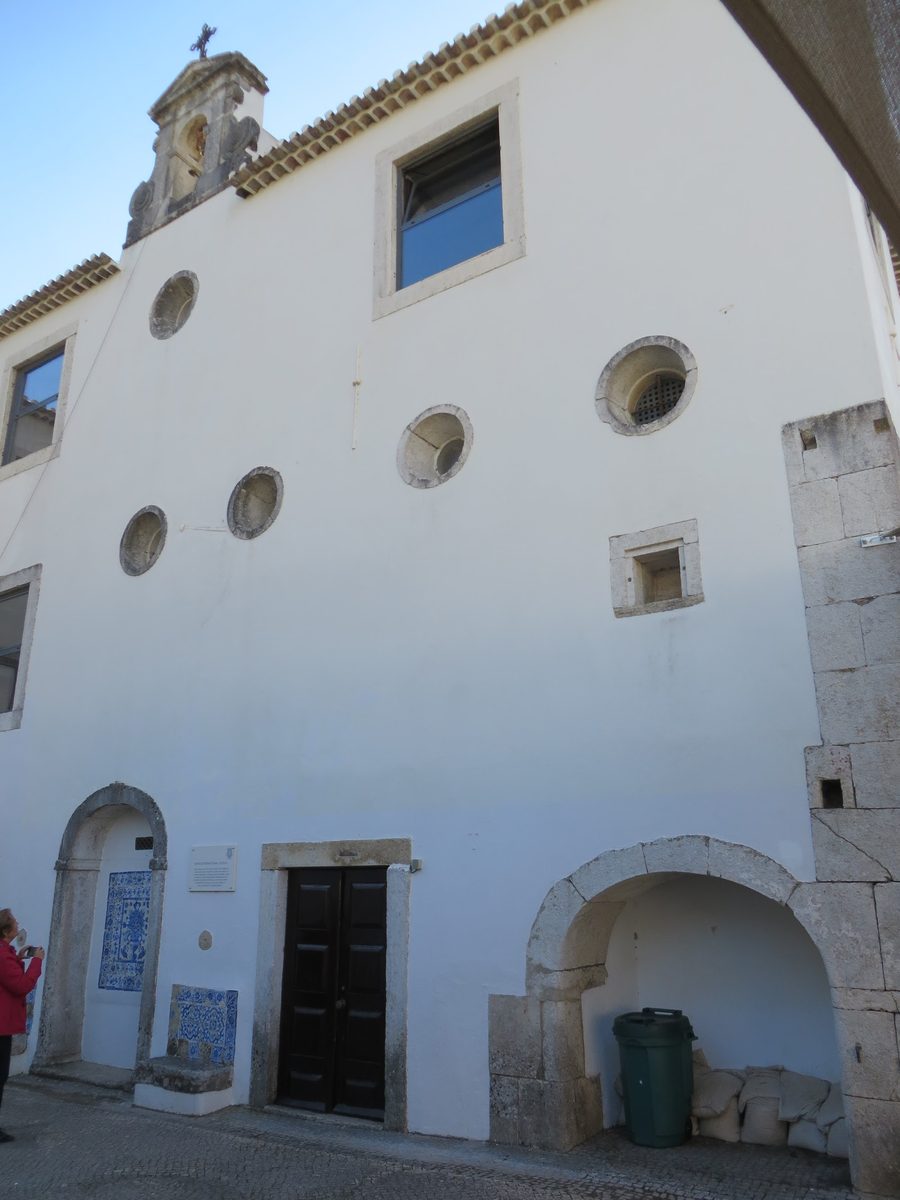
Oeiras International School
Oeiras · Portugal
A 17th-century palace estate near Lisbon runs the full IB continuum on a deliberately non-selective, community-rooted admissions model.
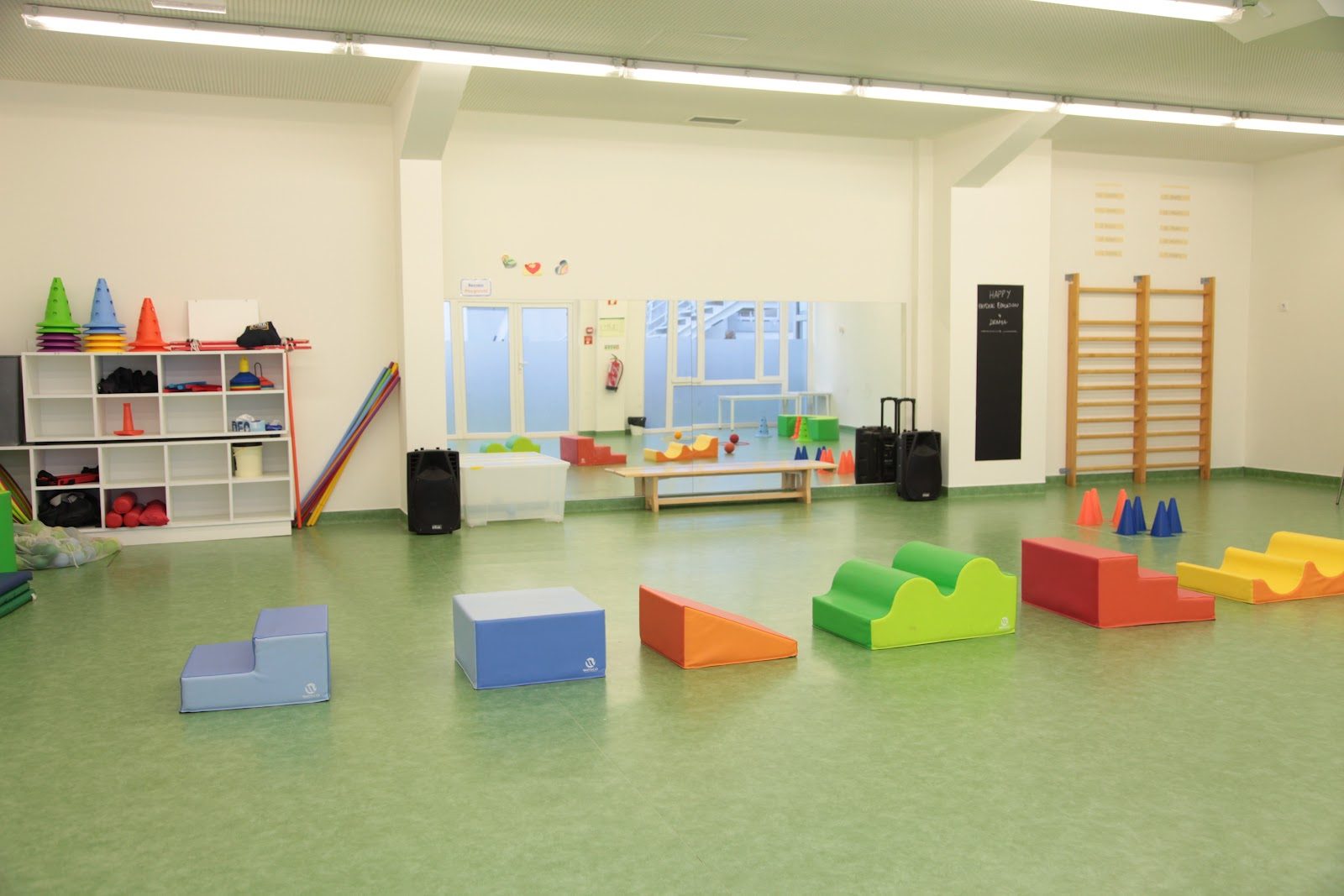
PaRK International School
Lisbon · Portugal
Bilingual immersion to Grade 4 gives way to Cambridge IGCSE and the IB Diploma, inside Lisbon's global Inspired Education network.

King's College School Cascais
Cascais · Portugal
A EUR75 million coastal campus outside Lisbon pairs Cambridge rigor through Year 11 with a choice of IB or A-Levels beyond.
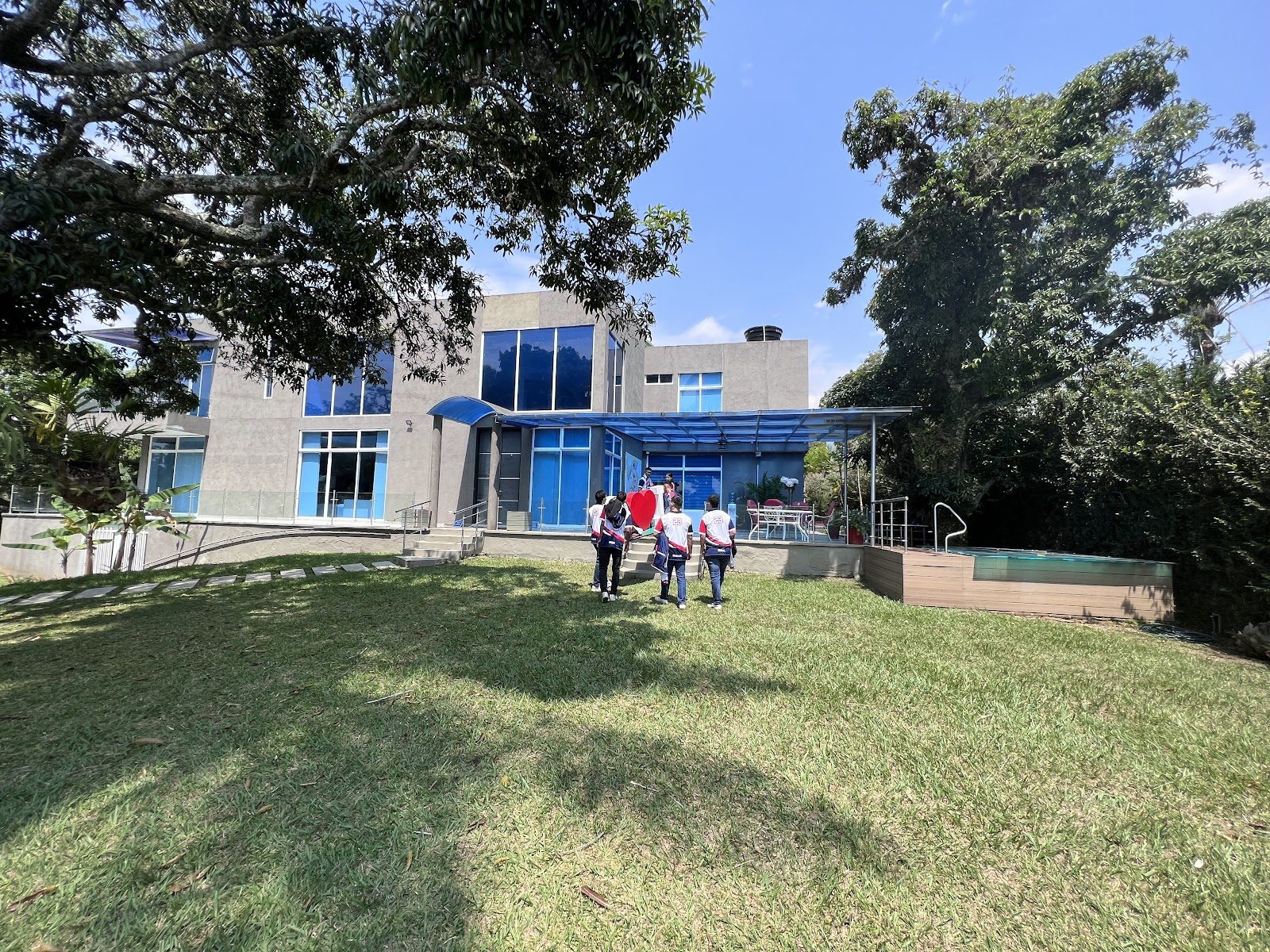
Colegio Bilingüe Diana Oese
Cali · Colombia
On a 3-hectare farm campus in La Buitrera, a sensory bilingual method has topped Colombia's Saber 11 rankings twice.
Same country and curriculum — closest matches within ±10 points either way