
California
Los Angeles County High School for the Arts
A tuition-free public conservatory embedded on a Cal State LA campus, where audition, not address, decides who studies art
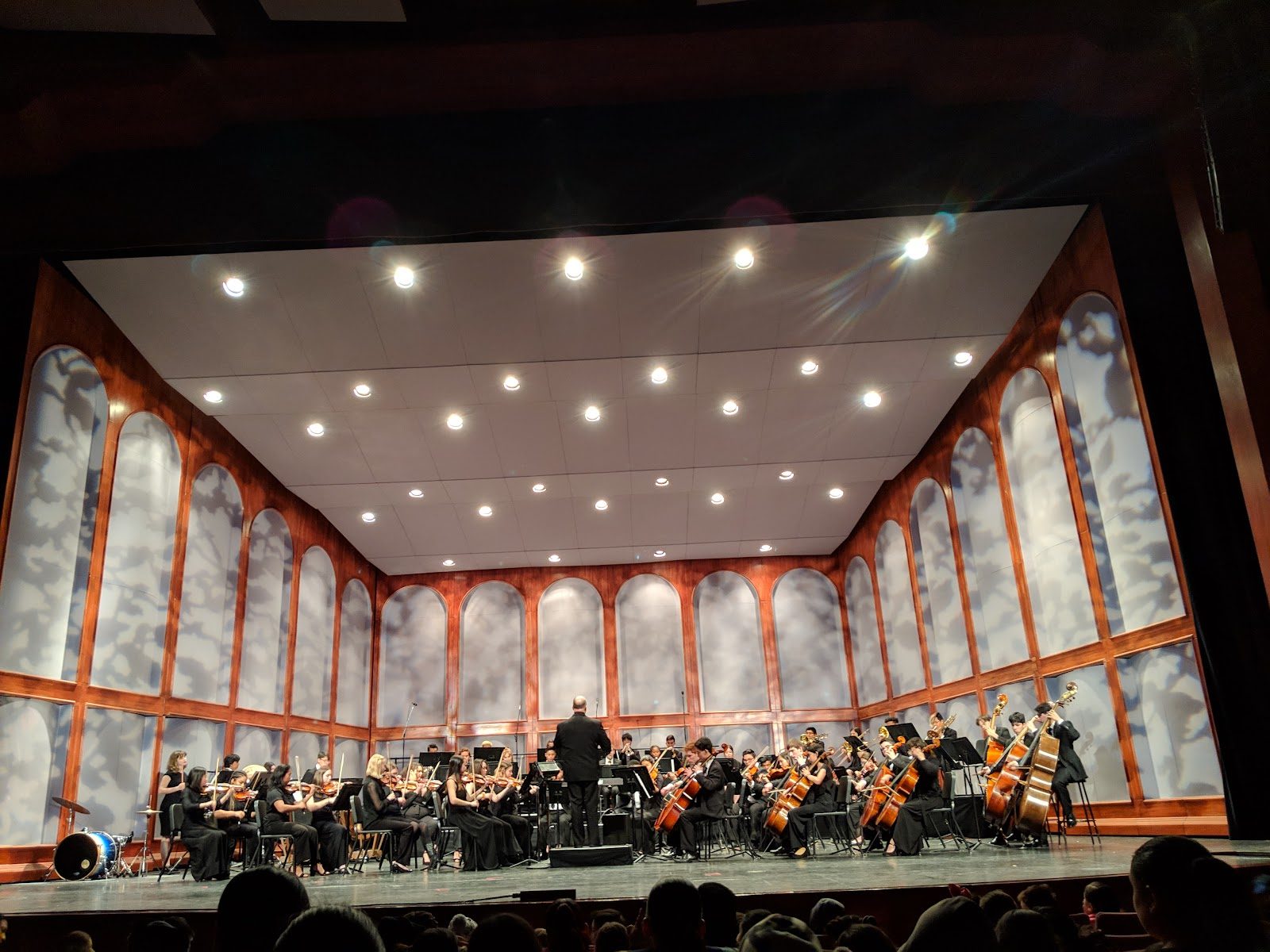
Photo © Dex Deckers via Google Maps
Type
Day
Ages
14–18
Curriculum
US High School Diploma · Advanced Placement
Ratio
—
The Verdict
Editor's commitment
Right for
Teenagers aged 14–18 who want a tuition-free public school, AP options and conservatory arts training on the California State LA campus.
Wrong for
Families wanting a standard neighbourhood high school: LACHSA admits once a year by audition or portfolio review, not by address.
Watch out for
Founded in 1985 and accredited by WASC, LACHSA sells the arts clearly; it does not publish aggregate AP outcomes.
Ranking breakdown
Los Angeles County High School for the Arts · #1568 of 1591
Composite score 37.9. 8 weighted criteria.
By criterion
Academic Outcomes
Weight 20%
#1526
of 1529 scored
University Placement
Weight 16%
#104
of 1529 scored
Prestige & Heritage
Weight 12%
#1522
of 1571 scored
Alumni Network
Weight 12%
#1502
of 1530 scored
Facilities
Weight 12%
#1519
of 1533 scored
Transparency & Communications
Weight 8%
#921
of 1532 scored
Peer & Industry Review
Weight 10%
#127
of 1548 scored
Admissions Selectivity & Demand
Weight 8%
#51
of 1529 scored
Peer & Industry Review
How Los Angeles County High School for the Arts is regarded in the sector
80
Strong · medium confidence
Regarded within LA entertainment and film-education circles as a serious feeder to top conservatory film programs, valued by industry professionals for producing technically trained, portfolio-ready applicants.
Award
Elite Film 50
World's Top School · The Global Ranking
Los Angeles County High School for the Arts is featured on our Global Top 50 ranking at #3. This seal is available for the school's marketing team to use on their website, prospectus and social channels.
Award
Elite Drama 50
World's Top School · The Global Ranking
Los Angeles County High School for the Arts is featured on our Global Top 50 ranking at #9. This seal is available for the school's marketing team to use on their website, prospectus and social channels.
Award
Elite Visual & Fine Arts 76
World's Top School · The Global Ranking
Los Angeles County High School for the Arts is featured on our Global Top 76 ranking at #15. This seal is available for the school's marketing team to use on their website, prospectus and social channels.
- Josh Groban — Singer, Music
- Jenna Ushkowitz — Actress, Television
- Krysta Rodriguez — Actress, Theater/Television
Editors' overview
Los Angeles County High School for the Arts occupies a rare niche in the American market: a tuition-free public conservatory for ages 14–18, based on the campus of California State University, Los Angeles, with entry by audition or portfolio rather than postcode. Founded in 1985, and run by the Los Angeles County Office of Education in partnership with Cal State LA, it combines a US High School Diploma with Advanced Placement and daily conservatory-style training in cinematic arts, dance, music, theatre and visual arts. That combination matters. Many schools offer arts enrichment; LACHSA is built around the arts. The point is not an occasional production or a strong orchestra, but serious artistic formation alongside college-preparatory academics.
What puts it on a shortlist is the structure. This is a public school with a specialist admissions gate, a university setting and a clear vocational tilt. Students work inside an environment shaped by performance, exhibition, rehearsal and critique. The school also pushes interdisciplinary arts, including musical theatre and theatre tech, which broadens the offer beyond the standard five-discipline conservatory model. Parents looking for a genuine pre-professional arts track without private-school fees will find very few direct competitors. The trade-off is just as clear: this is not a broad, all-purpose high school with arts on the side. It is for teenagers ready to commit time, stamina and identity to an art form, while keeping up with an academic programme that includes AP.
The right student for LACHSA is not just talented, but disciplined. Audition-based schools reward technical promise, yes, but they also demand resilience, receptiveness to critique and comfort in a peer group full of other strong performers and makers. A teenager who wants Friday-night football culture or a conventional suburban high-school experience will find the centre of gravity elsewhere. A teenager who wants daily immersion in craft, high-level peer competition and the energy of an arts-focused community on a university campus will find a much better fit here. For families in Los Angeles, the strongest argument is blunt: if your child’s art is not an extracurricular interest but the main event, LACHSA belongs on the list.
A Global Elite 50 Film school
The Los Angeles County High School for the Arts (LACHSA), based on the campus of Cal State LA in Los Angeles, sits at rank three on the Global Elite 50 Film. The anchor fact is unambiguous: its Cinematic Arts Department, founded only in 2012, has already produced fifteen National YoungArts Foundation Scholars and two U.S. Presidential Scholars in the Arts, a federal-level distinction awarded to just twenty arts students nationwide each year out of nearly three million candidates. That output comes from a fully public, tuition-free county school competing against elite private conservatories for recognition.
The specialism is delivered through a four-year, audition-only Cinematic Arts pathway running from foundational film theory and critical studies through hands-on production, taught on camera, audio and post-production equipment supplied by Sony, Canon, RED, Arri, Black Magic, Apple, Adobe and Final Draft. The department is chaired by H. Drew McClellan, an adjunct professor at the USC School of Cinematic Arts who holds an MFA from USC's Graduate School of Cinematic Arts. Students screen work publicly each year at the department's own Sundown Film Festival and the MoonDance awards night, competing for director, cinematography, editing and screenplay honors. Graduates of the pathway go on to USC, UCLA, NYU, UC Berkeley, Howard, Cornell, Chapman and Syracuse film and media programs.
Notable alumni include director Clea DuVall, whose Happiest Season became a holiday hit; actors Anthony Anderson, Jenna Elfman, Corbin Bleu, Taran Killam and Zoey Deutch; and rising actor Izaac Wang, known for Raya and the Last Dragon and Didi. Honesty requires noting that most of these names predate the Cinematic Arts Department itself, which only graduated its first class in 2017 and grew out of the school's Theatre program lineage. The dedicated film pathway's own alumni are still early-career, currently populating elite film school rosters rather than long industry filmographies.
International openness is the one place this school cannot be sold as a destination. LACHSA states plainly that it is unable to accept international students, requires applicants to be Los Angeles County residents enrolled in a county school at audition time, and charges no tuition because it is a public institution with no boarding option, ESL track or visa pathway to speak of. There is consequently no fee schedule to quote for overseas families. The honest recommendation is that this program only becomes relevant to a family that relocates permanently into Los Angeles County well before the January audition and portfolio deadline; short of that, families seeking this level of film training should look elsewhere on this list.
An Elite Visual & Fine Arts 76 school
Los Angeles County High School for the Arts sits in East Los Angeles on the campus of Cal State LA, and ranks fifteenth on the Elite Visual & Fine Arts 76 on the strength of its Visual Arts department's verified pipeline into elite art schools: more than 95% of graduates matriculate to college, many with scholarships, and its Visual Arts students are described as entering the finest art schools and universities nationwide. Since 2013 the school has produced 29 YoungArts Finalists, 59 Honorable Mentions and 60 Merit Award winners, plus seven U.S. Presidential Scholars in the Arts between 2013 and 2018, an extraordinary density of national recognition for a single public campus.
The specialism runs on a Foundation year followed by a genuinely structured studio curriculum spanning Drawing, Painting, Sculpture, Photography, Printmaking, Ceramics, Graphics, Illustration, Fashion, Experimental Film and Animation, with instruction supplemented by visiting artists and field trips to Los Angeles museums and galleries. Named faculty run discrete studio strands: Krista Awad teaches Figure Drawing and Painting, Joel Freeman leads Printmaking, Diana Madriaga runs Ceramic Sculpture, and Frank Mejia teaches Sculpture and Ceramics, among others. Students exhibit throughout the year in professional venues and compile an annual portfolio, and the department was founded in 1985 by Joe Gatto, who served as visual-arts dean until 2002 and later taught at Art Center College of Design.
The department's most visible alumnus is muralist Robert Vargas, who studied at LACHSA before attending Pratt Institute and went on to paint some of downtown Los Angeles's largest public murals, including the Pershing Square work Angelus. Vargas has since been honored by the city with a dedicated square in Boyle Heights bearing his name, a direct line from studio training to a working public-art career.
International openness is this school's clearest limitation: LACHSA is a tuition-free public school restricted to residents of Los Angeles County, and its own admissions materials state plainly that it cannot accept international students. There is no boarding, no visa sponsorship and no overseas application route; entry is by portfolio review each October-to-January cycle for county residents only. Families abroad hoping to access this specific studio pipeline would need to establish genuine LA County residency well ahead of the January application deadline. For most international parents, this is a school to admire from a distance rather than target directly.
Academic Performance
LACHSA does not publish aggregate AP outcomes, SAT or ACT averages, college matriculation lists, or any other school-wide external examination data in the public domain. That makes hard academic benchmarking difficult and leaves a real gap in the school’s public accountability. For an academically selective independent school, that opacity would count heavily against it. Here, the judgement is narrower. LACHSA is a public specialist arts school with an audition gate and a conservatory timetable; parents are buying into artistic training first and academic metrics second. Even so, a school that trades on seriousness and selectivity should disclose more than inspirational language and event promotion. On academic performance, the public record is thin.
Relative to peers, that places LACHSA in an unusual position. Against mainstream high-performing US college-prep schools, it is impossible to rank because the core numbers are absent. Against specialist arts schools, the picture is clearer: the school’s credibility rests less on published exam tables than on the pre-professional structure of the programme and the competitive admissions filter. That does not equal proof of strong academic outcomes. It means families need to ask direct questions: how many students take AP courses, how many AP exams yield scores of 3 or above, what the graduation rate is, and where graduates go next. Until those figures are published, academic performance remains more asserted than demonstrated.
Facilities
The key asset here is not a marble atrium or a sports complex. It is the arts plant itself: dedicated pathways in cinematic arts, dance, music, theatre and visual arts, plus interdisciplinary provision that extends into musical theatre and theatre tech. That matters more than glossy square footage. Peer schools in the specialist arts sector live or die by the quality of rehearsal rooms, studios, performance spaces, technical support and exhibition opportunities; LACHSA’s public-facing offer points firmly in that direction. The school also runs a box office and a steady stream of events, from concerts to a film festival, which signals facilities built for public-facing artistic work, not just classroom exercises. For a conservatory-track teenager, that is the serious infrastructure.
The stronger advantage is the setting. Being embedded on a university campus gives LACHSA a grown-up working atmosphere that many arts magnet and private day schools cannot match. Students train in a space that feels closer to pre-professional practice than to a standard secondary campus. Against wealthy independent competitors, the weakness is obvious: the school does not trade on luxury amenities, and it does not publish the kind of facility detail that would let parents compare black-box theatres, recording suites or studio inventories line by line. So the verdict is clear. LACHSA’s facilities read as fit for purpose and artist-led, with the campus context doing heavy lifting; families who want polished abundance in every department need to ask harder questions.
Many schools offer arts enrichment; LACHSA is built around the arts
Prestige
LACHSA carries real prestige, but it is specialist prestige, not the all-purpose status of a famous private college-prep school. In Los Angeles arts circles, entry by audition or portfolio gives the school its edge: admission depends on demonstrated ability, not family spending power or catchment. That matters. A tuition-free public school for ages 14–18 that filters for artistic talent occupies a rare place in the market. The Cal State LA setting adds weight too. Students train in an environment tied to a university campus rather than a standalone secondary school bubble, which gives the whole enterprise a serious professional grain. For the right family, that carries more cachet than manicured facilities or legacy branding.
The limits to that prestige are clear. Outside arts education, the name does not command the instant recognition of an elite independent school, and the school does not publish the kind of academic outcome data that would strengthen its standing with hard-nosed academic families. Prestige here rests on selectivity, focus and peer quality, not on league-table dominance or social exclusivity. That makes LACHSA impressive on merit and thin on public proof. If your child wants a conservatory-track adolescence among other committed young artists, that status counts for a great deal. If you want prestige measured by published results, alumni networks and broad institutional glamour, this is a narrower proposition.
The point is not an occasional production or a strong orchestra, but serious artistic formation alongside college-preparatory academics
Communications
Parent communication is functional, event-led and admissions-conscious. The website does the core job cleanly: it signposts disciplines, admissions steps, ticketing, news, volunteering and donations without forcing parents through layers of institutional fluff. That matters at a school where families need practical information about auditions, portfolio reviews, performances and deadlines. The admissions calendar is one of the clearest parts of the public-facing operation, with applications open between October and January, auditions or portfolio reviews in February, and decisions in March. For a specialist school, that is properly useful. The school also pushes virtual Q&A sessions and Spanish-language information sessions, which points to a communication culture that knows parents need access, not mystique. The subscription news feed adds another route for updates, though it reads more as a noticeboard than a fully developed parent-information hub.
The weakness is depth. There is plenty of promotion around performances, artistic identity and community activity, but less hard operational detail than rigorous parents will want. The site sells the experience well; it explains less about day-to-day academic oversight, family logistics, pastoral systems or outcome data. That leaves communication strong on energy and thin on disclosure. For current families, the presence of a staff portal hints at a more developed internal system, but public-facing communications still prioritise recruitment and events over transparency. Verdict: clear enough, artistically vivid, but not fully accountable in the way exacting parents expect.
Uniqueness
What sets LACHSA apart is not just that it teaches the arts well. It reorganises the whole secondary-school experience around them. Admission turns on audition or portfolio, so the peer group is built by aptitude and commitment rather than neighbourhood assignment. That changes the daily temperature of the school. Students are surrounded by other teenagers who take rehearsal, critique, technique and production seriously, which raises standards fast and strips out any illusion that talent alone is enough. The university setting sharpens that effect. Teenagers spend their school years in an environment that feels *closer to a conservatory than a conventional high school*, with public performances, screenings and exhibitions folded into the rhythm of school life. For a young artist, that is a serious apprenticeship.
The benefit is depth. A student here does not squeeze an art form around a standard school day; the art form sits at the centre. The interdisciplinary strand adds another advantage: young performers and makers learn how creative work actually functions, across disciplines and in collaboration with technical teams. That is *excellent preparation for real artistic practice*, where few serious projects live inside a single silo. The trade-off is blunt. This is not a teenage catch-all. Students who want a broad, casual school life with the arts as enrichment will feel constrained. Students who want their school years shaped by craft, pressure, peer quality and artistic ambition will find something genuinely rare in American public education.
This is a public school with a specialist admissions gate, a university setting and a clear vocational tilt
Student Profile
The centre of gravity here is talent under pressure. LACHSA suits teenagers whose art form is already the organising fact of their week, not a hobby squeezed in after lessons. The successful student is driven, trainable and comfortable being measured against other strong young performers and makers. Peer culture matters more than school spirit here: students live among dancers, actors, musicians, filmmakers and artists who rehearse, revise and take criticism seriously. That creates a high-intensity environment with little room for drift. Entry between ages 14–18 filters for commitment as much as flair, and the public-school setting strips away any fantasy that money buys a place. Audition or portfolio decides. That is bracingly merit-based.
The best fit is a teenager who wants immersion, structure and honest feedback, and who can cope when praise is scarce and standards rise fast. A student who thrives on collaboration across disciplines will do well, because the school pushes work that crosses artistic boundaries rather than protecting silos. It also suits families who value access over polish: serious craft matters more than the conventional American high-school package. The poor fit is just as clear. A child who wants broad extracurricular sampling, easy wins or a socially relaxed campus will find this too exacting. LACHSA is for young artists with stamina, self-discipline and a clear appetite for critique.
Students work inside an environment shaped by performance, exhibition, rehearsal and critique
Co-curricular strengths
Arts & sport, on a separate axis
Overall 8.58/10
Scored 0-10 from the school's own published evidence. This axis is editorial-only — it does not feed the main WTS ranking.
Sports
3.5/10
Drama
9.8/10
Dance
9.8/10
Music
9.9/10
Visual Arts
9.9/10
Strengths
- +Operates as a public magnet school under the Los Angeles County Office of Education, so there is no tuition charge for eligible county residents.
- +Campus is co-located with California State University, Los Angeles, giving students access to university-level performance and studio facilities.
- +Offers conservatory-style training across multiple disciplines including theatre, music, dance, visual arts, creative writing and cinematic arts alongside the academic diploma track.
- +Admission is by competitive audition rather than academic grades alone, drawing serious pre-professional talent from across the county.
Considerations
- −As a public day school there is no boarding option, so out-of-area or international families must independently arrange local housing.
- −The dual arts-and-academics schedule is demanding and may not suit students wanting a conventional, broad-based high school experience.
- −Limited traditional extracurricular offerings such as school sports compared with comprehensive high schools.
- −Admission is highly competitive and audition-based, meaning strong academic students without a demonstrable arts talent are unlikely to gain a place.
Gallery
Photo © Matt Gatlin via Google Maps
Photo © Matt Gatlin via Google Maps
Photo © Matt Gatlin via Google Maps
Photo © Abhishek Gupta via Google Maps
Photo © Abhishek Gupta via Google Maps
Photo © David Hand via Google Maps
Photo © C OA via Google Maps
Parent reviews
Have you sent your child here?
Voice reviews carry the strongest trust badge — we transcribe them for you to tidy up before they go live. Prefer to type? A written review is fine too.
Add your voice
In 60 seconds, tell other parents: what's the best thing about Los Angeles County High School for the Arts, and what surprised you when your child joined?
We ask for a Google sign-in so every review has a real face behind it — no anonymous drive-by attacks on schools, and no faked positive reviews. Your email is never shown publicly.
Send this profile to a friend
International parents rely on word-of-mouth. Share this review with someone weighing the same decision.
Schools with places
Similar schools to Los Angeles County High School for the Arts with places available now.
Head-Royce School
Oakland · United States
- 2026-27
- CLOSEDRegular cycle
- 2027-28
- OPENS SOONOpens Sept '26
The Webb Schools
Claremont · United States
- 2026-27
- CLOSEDRegular cycle closed
- 2027-28
- PLACES OPENPortal live
The Branson School
Ross · United States
- 2026-27
- CLOSEDRegular cycle
- 2027-28
- OPENS SOONOpens Sept '26
Crystal Springs Uplands School
Hillsborough · United States
- 2026-27
- CLOSEDRegular cycle
- 2027-28
- OPENS SOONOpens Sept '26
Availability first, then country, area, curriculum, price, co-curricular
Consider also
Also worth looking at alongside Los Angeles County High School for the Arts.
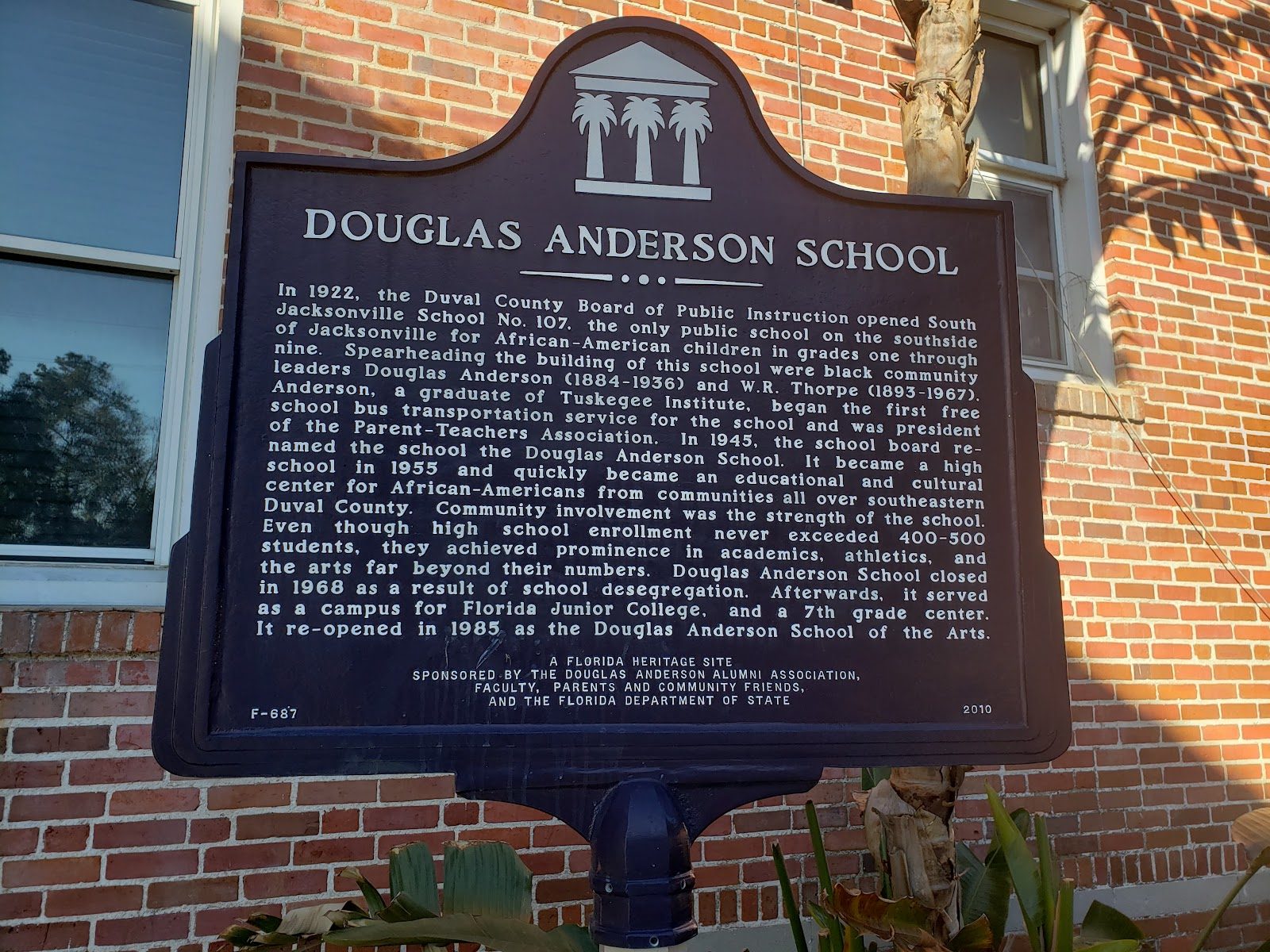
Douglas Anderson School of the Arts
Jacksonville, Florida · United States
A Duval County magnet where auditioned students pair AP courses with training across seven arts disciplines.
The Cinema School
Bronx, New York · United States
A South Bronx public high school built with Ghetto Film School, where seniors write, shoot, and produce original movies on real sets.
Thelma Yellin High School of the Arts
Givatayim · Israel
A state-run audition academy in Givatayim where Bagrut studies sit alongside intensive film, music and drama training.
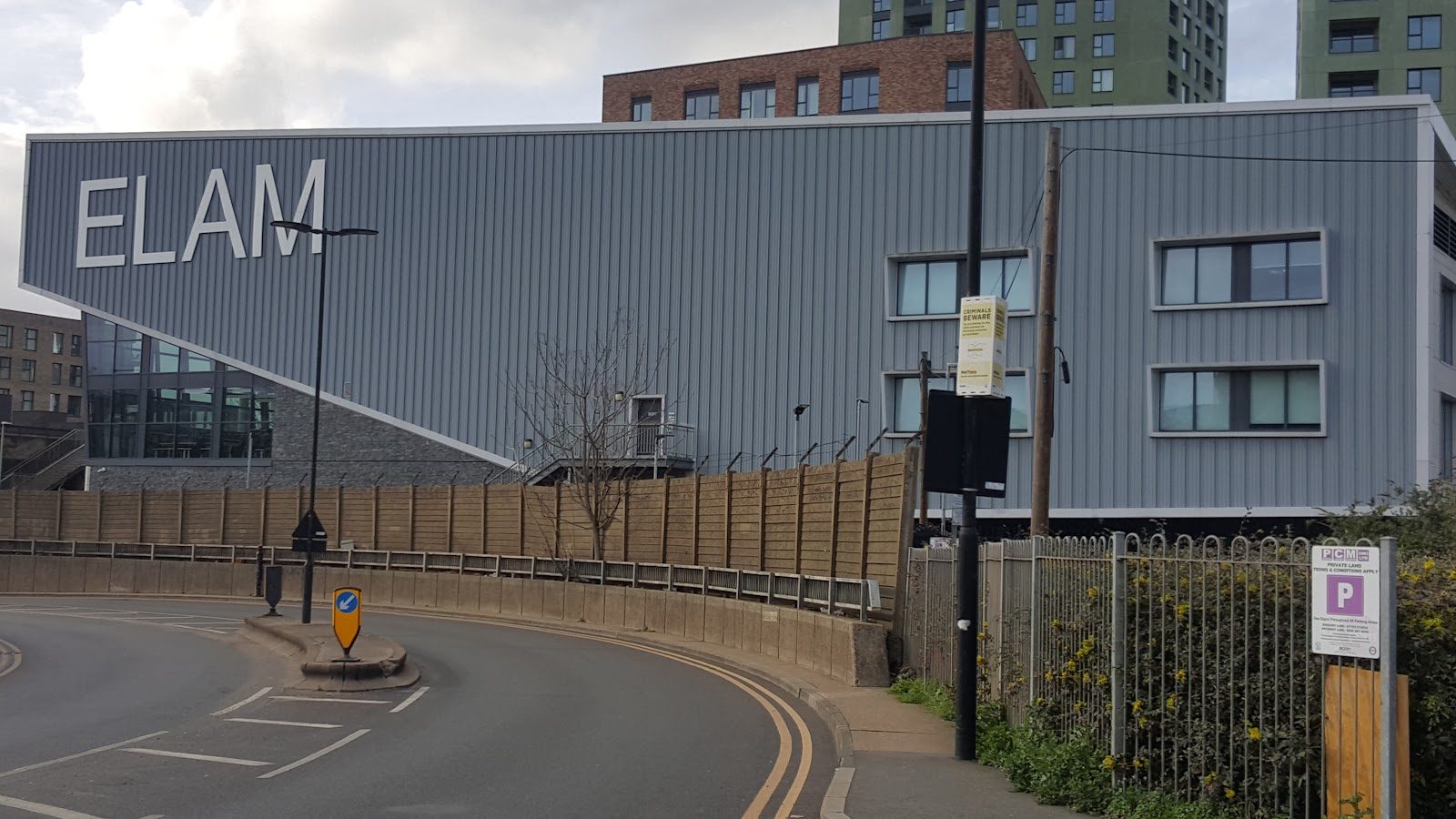
ELAM
London · United Kingdom
A free East London sixth form built around industry-standard studios, training music, games and film talent for direct industry entry.
Same specialism, country and curriculum — closest matches within ±10 points either way