
Tel Aviv District
Thelma Yellin High School of the Arts
A state-run audition academy in Givatayim where Bagrut studies sit alongside intensive film, music and drama training.

Photo © Dagan Ravid via Google Maps
Type
Day
Ages
12–18
Curriculum
Bagrut
Ratio
—
The Verdict
Editor's commitment
Right for
Serious young artists, 12–18, who want Bagrut academics in Hebrew alongside intensive conservatoire-style training without private-school fees: 5,000 ILS a year.
Wrong for
Families wanting boarding, religious ethos or an all-academic sixth form; this is a secular day school in Givatayim built around the arts.
Watch out for
State-run and specialised cuts both ways: admission hinges on artistic fit, and the school does not publish headline outcomes beyond Bagrut.
Ranking breakdown
Thelma Yellin High School of the Arts · #1566 of 1591
Composite score 39.3. 8 weighted criteria.
By criterion
Academic Outcomes
Weight 20%
#92
of 1529 scored
University Placement
Weight 16%
#793
of 1529 scored
Prestige & Heritage
Weight 12%
#1524
of 1571 scored
Alumni Network
Weight 12%
#1479
of 1530 scored
Facilities
Weight 12%
#1054
of 1533 scored
Transparency & Communications
Weight 8%
#1383
of 1532 scored
Peer & Industry Review
Weight 10%
#524
of 1548 scored
Admissions Selectivity & Demand
Weight 8%
#198
of 1529 scored
Peer & Industry Review
How Thelma Yellin High School of the Arts is regarded in the sector
69
Respected · medium confidence
Within the Israeli film and television industry the school carries strong name recognition as a talent pipeline, but it registers comparatively little among international film-school faculty and casting circles.
Award

Elite Film 50
World's Top School · The Global Ranking
Thelma Yellin High School of the Arts is featured on our Global Top 50 ranking at #15. This seal is available for the school's marketing team to use on their website, prospectus and social channels.
Award
Elite Visual & Fine Arts 76
World's Top School · The Global Ranking
Thelma Yellin High School of the Arts is featured on our Global Top 76 ranking at #33. This seal is available for the school's marketing team to use on their website, prospectus and social channels.
- Ninet Tayeb — Singer, Music
- Shiri Maimon — Singer, Music
- Ivri Lider — Singer-songwriter, Music
Editors' overview
Thelma Yellin High School of the Arts occupies a narrow and valuable niche: a state-run arts school with serious entry filters, a full Bagrut programme and fees of ILS 5,000 a year. That combination matters. Parents are not buying a polished international package; they are buying access to an established public-sector specialist track that treats the arts as the core business rather than an extracurricular flourish. For families in Israel who want conservatoire-style intensity without private-school pricing, that is a rare proposition. The school’s appeal starts with its structure: ages 12–18, Hebrew-medium, secular, day-only, and built for students who want academic study to coexist with sustained training in performance and creative disciplines. It belongs on a shortlist because few schools make that bargain so plainly or so affordably.
What is special here is not pastoral packaging or global branding. It is focus. Thelma Yellin is for students who already know that music, theatre, film or another art form is not a hobby but the centre of their working life. That gives the school a distinct market position: *high-commitment, specialist, audition-led*. In practical terms, that attracts families who value talent development more than broad extracurricular menus, campus gloss or bilingual positioning. The state-run model also changes the equation. At ILS 5,000, the fee level places it far below private competitors, which makes the school strikingly accessible for a specialist arts institution. The trade-off is clear as well: this is not the place for a child who wants a conventional secondary experience with arts added on. The arts are the point.
The student who will thrive at Thelma Yellin is disciplined, self-directed and resilient under pressure. This school suits young performers, musicians and makers who can handle long practice hours, critique, rehearsal cycles and the dual demand of Bagrut study plus artistic training. It also suits families who want serious artistic immersion inside a secular Israeli framework, in Hebrew, without paying elite private-school fees. Students who need a softer pace, a broad all-round school identity or heavy pastoral hand-holding will find the specialism exacting. Students with creative urgency and the stamina to match it will find something better: a school built around their ambition, not one that asks them to squeeze it in after class.
A Global Elite 50 Film school
Thelma Yellin High School of the Arts in Givatayim, Israel, sits at rank fifteen on the Global Elite 50 Film because it is one of the few Israeli public high schools built around a self-contained, audition-entry filmmaking major inside a four-year, nationally recruited arts conservatory. Founded in 1959 as a school drawing talented teenagers from cities, kibbutzim and development towns across the country, its cinema track functions as a working production house rather than a media-studies elective, with pupils writing, shooting, editing and publicly screening a slate of original short films every year.
The cinema major runs a weekly Cinema Club masterclass slot in which working Israeli film professionals critique student work, opens each academic year with a two-day cinema camp, and gives students their own equipment store and two dedicated computer editing labs that pupils manage themselves. Films are submitted annually to Israel's Docaviv documentary festival, a national student film festival, and the Or HaZahav festival, and the school runs a joint inter-school student-film competition with Tichon Alef LeOmanuyot and Tichon Alon through the Tel Aviv Cinematheque. Every grade level closes its year with a public screening evening for peers, parents and staff.
The school's screen-industry alumni skew toward performance and hyphenate director-actors rather than publicized behind-the-camera specialists. Shira Haas, the Golden Globe and Emmy-nominated star of Unorthodox, trained here as a theater major before moving into film; actor-director Itay Tiran, actor-choreographer-director Yehezkel Lazarov, actor-director-presenter Ido Mosseri and screen actress Mili Avital all passed through the school as well. That pipeline into Israeli film and television, rather than a documented run of graduates at USC, NYU Tisch or La Femis, is the honest basis of the reputation: a strong domestic industry funnel more than an international conservatory feeder.
International openness is limited. Thelma Yellin is a Hebrew-medium day school with no boarding, no ESL program and no dedicated overseas admissions track; entry is by competitive national audition and academic exam aimed at Israeli residents, with a refundable exam-slot deposit of around 300 shekels. As a national public arts school its fees are modest parental contributions rather than international private-school tuition, and no visa pathway exists for non-resident applicants. Parents abroad should treat Thelma Yellin as a benchmark to study rather than an application target, unless the family is relocating to Israel and building Hebrew fluency well ahead of the February audition window.
An Elite Visual & Fine Arts 76 school
Thelma Yellin High School of the Arts in Givatayim, Israel, sits at rank thirty-three because it is a genuinely national, audition-only conservatory school where students travel from across the country to compete for places. It is widely described as Israel's most competitive arts high-school, comparable to the LaGuardia High School of Music & Art and Performing Arts in Brooklyn, known as the "Fame" high-school, and entry to its visual arts stream requires clearing a practical exam, a personal interview, and a further management-level review before a place is confirmed.
The specialism is delivered through a dedicated visual arts major (amanut hazutit) alongside academic Bagrut study, with pupils examined in subjects such as sketching, sculpting and the history of art as formal Bagrut components. Facilities include sculpture and drawing workshops, an on-site gallery, a cinema screening room and an annual three-day art camp featuring workshops, master classes and encounters with working industry professionals. The school explicitly frames arts study, taught alongside a full academic load, as the heart of the institution.
Notable visual arts alumni include photojournalist Ziv Koren, who studied plastic arts and sat Bagrut exams in Sketching, Sculpturing and Art History at the school before building a career that earned him the 2025 ICP Infinity Award and a long-standing role as a Canon EMEA ambassador. Curator Maayan Sheleff studied plastic arts at Thelma Yellin before earning a BDes at Bezalel and studying at RISD and Politecnico di Milano; she has since curated projects at KW Berlin, the Bonnefanten Museum, the Metropolitan Museum of Photography in Tokyo and the Madre Museum in Naples. Visual artist Ilana Teman went on from Thelma Yellin to further training in Barcelona and Bologna and has exhibited across Europe, the US and Israel.
International openness is limited and should be stated plainly: this is a day-only, Hebrew-language Israeli national public school funded jointly by the Ministry of Education and regulated parental payments, which have run in the roughly NIS 7,000-11,000 per year range in recent disputed cycles; there is no boarding, no ESL track, and no publicised overseas-applicant pathway. Families relocating specifically for this school should treat it as a benchmark for Israeli arts education rather than a direct-entry option, and should contact the school directly, well before the academic year, to ask about exceptions for new residents.
Academic Performance
The school’s academic story sits inside Israel’s matriculation system, and the key question for parents is simple: does a specialist arts timetable blunt exam performance? Publicly available reporting points the other way. Thelma Yellin has long held a reputation for strong Bagrut outcomes relative to the national picture, with eligibility rates that place it in the upper tier of Israeli secondary schools rather than in the category of niche arts institutions that trade academics for specialism. That matters. A school built around auditions, rehearsals and portfolio work still has to deliver credible examination results, and Thelma Yellin clears that test. The message is reassuringly hard-edged: artistic intensity does not excuse weak academics here.
There is a limit to the precision parents can demand from the public record. The school does not publish the kind of granular subject-by-subject dashboard that top private schools now use to market outcomes, and we have not seen a recent breakdown of highest-grade performance across the full cohort. That leaves a gap. Even so, the broad picture is clear enough: this is not an arts school where exam preparation sits in the background. It is an academically viable specialist school whose students manage a demanding dual track and still finish with results that stand up well against mainstream peers. For the right student, that combination is the school’s decisive advantage.
Facilities
Facilities here matter only if they serve the work, and the school’s public profile gives parents less detail than a specialist arts school of this standing ought to publish. We have not seen a clear, up-to-date campus inventory, no floor-by-floor account of studios, no serious technical specification for performance, recording or production spaces, and no virtual transparency about what students in each discipline actually use day to day. That opacity is a weakness. At a school built around artistic training, families need to know whether music students have proper rehearsal and practice provision, whether drama students work in a theatre that supports serious production values, and whether film students have access to editing, screening and production facilities that match current practice. The school’s reputation rests on serious artistic output, which points to working specialist spaces rather than decorative arts rooms, but the public explanation is thin where it should be exact.
Against peer arts schools, that puts Thelma Yellin in an unusual position. Many competitors now market black-box theatres, sprung-floor dance studios, soundproof practice rooms and digital media suites with forensic detail because facilities are part of the educational argument. Here, the argument depends more on results and selectivity than on campus display. That does not make the provision weak; it makes it under-documented. Parents comparing specialist options need to ask direct questions about instrument practice access, production tech, exhibition space and timetabled use by department. In a niche this demanding, facilities are not background infrastructure. They are the mechanism of training.
Thelma Yellin High School of the Arts occupies a narrow and valuable niche: a state-run arts school with serious entry filters, a full Bagrut programme and fees of ILS 5,000 a year
Prestige
Thelma Yellin carries real domestic prestige inside Israel’s arts education landscape. That prestige does not rest on glossy international cachet. It rests on selectivity, sustained output and the fact that serious young artists know the name before many generalist schools enter the conversation. In practical terms, a place here signals more than decent school performance: it signals talent already tested, commitment already visible and a willingness to work inside a high-pressure specialist culture. Among families focused on music, theatre, dance, visual arts or film, that matters more than imported branding. The school’s low annual fee — ILS 5,000 — sharpens the point. This is not prestige purchased through exclusivity pricing; it is prestige earned through standards.
That said, the school’s status has clear boundaries. Its reputation is *stronger in the arts than in elite all-round schooling*, and parents hunting for the social polish or international recognition attached to top private names will not find it here. Thelma Yellin’s standing is sector-specific and hard won: respected by people who understand arts training, less useful as a generic badge in global admissions theatre. That does not diminish its value. For a student with a defined artistic direction, the school offers something *more credible than prestige for prestige’s sake* — an education that carries weight because it is exacting, publicly anchored and known for producing graduates who have already worked at a serious level before school ends.
For families in Israel who want conservatoire-style intensity without private-school pricing, that is a rare proposition
Communications
Parent communication is functional, not polished. The school’s public face does the basics — contact points, admissions information and departmental identity — but it does not give parents the level of operational clarity that a selective specialist school now needs. We have not seen a strong public-news rhythm, a well-structured parent information hub, or the kind of clear academic and artistic calendar detail that helps families plan around rehearsals, productions, assessments and transport. That matters more here than at an ordinary secondary school. A timetable shaped by performance work creates more moving parts, and parents need precise, frequent and low-friction communication to keep up. On that front, the school reads as serviceable rather than sharp.
The likely reality is that current families get much of what they need once inside the system, through direct school channels and department-level contact, but the outward communication standard remains underpowered. For prospective parents, that weakens confidence. A school with this level of artistic intensity cannot afford vague logistics or thin explanation; it needs to spell out how auditions work, how departments communicate, how schedule changes are handled and where parents can track deadlines. The annual fee of 5,000 ILS buys access to a rare model, not concierge administration, and families need to adjust expectations accordingly. Still, low cost does not excuse opaque communication habits. In a school where students juggle academic deadlines with public-facing artistic work, communication is not cosmetic. It is part of the operating system.
Uniqueness
What sets Thelma Yellin apart is not arts branding but institutional design. This is a public secondary school built around talent selection and department-level artistic training, not a general school with a stronger-than-average drama show and orchestra. That distinction changes the student experience from the first day. Young musicians, actors, filmmakers and visual artists work among peers who take the same ambitions seriously, which raises the floor of discussion, rehearsal discipline and critique. The school normalises the habits that many teenagers meet only in extracurricular settings: auditions, portfolio pressure, constant feedback, long practice cycles and the demand to improve through repetition rather than praise. For the right student, that is formative and electrically focused. For the wrong one, it is unforgiving.
Its other point of difference is access. Specialist arts education at this level often sits behind private-school fees or conservatoire-style add-ons. Here, the barrier is not wealth so much as readiness and talent. That gives able students a route into serious pre-professional training without a premium price tag, and it gives the cohort a different social character from elite private schools built on parental purchasing power. The annual fee of ILS 5,000 is central to that equation. Students gain more than technical instruction: they gain an early test of whether artistic ambition survives structure, standards and competition. That is Thelma Yellin’s rare strength. It does not flatter creative identity; it puts it to work.
It belongs on a shortlist because few schools make that bargain so plainly or so affordably
Student Profile
Thelma Yellin suits teenagers whose identity already centres on an art form and who want school life organised around that fact, not treated as enrichment. The best fit is a student with early professional seriousness: the violinist who practises without being chased, the actor who can take blunt direction, the filmmaker who rewrites and edits until the work holds up. Talent matters, but temperament matters more. This is for students who can live with comparison, criticism and selection, and who do not need constant reassurance when their work falls short. Families paying ILS 5,000 are not buying insulation from pressure. They are buying entry into a demanding specialist culture that expects stamina, focus and self-command.
The social fit is just as specific. Students who thrive here tend to prefer purpose to school spirit theatre; they want peers who care deeply about rehearsal, performance and craft. Many conventional high-achievers would find that intensity narrow and consuming. Students who want a broad, easy-going secondary experience, or who enjoy the arts but do not want them to dominate the week, will chafe. So will those who need heavy adult management to meet deadlines or recover from setbacks. The right student is *restless, disciplined and hungry for critique*; the wrong one will feel pinned inside a school that asks for too much, too early. For committed young artists, that exactness is the attraction.
What is special here is not pastoral packaging or global branding
Co-curricular strengths
Arts & sport, on a separate axis
Overall 8.5/10
Scored 0-10 from the school's own published evidence. This axis is editorial-only — it does not feed the main WTS ranking.
Sports
4.5/10
Drama
9.4/10
Dance
9.5/10
Music
9.6/10
Visual Arts
9.5/10
Strengths
- +Operates as a public Israeli school under the Ministry of Education, keeping core tuition largely free compared with private arts schools.
- +Offers distinct specialised tracks (film, theatre, dance, music, visual arts) with dedicated studios and industry-experienced instructors.
- +Alumni include numerous prominent Israeli musicians and actors, reflecting a long-standing reputation in the national arts education sector.
- +Entry is by nationwide audition, drawing artistically motivated students from across Israel rather than only the local Givatayim catchment.
Considerations
- −Instruction and the Bagrut curriculum are delivered in Hebrew, making the school impractical for expat families without Hebrew fluency.
- −As a day school with no boarding option, out-of-town students must arrange their own daily commute or local accommodation.
- −Audition-based entry makes places highly competitive and unsuitable for students without prior arts training or strong prepared portfolios.
- −Core academic subjects operate within the standard Israeli Bagrut framework, offering less flexibility than international curricula like IB.
Gallery
Photo © Dagan Ravid via Google Maps
Photo © Yaniv Berman via Google Maps
Photo © Yaniv Berman via Google Maps
Photo © Reuven Bomash via Google Maps
Photo © Itzhak Garbuz via Google Maps
Photo © Itzhak Garbuz via Google Maps
Photo © איתן שגב via Google Maps
Parent reviews
Have you sent your child here?
Voice reviews carry the strongest trust badge — we transcribe them for you to tidy up before they go live. Prefer to type? A written review is fine too.
Add your voice
In 60 seconds, tell other parents: what's the best thing about Thelma Yellin High School of the Arts, and what surprised you when your child joined?
We ask for a Google sign-in so every review has a real face behind it — no anonymous drive-by attacks on schools, and no faked positive reviews. Your email is never shown publicly.
Send this profile to a friend
International parents rely on word-of-mouth. Share this review with someone weighing the same decision.
Schools with places
Similar schools to Thelma Yellin High School of the Arts with places available now.
Availability first, then country, area, curriculum, price, co-curricular
Consider also
Also worth looking at alongside Thelma Yellin High School of the Arts.
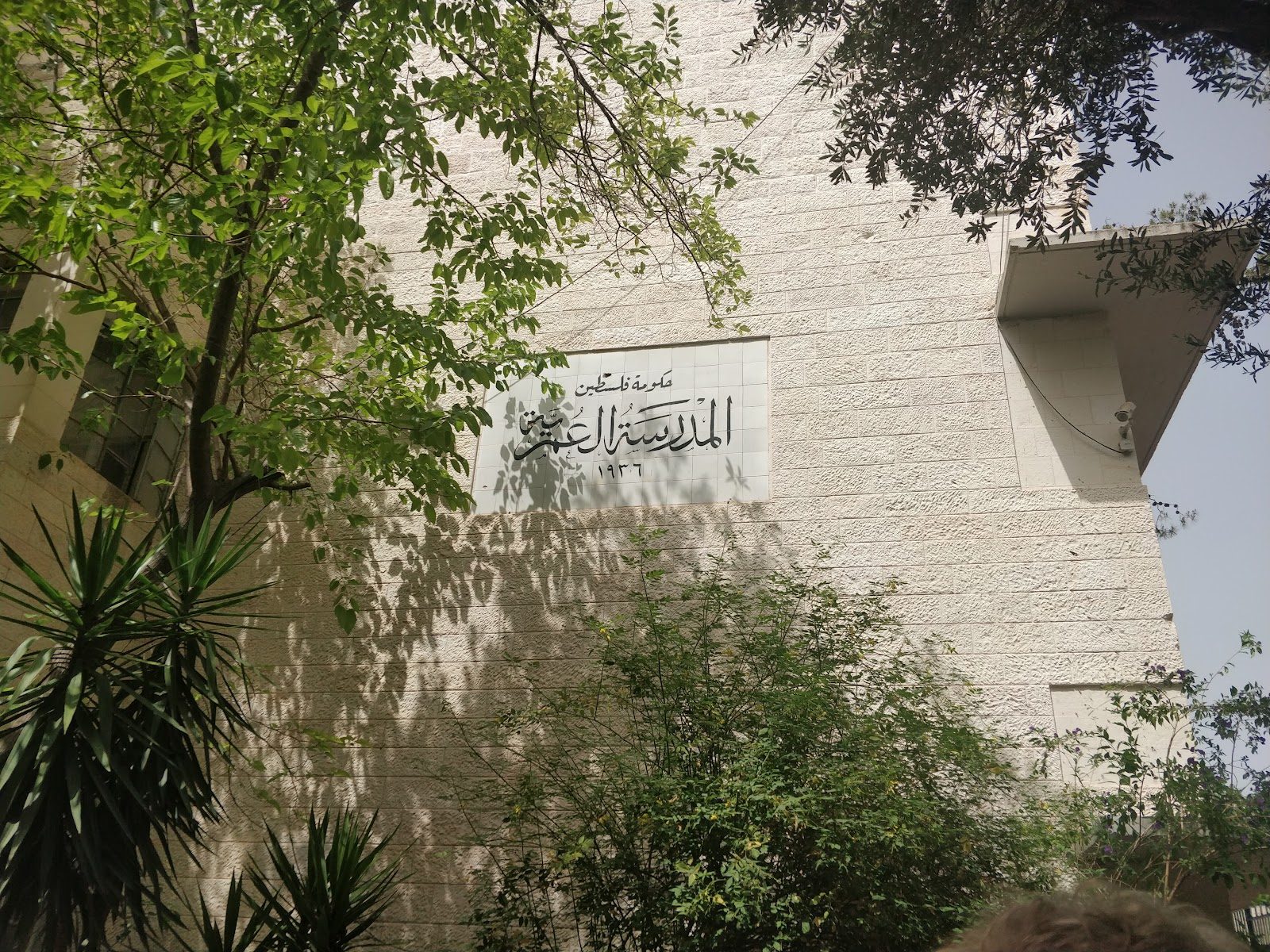
Jerusalem Arts High School
Jerusalem · Israel
Conservatory-style majors in film, theater, dance, music and art anchor full Bagrut studies on Jerusalem's Cultural Mile.
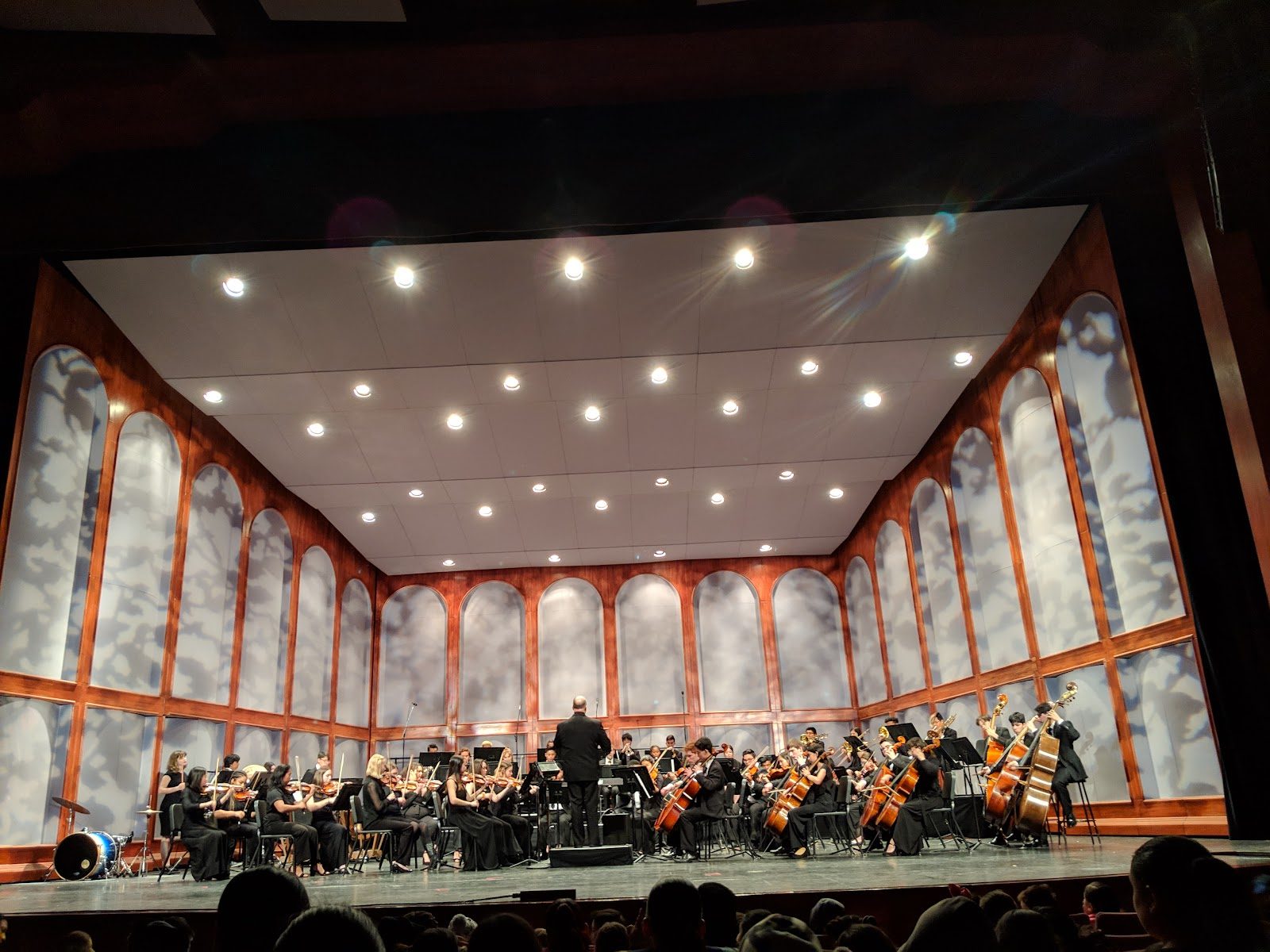
Los Angeles County High School for the Arts
Los Angeles · United States
A tuition-free public conservatory embedded on a Cal State LA campus, where audition, not address, decides who studies art
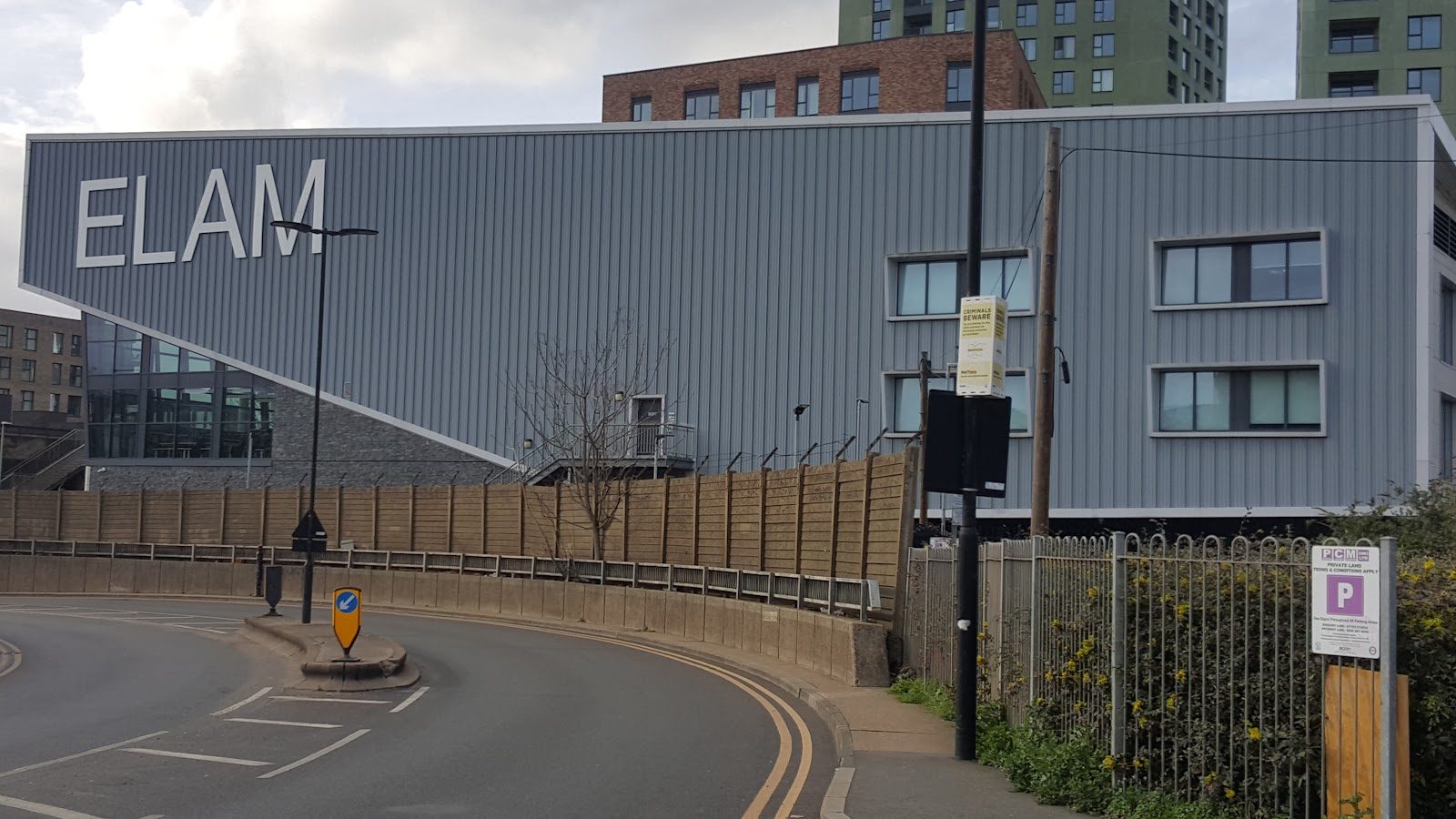
ELAM
London · United Kingdom
A free East London sixth form built around industry-standard studios, training music, games and film talent for direct industry entry.
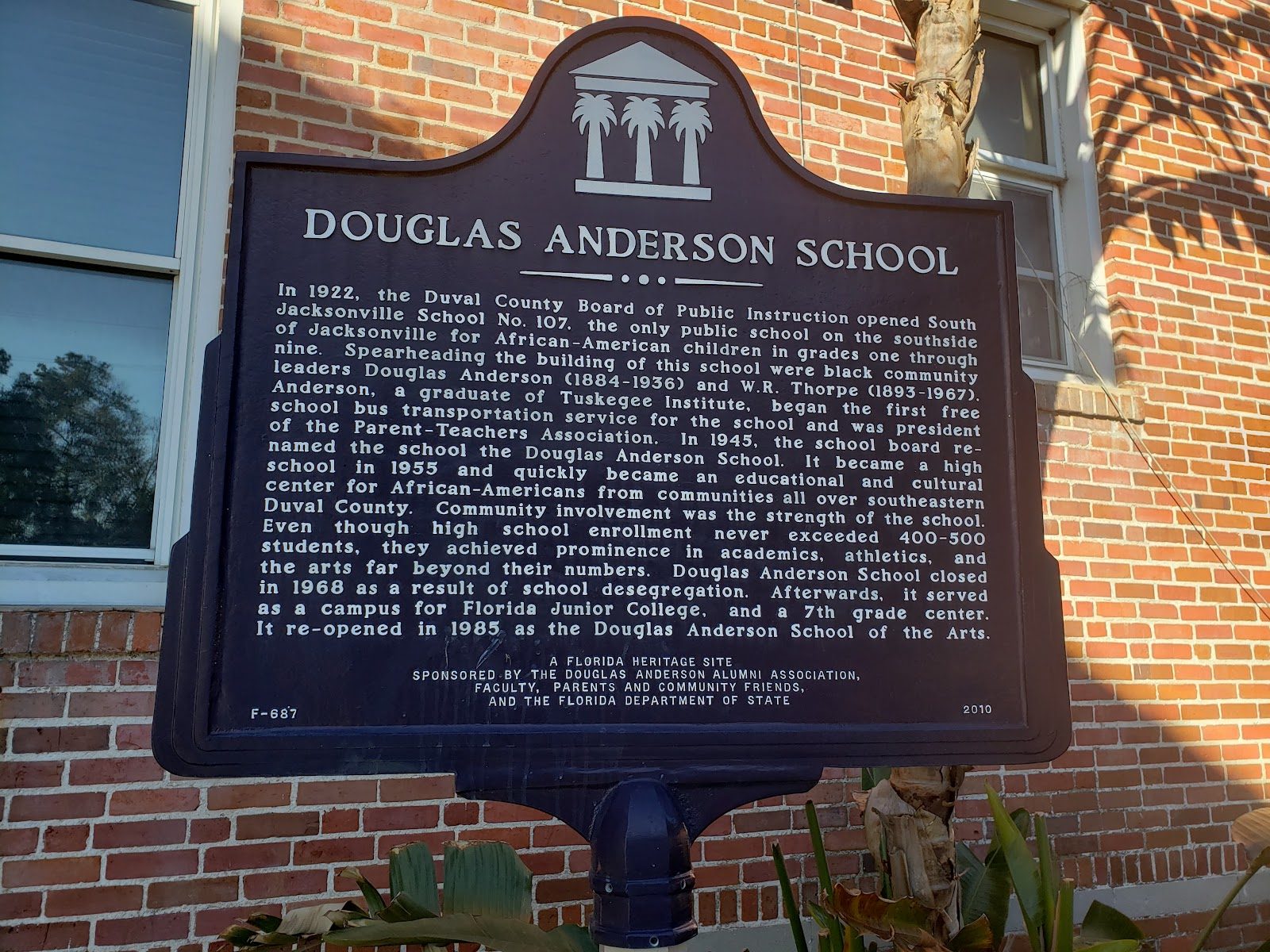
Douglas Anderson School of the Arts
Jacksonville, Florida · United States
A Duval County magnet where auditioned students pair AP courses with training across seven arts disciplines.
Same specialism, country and curriculum — closest matches within ±10 points either way