
New York
The Cinema School
A South Bronx public high school built with Ghetto Film School, where seniors write, shoot, and produce original movies on real sets.
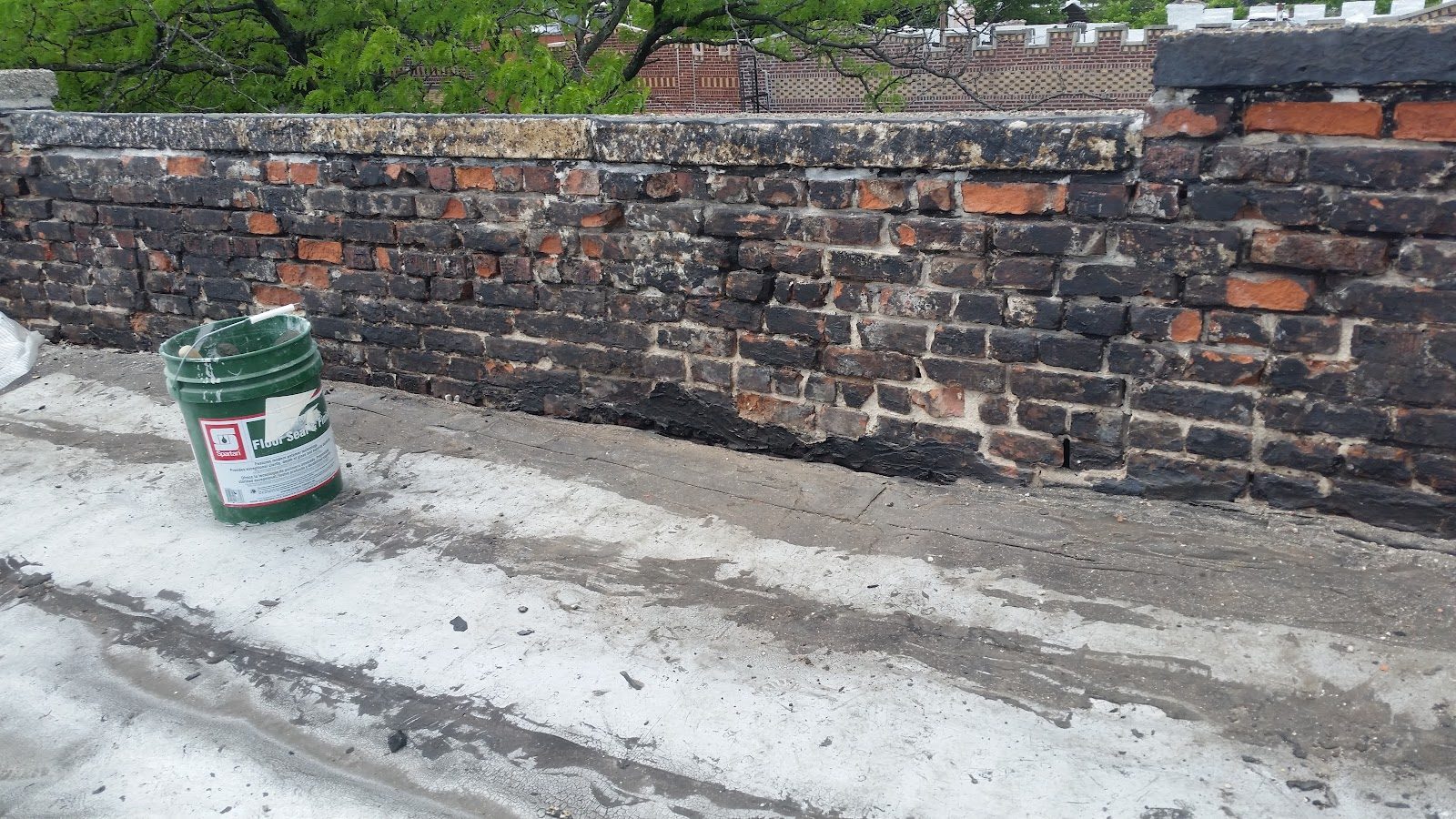
Photo © Erick José via Google Maps
Type
Day
Ages
14–18
Curriculum
US High School Diploma
Ratio
—
The Verdict
Editor's commitment
Right for
Bronx families wanting a day school at 1551 E 172nd St where ages 14–18 study for a US High School Diploma through filmmaking.
Wrong for
Parents who want published exam data, broad curriculum detail or boarding; The Cinema School is a secular Bronx day school teaching in English.
Watch out for
The school calls itself selective and centres filmmaking, but it does not publish aggregate outcomes; this is a niche 14–18 Bronx proposition.
Ranking breakdown
The Cinema School · #1561 of 1591
Composite score 42.0. 8 weighted criteria.
By criterion
Academic Outcomes
Weight 20%
#1475
of 1529 scored
University Placement
Weight 16%
#1488
of 1529 scored
Prestige & Heritage
Weight 12%
#1544
of 1571 scored
Alumni Network
Weight 12%
#1277
of 1530 scored
Facilities
Weight 12%
#1525
of 1533 scored
Transparency & Communications
Weight 8%
#938
of 1532 scored
Peer & Industry Review
Weight 10%
#1482
of 1548 scored
Admissions Selectivity & Demand
Weight 8%
#1523
of 1529 scored
Peer & Industry Review
How The Cinema School is regarded in the sector
52
Credible · medium confidence
Within youth and educational filmmaking circles the school has a respected niche reputation, with student work occasionally recognized at regional and student film festivals, though it is not a name widely cited by working industry professionals.
Award

Elite Film 50
World's Top School · The Global Ranking
The Cinema School is featured on our Global Top 50 ranking at #10. This seal is available for the school's marketing team to use on their website, prospectus and social channels.
Editors' overview
The Cinema School is a niche New York public high school with a clear proposition: liberal arts taught alongside sustained filmmaking. For families in the Bronx who want more than a standard comprehensive experience, that matters. This is not a generic “creative” school that adds a media club after lessons. Film sits at the centre of the offer and gives the academic programme its structure, vocabulary and purpose. The result is a school for teenagers who want school to feel urgent, hands-on and tied to actual production rather than abstract enrichment.
What sets it apart is the seriousness of the specialism. The school states that it is selective, serves ages 14–18, and uses filmmaking as the vehicle through which students examine themselves and the world. That is a distinctive model in a city crowded with themed public schools, many of which struggle to turn theme into substance. Here, the theme is the substance. Parents who have a child with a real appetite for writing, shooting, editing, directing or production planning will understand the appeal at once. A teenager who wants a conventional campus life, broad athletics culture or a wide spread of academic pathways under one roof will find the focus narrow. A teenager who wants creative discipline, serious purpose and a daily link between intellectual work and making things will find it compelling.
The school belongs on a shortlist because it offers something hard to replicate: a public-school route into sustained film education without abandoning the US high school diploma. That combination gives it market value. It can suit students who are artistically ambitious but still need a full secondary education and a clear path to college. It also fits students who learn best through projects, deadlines, critique and collaboration. Film production punishes drift; pupils need stamina, organisation and the nerve to show unfinished work. The Cinema School suits adolescents who are restless in conventional classrooms but thrive when work has an audience, a schedule and visible standards.
Parents should also read the signals carefully. This is a specialised day school in the South Bronx, not an all-things-to-all-students institution. The website gives the essentials — mission, contact details and admissions prompt — but little hard public detail on academic outcomes, facilities or the full range of student life. That leaves the school’s core strength in plain view: identity. For the right student, that identity is electrifying. For the wrong one, it is constraining. Put it on the shortlist if your child wants English-language schooling in New York, values a liberal arts base, and has a genuine appetite for film as craft rather than glamour.
A Global Elite 50 Film school
The Cinema School, located in the Bronx, New York, sits at rank ten on the Global Elite 50 Film ranking because it is one of the few public high schools in the United States built specifically around a filmmaking pathway. In 2009, the nonprofit Ghetto Film School led a partnership with the New York City Department of Education to open The Cinema School, a South Bronx select-admissions public school, and GFS remains the school's lead partner today.
The specialism is a four-year narrative filmmaking trajectory: The Cinema School is committed to teaching filmmaking skills across grades 9-12, with students starting with the basics of photography and gradually delving into screenwriting, editing, casting, directing and producing. During a six-week winter production period, students develop film projects, shoot on location, work with resident and guest artists in the film industry, and visit arts colleges and professional studios, with seniors producing original films. Students learn how to write, direct, and produce their own films using professional cameras and editing software, gaining hands-on experience similar to a real movie set. The school describes itself as a selective academic high school that prepares students for college through a liberal arts education grounded in filmmaking, under Principal Keisha Warner, a Bronx native and Bank Street College graduate who took the helm in 2013.
Notable alumni named specifically to The Cinema School could not be verified in public search. What is verifiable is the strength of the partner pipeline: Ghetto Film School's wider alumni network includes filmmakers such as Nikyatu Jusu, whose film Nanny won the Grand Jury Prize at Sundance, and cinematographer Tommy Maddox-Upshaw, credited on Snowfall and Empire, evidence of the industry-track record the Cinema School's partnership plugs into, even though individual Cinema School graduates in those roles are not yet documented by name.
International openness here is limited and families should go in with clear eyes: this is a free, tuition-free New York City Department of Education public school, day-only with no boarding. Admission runs through the NYCDOE MySchools high-school application process, and non-residents may not participate in that process; the DOE must accommodate NYC residents first, and placement of a non-resident is discretionary and generally subject to tuition payment. There is no dedicated visa-sponsorship route or ESL boarding pathway comparable to a private international school. Our recommendation: this is not a viable direct-enrollment destination for an overseas family seeking boarding and visa support; it is only realistic for families who are already established, or actively relocating to establish residency, in New York City well before the October application window for the following school year.
Academic Performance
Judging academic performance is difficult because the school does not publish aggregate external exam results, college matriculation lists, SAT or ACT data, AP outcomes, or subject pass rates. That is a real gap. In a specialised secondary school that asks families to trust a distinctive model, public results matter. Without them, there is no clean way to place The Cinema School against New York’s stronger screened arts schools, selective public high schools, or even solid borough comprehensives. The school states that it is selective and college-focused, but selection alone does not establish academic strength. On public evidence, its outcomes are opaque.
That does not mean weak performance; it means unproven performance. The academic proposition rests on a liberal arts programme tied to filmmaking, which can produce serious intellectual work when execution is strong: script analysis sharpens writing, production builds planning, and critique toughens judgment. The question is whether that translates into examination results above peer level. The school gives no published answer. Relative to peers, then, it sits in the category of high-concept, low-transparency schools: attractive in mission, thin in disclosed attainment data, and harder to benchmark than parents deserve. Families who care about academic outcomes need direct answers on graduation rates, Regents performance, college destinations, and results trends across the last 3–5 years before treating the school as a proven academic bet.
Facilities
Facilities are the hardest part of this school to judge because the school does not publish a real campus profile. There is a street address and a mission; there is no public breakdown of studios, edit suites, screening rooms, sound facilities, black-box performance space, library provision, science labs, sports provision or specialist kit. For a school built around filmmaking, that absence matters. Families need to know whether pupils work on real production infrastructure or a thin school version of it. The tagline points to seniors writing, shooting and producing original films on real sets, which is the strongest clue to the physical offer. That points to purposeful practical space and production environments with more substance than a standard media classroom. It does not answer how deep the provision runs across year groups, how heavily shared the space is, or how current the equipment is.
Against peer schools, that leaves The Cinema School in an opaque middle ground. A conventional public high school can get by with ordinary classrooms and a basic arts wing; a specialist film school cannot. The benchmark here is not whether there are cameras on site, but whether the facilities support pre-production, shooting, editing, critique and exhibition at a level that feels professionally organised rather than improvised. Strong peer arts schools publish that detail. This school does not. The core judgement, then, is blunt: the concept demands serious specialist space, but the public picture of that space is thin. Parents need a tour, a direct look at sets and post-production areas, and clear answers before treating facilities as a proven strength.
The Cinema School is a niche New York public high school with a clear proposition: liberal arts taught alongside sustained filmmaking
Prestige
The Cinema School carries niche prestige, not citywide cachet. Its name has force with families and educators who value film, project-based work and a school identity built around making things, not merely talking about them. That matters. In a crowded public-school market, a specialist school with a clear discipline can command real respect. The partnership origins signalled in the school’s own tagline also give it industry-adjacent credibility. Yet prestige here is concentrated, not broad. This is not the kind of institution whose status rests on published academic dominance, historic selectivity across the city, or a nationally recognised results profile. Outside film-focused circles, its reputation has less weight.
That is why the prestige rating lands in the targeted rather than universal bracket. For the right student, the school’s seriousness about filmmaking, critique and production gives it genuine distinction. Senior pupils are not consuming “media”; they are making films, and that has substance. But prestige without public outcomes has a ceiling. The school does not disclose the league-table ingredients parents use to test institutional standing: no aggregate exam data, no headline university destinations, no broad performance record in the public domain. So the school earns esteem from clarity of purpose and specialism, not from proved academic authority. In plain terms: strong identity, credible specialism, limited wider prestige.
The Cinema School suits adolescents who are restless in conventional classrooms but thrive when work has an audience, a schedule and visible standards
Communications
Parent communication is functional, thin and narrowly transactional. The public-facing site gives the core contact points — a telephone number, street address and a prompt for prospective students — but little sign of a mature communications system built for families making a serious secondary-school choice. There is a mission statement, a cookie notice and a brief orientation update. That is not enough. For a specialist school asking parents to commit to a focused educational model, communication needs to do more than announce identity. It needs to explain daily life, academic expectations, student support, staff access, calendar rhythm, safeguarding routes and the mechanics of admissions. Here, the published picture is bare-bones, underpowered and too sparse for comfort.
Effectiveness, then, is mixed. The school communicates its central idea with clarity: this is a film-led academic school with a selective intake and a strong sense of purpose. Families will grasp that within minutes. Beyond that, the channel weakens. There is no rich parent information architecture in public view, no detailed news flow, no visible leadership voice, and no substantial explanation of how the school keeps current families informed once students are enrolled. Even basic polish is uneven; the homepage text reads rushed in places, which matters because schools signal standards through details. The presence of upcoming orientation events for 2026 shows that the site is live rather than abandoned, and the direct phone line gives parents a practical route in. Still, this is minimal communication, not strong institutional communication.
Uniqueness
What makes The Cinema School distinct is not the lazy “arts integration” that many themed schools trade on. Film is the organising discipline. The school’s own mission ties academic study to self-examination, judgment and creative production, and that gives the place a hard-edged coherence that many specialist schools lack. Teenagers are not just handed a camera and told to express themselves. They work inside a structure where ideas have to survive scripting, planning, collaboration, revision and public scrutiny. That is real vocational pressure applied inside a secondary education, and it builds habits that travel: resilience, time management, critique, and the ability to turn vague ambition into finished work.
That specialism brings clear gains for the right student. Adolescents who learn through making, not passively absorbing, get a school day with visible stakes. Film forces pupils to write with purpose, read with attention, manage deadlines, negotiate with peers and tolerate feedback that is not always flattering. It also gives creative teenagers a seriousness of outlet that many schools deny them until university. The trade-off is plain. A school this focused is not a generalist haven. Its identity will sharpen confidence and voice in students who want production, authorship and collaboration at the centre of school life; it will frustrate those who want a broader spread of options or a looser, less demanding creative experience.
Against peer schools, that leaves The Cinema School in an opaque middle ground
Student Profile
The best fit is a teenager who wants school to revolve around making work, not just talking about it. This suits students who can handle critique, deadlines and the friction of collaboration without folding. Film production exposes weak organisation fast; a pupil who misses cues, avoids revision or drifts through group work will struggle. By contrast, students with creative stamina, thick skin and a real appetite for authorship will find a natural home. The school serves ages 14–18, and that matters: these are years when identity hardens, tastes sharpen and peer culture carries weight. A young person who already knows that images, story, editing and production are more than a hobby has a clear reason to be here.
The weaker fit is just as clear. This is not the place for a child who wants a sprawling menu of activities, a conventional high-school social script, or a broad all-rounder environment where the arts sit off to one side. It demands commitment to a narrow, high-pressure specialism. Students who need constant hand-holding, dislike public feedback, or want creative work without technical discipline will find the model unforgiving. The strongest candidates are self-starting, verbally engaged and willing to examine themselves as well as their work. The school’s own motto — “Through examination comes vision” — points to a student body that needs intellectual seriousness as much as artistic instinct.
The Cinema School carries niche prestige, not citywide cachet
Co-curricular strengths
Arts & sport, on a separate axis
Overall 5.26/10
Scored 0-10 from the school's own published evidence. This axis is editorial-only — it does not feed the main WTS ranking.
Sports
3.5/10
Drama
6.8/10
Dance
2.8/10
Music
4/10
Visual Arts
9.2/10
Strengths
- +Operates as a New York City Department of Education public school, meaning tuition is free for eligible city residents.
- +Small school size allows film production and screenwriting to be woven into core academic subjects rather than offered only as an after-school club.
- +Located in the Bronx, giving students proximity to New York's professional film and television industry for internships and guest instruction.
- +Themed, cohort-based structure gives students a consistent creative focus across all four years of high school.
Considerations
- −As a small themed public school, the range of elective subjects, sports and extracurriculars outside the film focus is narrower than at large comprehensive high schools.
- −Only open to New York City residents through the DOE high school application system, so it is not a fee-paying option for international or relocating families.
- −Facilities, staffing and production equipment depend on public school district funding rather than private endowment or tuition income.
- −Public exam and graduation outcome data specific to the school's film program is not independently published in detail, making comparative rigor hard to verify.
Gallery
Photo © Erick José via Google Maps
Photo © Iaroslav R via Google Maps
Photo © Iaroslav R via Google Maps
Parent reviews
Have you sent your child here?
Voice reviews carry the strongest trust badge — we transcribe them for you to tidy up before they go live. Prefer to type? A written review is fine too.
Add your voice
In 60 seconds, tell other parents: what's the best thing about The Cinema School, and what surprised you when your child joined?
We ask for a Google sign-in so every review has a real face behind it — no anonymous drive-by attacks on schools, and no faked positive reviews. Your email is never shown publicly.
Send this profile to a friend
International parents rely on word-of-mouth. Share this review with someone weighing the same decision.
Schools with places
Similar schools to The Cinema School with places available now.
Poly Prep Country Day School
Brooklyn · United States
- 2026-27
- CLOSEDRegular cycle closed
- 2027-28
- OPENS SOONOpens Sept '26
Marymount School of New York
New York City · United States
- 2026-27
- CLOSEDConfirmed full
- 2027-28
- PLACES OPENApplications opened 1 Aug '26
The Browning School
New York City · United States
- 2026-27
- CLOSEDConfirmed full
- 2027-28
- OPENS SOONOpens 25 Aug '26; appointments from 8 Sep
The Buckley School
New York City · United States
- 2026-27
- CLOSEDConfirmed full
- 2027-28
- OPENS SOONOpens post-Labor Day '26
Availability first, then country, area, curriculum, price, co-curricular
Consider also
Also worth looking at alongside The Cinema School.
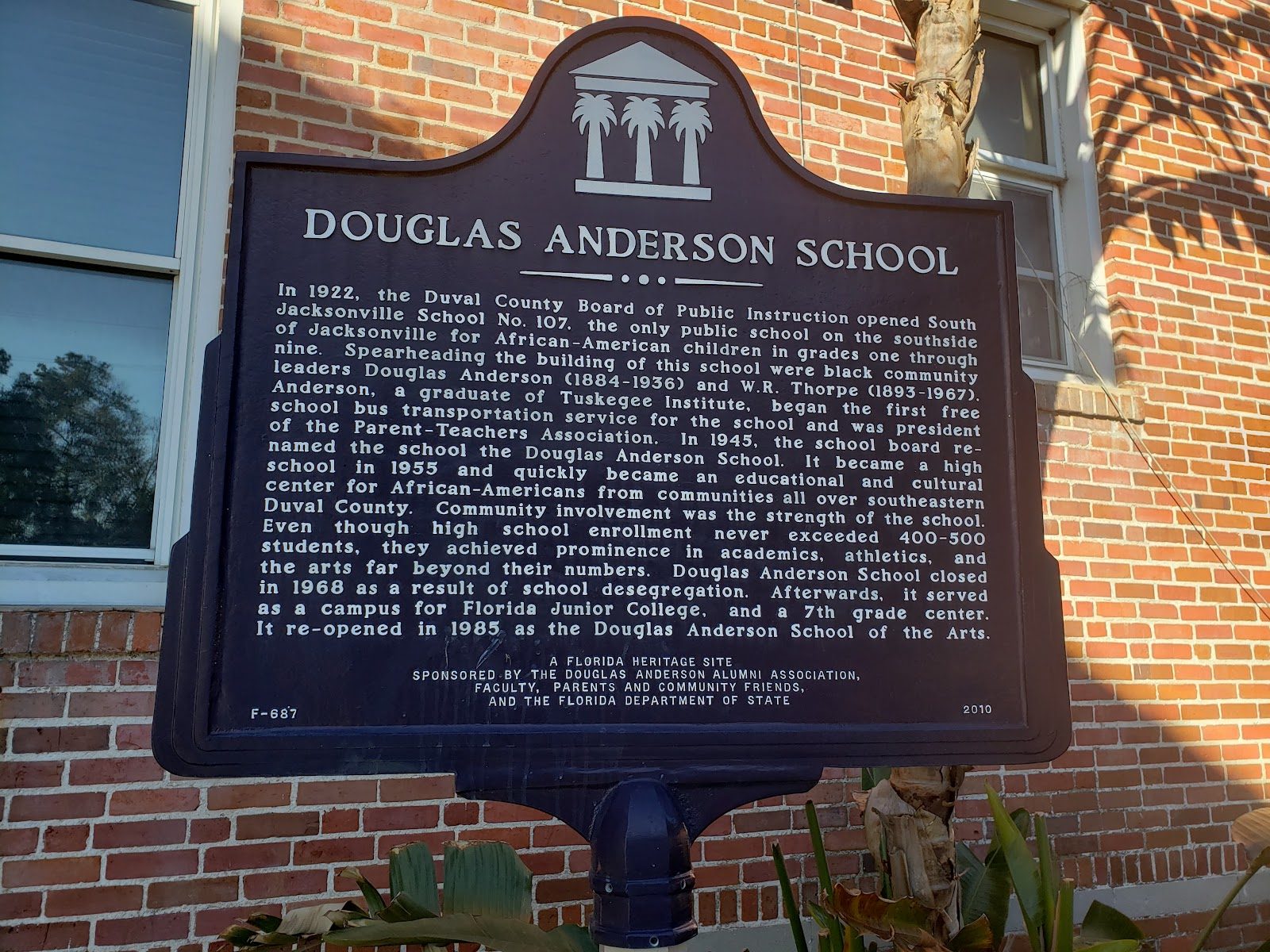
Douglas Anderson School of the Arts
Jacksonville, Florida · United States
A Duval County magnet where auditioned students pair AP courses with training across seven arts disciplines.
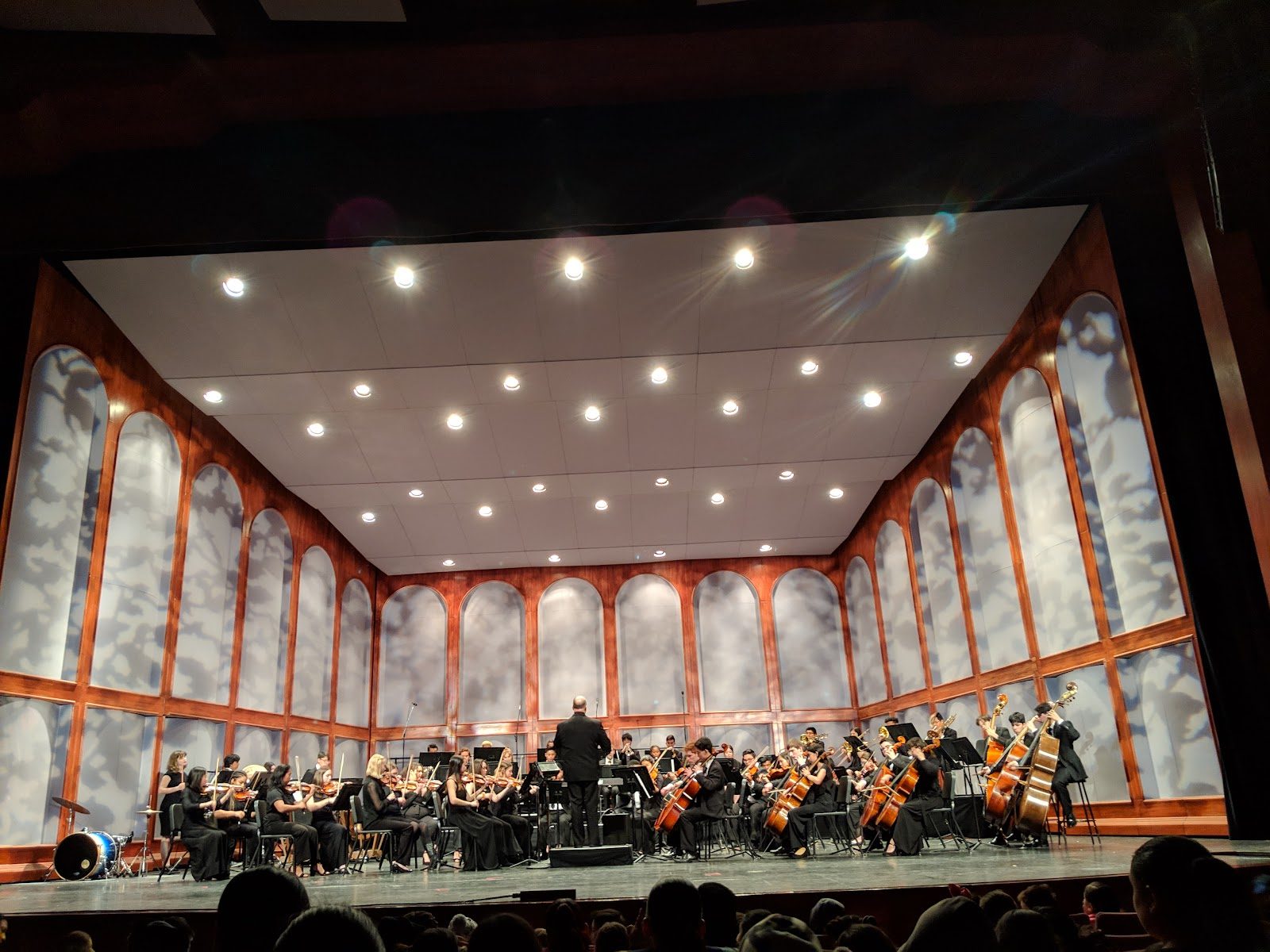
Los Angeles County High School for the Arts
Los Angeles · United States
A tuition-free public conservatory embedded on a Cal State LA campus, where audition, not address, decides who studies art
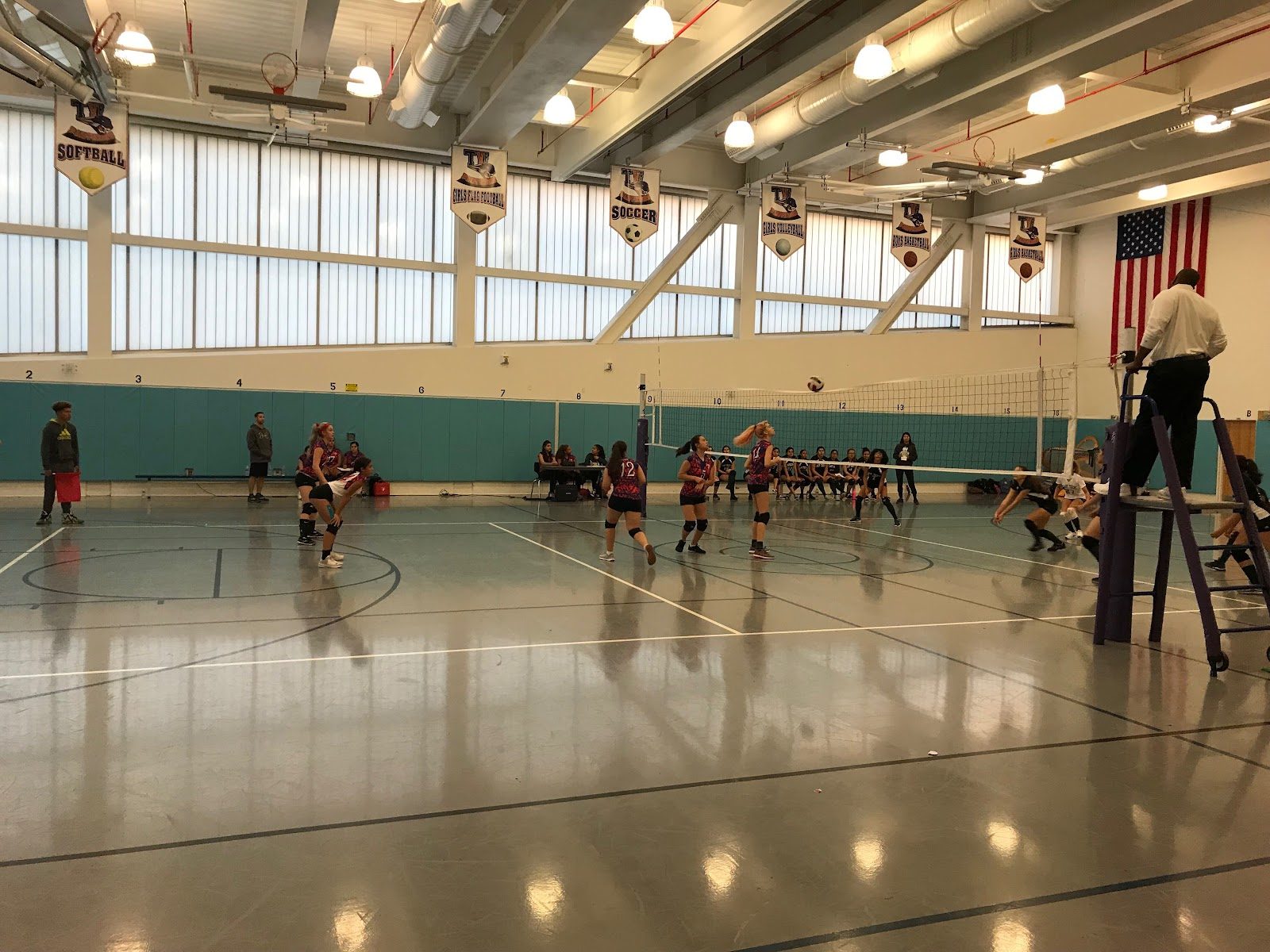
Academy for Careers in Television & Film
Long Island City, New York · United States
A waterfront Queens campus where students edit and shoot films against the Manhattan skyline, backed by a million-dollar production arsenal.

ELAM
London · United Kingdom
A free East London sixth form built around industry-standard studios, training music, games and film talent for direct industry entry.
Same specialism, country and curriculum — closest matches within ±10 points either way