
Porto
Colégio Nossa Senhora do Rosário
Rooted in an 1871 mission by an Irish schoolmistress and her Sisters of the Sacred Heart, this Boavista convent day school has repeatedly topped Portugal's national secondary exam rankings.
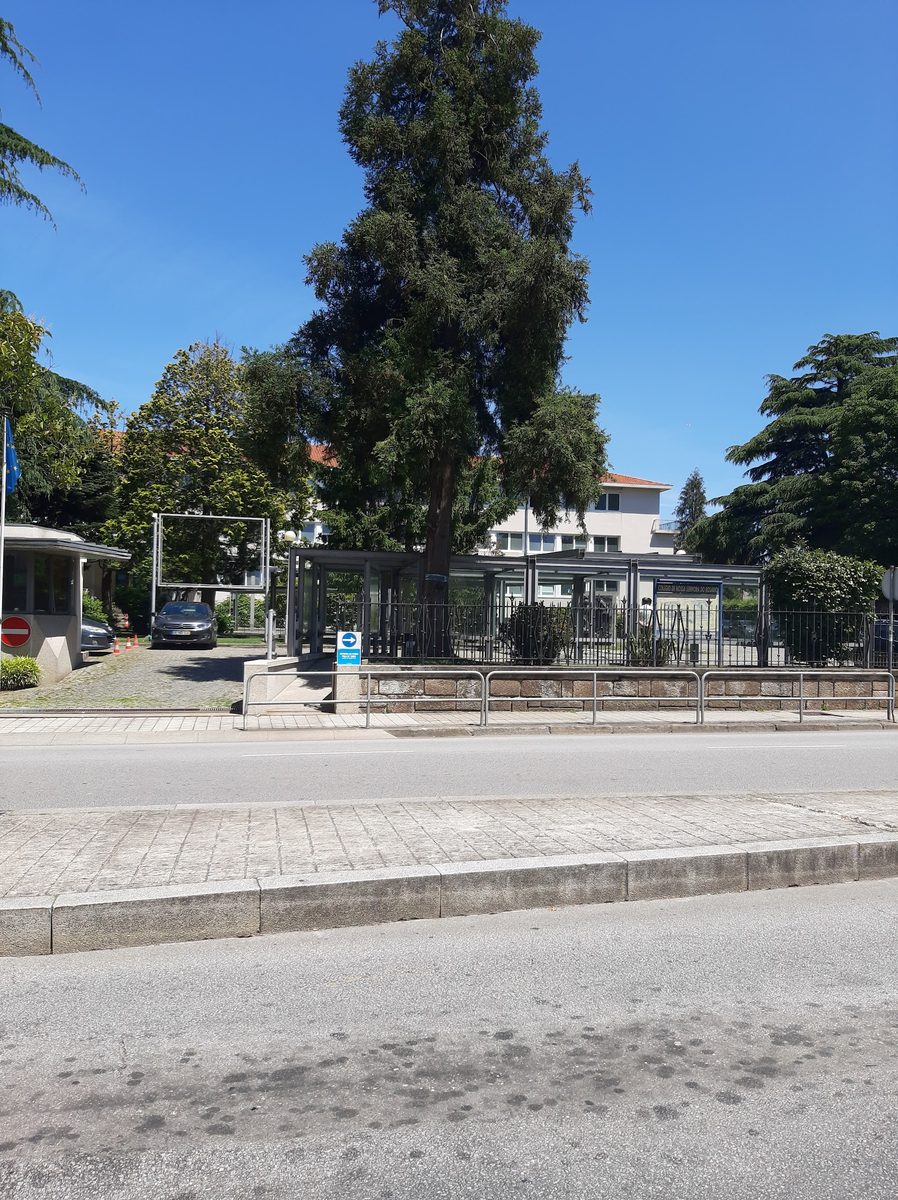
Photo © Costa, Miguel via Google Maps
Type
Day
Ages
3–18
Curriculum
Portuguese
Qualifications
Portuguese national curriculum
Ratio
—
The Verdict
Editor's commitment
Right for
Porto families who want a Catholic day school in Boavista, ages 3–18, with Portuguese teaching and serious academic ambition.
Wrong for
International families needing English-medium teaching, boarding, or a non-religious setting; Colégio Nossa Senhora do Rosário is Portuguese, Catholic and day-only.
Watch out for
Founded in 1953 and rooted in an 1871 mission, this is a school with a clear ethos; if that jars, look elsewhere.
Ranking breakdown
Colégio Nossa Senhora do Rosário · #1455 of 1591
Composite score 50.2. 8 weighted criteria.
By criterion
Academic Outcomes
Weight 20%
#1313
of 1529 scored
University Placement
Weight 16%
#1371
of 1529 scored
Prestige & Heritage
Weight 12%
#1324
of 1571 scored
Alumni Network
Weight 12%
#1247
of 1530 scored
Facilities
Weight 12%
#1333
of 1533 scored
Transparency & Communications
Weight 8%
#1243
of 1532 scored
Peer & Industry Review
Weight 10%
#1495
of 1548 scored
Admissions Selectivity & Demand
Weight 8%
#1326
of 1529 scored
Peer & Industry Review
How Colégio Nossa Senhora do Rosário is regarded in the sector
50
Credible · medium confidence
Colegio Nossa Senhora do Rosario is best understood through Portugal's domestic exam-based league tables rather than international private-school press. Publications such as Publico and Expresso publish annual rankings derived from national exam (exames nacionais) results, and Catholic day schools in the Porto area, including this one, are typically positioned in the solid-but-not-top-tier band of those tables, well behind Lisbon and Porto's most selective grammar-style colegios. It has not been profiled by WhichSchoolAdvisor, the Good Schools Guide, or comparable Anglophone directories, which focus overwhelmingly on UK, Swiss and international-curriculum schools rather than Portuguese parochial institutions. Within Portugal it is recognised as part of the wider network of Catholic diocesan schools, occasionally referenced in regional education coverage and diocesan communications rather than national feature journalism. There is no verifiable evidence of rival head teachers publicly commenting on the school, nor of named university admissions officers citing it specifically; its graduates proceed mainly to Portuguese public universities (Porto, Coimbra) via the standard national access exam route rather than through documented elite international pipelines. Its reputation is therefore local and exam-outcome based rather than internationally benchmarked.
Editors' overview
Colégio Nossa Senhora do Rosário occupies a rare position in Porto: a Catholic day school with deep institutional memory and hard academic credibility. Its roots reach back to an 1871 mission associated with an Irish schoolmistress and the Sisters of the Sacred Heart; the present school dates from 1953 in Boavista. That history matters because Rosário does not trade on novelty. It offers a settled, disciplined version of Portuguese private education, with a clear moral frame and a long record of public exam success. In a market crowded with international branding and bilingual ambition, Rosário’s distinction lies in something less fashionable and more durable: academic seriousness, institutional confidence and a strong sense of purpose.
What puts it on a shortlist is simple. Rosário has repeatedly topped Portugal’s national secondary exam rankings. That is not a decorative claim; it places the school in the top tier of academic performers nationally and gives parents a concrete reason to pay attention. For families who want the Portuguese curriculum taught in Portuguese, within a Catholic environment that values order, effort and intellectual discipline, Rosário offers a compelling proposition. It is not the school for parents chasing an international curriculum badge or an English-medium education. It is the school for parents who want results under pressure, a serious classroom culture and a school identity that does not bend with every educational fashion.
The best fit is a student who thrives in structure and does not need schooling diluted into lifestyle. Rosário suits children and teenagers who are comfortable with expectations, responsive to close guidance and willing to work hard in a traditional academic setting. It will appeal to families who value faith, continuity and a school community with deep local roots. It will appeal less to students who want a loose, experimental atmosphere or a heavily internationalised peer culture. In market terms, Rosário stands as one of Porto’s strongest choices for families seeking high academic standards inside a Catholic day school framework for ages 3–18.
Academic Performance
Rosário’s academic reputation rests on external evidence, not school rhetoric. It has repeatedly finished at or near the top of Portugal’s national secondary exam tables, including first place in published rankings in some years. That places it in the uppermost academic tier of Portuguese private schooling and marks it out as more than a strong local convent school. In a sector where many schools advertise care, values and holistic development, Rosário has something harder to dispute: publicly visible exam strength. Parents weighing it against other Portuguese schools should read that record as a sign of a demanding academic culture, not a branding exercise.
That standing also sets a clear expectation. High ranking in national exams points to strong teaching, disciplined preparation and a cohort trained to perform under formal assessment. It also tells families what this school prioritises. Rosário fits the group of Portuguese schools where outcomes carry real weight and where weaker students will not find a soft academic landing. We have not seen aggregate school-published breakdowns beyond its standing in national league tables, so the finer grain of subject-by-subject performance remains opaque. Even with that caveat, the broad verdict is firm: Rosário sits among the country’s exam-heavy elite, and parents choosing it are buying into a school with a serious results culture.
Facilities
Rosário’s facilities profile is harder to judge than its academic standing because the school does not publish the kind of detailed campus inventory that many peer schools now treat as standard. We have not seen a clear public breakdown of specialist labs, performing arts spaces, sports provision or dedicated early-years environments, and that lack of disclosure matters. At a school with such a serious academic identity, parents are entitled to more than atmosphere and heritage. The physical setting carries obvious advantages: a settled urban campus in an established residential district, with the coherence and enclosure families expect from a traditional Catholic school. That suits daily school life well. It does not, on current public evidence, translate into a conspicuously broad or modern facilities offer.
Against Porto’s more aggressively marketed private competitors, Rosário looks *less showy, less facilities-led and more classroom-centred*. That is not a flaw if teaching quality is the main draw; it is a limitation for families who place heavy weight on standout sports infrastructure, high-spec maker spaces or theatre-scale arts buildings. The school’s public profile points to a campus built for order, supervision and academic routine rather than spectacle. For many local families, that will be enough. For parents benchmarking across the premium private market, the key point is plain: Rosário wins attention for outcomes, not for a flash campus story, and the school gives the public too little hard detail to claim more.
Colégio Nossa Senhora do Rosário occupies a rare position in Porto: a Catholic day school with deep institutional memory and hard academic credibility
Prestige
Rosário carries real local prestige and a level of national academic status that reaches well beyond the Catholic school niche. In Portugal, repeated first-place finishes in secondary exam rankings are not a soft reputational signal; they are a hard public marker of where a school sits in the hierarchy. That matters because prestige in the Portuguese market still rests heavily on exam performance, selective family demand and the ability to maintain standards over time. On that measure, Rosário belongs in the serious upper tier. It has the kind of name that circulates among well-informed local families not because of glossy international packaging, but because children leave with results. For many parents, that carries more weight than imported branding.
Its prestige also has a distinct texture. This is not a fashionable status school built on spectacle, scale or global networking. The appeal is older, stricter and more exacting: Catholic formation, disciplined habits and an institutional culture that treats academic work as central, not optional. That gives Rosário a high-trust reputation among families who want intellectual pressure and clear expectations. It gives it less pull with parents seeking international social cachet or a more relaxed educational style. We rate its prestige highly because it combines two things that rarely sit together so cleanly: deep-rooted social credibility and publicly visible academic authority, capped by those top-ranked exam outcomes.
Rosário has repeatedly topped Portugal’s national secondary exam rankings
Communications
Rosário communicates with parents in the manner one would expect from a tradition-bound, academically exacting school: formal, controlled and functional rather than expansive. The public-facing website does the core job competently — admissions, contacts, school stages and institutional identity are easy to locate — but it does not offer the depth, immediacy or documentary richness now common at stronger private-school operators. There is little sense of a school trying to narrate daily life in detail for external audiences. That matters. Parents can grasp the school’s priorities quickly, but they get less visibility into the texture of teaching, pastoral systems, co-curricular life or campus resources than they should from a school commanding this level of attention. The communication style fits an institution with old-school confidence: Rosário does not sell itself hard, and it does not over-explain.
That restraint cuts both ways. For families who value order, hierarchy and a no-nonsense relationship with school leadership, this will read as reassuringly serious. The school avoids the inflated tone and constant self-promotion that weaken trust elsewhere. But the same reserve creates opacity. Parents who want frequent public evidence of classroom practice, strategic direction, staff voice or student life will find the outward communication thin by premium-market standards. Our verdict: effective enough for committed local families who already understand the school’s culture, less effective for newcomers comparing options carefully and expecting sharper transparency. Rosário communicates like a school that expects trust first and explanation second.
Uniqueness
What makes Rosário distinct is the combination of convent-school gravity and nationally visible academic force. Plenty of Catholic schools offer values, ritual and a settled atmosphere. Far fewer convert that inheritance into sustained dominance in public exams. Rosário does. The result is a school identity with sharper edges than the pastoral language common in private education: students grow up in a culture where diligence, restraint and intellectual effort carry real weight, and where the adult institution has no interest in diluting standards to flatter adolescent comfort. That gives the school a rare institutional coherence. Its religious character, daily discipline and academic expectations point in the same direction rather than competing for attention.
For students, that coherence brings advantages and costs. The advantage is clarity: children know what the school values, teachers work inside a stable framework, and able pupils with strong habits gain from an environment built around concentration and follow-through. The school’s exam record, including periods at 1st nationally, confirms that this culture produces results at the highest level. The cost is plain too. Rosário offers less room for educational improvisation, less appetite for loose informality and less of the cosmopolitan self-invention sold by international schools. Families who want a high-pressure, tradition-steeped education with moral structure will find that unusual and valuable. Families who want flexibility, breadth of style or a lighter institutional touch will not.
That is not a decorative claim; it places the school in the top tier of academic performers nationally and gives parents a concrete reason to pay attention
Student Profile
The students who fit Rosário best are those who do not need school packaged as entertainment. This is a place for children who accept routine, respond to authority and can work steadily without constant coaxing. The strongest fit is the pupil who takes correction well, keeps pace with demanding classes and does not treat effort as negotiable. In adolescent terms, that means a teenager who can tolerate pressure, delayed gratification and close scrutiny of performance. Rosário suits families who want school to reinforce habits of discipline, respect and moral seriousness, not dilute them. It will reward the self-controlled, the hard-working and the academically ambitious. It will test the student who needs freedom, informality or endless reassurance.
Socially, the school will feel most comfortable for families who value continuity and a clear moral frame. Students who thrive in environments with visible boundaries and adult-led expectations will find the culture legible from the start. Children who want a louder, more performative school life, or who define themselves through constant experimentation, will find the setting tight-grained and not for the faint-hearted. The exam record at the top end of the school, including periods at 1st nationally, tells parents that this culture is not symbolic; it carries academic consequences. Rosário is a strong match for pupils with stamina, composure and a taste for serious standards. It is a weak match for those who need a softer landing or a looser institutional grip.
It has repeatedly finished at or near the top of Portugal’s national secondary exam tables, including first place in published rankings in some years
Co-curricular strengths
Arts & sport, on a separate axis
Overall 7.42/10
Scored 0-10 from the school's own published evidence. This axis is editorial-only — it does not feed the main WTS ranking.
Sports
7.8/10
Drama
7.2/10
Dance
7.8/10
Music
7.4/10
Visual Arts
6.9/10
Strengths
- +Consistently tops Portugal's national school exam rankings, finishing first in the secondary-school 'Ranking das Escolas' 10 times in the last 23 editions, most recently in 2023.
- +Long-established institution founded in 1872, giving it more than 150 years of continuous operation as a Catholic day school in Porto.
- +Offers a full continuum from Jardim de Infancia through Secundario on a single central campus on Avenida da Boavista, avoiding a school change at key transition ages.
- +Runs organised social-outreach programmes (the AJUDA scheme, including night rounds for Porto's homeless and a Mozambique mission) that are woven into student life rather than optional extras.
- +Owned and run by an established religious congregation (Instituto das Religiosas do Sagrado Coracao de Maria), giving it institutional continuity rather than being a recent commercial venture.
Considerations
- −Operates a Catholic religious ethos as the school's foundation, which will not suit secular families or those seeking a strictly non-denominational environment.
- −Teaches only the Portuguese national curriculum with no IB, A-Level or other internationally transferable qualification, which limits options for families planning further moves abroad.
- −Fees, while below the top international-school tier, still add up: historic figures show roughly 5,000-5,100 euros a year in tuition alone, before registration, lunch and uniform costs.
- −The school's intense focus on exam-ranking performance, repeatedly cited in national press, points to a competitive, results-driven culture that may not suit every learning style.
Availability
Primary entry gate & tests
Academic Record
Gallery
Photo © J. de Castro via Google Maps
Photo © S F.Félix Fernandes via Google Maps
Photo © S F.Félix Fernandes via Google Maps
Photo © Tomas via Google Maps
Photo © Edu Silva via Google Maps
Photo © Edu Silva via Google Maps
Photo © Ricardo P via Google Maps
Parent reviews
Have you sent your child here?
Voice reviews carry the strongest trust badge — we transcribe them for you to tidy up before they go live. Prefer to type? A written review is fine too.
Add your voice
In 60 seconds, tell other parents: what's the best thing about Colégio Nossa Senhora do Rosário, and what surprised you when your child joined?
We ask for a Google sign-in so every review has a real face behind it — no anonymous drive-by attacks on schools, and no faked positive reviews. Your email is never shown publicly.
Send this profile to a friend
International parents rely on word-of-mouth. Share this review with someone weighing the same decision.
Schools with places
Similar schools to Colégio Nossa Senhora do Rosário with places available now.
St Peter's International School
Palmela · Portugal
- 2026-27
- WAITPOOLSpace-dependent
- 2027-28
- PLACES OPENRolling
Carlucci American International School of Lisbon
Lisbon · Portugal
- 2026-27
- WAITPOOLSpace-dependent
- 2027-28
- PLACES OPENRolling
St. Julian's School
Carcavelos · Portugal
- 2026-27
- WAITPOOLMostly full / waitlist
- 2027-28
- PLACES OPEN
Availability first, then country, area, curriculum, price, co-curricular
Consider also
Also worth looking at alongside Colégio Nossa Senhora do Rosário.

CLIP – Oporto International School
Porto · Portugal
Where Cambridge IGCSE and the IB run in parallel, and OPOMUN each spring turns Porto into a model United Nations chamber.
St. Dominic's International School
São Domingos de Rana · Portugal
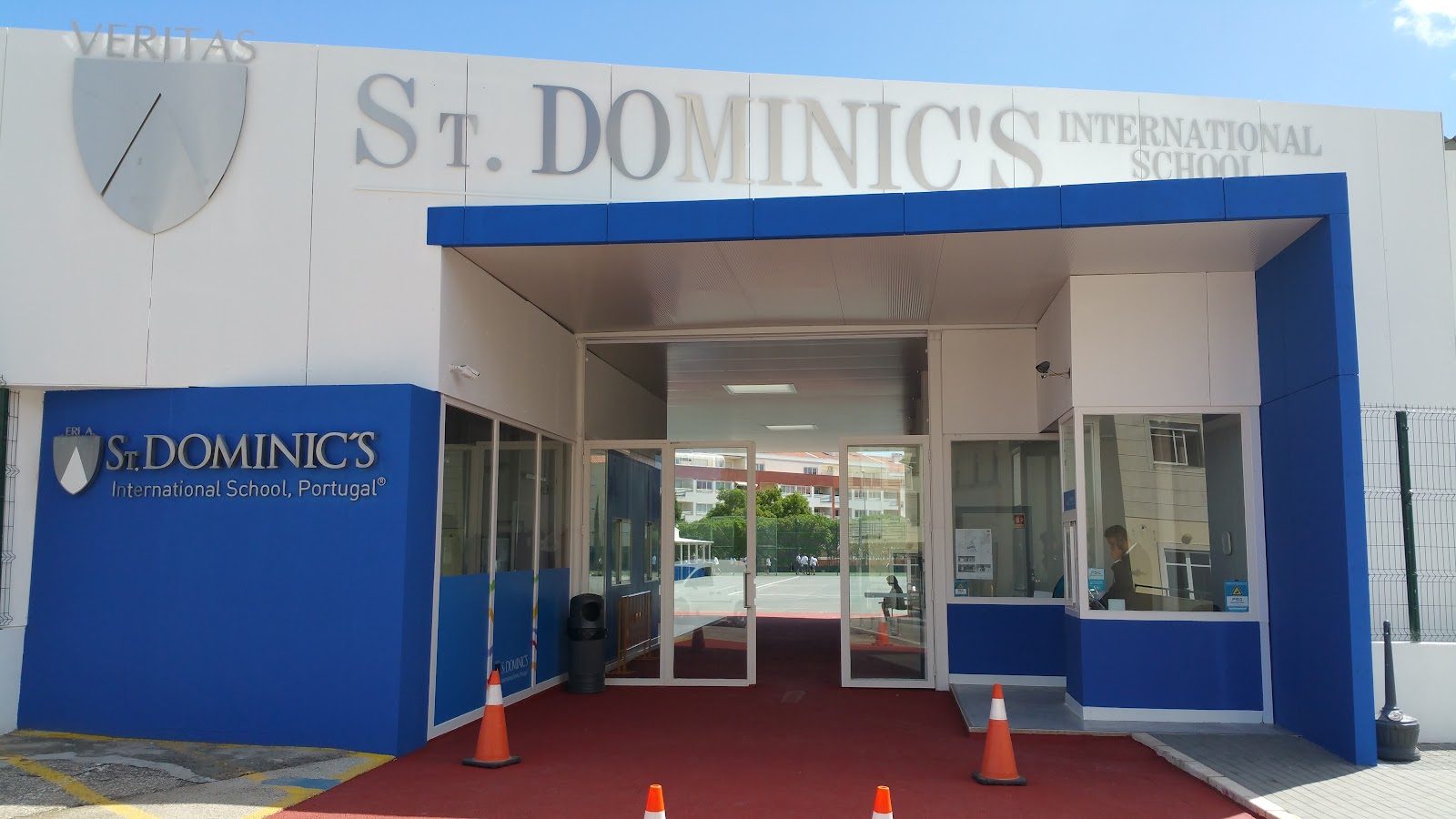
Portugal's first full IB continuum school, tracing a Dominican search for truth back to 1954 on the Cascais coast.
Oeiras International School
Oeiras · Portugal
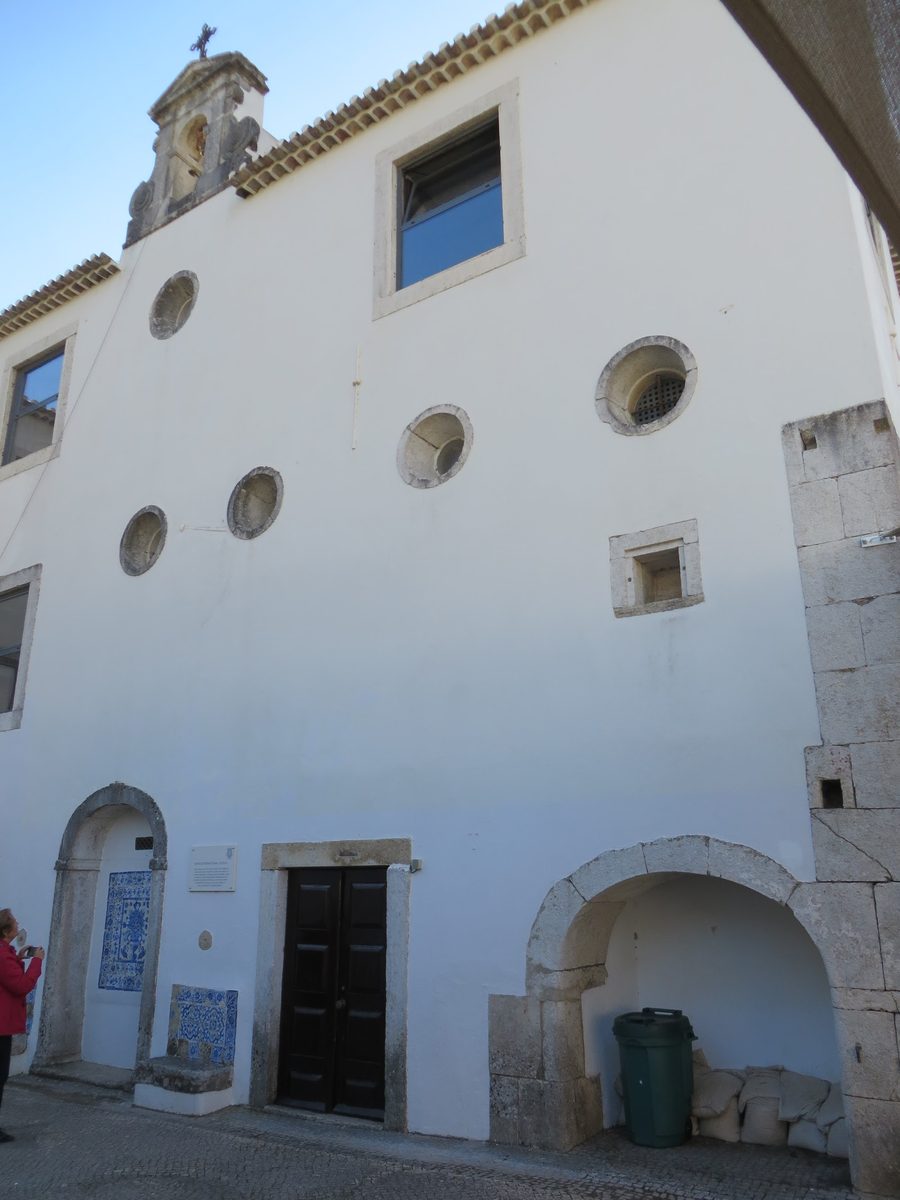
A 17th-century palace estate near Lisbon runs the full IB continuum on a deliberately non-selective, community-rooted admissions model.
TASIS Portugal
Sintra · Portugal
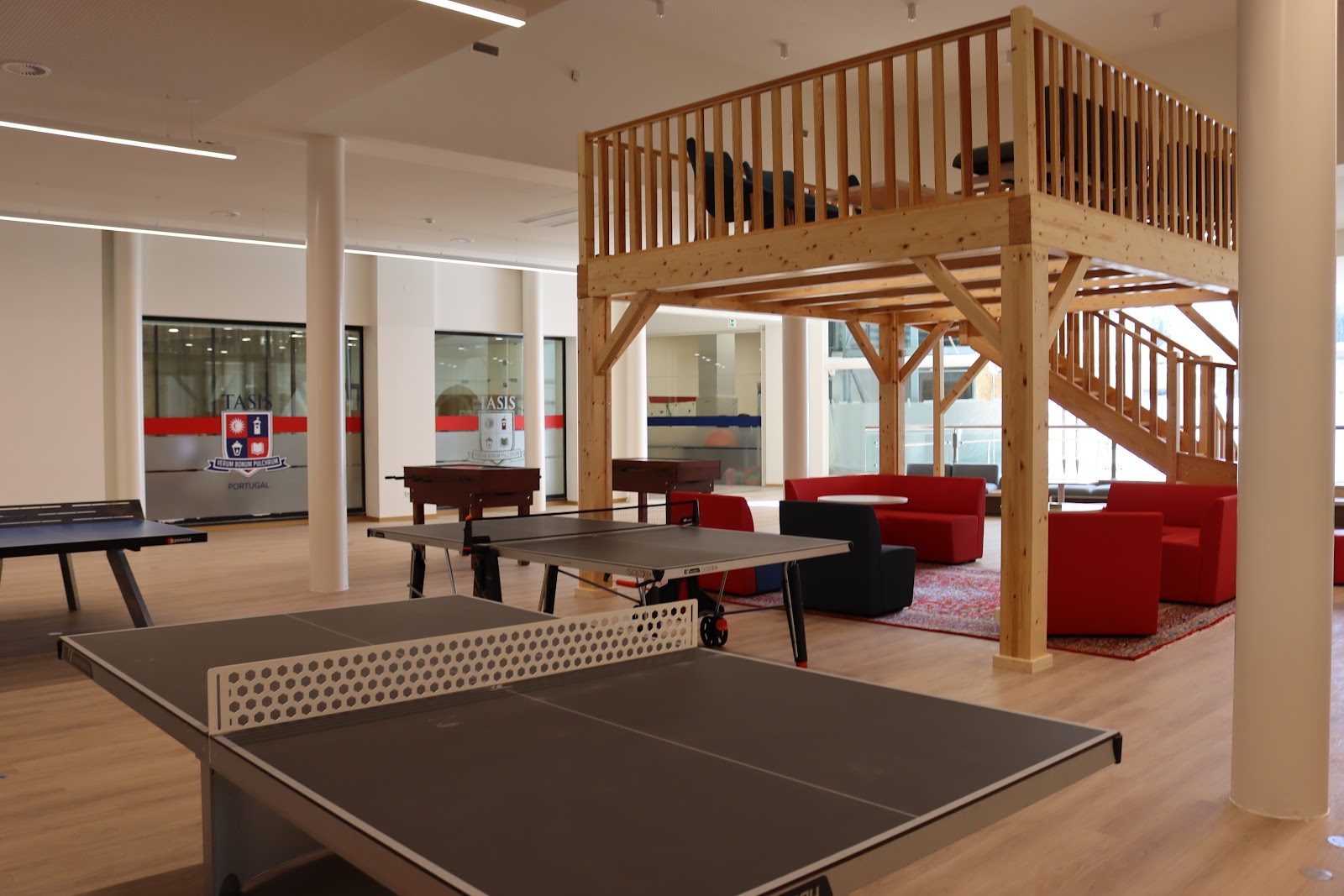
A 1956 Swiss lineage lands on the Portuguese Riviera, pairing Core Knowledge rigor with an IB Diploma graduating its first class in 2026.
Same country and curriculum — closest matches within ±10 points either way