
Singapore
Global Indian International School (Singapore)
low confidence· 6/6 cats · 0 avg sourcesThree curricula, one campus: IB, Cambridge and CBSE converge inside Punggol's digital learning district.
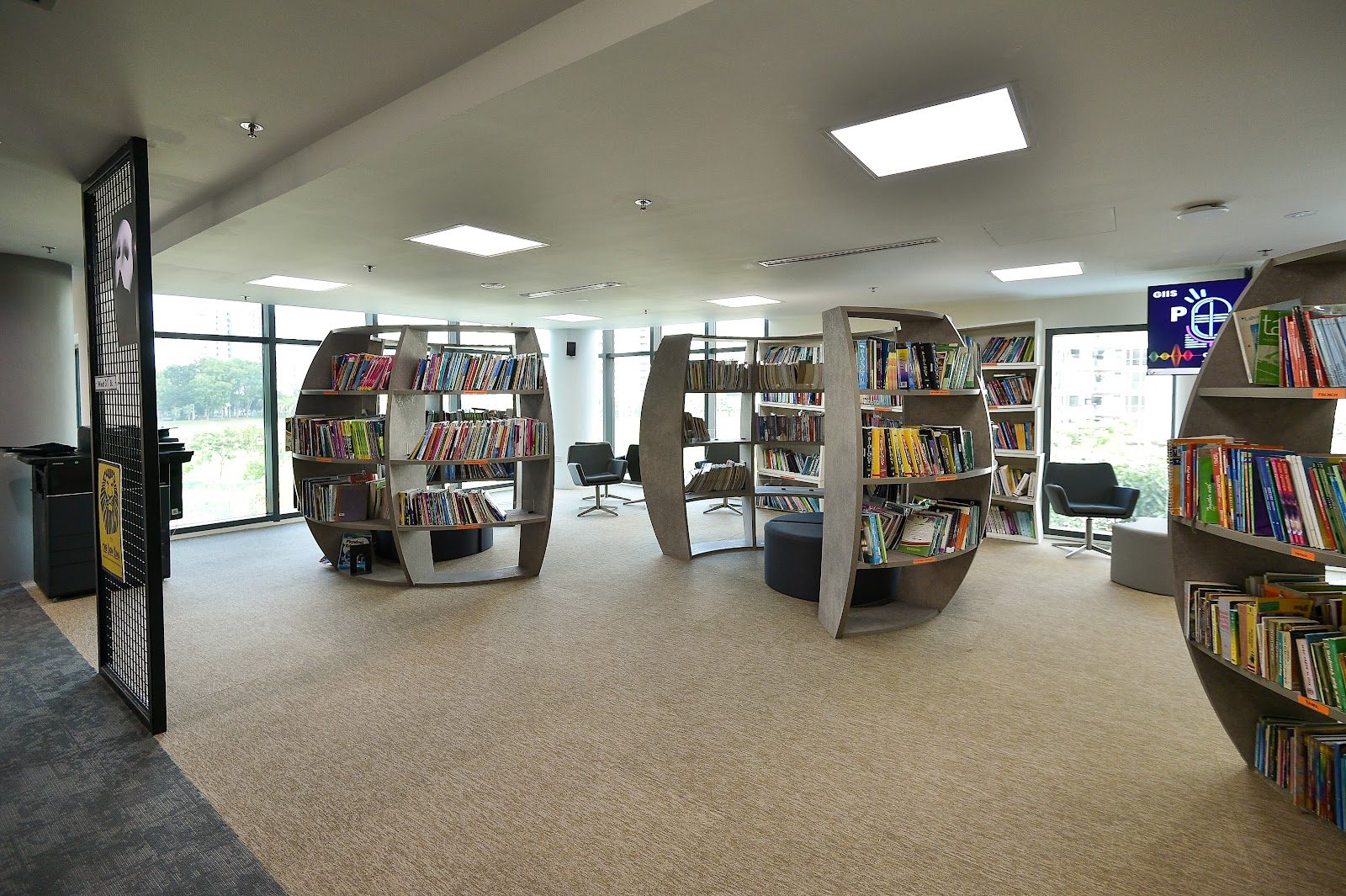
Photo © The Red Marker via Google Maps
Type
Both
Ages
11–18
Curriculum
IB (Diploma) · Cambridge (IGCSE) · CBSE
Ratio
12:1
The Verdict
Editor's commitment
Right for
Families wanting real post-16 choice: IB Diploma, Cambridge IGCSE and CBSE under one Singapore campus, with classes averaging 24.
Wrong for
Children who need a through-school from the early years; this Singapore campus starts at age 11 and runs only to 18.
Watch out for
At an average USD 24,500 a year, GIIS is not cheap, and three curricula on one campus demand sharp pathway decisions.
Ranking breakdown
Global Indian International School (Singapore) · #394 of 1591
Composite score 71.9. 8 weighted criteria.
By criterion
Academic Outcomes
Weight 20%
#333
of 1529 scored
University Placement
Weight 16%
#354
of 1529 scored
Prestige & Heritage
Weight 12%
#557
of 1571 scored
Alumni Network
Weight 12%
#424
of 1530 scored
Facilities
Weight 12%
#504
of 1533 scored
Transparency & Communications
Weight 8%
#457
of 1532 scored
Peer & Industry Review
Weight 10%
#605
of 1548 scored
Admissions Selectivity & Demand
Weight 8%
#282
of 1529 scored
Peer & Industry Review
How Global Indian International School (Singapore) is regarded in the sector
52
Credible · medium confidence
Global Indian International School is best understood as the pioneer and largest player among Singapore's Indian-curriculum providers rather than a fixture of the island's elite IB and British school rankings. WhichSchoolAdvisor's review credits it as Singapore's first international school for Indian expats, noting it has grown from a single 2002 campus into a network of more than 20 campuses across seven countries, while candidly placing its fees and academic results in the solid-but-unremarkable "value range" and "acceptable or better" tier compared with the island's top international schools. The Good Schools Guide carries a factual profile but stops short of independent commentary, and coverage elsewhere leans heavily on parent-testimonial aggregators and the school's own press releases about IB "World Toppers" rather than sector journalism. The picture is of a credible, well-established, high-volume operator with genuine standing inside Singapore's expatriate Indian community, but limited independent peer or press traction beyond that niche.
Editors' overview
Three sixth-form routes on one Singapore campus is the point here. Global Indian International School in Punggol runs IB Diploma, Cambridge IGCSE and CBSE for students aged 11 to 18, in English, on a non-religious co-educational model. That makes it a practical school for internationally mobile families who want choice without changing schools at 16, and for academically directed families who already know that one qualification does not suit every child. The average class size is 24, which puts this firmly in the substantial, not boutique, category. At an average annual day fee of US$24,500, it sits in the mid-market international band rather than the ultra-premium end of Singapore.
What is special is not mystique but structure. Very few schools offer three serious senior pathways under one roof, and fewer still do so without forcing parents into a luxury price bracket. A child targeting Indian university entrance, a child aiming for British-patterned IGCSEs, and a child wanting the breadth of the IB Diploma can all stay within the same institution. That breadth gives the school a usefully pragmatic market position: less rarefied than Singapore’s prestige names, more flexible than single-curriculum schools, and easier to shortlist for families who want options kept open until the middle teen years. The school’s 2002 founding date also matters; this is not a new entrant still trying to define itself.
The trade-off is clear. A school that serves multiple curricula and both day and boarding students across a broad age range is built for scale and systems, not hand-crafted intimacy. Parents looking for tiny classes, a highly selective sixth form atmosphere or a singular educational philosophy will find cleaner propositions elsewhere. GIIS suits students who are adaptable, comfortable in a sizeable peer group, and motivated enough to make use of the route that fits them best. It belongs on a shortlist for families who value curricular choice, cost discipline by Singapore standards, and a campus model designed for the serious business of getting adolescents to the right exit qualification.
Academic Performance
Global Indian International School has a public results culture, and that matters. The school publishes headline outcomes across all three senior routes rather than hiding behind selective anecdotes. In the IB Diploma, it has reported a highest score of 44 points and cohort averages that sit in the solid-to-strong range by international standards, with perfect scores absent but serious attainment present. In IGCSE, the school highlights heavy concentrations of top grades, including 100% pass rates and large shares of A* and A results in some exam sessions. CBSE outcomes follow the same pattern: high overall passes, a visible band of very high scorers, and enough consistency to mark this as an academically well-drilled, results-conscious operation rather than a school living off one exceptional year.
Relative to Singapore peers, the picture is clear. This is not the city’s ultra-selective academic elite, where IB averages push into the high 30s and beyond with relentless regularity. It is also not a weak mid-tier operator with opaque data and inflated self-congratulation. GIIS sits in the credible middle-to-upper pack: stronger than many broad-market international schools, less dominant than the top exam factories, and attractive for families who want serious academic throughput across more than one qualification route. The decisive strength is breadth with competence. The limitation is ceiling: parents chasing the most hard-edged results profile in Singapore will find schools with a sharper top-end record.
Facilities
GIIS’s strongest facility asset is coherence. Many schools bolt specialist spaces onto an ordinary campus; this one was built around a systems-first model of secondary schooling, with technology, science and large-scale movement between programmes treated as core infrastructure rather than decoration. Parents can expect the standard international-school set — science labs, library provision, sports areas, performance and activity spaces — delivered at a scale that suits a substantial student body rather than a boutique roll. The important distinction is operational: for a school running multiple senior pathways on one site, circulation, scheduling capacity and rooming matter as much as headline glamour. GIIS handles that brief in a hard-working, high-throughput way. It is not a campus sold on heritage atmosphere or architectural romance.
Against Singapore peers, the facilities profile sits in the competent middle ground. Top-end campuses in the city offer more spectacle, more land, and deeper specialist provision in areas such as aquatics, elite-level sport or black-box performance. GIIS does not compete on luxury hardware. Where it scores is usefulness per dollar. At an average annual fee of US$24,500, parents are not paying for underused grandeur; they are paying for facilities that support exam-focused schooling efficiently. That makes the campus a strong fit for families who value function, digital readiness and breadth of everyday provision over showpiece excess. For students who need sprawling grounds or a highly distinctive physical environment, stronger options exist.
In a market full of schools built around one system and one tribe, that is genuinely distinctive
Prestige
GIIS carries practical prestige, not old-money prestige. In Singapore’s international market, that distinction matters. The school has brand recognition among Indian and internationally mobile families because it offers multiple senior exit routes on one site and delivers examinable outcomes with consistency. That gives it status as a competent, outcomes-driven institution rather than a social trophy. The fee point reinforces that position: an average annual cost of US$24,500 buys access to a broad academic platform without the scarcity pricing, manicured exclusivity or inherited cachet attached to the city’s most famous names. Parents choosing GIIS are buying flexibility, scale and academic seriousness; they are not buying entry into a rarefied social club.
That puts its prestige in the solid middle-upper tier. The school’s public exam record gives it earned credibility, and the three-pathway structure gives it a market identity sharper than many generic mid-market competitors. Yet prestige at the top of Singapore’s school landscape still rests on harder signals: extreme selectivity, a longer-established social network, and a stronger aura of elite destination-setting. GIIS does not dominate on those terms. Its reputation rests on throughput, choice and reliability. For families who value recognised qualifications, institutional systems and a peer group broad enough to support different ambitions, that is real prestige of a useful kind. For families chasing maximum cachet, it falls short of the city’s headline names.
Parents looking for tiny classes, a highly selective sixth form atmosphere or a singular educational philosophy will find cleaner propositions elsewhere
Communications
GIIS communicates like a scaled school that knows parents need regular operational clarity. The website is busy but functional, with admissions information, programme pages, fee tables, calendars, news items and event promotion all easy enough to locate. That matters in a school serving families with different academic routes and decision points. There is also a visible habit of publishing outcomes, student achievements and campus activity rather than relying on vague claims about excellence. For parents, that creates a useful baseline of transparency. You can work out how the school runs, what it values and where it wants attention directed. The tone, though, is corporate rather than intimate. Families looking for a strong sense of individual voice, pastoral texture or candid explanation of day-to-day school life will find the communication efficient but impersonal.
Effectiveness is strongest on structure and weakest on texture. GIIS does the essentials: contact points are clear, enquiry routes are straightforward, and the school gives parents a steady stream of updates that signal an organised operation. For a campus handling multiple pathways and a large community, that systems-driven discipline counts for a lot. The weakness is differentiation. A high volume of promotional stories and event coverage can blur into background noise, and polished messaging does not answer every parent question about teaching quality, behaviour culture or how students are known as individuals. Communication here supports confidence in the machinery. It does less to build a deeply human picture of the school experience.
Uniqueness
What sets GIIS apart is not a single educational philosophy but a *rarely matched piece of school engineering*: three senior academic tracks operating inside one institution for adolescents. That changes the family decision. Parents do not need to commit a child to one examination culture too early, then uproot them when plans change. Students can develop in a shared school community and still move towards the route that fits their strengths, university aims or national priorities. In a market full of schools built around one system and one tribe, that is genuinely distinctive. The school also does this at a fee level that stays within reach of families who want international schooling without buying into Singapore’s top-tier price inflation.
For students, the benefit is practical rather than romantic. A large enough peer group supports different academic ambitions under one roof: Indian higher education, British-patterned examinations, or a broader diploma route with more essay writing and interdisciplinary demands. That creates a less claustrophobic sixth-form environment than schools where every teenager is funnelled into the same destination model. It also gives late developers room to recalibrate without the disruption of changing schools at 16. The downside is real: a school built this way prizes systems, timetabling and throughput over singular identity. Students who want one tightly defined culture may find the place diffuse. Students who value options, mobility and clear academic routing will find the structure doing serious work in their favour.
In IGCSE, the school highlights heavy concentrations of top grades, including 100% pass rates and large shares of A and A results in some exam sessions
Student Profile
The best fit is the student who wants direction without being boxed in too early. GIIS suits adolescents who are academically purposeful, comfortable with structure, and able to manage a campus that runs at scale. With average classes of 24, this is not a school for children who need constant individual prompting or a cocooning atmosphere to thrive. It suits independent workers, steady performers and pupils who can move through a busy institutional rhythm without losing focus. Families who value measurable progress, clear routines and a peer group oriented towards examination outcomes will find the student body aligned with those priorities. The social mix also works well for internationally mobile families who want an environment less tied to one narrow social scene and more anchored in practical ambition.
The less natural fit is just as clear. A teenager looking for a highly artisanal education, intense adult hand-holding or a strongly bohemian school culture will find this a blunt instrument. The same goes for students who need tiny classes, highly personalised pacing or a sixth form defined by exclusivity rather than breadth. GIIS works best for young people who are resilient, organised and ready to make use of options as they mature, rather than expecting the school to reinvent itself around them. For the right child, that creates a usefully unsentimental environment: serious, busy and geared towards getting students to a credible destination.
The limitation is ceiling: parents chasing the most hard-edged results profile in Singapore will find schools with a sharper top-end record
Co-curricular strengths
Arts & sport, on a separate axis
Overall 8.26/10
Scored 0-10 from the school's own published evidence. This axis is editorial-only — it does not feed the main WTS ranking.
Sports
8.5/10
Drama
7.5/10
Dance
8.5/10
Music
8.3/10
Visual Arts
8.5/10
Strengths
- +Offers multiple curriculum pathways under one roof, including IB PYP, Cambridge Lower Secondary and IGCSE, IB Diploma, and CBSE, giving families flexibility to switch tracks as a child's needs change.
- +IBDP cohort averages have consistently outperformed the global mean, with a provisional average of 36.04 points in 2024 and 37.2 points in 2025 against a global average around 30.
- +GIIS holds the EduTrust Star certification from Singapore's Committee for Private Education, a compliance-and-quality mark it states makes it the only K-12 private education institution to receive this specific award.
- +The school reports that more than 300 graduates over five years have secured places at globally ranked universities including Oxford, Cambridge, Imperial College, UC Berkeley, NUS and NTU.
- +The SMART Campus in Punggol houses over 40 skill-based studios and labs, such as TV and radio studios, culinary and ceramics labs, and design-and-technology spaces, alongside digital classrooms.
Considerations
- −Fee structures vary by curriculum, grade band and campus, and the school directs families to contact admissions directly to see pricing for non-CBSE pathways, making cost comparison less straightforward.
- −Independent third-party review coverage is thin: at least one major schools guide notes it does not hold reliable entry or exit data, or subject-level results, for this school.
- −The two Singapore campuses differ in curriculum emphasis and facilities, so families with children on different academic tracks may need to navigate separate sites and systems.
- −Its core academic accreditations (IB, Cambridge, CBSE) and EduTrust certification relate to curriculum delivery and business compliance rather than a whole-school inspection body such as CIS, which some competing international schools carry.
Availability
Primary entry gate & tests
Academic Record + Entrance Test
Gallery
Photo © The Red Marker via Google Maps
Photo © Praveen Ganapathy via Google Maps
Photo © Mayank Kumar via Google Maps
Parent reviews
Have you sent your child here?
Voice reviews carry the strongest trust badge — we transcribe them for you to tidy up before they go live. Prefer to type? A written review is fine too.
Add your voice
In 60 seconds, tell other parents: what's the best thing about Global Indian International School (Singapore), and what surprised you when your child joined?
We ask for a Google sign-in so every review has a real face behind it — no anonymous drive-by attacks on schools, and no faked positive reviews. Your email is never shown publicly.
Send this profile to a friend
International parents rely on word-of-mouth. Share this review with someone weighing the same decision.
Schools with places
Similar schools to Global Indian International School (Singapore) with places available now.
Singapore American School
Singapore · Singapore
- 2026-27
- WAITPOOLGrade-specific / Waitpools
- 2027-28
- PLACES OPENRolling
Tanglin Trust School
Singapore · Singapore
- 2026-27
- CLOSEDNo late apps
- 2027-28
- PLACES OPEN
United World College of South East Asia
Singapore · Singapore
- 2026-27
- CLOSEDStandard route
- 2027-28
- OPENS SOONOpens 1 Sept '26 (Closes 2 Nov)
NUS High School of Math and Science
Singapore · Singapore
- 2026-27
- CLOSEDStandard route
- 2027-28
- PLACES OPENYr 3 active (12-26 Aug); Yr 1 DSA
Availability first, then country, area, curriculum, price, co-curricular
Consider also
Also worth looking at alongside Global Indian International School (Singapore).
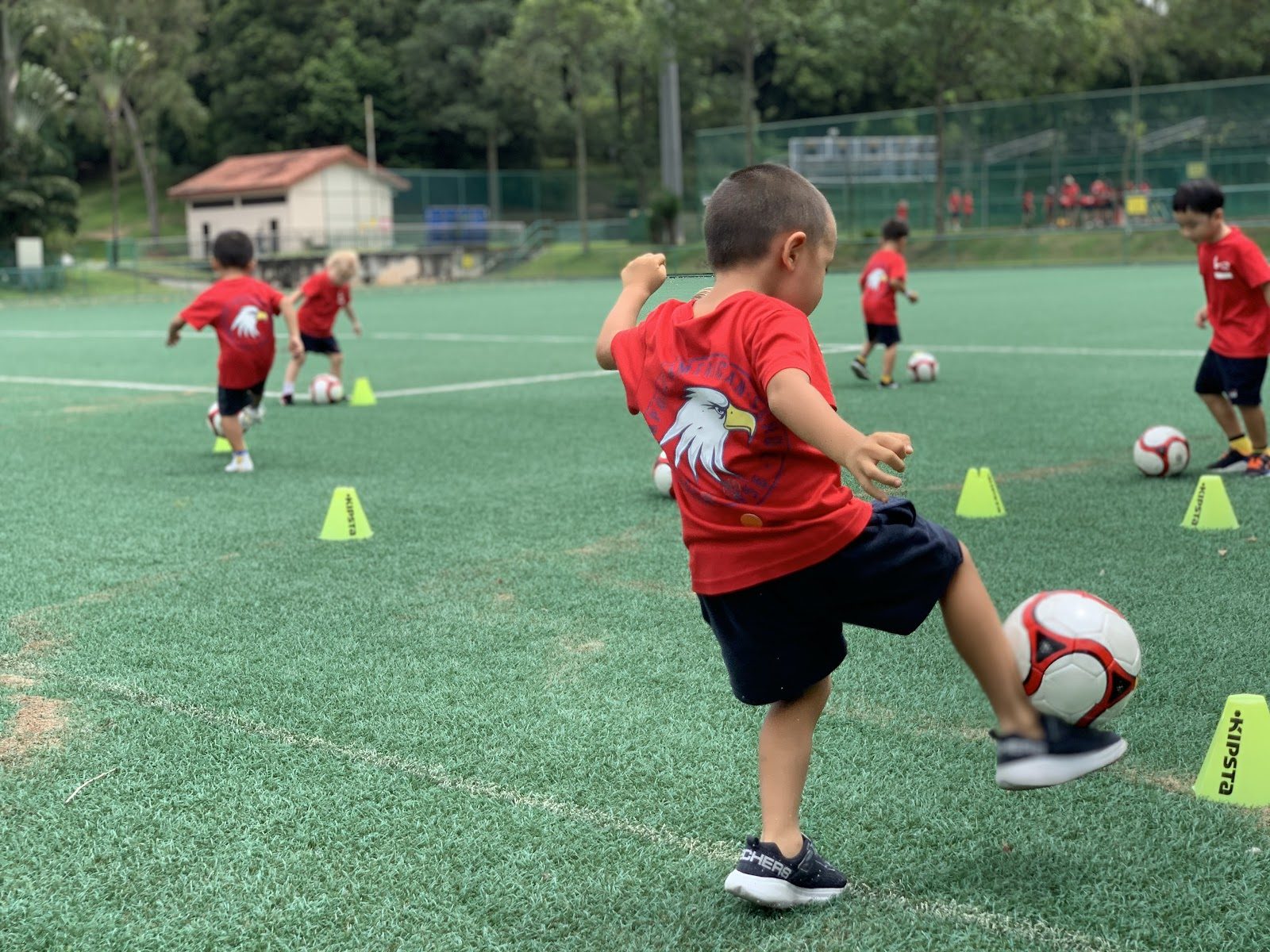
Singapore American School
Singapore · Singapore
A 36-acre Woodlands campus with a rainforest classroom and AP breadth, run on an American blueprint with IB rigor at the edges
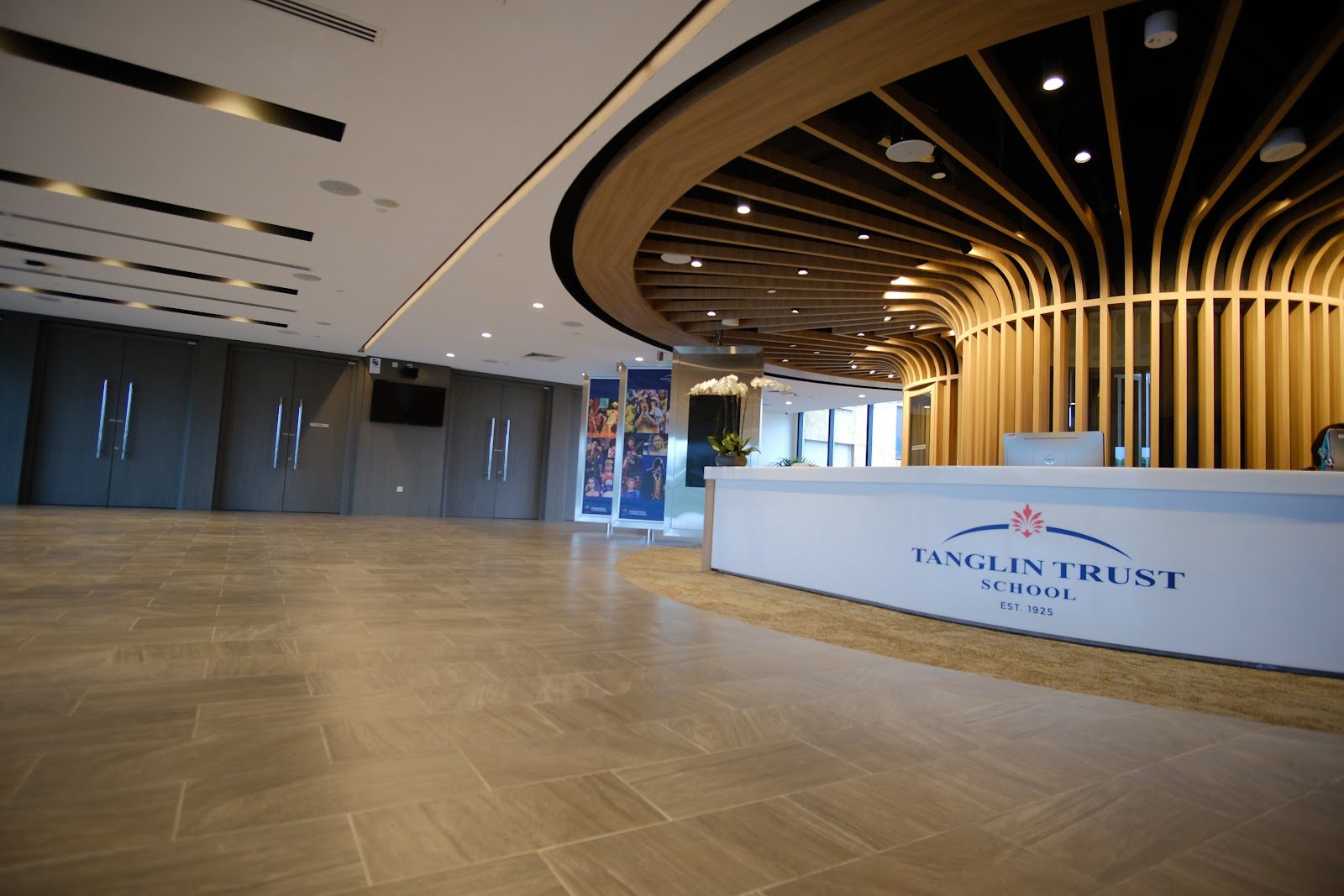
Tanglin Trust School
Singapore · Singapore
Southeast Asia's oldest British school pairs IB with A-Levels, then sends every Year 9 to the Australian bush for five weeks.
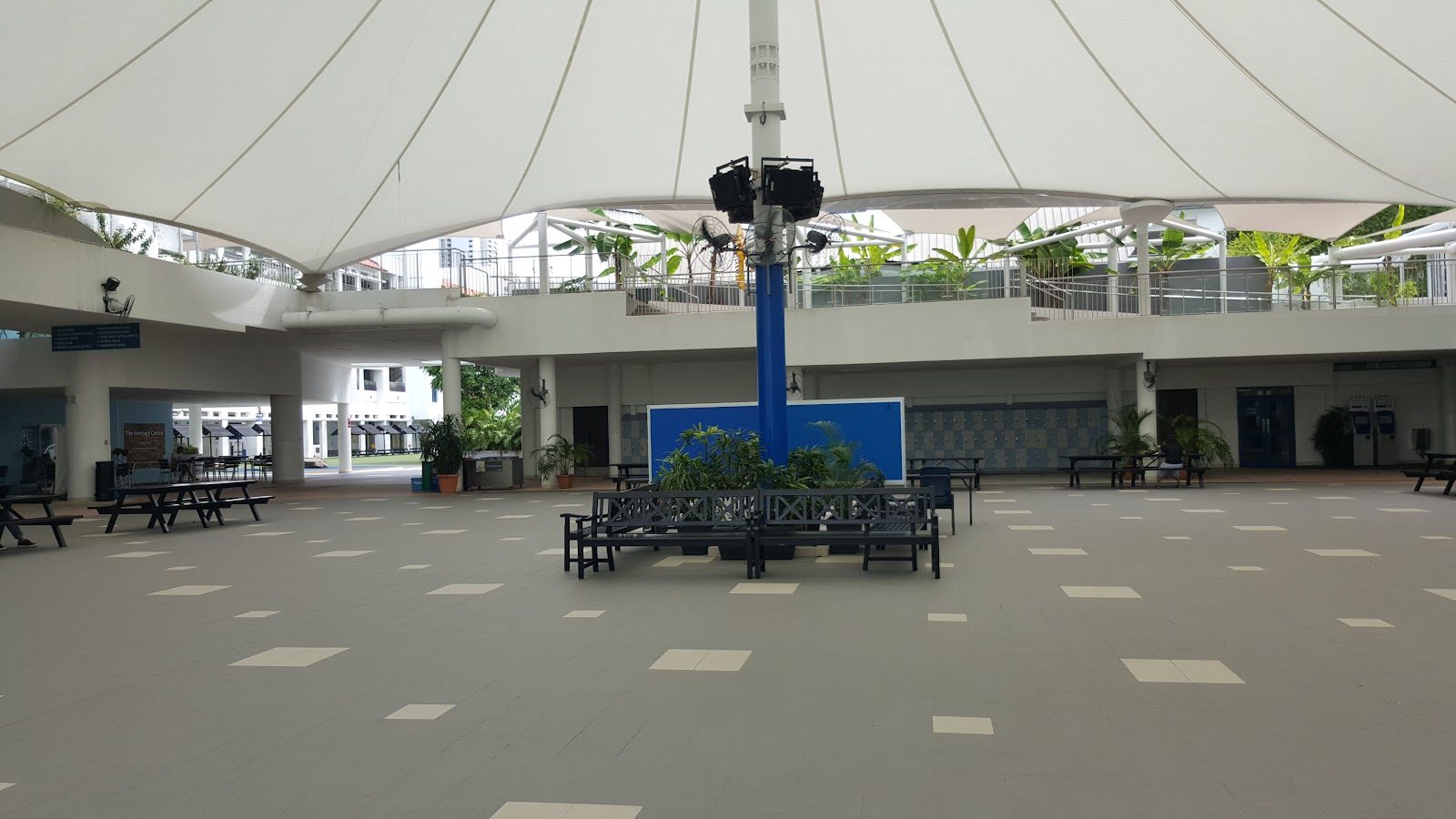
United World College of South East Asia
Singapore · Singapore
Across two Singapore campuses, service learning anchors an IB path capped by a rare Systems Transformation course for change leadership.
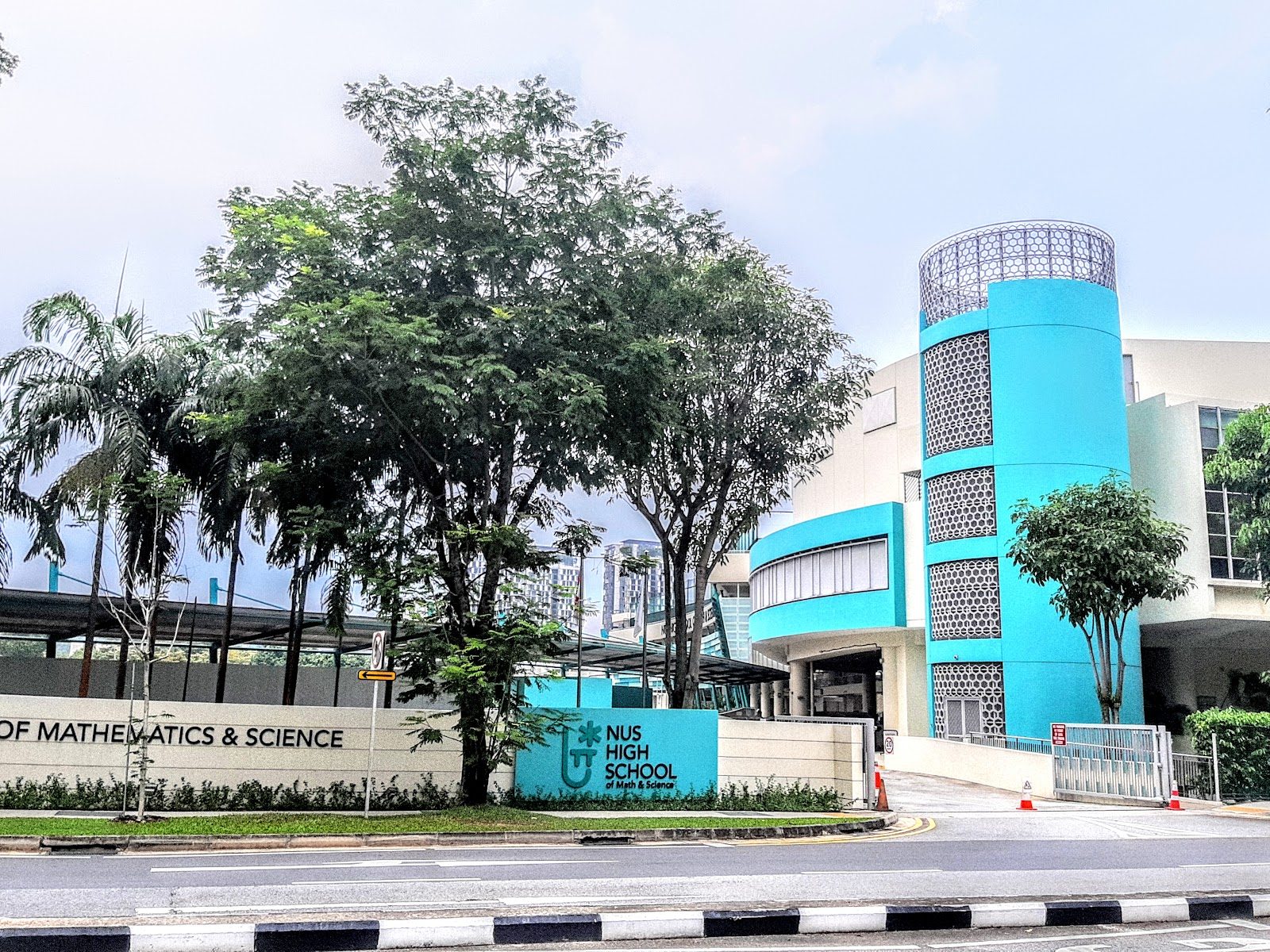
NUS High School of Math and Science
Singapore · Singapore
Six years, no O-levels, no A-levels -- just a bespoke diploma built around university-level math and science modules.
Same country and curriculum — closest matches within ±10 points either way