
Lo Barnechea
On 130 acres in the Andean foothills outside Santiago, Harkness-style seminars feed parallel US, Chilean, and IB diploma tracks.
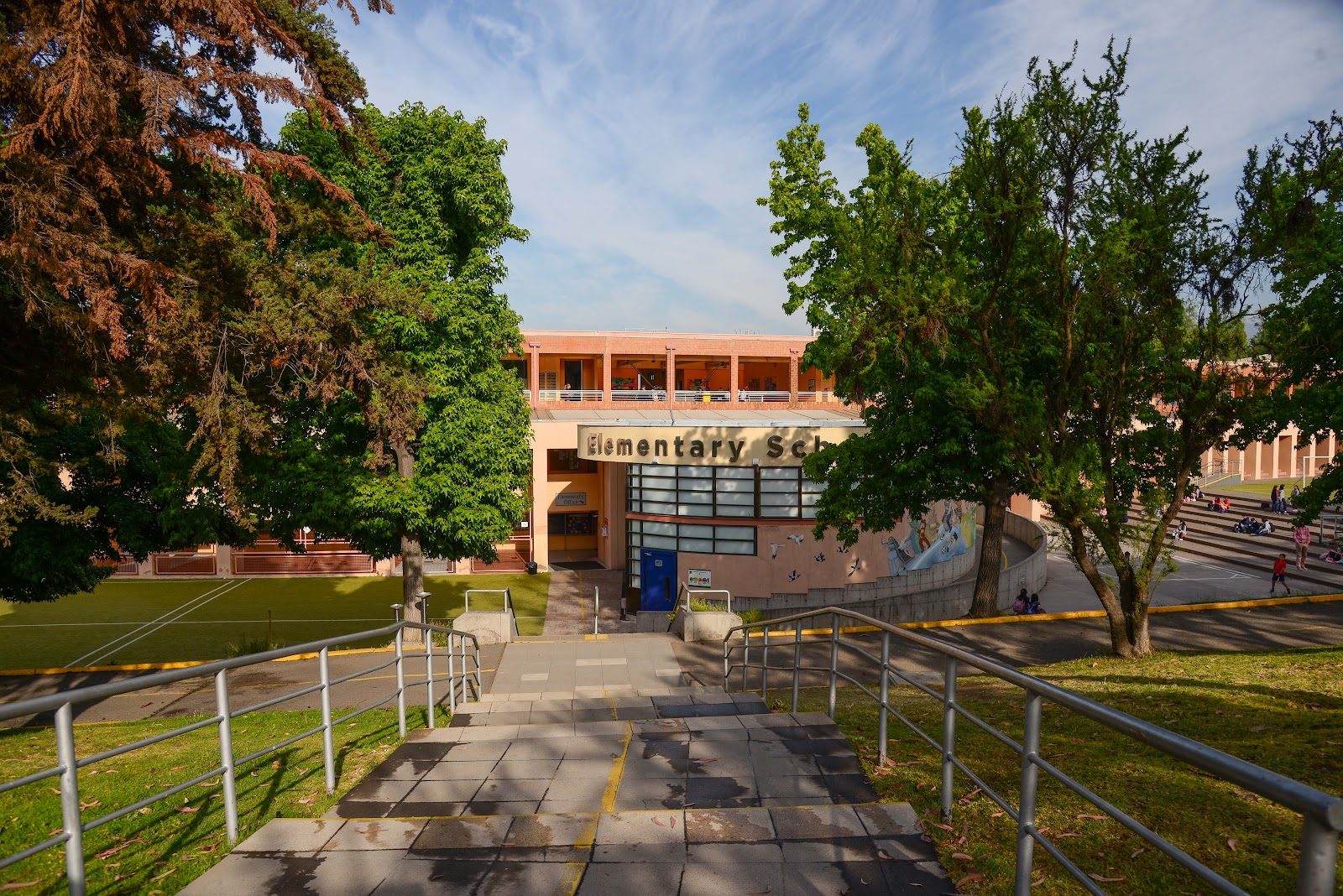
Photo © The International School Nido de Aguilas via Google Maps
Type
Day
Ages
3–18
Curriculum
American
Qualifications
AP · US High School Diploma
Ratio
—
The Verdict
Editor's commitment
Right for
Families wanting scale with substance: 1,500 students, a 7:1 ratio, 45 nationalities, and parallel US, Chilean and IB diploma routes.
Wrong for
Parents after boarding, intimate classes, or a single academic lane; this is a day school on 130 acres with three diploma tracks.
Watch out for
Class of 2024 sent 109 leavers to scattered destinations such as Columbia, Babson and UCLA; the school publishes no broader outcomes data.
Ranking breakdown
Nido de Águilas · #300 of 1591
Composite score 72.2. 8 weighted criteria.
By criterion
Academic Outcomes
Weight 20%
#386
of 1529 scored
University Placement
Weight 16%
#398
of 1529 scored
Prestige & Heritage
Weight 12%
#377
of 1571 scored
Alumni Network
Weight 12%
#234
of 1530 scored
Facilities
Weight 12%
#340
of 1534 scored
Transparency & Communications
Weight 8%
#515
of 1532 scored
Peer & Industry Review
Weight 10%
#533
of 1548 scored
Admissions Selectivity & Demand
Weight 8%
#308
of 1529 scored
Score history
Nido de Águilas · 2026
Movement across 2024–2026. Peer average overlaid.
Overall — 2024–2026
72.2/ 100
▲ +15.4 vs 2025
year on year
Peer & Industry Review
How Nido de Águilas is regarded in the sector
65
Respected · low confidence
Nido de Águilas is consistently cited in expat parent forums (e.g., Internations Santiago threads, ExpatChild school guides) as the leading American international school in Santiago, and it holds accreditation through Cognia/AdvancED and membership in the Association of American Schools in South America (AASSA), both markers of peer recognition. However, it receives little to no coverage in specialist British-oriented press (Tatler, Good Schools Guide) or global 'best schools' rankings, limiting broader third-party validation beyond the international-school/expat community.
Evidence sources
Editors' overview
Nido de Águilas occupies a rare position in the Santiago market: a large, established international day school with real scale, real land, and a curriculum structure that does more than funnel everyone down a single academic route. Founded in 1934, it sits on 130 acres in the Andean foothills and enrols about 1,500 students across early years to high school. The school’s distinguishing feature is the combination of an American curriculum with parallel diploma options in US, Chilean and IB pathways, underpinned by Harkness-style seminars. That matters. It gives academically ambitious students room to work in discussion-led classrooms while keeping university options open across Chile, the US and beyond. In a city where many international schools sell global aspirations, Nido has the scale and structure to deliver them with serious academic range.
This is not an intimate boutique school. It is a substantial institution with 45 nationalities, a published 7:1 student-teacher ratio, and the depth that comes with a broad faculty and a long-established reputation. For parents, the attraction is clear: breadth of peers, breadth of courses, and a campus that feels expansive rather than compressed. The size cuts both ways. Students who need constant hand-holding or a tightly managed small-school atmosphere will find stronger pastoral containment elsewhere. Students who thrive in a busy, high-functioning environment, and who want sport, activities and multiple academic lanes in one place, will find room to grow here. Accreditation from MSA and CIS adds external assurance, but the stronger selling point is operational maturity: Nido has been doing this for decades.
Why shortlist it? Because few schools in Chile combine international ambition, substantial physical space, discussion-based teaching, and three serious end-of-school trajectories in one package. It suits confident, outward-facing students who are comfortable in English, happy in a diverse peer group, and ready to take responsibility for their own education. The best fit is the student who wants a campus with energy, options and expectation — not insulation. For that child, Nido offers a sense of scale, intellectual stretch and a route into selective universities that justifies its standing at the top end of Santiago’s international market.
Academic Performance
Nido’s public case on academic performance is thinner than a school of this stature should allow. We have not seen aggregate IB results, average diploma scores, AP score distributions, SAT or ACT ranges, or Chilean exam outcomes in the public domain. That matters. Schools competing at the top end of the international market need to publish hard attainment data, not just destination headlines. The one concrete university datapoint disclosed for the latest leavers is a cohort of 109 with named offers including Columbia, UCLA and Babson. Those are credible placements, but they do not amount to a full performance picture. Without published exam data, parents cannot judge whether top destinations reflect a broad academic standard or a thin top slice.
Relative to peers, Nido still sits in the serious academic bracket by virtue of its scale, long track record and the range of end-of-school pathways already built into the model. A school that sustains multiple diploma routes and sends pupils to selective universities is operating above the local average. But the absence of transparent results keeps it short of the fully evidenced top tier occupied by schools that publish IB means, score bands and destination depth year after year. The conclusion is plain: this is a school with clear academic ambition and visible university traction, but with results reporting that remains too opaque for easy comparison against the best-documented competitors.
Facilities
The defining facility here is the campus itself. In a market where many schools operate on constrained suburban footprints, Nido has room on a different scale. The setting in the Andean foothills gives it the physical capacity to run a full-spectrum day school without the pinched feel that limits movement, sport and outdoor life elsewhere. For families, that translates into a more complete student experience: space for younger children to stay separate from older ones, space for athletics to function properly, and space for the school day to breathe. That is a real competitive advantage. Against peer schools in Santiago, the land alone puts Nido in the upper bracket for physical provision.
The public case is weaker on detail than it should be. The school publishes the broad headline — 130 acres on a park-like site — but gives little hard public information on specialist facilities in the arts, sciences, design, sport or sixth form study. We have not seen the kind of detailed facilities inventory that top schools now provide. That leaves parents with a clear impression of expansive grounds and institutional capacity, but a less clear view of the quality of labs, performance spaces, indoor sports provision or student commons. So the verdict is mixed: the campus footprint is exceptional by local standards, but the school’s public explanation of what sits on that footprint is too thin for a school at this level.
Schools competing at the top end of the international market need to publish hard attainment data, not just destination headlines
Prestige
Nido carries genuine prestige in the Chilean market, but it is the prestige of an established, high-functioning international school rather than the prestige of a secretive old-world enclave. Its standing rests on scale, continuity and reach: a large student body, a diverse community drawn from 45 nationalities, and a campus footprint that gives the school a presence few urban competitors can match. That matters because prestige in this segment is not built by branding alone. It is built by the capacity to offer breadth without feeling makeshift. Nido has that capacity. The institution feels serious, well-established and socially prominent.
The rating stops short of the very top rank because the school does not publish the hard outcome data that top-tier prestige now demands. Status built on reputation alone is no longer enough for exacting parents. The university destinations disclosed for recent leavers confirm access to selective institutions, and the staffing profile — including 52% of faculty holding advanced degrees — supports the claim to academic substance. Even so, the public picture remains incomplete. The result is a school with strong market esteem and clear cachet among internationally minded families, but not one that backs every part of that standing with the level of transparent performance evidence that the best schools now provide.
Without published exam data, parents cannot judge whether top destinations reflect a broad academic standard or a thin top slice
Communications
Nido’s parent communications carry the hallmarks of a large, mature operation: segmented navigation for parents, faculty and staff; quick links that treat routine access as a priority; and a clean public front end that gives families the core structural facts without fuss. The site does the practical basics well. Parents can find divisional structure, contact routes and everyday entry points fast, which matters more than glossy messaging. The emphasis on clear pathways over brand theatre is reassuring. For a school with an approximate roll of 1,500, anything less would be a problem. The public site also gives a concise statistical snapshot — student body, staffing ratio, faculty qualifications, national mix — which signals an institution comfortable with operational facts rather than empty mood music.
Where Nido falls short is depth. The website is efficient, but not richly informative. We have not seen a strong public explanation of how the school communicates academic expectations, reports progress, or handles the parent-school relationship beyond the basic access architecture. There is social media, but that is not the same thing as disciplined parent communication. Exacting families want more than navigation and headlines; they want a clear sense of reporting cadence, leadership voice, and how issues move from classroom to home. On that front, the public picture remains functional rather than searching. The verdict: competent, orderly and professionally run, but not conspicuously transparent in the way the best schools now are.
Uniqueness
What marks Nido out is not one headline feature but an unusual combination: genuine scale, a discussion-led classroom culture, and multiple end-of-school routes inside one institution. Many schools can offer one of those things. Few can hold all three together without sliding into incoherence. Here, the structure gives students real choice without forcing an early academic narrowing. A child can grow up in one school and still have meaningful options at the point when qualifications start to matter. That matters in internationally mobile families, in mixed-nationality households, and in homes where university plans are still evolving. The result is a school that feels more elastic than rigid, more adult than paternal, and built for range rather than conformity.
The other distinctive asset is social and physical breadth. A community spanning 45 nationalities changes the daily experience of school; it broadens reference points, accents, friendships and assumptions. Pair that with a low staffing ratio and a campus large enough to prevent the claustrophobia that afflicts many city schools, and students get a form of independence that is hard to manufacture in tighter settings. They learn to navigate a busy, self-directed environment with serious resources behind it. That will not suit children who need constant shepherding. It suits pupils who want latitude, intellectual back-and-forth and a school day with real momentum.
We have not seen the kind of detailed facilities inventory that top schools now provide
Student Profile
Nido suits students who are comfortable in a large, fast-moving school and do not need a great deal of adult choreography to stay on track. The social world is wide, not close-knit by default. With around 45 nationalities in the mix, pupils meet different accents, expectations and home cultures as part of ordinary school life, and the children who do best here tend to enjoy that breadth rather than retreat from it. This is a strong match for internationally minded families, returnees, third-culture children and academically ambitious locals who want peers with range. It also suits students who like to speak up: the school’s seminar-based teaching rewards verbal confidence, preparation and the willingness to test ideas in front of others. Quiet, thoughtful pupils can still flourish, but they need enough self-possession to enter the discussion.
The best fit is the child who wants serious options and can manage freedom without wasting it. A published staffing ratio of 7:1 points to access to adults, but this is not the same thing as an enveloping pastoral culture. Students who need persistent prompting, tight emotional containment or a highly sheltered atmosphere will find stronger support elsewhere. Those who thrive here are self-propelled, socially adaptable and happy in a school with visible momentum. They do not need their world kept small. They want scale, challenge and a peer group that keeps pace.
The rating stops short of the very top rank because the school does not publish the hard outcome data that top-tier prestige now demands
Co-curricular strengths
Arts & sport, on a separate axis
Overall 8.9/10
Scored 0-10 from the school's own published evidence. This axis is editorial-only — it does not feed the main WTS ranking.
Sports
8.8/10
Soccer, basketball and volleyball, showing a clear multi-sport extracurricular offering.
Drama
9/10
Theater productions, and theatre provision, which indicates more than a bare listing and clears the dedicated-programme threshold for a notable score.
Dance
8.7/10
Music
9/10
Choir and jazz band, and music provision, evidencing a structured music programme beyond a bare mention.
Visual Arts
9/10
The facilities review refers to art and design spaces, which supports a solid visual arts offering, but there are no named studios, departments, exhibitions or specialist staff cited.
Editor first-pass · editor-reviewable · 7/27/2026
Outcomes & destinations
Where students go next
Class of 2024
109 graduates
Top destinations
3 placements
- Columbia University· 1
- Babson College· 1
- University of California, Los Angeles· 1
Reported by the school. Confirm with admissions.
WTS 300 badge
2025/26 editionNido de Águilas is one of the World's Top 300 Schools for 2025/26. Claim your listing to add it to your site →
Strengths
- +Founded in 1934 and accredited by both NEASC and the Chilean Ministry of Education, giving it one of the longest continuous track records among Santiago's international schools.
- +Designated the official US State Department-sponsored school in Chile, a credential that signals recognised standing with the American expatriate community.
- +An IB World School since 1982 offering the full Diploma Programme alongside a US-style diploma, with the option to earn the Chilean National Plan diploma concurrently.
- +Serves a genuinely mixed community of roughly 1,500 students drawn from 40-50 nationalities, with a substantial share of local Chilean families alongside expatriates.
- +Sits on a spacious, park-like 130-acre campus with facilities including a 735-seat theatre, an indoor aquatics centre, MakerLabs and dedicated science laboratories.
Considerations
- −Tuition is among the highest in Santiago, with published 2024-2025 rates of roughly $20,900 per year for K2-Grade 12 plus a one-time incorporation fee of about $14,700, on top of separate registration charges.
- −The school runs a Northern Hemisphere academic calendar (late July to mid-June), an unusual arrangement in Chile that can complicate transfers to or from local Southern Hemisphere schools.
- −Non-native English speakers must sit a WIDA language assessment on entry, and students placed in English-language support are not eligible for the full IB Diploma track.
- −The campus lies in Lo Barnechea in the Andean foothills, roughly 20 minutes from downtown Santiago, meaning families based elsewhere in the city face a longer daily commute.
Availability
Primary entry gate & tests
Academic Record (Expat Priority)
Gallery
Photo © The International School Nido de Aguilas via Google Maps
Photo © The International School Nido de Aguilas via Google Maps
Photo © Gema Rosales via Google Maps
Photo © Gema Rosales via Google Maps
Photo © The International School Nido de Aguilas via Google Maps
Parent reviews
Have you sent your child here?
Voice reviews carry the strongest trust badge — we transcribe them for you to tidy up before they go live. Prefer to type? A written review is fine too.
Add your voice
In 60 seconds, tell other parents: what's the best thing about Nido de Águilas, and what surprised you when your child joined?
We ask for a Google sign-in so every review has a real face behind it — no anonymous drive-by attacks on schools, and no faked positive reviews. Your email is never shown publicly.
Send this profile to a friend
International parents rely on word-of-mouth. Share this review with someone weighing the same decision.
Schools with places
Similar schools to Nido de Águilas with places available now.
The Grange School
Santiago · Chile
- 2026-27
- CLOSEDStandard route closed
- 2027-28
- WAITPOOLEnquiries underway
Santiago College
Santiago · Chile
- 2026-27
- WAITPOOLSpace-dependent
- 2027-28
- PLACES OPENRolling
Availability first, then country, area, curriculum, price, co-curricular
Consider also
Also worth looking at alongside Nido de Águilas.
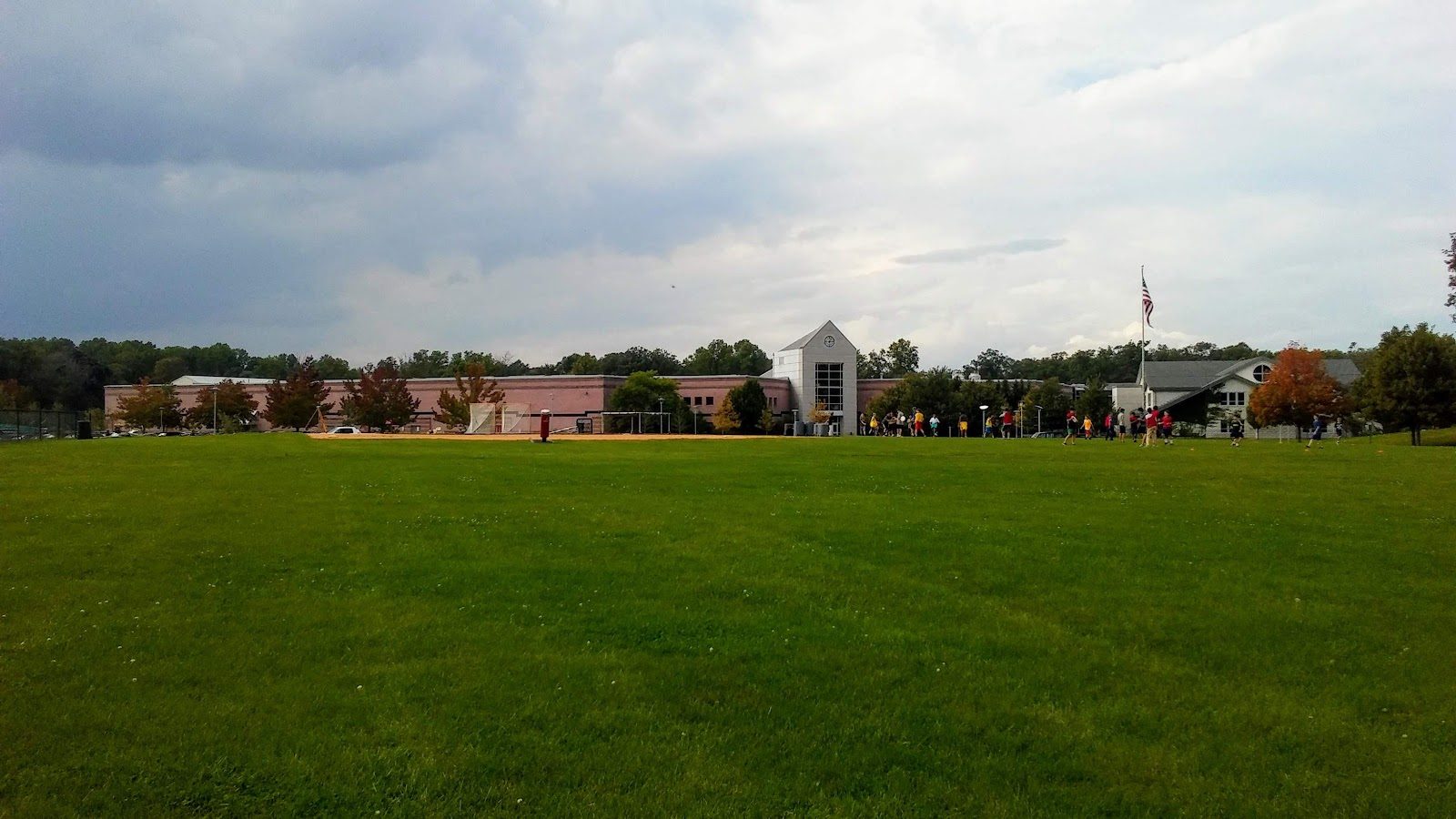
The Pingry School
Basking Ridge · United States
A 1861-founded New Jersey day school whose soccer pitches were deemed fit to host Morocco's 2026 World Cup training camp.
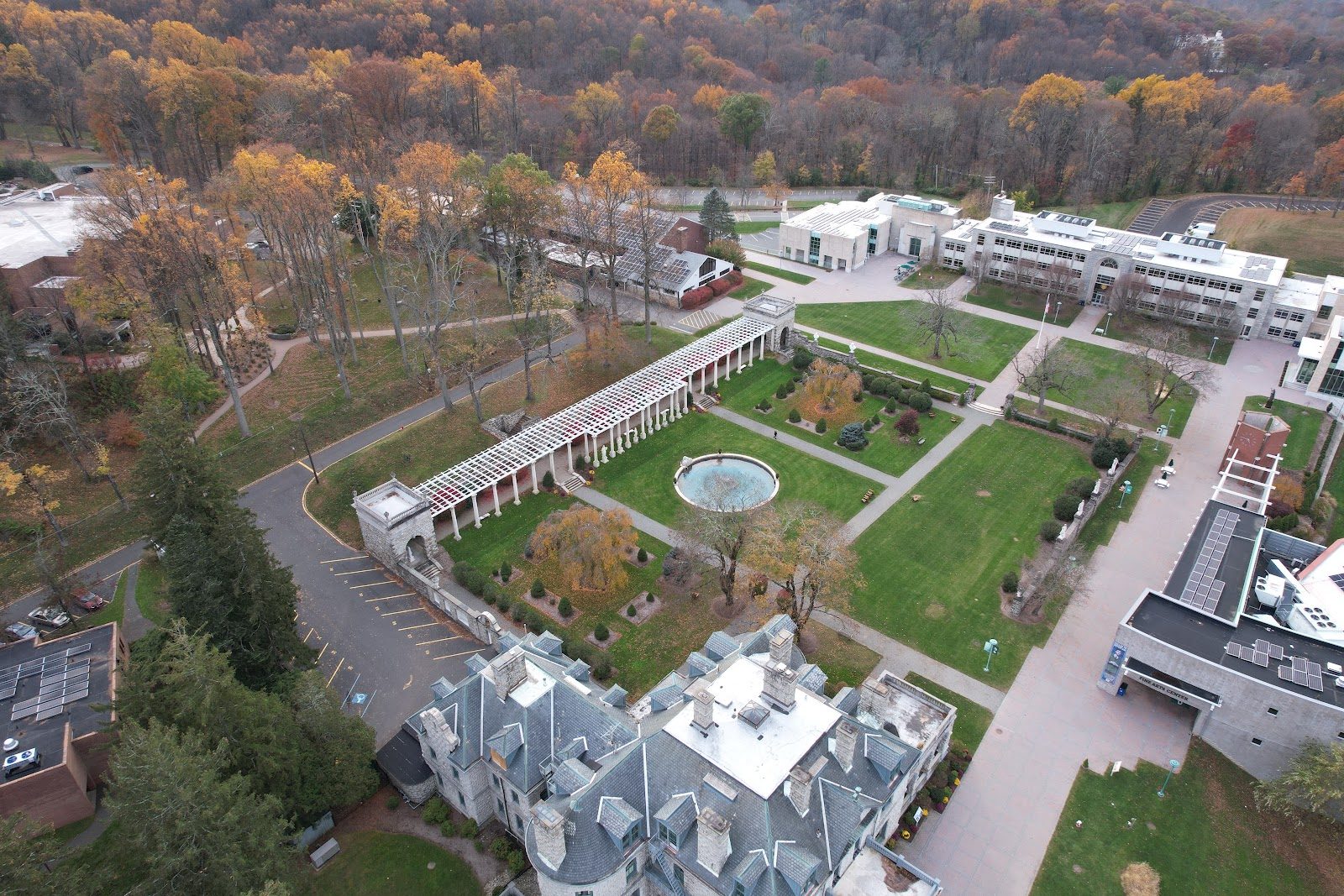
Delbarton School
Morristown · United States
On a 187-acre abbey campus outside Morristown, Benedictine monks still guide a rigorous, near-1,500-year-old liberal arts tradition.

Newark Academy
Livingston · United States
Founded in 1774, this Livingston day school remains New Jersey's only private IB Diploma provider
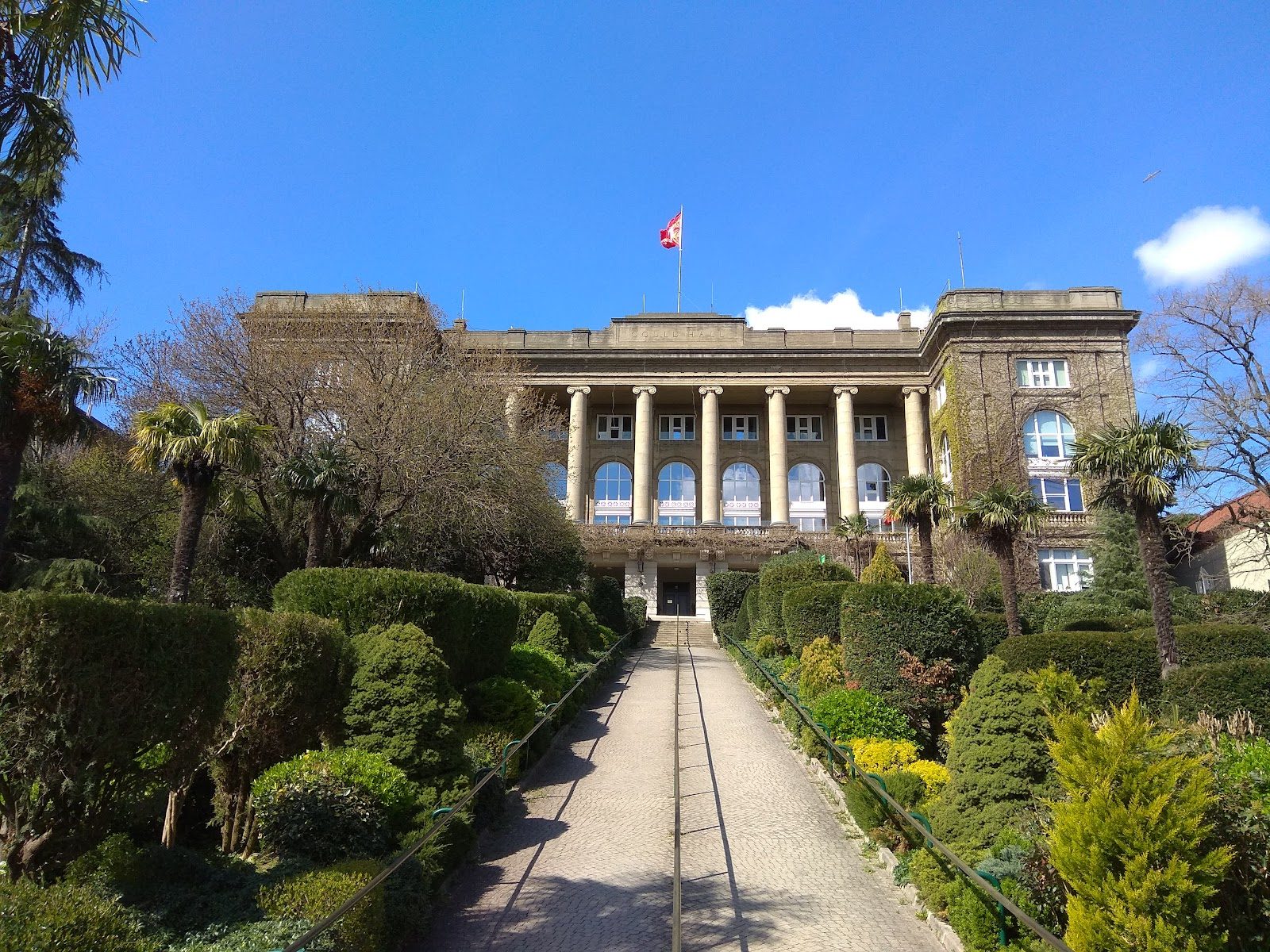
Robert College
Istanbul · Turkey
Founded in 1863 above the Bosphorus, this bilingual campus remains the oldest American school still running outside the U.S.
Same country and curriculum — closest matches within ±10 points either way