
Arizona
BASIS Tucson North
medium confidence· 4/6 cats · 3.08 avg sourcesTuition-free Tucson charter campus, opened 1998, that just claimed the nation's #1 public high school ranking on AP rigor alone.
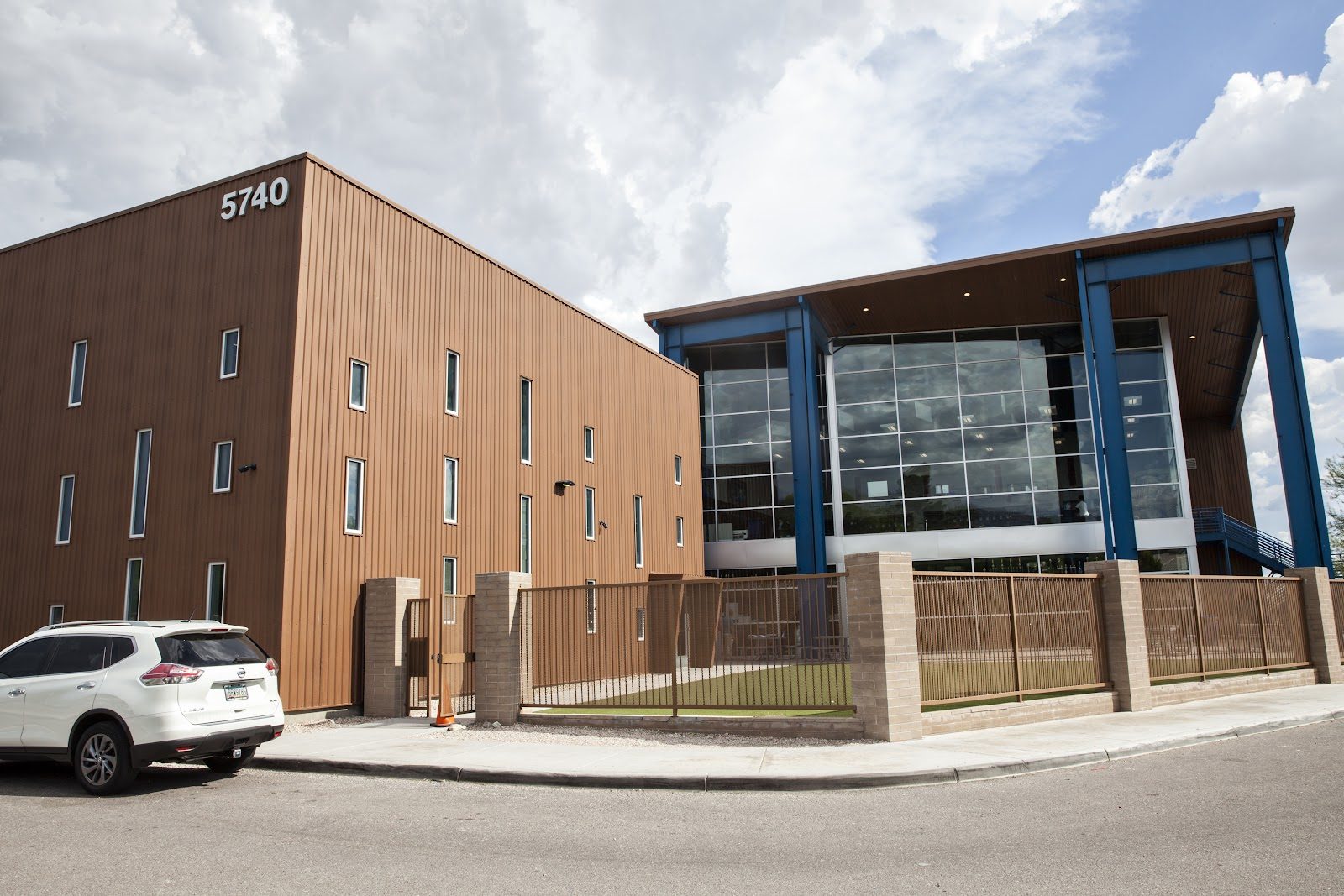
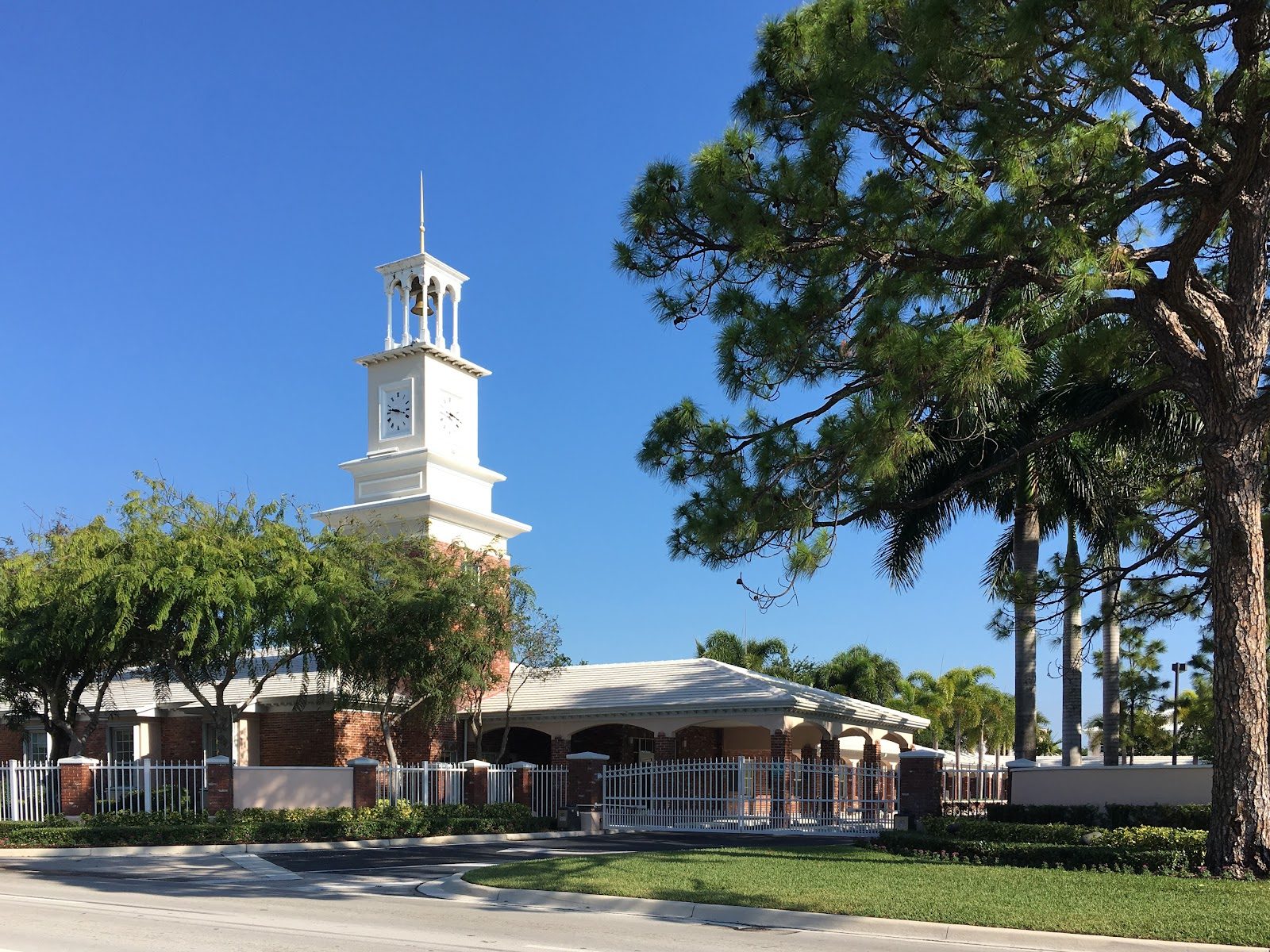
Photo © BASIS Tucson North via Google Maps
Type
Day
Ages
10–18
Curriculum
American · AP
Ratio
—
The Verdict
Editor's commitment
Right for
Families in Tucson wanting a tuition-free day school for ages 10–18, with an American curriculum driven hard through AP.
Wrong for
Parents after boarding, bilingual teaching or a softer pace: this secular English-medium charter campus in Tucson offers none of that.
Watch out for
Opened in 1998 and accredited by Cognia, BASIS Tucson North sells rigour; the '#1 public high school' line rests on AP intensity, not breadth.
Ranking breakdown
BASIS Tucson North · #550 of 1591
Composite score 68.3. 8 weighted criteria.
By criterion
Academic Outcomes
Weight 20%
#385
of 1529 scored
University Placement
Weight 16%
#516
of 1529 scored
Prestige & Heritage
Weight 12%
#900
of 1571 scored
Alumni Network
Weight 12%
#566
of 1530 scored
Facilities
Weight 12%
#1081
of 1534 scored
Transparency & Communications
Weight 8%
#455
of 1532 scored
Peer & Industry Review
Weight 10%
#791
of 1548 scored
Admissions Selectivity & Demand
Weight 8%
#266
of 1529 scored
Score history
BASIS Tucson North · 2026
Movement across 2024–2026. Peer average overlaid.
Overall — 2024–2026
68.3/ 100
▲ +22.1 vs 2025
year on year
Peer & Industry Review
How BASIS Tucson North is regarded in the sector
68
Respected · medium confidence
BASIS Tucson North, part of the BASIS Charter Schools network, has consistently appeared in U.S. News & World Report's 'Best High Schools' national rankings, which cite its strong AP participation and pass rates as key differentiators. It is also referenced in Niche.com rankings of Arizona high schools and in regional Tucson media coverage discussing charter school performance, though it lacks broader international press coverage (e.g., Tatler, Good Schools Guide) typical of globally recognized institutions.
Evidence sources
Editors' overview
BASIS Tucson North occupies a rare niche: a tuition-free American charter school that runs an unapologetically accelerated AP programme from ages 10 to 18. Opened in 1998, it sits inside the public system while operating with the pace, workload and academic selection pressure many families associate with specialist independent schools. That is the point of difference. Parents looking for a gentle comprehensive experience should look elsewhere; parents hunting for serious academic stretch, hard-edged ambition and a school culture built around external exams should pay attention. The school’s claim to a national #1 public high school ranking on AP rigour alone captures the model neatly: this is a place where course intensity is not a side feature but the organising principle.
What makes BASIS Tucson North shortlist-worthy is not warmth, tradition or a broad church ethos. It is clarity. The offer is plain: English-medium, secular, Cognia-accredited, and intensely focused on high academic attainment within an American curriculum shaped heavily by AP. For the right child, that is a powerful bargain. Families get a demanding college-preparatory education without private-school fees, in a sector where strong academics at 0 tuition carry obvious force. The attraction for ambitious families in Tucson is direct: if a student wants a faster track, heavier intellectual load and peers who do not need persuading to work, this school answers that brief with unusual bluntness.
The trade-off is equally plain. BASIS schools are not built for students who need constant pastoral cushioning, wide latitude on deadlines, or a slower academic ramp. The students who thrive here are disciplined, exam-tolerant and internally motivated; they can absorb pressure, manage homework, and cope with being surrounded by other high performers. A child who enjoys competition, likes mastery for its own sake and finds satisfaction in difficult academic routines will find real momentum here. A child who wants a more rounded, less pressurised adolescence may find the model too exacting. That is why BASIS Tucson North belongs on a shortlist for a specific family, not every family: it suits the student who wants rigour first and does not need the school to disguise it.
Academic Performance
BASIS Tucson North sits in the thin slice of American public schooling where external examination results drive the academic reputation. The headline data are strong. The school reports an average AP score of 4.6 across 2,027 exams, against a global mean of 2.96. That gap is exceptional, not cosmetic. It signals not just high participation but high mastery across a large testing volume. The same pattern holds in college admissions currency: a composite SAT average of 1450 places the cohort in elite national territory for a public school. This is a results-first model, and the numbers justify the stance.
Relative to peers, the school competes less with standard district high schools than with selective magnets and exam-driven charters. Its own claim to a national top public-school position on AP performance fits the published score profile, even if parents should treat league-table marketing with caution. What matters more is the underlying academic shape: heavy exam entry, scores well above international AP norms, and a student body that converts rigour into measurable outcomes. The limitation is transparency beyond the headline figures. We have not seen aggregate ACT results, subject-by-subject AP breakdowns, or university matriculation detail at the level that the strongest independent schools now publish. Even so, the available record is hard to dismiss: this is a high-pressure, high-output school with external results that place it among the country’s sharpest academic operators in the public sector.
Facilities
Facilities are functional and secondary to the academic machine. This is not the sort of campus that trades on theatres, aquatic centres or landscaped grandeur. Parents choosing BASIS Tucson North are buying access to intensive teaching, not a showpiece estate. Against affluent independent schools, the physical offer is plain and narrower. Against many charter and district peers, it is perfectly serviceable: standard classrooms, science labs that need to support heavy upper-school course loads, and the core spaces required for a full day school. What matters is whether those rooms sustain serious academic throughput. On that count, the campus clears the bar.
The benchmark is important. Families comparing this school with selective public magnets will recognise the pattern: lean infrastructure, strong classroom use, limited luxury. Families comparing it with premium fee-charging schools need to reset expectations. There is no published case here for extraordinary specialist provision in sport, performing arts or maker-style innovation spaces, and the school does not market its campus through hard facility metrics such as theatre capacity, studio count or acres. That silence matters. The school’s competitive edge sits in academic delivery, not in bricks and mortar. For the right student, that is a rational trade. For a child who needs expansive grounds, high-end arts provision or a visibly rich co-curricular estate, this campus will feel austere.
BASIS Tucson North occupies a rare niche: a tuition-free American charter school that runs an unapologetically accelerated AP programme from ages 10 to 18
Prestige
BASIS Tucson North has real prestige, but it is a specialist prestige, not the broad social cachet of an old independent school or the admissions aura of a famous East Coast boarding name. Its status rests on one thing: *academic severity converted into public proof*. In the American market, a tuition-free school that posts an average AP score of 4.6 across 2,027 exams earns attention from universities, rival schools and ambitious families alike. That record gives the school credibility beyond local charter-school chatter. It marks the campus as a place for students who can handle pace, volume and intellectual competition. Prestige here does not come from architecture, scarcity pricing or inherited tradition. It comes from exam muscle.
That distinction matters. BASIS Tucson North carries strong esteem among parents who prize measurable academic attainment; it carries less weight with families who equate prestige with old-boy networks, glossy facilities or polished all-round finishing. The brand has a national profile in high-performance public education, and this campus benefits from that reputation, but the esteem is earned rather than ornamental. It is also *narrower than elite private-school prestige*: admired for output, respected for discipline, and chosen for edge. In blunt terms, this is a school that impresses people who know what AP results mean. For that audience, the prestige is serious and deserved.
What makes BASIS Tucson North shortlist-worthy is not warmth, tradition or a broad church ethos
Communications
BASIS Tucson North communicates in the clipped, operational style of a school that expects parents to keep up. The website does the essential job: key contacts, calendars, enrolment steps, uniforms, meal information, transport links and routine announcements are easy to locate. The school also points families to BASIS Charter Schools’ central systems, which matters in a networked charter model where policies, applications and student records do not all sit in one place. That structure has strengths and weaknesses. It gives parents a clear administrative spine, but it also makes communication feel system-led rather than intimate. Families who want hand-holding, narrative-rich updates or a high-touch relationship with the school will find the tone brisk.
Effectiveness depends on what a parent needs. For logistics, the school is competent and direct: dates, procedures and practical documents are surfaced without much fluff. For culture, student life and the subtleties of day-to-day experience, the picture is thinner. The public-facing communication does not work hard to explain how pressure is managed, how teachers communicate academic concerns, or how pastoral issues move through the system. That gap matters in a school with this level of academic demand. Parents do not need glossy storytelling, but they do need confidence that concerns will be handled quickly and clearly. At present, the communication model reads as strong on administration and lighter on pastoral transparency and relational warmth.
Uniqueness
What sets BASIS Tucson North apart is the combination of public access and private-school intensity. In most markets, schools that drive students this hard either charge substantial fees or limit entry through formal selectivity. Here, the pressure sits inside a charter model open to families who want acceleration without paying for it. That creates a rare proposition: a school where advanced coursework is not reserved for a small honours track but baked into the institutional design. The result for students is a peer group that normalises hard study, fast progression and exam stamina. For the right child, that produces serious academic momentum. It also strips away excuses. A student who wants to coast will struggle; a student who wants stretch gets it daily.
The other point of difference is cultural. Many schools talk about challenge while buffering it with constant reassurance and broad-spectrum provision. BASIS Tucson North does not disguise the deal. The school’s academic identity is hard-edged, unembarrassed and built around measurable attainment at scale, with 2,027 AP sittings and a 4.6 average score to prove that this is not niche enrichment for a tiny top set. Students gain fluency in workload management, independent study and high-stakes assessment long before university. That can be transformative for disciplined children who like precision and competition. It can also be bruising for those who need more room to drift, recover or develop at a slower pace.
BASIS Tucson North sits in the thin slice of American public schooling where external examination results drive the academic reputation
Student Profile
The students who fit here are the ones who do not need to be coaxed into effort. They are organised, competitive without falling apart, and comfortable in classrooms where the pace stays high and teachers pitch upwards. A child who likes mastering content, meeting hard deadlines and measuring progress through marks will find a natural habitat. The published score profile — 4.6 average on AP exams and 1450 on the SAT — points to a cohort with strong self-management as much as raw ability. This school suits students who can absorb correction without drama, recover from the occasional bad result, and keep moving. It is fiercely academic, not for the faint-hearted, and rewarding for children who take genuine satisfaction in difficult work.
The weaker fit is just as clear. Students who need repeated reassurance, broad latitude from teachers, or a more expansive definition of success will feel boxed in. So will children whose strengths sit far more in performance, sport, practical making or social leadership than in constant academic throughput. That does not mean every student needs to be a prodigy; it does mean they need stamina, discipline and a real tolerance for pressure. In a school that put students through 2,027 AP sittings, the centre of gravity is unmistakable. The best match is a child who wants peers who work hard as a default, accepts a high-pressure environment, and treats intellectual strain as energising rather than bruising.
Parents choosing BASIS Tucson North are buying access to intensive teaching, not a showpiece estate
Co-curricular strengths
Arts & sport, on a separate axis
Overall 4.3/10
Scored 0-10 from the school's own published evidence. This axis is editorial-only — it does not feed the main WTS ranking.
Sports
4/10
Drama
4.5/10
Dance
2.5/10
Music
5/10
Visual Arts
5.5/10
Editor first-pass · editor-reviewable · 7/27/2026
Strengths
- +Operates as a tuition-free public charter school, removing the fee barrier that applies to most day schools of comparable academic intensity.
- +Follows the BASIS Curriculum model, originally developed in Tucson, which introduces AP coursework earlier than most US public or private schools.
- +Employs subject-specialist teachers from the earliest grades rather than generalist elementary teachers, a distinctive feature of the BASIS network.
- +Part of a wider BASIS Charter Schools network whose flagship Arizona campuses have historically drawn attention in US News & World Report school rankings.
Considerations
- −Widely reported to have a demanding workload and a pattern of student attrition between middle and upper grades as families opt out of the pace.
- −Extracurricular offerings, arts and sports programs are more limited than at well-resourced independent day schools.
- −As a public charter, enrollment is open via lottery rather than selective application, which can mean long waitlists in oversubscribed years and less predictability for relocating families.
- −Facilities and campus amenities are generally modest compared with fee-charging independent schools of similar academic reputation.
Availability
Primary entry gate & tests
Arizona open enrollment; no selective entrance exam
Gallery
Photo © BASIS Tucson North via Google Maps
Photo © BASIS Tucson North via Google Maps
Photo © BASIS Tucson North via Google Maps
Photo © BASIS Tucson North via Google Maps
Photo © BASIS Tucson North via Google Maps
Photo © BASIS Tucson North via Google Maps
Photo © BASIS Tucson North via Google Maps
Photo © BASIS Tucson North via Google Maps
Photo © BASIS Tucson North via Google Maps
Parent reviews
Have you sent your child here?
Voice reviews carry the strongest trust badge — we transcribe them for you to tidy up before they go live. Prefer to type? A written review is fine too.
Add your voice
In 60 seconds, tell other parents: what's the best thing about BASIS Tucson North, and what surprised you when your child joined?
We ask for a Google sign-in so every review has a real face behind it — no anonymous drive-by attacks on schools, and no faked positive reviews. Your email is never shown publicly.
Send this profile to a friend
International parents rely on word-of-mouth. Share this review with someone weighing the same decision.
Schools with places
Similar schools to BASIS Tucson North with places available now.
Rye Country Day School
Rye · United States
- 2026-27
- CLOSEDRegular cycle
- 2027-28
- PLACES OPENActive now (Opened 1 Aug)
Ethical Culture Fieldston School
New York City · United States
- 2026-27
- WAITPOOLLimited late availability
- 2027-28
- OPENS SOONOpens post-Labor Day '26
Belmont Hill School
Belmont · United States
- 2026-27
- CLOSEDRegular cycle
- 2027-28
- PLACES OPENApplication route live
Pine Crest School
Fort Lauderdale · United States
- 2026-27
- CLOSEDRegular cycle closed
- 2027-28
- OPENS SOONOpens Sept '26
Availability first, then country, area, curriculum, price, co-curricular
Consider also
Also worth looking at alongside BASIS Tucson North.
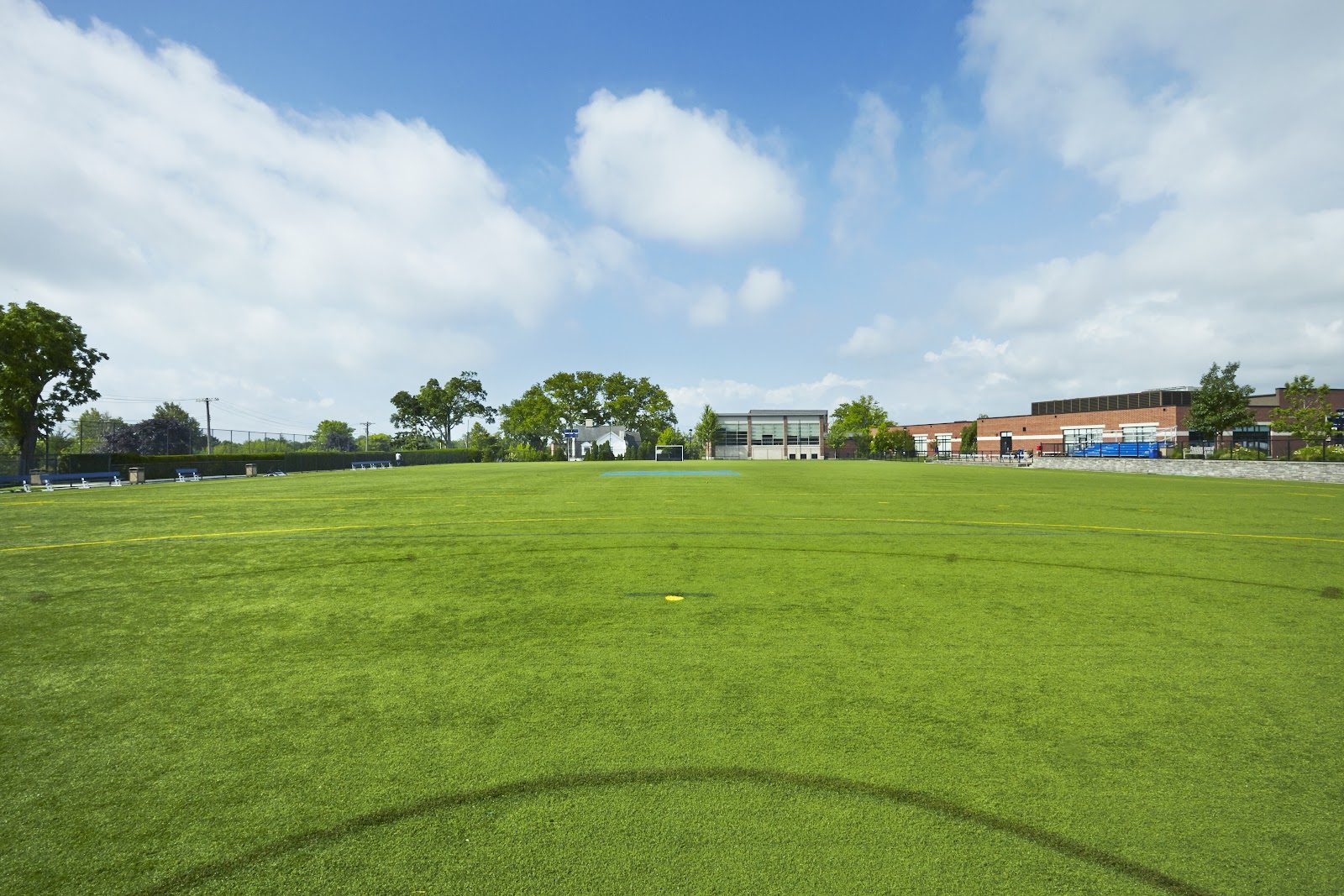
Rye Country Day School
Rye · United States
Founded in 1869 as a girls' seminary in Westchester, this campus still measures success by its motto: not for self, but for service.
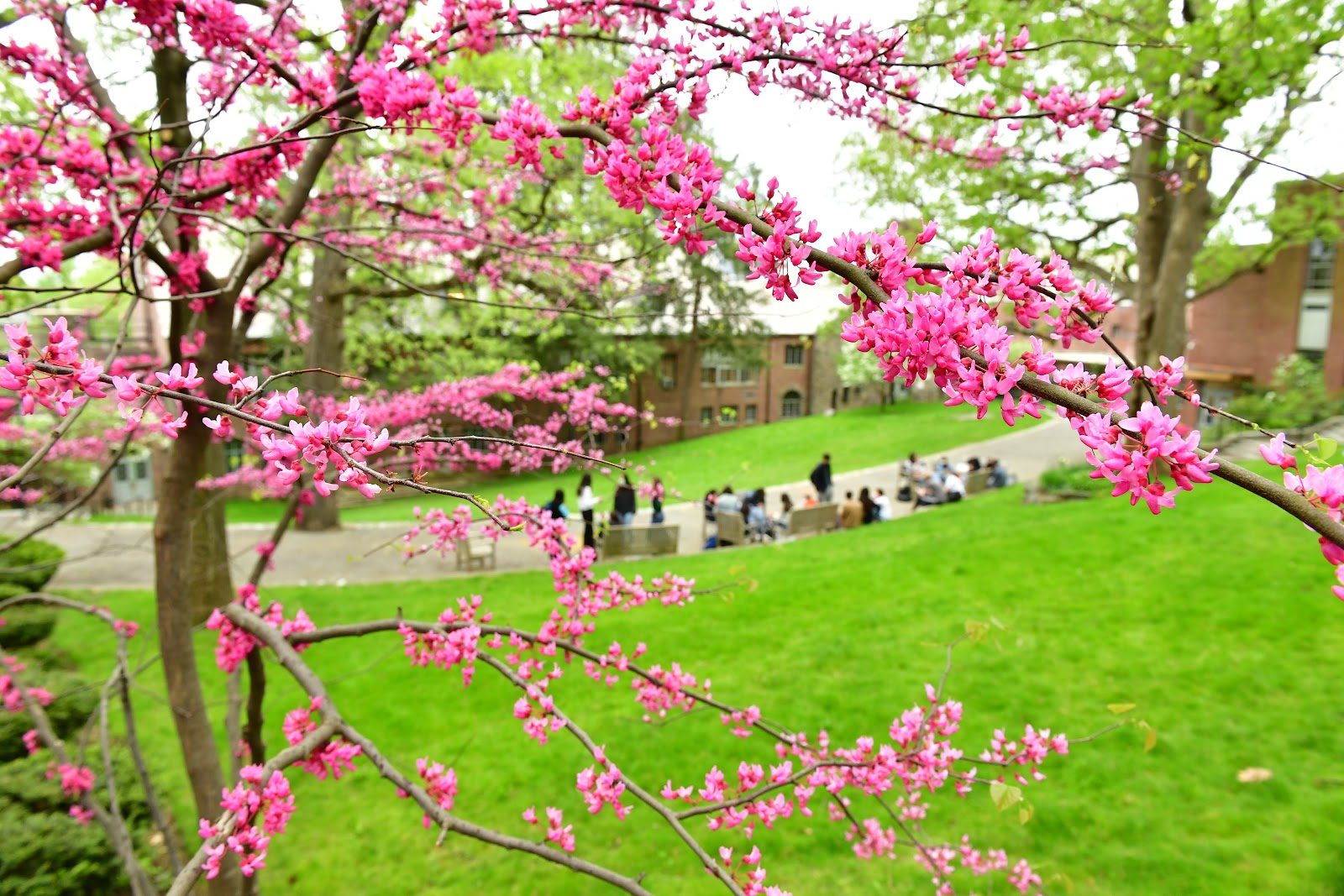
Ethical Culture Fieldston School
New York City · United States
Rooted in Felix Adler's 1878 Ethical Culture movement, its wooded Riverdale hilltop campus still anchors progressive American pedagogy.
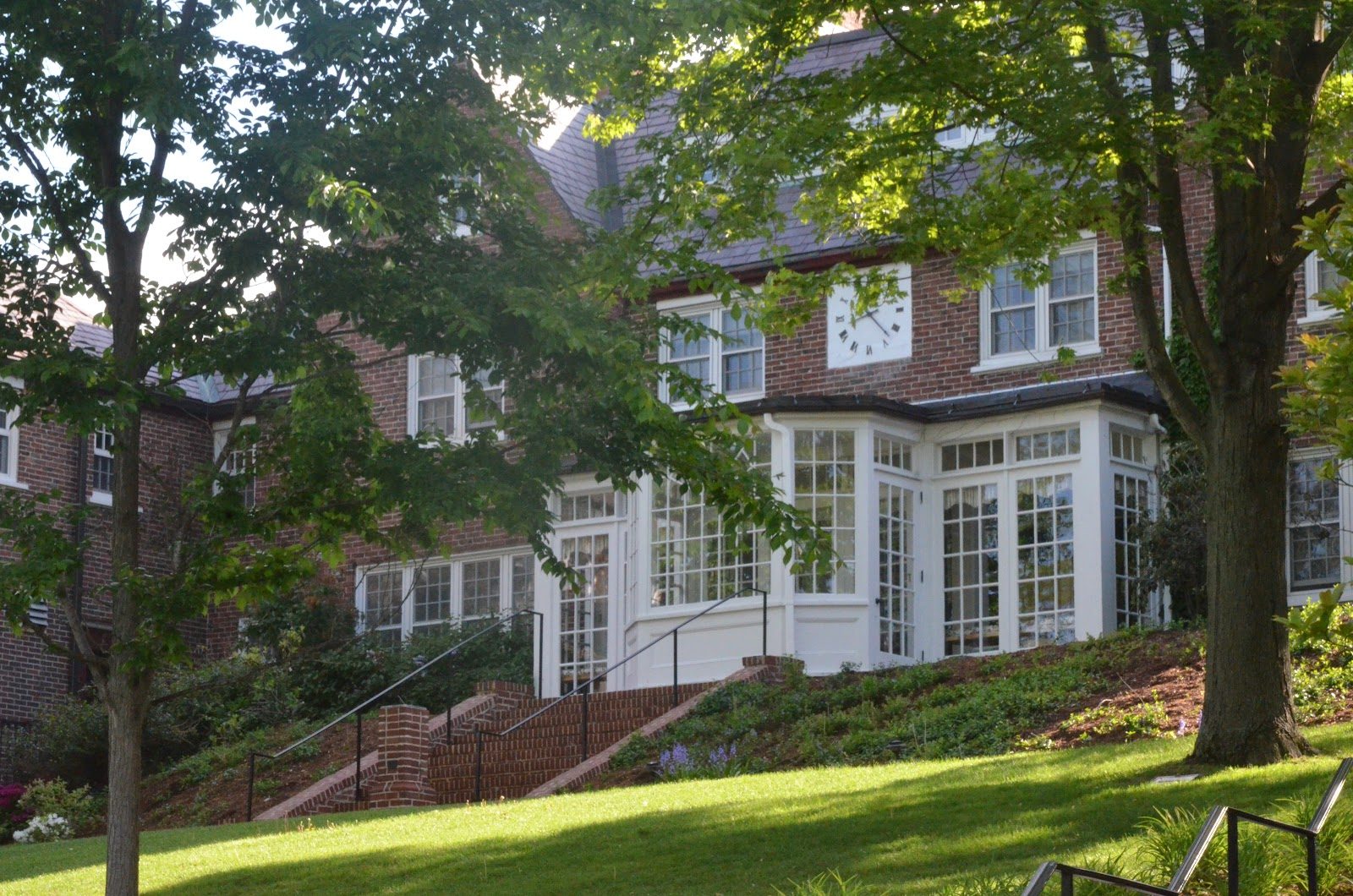
Belmont Hill School
Belmont · United States
A hilltop day school outside Boston, where jacket-and-tie ritual and family-style lunch anchor a century-old all-boys formation.
Pine Crest School
Fort Lauderdale · United States
Born as a 1930s tutoring practice for winter visitors, this Fort Lauderdale day school now tops the nation's Challenge Index rankings.
Same country and curriculum — closest matches within ±10 points either way