
Western Cape
Since 1858, this Afrikaans-medium Winelands school has fueled the Interschools rivalry that fills Faure Street every August.
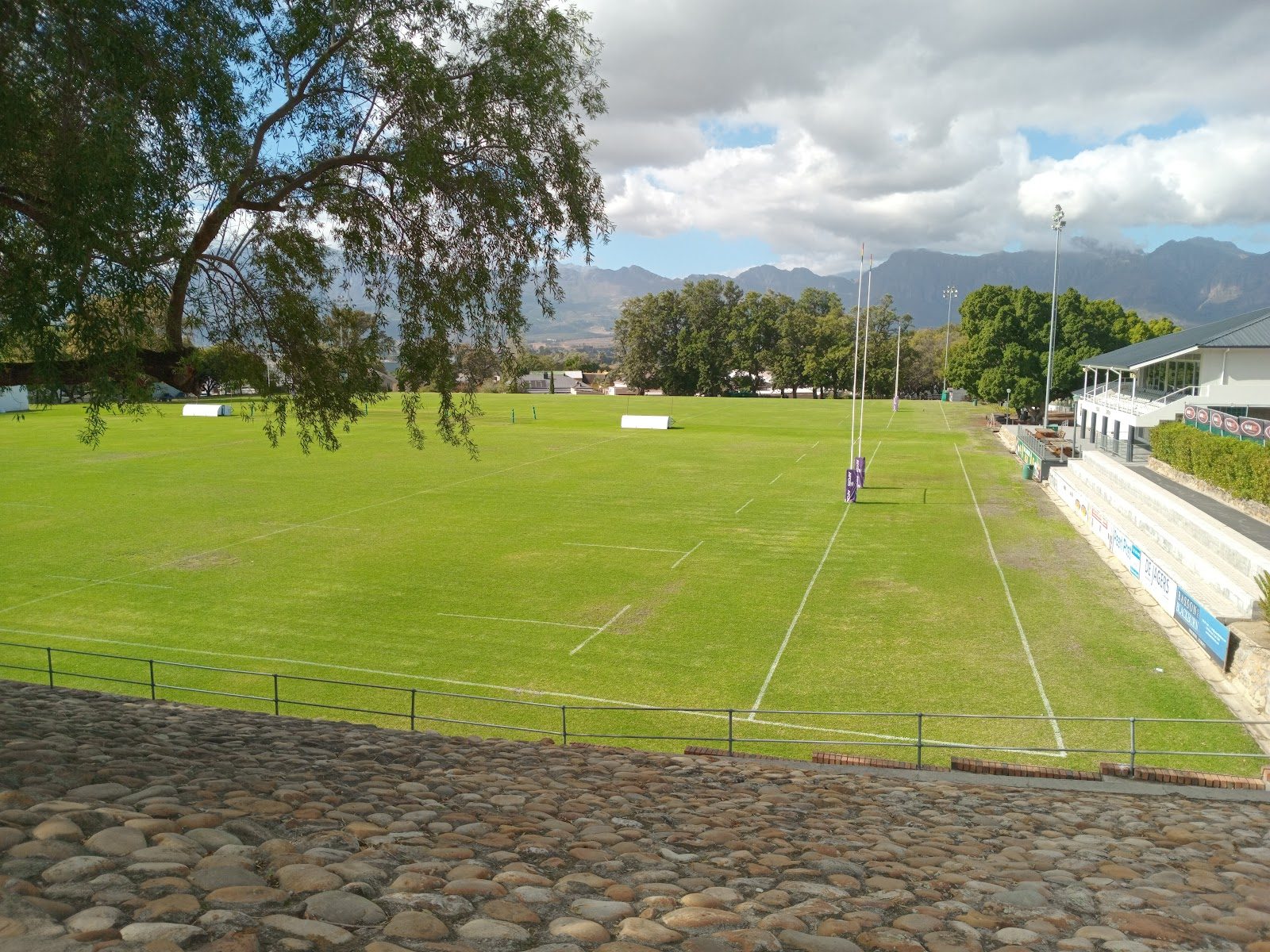
Photo © Wesley Oliver via Google Maps
Type
Day + Boarding
Ages
13–18
Curriculum
IEB · NSC
Qualifications
NSC · IEB
Ratio
—
The Verdict
Editor's commitment
Right for
Families wanting a public co-educational school in Paarl with IEB and NSC, Afrikaans and English, plus four boarding houses.
Wrong for
Parents seeking a religious ethos, a primary phase, or ages outside 13–18 will find Paarl Gimnasium the wrong school.
Watch out for
This 1858 school trades heavily on sport and Interschools prestige; the school does not publish aggregate IEB or NSC results.
Ranking breakdown
Paarl Gimnasium · #1217 of 1591
Composite score 57.1. 8 weighted criteria.
By criterion
Academic Outcomes
Weight 20%
#1002
of 1529 scored
University Placement
Weight 16%
#1164
of 1529 scored
Prestige & Heritage
Weight 12%
#1037
of 1571 scored
Alumni Network
Weight 12%
#856
of 1530 scored
Facilities
Weight 12%
#1238
of 1534 scored
Transparency & Communications
Weight 8%
#1324
of 1532 scored
Peer & Industry Review
Weight 10%
#1445
of 1548 scored
Admissions Selectivity & Demand
Weight 8%
#1232
of 1529 scored
Peer & Industry Review
How Paarl Gimnasium is regarded in the sector
55
Credible · medium confidence
Among South Africa's Afrikaans-medium public schools, Paarl Gimnasium sits inside the small, closely-watched cluster of 'rugby powerhouse' institutions -- alongside Grey College, Affies and its own cross-town rival Paarl Boys' High -- whose head-to-head fixtures and Craven Week/Beeld Skole selections are treated by sports and education journalists (Netwerk24, Die Burger, SuperSport schools coverage) as informal league tables in themselves. Its matric results are reported annually in Western Cape education department and Boland district releases, and it is consistently cited locally as a top-performing public school feeder into Stellenbosch University, whose admissions staff and residence networks have long-standing informal ties to Paarl schools. It does not feature in UK-oriented independent-school review platforms such as WhichSchoolAdvisor or the Good Schools Guide, which focus on private/international schools, so its reputation is carried almost entirely through South African rugby and academic press rather than global education media. Within the domestic peer set it is regarded as a serious, tradition-bound public school rather than an internationally benchmarked institution.
Award
Elite Sport 80
World's Top School · The Global Ranking
Paarl Gimnasium is featured on our Global Top 80 ranking at #19. This seal is available for the school's marketing team to use on their website, prospectus and social channels.
Editors' overview
Paarl Gimnasium occupies a rare position in the South African market: a historic Winelands public school with boarding, deep local roots and a national-level appetite for competition. Founded in 1858, it trades on age, tradition and civic stature without needing to apologise for any of them. This is not a soft-edged, cosmopolitan all-rounder. It is a school built around standards, discipline and visible participation, with a reputation forged in classrooms, on sports fields and in the annual Paarl Interschools contest that turns Faure Street into a theatre of loyalty every August. For families who want a school with real institutional weight, Paarl Gimnasium merits a shortlist.
What sets it apart is the combination of scale, continuity and a boarding culture that is woven into school life rather than bolted on as an accessory. The school runs the IEB and NSC, teaches in English and Afrikaans, and offers 4 boarding houses: McFarlane, Brüwer, Kalahari Visser and Jacomé Laubscher. That structure matters. It gives the school a stronger internal identity than many day schools and creates the kind of *high-pressure, high-belonging environment* that suits adolescents who thrive on routine, team culture and public commitment. The sports programme is a major draw, and the school itself makes that central, naming athletics, rugby, hockey, cricket and golf among its flagship strengths. If your child wants anonymity, this is the wrong address. If your child wants the charge of collective ambition, Paarl Gimnasium delivers it.
Parents should also read the school clearly. This is a non-religious school, but not an unstructured one. Its public message stresses character, discipline, respect and leadership, and the admissions process is tightly organised through the Western Cape online system, with boarding interest handled separately. The language position is important: the school sits in an Afrikaans cultural tradition, while instruction is listed in both English and Afrikaans. That broadens access, but it does not erase the school’s identity. Families need to be comfortable with a school that knows exactly what it is. Those who want a neutral, low-friction international atmosphere will find stronger alternatives elsewhere.
The student who will flourish here is competitive, robust and ready to commit. Paarl Gimnasium suits teenagers aged 13–18 who enjoy being held to account, who want sport or culture to matter in daily life, and who can handle a school where tradition is not decorative but operational. It also suits boarders who want a boarding school pulse without leaving the public system. For the right family, the attraction is plain: a respected IEB/NSC school, ISASA member, rooted in Paarl, with serious school spirit and no interest in blandness.
An Elite Sport 80 school
Paarl Gimnasium sits at rank nineteen on the Elite Sport 80 because it is one of the historic engines of South African rugby, sustained across generations at Craven Week and Springbok level. In any typical decade, twenty or more of its 1st XV players earn Craven Week caps, and the flow of Springboks — including recent World Cup winners — remains as strong as any single school in the country.
The specialisms are rugby (delivered at close-to-professional standard with ex-Springbok coaching, in-house strength-and-conditioning and one of the toughest school fixture lists in world rugby), cricket (with a Proteas pipeline through the Boland and Cape Cobras franchises), athletics and hockey. The Paarl–Boishaai derby is one of the highest-attendance schoolboy sports fixtures anywhere in the world, routinely broadcast on television with crowds in the thousands.
Notable alumni across codes include Handré Pollard, Deon Fourie, Kwagga Smith, Duane Vermeulen (schooled between Paarl institutions), and generations of Springbok and Currie Cup professionals. In cricket, the school has fed a steady stream of Proteas and franchise-level players. Athletics alumni have represented South Africa at Olympics and Commonwealth Games.
International openness is genuine but modest. The school admits pupils from neighbouring African countries and, in smaller numbers, from Europe and the Americas, and runs a full boarding house on-site. Fees are very low by international standards, sitting around ZAR 90,000-110,000 including boarding, making Paarl Gimnasium one of the highest value-for-money elite-sport schools on this list. Language of instruction is Afrikaans with English as a strong second, and overseas pupils are expected to build functional Afrikaans in their first year. Overseas admissions go through a normal application plus a rugby or cricket trial. For a family targeting a genuine Springbok pathway, Paarl Gimnasium is one of the two or three most efficient schools in the world. Overseas boarding families typically begin conversations 12-18 months before the intended entry point, particularly for the Grade 8 (Standard 6) intake where competition for house places is at its highest.
Academic Performance
Paarl Gimnasium does not publish aggregate matric outcomes, subject distinctions, bachelor’s pass rates or league-table style academic data in the public domain. That is a weakness. For a school with this level of stature and self-belief, parents merit harder evidence than statements about excellence. The public-facing academic case rests instead on institutional confidence, the school’s long-established reputation, and its description of a “solid foundation of academic excellence” supported by a GO team and modern learning environments. That language points to a school that takes academic performance seriously, but it does not answer the core parental question: how strong are the external results against other leading South African schools?
Relative to peers, Paarl Gimnasium sits in a serious, high-expectation segment of the market where strong examination performance is assumed, not merely advertised. Its academic identity also looks broader than pure exam drilling: the school ties scholarship to character, leadership and full participation across school life. That produces a demanding, all-in culture rather than a narrow cram-school model. Still, without published headline outcomes, precision stops there. Parents comparing Paarl Gimnasium with top independent and public competitors should ask for recent matric pass rates, bachelor’s passes, subject-level distinctions and any multi-year trend data. Until those figures are disclosed, the school’s academic standing rests on reputation more than verifiable public proof.
Facilities
Paarl Gimnasium’s facility story is dominated by breadth of use rather than architectural showmanship. The school points parents first to academics, sport and boarding, and that priority order matters. On the academic side, the only concrete claim is “modern learning environments” backed by a GO support team; there is no public breakdown of specialist labs, libraries, design spaces or performing arts infrastructure. That omission leaves a gap beside top South African peers that publish detailed campus inventories. By contrast, the sporting and residential picture is clearer. The school itself calls its sports programme one of the strongest in the country and names athletics, rugby, hockey, cricket and golf as headline codes, which indicates a campus built for high-volume competitive use, not token extracurricular provision. The boarding estate — 4 houses — also gives the site a full-day institutional rhythm that many day schools cannot match.
Against peer schools, that mix places Paarl Gimnasium in the camp of serious, tradition-heavy South African schools where fields, courts, support spaces and houses do heavy cultural work. Families choosing this school are not buying a glass-and-steel showcase; they are buying a campus geared to turnout, training and supervised routine. That is an asset for adolescents who want a hard-driving communal environment. It is less persuasive for parents who expect published detail on theatres, maker spaces, science suites or standout visual arts facilities. On facilities transparency, the school trails the best-run competitors. On practical infrastructure for sport and boarding life, it carries real weight.
For families who want a school with real institutional weight, Paarl Gimnasium merits a shortlist
Prestige
Paarl Gimnasium carries real domestic prestige in South African schooling, but it is a specific kind of prestige. This is not the polished, globally branded status of an international school chain, nor the social lacquer of a boutique independent school. Its standing rests on longevity, public visibility, competitive seriousness and deep cultural recognition in the Winelands and beyond. The annual Interschools rivalry does more than generate noise; it keeps the school in the public imagination and reinforces a reputation built on institutional confidence, hard-edged tradition and performance under scrutiny. The presence of 4 boarding houses adds weight: boarding schools occupy a different tier of social and educational significance from day schools alone, because they shape identity around the clock rather than only between morning registration and afternoon pickup.
We rate its prestige highly because the school has the markers that matter in its market: name recognition, strong local loyalty, a clear sense of self, and the kind of all-in culture that produces serious affiliation among pupils and families. It also benefits from being a public school with unusual stature, which carries its own cachet in South Africa. The limitation is equally clear. Public prestige and cultural stature do not automatically equal transparent academic distinction. Paarl Gimnasium’s reputation is substantial and hard-earned, but part of it still trades on tradition, sporting prominence and communal status rather than published academic proof. That keeps it out of the very top rank of schools whose prestige is underwritten by both history and fully disclosed results.
If your child wants the charge of collective ambition, Paarl Gimnasium delivers it
Communications
Paarl Gimnasium’s parent communications are functional, direct and more operational than polished. The website gives clear entry points for admissions, contact and school updates, and it names a specific contact for boarding enquiries rather than burying that process in a generic inbox. That matters. Parents can see the application windows, the closing dates and the confirmation deadlines in one place, with the Western Cape online system doing the heavy lifting. The school also pushes parents towards D6, which signals a *centralised, day-to-day communications habit* rather than ad hoc notices. Contact details are easy to find, including phone numbers, email and street address. For a large, tradition-heavy school, that plain-spoken efficiency counts for a great deal.
The weakness is presentation depth. The public-facing communication does administration better than explanation. It tells parents what to do, where to go and whom to contact; it says far less about how the school reports on pupil progress, handles pastoral concerns, or communicates academic and residential issues once a child is enrolled. There is also a strong internal cultural voice, which will suit families already comfortable with the school’s ethos, but it leaves less room for the kind of *carefully translated, internationally minded hand-holding* that some non-local parents expect. In short: strong on logistics, *thin on transparency beyond the essentials*. For local families who value speed, clarity and structure, that works. For parents who want forensic detail and a fuller public picture, it does not.
Uniqueness
What makes Paarl Gimnasium distinctive is not novelty but concentration: a public school with enough history, enough social gravity and enough competitive energy to function like a civic institution, not just a place of lessons. The annual Interschools spectacle matters here because it is not a side event. It broadcasts the school’s values in public: loyalty, stamina, performance and visible commitment. Add the residential element and the school’s identity hardens further. With 4 houses, school life extends beyond the timetable into a more total environment of routine, allegiance and peer scrutiny. Many schools talk about belonging; Paarl Gimnasium builds it through structure, rivalry and repetition. That gives students a strong internal tribe, but it also reduces the space for drift, detachment or reinvention.
For the right teenager, that brings real advantages. Students enter a culture where standards are collective, participation carries weight, and sport, leadership and conduct have public consequences. That can produce formidable resilience, sharper self-discipline and a deeper sense of responsibility to others than softer schools manage. The school’s bilingual setting adds another layer of distinctiveness: it widens access while preserving a clear cultural centre, rather than flattening itself into a generic national brand. The trade-off is plain. This is a high-pressure ecosystem with a pronounced identity. Students who want room to stay anonymous, dabble at the edges or keep school at arm’s length will chafe. Students who want institutional force and a community that expects them to show up fully will gain a great deal.
Paarl Gimnasium does not publish aggregate matric outcomes, subject distinctions, bachelor’s pass rates or league-table style academic data in the public domain
Student Profile
The right student for Paarl Gimnasium is sturdy, competitive and happy inside a school culture with high visibility. This is not a place for children who want to drift through adolescence unnoticed, picking and choosing where to invest themselves. It suits teenagers who can handle scrutiny, routine and the expectation that they will contribute in public, whether in class, in sport, in leadership or in house life. Boarders need extra resilience: with 4 houses shaping the social rhythm, communal life carries real weight and privacy narrows fast. The school’s own language around discipline, respect, character and achievement points to a pupil body that is expected to be self-controlled, team-minded and thick-skinned.
A good fit also needs cultural confidence. Paarl Gimnasium has a strong internal identity and does not dilute it for the sake of easy universal appeal. Students who flourish here will either feel at home in that environment from the start or will enjoy stepping into a school with clear rules and a strong inherited culture. Ambitious sportsmen and sportswomen will find obvious traction, but the deeper requirement is broader: this school rewards teenagers who want belonging through effort, not through soft inclusion. Sensitive, highly individual pupils who need a loose atmosphere, constant personal latitude or a low-pressure social setting will struggle. Pupils who want standards, structure and collective ambition will fit well.
Paarl Gimnasium’s facility story is dominated by breadth of use rather than architectural showmanship
Co-curricular strengths
Arts & sport, on a separate axis
Overall 7.86/10
Scored 0-10 from the school's own published evidence. This axis is editorial-only — it does not feed the main WTS ranking.
Strengths
- +Established in 1858, making it one of South Africa's oldest secondary schools with more than 165 years of continuous operation.
- +Has produced multiple Springbok rugby internationals, including Schalk Burger, Jean de Villiers, Marius Joubert, Handre Pollard and De Wet Barry.
- +Offers on-site boarding houses (including Huis Kalahari Visser, opened in 2006 for Grade 8 boarders, and Huis McFarlane) for pupils from the wider Boland and Winelands region.
- +Became fully coeducational in 1964, combining an established sporting pedigree with academic and cultural programmes rather than sport alone.
- +The annual Interschools rugby fixture against Paarl Boys' High is a long-running regional tradition that draws large crowds, giving pupils a strong sense of school identity.
Considerations
- −Instruction is delivered in Afrikaans, which is a structural barrier for families who do not have Afrikaans as a home or strong second language.
- −As a large public day-and-boarding school with roughly 1,100 to 1,200 pupils, it does not offer the small-cohort intimacy of boutique independent schools.
- −The school's public profile and regional reputation are heavily built around its rugby tradition, which may not suit families prioritising a non-sporting or arts-led environment.
- −Being a fee-paying public school rather than a fully independent one, its facilities and fee structure sit below those of premium private day-and-boarding schools in the Cape Winelands.
Availability
Primary entry gate & tests
Internal Assessment
Gallery
Photo © Johan Kellerman via Google Maps
Photo © Johan Kellerman via Google Maps
Photo © Johan Kellerman via Google Maps
Photo © Johan Kellerman via Google Maps
Photo © Johan Kellerman via Google Maps
Photo © Shaun Olivier via Google Maps
Photo © Michael Edward Manning via Google Maps
Parent reviews
Have you sent your child here?
Voice reviews carry the strongest trust badge — we transcribe them for you to tidy up before they go live. Prefer to type? A written review is fine too.
Add your voice
In 60 seconds, tell other parents: what's the best thing about Paarl Gimnasium, and what surprised you when your child joined?
We ask for a Google sign-in so every review has a real face behind it — no anonymous drive-by attacks on schools, and no faked positive reviews. Your email is never shown publicly.
Send this profile to a friend
International parents rely on word-of-mouth. Share this review with someone weighing the same decision.
Schools with places
Similar schools to Paarl Gimnasium with places available now.
Availability first, then country, area, curriculum, price, co-curricular
Consider also
Also worth looking at alongside Paarl Gimnasium.
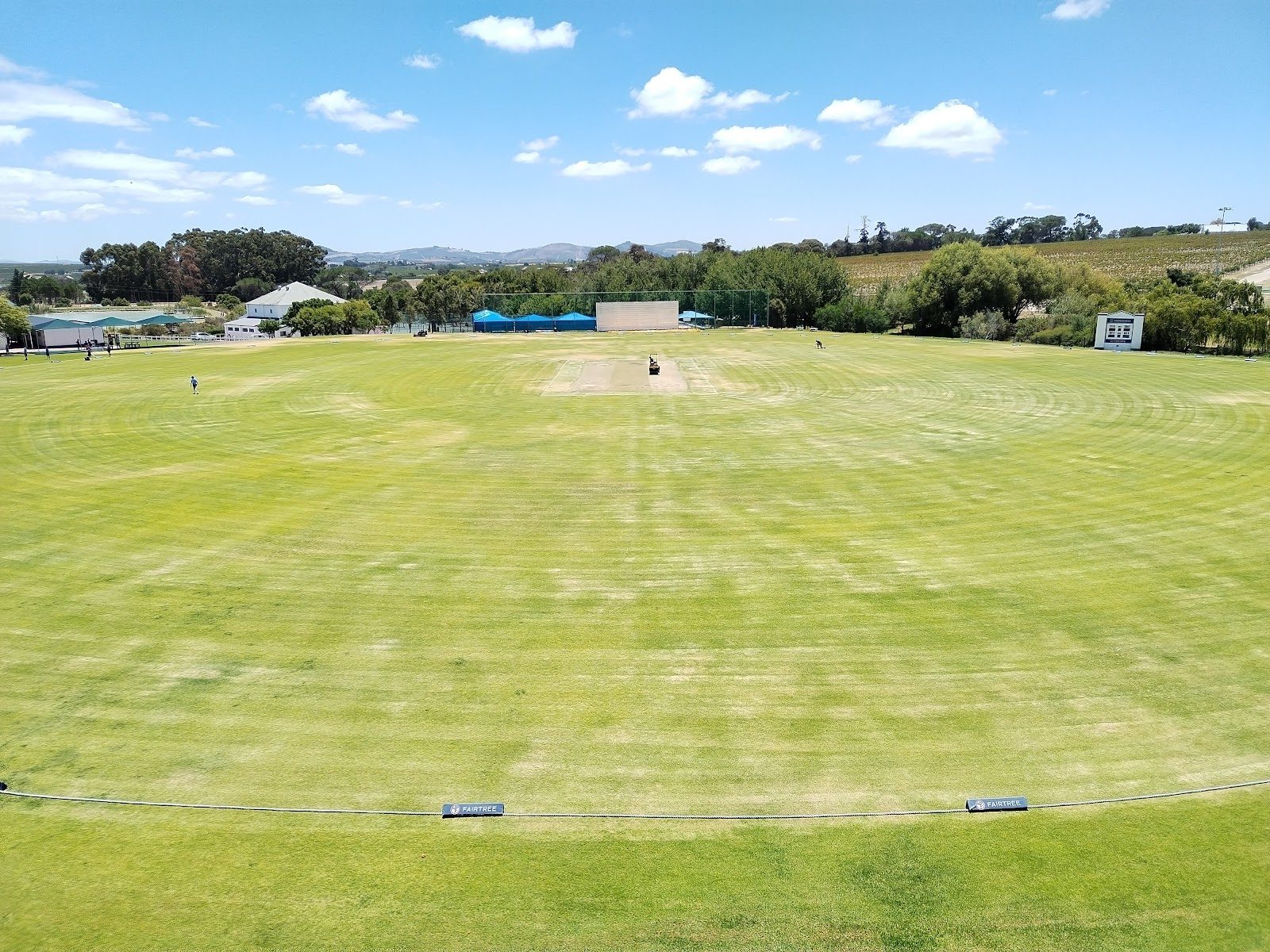
Somerset College
Somerset West · South Africa
Set on a 32-hectare Winelands farm between Somerset West and Stellenbosch, pupils choose IEB matric or Cambridge A-levels.
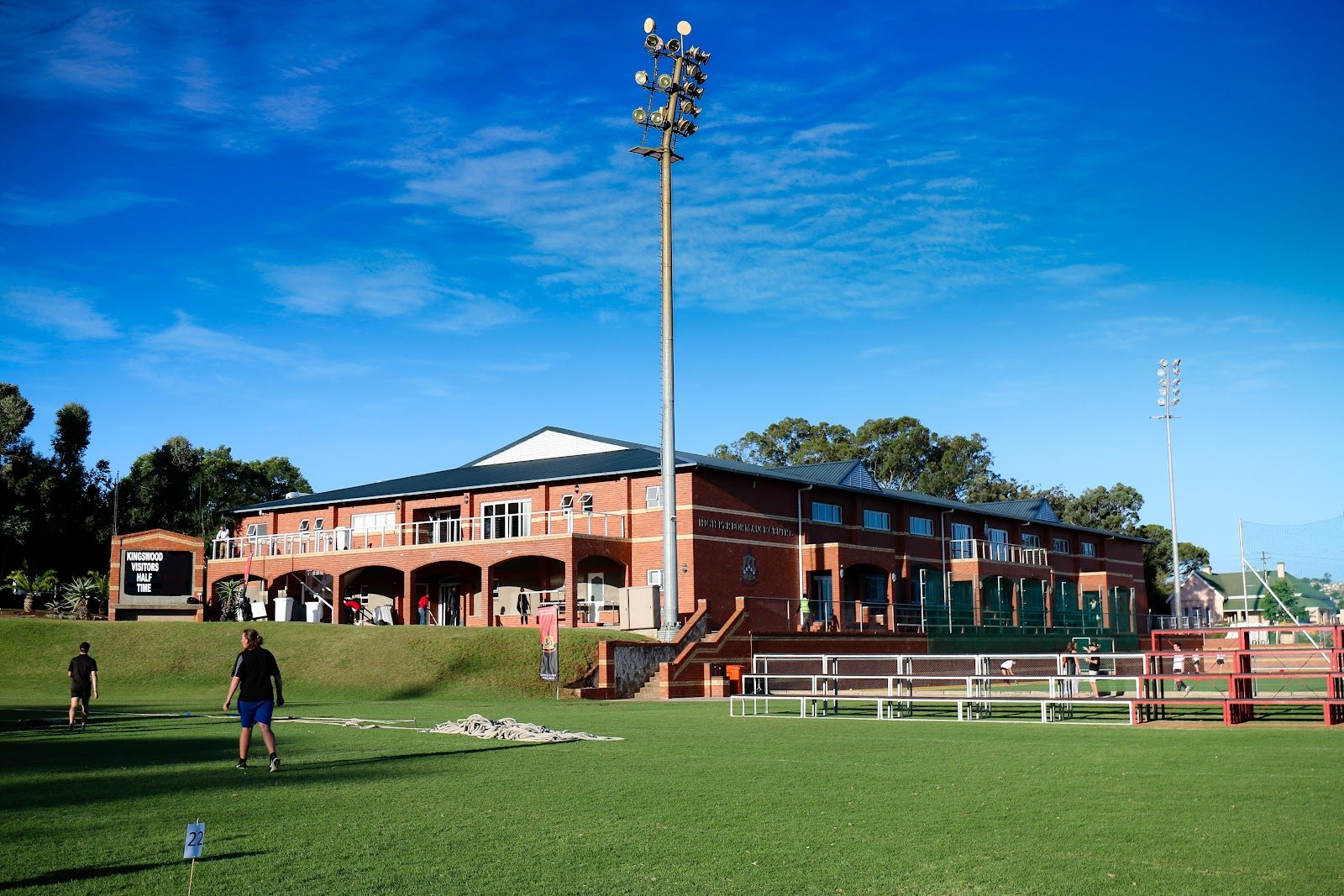
Kingswood College
Makhanda · South Africa
A Methodist foundation since 1894, tucked into Makhanda's historic schools quarter alongside the Eastern Cape's oldest academic institutions.
Michaelhouse
Balgowan · South Africa
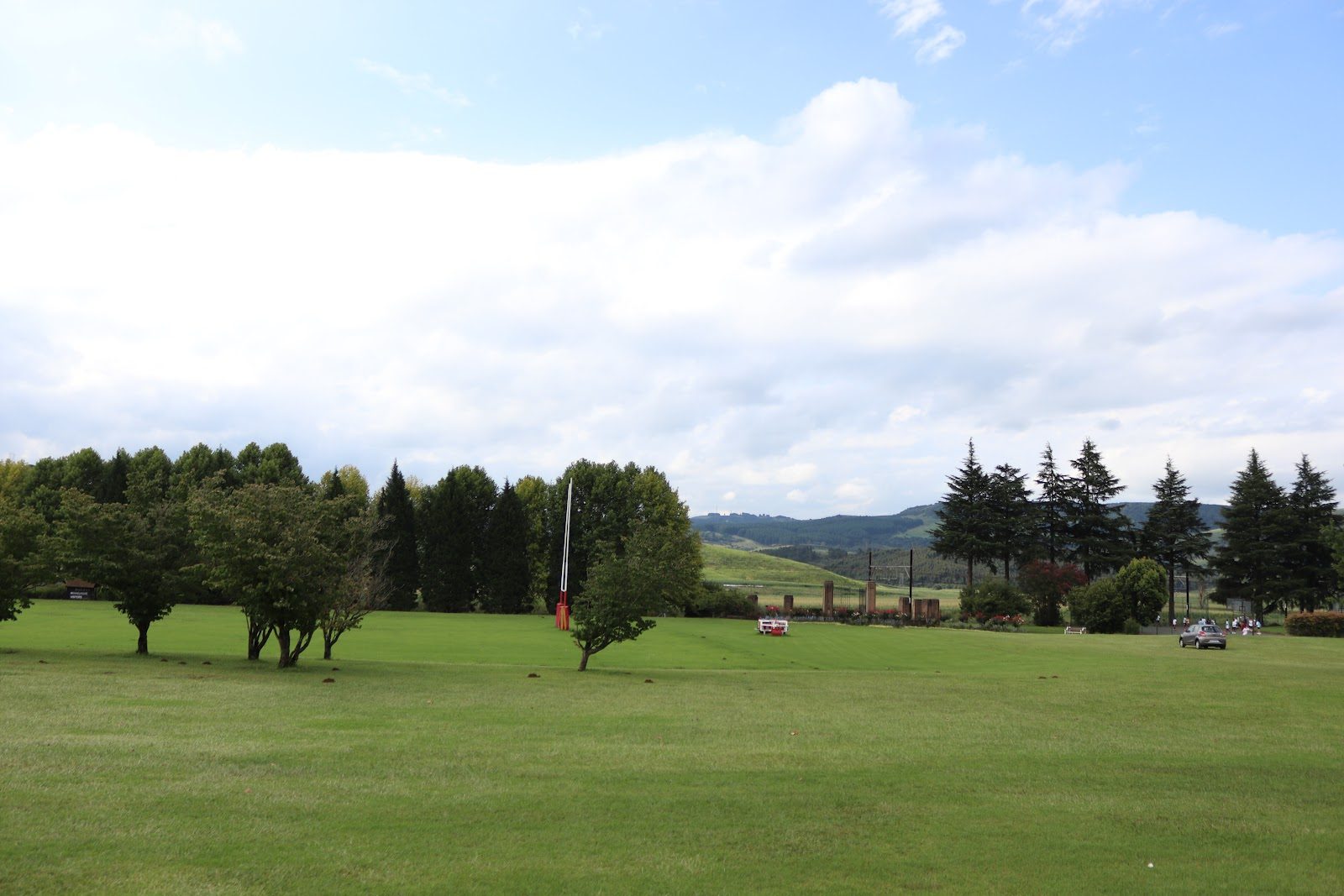
In South Africa's Midlands, one of the world's few remaining all-boys, all-boarding schools borders a rare mistbelt grassland reserve.
Bishops Diocesan College
Cape Town · South Africa
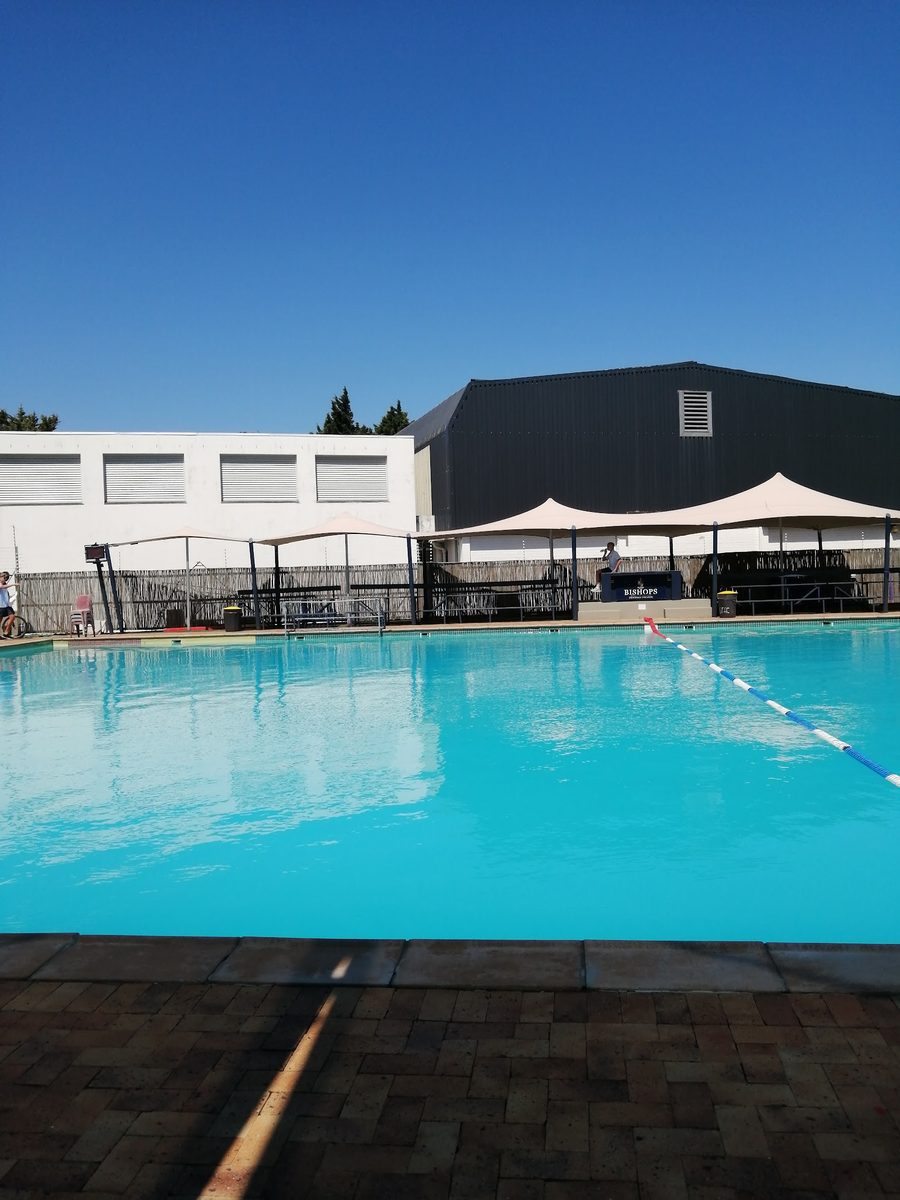
Founded in 1849 below Table Mountain, home to the oldest rugby field in the southern hemisphere and a storied house system.
Same country and curriculum — closest matches within ±10 points either way