
London
International School of London
high confidence· 5/6 cats · 3 avg sourcesA Chiswick IB pioneer since 1972, where mother-tongue teaching in 24 languages predates UNESCO's own push for linguistic diversity
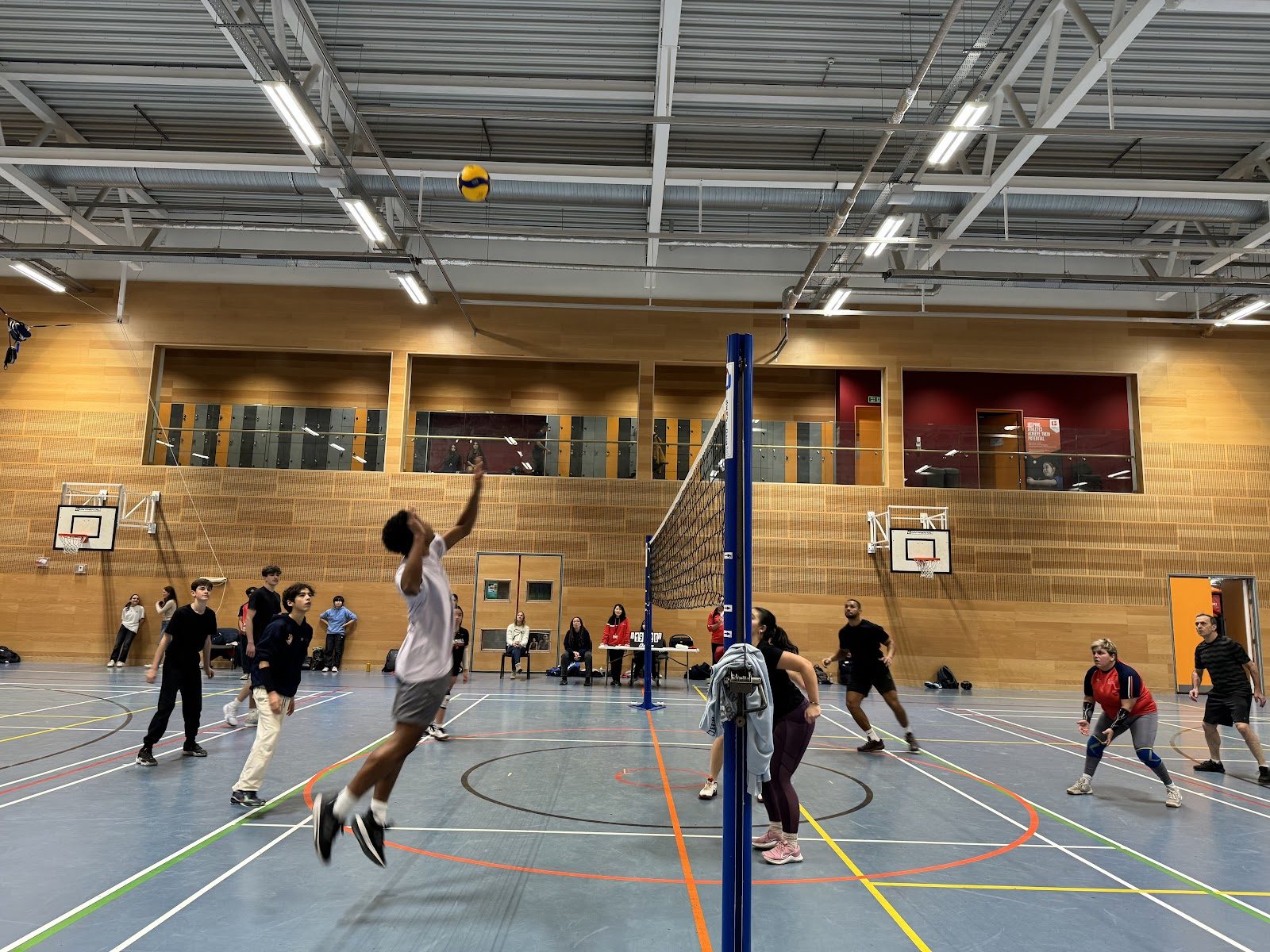
Photo © International School of London, ISL London via Google Maps
Type
Day
Ages
3–18
Curriculum
IB
Qualifications
IB Diploma · IB MYP · IB PYP
Ratio
—
The Verdict
Editor's commitment
Right for
Families wanting a London day school, founded in 1972, with the IB from ages 3–18 and mother-tongue teaching in 24 languages.
Wrong for
Parents who want a selective academic hothouse, a faith setting, or a British A-level track instead of an IB World School.
Watch out for
ISL holds CIS and NEASC alongside IB status, but it does not publish aggregate exam results or university destination figures.
Ranking breakdown
International School of London · #946 of 1591
Composite score 63.1. 8 weighted criteria.
By criterion
Academic Outcomes
Weight 20%
#959
of 1529 scored
University Placement
Weight 16%
#965
of 1529 scored
Prestige & Heritage
Weight 12%
#967
of 1571 scored
Alumni Network
Weight 12%
#619
of 1530 scored
Facilities
Weight 12%
#1004
of 1533 scored
Transparency & Communications
Weight 8%
#998
of 1532 scored
Peer & Industry Review
Weight 10%
#893
of 1548 scored
Admissions Selectivity & Demand
Weight 8%
#726
of 1529 scored
Score history
International School of London · 2026
Movement across 2024–2026. Peer average overlaid.
Overall — 2024–2026
63.1/ 100
▲ +16.6 vs 2025
year on year
Peer & Industry Review
How International School of London is regarded in the sector
58
Credible · medium confidence
International School of London holds a respected niche reputation among IB specialists rather than a headline position in the capital's crowded international-school market. The Good Schools Guide, the sector's most trusted independent arbiter, rates it favourably and notes it is "Often listed in the top 10 international schools in London," praising its mother tongue facilities and the intensive English language learning, as well as the solid IB ethos and a strongly-regarded SENCo provision, with one parent quoted saying "My son really found himself here." Ofsted confirmed a Good rating at its most recent inspection, and the school posts a five-year average IB score around 33-34, comfortably above the global mean. WhichSchoolAdvisor has not published a dedicated verdict on this school, so peer-press coverage remains thinner than for London's larger IB and British-curriculum names, leaving its industry footprint solid but regional rather than nationally benchmarked.
Editors' overview
International School of London has a clear identity in a crowded London market: this is a long-established IB school, founded in 1972, non-selective, day-only, and built for internationally mobile families who want continuity from age 3–18 without switching systems midstream. Its strongest distinguishing feature is language. The school’s own tagline points to mother-tongue teaching in 24 languages, and that matters. Many schools praise multilingualism; fewer build it into the structure of the week. In a city full of globally branded schools, ISL has a more serious claim than most to linguistic depth, international fluency and a genuinely transnational student experience.
What puts it on a shortlist is that combination of IB continuity and pastoral intelligence. ISL sells itself on academic rigour paired with wellbeing, and the more convincing point is the school’s long habit of receiving families in transition. For expatriate households, diplomats, internationally posted professionals and returnees to London, that is not a decorative extra; it is core schoolcraft. The location beside Gunnersbury Park adds usable outdoor space rather than just brochure scenery, with Forest School for younger children and a sports hub for older pupils. This is not the London independent-school template of ancient buildings, chapel tradition and selective swagger. It is more rooted than grand, more purposeful than theatrical, and stronger for families who value adaptability over prestige signalling.
The school will suit students who thrive in diverse classrooms, are comfortable with movement between countries and cultures, and want an education that prizes inquiry, reflection and breadth. It will also suit children who need a warm landing after relocation. The non-selective intake changes the texture of the place: parents looking for a hothouse, exam-drilled, socially narrow environment should look elsewhere. ISL’s appeal lies in calm cosmopolitanism, serious pastoral care and a curriculum model that asks students to connect ideas across disciplines rather than chase narrow marks from an early age.
The main caveat is market position. ISL is not the obvious choice for families who want the traditional English private-school script, nor for those who judge a school by public exam tables and brand prestige alone. It is for parents who want the IB all the way through, who value multilingual education as substance not slogan, and who need a school that understands international family life from the inside. For that audience, ISL earns its place on a shortlist through clarity of mission, continuity, and a rare confidence in what it is.
Academic Performance
ISL does not publish the exam data a hard-nosed parent wants most: no aggregate Diploma average, no subject-by-subject breakdown, no university destinations list with numbers attached, and no trend line across recent cohorts. That leaves its academic performance less transparent than several direct London competitors, especially schools that use strong IB results as a central proof point. The school makes broad claims about students progressing to top universities, but public-facing evidence remains thin where it counts. For a school with a long-established all-through IB offer, that opacity is a weakness. Families comparing academically ambitious international schools in London need more than reassurance about rigour; they need published outcomes.
That does not place ISL in a weak academic bracket. It places it in an under-evidenced one. The all-through IB structure, non-selective intake and emphasis on personalised learning point to a school that measures success across a wider spread of students than a narrow exam factory does. In peer terms, ISL sits away from the results-trumpeting end of the market and closer to schools where pastoral stability, mobility support and breadth matter as much as raw point scores. That will suit families who value educational continuity over scoreboard culture. It will frustrate parents who want clean comparative data before paying London independent-school fees.
Facilities
The campus advantage here is not spectacle but usable space. The school sits by Gunnersbury Park, and that matters more than a glossy atrium in a dense London setting. Weekly Forest School gives younger pupils direct access to outdoor learning across 200 acres of parkland, while older students get genuine room for recreation during the day rather than a token playground. The standout built asset is the Sports Hub in the park, developed with Ealing Council and Brentford FC Community Sports Trust. That gives PE and team sport a stronger base than many urban international schools can offer on cramped central sites. For families who value fresh air, movement and a school day not boxed indoors, this is a practical edge.
Against London peers, ISL’s facilities profile is less grand than premium-branded rivals with theatres, pools and statement campuses built to impress on tours. We have not seen a published roster of high-spec specialist spaces that would place it at the top end of the capital’s facilities arms race. What it does have is a campus setup that fits its student body: outdoor provision that is more useful than showy, sports infrastructure with real substance, and a setting that supports transition and day-to-day wellbeing instead of selling heritage fantasy. Parents after architectural theatre will find stronger visual impact elsewhere. Parents after function, access and room to breathe will rate this highly.
The school makes broad claims about students progressing to top universities, but public-facing evidence remains thin where it counts
Prestige
ISL carries real standing in a specific part of the market: internationally mobile families who want an all-through IB education without the social coding of the traditional English independent sector. Its prestige rests less on cachet and more on institutional credibility. Being among the early IB schools in the UK still matters because it signals depth of experience rather than recent adoption, and the school’s language provision gives it a sharper identity than many London rivals. Mother-tongue teaching in 24 languages is not a decorative extra. It marks out a school with a serious international core, and that lands well with diplomatic, expatriate and globally minded professional families who care about continuity of identity as much as examination pathways.
This is not prestige in the British old-boy sense, and parents need to understand that distinction. ISL does not trade on ancestral architecture, selective mystique or public league-table swagger. Its reputation is cosmopolitan rather than grand, specialist rather than status-drunk. That gives it strong appeal for the right audience and weaker pull for families chasing social theatre or the sharpest exam-brand signalling. The limit on its prestige is straightforward: the school does not publish the kind of outcome data that cements elite academic reputation in a competitive London field. So the school’s standing comes from longevity, trust among international families, and a clear educational identity — not from public proof of top-tier results.
We have not seen a published roster of high-spec specialist spaces that would place it at the top end of the capital’s facilities arms race
Communications
ISL communicates with parents in a way that fits its community: direct, frequent and geared to families who need to understand school life quickly after a move. The public-facing channels are clear. The website handles the basics cleanly, senior leadership is visible, and the head keeps an active blog tied to school events, curriculum matters and special projects rather than hiding behind generic welcome letters. News items carry a steady rhythm and give parents a live sense of what the school is doing, from language-focused events to student work on global issues. That matters in a mobile parent body. Schools serving relocating families need communication that reduces friction, not mystique. ISL’s tone is open, civil and practical, and the emphasis on transition care points to a school that treats communication as part of pastoral operations, not an afterthought.
The limit is the same one that surfaces elsewhere: communication is stronger on ethos, community life and programme narrative than on hard performance disclosure. Parents get a warm, intelligible picture of the school’s values and day-to-day priorities, but not the full academic accountability that exacting fee-payers expect. There is no published body of aggregate results data to match the confidence of the messaging. So the verdict is mixed in a precise way: for belonging, settling in and understanding the school’s character, ISL communicates well; for comparative academic scrutiny, it communicates too cautiously. For an international school with mother-tongue teaching in 24 languages, that operational clarity counts. So does the missing data.
Uniqueness
What sets ISL apart is not “internationalism” as a marketing word but language built into school life with unusual seriousness. Mother-tongue teaching in 24 languages gives children more than conversational variety. It protects literacy, identity and family continuity for students who move between countries or live across more than one cultural frame at once. That matters most for children who risk losing precision in their first language as English schooling takes over. At ISL, multilingualism has institutional weight. The result is a student body shaped by genuine linguistic depth, cross-cultural fluency and a stronger sense that home life and school life do not need to compete.
The other distinguishing feature is the school’s handling of transition. Many international schools talk about welcoming new families; ISL has built a named transitions programme and tied it to student welfare, family settling-in and staff support. That is a concrete strength for relocation-heavy households, not a pastoral slogan. Add the school’s student-led Peace Curriculum and the picture sharpens: this is a school that gives students structured ways to discuss conflict, media and global issues rather than leaving “global mindedness” at the level of posters on walls. For students, that brings a rare sense of belonging in a mobile community, clearer cultural confidence and a more thoughtful international education than the standard expatriate template.
So the school’s standing comes from longevity, trust among international families, and a clear educational identity — not from public proof of top-tier results
Student Profile
The students who fit best here are children who live comfortably across borders, languages and shifting definitions of home. This is a school for internationally mobile families, for pupils who arrive mid-journey, and for children whose identity does not sit neatly inside one national script. A student with more than one cultural reference point will not spend time explaining themselves here. Nor will a child who wants school friendships to stretch across nationalities. The strongest fit is a pupil who is curious, socially adaptable and happy in a community where mother-tongue learning carries real weight across 24 languages. That creates a cohort with unusually international instincts, high tolerance for difference and a more mixed, fluid social world than at many London independents.
The weaker fit is just as clear. Children who want a traditional English private-school atmosphere, sharper social hierarchy or a highly selective, exam-driven peer group will find this a mismatch. The school suits students who value belonging over peacocking, and who respond well to an environment that treats transition, wellbeing and discussion of global issues as part of daily school life. It will also work well for thoughtful children who need a gentler landing after relocation and for families who want classmates shaped less by local status competition than by cosmopolitan normality. For the right child, that is deeply stabilising. For the wrong one, it will feel short on edge and social theatre.
The school’s own tagline points to mother-tongue teaching in 24 languages, and that matters
Co-curricular strengths
Arts & sport, on a separate axis
Overall 7.5/10
Scored 0-10 from the school's own published evidence. This axis is editorial-only — it does not feed the main WTS ranking.
Sports
7.6/10
Football, Basketball and Swimming as extracurriculars, indicating a solid multi-sport offering but with no named facilities, specialist staff or competitive results cited.
Drama
8/10
'Drama productions' rather than just drama as a bare listing, which shows recurring participation, but gives no dedicated theatre, department or staff detail.
Dance
6.3/10
Music
7.8/10
Both School orchestra and Choir, showing multiple structured music ensembles.
Visual Arts
7.8/10
Visual arts is offered, but without elaboration on media, exhibitions, facilities or specialist provision.
Editor first-pass · editor-reviewable · 7/27/2026
Strengths
- +IB curriculum throughout ages 3–18
- +English-medium teaching suits mobile international families
- +Non-religious setting may suit mixed-faith families
- +Location beside Gunnersbury Park gives unusual access to green space and outdoor learning
Considerations
- −Single IB pathway; no British curriculum alternative
- −Non-selective intake means a broad ability range rather than a narrowly academic cohort
- −ISI rating is Good rather than the top Excellent band
Availability
Primary entry gate & tests
Written Exams + Interview
Gallery
Recommended reading
Independent write-ups of this school from editorial outlets we trust.
- International School of London reviewGood Schools Guide
Parent reviews
Have you sent your child here?
Voice reviews carry the strongest trust badge — we transcribe them for you to tidy up before they go live. Prefer to type? A written review is fine too.
Add your voice
In 60 seconds, tell other parents: what's the best thing about International School of London, and what surprised you when your child joined?
We ask for a Google sign-in so every review has a real face behind it — no anonymous drive-by attacks on schools, and no faked positive reviews. Your email is never shown publicly.
Send this profile to a friend
International parents rely on word-of-mouth. Share this review with someone weighing the same decision.
Schools with places
Similar schools to International School of London with places available now.
Southbank International School
London · United Kingdom
- 2026-27
- CLOSEDStandard route closed
- 2027-28
- PLACES OPEN11+ / 13+ / 16+ active
Godolphin and Latymer School
London · United Kingdom
- 2026-27
- CLOSEDStandard route
- 2027-28
- PLACES OPENCloses Nov
Availability first, then country, area, curriculum, price, co-curricular
Consider also
Also worth looking at alongside International School of London.
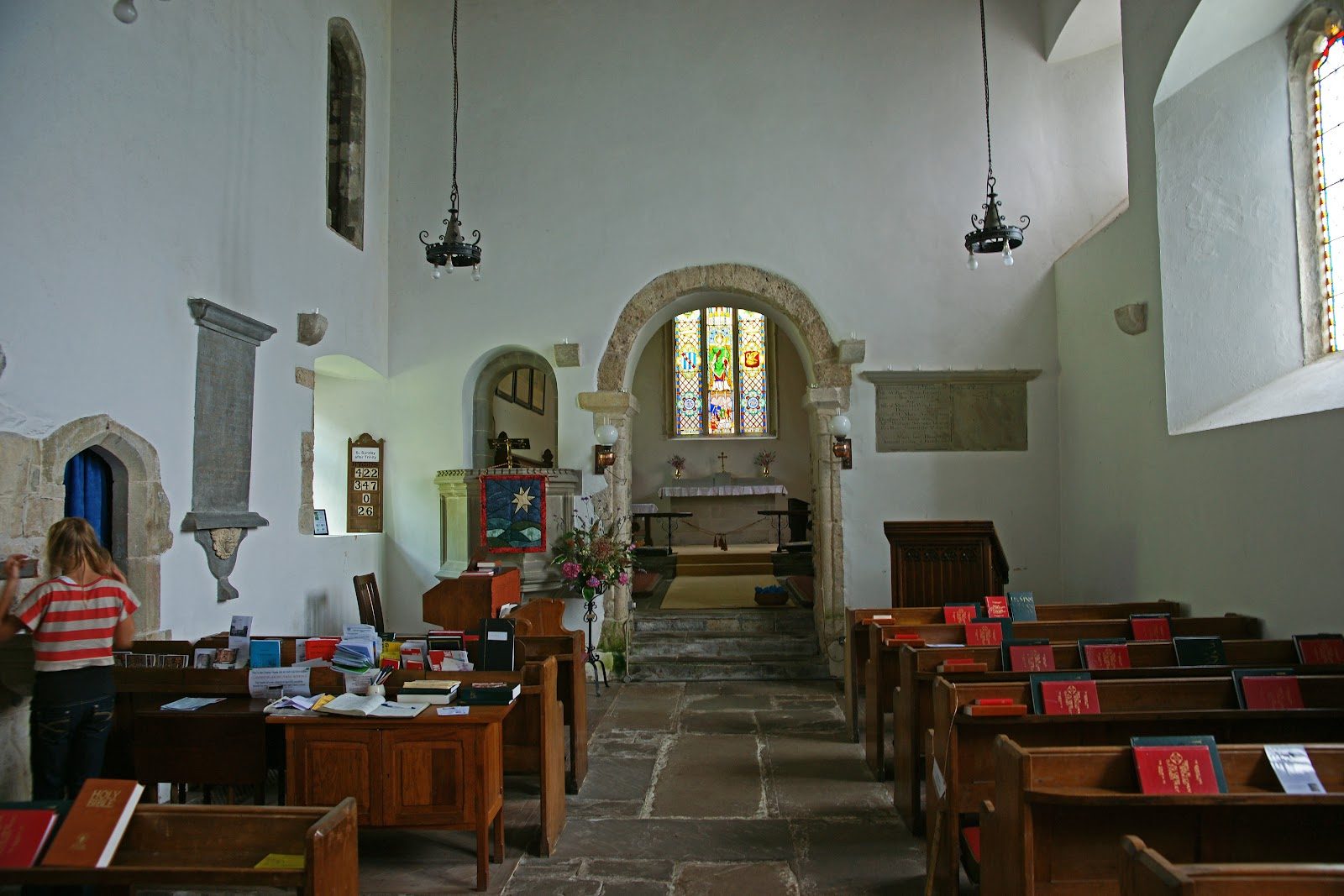
UWC Atlantic
Llantwit Major · United Kingdom
In a seafront medieval castle in Wales, the founding United World College still teaches the IB curriculum it helped invent.

Marymount International School London
Kingston upon Thames · United Kingdom
A Catholic girls' day-and-boarding school in Kingston upon Thames that became Britain's first to adopt the IB from Middle Years through Diploma.
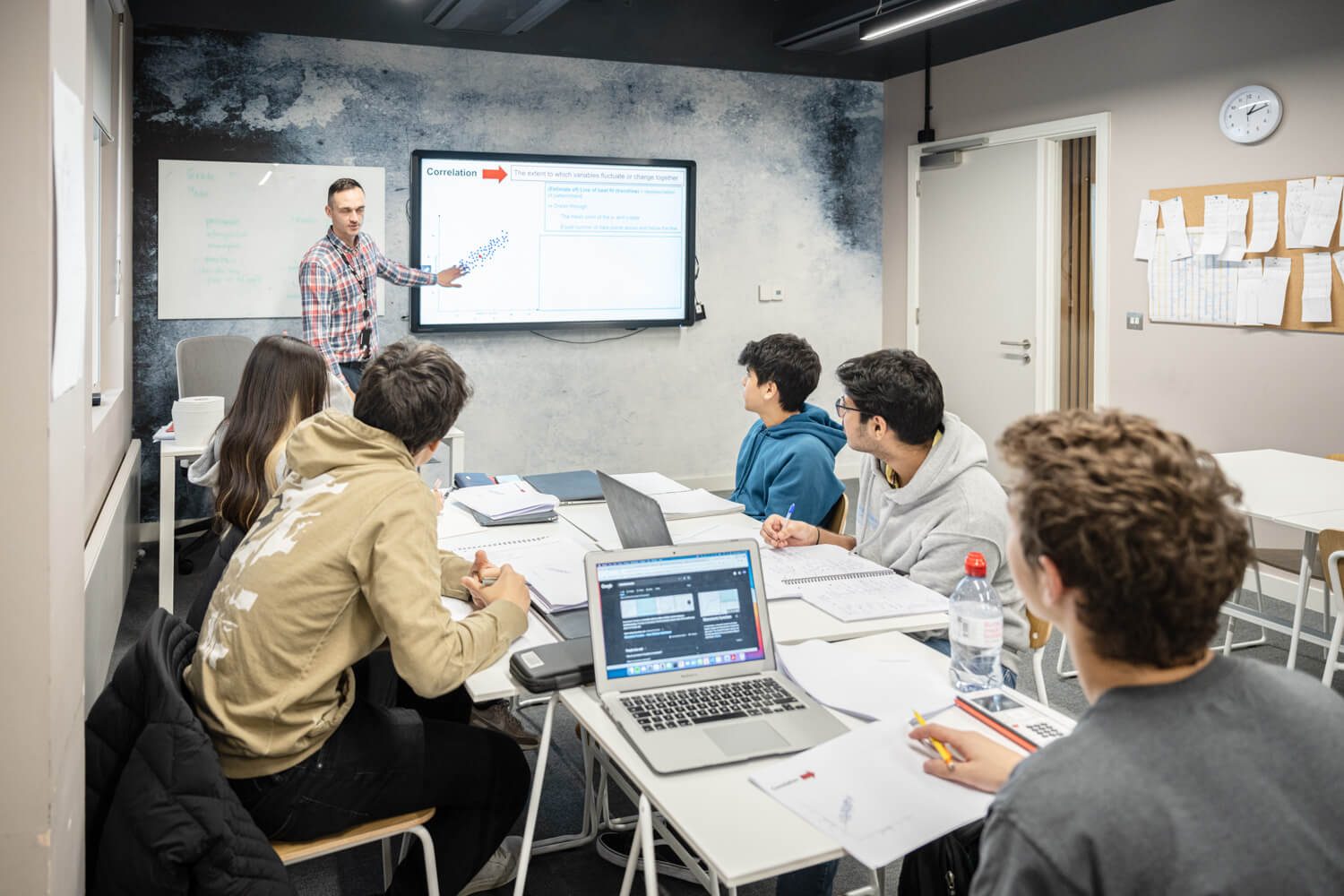
Southbank International School
London · United Kingdom
A 'school without walls' spanning three London postcodes, first in the UK cleared to teach all three IB programmes.
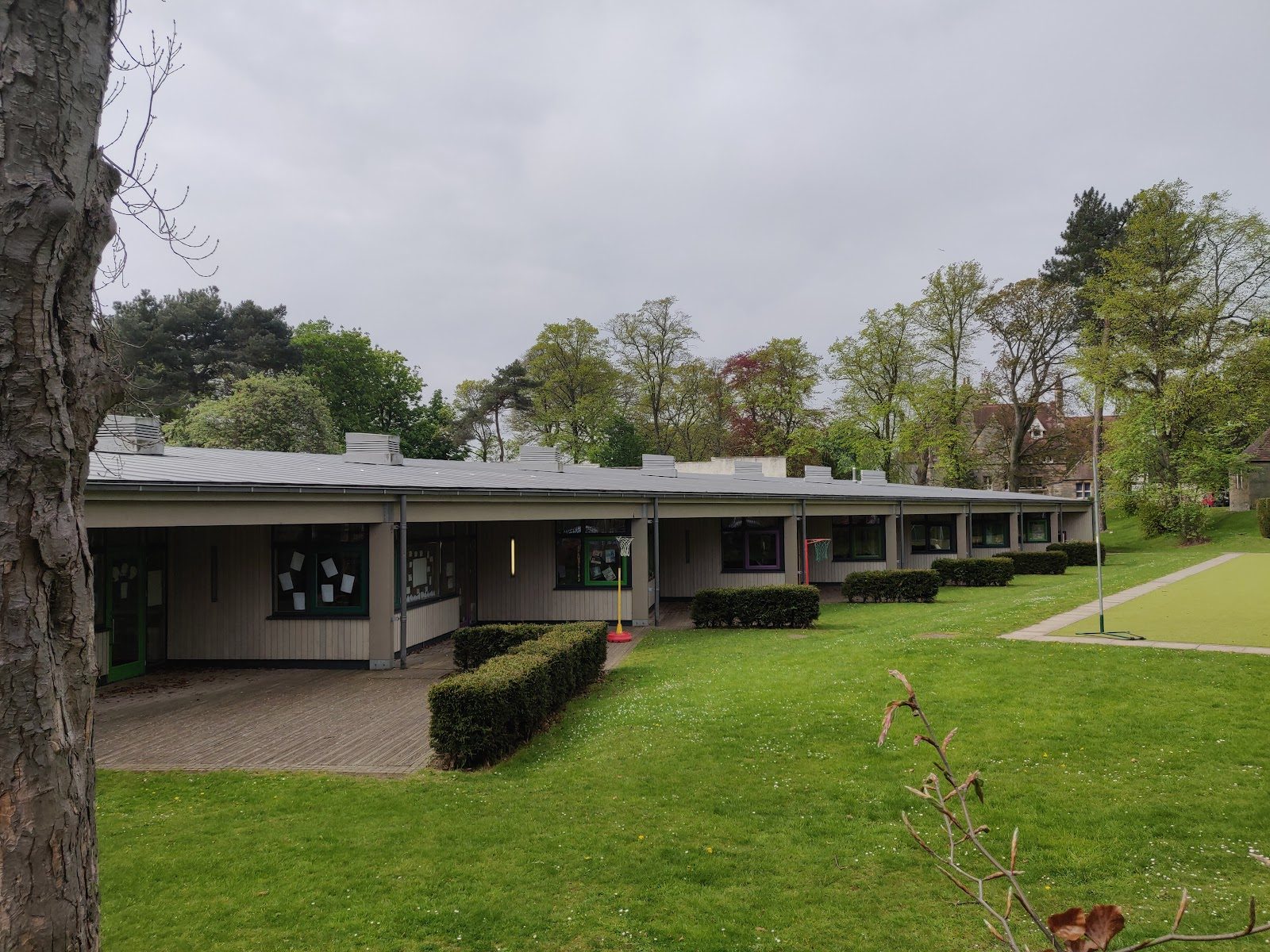
Fettes College
Edinburgh · United Kingdom
Gothic turrets said to have inspired Hogwarts frame Scotland's only sixth form pairing A Levels with a full IB Diploma pathway.
Same country and curriculum — closest matches within ±10 points either way