
London
Southbank International School
medium confidence· 4/6 cats · 3.33 avg sourcesA 'school without walls' spanning three London postcodes, first in the UK cleared to teach all three IB programmes.
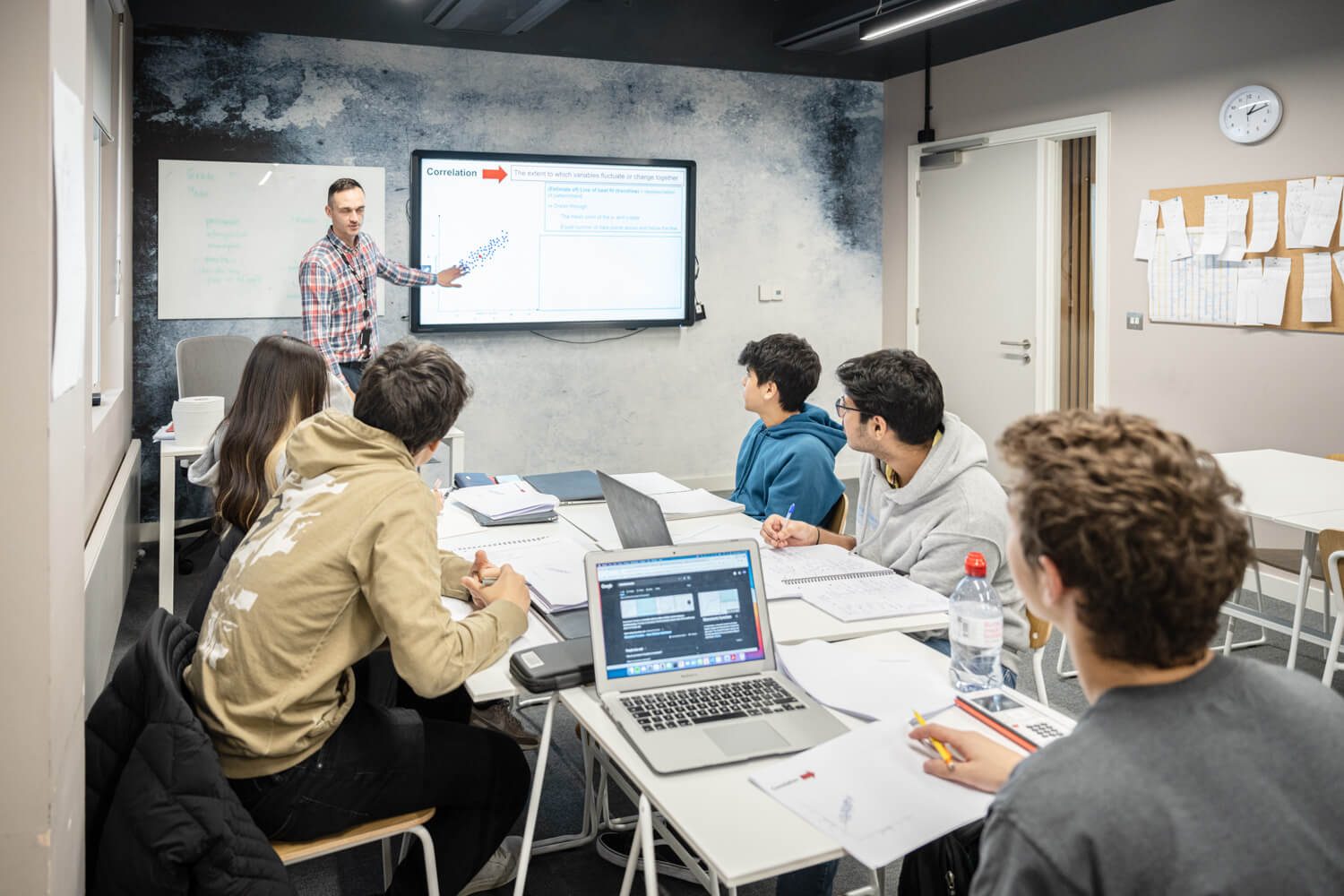
Photo © Southbank International School Westminster - Conway Street via Google Maps
Type
Day
Ages
2–18
Curriculum
IB
Qualifications
IB Diploma · IB MYP · IB PYP
Ratio
—
The Verdict
Editor's commitment
Right for
International families who want a full IB track from age 2 to 18, spread across Westminster, Kensington and Hampstead.
Wrong for
Parents who want one campus, a British curriculum, or lower fees: Southbank is day-only, non-religious and averages £32,000 a year.
Watch out for
Three London postcodes bring reach, not cohesion; even with IB World School and CIS badges, campus logistics shape daily family life.
Ranking breakdown
Southbank International School · #597 of 1591
Composite score 67.8. 8 weighted criteria.
By criterion
Academic Outcomes
Weight 20%
#668
of 1529 scored
University Placement
Weight 16%
#649
of 1529 scored
Prestige & Heritage
Weight 12%
#734
of 1571 scored
Alumni Network
Weight 12%
#481
of 1530 scored
Facilities
Weight 12%
#808
of 1533 scored
Transparency & Communications
Weight 8%
#725
of 1532 scored
Peer & Industry Review
Weight 10%
#645
of 1548 scored
Admissions Selectivity & Demand
Weight 8%
#489
of 1529 scored
Score history
Southbank International School · 2026
Movement across 2024–2026. Peer average overlaid.
Overall — 2024–2026
67.8/ 100
▲ +27.7 vs 2025
year on year
Peer & Industry Review
How Southbank International School is regarded in the sector
63
Respected · medium confidence
Southbank International School holds a well-established niche as one of the go-to IB day schools for London's expat community, with WhichSchoolAdvisor's detailed reviews of all three campuses noting it has become the IB school of choice for a small but high-achieving number of expats living in central London and local families with an international outlook. Its historical credentials carry weight in sector coverage: in 1997, Southbank became the UK's first school to offer all three International Baccalaureate (IB) programmes. A 2024 ISI inspection reportedly awarded the rare "significant strength" designation for pupil wellbeing, reinforcing its standing among IB-focused peers, though the Good Schools Guide has yet to complete a full independent verdict, listing the school only as under consideration. Ownership by the Cognita group and consistent inclusion in "best international schools in London" round-ups confirm solid, if not top-tier, peer recognition, concentrated mainly among the international-curriculum set rather than the wider UK independent sector.
Editors' overview
Southbank is not a conventional London independent school with one campus, one social set and one national lens. It operates across three central London postcodes — Westminster, Kensington and Hampstead — and that school-without-walls structure tells you a lot about the proposition. This is a day school for ages 2 to 18, founded in 1979, non-religious, and taught in English, but its defining feature is the International Baccalaureate running through the whole school. Southbank states IB, and its accreditations as an IB World School and CIS member matter: this is a school built for internationally mobile families who want continuity, not a British curriculum school with an IB sixth form bolted on.
What puts it on a shortlist is clarity of identity. Southbank serves London’s international community first, and it does not disguise that. Families arriving from other IB systems, diplomatic postings or multinational relocations will understand the offer at once. Children who thrive here tend to be adaptable, curious and comfortable with flux: new classmates, new cities, different accents, a less parochial sense of school life. A child who wants a deeply rooted house tradition, a single campus and the rituals of a classic English public-school model will find Southbank a poor fit. A child who wants an unusually cosmopolitan peer group and a coherent 2–18 IB pathway will find a school shaped around that exact brief.
The other point parents need in plain terms is market position. At an average annual day fee of £32,003, Southbank sits in London’s premium international bracket, but not at the most stratospheric end of the market. That pricing, the central London footprint and the all-through IB identity make it a serious option for expatriate and globally minded families who value portability over tradition. What the school does not offer in the facts here is public academic outcome data, destination detail or the comfort of a single-site campus experience. For some parents that opacity will grate; for others, the draw is obvious: 3 campuses, ages 2–18, and a model built around international continuity rather than local convention.
Academic Performance
Southbank does not publish the one set of numbers parents want first: aggregate Diploma results, average point scores, pass rates, subject distributions or a multi-year outcomes table. That leaves a gap. In London’s premium international market, the strongest academic operators now treat exam disclosure as standard practice, not an optional extra. On this measure, Southbank is opaque. That does not mean weak results; it means parents cannot test the school’s academic claims against hard comparative data. For a school charging an average of £32,003 a year, that matters. Families comparing it with other IB schools in the capital will find less public evidence here than they should.
The school’s academic case therefore rests more on structure than published outcomes: an all-through IB pathway, a student body shaped by international mobility, and a model built for families who value continuity across relocations. That can produce self-directed, globally fluent students who handle discussion, inquiry and transition well. It can also leave traditional data-driven parents dissatisfied. Relative to direct peers, Southbank sits in the camp of established international schools with a clear educational identity but thin public exam transparency. If you want headline averages, league-table ammunition and detailed destination reporting, this school does not give you enough. If you want an IB school whose value lies in continuity and international fit, the academic proposition remains credible — but insufficiently quantified.
Facilities
Facilities here are defined less by a grand estate than by geography. Southbank operates across 3 central sites, so parents need to think in terms of distributed provision rather than one self-contained campus with acres of grounds. That brings clear advantages in an urban international school: direct access to London’s museums, galleries, performance venues and institutions functions as an extension of the classroom, and few suburban schools can match that. The trade-off is just as clear. Families expecting the sweep of playing fields, monumental sports complexes or the insulated calm of a single large campus will not get it. This is a city-stitched school, not a country-house fantasy.
Against London peers, that puts Southbank in a distinct bracket. It has the facilities profile of a high-functioning metropolitan school: practical, dispersed and tied closely to the surrounding city. That suits internationally mobile families who value cultural access and central convenience over traditional independent-school sprawl. It suits them less if daily school life must revolve around extensive on-site sport or a heavyweight campus atmosphere. In facilities terms, Southbank’s strength is urban reach, not physical grandeur. That is a serious asset for the right family and a hard limit for the wrong one.
A child who wants an unusually cosmopolitan peer group and a coherent 2–18 IB pathway will find a school shaped around that exact brief
Prestige
Southbank carries real international cachet in a narrow but important lane. Among globally mobile families, an all-through IB school in central London holds status because it solves a practical problem at a high level: continuity for children who move, and a peer group drawn from the same expatriate and diplomatic circuits. The school’s multi-site structure adds to that identity rather than diminishing it; this is not a country-house prestige brand traded on chapel, playing fields and inherited ritual. Its standing rests on cosmopolitan credibility, on being woven into the capital’s international family market, and on the fact that it serves ages 2–18 rather than offering a partial pathway. The fee level — £32,003 on average each year — also places it firmly in the upper tier, which in London still functions as a social signal whether schools admit it or not.
That said, Southbank’s prestige is specialist, not universal. In the expatriate world, it has strong name recognition. In the old British independent-school hierarchy, it lacks the deep-rooted social mythology, alumni machinery and public-results theatre that drive mainstream prestige. That matters. Parents chasing a school name that impresses a Mayfair dinner table in the traditional English sense will find bigger brands elsewhere. Parents who care more about international fluency, urban convenience and an education that travels cleanly across borders will rate Southbank much more highly. Its prestige sits in that second category: modern, mobile and metropolitan, not ancestral.
Whether it meets it exceptionally well is not something the school proves in public
Communications
Southbank’s parent communication has one built-in challenge that single-site schools do not face: distance. When a school operates across 3 separate campuses and serves families who are mobile, international and often time-poor, communication stops being an administrative extra and becomes part of the core service. That raises the standard. Parents need crisp logistics, clear campus-specific messaging, fast updates and a reliable sense of who owns a problem when it crosses phases or sites. Anything muddled, delayed or generic lands harder here than it does in a more contained school. The school’s public identity is clear enough, but public-facing clarity is not the same thing as day-to-day operational transparency, and Southbank does not publish the kind of parent-survey evidence that would prove strong execution. That leaves communications in the category of important but insufficiently evidenced.
What works in Southbank’s favour is the simplicity of its proposition. Families know they are buying an international day-school experience spread across the city, not a village-like campus with informal visibility at the gate. That tends to produce more intentional, more system-dependent communication habits. It also means parents who want constant hand-holding or the old-fashioned intimacy of one compact site may find the model frustrating. Effective communication here depends less on charm and more on discipline: consistency between campuses, promptness, and a culture that answers practical questions without fluff. Southbank’s structure demands that standard. Whether it meets it exceptionally well is not something the school proves in public.
Uniqueness
Southbank’s uniqueness lies in its refusal to mimic the standard London private-school template. It is not built around one cloistered site, one local catchment culture or one late-stage academic switch. Instead, it runs as a fully international through-school spread across 3 parts of the capital, serving families whose lives are mobile and whose expectations are not organised around a conventional English school story. That gives students something rare: continuity without cultural whiplash. A child can move through the school without the usual rupture between an early-years ethos and a more exam-drilled senior phase. For internationally minded families, that is a serious structural advantage, not a branding line.
The student experience that flows from this is *distinctively urban, outward-facing and adult in tone*. Children grow up using the city as part of daily school life, not as an occasional excursion, and they do so in a peer group shaped by international turnover rather than by one settled local social scene. That can produce students who are adaptable, articulate and comfortable crossing cultures. It also produces a school that is less tribal than many British independents: less invested in inherited ritual, more invested in intellectual openness and movement between worlds. For the right child, that brings breadth, resilience and ease in unfamiliar settings. For families who want rootedness, contained campus life and a stronger sense of one fixed community, it brings trade-offs too.
Southbank’s uniqueness lies in its refusal to mimic the standard London private-school template
Student Profile
Southbank suits children who are comfortable in motion: socially adaptable, curious about other people, and unfazed by a school community that is less rooted in one neighbourhood than in an international circuit. The strongest fit is the student who enjoys discussion, asks questions without waiting for permission, and can handle classmates arriving, leaving and rejoining from different educational systems. This is a good environment for families who relocate, for third-culture children, and for parents who want their child’s peer group to stretch beyond one national mould. It is also a strong fit for students who do not need the tribal glue of a traditional British school in order to belong. Children who draw confidence from ritual, fixed hierarchies and a tight, house-driven identity will find the culture less reassuring.
Temperament matters here. A child who thrives in a cosmopolitan, fluid setting and treats the city itself as part of school life will get more from Southbank than one who wants a bounded campus world and a single-site social scene. The age span from 2 to 18 also shapes the profile: families can commit early and stay, which suits parents who value continuity and children who benefit from a school that does not force a cultural reset in adolescence. The weaker fit is the student who wants a hard-edged, convention-heavy English school experience, with all the status rituals and social choreography that entails. Southbank works best for open-minded, self-possessed children who can build friendships across cultures and cope without much institutional theatre.
The student experience that flows from this is distinctively urban, outward-facing and adult in tone
Co-curricular strengths
Arts & sport, on a separate axis
Overall 7.4/10
Scored 0-10 from the school's own published evidence. This axis is editorial-only — it does not feed the main WTS ranking.
Sports
7.3/10
Football, Basketball and Swimming, showing a clear multi-sport extracurricular offer but no named sports facilities, specialist staff or competitive results.
Drama
8/10
Drama Productions, which goes beyond a bare mention of drama by evidencing actual staged activity, but provides no named theatre, department, specialist staff or notable awards.
Dance
5.5/10
Music
8/10
School Orchestra and Choir, indicating structured ensemble music participation, but gives no named music facility, department, specialist staff or major distinctions.
Visual Arts
8.2/10
Visual Arts is offered.
Editor first-pass · editor-reviewable · 7/28/2026
Strengths
- +IB curriculum throughout ages 2–18
- +Three London campuses widen catchment options
- +English-medium teaching suits mobile international families
- +CIS and IB World School accreditation
- +Outstanding music, drama and visual arts provision on the co-curricular scores
Considerations
- −Day school only; no boarding option
- −London split campuses may complicate siblings' logistics
- −English-only instruction may not suit all families
- −Dance provision is only solid relative to the arts strengths
Availability
Primary entry gate & tests
Written Exams + Interview
Gallery
Recommended reading
Independent write-ups of this school from editorial outlets we trust.
- Southbank International School ReviewGood Schools Guide
Parent reviews
Have you sent your child here?
Voice reviews carry the strongest trust badge — we transcribe them for you to tidy up before they go live. Prefer to type? A written review is fine too.
Add your voice
In 60 seconds, tell other parents: what's the best thing about Southbank International School, and what surprised you when your child joined?
We ask for a Google sign-in so every review has a real face behind it — no anonymous drive-by attacks on schools, and no faked positive reviews. Your email is never shown publicly.
Send this profile to a friend
International parents rely on word-of-mouth. Share this review with someone weighing the same decision.
Schools with places
Similar schools to Southbank International School with places available now.
Availability first, then country, area, curriculum, price, co-curricular
Consider also
Also worth looking at alongside Southbank International School.
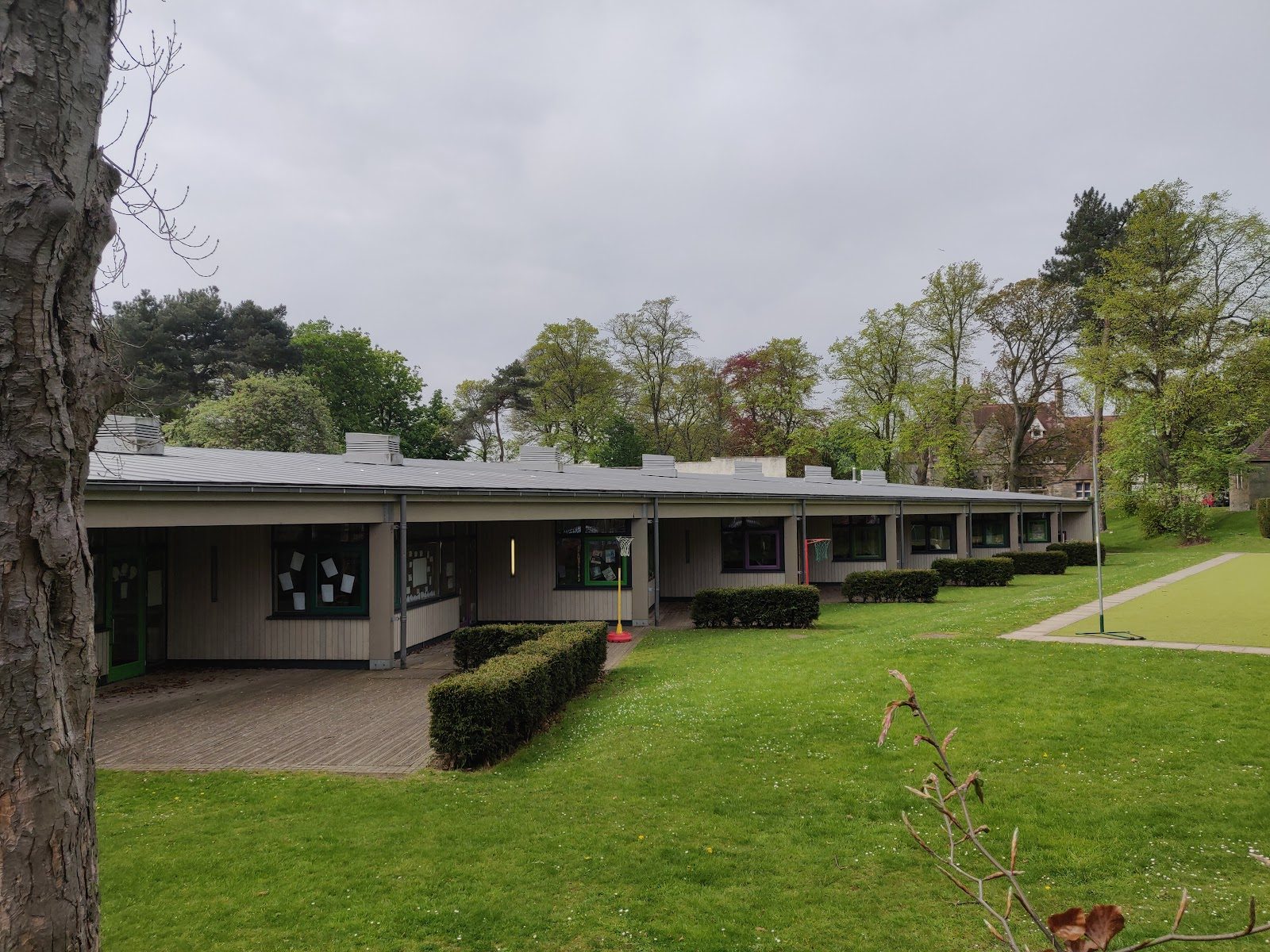
Fettes College
Edinburgh · United Kingdom
Gothic turrets said to have inspired Hogwarts frame Scotland's only sixth form pairing A Levels with a full IB Diploma pathway.
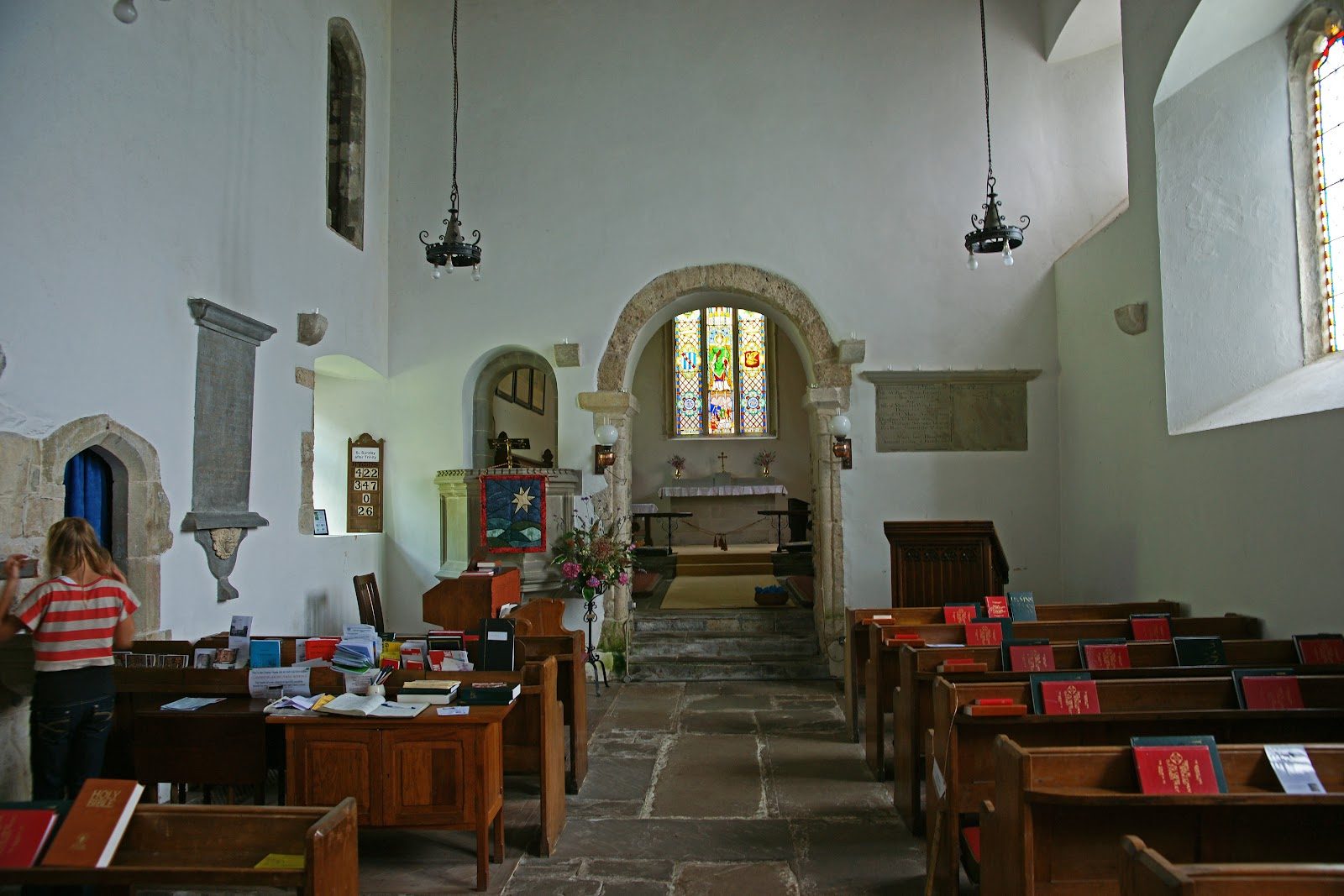
UWC Atlantic
Llantwit Major · United Kingdom
In a seafront medieval castle in Wales, the founding United World College still teaches the IB curriculum it helped invent.
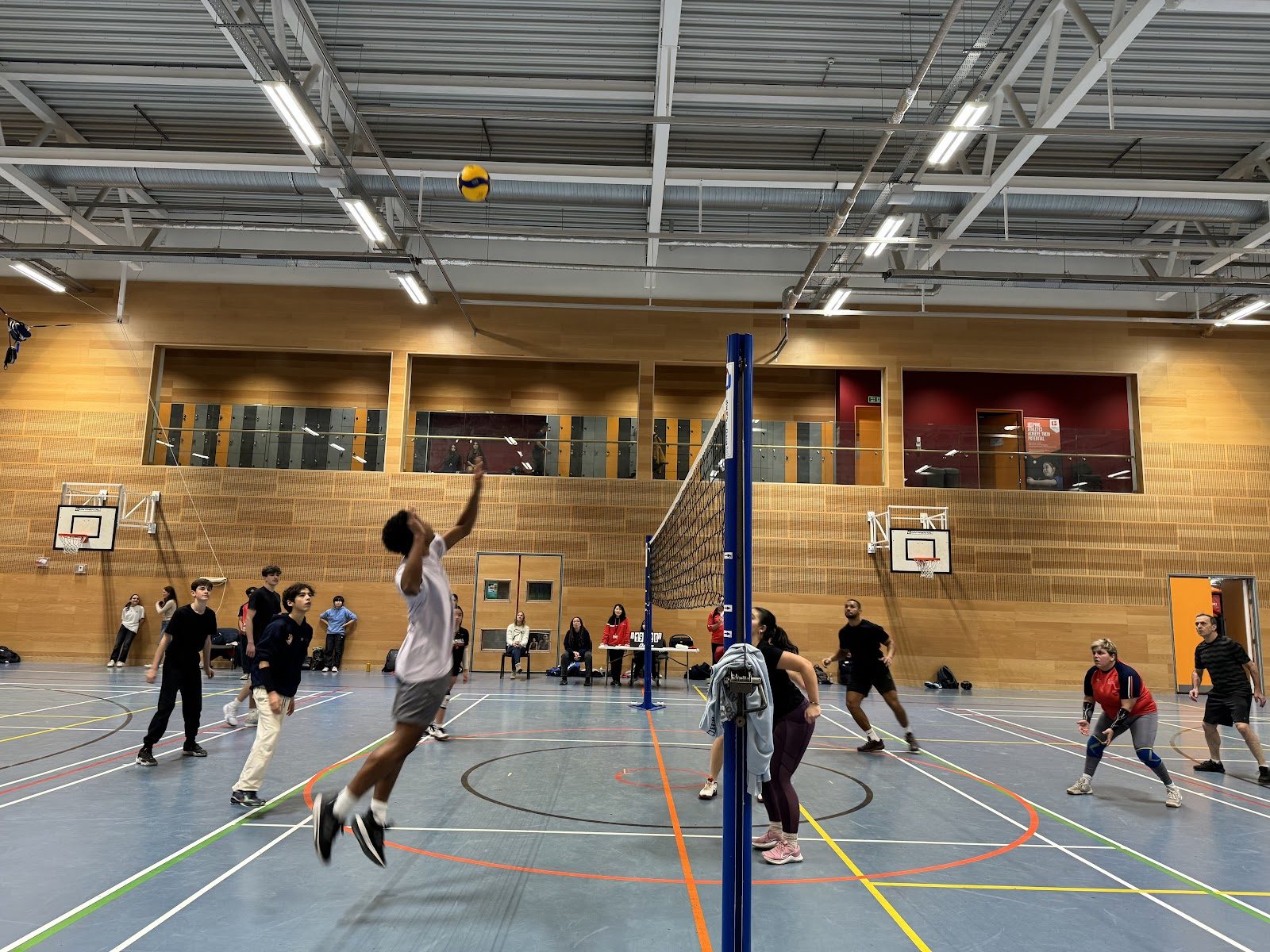
International School of London
London · United Kingdom
A Chiswick IB pioneer since 1972, where mother-tongue teaching in 24 languages predates UNESCO's own push for linguistic diversity
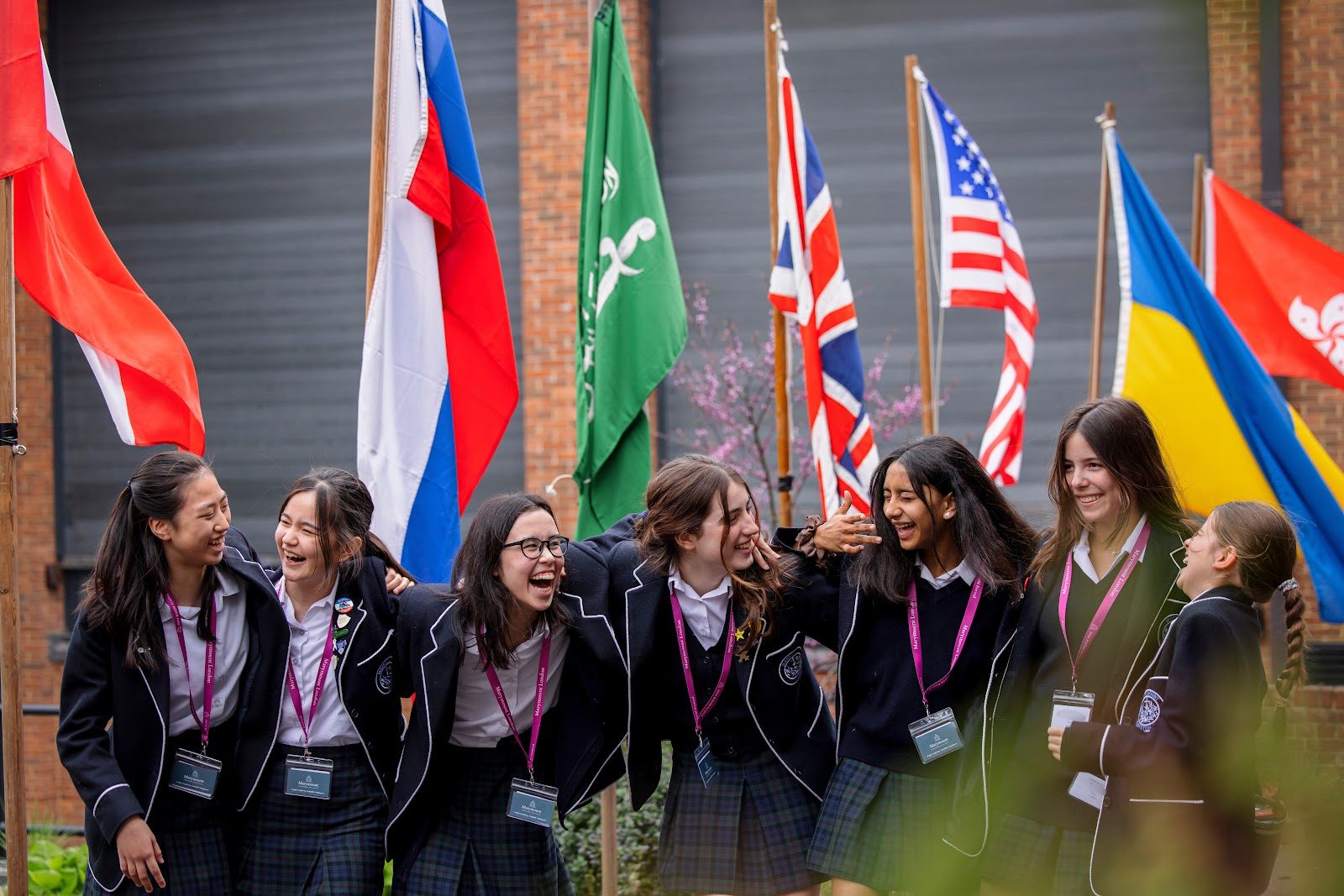
Marymount International School London
Kingston upon Thames · United Kingdom
A Catholic girls' day-and-boarding school in Kingston upon Thames that became Britain's first to adopt the IB from Middle Years through Diploma.
Same country and curriculum — closest matches within ±10 points either way