
Victoria
Ivanhoe Grammar School
low confidence· 4/6 cats · 0 avg sourcesA Year 9 campus embedded at La Trobe University anchors a Round Square network across Melbourne's north, offering both VCE and IB pathways.
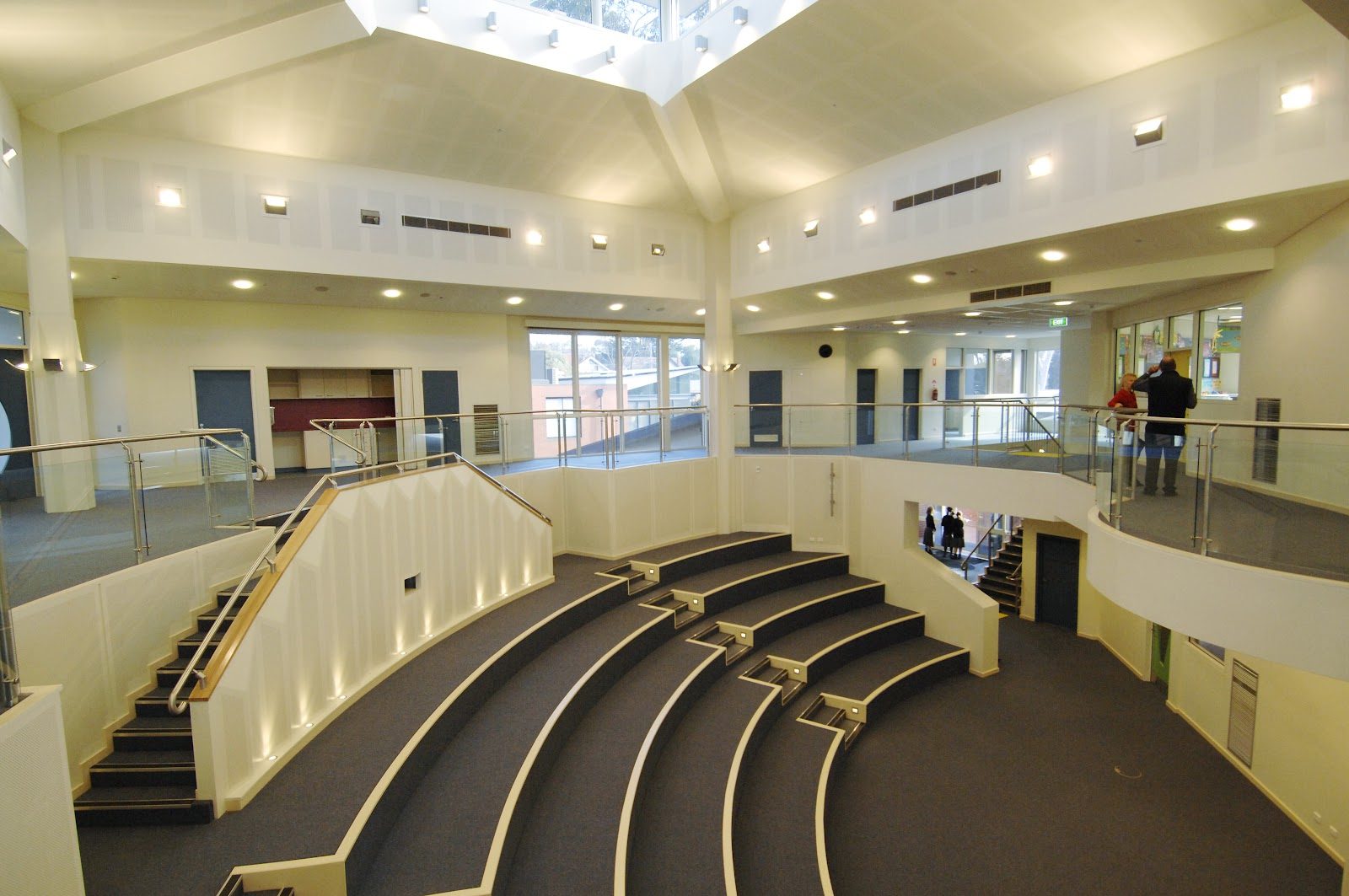
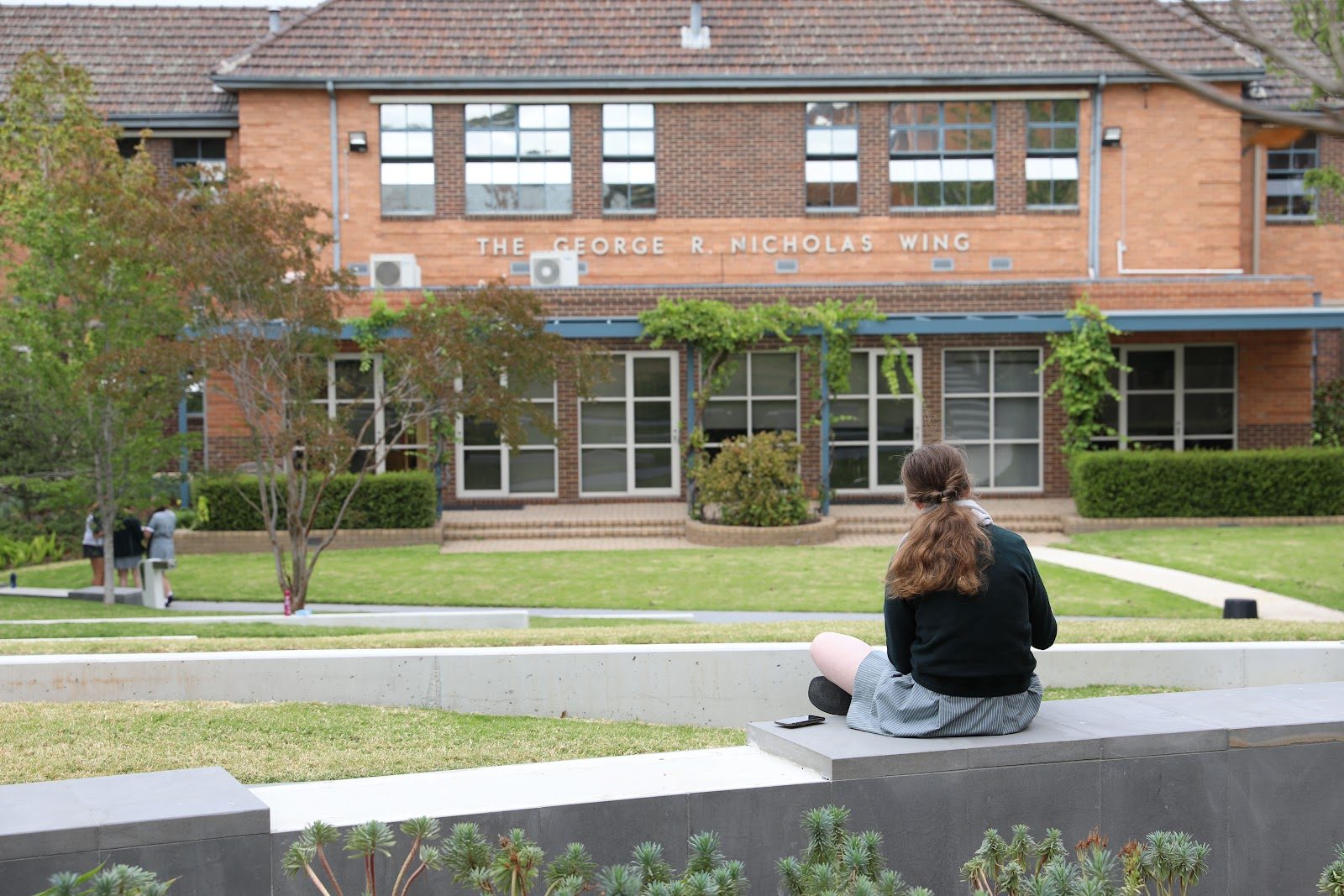
Photo © Ivanhoe Grammar School via Google Maps
Type
Day
Ages
3–18
Curriculum
Australian · IB
Qualifications
IB Diploma
Ratio
12:1
The Verdict
Editor's commitment
Right for
Families wanting a day school from ages 3–18 with both Australian and IB pathways, plus a 12:1 ratio and 20-pupil classes.
Wrong for
Anyone seeking boarding, a single-campus school or a stripped-back academic model; this Anglican school runs across Ivanhoe and Doreen.
Watch out for
MySchool 2023 is solid, not miraculous: ICSEA 1155, Y9 Reading 610 and Numeracy 608; inspect outcomes beyond the sales pitch.
Ranking breakdown
Ivanhoe Grammar School · #711 of 1591
Composite score 67.8. 8 weighted criteria.
By criterion
Academic Outcomes
Weight 20%
#745
of 1529 scored
University Placement
Weight 16%
#736
of 1529 scored
Prestige & Heritage
Weight 12%
#623
of 1529 scored
Alumni Network
Weight 12%
#531
of 1529 scored
Facilities
Weight 12%
#676
of 1529 scored
Transparency & Communications
Weight 8%
#819
of 1529 scored
Peer & Industry Review
Weight 10%
#784
of 1529 scored
Admissions Selectivity & Demand
Weight 8%
#547
of 1529 scored
Score history
Ivanhoe Grammar School · 2026
Movement across 2024–2026. Peer average overlaid.
Overall — 2024–2026
67.8/ 100
▲ +29.0 vs 2025
year on year
Peer & Industry Review
How Ivanhoe Grammar School is regarded in the sector
60
Respected · low confidence
Ivanhoe Grammar School is a well-established, large independent school in Melbourne with a long history (founded 1915) and multiple campuses, regularly appearing in general Australian private school comparison sites and league-table-style media coverage (e.g., The Age/Sydney Morning Herald 'Best Schools' rankings and VCE performance tables). However, independent specialist press coverage (Good Schools Guide, Tatler, etc.) is minimal, and alumni network visibility in international or peer-reputation contexts is limited compared to top-tier GPS schools like Melbourne Grammar or Scotch College.
Evidence sources
Editors' overview
Ivanhoe Grammar sits in a useful niche in Melbourne’s independent market: a substantial Anglican day school with multiple campuses across the city’s north, co-educational throughout, and large enough to offer genuine breadth without the sprawl and impersonality that weaken bigger brands. The distinctive feature is its Year 9 campus at La Trobe University. That is not a gimmick. It gives the school a serious bridge year between middle school and senior study, with a university setting that adds independence, movement and scale at the point when many schools lapse into routine. The academic offer also matters. Ivanhoe gives families both VCE and IB pathways, which places it in a smaller group of schools that can serve students headed in different academic directions without forcing an early ideological choice about curriculum.
The numbers support a school with strong academic traction. A student–teacher ratio of 12:1 and average class size of 20 are credible settings for close teaching and good subject access. Its MySchool profile is also strong: ICSEA 1155, Year 9 Reading 610, Year 9 Numeracy 608. Those are the figures of a school drawing a high-functioning cohort and converting that intake into solid attainment. Parents should still note what Ivanhoe is not. This is not a boarding school, not a hyper-selective academic hothouse, and not a boutique micro-school built around radical pedagogy. It is a well-established, academically serious, operationally broad day school with a clear metropolitan footprint in Melbourne’s north.
Why shortlist it? Because Ivanhoe offers institutional confidence without the social theatre that surrounds some old-name independents. It has real curricular range, a distinctive Year 9 proposition, and a campus structure that suits families who want continuity from early years to sixth form equivalent in one system. The Anglican identity is part of the frame, but the stronger market signal is balance: academics, co-curricular breadth, and a school culture built for steady achievement rather than constant display. Its Round Square connection adds an outward-facing dimension, but the sharper selling point remains the combination of scale, pathway choice and the La Trobe-linked middle years experience.
The best fit is a student who wants a busy, structured, high-expectation day school and can make use of breadth. Ivanhoe suits children who are ready to do more than the minimum: take academic work seriously, join teams or productions or service programmes, and grow into the independence demanded by the Year 9 model. It will also suit families choosing between VCE and IB, or not yet ready to choose. Students who need an intensely alternative environment, or who want the singular pressure-cooker identity of a narrow exam factory, will find stronger options elsewhere. For the right child, Ivanhoe offers measured ambition, earned opportunity and a clear route through to senior school.
Academic Performance
Ivanhoe’s public academic indicators are strong, but its external-results picture lacks the full transparency that top-tier comparison demands. The school does not publish a consolidated senior-results dashboard in the public domain, so parents cannot inspect headline IB outcomes, median study scores, top ATAR bands or multi-year trend lines in one place. That matters. In Melbourne’s crowded independent market, schools with nothing to hide publish clean aggregate data. Ivanhoe instead asks families to infer quality from broad academic positioning and internal confidence. The MySchool profile confirms a high-attaining intake and good literacy and numeracy traction by the middle years; that sets a credible academic floor, not a definitive senior-outcomes verdict.
Relative to peers, Ivanhoe sits in the tier of established independent schools that are plainly academic but not packaged as exam-factory brands. The dual-pathway structure is a strength for fit and subject choice, yet it also complicates clean comparisons unless the school discloses separate outcome sets for each route. We have not seen that level of granularity. That leaves Ivanhoe short of the hard-edged results culture projected by Melbourne schools that publish every standout statistic they can claim. The inference is still favourable: a school with selective-parent appeal, disciplined academic settings and a substantial senior programme does not drift into weak outcomes. But for families making a decision on sixth-form-equivalent results alone, Ivanhoe’s published evidence remains too opaque.
Facilities
The standout facility is the separate Year 9 campus embedded within La Trobe University. Among Melbourne day schools, that is genuinely distinctive. Plenty of peers talk about independence and transition; few give adolescents a physical base inside a university environment and build a whole year around it. For the right student, that setting adds movement, scale and a sharper sense of growing up than a standard middle-school block can deliver. It also sets a clear benchmark: against conventional suburban campuses, Ivanhoe offers a more ambitious bridge between junior schooling and the senior years. Families should still ask a practical question: how much of that campus advantage translates into daily teaching, subject enrichment and student supervision, rather than atmosphere alone?
Beyond that signature asset, the school benefits from a multi-campus structure in Melbourne’s north, with main sites at Ivanhoe and Doreen. That gives it the footprint of a substantial all-through day school rather than a cramped single-site operator. What we have not seen is a published facilities inventory with the level of detail stronger peers now provide: no clear public roll-call of specialist labs, performing arts spaces, sports provision or standout design features. That absence matters. In this part of the market, schools with first-rate facilities tend to document them exhaustively. Ivanhoe’s estate reads as functional, established and broad enough for a full co-educational programme, but not as a campus brand built around architectural spectacle or hard-sell luxury.
The distinctive feature is its Year 9 campus at La Trobe University
Prestige
Ivanhoe carries solid metropolitan prestige, not old-money dominance. In Melbourne’s independent hierarchy, it sits below the handful of schools whose names function as social currency on their own, but above the mass of competent fee-charging schools that lack a distinctive claim. The prestige comes from institutional breadth, longevity, Anglican standing and a parent body that buys into serious schooling without demanding a theatrical brand. The school’s north-of-city footprint matters here: Ivanhoe is a known quantity across that market, not a niche outpost. Its Year 9 university-based campus adds real cachet because it is unusual, substantive and easy for families to understand as an advantage rather than a slogan. The Round Square link adds an international-minded layer, though it is not the main source of status.
We rate its prestige as strong rather than elite because the school’s public profile is credible, not glittering. It has a verified notable-alumni base of 11, including 3 politicians or statespersons, which signals real institutional reach without placing it in the top civic echelon. The academic profile reinforces that standing: a MySchool ICSEA of 1155 and strong middle-years attainment figures support a reputation for capable peers and serious expectations. What holds Ivanhoe short of the highest prestige bracket is simple: it does not dominate public conversation, it does not publish the kind of headline-grabbing results data that sharpen status, and it does not trade on the mythic aura attached to Melbourne’s most socially entrenched names. What it offers instead is earned respect.
Ivanhoe’s public academic indicators are strong, but its external-results picture lacks the full transparency that top-tier comparison demands
Communications
Ivanhoe communicates like an established school that expects regular parental engagement rather than one that treats every message as brand theatre. The multi-campus structure and the separate university-linked middle-years arrangement make communication a practical necessity: families need clarity on where students are, how routines differ by stage, and what the school expects at each point. The public-facing picture is competent, but not obsessively transparent. We have not seen the kind of exhaustive, parent-friendly information architecture that the best-organised schools now build online: detailed academic outcomes, richly indexed handbooks, and a deep archive of easily retrievable operational guidance. That does not mean poor communication. It means Ivanhoe communicates as a confident incumbent, not a school trying to win trust through radical openness.
For many parents, that style will work. A school with a staffing ratio of 12:1 and average classes of 20 has the conditions for direct, person-to-person contact, and that matters more than glossy newsletters. The likely pattern is functional communication backed by accessible staff and established routines, which suits families who value steady competence over constant updates. The weakness is plain: when a school does not publish certain headline data or document every process clearly in the public domain, parents must ask more questions themselves. Ivanhoe’s communications read as serviceable and grown-up, but not best-in-class for transparency. Families who want every major metric and process laid out upfront will find stronger operators elsewhere.
Uniqueness
Ivanhoe’s clearest point of difference is structural, not cosmetic. Most schools talk about transition, independence and adolescent growth; Ivanhoe built a whole stage of schooling around them. The Year 9 campus inside a university setting changes the texture of that year. Students move through a larger, less protected environment at the point when they need to lift organisation, self-management and social judgement. That brings more than novelty. It creates a sharper rehearsal for adulthood than a standard middle-school programme and gives the school a credible answer to a problem many competitors still treat as branding copy. The other distinctive feature is reach without fragmentation: a multi-campus model across Melbourne’s north, a co-educational all-through structure, and a staffing ratio of 12:1 that keeps scale from tipping into anonymity.
What students gain is breadth with a defined centre. Ivanhoe is not unique because it offers every conceivable specialist extra; it is unique because it combines a serious, grounded academic culture with a Year 9 experience that breaks routine at the right moment. For confident, outward-moving children, that can be genuinely formative. It asks more of them, earlier, and in a setting that rewards maturity rather than display. The school’s verified notable-alumni count of 11 adds a modest signal of institutional reach, but the stronger point is daily lived experience: students get a less insular education than the standard suburban day-school pattern, without losing the continuity and pastoral grip families expect from a through-school.
For confident, outward-moving children, that can be genuinely formative
Student Profile
The student who fits Ivanhoe is busy, capable and comfortable in a school that expects participation beyond the timetable. This is not a refuge for children who want to drift unnoticed. It suits pupils who can handle structure, move between different settings without fuss, and take a full school life in stride. The co-educational day format, the spread across multiple campuses and the staffing ratio of 12:1 all point to a student body that is supervised closely but not indulged. Socially, the best fit is a child who is grounded rather than performative: confident enough to join in, steady enough not to need constant hand-holding, and mature enough to cope when the school raises the demand for independence.
Academically, Ivanhoe fits students who are strong classroom performers without needing the single-track intensity of a narrow exam hothouse. The MySchool profile — ICSEA 1155, with middle-years attainment well above national norms — points to a cohort with solid literacy, numeracy and home support. That matters for peer culture. A student will do well here if they are comfortable around high-functioning classmates, willing to contribute in lessons, and open to the school’s outward-facing ethos rather than locked into a small social world. Children who need a radically alternative environment, very loose structures or a low-pressure academic culture will find this a poor fit.
A student–teacher ratio of 12:1 and average class size of 20 are credible settings for close teaching and good subject access
Co-curricular strengths
Arts & sport, on a separate axis
Overall 9.14/10
Scored 0-10 from the school's own published evidence. This axis is editorial-only — it does not feed the main WTS ranking.
Sports
9.4/10
A new multi-level Sports and Aquatic Centre opened in 2022 with four basketball courts, a 52 metre pool, weights room, aerobics studio and rooftop tennis courts, alongside extensive AGSV premiership success across multiple sports, which supports an 8 for major dedicated facilities plus sustained competitive results.
Drama
9/10
Both a school musical and drama productions, and Locksley House is used for performing and fine art while notable alumnus Tarik Frimpong is an actor, giving multiple clear indicators of a developed drama programme.
Dance
9.3/10
Music
9.2/10
Music ensembles, and Wikipedia states that Locksley House is used for music as well as performing and fine art, so the school has both explicit programme provision and a named dedicated venue.
Visual Arts
8.8/10
Locksley House is used for fine art and that the Plenty Campus has a Creative Arts Centre, while verified notable alumnus Clifton Pugh was a three-time Archibald Prize winner, together indicating dedicated facilities and distinguished artistic pedigree.
Editor first-pass · editor-reviewable · 7/28/2026
Notable alumni · Wikidata
11notable alumni
1 historic (born pre-1930) · 4 modern (born post-1970)wikidata:2026-07-28 How we source this
MySchool · ACARA
Australian benchmarks
Editorial estimateReporting year
2023
ICSEA index
1155
+155 vs national average (1000)
Student cohort by national ICSEA quarter
Year 9 NAPLAN — mean scale score
Dashed line = national average
Attendance
94.0%
Enrolments
2100
Sector
Independent
Year range
P–12
Melbourne co-ed with two campuses (Ivanhoe and Plenty).
MySchool.edu.au source pageEditor-approximated from MySchool.edu.au. Awaiting school-attested figures.
Strengths
- +Broad age range: 3–18
- +Offers Australian and IB curricula
- +Low student-teacher ratio: 12:1
- +Strong MySchool Year 9 results
Considerations
- −Day school only; no boarding
- −Average class size is 20
- −Religious status unclear in sources
Availability
Primary entry gate & tests
Academic Record + Interview
Gallery
Photo © Ivanhoe Grammar School via Google Maps
Photo © Ivanhoe Grammar School via Google Maps
Parent reviews
Have you sent your child here?
Voice reviews carry the strongest trust badge — we transcribe them for you to tidy up before they go live. Prefer to type? A written review is fine too.
Add your voice
In 60 seconds, tell other parents: what's the best thing about Ivanhoe Grammar School, and what surprised you when your child joined?
We ask for a Google sign-in so every review has a real face behind it — no anonymous drive-by attacks on schools, and no faked positive reviews. Your email is never shown publicly.
Send this profile to a friend
International parents rely on word-of-mouth. Share this review with someone weighing the same decision.
Schools with places
Similar schools to Ivanhoe Grammar School with places available now.
Wesley College
Melbourne · Australia
- 2026-27
- WAITPOOLVacancy-dependent
- 2027-28
- PLACES OPEN
Methodist Ladies' College
Melbourne · Australia
- 2026-27
- WAITPOOLVacancy-dependent
- 2027-28
- PLACES OPEN
Geelong Grammar School
Corio, Victoria · Australia
- 2026-27
- WAITPOOLSpace-dependent
- 2027-28
- PLACES OPEN
Melbourne Grammar School
Melbourne · Australia
- 2026-27
- WAITPOOLVacancy-dependent
- 2027-28
- PLACES OPENBoarding open; Day waitpool
Availability first, then country, area, curriculum, price, co-curricular
Consider also
Also worth looking at alongside Ivanhoe Grammar School.
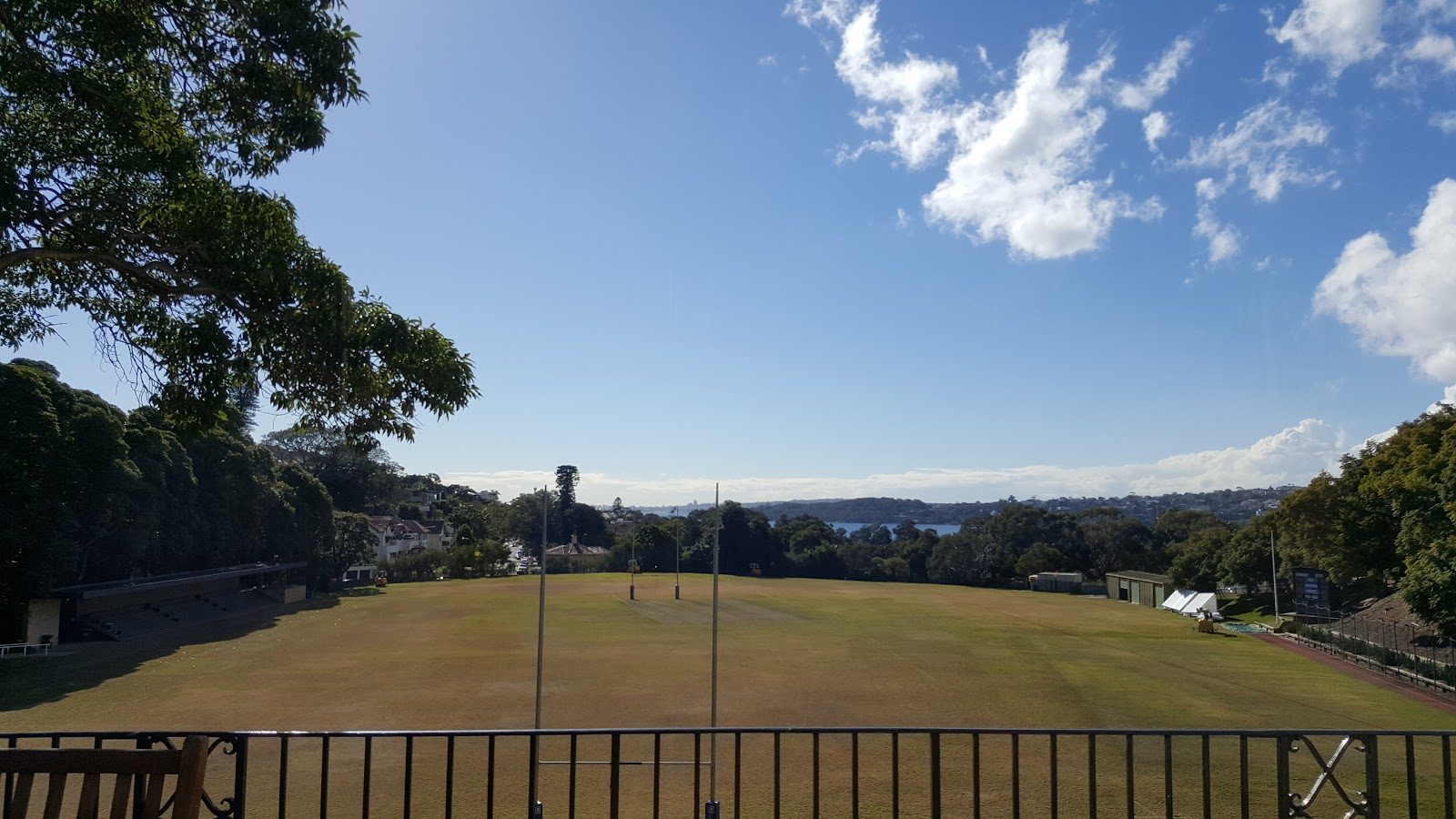
Cranbrook School
Sydney · Australia
Sydney's first IB Continuum School, pairing Bellevue Hill harbour views with a Blue Mountains bush campus for experiential learning.
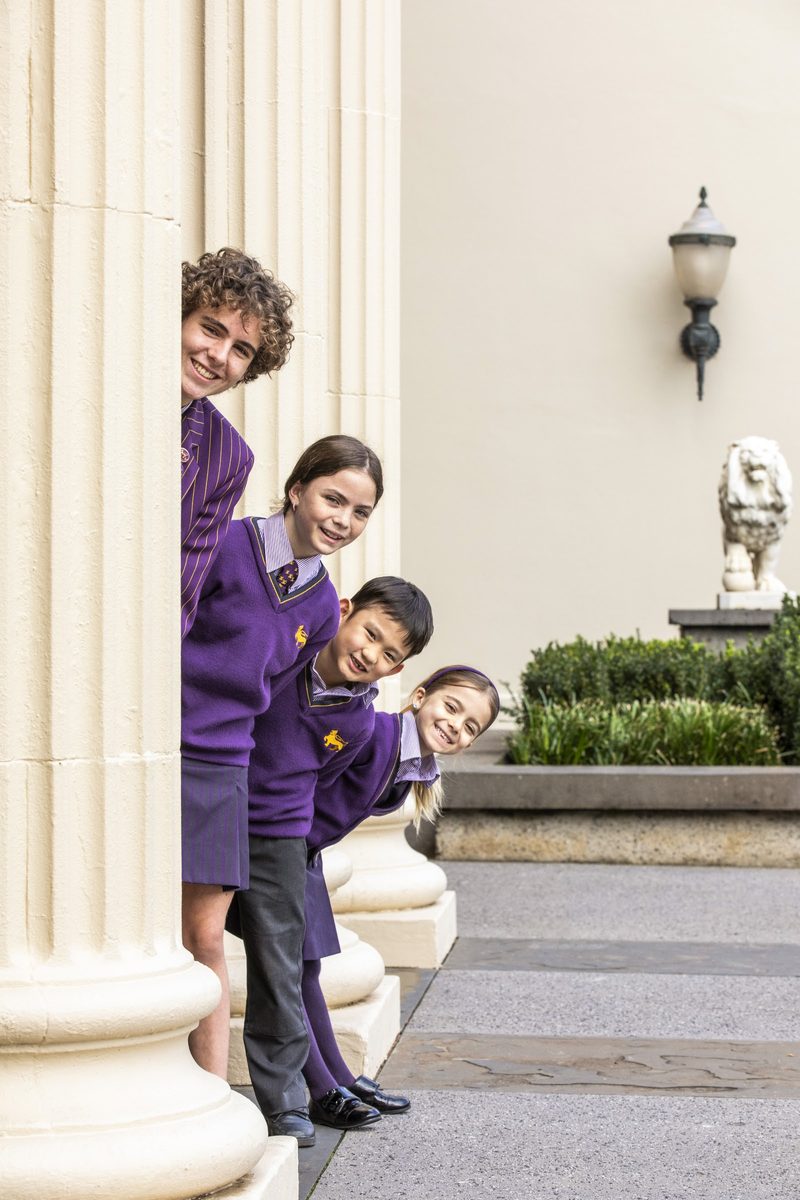
Wesley College
Melbourne · Australia
Runs the full IB continuum alongside VCE across three Melbourne campuses, reaching all the way to a studio school in the Kimberley outback.
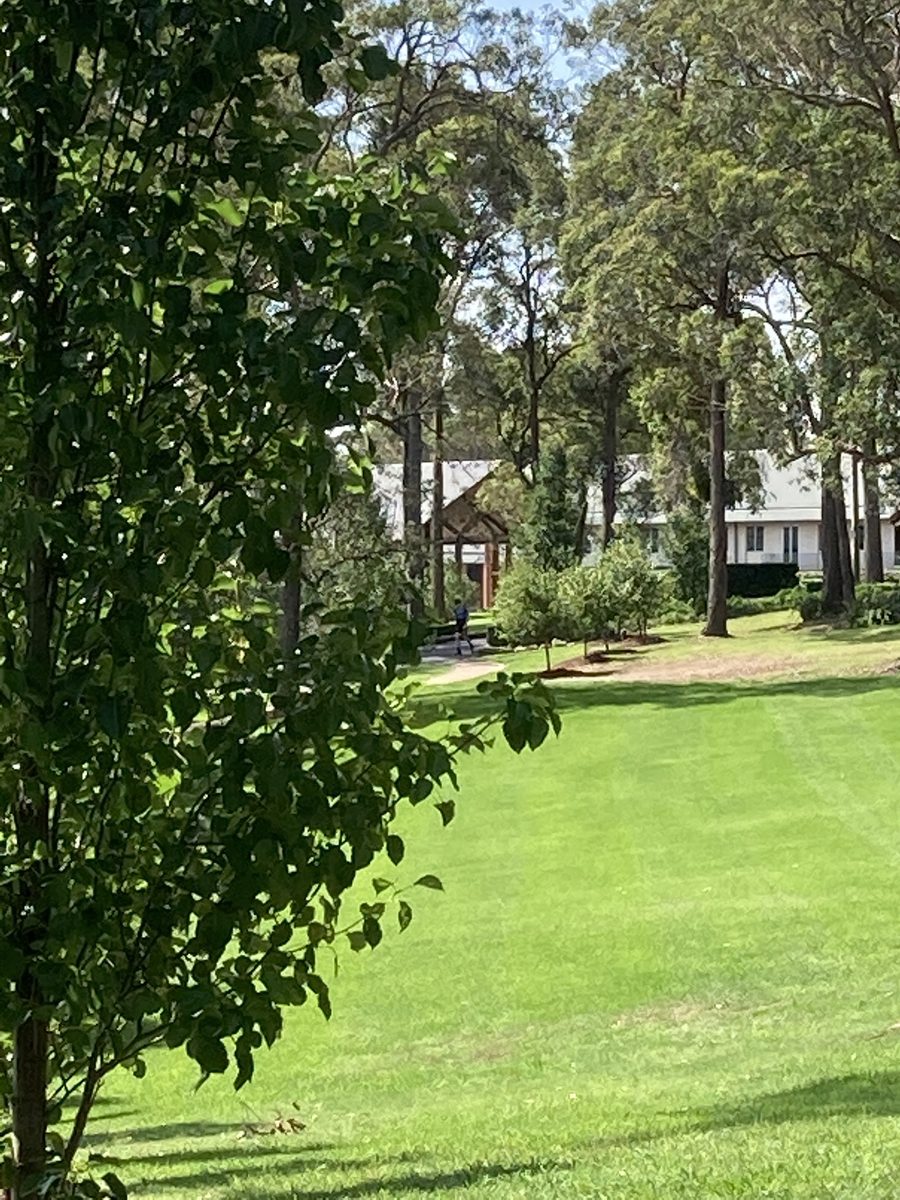
The King's School (Parramatta)
Parramatta · Australia
Australia's oldest independent school, where an 1831 foundation still marches in the country's oldest surviving military uniform and cadet corps.
Methodist Ladies' College
Melbourne · Australia
First school worldwide to put laptops in every student's hands in 1990, now pairing deep VCE-IB choice with an eight-week Marshmead wilderness term.
Same country and curriculum — closest matches within ±10 points either way