
New South Wales
Cranbrook School
high confidence· 6/6 cats · 3.24 avg sourcesSydney's first IB Continuum School, pairing Bellevue Hill harbour views with a Blue Mountains bush campus for experiential learning.
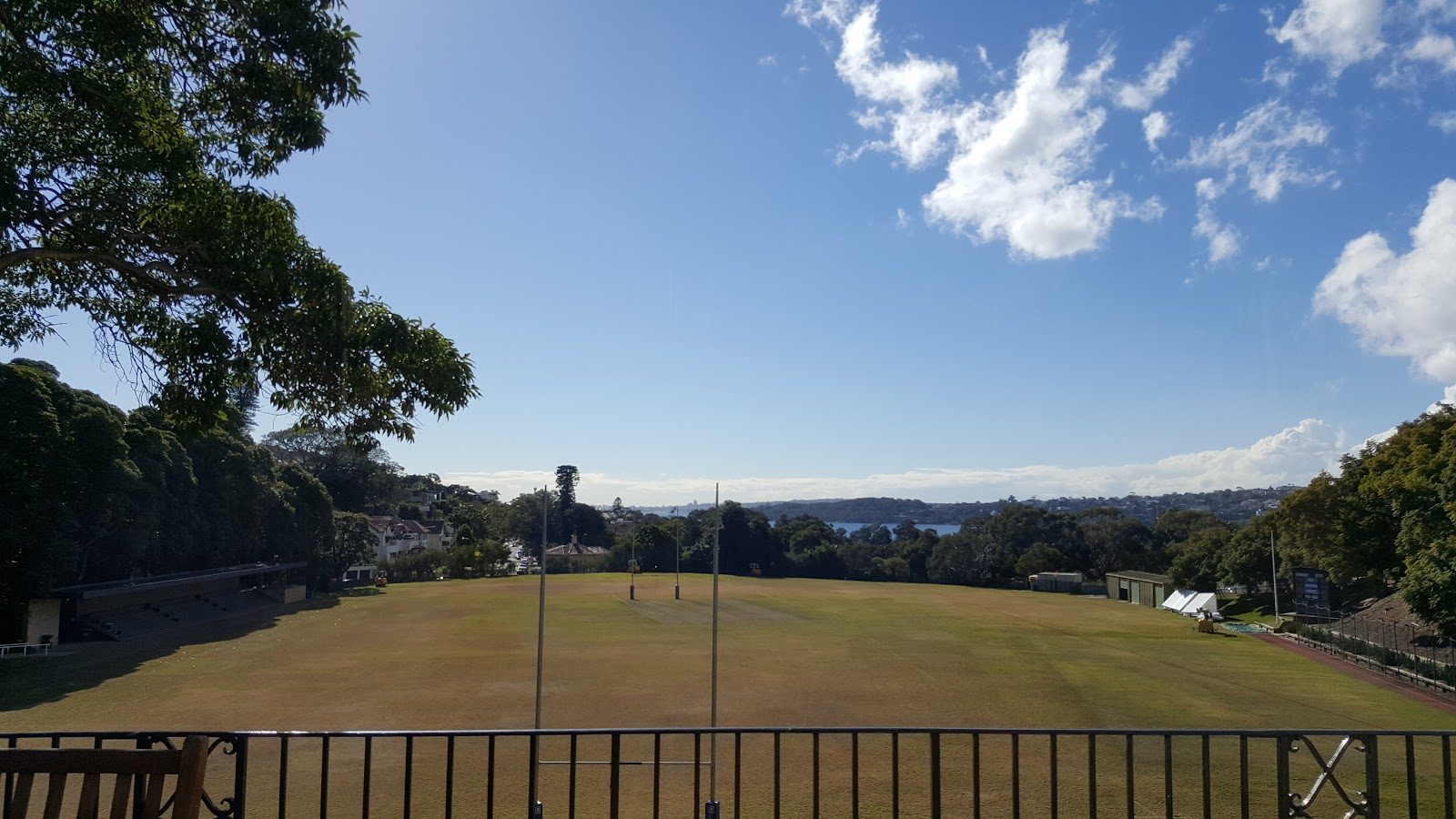
Photo © Hong Lam via Google Maps
Type
Both
Ages
3–18
Curriculum
IB · Australian
Qualifications
IB Diploma · HSC
Ratio
—
The Verdict
Editor's commitment
Right for
Families wanting Sydney day or boarding with IB plus Australian pathways, ages 3–18, and a rare bush-campus counterweight to Bellevue Hill.
Wrong for
Anyone flinching at elite-school economics: the average annual fee is AUD 48,582 day or AUD 94,582 boarding, with ICSEA at 1200.
Watch out for
The numbers are strong — Y9 Reading 628 and Numeracy 626 — but this is still an Anglican school, founded in 1918, with a clear establishment stamp.
Ranking breakdown
Cranbrook School · #354 of 1591
Composite score 72.4. 8 weighted criteria.
By criterion
Academic Outcomes
Weight 20%
#385
of 1529 scored
University Placement
Weight 16%
#398
of 1529 scored
Prestige & Heritage
Weight 12%
#307
of 1529 scored
Alumni Network
Weight 12%
#257
of 1529 scored
Facilities
Weight 12%
#352
of 1529 scored
Transparency & Communications
Weight 8%
#519
of 1529 scored
Peer & Industry Review
Weight 10%
#523
of 1529 scored
Admissions Selectivity & Demand
Weight 8%
#334
of 1529 scored
Score history
Cranbrook School · 2026
Movement across 2024–2026. Peer average overlaid.
Overall — 2024–2026
72.4/ 100
▲ +16.7 vs 2025
year on year
Peer & Industry Review
How Cranbrook School is regarded in the sector
88
Strong · high confidence
Cranbrook is consistently ranked among Sydney's most prestigious GPS (Greater Public Schools) member institutions, frequently covered in Australian Financial Review and Sydney Morning Herald education coverage as one of the country's most expensive and elite private schools with notable alumni including business and political figures. It is a member of the exclusive Sydney GPS association alongside Sydney Grammar, Scots College, and Kings School, and regularly appears in HSC academic performance league tables published independently by NSW media outlets. However, it lacks the truly unanimous top-tier global recognition (e.g., Sunday Times School of Year equivalents) that would push it into the 90+ bracket, and has faced periodic governance controversy covered in the press.
Evidence sources
Editors' overview
Cranbrook occupies a rare niche in Sydney: an Anglican day and boarding school for ages 3 to 18 that runs both the IB and Australian pathways, with IBO accreditation and a campus set-up that stretches from Bellevue Hill to a Blue Mountains bush site. That combination gives it a distinct identity. This is not just a polished eastern-suburbs day school with harbour views. It has a more expansive educational brief, using geography as part of the offer and making experiential learning part of the school’s case for itself. For families who want an all-through school with boarding as an option, and who want the IB in a city where it remains a selective proposition, Cranbrook earns a place on the shortlist quickly.
The academic profile is clear. On MySchool’s 2023 measures, Cranbrook posts an ICSEA of 1200, with Year 9 Reading at 628 and Year 9 Numeracy at 626. Those are strong scores by any standard and they place the school firmly in Sydney’s high-pressure academic market. Parents should read that for what it is: a school drawing a highly advantaged intake and producing correspondingly strong literacy and numeracy results. The attraction lies in that mix of academic seriousness and breadth. The risk, for some children, lies in the same place. A student who needs a gentler tempo or a looser culture will not find this an easy fit.
Fees place Cranbrook in the expensive end of the independent sector. The average annual day fee across the full age range is AUD 48,582; the average annual boarding fee is AUD 94,582. That pricing puts it squarely in the bracket where parents expect not just polished facilities and networks, but a coherent educational proposition. Cranbrook has one: an Anglican framework, all-through provision, boarding, and the draw of Sydney’s first IB Continuum School. The pupil who will want Cranbrook is academically driven, comfortable with ambition, and energized by a school that combines city polish with a serious outdoor and experiential dimension. For the right child, it is a distinctive Sydney proposition.
Academic Performance
Cranbrook sits in Sydney’s top academic tier, but the public picture is incomplete. The school does not publish aggregate IB diploma results, ATAR distributions, or a clean year-on-year external-results dashboard in the public domain. That matters. In a market where leading independents use hard outcomes to prove their case, opaque reporting leaves parents without the simplest comparator: how many pupils reach the top bands, and how consistently. What is visible points to a high-attaining cohort. The MySchool profile already points to strong attainment and a highly advantaged intake, so weak academic outcomes would be a surprise; the question is not whether pupils do well, but how well Cranbrook converts that intake into top-end external results relative to schools in the same fee bracket.
That places Cranbrook in a strong but insufficiently transparent position. It plainly operates in the company of Sydney schools where university admissions matter, competition is intense, and families expect more than reassuring language about breadth and ambition. Without published headline exam data, Cranbrook cannot claim the same evidential clarity as peers that put their top scores, medians and subject outcomes on display. Parents who are comparing it with the city’s academic heavyweights should ask for the last 3 years of IB and ATAR outcomes, including cohort size, score distribution and the share of pupils at the very top. At this price, trust us is not enough.
Facilities
Cranbrook’s facilities divide into two assets that few Sydney peers can match in combination: a commanding Bellevue Hill setting and a dedicated bush campus in the Blue Mountains. That second site matters. Plenty of elite schools run camps; far fewer control a standing outdoor base that folds fieldwork, expeditions and residential programmes into school life. For families who value experiential education, that gives Cranbrook a more serious physical platform than the standard city-campus-with-ovals model. The main campus also carries the advantages parents expect at this fee level: established grounds, sport space, specialist teaching rooms and the polished infrastructure of a long-entrenched independent school. The boarding side raises the operational bar further. A school charging an average of AUD 94,582 for boarders must deliver more than dorm beds and supervision.
Against direct competitors, the picture is strong rather than unmatched. Sydney’s top independents set a ruthless benchmark in theatres, aquatic centres, design labs and high-performance sport complexes, and some have spent aggressively to build showpiece estates. Cranbrook’s edge lies less in spectacle than in range and educational use. The harbour-side campus plus off-site bush provision create a more layered offer than schools confined to dense urban footprints. The weakness is visibility: the school does not publish a crisp, detailed facilities case that lets parents judge specialist provision room by room. At an average day fee of AUD 48,582, families are entitled to that level of clarity.
Cranbrook sits in Sydney’s top academic tier, but the public picture is incomplete
Prestige
Cranbrook carries real social and educational cachet in Sydney. The name has weight in the eastern suburbs, and the school’s setting, traditions and fee level reinforce that status. This is not prestige built on ubiquity or mass-market reach; it is built on selectivity, inherited confidence and a parent body with high expectations. The average annual day fee of AUD 48,582 and boarding average of AUD 94,582 place it in the bracket where schools trade not just on teaching, but on networks, polish and institutional standing. Cranbrook clears that bar. For many families, the draw is as much peer group and milieu as classroom provision.
That prestige still needs separating into social standing and academic proof. Socially, Cranbrook is unambiguously high-status. Educationally, it is *stronger than many schools and less open than the best-run academic operators*. The school benefits from a high-attaining intake and the confidence that attaches to a long-established independent school with a recognisable public identity. Yet prestige at this level cannot rest on image alone. The lack of published aggregate external-results data trims the edge off any claim to full academic authority. The verdict, then, is clear: Cranbrook is *prestigious in name, setting and constituency*, and credible in academic culture, but it does not offer the same hard-result transparency as the most exacting schools in its competitive set.
For the right pupil, Cranbrook offers a distinctive, full-spectrum education rather than a single-campus, single-track school experience
Communications
Cranbrook’s parent communication carries the tone of a school that expects families to keep up. That has strengths. Schools with a clear internal culture and a confident parent body can communicate briskly, with less hand-holding and less clutter than institutions trying to explain themselves from scratch. For engaged parents, that can feel efficient, adult and well-drilled. The weakness sits in accessibility. Cranbrook does not disclose enough hard public information in the areas that matter most to fee-paying families: joined-up academic outcomes, a sharper account of specialist provision, and a clearer picture of how the school measures success beyond atmosphere and tradition. When a school charges an average day fee of AUD 48,582 and an average boarding fee of AUD 94,582, communication stops being a courtesy and becomes part of the service.
So the verdict is mixed. Day-to-day operational communication is the part Cranbrook needs to get right, given the complexity of an all-through school with boarders, younger children, older pupils and activity that extends beyond the main campus. A school of that shape cannot function on vague goodwill. Yet the public-facing side remains too controlled and less transparent than it should be. Parents choosing at this level do not need warm words; they need timely notices, direct answers, calendar discipline and published evidence. Cranbrook communicates with institutional confidence. It does not communicate with enough hard-edged clarity.
Uniqueness
What sets Cranbrook apart is not one glossy feature but an uncommon combination: an all-through Anglican school with both day and boarding life, a harbour-side base and a dedicated bush campus, and a dual academic pathway that runs from the early years to school-leaving. In Sydney, that mix is genuinely rare. Many schools can claim polish; fewer can offer a child one institutional home across the whole age range, then add residential options and a serious outdoor site that changes the texture of school life. The average annual fees underline the scale of that offer: AUD 48,582 for day pupils and AUD 94,582 for boarders place Cranbrook in a bracket where families expect more than conventional eastern-suburbs privilege.
For students, that structure brings breadth with consequences. The obvious gain is continuity: fewer transition points, a stronger sense of belonging, and a clearer long-term academic and pastoral arc. The second gain is range. A pupil can move between high-pressure classroom expectations and learning that takes place off the main campus, with fieldwork, residential experiences and the practical demands of shared life away from home. That gives Cranbrook a more expansive model than the standard elite day school. The trade-off is clear too. A school built on ambition, tradition and institutional confidence will suit self-directed children best. For the right pupil, Cranbrook offers a distinctive, full-spectrum education rather than a single-campus, single-track school experience.
This is not just a polished eastern-suburbs day school with harbour views
Student Profile
The best fit at Cranbrook is a child who likes structure, responds to expectation and has enough self-possession to hold their ground in a high-status, ambition-heavy environment. This is not the place for a pupil who wants anonymity or a casual school culture. The social setting carries weight, and children feel that quickly. The academic indicators are strong — Year 9 reading at 628 and numeracy at 626 — so classmates set a brisk pace and the baseline for classroom confidence runs high. Pupils who thrive here tend to be articulate, organised and comfortable juggling academic demands with sport, co-curricular commitments and the public-facing aspects of school life. Boarders also need resilience; living within a school with this level of expectation adds another layer of pressure.
The other good fit is the student who wants breadth without disorder. Cranbrook suits children who like polished routines but do not want to be confined to a single narrow definition of achievement. The school’s physical and institutional range gives space for outdoors-minded pupils, high performers with stamina, and students who value belonging to a well-drilled, tradition-conscious community. It is a weaker match for children who need a soft-edged pastoral culture, low competition, or a school that wears its status lightly. Parents should ask a blunt question: will their child be energised by a demanding, socially confident peer group, or diminished by it? That answer will decide the fit more than any brochure promise.
It has a more expansive educational brief, using geography as part of the offer and making experiential learning part of the school’s case for itself
Co-curricular strengths
Arts & sport, on a separate axis
Overall 8.86/10
Scored 0-10 from the school's own published evidence. This axis is editorial-only — it does not feed the main WTS ranking.
Sports
9.5/10
Rugby union, Cricket, Rowing, Swimming, Tennis and Basketball, showing a clear multi-sport extracurricular offering but no named facility, specialist staff or competitive results.
Drama
9/10
'Drama productions' as an extracurricular, which is explicit dimension-specific evidence but without further detail on facilities, department or recurring notable productions.
Dance
7.5/10
Music
9.3/10
School orchestra and Choir, indicating more than a bare mention through named ensembles.
Visual Arts
9/10
Visual arts, but provides.
Editor first-pass · editor-reviewable · 7/27/2026
MySchool · ACARA
Australian benchmarks
Editorial estimateReporting year
2023
ICSEA index
1200
+200 vs national average (1000)
Student cohort by national ICSEA quarter
Year 9 NAPLAN — mean scale score
Dashed line = national average
Attendance
93.8%
Enrolments
1580
Sector
Independent
Year range
K–12
Sydney eastern-suburbs boys' day + boarding.
MySchool.edu.au source pageEditor-approximated from MySchool.edu.au. Awaiting school-attested figures.
Strengths
- +Cranbrook was the first major independent school in Sydney to become a full IB Continuum School, offering the Primary Years, Middle Years and Diploma Programmes alongside the NSW curriculum.
- +Historic sandstone harbourside campus in Bellevue Hill, on the site of the former NSW Government House, established in 1918.
- +Strong IB Diploma outcomes, with a 2025 average IB score of 38 and a median ATAR equivalent of 95.
- +Boarding is available from Year 7 to Year 12 through two houses, Rawson and Street, accommodating roughly 75 boarders with resident housemasters and mentors.
- +Notable alumni network including media figure Kerry Packer and Atlassian co-founder Mike Cannon-Brookes.
Considerations
- −Cranbrook only began admitting girls in 2026, initially into Years 7 and 11 only, with full coeducation not reached across all year levels until 2029 - so there is no long track record of a mixed-gender senior school.
- −Tuition is substantial, with domestic day fees running from roughly AUD 35,500 in Kindergarten to over AUD 50,000 by Years 7-10, before IB Diploma or boarding surcharges are added.
- −The school's headmaster resigned in 2024 after an ABC Four Corners investigation alleged mishandling of a teacher misconduct matter and a toxic workplace culture, a governance episode families should be aware of.
- −Most leavers stay in the local system, with about three-quarters proceeding to Sydney universities and only a small minority pursuing degrees overseas.
Availability
Primary entry gate & tests
Academic Record + Interview (Boys)
Gallery
Photo © Lydia via Google Maps
Photo © RenoGrass via Google Maps
Photo © RenoGrass via Google Maps
Photo © Jue Wang via Google Maps
Photo © George Sarspedo via Google Maps
Photo © George Sarspedo via Google Maps
Photo © George Sarspedo via Google Maps
Photo © George Sarspedo via Google Maps
Photo © Alan Chen via Google Maps
Parent reviews
Have you sent your child here?
Voice reviews carry the strongest trust badge — we transcribe them for you to tidy up before they go live. Prefer to type? A written review is fine too.
Add your voice
In 60 seconds, tell other parents: what's the best thing about Cranbrook School, and what surprised you when your child joined?
We ask for a Google sign-in so every review has a real face behind it — no anonymous drive-by attacks on schools, and no faked positive reviews. Your email is never shown publicly.
Send this profile to a friend
International parents rely on word-of-mouth. Share this review with someone weighing the same decision.
Schools with places
Similar schools to Cranbrook School with places available now.
The King's School (Parramatta)
Parramatta · Australia
- 2026-27
- WAITPOOLVacancy-dependent
- 2027-28
- PLACES OPEN
Pymble Ladies' College
Sydney · Australia
- 2026-27
- WAITPOOLVacancy-dependent
- 2027-28
- PLACES OPEN
Ascham School
Sydney · Australia
- 2026-27
- WAITPOOLVacancy-dependent
- 2027-28
- PLACES OPEN
Sydney Grammar School
Sydney · Australia
- 2026-27
- WAITPOOLYr 7 closed; Yrs 8-11 enquire
- 2027-28
- WAITPOOLYr 7 closed; Yrs 8-11 enquire
Availability first, then country, area, curriculum, price, co-curricular
Consider also
Also worth looking at alongside Cranbrook School.
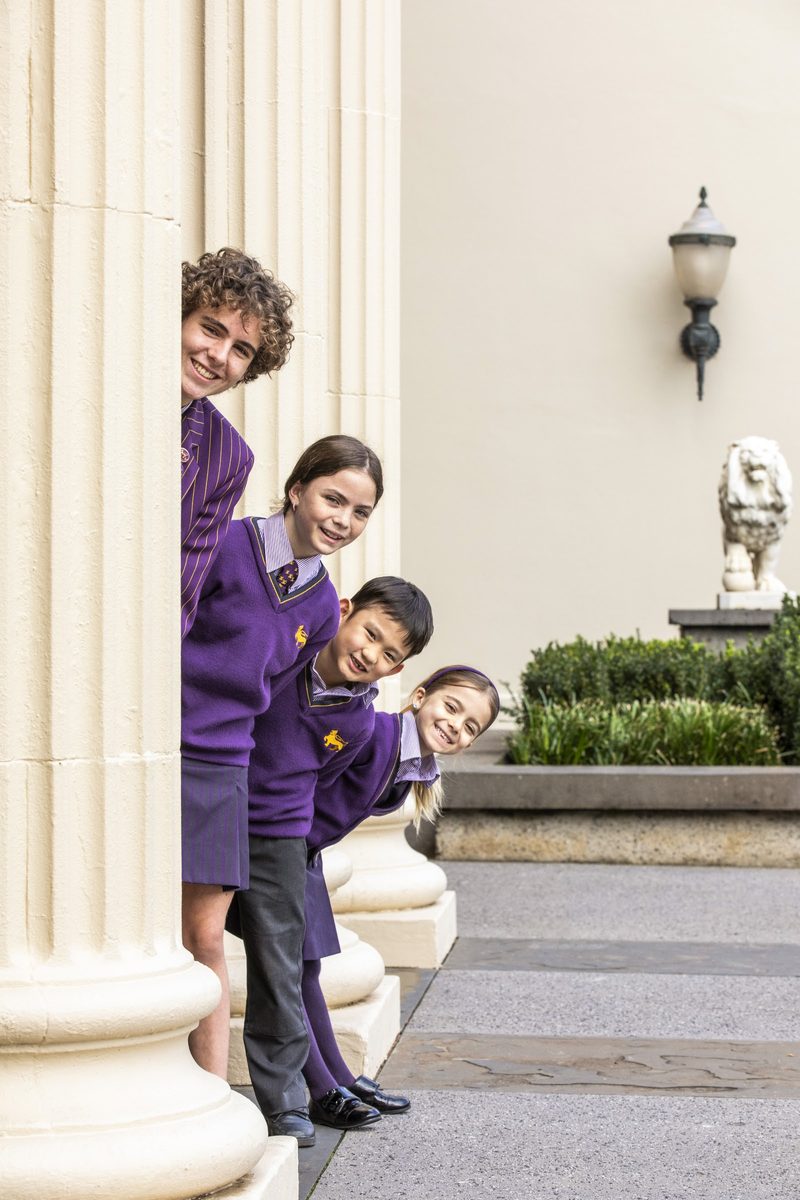
Wesley College
Melbourne · Australia
Runs the full IB continuum alongside VCE across three Melbourne campuses, reaching all the way to a studio school in the Kimberley outback.
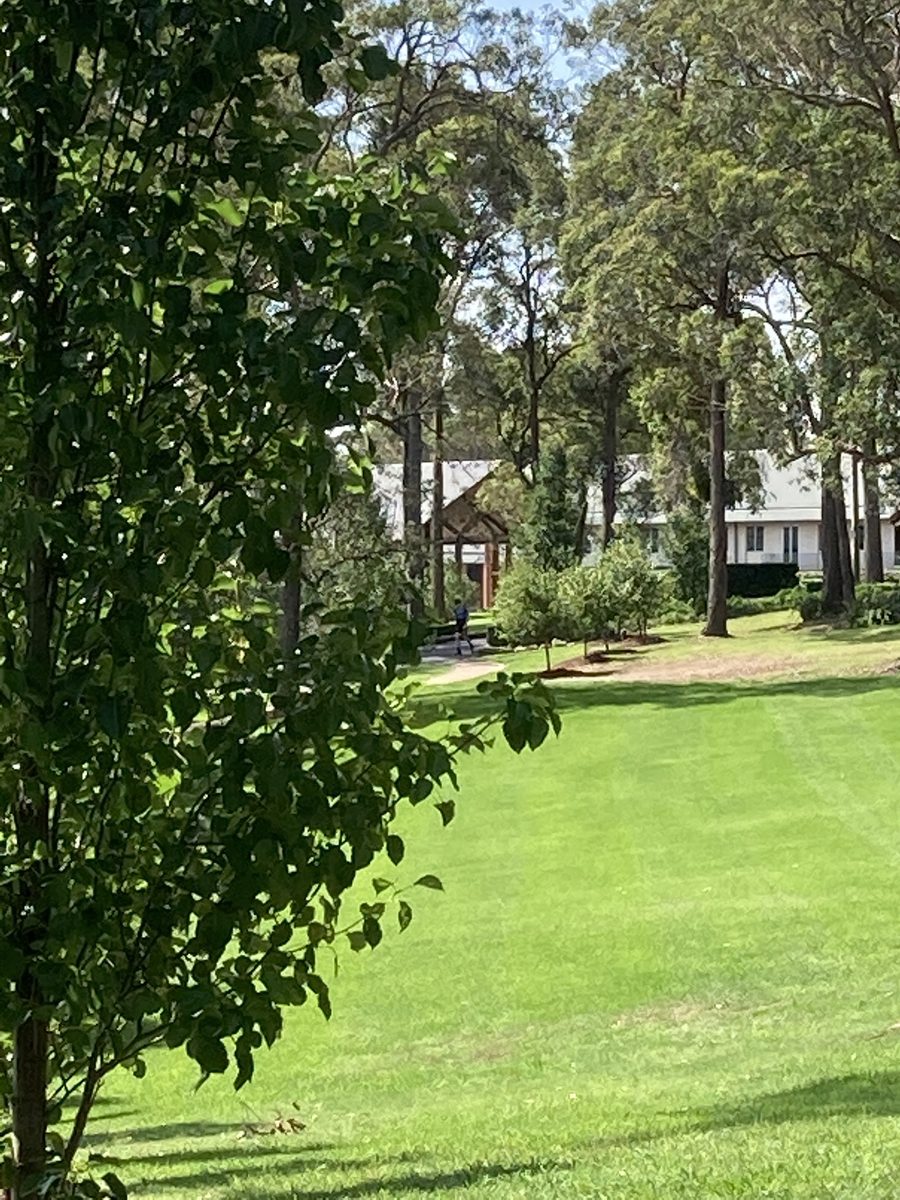
The King's School (Parramatta)
Parramatta · Australia
Australia's oldest independent school, where an 1831 foundation still marches in the country's oldest surviving military uniform and cadet corps.
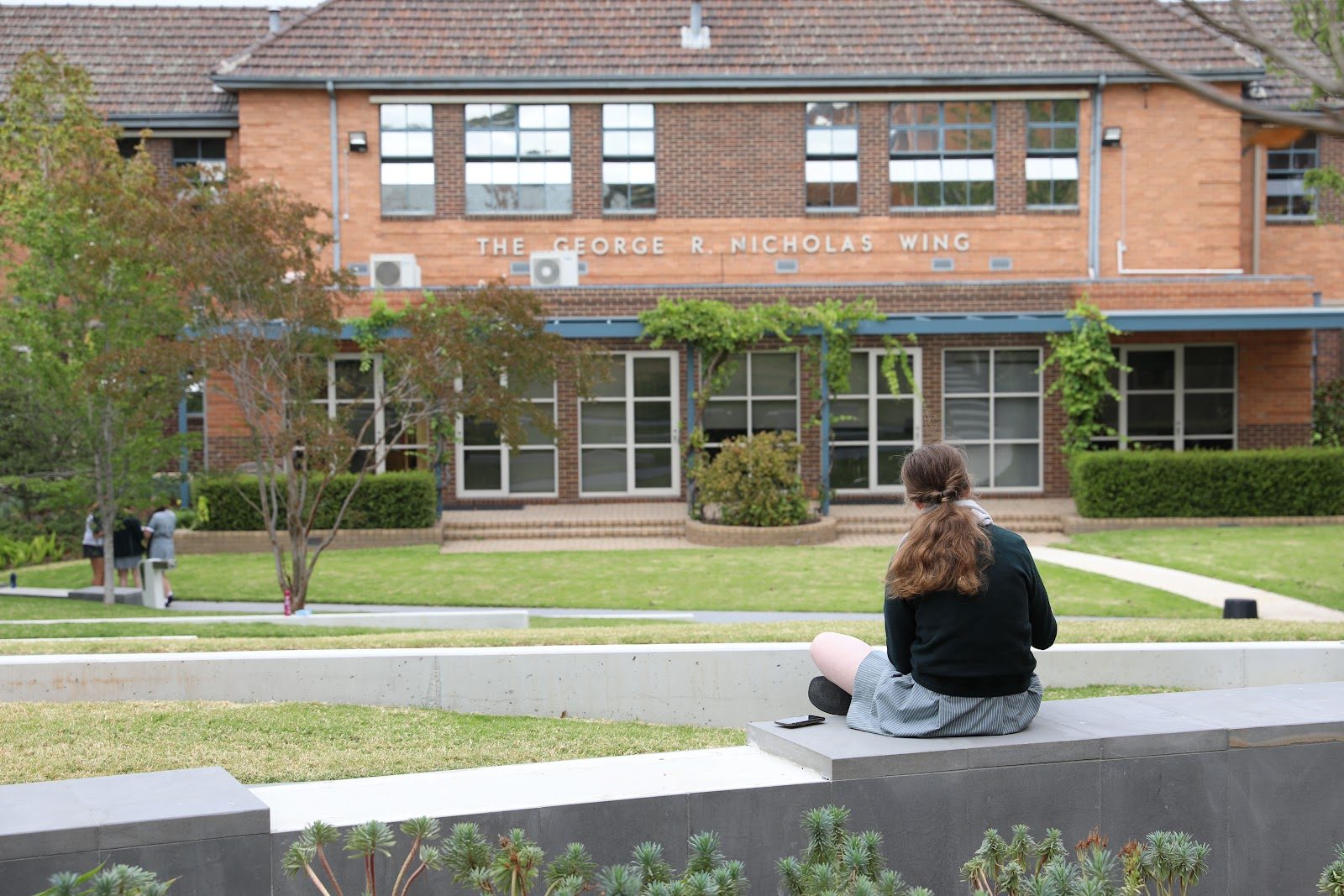
Methodist Ladies' College
Melbourne · Australia
First school worldwide to put laptops in every student's hands in 1990, now pairing deep VCE-IB choice with an eight-week Marshmead wilderness term.
Pymble Ladies' College
Sydney · Australia
On Sydney's Upper North Shore, a non-selective campus of five schools lets girls choose between the IB and HSC pathways.
Same country and curriculum — closest matches within ±10 points either way