
North Carolina
Providence Day School
low confidence· 1/6 cats · 2.67 avg sourcesCharlotte day school that pioneered the nation's first Global Studies Diploma for college-bound global citizens.
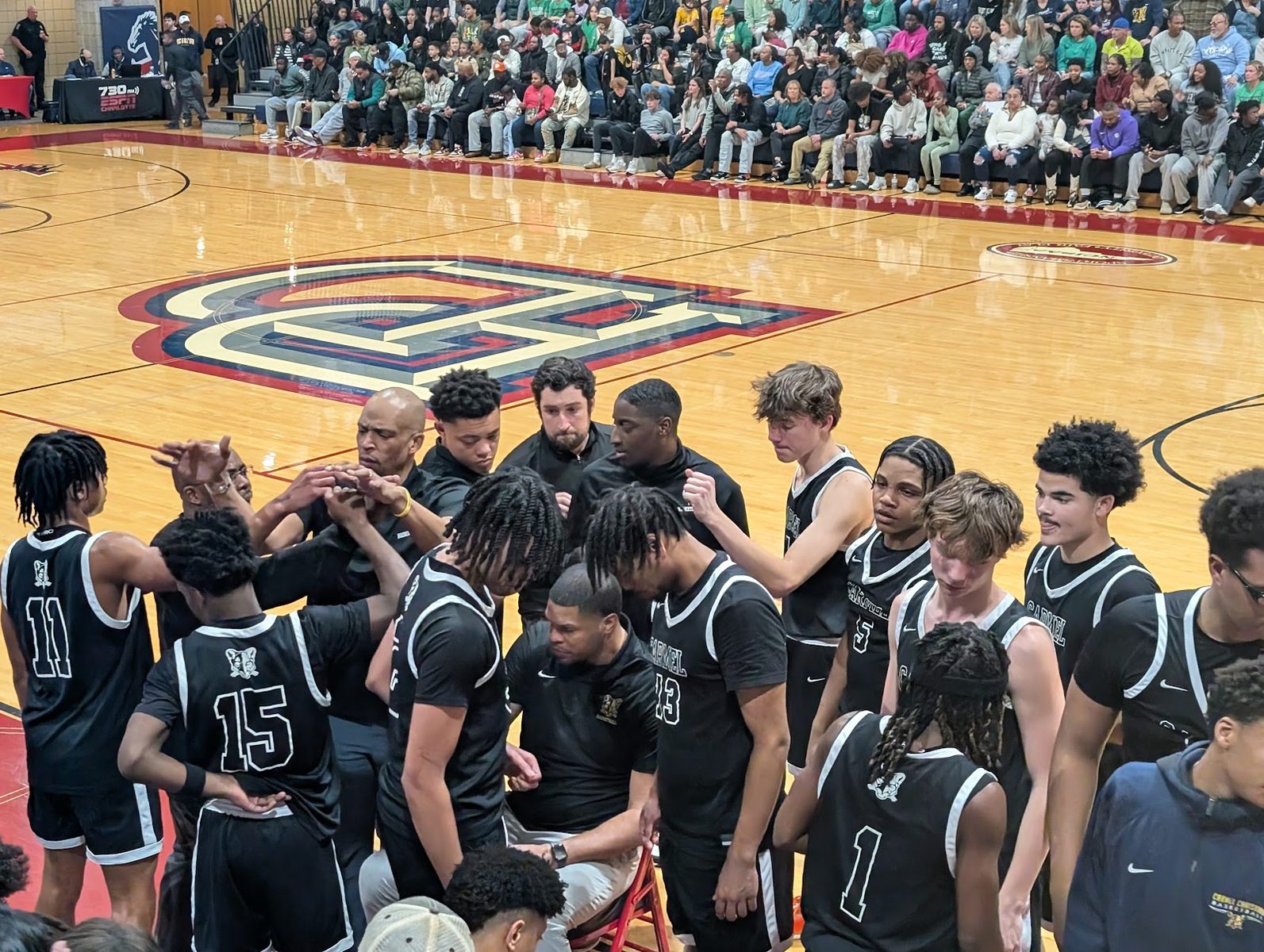
Photo © Wade via Google Maps
Type
Day
Ages
4–18
Curriculum
American
Qualifications
AP
Ratio
8:1
The Verdict
Editor's commitment
Right for
Families wanting a non-religious Charlotte day school, founded in 1970, with an 8:1 ratio and an overt global-citizenship brief.
Wrong for
Parents who want boarding, a faith framework, or a cheaper route than Providence Day's average annual fee of $33,757.
Watch out for
Southern Association of Colleges and Schools accreditation and 60% of faculty with advanced degrees do not offset the school's thin public academic data.
Ranking breakdown
Providence Day School · #983 of 1591
Composite score 61.3. 8 weighted criteria.
By criterion
Academic Outcomes
Weight 20%
#585
of 1529 scored
University Placement
Weight 16%
#516
of 1529 scored
Prestige & Heritage
Weight 12%
#526
of 1571 scored
Alumni Network
Weight 12%
#1512
of 1530 scored
Facilities
Weight 12%
#478
of 1534 scored
Transparency & Communications
Weight 8%
#455
of 1532 scored
Peer & Industry Review
Weight 10%
#527
of 1548 scored
Admissions Selectivity & Demand
Weight 8%
#607
of 1529 scored
Peer & Industry Review
How Providence Day School is regarded in the sector
70
Respected · medium confidence
Within Charlotte, Providence Day is treated as a genuine peer of Charlotte Country Day and Charlotte Latin, the three schools regularly discussed together by local families and consultants as the city's top independent options; none holds a decisive edge and the rivalry is closely watched locally rather than nationally. University-facing regard is steady but regional: admissions officers at UNC-system schools, Wake Forest and similar Southeastern institutions know the school as a reliable, well-prepared applicant pool, though it lacks the elevated name recognition that generates unsolicited commentary from Ivy League or Russell Group admissions staff. Independent education press coverage is thin outside local Charlotte media and school-choice guides aimed at relocating families; it rarely appears in UK-oriented outlets such as the Good Schools Guide or WhichSchoolAdvisor, which skew toward British and international boarding schools, and it is not a fixture on the national league-table circuit that covers elite Northeastern day and boarding schools. Its industry presence is best described as strong-regional rather than nationally benchmarked.
- Grayson Allen — NBA basketball player, sports
- Cody Zeller — NBA basketball player, sports
Editors' overview
Providence Day’s clearest point of difference is its insistence that global education sits inside the academic core rather than on the edges as a travel-week add-on. The school’s own language is blunt: it wants to develop “successful and responsible global citizens”, and that theme runs through its public story, from its long partnership with Charlotte Chinese Academy to repeated emphasis on Global Studies and entrepreneurship. In a crowded US private-school market, that gives Providence Day a distinctive intellectual identity. This is an American, non-religious, college-preparatory day school in Charlotte, founded in 1970, serving ages 4 to 18, and the structure matters: families get one continuous ladder rather than a stitched-together lower-and-upper-school experience.
The academic pitch is serious. Providence Day cites a rigorous curriculum, more than 60 per cent of faculty holding advanced degrees, and a student-teacher ratio of 8:1. That ratio places it in the properly resourced end of the market, and parents paying an average annual fee of $33,757 across the full age range should expect exactly that. Accreditation through the Southern Association of Colleges and Schools gives it the baseline external validation parents need, but the stronger signal is cultural rather than bureaucratic: this is a school for families who want ambition without a religious frame, and who want intellectual stretch tied to social responsibility rather than pure résumé-building. We have not seen published aggregate exam outcomes or university placement data, which leaves a gap in the hard-results picture.
The children who fit best here are bright, busy, outward-facing pupils who want more than conventional college prep. They will value discussion, projects, service, languages, global themes and the chance to move between academic work and experiential learning without the school treating those as separate tracks. It also suits families who want a polished, high-investment independent school with a broad age span and strong adult attention. It is less compelling for parents who want a stripped-back academic factory, a faith-based education, or a school that publishes a dense bank of measurable outcomes. Providence Day belongs on a shortlist because it offers a coherent proposition: an American day school with 4–18 continuity, 1970 pedigree and a clearer-than-average sense of mission.
Academic Performance
Providence Day does not publish the hard exam data that would let parents place it cleanly against direct competitors. We have not seen aggregate AP score distributions, SAT or ACT averages, National Merit counts, IB results, or a university destinations table. That is a real weakness in the school’s academic case. In a fee bracket where peer schools often trade on measurable sixth-form or upper-school outcomes, Providence Day asks families to trust the broader proposition rather than inspect the scoreboard. The public record points instead to academic culture: a college-preparatory structure, repeated celebration of student projects and competitions, and a faculty profile with more than 60 per cent holding advanced degrees. That supports the argument for strong classroom teaching; it does not replace published outcomes.
Relative to peers, Providence Day fits the group of high-investment American independent schools that sell intellectual breadth, enrichment and personal formation alongside university preparation. Its global studies emphasis gives it a sharper identity than many conventional prep schools, and news of DECA success, speech contests and international competition placings signals active student engagement beyond routine coursework. That is encouraging, but it is not the same thing as a transparent academic results record. Parents choosing between Providence Day and more data-forward rivals need to recognise the trade-off: this school communicates mission and programme with confidence, while keeping its external attainment picture strikingly opaque.
Facilities
Providence Day’s public emphasis on experiential learning, play, creativity and rest points to a campus built for more than straight classroom throughput. The clearest facility signals in the school’s own communications sit around specialist programmes rather than bricks-and-mortar chest-beating: sustained coverage of speech, choral music, entrepreneurship, DECA, nutrition provision and service work indicates a school with the spaces and staffing to run a broad operational machine. The partnership with Charlotte Chinese Academy and the repeated global-studies framing also point to infrastructure for languages, cultural programming and cross-school collaboration, not just standard American prep-school classrooms. That matters. Peer schools at this fee level need credible arts space, athletic provision, dining, and flexible rooms for presentations and project work. Providence Day reads as *well-equipped and deliberately programmed*, not minimalist or makeshift.
Against direct competitors, the school’s edge lies less in one trophy facility than in breadth and integration. The new dietitian-led nutrition push is a small but telling marker of an institution that funds support services beyond the academic core. Its football prominence also tells parents that sports facilities carry weight, because elite school sport does not run on goodwill alone. What we do not get is the hard campus inventory that top schools publish when they want to prove capital strength: no definitive public accounting of theatres, labs, maker spaces, pools or performance venues, and no headline campus metrics. That leaves the facilities picture strong but under-documented. For families comparing premium day schools, Providence Day clears the credibility bar; it does not deliver a showroom-spec public facilities case.
In a crowded US private-school market, that gives Providence Day a distinctive intellectual identity
Prestige
Providence Day carries real local weight and a measure of national notice, but its prestige rests more on reputation, resources and programme distinctiveness than on published academic proof. In Charlotte’s private-school market, it occupies the upper tier: expensive, established, ambitious, and broad in what it offers. The low staffing ratio at 8:1 signals the kind of adult attention families associate with status schools, and the average annual fee of $33,757 places it firmly in the premium bracket. The school also benefits from visible extracurricular capital. Its football profile, with ESPN noting one of the country’s stronger high-school programmes, adds a layer of name recognition that reaches beyond the classroom. Prestige in American independents often travels through exactly that mix of academics, sport and institutional confidence.
What stops Providence Day from reaching the most rarefied category is opacity. Top-rank prestige schools do not rely only on mission statements, faculty credentials and a stream of cheerful news items; they also publish hard destination and attainment data, or command such historic clout that they do not need to. Providence Day sits in between. Its global-studies identity gives it a sharper brand than many conventional college-prep schools, and that first-in-the-nation diploma claim has cachet. Even so, the absence of public aggregate results keeps the school’s prestige substantial rather than untouchable. This is a school with strong social and regional standing, clear affluence and a confident public profile, but not one that dominates the national conversation on pure academic prestige.
What stops Providence Day from reaching the most rarefied category is opacity
Communications
Providence Day communicates with parents in a polished, high-frequency institutional voice. The website works hard as a central channel: news is refreshed constantly, leadership announcements are surfaced clearly, and the school pushes a steady stream of stories on student projects, service, competitions, nutrition and community life. That gives parents a strong sense of momentum and organisational competence. It also tells you what the school values. Global education, entrepreneurship, service and student initiative are not buried in a mission page; they are repeated in live updates and programme coverage. The result is a disciplined, well-curated public narrative that keeps families close to the school’s priorities rather than drowning them in administrative clutter. The long partnership with Charlotte Chinese Academy and the school’s claim to the first Global Studies Diploma reinforce that communications are tied to identity, not just diary management.
The weakness is equally clear. Providence Day communicates culture and activity far better than it communicates measurable outcomes. Parents get plentiful colour, but not enough hard performance reporting. We have not seen public aggregate attainment data, and that gap matters because confident communications at this price point need more than celebratory storytelling. Still, on the evidence of the site itself, the school handles parent-facing messaging with professional rigour: current, legible, and institutionally coherent. Families who want an ongoing window into school life will find a high-functioning system. Families who want dashboards, score tables and forensic disclosure will find the communications selective.
Uniqueness
Providence Day’s real distinction lies in the way it makes global education a formal organising idea rather than a decorative extra. Plenty of college-prep schools talk about international awareness; Providence Day built a diploma around it and threads the same outlook through partnerships, entrepreneurship, service and student-led work. That gives the school a clear intellectual spine. It tells students that global thinking belongs in daily academic life, not in an occasional trip, language week or assembly slogan. The benefit is practical as well as ideological: children learn to connect classroom study with public speaking, business competitions, community engagement and cross-cultural collaboration. For the right pupil, that produces a broader and more outward-facing education than standard US private-school prep.
The other point of difference is institutional range. Providence Day runs as a single all-through ladder with the resources of a premium independent school and the programming density to match. Senior Venture, now in its 25th year, signals a school that values capstone experience and tradition without lapsing into nostalgia. The long partnership with Charlotte Chinese Academy reinforces that this global emphasis has real continuity, not a one-season branding exercise. Add a faculty body in which more than 60 per cent hold advanced degrees, and students get both ambition and adult expertise. What this brings is a more coherent version of college preparation: less narrow, more applied, and better suited to families who want schools to shape judgement as well as transcripts.
Providence Day cites a rigorous curriculum, more than 60 per cent of faculty holding advanced degrees, and a student-teacher ratio of 8:1
Student Profile
The pupils who fit Providence Day best are ambitious, articulate and happy with a school life that runs on more than classroom performance alone. This is a strong match for children who enjoy connecting subjects to the wider world: the ones who volunteer for speech contests, business competitions, service projects, language partnerships and student-led initiatives rather than doing the minimum and heading home. The school’s public culture rewards outward-facing energy, self-direction and a serious appetite for involvement. With an adult attention level reflected in the 8:1 ratio and a fee level that signals a high-expectation independent-school environment, pupils also need to cope well with structure, visibility and the pressure that comes with being known.
Socially, the best fit is not the child who wants anonymity or a narrow academic grind. Providence Day suits students who like busy timetables, public participation and a community that links personal integrity with social responsibility. It will work well for polished, high-functioning children who can move between academic work, performance, sport, service and collaborative projects without treating each as a separate identity. The football prominence adds another cue: this is a school where institutional pride and co-curricular life carry real weight. Children who want a broader stage and can use it well will thrive. Children who want a quiet, low-demand school day, or families who prize published academic scoreboards above all else, will find the fit less convincing.
We have not seen published aggregate exam outcomes or university placement data, which leaves a gap in the hard-results picture
Co-curricular strengths
Arts & sport, on a separate axis
Overall 9/10
Scored 0-10 from the school's own published evidence. This axis is editorial-only — it does not feed the main WTS ranking.
Sports
9.6/10
Drama
9/10
Dance
8/10
Music
9.2/10
Visual Arts
9.2/10
Strengths
- +Long-established, well-accredited school: founded in 1970, holds NAIS and SACS accreditation and has twice earned National Blue Ribbon recognition (1987 and 2003).
- +Low student-teacher ratio, cited at roughly 9:1 to 11:1 depending on source, allowing for smaller class sizes across TK-12.
- +Runs a Global Studies diploma track, described as the first such program in the country, with more than 250 graduates completing it since 2007.
- +Strong recent National Merit results, with the school reporting 85 National Merit Finalists and 152 Commended Students over the past decade.
- +Notable athletics program: the school has won the NCISAA's Wells Fargo Cup for overall athletic excellence 12 times, including 3 of the last 4 years, and its football program has drawn ESPN recognition.
Considerations
- −Tuition is high for the Charlotte market, listed at roughly $32,810 to $34,430 for the senior grades depending on the year and source.
- −Admissions involve ISEE or SSAT testing and a recommended interview, and only about 19% of families reportedly receive financial aid, so cost remains a real barrier for many.
- −The school is a pure day school with no boarding option, so relocating families must independently arrange local housing and daily transport.
- −Academic pathway is built around the American college-prep model rather than an IB diploma, which may matter for expat families seeking internationally portable qualifications.
Availability
Primary entry gate & tests
ISEE/SSAT + Interview
Gallery
Photo © Providence Day School via Google Maps
Photo © Providence Day School via Google Maps
Photo © Providence Day School via Google Maps
Parent reviews
Have you sent your child here?
Voice reviews carry the strongest trust badge — we transcribe them for you to tidy up before they go live. Prefer to type? A written review is fine too.
Add your voice
In 60 seconds, tell other parents: what's the best thing about Providence Day School, and what surprised you when your child joined?
We ask for a Google sign-in so every review has a real face behind it — no anonymous drive-by attacks on schools, and no faked positive reviews. Your email is never shown publicly.
Send this profile to a friend
International parents rely on word-of-mouth. Share this review with someone weighing the same decision.
Schools with places
Similar schools to Providence Day School with places available now.
Marymount School of New York
New York City · United States
- 2026-27
- CLOSEDConfirmed full
- 2027-28
- PLACES OPENApplications opened 1 Aug '26
Boston University Academy
Boston · United States
- 2026-27
- CLOSEDRegular cycle closed
- 2027-28
- OPENS SOONOpens Sept '26
Poly Prep Country Day School
Brooklyn · United States
- 2026-27
- CLOSEDRegular cycle closed
- 2027-28
- OPENS SOONOpens Sept '26
Germantown Friends School
Philadelphia · United States
- 2026-27
- CLOSEDRegular cycle closed
- 2027-28
- OPENS SOONOpens Sept '26
Availability first, then country, area, curriculum, price, co-curricular
Consider also
Also worth looking at alongside Providence Day School.
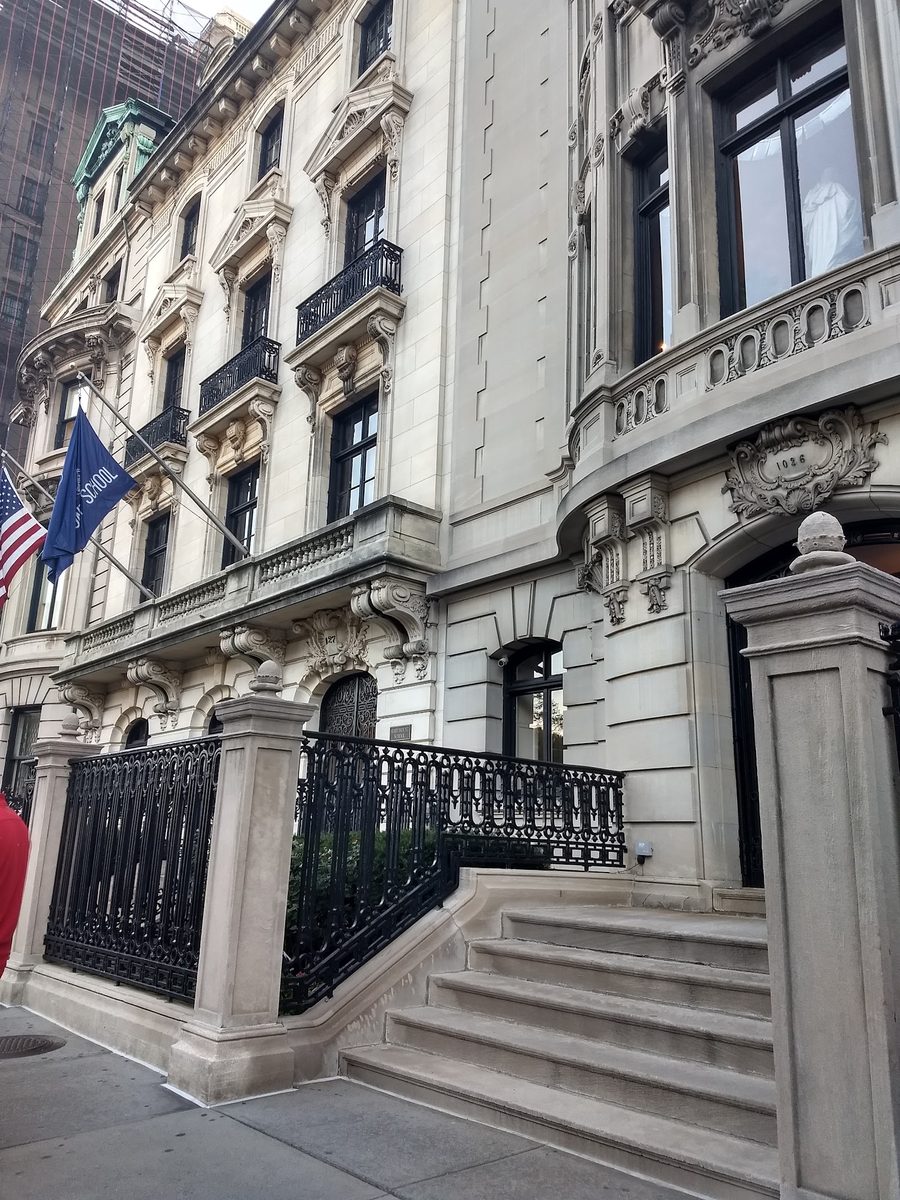
Marymount School of New York
New York City · United States
On Fifth Avenue, landmark mansions give way to Bloomberg terminals and classrooms inside the Met.
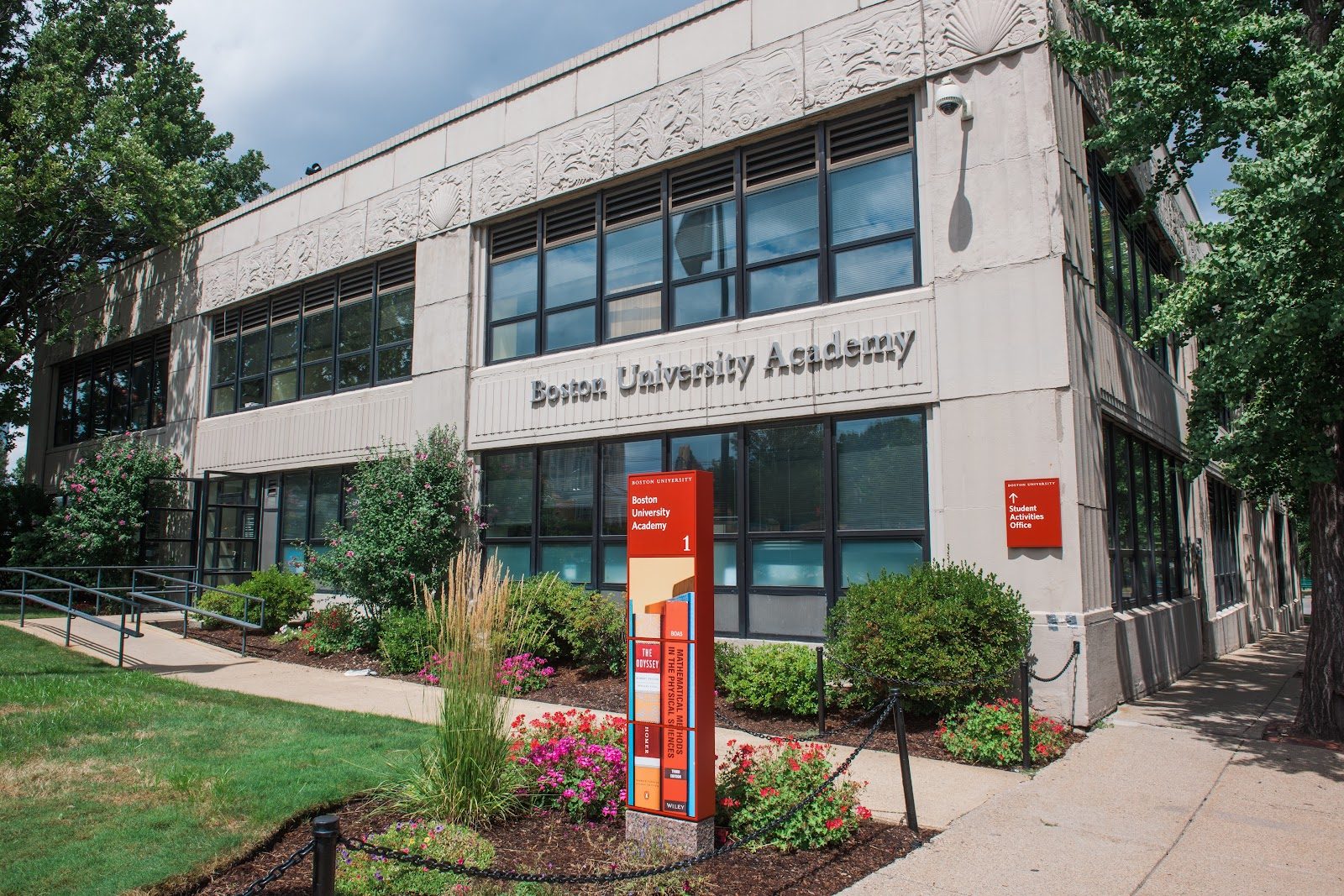
Boston University Academy
Boston · United States
Upperclassmen trade study halls for Boston University lecture halls, banking college credit before graduation.
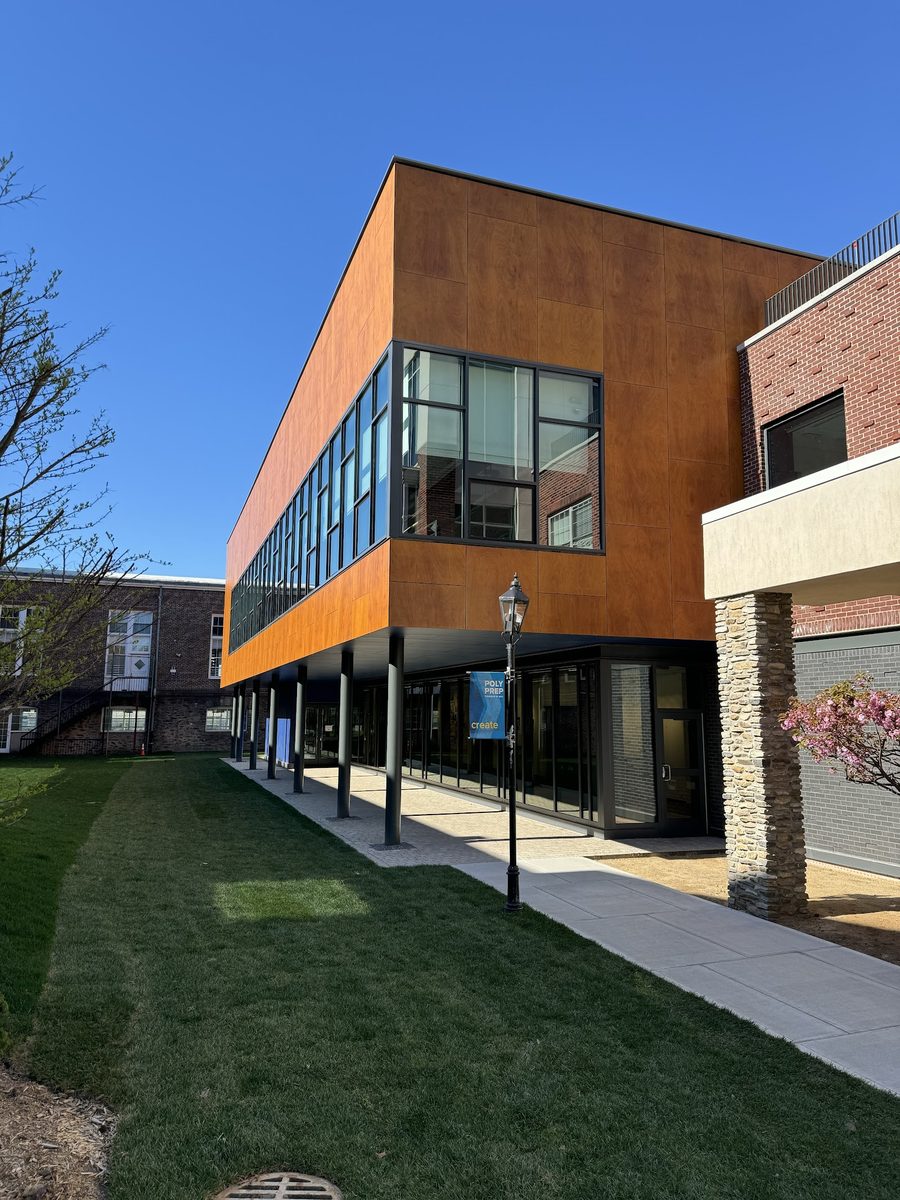
Poly Prep Country Day School
Brooklyn · United States
Founded in 1854 as Brooklyn's first boys' school, this day school pairs a Prospect Park mansion with a 25-acre Dyker Heights campus.

Germantown Friends School
Philadelphia · United States
Rooted in an 1845 Quaker meeting in historic Germantown, where juniors design a month-long independent study of their own.
Same country and curriculum — closest matches within ±10 points either way