
Dubai
Lycée Français Jean Mermoz
medium confidence· 4/6 cats · 3.22 avg sourcesNamed for aviation pioneer Jean Mermoz, this AEFE campus caps classes at 26 across trilingual French, English and Arabic tracks.
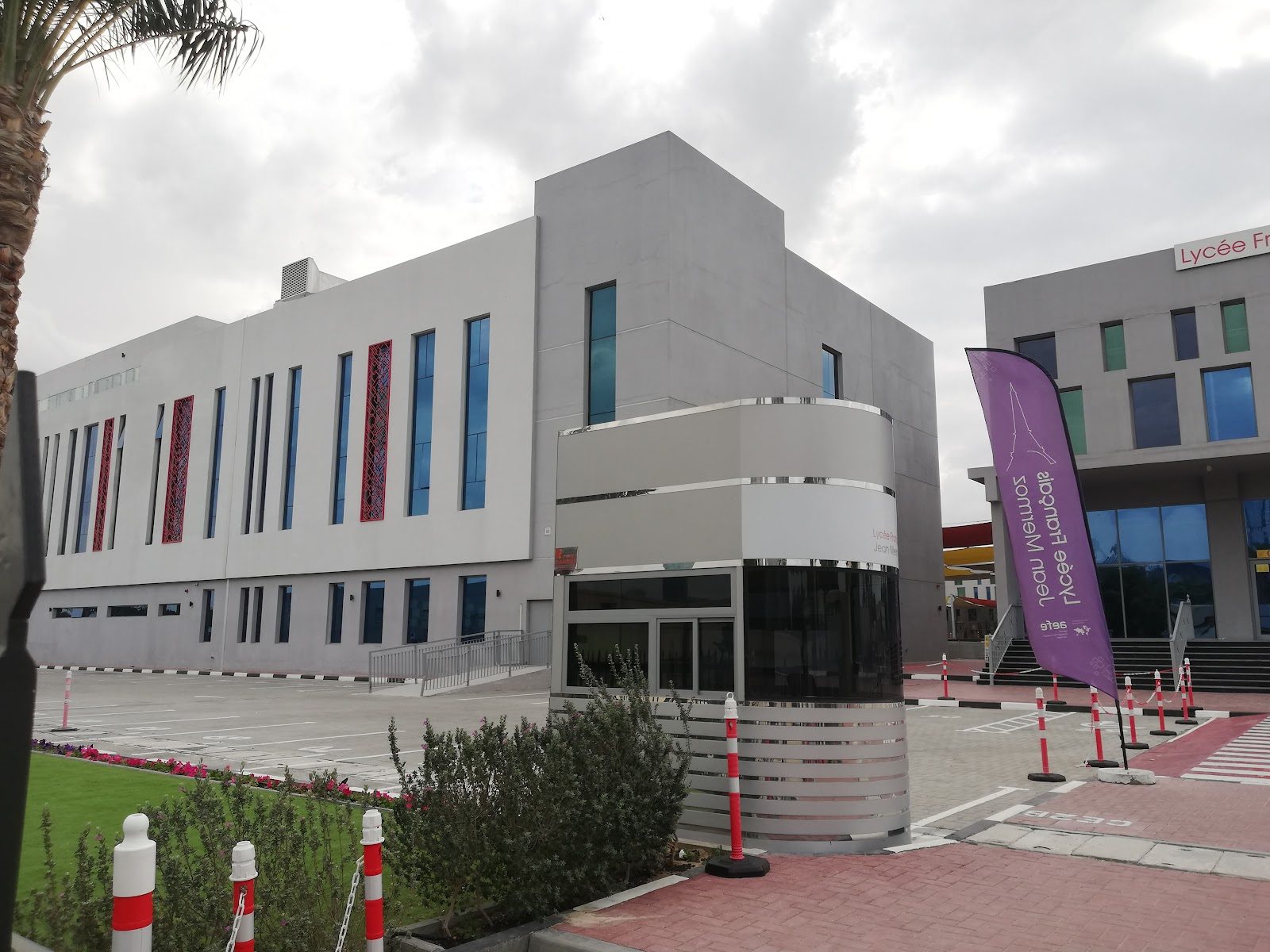
Photo © Important Advice via Google Maps
Type
Day
Ages
3–18
Curriculum
French Baccalaureate
Qualifications
French Baccalaureate
Ratio
—
The Verdict
Editor's commitment
Right for
Families committed to the French Baccalaureate and AEFE oversight, with children aged 3–18 in trilingual French, English and Arabic teaching.
Wrong for
Parents who want IB, A levels or boarding will waste their time; this is a 2017-founded day school, and nothing else.
Watch out for
The average annual fee is AED 53,971; class caps at 26 keep a lid on numbers, not on a full-through-school bill.
Ranking breakdown
Lycée Français Jean Mermoz · #1065 of 1591
Composite score 61.4. 8 weighted criteria.
By criterion
Academic Outcomes
Weight 20%
#857
of 1529 scored
University Placement
Weight 16%
#911
of 1529 scored
Prestige & Heritage
Weight 12%
#1150
of 1571 scored
Alumni Network
Weight 12%
#900
of 1530 scored
Facilities
Weight 12%
#1004
of 1533 scored
Transparency & Communications
Weight 8%
#594
of 1532 scored
Peer & Industry Review
Weight 10%
#1373
of 1548 scored
Admissions Selectivity & Demand
Weight 8%
#1370
of 1529 scored
Score history
Lycée Français Jean Mermoz · 2026
Movement across 2024–2026. Peer average overlaid.
Overall — 2024–2026
61.4/ 100
▲ +33.2 vs 2025
year on year
Peer & Industry Review
How Lycée Français Jean Mermoz is regarded in the sector
60
Respected · medium confidence
Lycée Français Jean Mermoz has earned a respected, if still-maturing, place among Dubai's French curriculum schools, anchored by a KHDA "Very Good" rating across the 2022-23 and 2023-24 cycles that WhichSchoolAdvisor notes puts it on a par with the more established Lycée Français International Georges Pompidou. Its DSIB inspection has left "very positive impressions" and parent feedback is described as strongly favourable, though the reviewer flags that its true test against peers like LFIGP and AFLEC awaits its first Baccalauréat results. SchoolsCompared credits the wider Mermoz network with "a growing reputation for being pioneers in their sectors worldwide", while noting Dubai's branch has yet to build an organised alumni network of its own. Expansion to a second South campus for 2024-25 signals rising demand, but the school's peer standing remains solid regional rather than sector-leading.
Editors' overview
The defining feature at Lycée Français Jean Mermoz is not a grand estate or a sprawling legacy. It is the combination of an AEFE-accredited French school, a full ages 3–18 span, and a trilingual structure in French, English and Arabic, with classes capped at 26. In Dubai’s French-school market, that matters. Parents looking for a school that keeps a firm grip on the French Baccalaureate while operating in the linguistic reality of the UAE will find a clear proposition here: academic continuity, language breadth and a more contained scale than the city’s biggest all-through campuses. Founded in 2017, it is still a young institution, but the framework is established and the mission is plain.
Its market position is straightforward. This is a specialist French-curriculum day school, not a hybrid international school borrowing bits of French identity for brand value. The AEFE accreditation gives it substance, and the trilingual offer gives it local relevance. The average annual day fee is AED 53,971, which places it in Dubai’s upper-middle tier: expensive enough to signal a serious international operation, but not at the extreme end of the market. For families who want French academic structure without paying the city’s very highest fees, that price point earns attention. The class cap of 26 also deserves notice. It does not promise boutique teaching, but it does set a ceiling that many large urban schools fail to articulate clearly.
This school belongs on a shortlist for parents who want a disciplined academic route to the French Baccalaureate and who value bilingual or trilingual fluency as a working part of school life, not a slogan. It will suit French families wanting continuity, francophone expatriates who need a recognised French pathway, and internationally minded households prepared for a system that is more codified and less loose than many English-medium schools in Dubai. The pupil who thrives here will be comfortable with structure, language learning and a curriculum with clear academic demands. Families seeking broad curricular experimentation, a strongly Anglo-Saxon school culture or a campus built around spectacle rather than scholarship will find stronger fits elsewhere.
Academic Performance
Lycée Français Jean Mermoz does not publish the kind of public exam data that would let parents benchmark it cleanly against the stronger French schools in Dubai. We have not seen aggregate Baccalaureate pass rates, mention-level breakdowns, cohort averages or subject-by-subject outcomes in the public domain. That matters. In a market where academic credibility rests on external results, silence leaves a gap. The school’s case therefore rests less on published attainment and more on structural signals: an AEFE framework, an all-through French route, and a stated class ceiling that points to controlled conditions rather than mass-market scale. Those are useful indicators, but they are not results.
Set against established French peers, Jean Mermoz sits in the category of schools with opaque outcomes. That does not mean weak performance; it means unproven performance in public. For some families, especially those already committed to the French system, that will be acceptable if internal reporting is rigorous and transition points are well managed. For anyone comparing schools with a sharper eye on sixth-form destinations and examination consistency, the absence of published headline data is a material drawback. A school asking parents to commit an average of AED 53,971 a year across the full ladder needs to show where its leavers land and how its examination cohorts perform. Until it does, Jean Mermoz remains an option built on framework and intent rather than demonstrated academic heft.
Facilities
The campus offers the essentials a modern all-through school needs, but it does not trade on spectacle. The most useful published detail is the classroom ceiling of 26, which sets expectations for teaching spaces and group size more clearly than many rivals manage. For families looking at day-to-day school life, that matters more than a glossy atrium. We have not seen a public list of specialist spaces detailed enough to verify the depth of science labs, performing arts provision or high-performance sports infrastructure, and that gap is important. In Dubai, peer schools at the top end of the market now publish exhaustive facility inventories; Jean Mermoz does not. That leaves its estate reading as functional rather than showpiece, serviceable rather than lavish.
Against comparable French-system schools, that profile is not fatal. Many parents in this segment care more about order, classroom discipline and a campus that supports academic routine than about architectural theatre. Still, there is a difference between a school that keeps facilities in proportion and one that is simply thin on visible specialist provision. Jean Mermoz sits in that unresolved space. Nothing in the public domain points to a bare-bones operation, but neither does anything establish a campus with exceptional breadth. The verdict is straightforward: adequate for a serious day school, but not a facilities-led proposition, and weaker on public transparency than peers that spell out exactly what pupils can use and where.
The defining feature at Lycée Français Jean Mermoz is not a grand estate or a sprawling legacy
Prestige
Prestige here sits in the second tier of Dubai’s French-school market: credible, serious and recognised within the francophone system, but not a campus that carries the automatic cachet of the city’s longest-established names. The school benefits from belonging to the official French network, and that matters. For families who prize institutional continuity, regulated standards and straightforward mobility within that world, the badge has real weight. The all-through age range adds to that credibility because it offers a complete school journey rather than a partial or improvised version of French education. The average annual fee of AED 53,971 also places it in the bracket where parents expect substance, not a budget compromise.
That said, prestige in this market does not rest on framework alone. It rests on reputation earned over time, examination outcomes placed in public view, and a leavers’ record that other parents can test. Jean Mermoz does not yet command that level of hard-edged prestige. Its public profile is still developing, and the absence of published headline results keeps it from the top rank. This is a school with institutional legitimacy rather than social glamour; professional respect rather than marquee status. For the right family, that distinction is no weakness. Some parents want a school that does the job with discipline and clarity, not one trading on mythology. Still, prestige here is *earned by affiliation more than by renown*.
In Dubai, peer schools at the top end of the market now publish exhaustive facility inventories; Jean Mermoz does not
Communications
Parent communication looks competent rather than exceptional. The school gives families the core tools they need: a functioning public website, clear contact routes, admissions information, calendar-led notices and enough structural explanation to understand how the school operates. That baseline matters, and Jean Mermoz meets it. The weakness is depth. It does not publish the fuller layer of information that stronger schools now treat as standard: detailed academic outcomes, richer insight into senior leadership thinking, or a more expansive public account of pupil life beyond the essentials. For current parents, that gap matters less if internal channels are disciplined and prompt. For prospective parents, it leaves the school less legible than peers with sharper external communications.
The pattern fits the institution. This is not a school selling itself through high-gloss storytelling or a constant stream of promotional noise. It communicates in a practical, restrained way, which many French-system families will value. That restraint, though, edges into opacity when parents want proof, not just process. A school charging an average of AED 53,971 a year needs communication that does more than keep the admin running; it needs communication that builds confidence in academic standards, leadership judgement and day-to-day school culture. Jean Mermoz clears the first bar. It does not yet clear the second with enough force. The result is orderly but not fully persuasive communication: serviceable for families already inclined towards the school, less convincing for hard-nosed comparators.
Uniqueness
What sets Jean Mermoz apart in Dubai is its refusal to dilute the French school model for export. Many international schools borrow a national label while bending towards a generic global-middle curriculum. This school does not. Its distinctiveness lies in a clear institutional spine: one academic route, one linguistic ecosystem, and a published cap of 26 pupils per class that keeps the operation contained rather than sprawling. The trilingual structure is the other point of difference. In a city where schools often bolt Arabic on for compliance and English on for market reach, Jean Mermoz builds all three languages into the daily architecture of learning. That gives pupils more than timetable variety; it gives them real linguistic stamina and a school life that matches the social and professional realities of the Gulf.
For students, the benefit is practical. They move through a school shaped by coherence rather than compromise, with fewer mixed messages about academic direction or linguistic priority. Francophone families get continuity without cultural dislocation. International families get entry into a system with firm expectations and a stronger sense of sequence than many looser all-through schools offer. The result is not breadth for its own sake, nor the glossy eclecticism that fills many Dubai prospectuses. It is a disciplined, language-rich education for children who will gain from structure, precision and the confidence that comes from operating across more than one linguistic and cultural register.
Nothing in the public domain points to a bare-bones operation, but neither does anything establish a campus with exceptional breadth
Student Profile
The pupil who fits best here is comfortable with structure, correction and steady academic pace. This is not a school for children who need a loose classroom culture, constant performance opportunities or a campus built around social buzz. It suits families who value routine, linguistic discipline and a peer group shaped less by flash than by serious academic intent. Francophone households will find the easiest cultural fit, but the school also works for internationally mobile families who want their child in a system with clear expectations and a recognisable internal logic. The class cap of 26 helps here: the atmosphere reads contained, orderly and harder to disappear inside than at the largest through-schools.
Socially, the fit is strongest for pupils who are adaptable, respectful and prepared to work across more than one linguistic register every day. Children who enjoy precision, teacher direction and incremental progress will settle more naturally than those who need broad elective choice or a highly individualised school identity. Parents paying an average of AED 53,971 a year will also want a child who benefits from substance over theatre, because this school’s appeal rests on educational coherence, not lifestyle packaging. For ambitious but grounded students, that can be a good, hard-edged match. For pupils who want a more expressive, expansive or overtly Anglo-international school experience, it is the wrong fit.
Its public profile is still developing, and the absence of published headline results keeps it from the top rank
Co-curricular strengths
Arts & sport, on a separate axis
Overall 3.2/10
Scored 0-10 from the school's own published evidence. This axis is editorial-only — it does not feed the main WTS ranking.
Sports
4/10
Multiple sports—Football, Basketball, Swimming and Judo—showing a solid extracurricular sports offering.
Drama
3/10
Theatre is explicitly named in the extracurricular list, but only as a bare listing with no further detail.
Dance
3/10
Dance is explicitly named in the extracurricular list, but only as a bare listing with no further detail.
Music
3/10
Choir is explicitly named in the extracurricular list, which evidences a music activity, but there is.
Visual Arts
3/10
Art Club is explicitly named in the extracurricular list, but only as a bare listing with no further detail.
Editor first-pass · editor-reviewable · 7/27/2026
Strengths
- +French Baccalaureate pathway from ages 3–18
- +French, English and Arabic all taught
- +AEFE-accredited within the French state-linked network
- +Non-religious, co-educational setting in Dubai
Considerations
- −French Baccalaureate may limit non-French curriculum choice
- −Young school with limited published examination track record
- −French-led instruction may not suit non-Francophones
Availability
Primary entry gate & tests
CAT4 / Assessment
Gallery
Photo © Lycée français Jean Mermoz via Google Maps
Photo © Lycée français Jean Mermoz via Google Maps
Photo © Lycée français Jean Mermoz via Google Maps
Photo © Lycée français Jean Mermoz via Google Maps
Photo © Lycée français Jean Mermoz via Google Maps
Parent reviews
Have you sent your child here?
Voice reviews carry the strongest trust badge — we transcribe them for you to tidy up before they go live. Prefer to type? A written review is fine too.
Add your voice
In 60 seconds, tell other parents: what's the best thing about Lycée Français Jean Mermoz, and what surprised you when your child joined?
We ask for a Google sign-in so every review has a real face behind it — no anonymous drive-by attacks on schools, and no faked positive reviews. Your email is never shown publicly.
Send this profile to a friend
International parents rely on word-of-mouth. Share this review with someone weighing the same decision.
Schools with places
Similar schools to Lycée Français Jean Mermoz with places available now.
Lycée Libanais Francophone Privé
Dubai · United Arab Emirates
- 2026-27
- PLACES OPENApps open / space-dependent
- 2027-28
- WAITPOOL2027/28 timetable TBC
Bilingual French International School Dubai
Dubai · United Arab Emirates
- 2026-27
- PLACES OPENApps open / space-dependent
- 2027-28
- WAITPOOL2027/28 timetable TBC
Lycee Francais International Georges Pompidou
Dubai · United Arab Emirates
- 2026-27
- CLOSEDStandard route closed
- 2027-28
- OPENS SOONOpens Jan/Feb '27
Availability first, then country, area, curriculum, price, co-curricular
Consider also
Also worth looking at alongside Lycée Français Jean Mermoz.
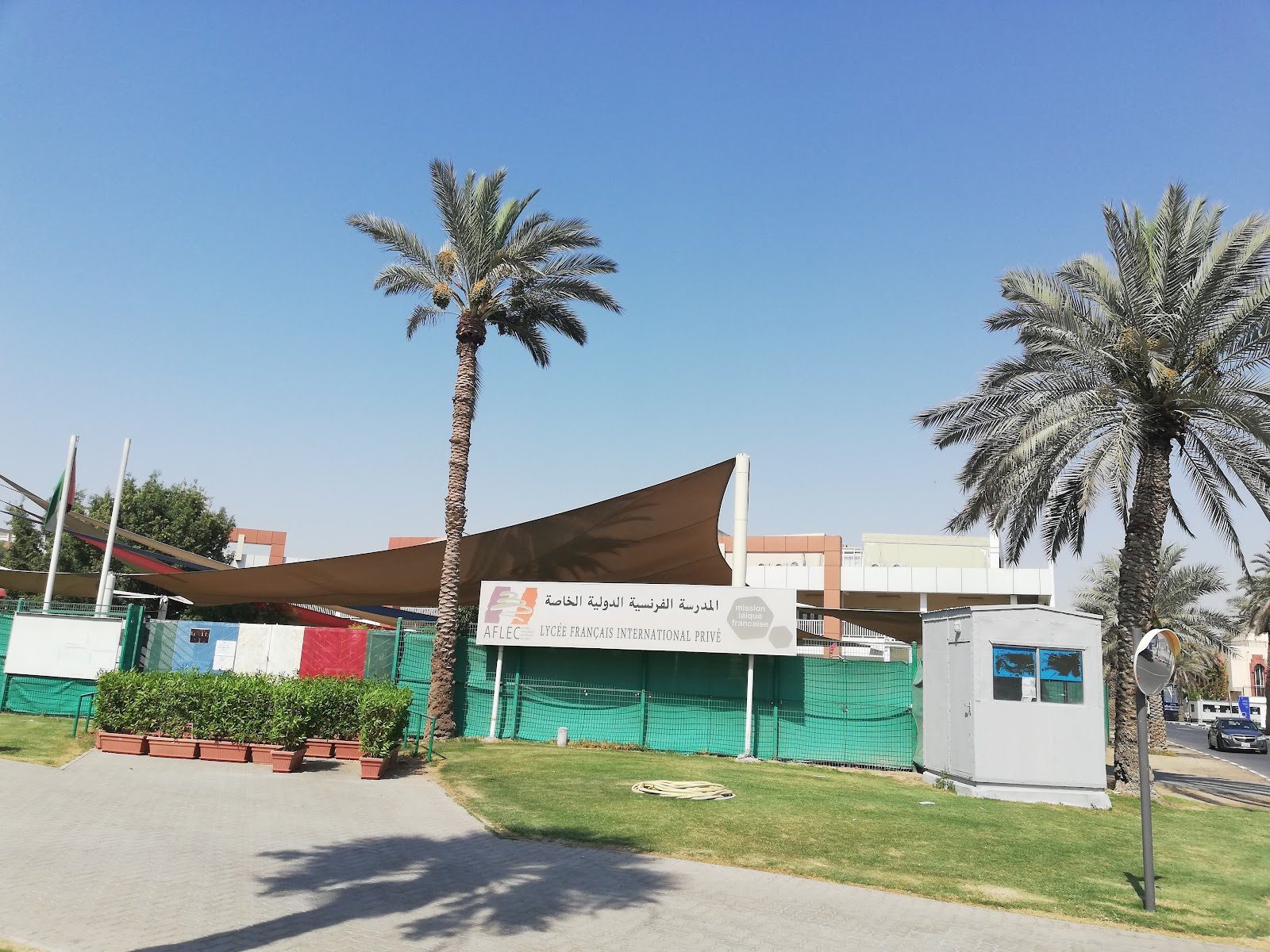
AFLEC Lycée Français International
Dubai · United Arab Emirates
Steps from Dubai Creek's old quarter, this Baccalaureate campus weaves an American section into its French core.
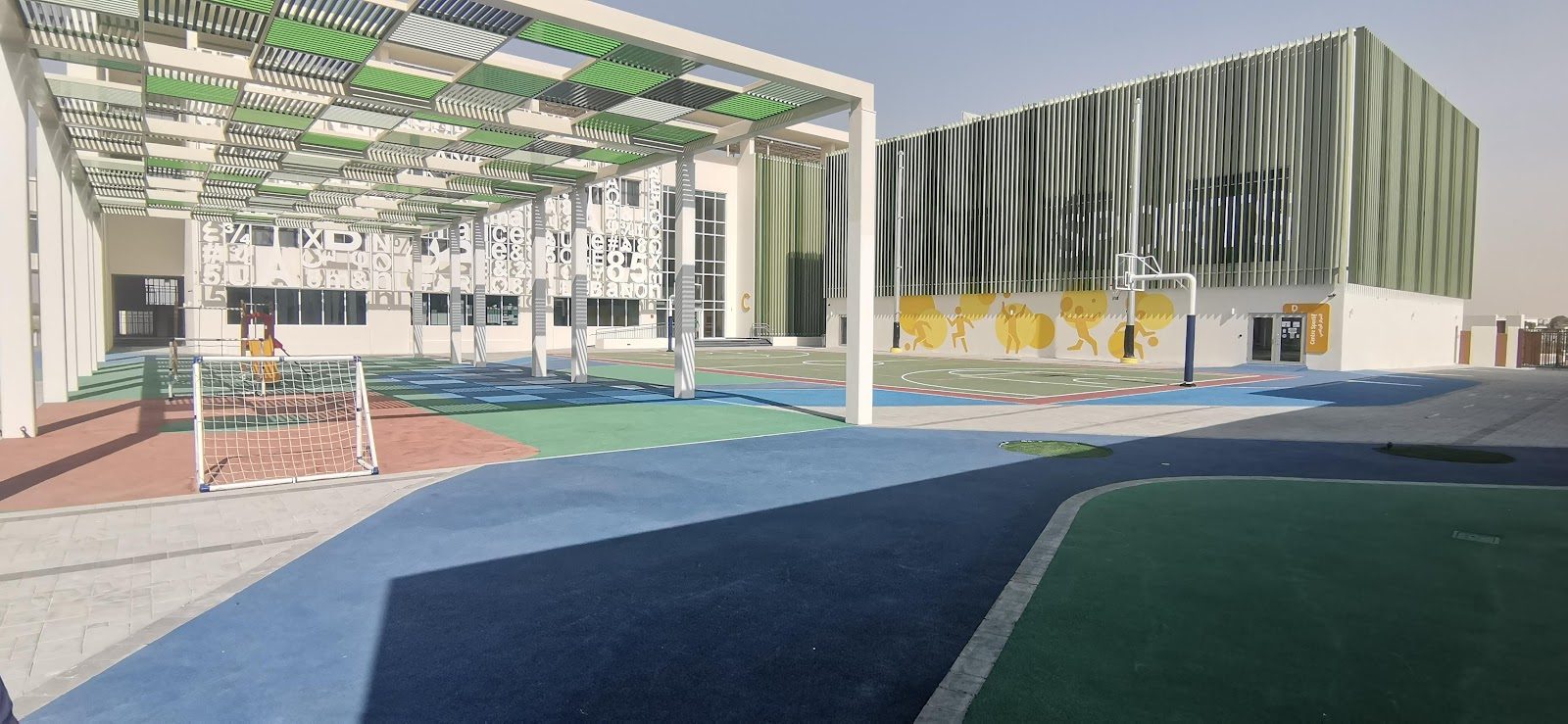
Lycée Libanais Francophone Privé
Dubai · United Arab Emirates
Rooted in Lebanese Francophone heritage, this trilingual lycee pairs rigorous French Baccalaureate study with a solar-powered Meydan campus.
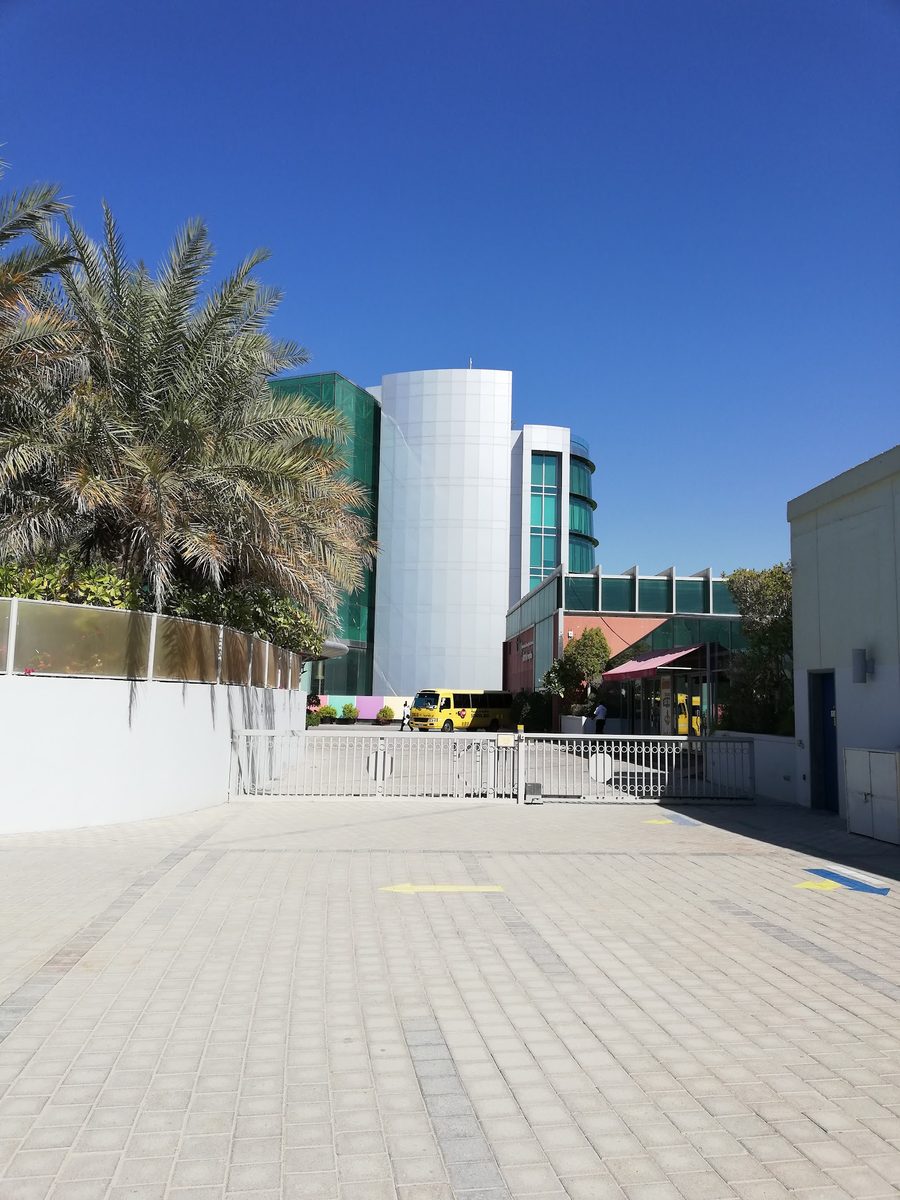
Bilingual French International School Dubai
Dubai · United Arab Emirates
Near Meydan's racecourse, four qualification pathways -- French Bac, IB, AP and Cambridge -- converge under one bilingual roof.
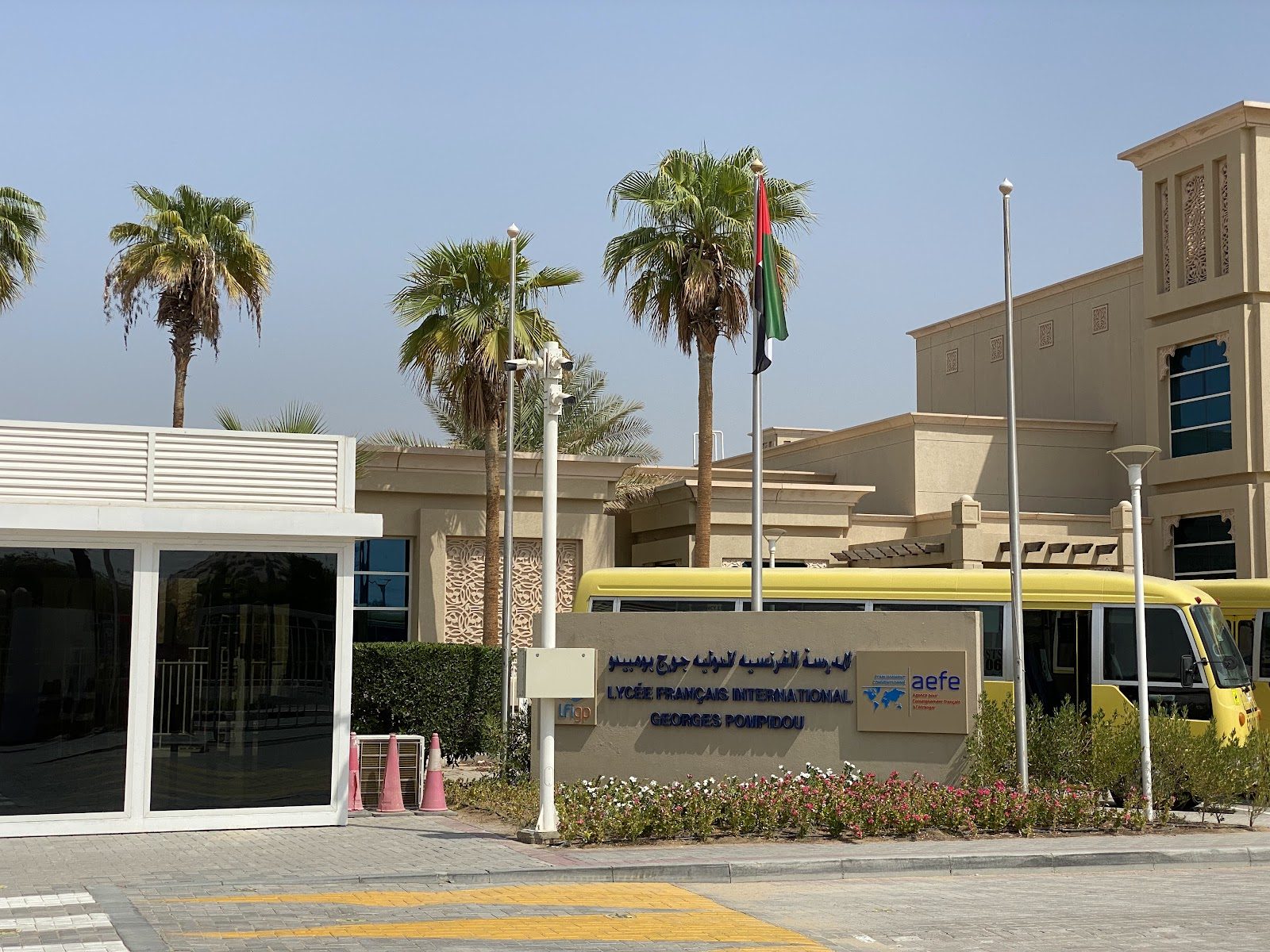
Lycee Francais International Georges Pompidou
Dubai · United Arab Emirates
Dubai's Very Good-rated French Baccalaureate school, delivering a bilingual French-English education for ages 3 to 18.
Same country and curriculum — closest matches within ±10 points either way