
Dubai
Lycee Francais International Georges Pompidou
low confidence· 6/6 cats · 0 avg sourcesDubai's Very Good-rated French Baccalaureate school, delivering a bilingual French-English education for ages 3 to 18.
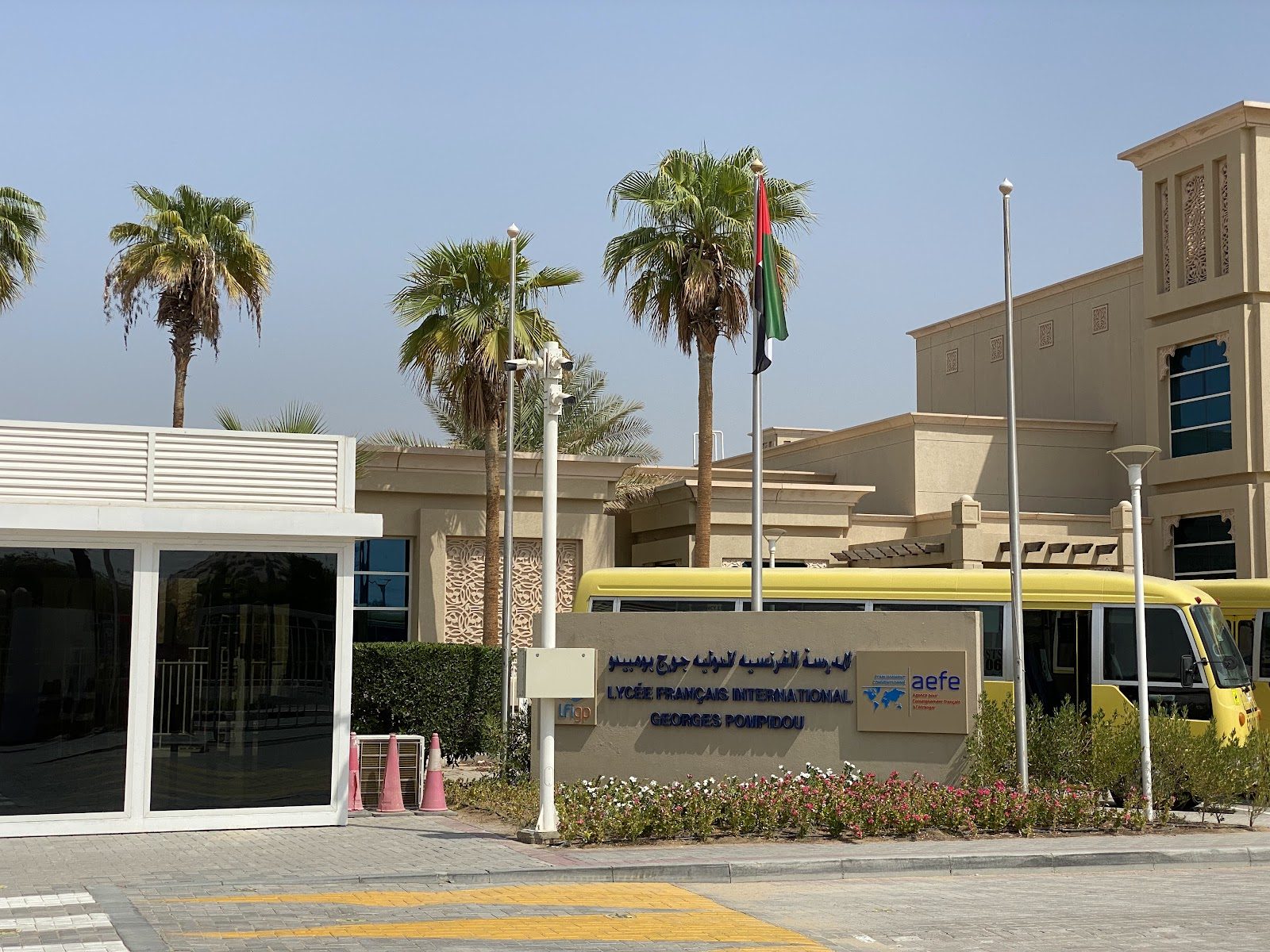
Photo © SYKO BLOGGER via Google Maps
Type
Day
Ages
3–18
Curriculum
French Baccalaureate
Ratio
—
The Verdict
Editor's commitment
Right for
Families set on the French curriculum from age 3 to 18, with KHDA Outstanding oversight and a bilingual French-English classroom.
Wrong for
Parents wanting British or IB pathways should look elsewhere: this is a day school, founded in 1973, anchored in French education.
Watch out for
Around 2,500 students across Dubai Academic City and Oud Metha means scale; check which campus your child will actually attend.
Ranking breakdown
Lycee Francais International Georges Pompidou · #534 of 1591
Composite score 69.8. 8 weighted criteria.
By criterion
Academic Outcomes
Weight 20%
#333
of 1529 scored
University Placement
Weight 16%
#354
of 1529 scored
Prestige & Heritage
Weight 12%
#713
of 1571 scored
Alumni Network
Weight 12%
#745
of 1530 scored
Facilities
Weight 12%
#584
of 1533 scored
Transparency & Communications
Weight 8%
#457
of 1532 scored
Peer & Industry Review
Weight 10%
#486
of 1548 scored
Admissions Selectivity & Demand
Weight 8%
#888
of 1529 scored
Peer & Industry Review
How Lycee Francais International Georges Pompidou is regarded in the sector
68
Respected · high confidence
Lycée Français International Georges Pompidou is widely regarded as the benchmark French curriculum school in Dubai, with SchoolsCompared judging it "a school that is hard to find fault with" and praising cross-phase outstanding provision in science, English and mathematics alongside what it calls "exceptional value for money" against Tier 1 English and IB peers. WhichSchoolAdvisor notes that French-speaking families "routinely select LFIGP as their first choice," underlining its status as the community's default option since its 1973 founding, and lists it among its parent-survey-driven Best of rankings. KHDA inspection history shows a run of Outstanding grades before settling at Very Good, largely on Arabic and Islamic Education compliance rather than academic delivery. Coverage is solid and consistently favourable, though its reputation remains firmly regional rather than part of the wider international school conversation, with SchoolsCompared flagging SEN provision as an area still needing refinement.
Evidence sources
Editors' overview
Lycée Français International Georges Pompidou occupies a specific and valuable niche in Dubai: a long-established French school with a full 3–18 age range, a bilingual French-English offer, and two campuses in Dubai Academic City and Oud Metha. Founded in 1973, it is one of the older international schools in the city, and that matters. In a market crowded with schools built around Anglo-American pathways, LFIGP gives families a direct French route through to the French Baccalaureate without asking children to switch systems midstream. The school also has scale — around 2500 students — which brings breadth, continuity and a settled institutional rhythm that smaller niche schools do not match. Its current KHDA rating is Outstanding, a stronger headline than the old “Very Good” tag many parents still associate with the school.
What puts it on a shortlist is not glamour but clarity. This is a school for families who want academic structure, cultural continuity and a serious French educational framework in Dubai. The bilingual dimension widens access beyond strictly francophone households, but the centre of gravity remains French in ethos, expectations and progression. That makes LFIGP a strong fit for parents who value a curriculum with national coherence and a school culture that prizes discipline, literacy and intellectual habits over trend-led packaging. It will also appeal to families who want an established institution rather than a shiny newcomer trading on facilities and marketing.
The trade-off is equally clear. Parents seeking a loose, highly personalised, seminar-style environment may find a school of this size more formal and more system-driven. Families whose priority is an English-first route into British or American examinations have stronger alternatives elsewhere in Dubai. LFIGP suits students who thrive with clear rules, steady expectations and a curriculum that builds cumulatively year after year. It suits children from French, francophone and internationally mobile families who need a dependable through-school and who benefit from being in a community where the French pathway is the norm, not an add-on. For the right child, that brings real academic ballast and a strong sense of direction.
Academic Performance
Academic performance is the point where public information thins out. The school does not publish aggregate French Baccalaureate outcomes, cohort averages, subject distinctions, or multi-year trend data in the public domain. That matters. In Dubai’s top tier, families increasingly expect hard numbers, not just institutional reputation. Without published headline results, LFIGP is harder to place precisely against the city’s strongest academically selective operators, and that limits scrutiny. Parents who want clean benchmarking against other French schools, or against high-performing British and IB competitors that publish score profiles in detail, do not get it here. For a school with an Outstanding KHDA rating and a large through-school cohort, that opacity is a real weakness.
That does not put the school in the weak-results category; it puts it in the harder-to-verify category. Its standing rests more on regulatory confidence, longevity and the stability of the French system than on publicly disclosed exam statistics. Within Dubai, that places LFIGP in a different bracket from schools that market headline-grabbing attainment data year after year. For families already committed to the French route, the absence of published aggregate results will not be a deal-breaker if internal reporting is strong and progression is secure. For families comparing across systems, it is a material gap in the school’s academic case.
Facilities
Facilities are not a public strength of this school’s case, because the school does not publish a detailed facilities profile. What is clear is structural rather than glamorous: the school operates across 2 campuses, which gives it the footprint to serve pupils from the early years through sixth form and to separate age groups in a way many single-site city schools cannot. For parents, that usually means better age-appropriate organisation, less daily friction between very young children and older teenagers, and a campus rhythm with more institutional order than the cramped, vertical-school model common in Dubai. It does not, however, place LFIGP in the city’s arms-race tier of schools that trade on theatre-scale performing arts centres, statement architecture, or resort-style sports provision.
Against peers, that matters. The strongest British and premium IB campuses in Dubai now use facilities as a selling tool in their own right: indoor arenas, expansive sports fields, specialist labs, black-box theatres, design suites, and high-spec creative spaces. LFIGP’s edge lies elsewhere. Families choosing the French route are buying functional seriousness, not showpiece excess. That is a respectable position, but it leaves a gap for parents who place heavy weight on elite sports infrastructure, splashy arts spaces, or the kind of high-gloss campus experience that luxury competitors deliver more aggressively. In this area, the school reads as established and serviceable rather than physically exceptional.
In Dubai’s top tier, families increasingly expect hard numbers, not just institutional reputation
Prestige
LFIGP carries solid institutional prestige within its own lane, not the flashier social prestige that clings to Dubai’s premium British brands. Its status rests on three things: longevity, scale, and direct connection to the French educational world. Among families who want the French route done properly, that matters more than glossy facilities or aggressive self-promotion. A school serving around 2500 pupils across 2 campuses has reach, visibility and a built-in alumni network of families who know the system and stay loyal to it. That gives the school serious standing in francophone and internationally mobile circles, and it gives parents a level of confidence that newer niche operators have not earned.
The prestige has limits, and they are important. This is not an elite school in the Swiss-finishing-school sense, nor a hyper-selective academic trophy school publishing eye-catching outcomes year after year. Its reputation is earned rather than glamorous. Outside the French and francophone community, the name carries less immediate cachet than Dubai’s better-marketed English-medium heavyweights. The school’s public reticence on exam data also caps its prestige with hard-nosed academic shoppers; true top-tier prestige now depends on transparent results as well as heritage. So the rating here is high, but not rarefied: LFIGP offers credible, system-based prestige for families who value continuity, seriousness and cultural fit over status display.
In this area, the school reads as established and serviceable rather than physically exceptional
Communications
Parent communication reads as institutional rather than intimate. That fits a large, long-established school spread across 2 campuses: systems matter more than charm, and families need clear operational messaging on routines, timetables, events and year-group expectations. The school’s public identity is orderly and formal, which points to communication that prioritises notices, process and academic structure over hand-holding. For many parents in this segment, that is a virtue. They are not buying a boutique, high-touch service culture; they want a school that tells them what matters, when it matters, and keeps the machine running. Where this model works well, communication feels disciplined, predictable and free of drama.
The weakness sits in transparency rather than day-to-day administration. A school can send efficient reminders and still leave parents underinformed on bigger questions. That issue already shows up in the school’s thin public disclosure on outcomes, and it has consequences for trust. Families comparing schools at the top end want more than operational competence; they want candid academic reporting, clear performance signals and a direct account of strengths and weak spots. LFIGP gives the impression of a school that communicates from authority, not from a consumer-service mindset. Some parents value that old-school seriousness. Others will read it as opaque and less responsive than Dubai’s sharper, more parent-facing competitors. Effective for routine communication, then, but not a benchmark for openness.
Uniqueness
What sets LFIGP apart in Dubai is not novelty but systemic coherence. Many international schools bolt a language programme or a national stream onto an English-medium core. This school works the other way round: the French educational model sits at the centre, and everything else radiates from it. That gives families a clean through-line from the earliest years to the end of school, without the curricular drift, mixed messaging or mid-course compromises that plague weaker bilingual offers. The school’s scale — around 2500 pupils — also matters here. A French pathway in Dubai can feel niche; at this size, it stops being niche and becomes a fully formed ecosystem, with enough peers, staff depth and institutional memory to make the model durable rather than fragile.
For students, that translates into a distinct experience. They grow up inside a school culture where French academic norms are not decorative but operational: structure, sequence, written precision and intellectual stamina carry real weight. The bilingual dimension then adds reach rather than dilution. Children do not just study in two languages; they learn to move between cultural frames with real fluency and less of the identity friction that can hit internationally mobile families. The presence of 2 campuses also reinforces that sense of institutional permanence. This is a school with deep roots in its community and a clear sense of what it is. For the right child, that brings stability, seriousness and direction that trend-led schools rarely match.
Founded in 1973, it is one of the older international schools in the city, and that matters
Student Profile
The pupils who do best here are the ones who can live comfortably inside a structured academic culture. This is not the right setting for a child who needs constant novelty, loose boundaries or a highly negotiated classroom experience. It suits students who respond to routine, accept correction, and can cope with a system that expects work to build step by step across the full 3–18 span. Children from French or francophone homes have an obvious advantage in cultural fit, but the school also works for internationally mobile families who want continuity rather than reinvention every few years. The social mix will skew towards families who value *discipline, academic sequence and institutional seriousness* over lifestyle branding.
In personality terms, the best fit is a pupil who is steady, teachable and resilient, not one who needs to be constantly indulged. Confident self-starters can do well, but so can quieter children who like clear expectations and find security in order. Students chasing an English-first identity, a highly Americanised school culture, or a campus built around spectacle will feel out of step. So will children who only flourish in ultra-bespoke, seminar-style environments. A school of around 2500 pupils brings scale, peer breadth and social choice, but it also brings less intimacy than a small boutique school. For the right family, that trade-off is worth making: children get a serious peer group, a coherent path and a school culture that does not dilute itself to please everyone.
The school also has scale — around 2500 students — which brings breadth, continuity and a settled institutional rhythm that smaller niche schools do not match
Co-curricular strengths
Arts & sport, on a separate axis
Overall 7.86/10
Scored 0-10 from the school's own published evidence. This axis is editorial-only — it does not feed the main WTS ranking.
Sports
8.5/10
Multiple sports—football, basketball, swimming, athletics, gymnastics and judo—showing a solid multi-activity sports offering, but provides no named facilities, teams, staff or competitive results.
Drama
7.8/10
Drama appears explicitly as a 'Drama club' in the extracurricular list, but there is no further detail on productions, staff, facilities or programme depth.
Dance
7/10
Music
7.8/10
Music is evidenced by the explicit listing of a 'School choir'.
Visual Arts
8.2/10
Visual arts is evidenced by the explicit listing of an 'Art club'.
Editor first-pass · editor-reviewable · 7/27/2026
Official inspection · Dubai
KHDA report · 2023/24
Official · KHDAInspectorate
Knowledge & Human Development Authority
Dubai's mandatory education regulator; annual DSIB inspections.
Curriculum
French
Held vs previous cycle
Full report
KHDA report finderRating history
Strengths
- +Founded in 1973, LFIGP has operated in Dubai for over 50 years as part of the AEFE network, guaranteeing alignment with the French Ministry of Education curriculum.
- +The school reports a 100% Baccalaureate pass rate with 42% of candidates achieving the mention tres bien, published on its own website.
- +Tuition is comparatively affordable for an AEFE-accredited school, with WSA reporting fees of roughly AED 36,920 to AED 50,700 a year, notably below many international-curriculum rivals in Dubai.
- +The school serves a large, genuinely multicultural cohort of around 2,500 to 2,600 pupils drawn from up to 50 nationalities across a dedicated early-years campus and an all-through elementary-to-lycee site.
- +Sports provision is strong by our co-curricular assessment, and visual arts are outstanding, giving the school real strength beyond the core academic route.
Considerations
- −Teaching is conducted primarily in French; families without any French-language background should expect a demanding immersion experience rather than an English-medium environment.
- −The all-through pathway is split across two physically separate campuses (Oud Metha for the early years, then Academic City for elementary through lycee), meaning children must transition sites partway through their schooling.
- −The main campus sits in Dubai Academic City, an education district that can mean a longer commute for families living in central or coastal Dubai neighbourhoods.
- −Our two independent sources disagree on the current KHDA outcome, with WSA recording the Academic City campus as Very good; parents should confirm the rating for their specific campus.
Availability
Primary entry gate & tests
Academic Dossier
Gallery
Photo © SYKO BLOGGER via Google Maps
Photo © Faizan Ahmed via Google Maps
Recommended reading
Independent write-ups of this school from editorial outlets we trust.
- Lycée Français International Georges Pompidou, DubaiWhichSchoolAdvisor
- Lycee Francais International Georges Pompidou — review on SchoolsComparedSchoolsCompared
Parent reviews
Have you sent your child here?
Voice reviews carry the strongest trust badge — we transcribe them for you to tidy up before they go live. Prefer to type? A written review is fine too.
Add your voice
In 60 seconds, tell other parents: what's the best thing about Lycee Francais International Georges Pompidou, and what surprised you when your child joined?
We ask for a Google sign-in so every review has a real face behind it — no anonymous drive-by attacks on schools, and no faked positive reviews. Your email is never shown publicly.
Send this profile to a friend
International parents rely on word-of-mouth. Share this review with someone weighing the same decision.
Schools with places
Similar schools to Lycee Francais International Georges Pompidou with places available now.
Bilingual French International School Dubai
Dubai · United Arab Emirates
- 2026-27
- PLACES OPENApps open / space-dependent
- 2027-28
- WAITPOOL2027/28 timetable TBC
Lycée Libanais Francophone Privé
Dubai · United Arab Emirates
- 2026-27
- PLACES OPENApps open / space-dependent
- 2027-28
- WAITPOOL2027/28 timetable TBC
Availability first, then country, area, curriculum, price, co-curricular
Consider also
Also worth looking at alongside Lycee Francais International Georges Pompidou.
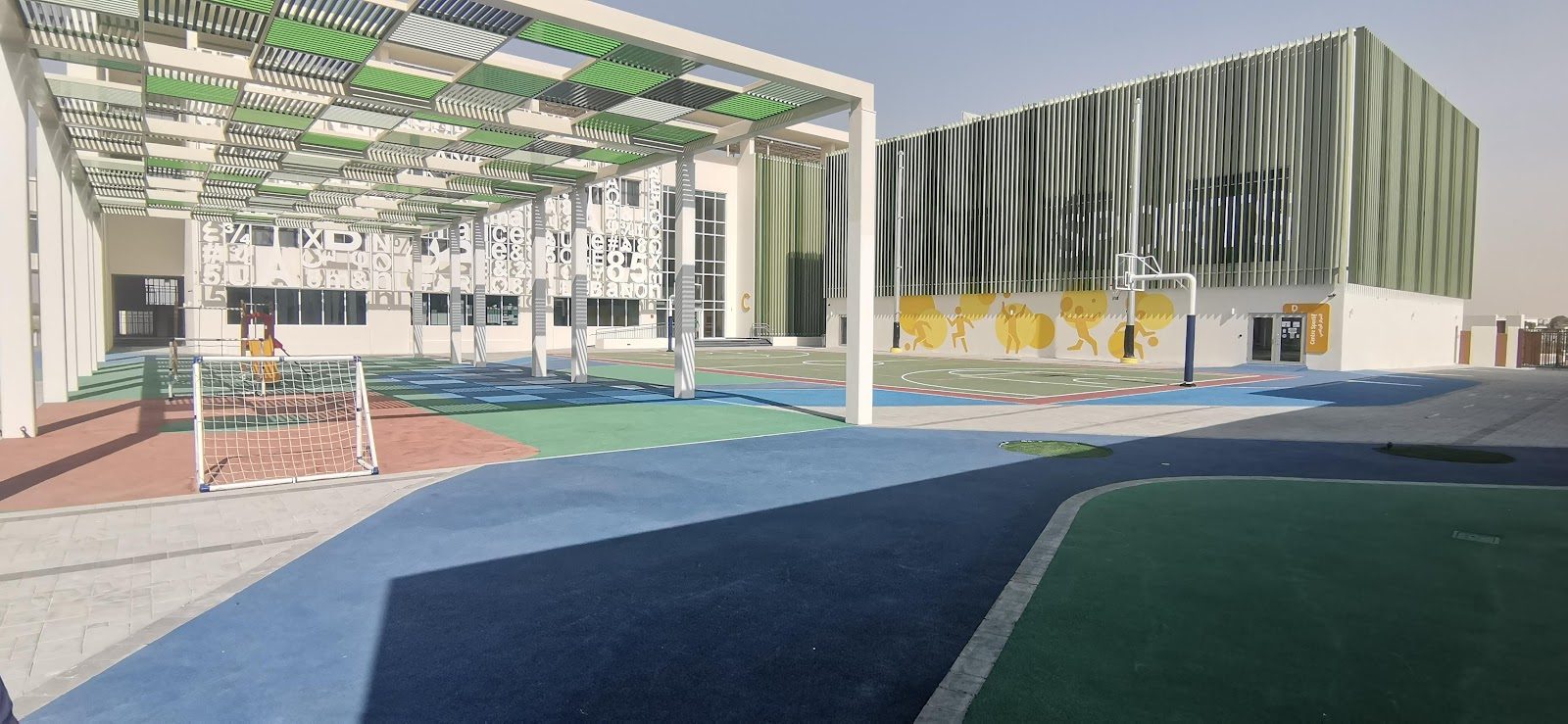
Lycée Libanais Francophone Privé
Dubai · United Arab Emirates
Rooted in Lebanese Francophone heritage, this trilingual lycee pairs rigorous French Baccalaureate study with a solar-powered Meydan campus.
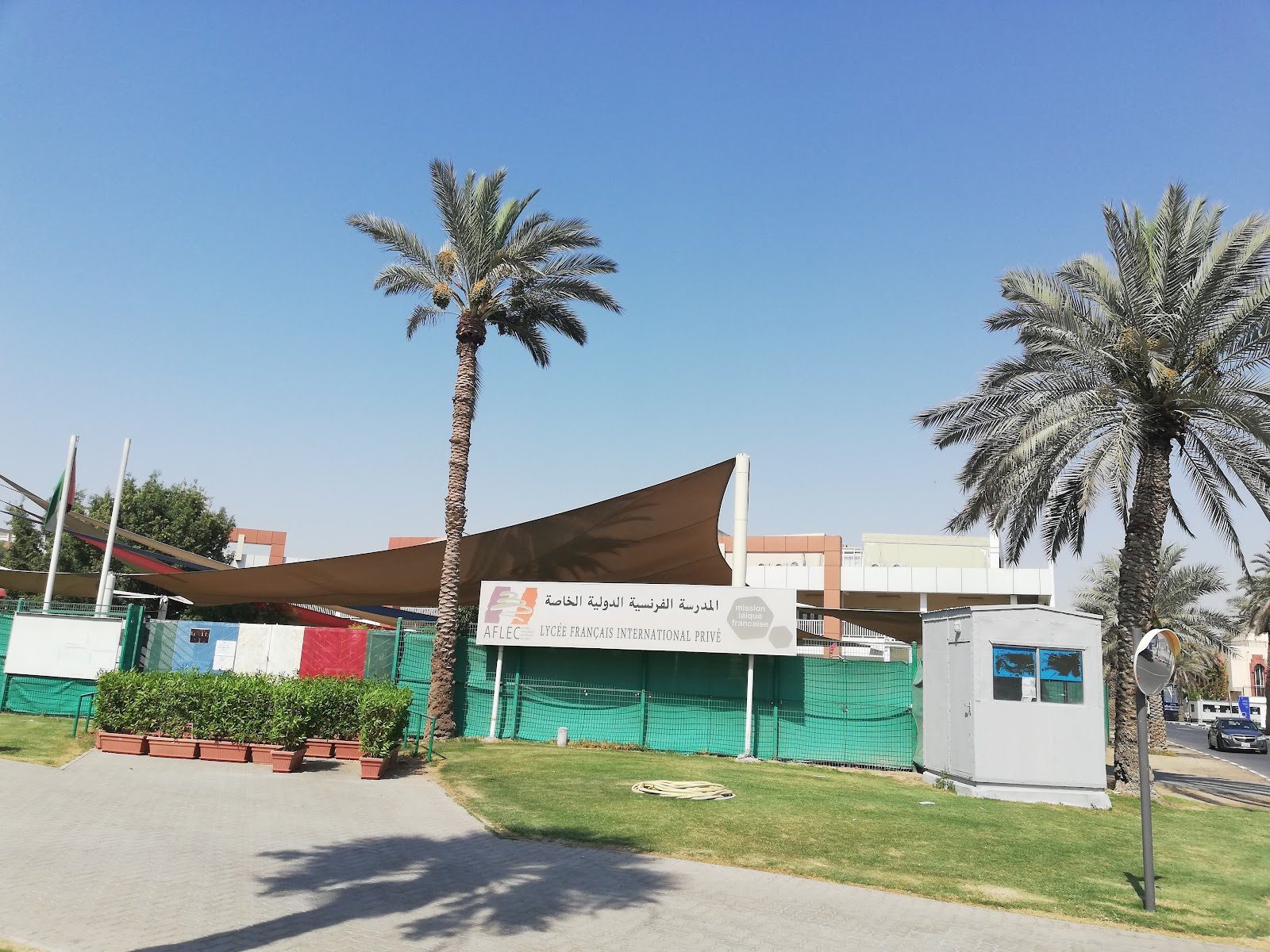
AFLEC Lycée Français International
Dubai · United Arab Emirates
Steps from Dubai Creek's old quarter, this Baccalaureate campus weaves an American section into its French core.
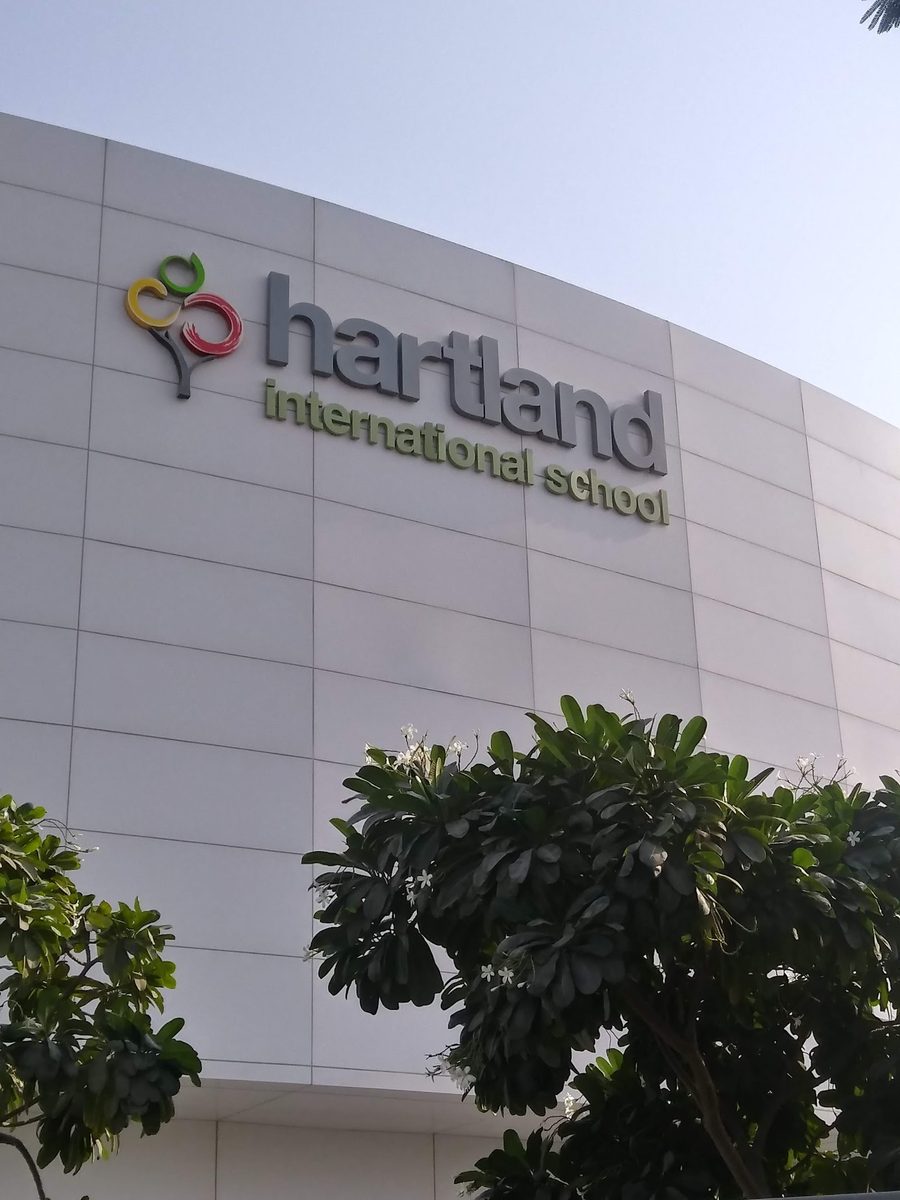
Hartland International School
Dubai · United Arab Emirates
Ten minutes from the Burj Khalifa, where maths and physics classes study the skyline as their textbook
Kings' School Al Barsha
Dubai · United Arab Emirates
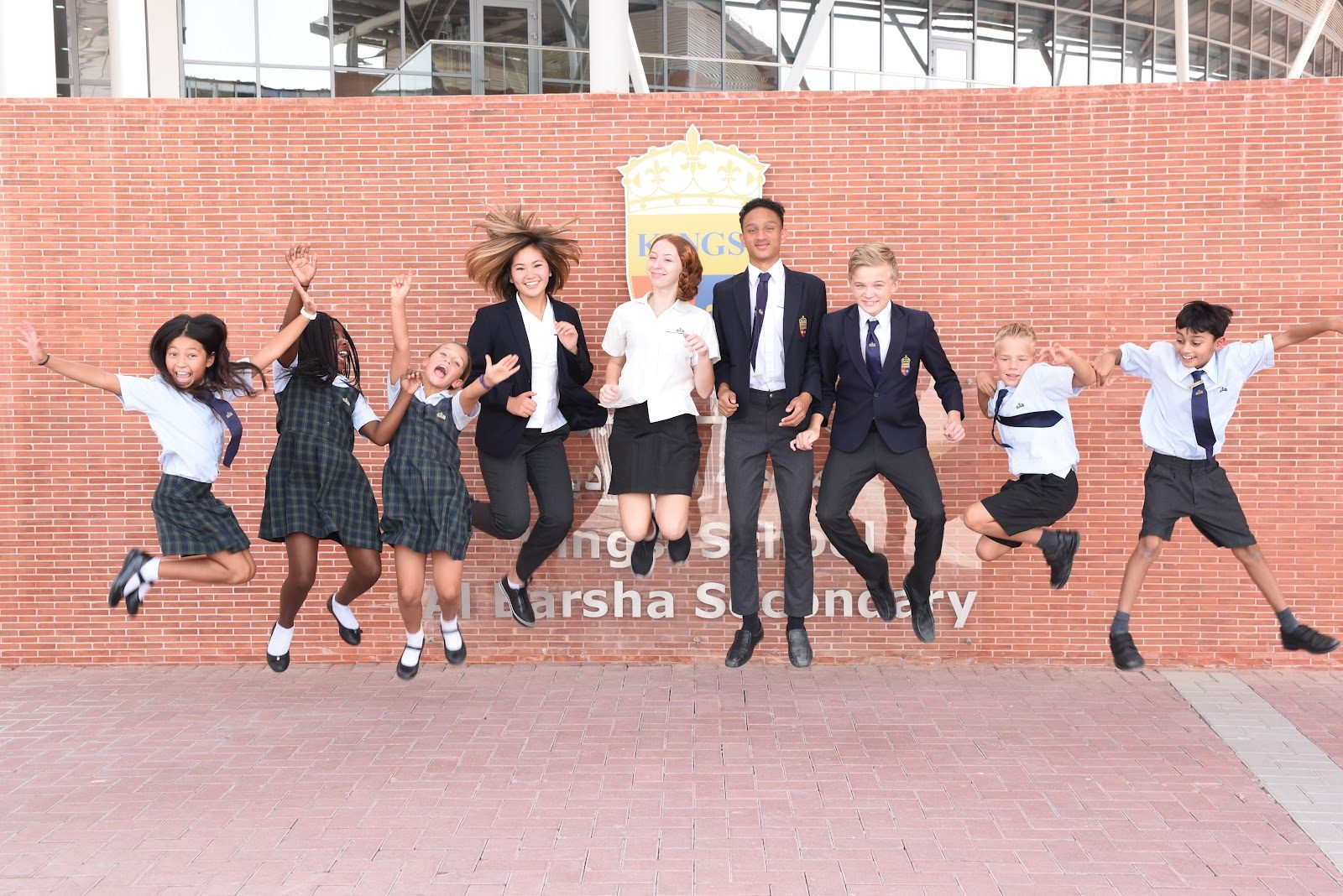
A red-brick, doughnut-shaped campus in Al Barsha climbed from Good to Outstanding across four KHDA inspections.
Same country and curriculum — closest matches within ±10 points either way