
Dubai
Lycée Libanais Francophone Privé
medium confidence· 4/6 cats · 3 avg sourcesRooted in Lebanese Francophone heritage, this trilingual lycee pairs rigorous French Baccalaureate study with a solar-powered Meydan campus.
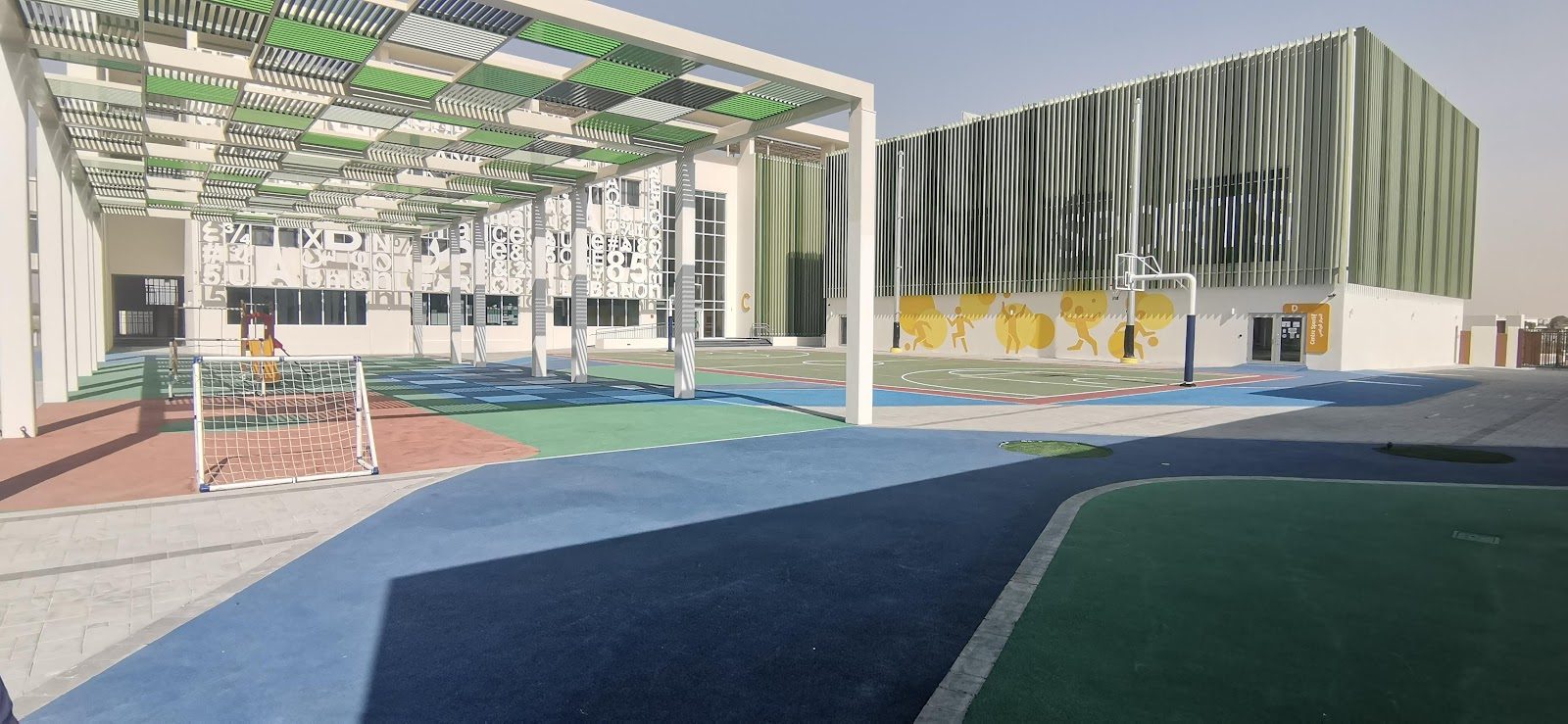
Photo © bahaa atwa via Google Maps
Type
Day
Ages
3–18
Curriculum
French Baccalaureate
Ratio
—
The Verdict
Editor's commitment
Right for
Dubai families who want a day school from ages 3–18 with French, Arabic and English taught inside a French Baccalaureate track.
Wrong for
Families wanting boarding, a religious ethos or a British or IB curriculum; this Dubai school is non-religious, day-only and French Baccalaureate.
Watch out for
Founded in 2000, it trades on Lebanese Francophone identity in Dubai; check how that culture lands if your child lacks French.
Ranking breakdown
Lycée Libanais Francophone Privé · #737 of 1591
Composite score 66.0. 8 weighted criteria.
By criterion
Academic Outcomes
Weight 20%
#512
of 1529 scored
University Placement
Weight 16%
#649
of 1529 scored
Prestige & Heritage
Weight 12%
#967
of 1571 scored
Alumni Network
Weight 12%
#761
of 1530 scored
Facilities
Weight 12%
#666
of 1533 scored
Transparency & Communications
Weight 8%
#515
of 1532 scored
Peer & Industry Review
Weight 10%
#893
of 1548 scored
Admissions Selectivity & Demand
Weight 8%
#1156
of 1529 scored
Score history
Lycée Libanais Francophone Privé · 2026
Movement across 2024–2026. Peer average overlaid.
Overall — 2024–2026
66.0/ 100
▲ +44.4 vs 2025
year on year
Peer & Industry Review
How Lycée Libanais Francophone Privé is regarded in the sector
64
Respected · high confidence
Lycée Libanais Francophone Privé Meydan is regarded as the standard-bearer among Dubai's Lebanese-Francophone schools, with SchoolsCompared's independent verdict placing it in the "top 15% of Dubai schools" and awarding it a firm "Recommended" rating for how it blends French rigour with Lebanese cultural depth. WhichSchoolAdvisor traces its evolution from a community-founded, not-for-profit institution into what it now calls a "growing international institution" following its 2024 acquisition by Taaleem, one of the UAE's most established school groups. Both publishers cite its consistent "Very Good" KHDA ratings and its close academic ties to Lebanon's Collège Notre Dame de Jamhour as evidence of sustained standing. Reputation is real but regional rather than sector-wide, and WhichSchoolAdvisor's own parent-survey score (2.3/5 from a small sample) suggests peer chatter is warmer in the press than among some current families.
Editors' overview
Lycée Libanais Francophone Privé occupies a narrow but important niche in Dubai: a non-religious, trilingual French school with Lebanese cultural roots and a full-through route from age 3 to 18. That combination matters. Many schools claim internationalism; this one builds it into the daily structure through French, Arabic and English. For families who want the French Baccalaureate without giving up Arabophone fluency or regional cultural continuity, LLFP has a clear proposition. The Meydan campus adds a practical point of difference: a modern site with a solar-powered setup, which gives the school a forward-looking edge without turning sustainability into theatre.
What puts it on a shortlist is focus. LLFP is not trying to be all things to all families in Dubai’s crowded private-school market. It serves parents who want academic seriousness, linguistic range and a Francophone education anchored in Lebanese identity rather than imported wholesale from metropolitan France. That will appeal to Lebanese families first, but not only to them. Other families with ties to the Francophone world, or those who value a disciplined academic route and want children to operate confidently across 3 languages, will find a strong fit here. The age span of 3–18 also gives continuity that many expatriate families value: one school, one culture, one curriculum line through to the end of secondary education.
The student who thrives here is academically steady, linguistically adaptable and comfortable in a school where identity and curriculum are tightly defined. This is a good choice for children who enjoy structure, can handle the demands of trilingual schooling and benefit from a clear sense of cultural belonging. It is less suited to families hunting for a loose, progressive model or an Anglo-American school experience dressed up as international education. LLFP’s appeal lies in coherence, not sprawl: serious study, cultural rootedness and a distinct place in the market for parents who know they want the French Baccalaureate and want it delivered in a setting that still feels recognisably Lebanese.
Academic Performance
LLFP does not publish the exam data that would let parents judge academic performance properly. We have not seen aggregate French Baccalaureate pass rates, mention bien/très bien rates, subject-by-subject breakdowns, cohort size, or university destinations tied to actual leavers’ results. That is a serious gap. In Dubai’s French-school market, schools that want to make an academic case publish outcomes cleanly and year by year. LLFP does not. Without that disclosure, any claim of strong academic performance rests on trust rather than evidence, and that leaves the school at a disadvantage against more transparent peers.
That does not mean weak results; it means opaque results. For the right family, that distinction matters. A tightly defined academic route can still deliver solid outcomes, but parents comparing Francophone options need more than reassurance. They need published pass rates, honours rates, and enough context to judge whether a graduating class of 10 pupils or 100 achieved them. Until LLFP releases that level of detail, it sits in the hard-to-rank category: credible in structure, unproven in published attainment. Families with high academic expectations should ask for the last 3 years of Baccalaureate results, honours distribution, and destination lists before treating the school as a first-tier academic contender.
Facilities
The campus’s strongest asset is straightforward: it is modern, purpose-built and set on a large Meydan site, with a solar-powered setup that gives the school a practical edge over older French schools still working around retrofitted premises. That matters because many Francophone schools in Dubai trade on academic tradition while teaching in buildings that feel cramped, traffic-heavy or visibly dated. LLFP does better on physical environment. Families get more than a functional block of classrooms: the site includes sports and activity space that fits a full-through school and supports day-to-day school life properly. The advantage is real but specific. This is not a sprawling premium campus designed to overwhelm on first impression; it is a well-equipped school environment that covers the essentials with more coherence than spectacle.
Against peers, that puts LLFP in a solid middle-to-upper bracket for facilities, not the top luxury tier. The benchmark in Dubai now includes theatres, elite aquatics provision, extensive indoor sports complexes and specialist labs marketed almost as standalone institutions. LLFP does not advertise that kind of arms-race infrastructure, and parents should not expect it. What it offers instead is a campus that feels current, serviceable and sensibly invested in, with the added distinction of sustainability built into the site rather than pasted onto brochures. For families choosing between French schools, that gives LLFP a clear advantage over weaker legacy estates. For families cross-shopping against Dubai’s biggest premium campuses, the facilities case is credible, not dazzling.
Against peers, that puts LLFP in a solid middle-to-upper bracket for facilities, not the top luxury tier
Prestige
LLFP’s prestige is niche rather than broad. In Dubai’s hierarchy of private schools, it does not carry the social reach of the big British names, the corporate sheen of the large premium groups, or the academic cachet that follows schools with published top-end results and long waiting lists. Its standing rests elsewhere: within Francophone and Lebanese circles, where cultural fit, linguistic continuity and a familiar educational frame carry real weight. For families in that lane, the school offers recognisable identity and a sense of educational seriousness that reads as more than branding. Outside that circle, the name has less pull.
That is why the school sits in the respectable but not elite category. Prestige in education comes from a mix of outcomes, selectivity, institutional history, university destinations and market visibility. LLFP discloses too little on the hard academic side to claim the top bracket, and its appeal is too targeted to command city-wide status. The trilingual model and full-through structure give it distinctiveness, and the modern campus adds a useful signal of investment. But distinctiveness is not the same as prestige. Parents who want a school that impresses across Dubai’s expatriate market will find stronger brands elsewhere. Parents who want a school that carries cultural credibility in a narrower community will judge it more favourably.
LLFP discloses too little on the hard academic side to claim the top bracket, and its appeal is too targeted to command city-wide status
Communications
LLFP’s parent communication looks functional rather than polished. The school gives families the essentials — contact points, notices, admissions information and a visible public identity — but not the level of detail that reassures exacting parents. The pattern across its public communication is consistent: enough to operate, not enough to interrogate. That matters because a school asking families to commit for the full span from nursery to graduation needs disciplined transparency, not just warm messaging and administrative updates. We have not seen the kind of routine publication that marks out the best-run schools in this area: detailed leadership communication, a strong archive of policy and calendar information, or substantive reporting on academic outcomes. The result is serviceable communication with an important credibility gap.
For some families, that will be sufficient. A close-knit school with a defined community can rely more on direct parent relationships than on elaborate corporate communications. But that model works only if day-to-day responsiveness is strong, and LLFP does not publish enough to prove that strength in public. The website carries a clear identity, yet clarity of identity is not the same as clarity of information. Parents who value order and predictability should ask very direct questions before enrolling: how academic reports are structured, how behaviour or safeguarding concerns are escalated, how quickly staff reply, and which channels carry urgent notices. In this area, LLFP reads as competent but lean: workable for families comfortable with a more personal, less systematised style, less convincing for those who expect high-accountability communication from the outset.
Uniqueness
What sets LLFP apart is not novelty for its own sake, but a *tight cultural and linguistic proposition* that very few Dubai schools match. This is a school for families who want children educated across 3 working languages without treating Arabic as an add-on or French as a prestige badge detached from the region. The Lebanese Francophone inheritance matters here. It gives the school a specific social texture: more Levantine than metropolitan French, more rooted than the generic “international” model, and more coherent than schools that bolt multilingualism onto an otherwise Anglo-centric structure. For students, that creates a daily environment in which language is not just a subject but a medium of belonging, academic work and peer culture.
That distinctiveness brings clear benefits, and clear limits. Students who fit the model gain serious linguistic agility, cultural fluency across different worlds, and an education that does not force a choice between Francophone study and Arab cultural continuity. In a market crowded with schools chasing scale and brand gloss, LLFP offers a sharply defined identity instead. That can give children a stronger sense of place and a more stable peer culture than the broad-church international schools. The trade-off is obvious: this is not a flexible pick-and-mix environment. Its value lies in clarity of purpose. For the right child, that means less drift, less dilution, and a school life built around one educational idea carried through from the early years to the end of secondary school.
The trilingual model and full-through structure give it distinctiveness, and the modern campus adds a useful signal of investment
Student Profile
The best fit here is a child who is comfortable with structure, routine and a school identity that is clearly defined. This is not a place for students who want to reinvent themselves every term or treat school as a loose social marketplace. It suits pupils who can move confidently between home culture and school culture without friction, and who do not resist linguistic and academic discipline. Lebanese families sit at the natural centre of that community, but the fit extends to other Francophone and Arabophone households who want children to grow up in a setting that feels culturally anchored rather than generic. Because the school runs from the early years to the end of secondary, it also suits families looking for continuity over 3 stages of childhood rather than repeated school moves.
The students who thrive here are steady rather than flashy. They do not need a vast menu of pathways or a highly individualised school model to stay engaged; they benefit from clear expectations, a recognisable code of behaviour and peers with similar family priorities. Children who enjoy open-ended, progressive classrooms or a more informal student culture will find the environment too tight-framed. Children who value belonging, consistency and academic seriousness will fit far better. In social terms, this school works best for families who want education to reinforce identity, not blur it; for those children, the atmosphere will feel cohesive, not constrained.
That distinctiveness brings clear benefits, and clear limits
Co-curricular strengths
Arts & sport, on a separate axis
Overall 6.1/10
Scored 0-10 from the school's own published evidence. This axis is editorial-only — it does not feed the main WTS ranking.
Sports
6.5/10
The extracurriculars explicitly list multiple sports—Football, Basketball, Volleyball, Table Tennis and Athletics—showing a solid multi-sport offering.
Drama
6/10
Drama appears explicitly as 'Drama Club' in the extracurriculars.
Dance
5/10
Music
6.5/10
Music is evidenced by the explicit listing of 'School Choir' in the extracurriculars, but there is.
Visual Arts
6.5/10
Visual arts is explicitly present through 'Art Club' in the extracurriculars, with no further detail about studios, exhibitions, specialist staff or facilities.
Editor first-pass · editor-reviewable · 7/27/2026
Strengths
- +French Baccalaureate pathway from ages 3 to 18.
- +Trilingual instruction in French, Arabic and English.
- +Non-religious setting may suit mixed-background families.
- +Co-educational, all-through structure gives continuity across phases.
Considerations
- −French Baccalaureate narrows options beyond the French system.
- −French-led instruction may challenge non-Francophone entrants.
- −No boarding provision, so unsuitable for families needing it.
- −No published exam outcomes make academic performance hard to benchmark.
Availability
Primary entry gate & tests
CAT4 / Assessment
Gallery
Photo © Remon via Google Maps
Parent reviews
Have you sent your child here?
Voice reviews carry the strongest trust badge — we transcribe them for you to tidy up before they go live. Prefer to type? A written review is fine too.
Add your voice
In 60 seconds, tell other parents: what's the best thing about Lycée Libanais Francophone Privé, and what surprised you when your child joined?
We ask for a Google sign-in so every review has a real face behind it — no anonymous drive-by attacks on schools, and no faked positive reviews. Your email is never shown publicly.
Send this profile to a friend
International parents rely on word-of-mouth. Share this review with someone weighing the same decision.
Schools with places
Similar schools to Lycée Libanais Francophone Privé with places available now.
Bilingual French International School Dubai
Dubai · United Arab Emirates
- 2026-27
- PLACES OPENApps open / space-dependent
- 2027-28
- WAITPOOL2027/28 timetable TBC
Lycee Francais International Georges Pompidou
Dubai · United Arab Emirates
- 2026-27
- CLOSEDStandard route closed
- 2027-28
- OPENS SOONOpens Jan/Feb '27
Availability first, then country, area, curriculum, price, co-curricular
Consider also
Also worth looking at alongside Lycée Libanais Francophone Privé.
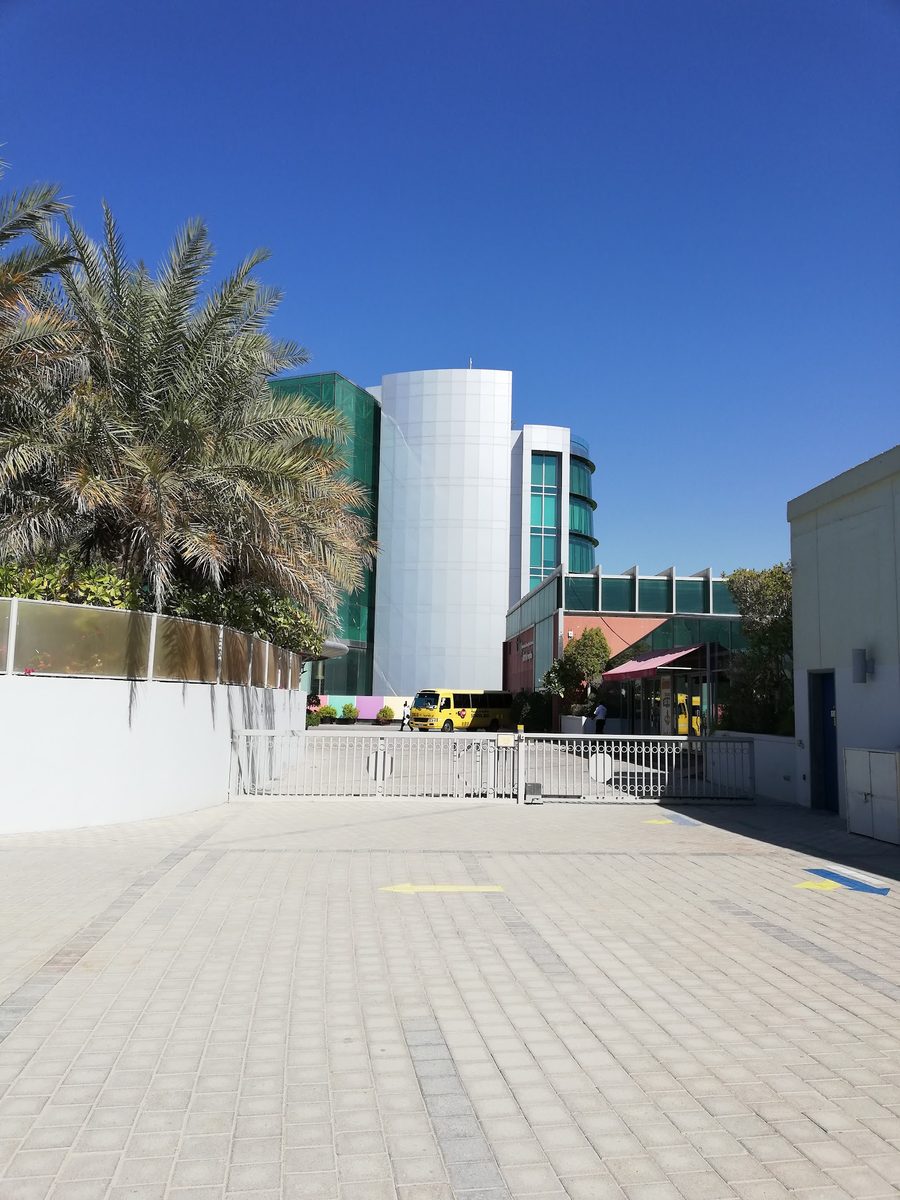
Bilingual French International School Dubai
Dubai · United Arab Emirates
Near Meydan's racecourse, four qualification pathways -- French Bac, IB, AP and Cambridge -- converge under one bilingual roof.
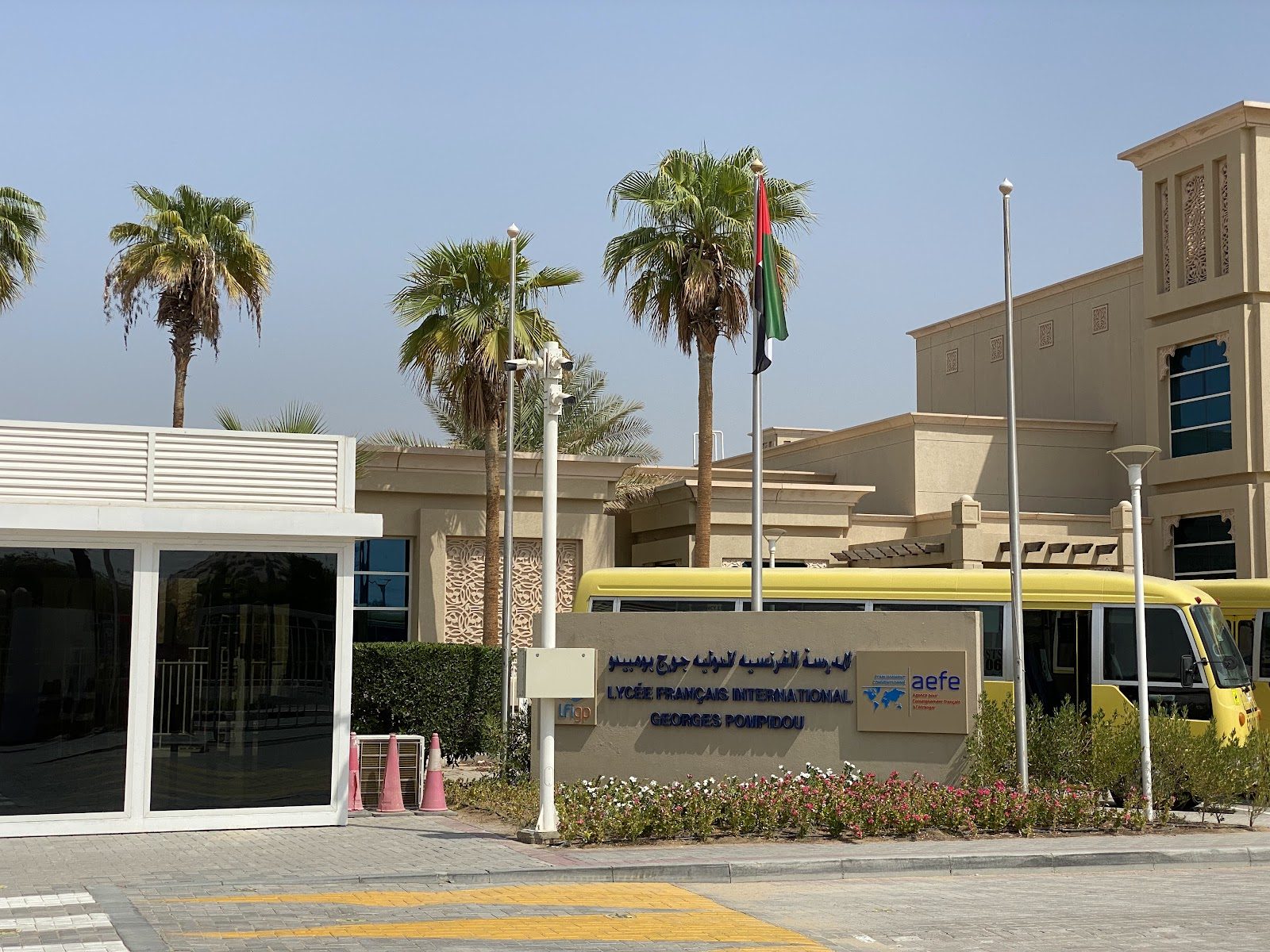
Lycee Francais International Georges Pompidou
Dubai · United Arab Emirates
Dubai's Very Good-rated French Baccalaureate school, delivering a bilingual French-English education for ages 3 to 18.
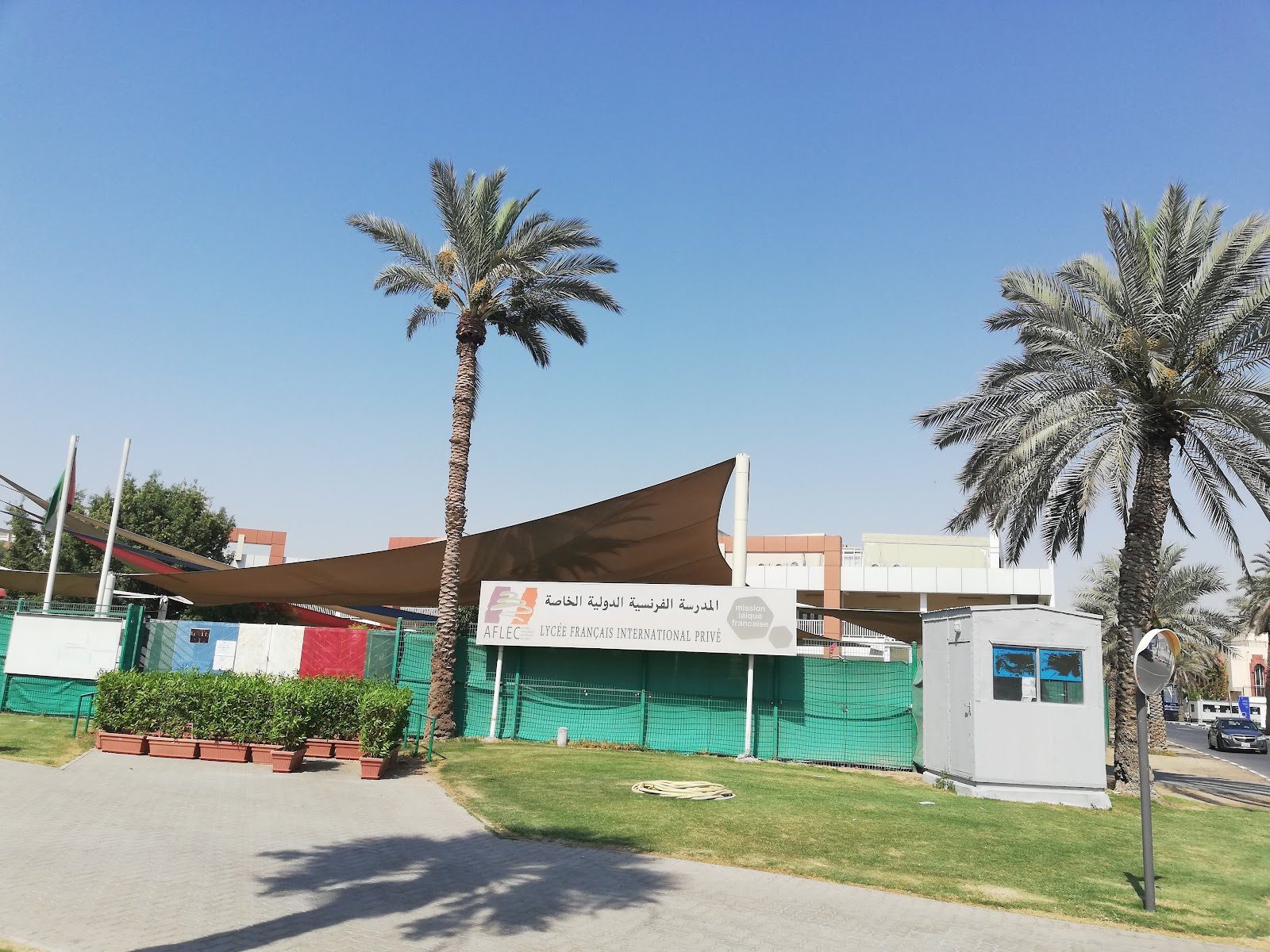
AFLEC Lycée Français International
Dubai · United Arab Emirates
Steps from Dubai Creek's old quarter, this Baccalaureate campus weaves an American section into its French core.
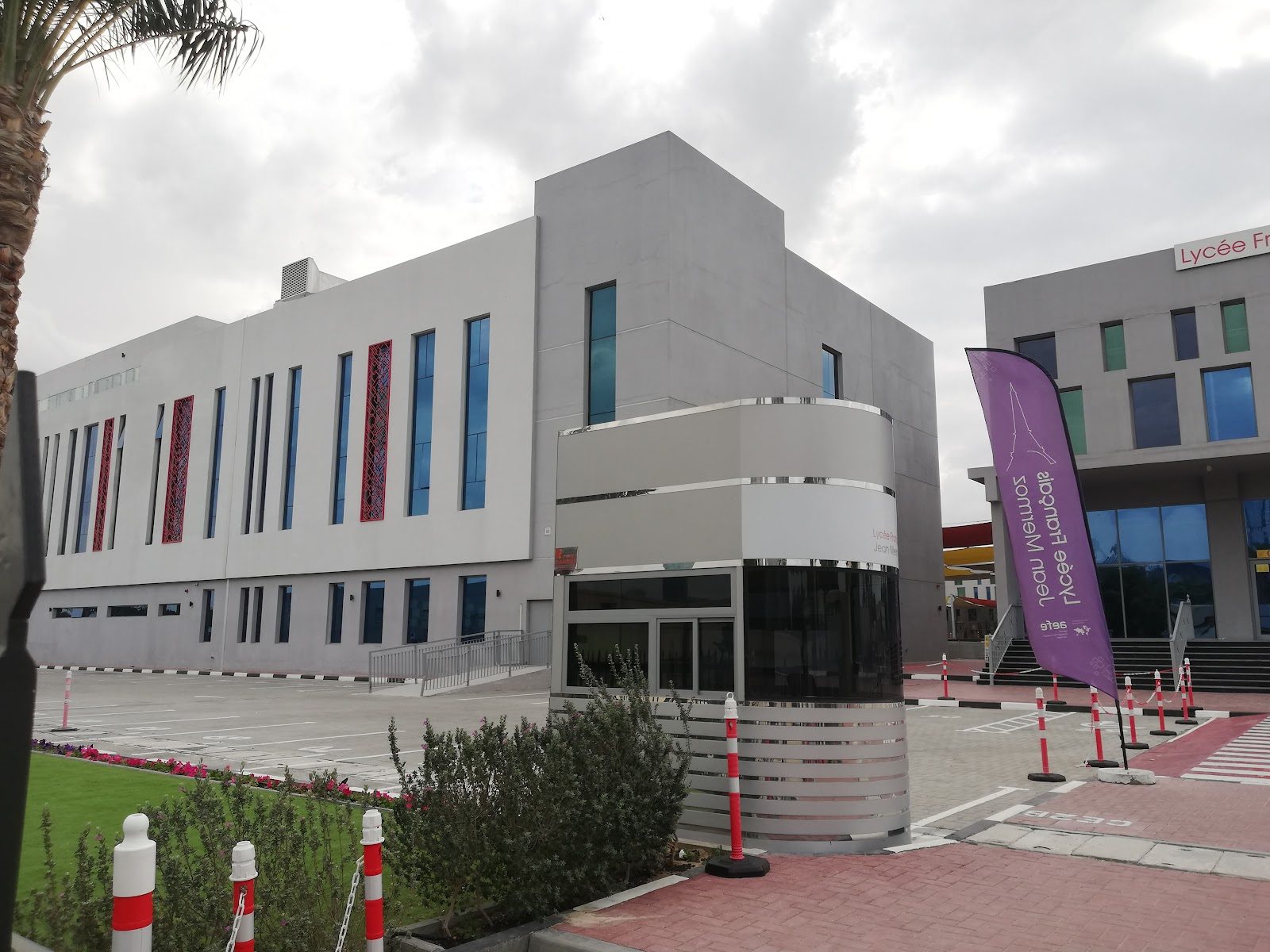
Lycée Français Jean Mermoz
Dubai · United Arab Emirates
Named for aviation pioneer Jean Mermoz, this AEFE campus caps classes at 26 across trilingual French, English and Arabic tracks.
Same country and curriculum — closest matches within ±10 points either way