
Shanghai
British International School Shanghai, Puxi
low confidence· 1/6 cats · 4 avg sourcesIn Huacao's expat quarter, British curriculum runs through IB alongside a fully integrated Dutch school and UNICEF-linked sustainability projects.
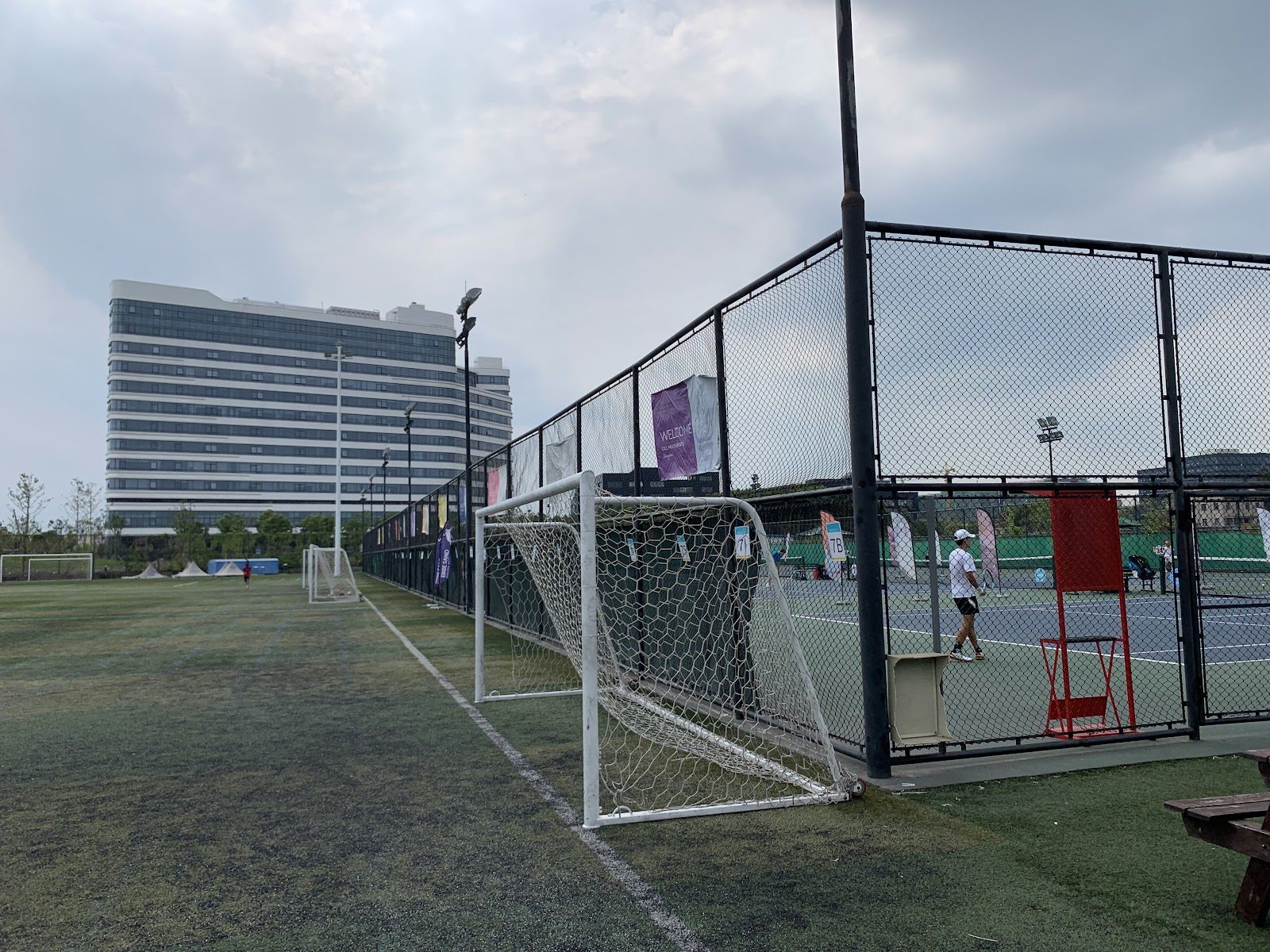
Photo © hiromi noshiro via Google Maps
Type
Day
Ages
3–18
Curriculum
British
Ratio
—
The Verdict
Editor's commitment
Right for
Expat families in Huacao who want English-medium British schooling from age 3 to 18, with the IB and CIS-backed quality control.
Wrong for
Families wanting boarding, a faith setting, or a single-curriculum school; this is day-only, secular, and British plus IB.
Watch out for
Average class size is 22, and Nord Anglia scale can cut both ways: polished systems, less intimacy, and a more corporate feel.
Ranking breakdown
British International School Shanghai, Puxi · #1064 of 1591
Composite score 61.4. 8 weighted criteria.
By criterion
Academic Outcomes
Weight 20%
#1050
of 1529 scored
University Placement
Weight 16%
#1015
of 1529 scored
Prestige & Heritage
Weight 12%
#1054
of 1571 scored
Alumni Network
Weight 12%
#692
of 1530 scored
Facilities
Weight 12%
#732
of 1533 scored
Transparency & Communications
Weight 8%
#905
of 1532 scored
Peer & Industry Review
Weight 10%
#1373
of 1548 scored
Admissions Selectivity & Demand
Weight 8%
#1326
of 1529 scored
Score history
British International School Shanghai, Puxi · 2026
Movement across 2024–2026. Peer average overlaid.
Overall — 2024–2026
61.4/ 100
▲ +6.7 vs 2025
year on year
Peer & Industry Review
How British International School Shanghai, Puxi is regarded in the sector
75
Strong · medium confidence
BISS Puxi is part of the Nord Anglia Education group and is consistently featured in expat parent forums (e.g. Shanghai Expat, SmartShanghai forums) and specialist directories like the Good Schools Guide International as one of Shanghai's established British curriculum options, benchmarked alongside Dulwich, YCIS and Concordia. It holds BSO (British Schools Overseas) accreditation, which is referenced in independent inspection commentary, and is regularly cited in 'best international schools in Shanghai' round-ups from relocation and education consultancy sites, though it is less globally prominent than the most elite Shanghai international schools.
Evidence sources
Editors' overview
British International School Shanghai, Puxi sits in Huacao, one of Shanghai’s established expatriate districts, and serves families who want a British academic spine without giving up the International Baccalaureate at the top end. Founded in 2004, it covers ages 3–18 as a day school, teaches in English and Mandarin, and carries the accreditations that serious international families look for: CIS, IB World School and British Schools Overseas. The distinguishing feature is structural, not cosmetic. This is a British school that also houses a fully integrated Dutch school on site, which gives the campus a more genuinely international texture than many “British” schools that draw from a narrower expatriate pool. For parents who want global fluency rather than a replica of England abroad, that matters.
The school’s market position is clear. It targets internationally mobile families, corporate expatriates and globally minded local families who want predictable academic progression, English-medium teaching and a polished all-through experience. Nord Anglia’s scale adds weight here: parents buy into systems, not improvisation. That brings benefits — consistency, professionalised operations, access to group-wide programmes — and one trade-off. This is not a quirky founder-led school with an eccentric identity; it is a large branded international school built to deliver reliability at scale. Some families value that institutional confidence. Others will find it too corporate. Average class size sits at 22, which is workable rather than intimate, and worth noting for parents who want intense individual attention.
What puts BIS Shanghai, Puxi on a shortlist is the combination of curriculum breadth and lived internationalism. The British curriculum gives younger pupils clear academic sequencing; the IB at sixth form keeps university options broad; Mandarin is part of the everyday offer rather than a token extra; and the UNICEF-linked sustainability work adds a strand of outward-looking purpose beyond exam preparation. The integrated Dutch provision is not a gimmick. It changes the social and cultural mix of the campus and gives the school a more cosmopolitan centre of gravity than many peers. In a city crowded with international schools, that is a concrete point of difference.
The best fit is the student who thrives in a structured, English-medium environment but does not want a monocultural one. This suits children from internationally mobile families, pupils heading for UK or global university pathways, and students who benefit from a campus with calm academic order and a strong sense of direction. It also suits families who want a school that feels established rather than experimental. It suits less well the child who needs a tiny school, an intensely pastoral niche setting, or a deeply local Chinese educational atmosphere. BIS Shanghai, Puxi is for parents who want dependable international schooling with breadth, scale and a serious academic framework — not educational theatre.
Academic Performance
BIS Shanghai, Puxi publishes headline sixth-form outcomes that place it in the upper tier of large international schools in China, even if the school stops short of the forensic transparency that the best data-driven schools now provide. Recent IB Diploma results include a cohort average of 36 points, against a global average of 30.3, with a highest score of 44. That is a serious academic return: strong enough to keep selective UK, European and Asia-Pacific university routes open, and comfortably ahead of the worldwide IB baseline. For parents comparing Shanghai rivals, those numbers read as robust rather than exceptional. They signal a school with dependable academic systems and a capable sixth form, not a results factory built around a tiny hand-picked cohort.
The limitation is disclosure. We have not seen full subject-by-subject breakdowns, multi-year trend lines, or detailed distribution data showing how many pupils cluster at the very top end. Nor does the school publish the kind of exam analysis that lets parents judge value-added with precision. That matters, because headline averages alone can flatter or conceal. Even so, the figures in the public domain point to a school that performs well, clears the global benchmark by a healthy margin, and sits in the strong-but-not-elite bracket among academically ambitious international schools. Parents who want hard-edged proof of top-table standing will want more data; parents who want credible outcomes without an overtly hothouse culture will find enough here to take seriously.
Facilities
The campus offer is broad, practical and pitched at the level parents expect from a major international operator. Standout spaces include a black box theatre, dance studios, music rooms, science laboratories, dedicated design and technology provision, libraries and specialist sports areas. Outdoor provision matters here: the school has football pitches, tennis courts and a swimming pool, which puts it on firm ground against Shanghai peers that rely more heavily on indoor or shared athletic space. Early years and primary pupils also benefit from purpose-built areas rather than being tucked into a secondary-led campus. That gives the site a more coherent all-through layout than schools that bolt younger children onto facilities designed for older students.
What lifts BIS Shanghai, Puxi above the crowded middle of the market is not architectural spectacle but range and integration. The arts are better served than at many academically driven British-style schools, and sport has enough dedicated infrastructure to support a serious programme rather than token timetable slots. The integrated Dutch provision adds another layer of use to the campus and helps the place feel genuinely lived-in rather than showroom polished. Against Shanghai’s top-tier international schools, this is not the city’s most lavish or headline-grabbing estate, and parents chasing the newest mega-campus will find stronger hardware elsewhere. Even so, the school clears the standard comfortably: facilities are well-rounded, functional and strong where daily school life actually happens.
For parents comparing Shanghai rivals, those numbers read as robust rather than exceptional
Prestige
BIS Shanghai, Puxi carries solid market prestige rather than rarefied cachet. In Shanghai’s international-school hierarchy, that matters. This is a recognised name with the pull that comes from a major global operator, a long-established expatriate catchment and public exam results that clear the credibility test. An IB average of 36 and a top score of 44 give the school real academic standing; they do not place it in the city’s most ferociously selective bracket. Prestige here rests on dependable delivery, scale and parental confidence, not on scarcity, social exclusivity or a mythology of brilliance. For many families, that is a strength: the school feels institutionally secure and internationally legible.
The rating stops short of the top prestige tier for two reasons. First, the outcomes are strong but not dominant; the school does not publish the deeper results data that the most academically exacting parents now expect. Second, its brand identity is corporate before it is singular. Nord Anglia brings reach, resources and polish, but also a degree of standardisation. BIS Shanghai, Puxi has a clear point of distinction in its integrated Dutch provision and UNICEF-linked sustainability work, which give it a more cosmopolitan and outward-facing profile than many direct competitors. That lifts it above the interchangeable middle of the market. It remains a serious, respected school, not one of the handful that trade on near-mythic status.
We have not seen full subject-by-subject breakdowns, multi-year trend lines, or detailed distribution data showing how many pupils cluster at the very top end
Communications
Parent communication is strong in the way large, professionally run schools handle it: regular, centralised and built to reduce ambiguity. BIS Shanghai, Puxi benefits from a corporate operating structure that favours process over improvisation, and that matters for families juggling moves, travel and complex schedules. Key information is easy to find, the school’s public-facing channels are orderly, and the tone stays consistent across admissions, school life and wider community messaging. That does not make the communication warm or distinctive; it makes it reliable. For many international parents, that is the more valuable trait. A school serving an all-through population with average classes of 22 needs systems that keep parents informed without constant chasing, and BIS gives the impression of competent institutional control.
The stronger test is substance. Here, the school does well on practical communication and less well on hard academic disclosure. Parents can get a clear sense of daily life, opportunities and the school’s values, including its sustainability work and wider co-curricular offer. What they do not get is the fullest level of exam-data transparency that the best communicator-schools now provide. The school publishes headline outcomes, but not the richer breakdowns that answer sharper parental questions. That leaves communications polished but selective: effective for reassurance, weaker for forensic scrutiny. Families who want timely updates and a low-friction parent experience will be well served. Families who equate excellent communication with complete data publication will find a meaningful gap.
Uniqueness
What sets BIS Shanghai, Puxi apart is not a glossy “global” claim but a structural fact: the school shares its site with a fully integrated Dutch school. That changes daily life. Pupils grow up in a campus culture that is more linguistically and nationally mixed than the standard expatriate bubble, and that gives the place a more worldly social texture than many British-branded rivals. For children, the benefit is practical rather than abstract. They learn to work across different habits, expectations and home cultures without the school having to stage-manage “international mindedness” as a theme week. In a sector full of schools that sell sameness wrapped in flags, that is a genuine point of difference.
The other distinctive element is the school’s use of a large-system platform without collapsing into narrow exam choreography. The Nord Anglia infrastructure brings scale, specialist staffing and external partnerships, but BIS Shanghai, Puxi uses that machine for more than polish. Its UNICEF-linked sustainability work gives students a channel into serious outward-facing work beyond classroom performance, and the arts-and-sport balance stops the school narrowing into an academic conveyor belt. The result is a school with cosmopolitan breadth and corporate discipline in the same frame. That will suit families who want order, international range and credible ambition. It will not suit parents hunting for a boutique, idiosyncratic school culture.
The integrated Dutch provision adds another layer of use to the campus and helps the place feel genuinely lived-in rather than showroom polished
Student Profile
The pupil who settles fastest here is adaptable, internationally social and comfortable in a school that runs on systems rather than improvisation. This is a good fit for children from mobile professional families who have already learned how to enter new environments, read a mixed social room and get on with things. The campus’s integrated Dutch element changes the peer group in a way that matters: students meet a wider spread of national habits and expectations than at many British-branded schools, and that gives daily life a less insular, more adult tone. Children who enjoy mixing across friendship groups, joining activities without drama and working within clear routines will do well. So will students who want solid academics without a grimly competitive atmosphere.
The weaker fit is the child who needs a tiny, highly sheltered setting or who depends on constant individual prompting. With average classes of 22, this is personal enough for most families but not intensively hand-held. Nor is it the right place for parents chasing an old-fashioned, socially narrow version of British schooling abroad; the school’s identity is more international, more corporate and less clubby than that. Pupils with interests beyond the classroom — sport, performance, design, service — have room to build a full life here, and students who like structure without hothouse pressure will find a comfortable middle ground. The social sweet spot is the child who is open, organised and ready for a genuinely mixed international cohort.
An IB average of 36 and a top score of 44 give the school real academic standing; they do not place it in the city’s most ferociously selective bracket
Co-curricular strengths
Arts & sport, on a separate axis
Overall 8.86/10
Scored 0-10 from the school's own published evidence. This axis is editorial-only — it does not feed the main WTS ranking.
Sports
9/10
Football, Basketball, Swimming and Tennis as extracurriculars.
Drama
9/10
Drama appears explicitly in the extracurriculars list.
Dance
9/10
Dance is explicitly named in the extracurriculars list.
Music
9/10
Choir and Orchestra are explicitly listed as extracurriculars, but there is no further evidence of facilities, specialist faculty or notable performances.
Visual Arts
8.3/10
Art Club is offered, with no added detail about studios, exhibitions, curriculum pathways or dedicated art facilities.
Editor first-pass · editor-reviewable · 7/27/2026
Strengths
- +British curriculum clearly declared
- +Shanghai Puxi location suits western districts
- +Part of Nord Anglia network
- +International school specifically in Shanghai
Considerations
- −Context gives no published fees
- −Context gives no accreditations
- −Only British curriculum mentioned, no IB
Availability
Primary entry gate & tests
Application + documents / admissions assessment
Gallery
Photo © Asha van Zorge via Google Maps
Photo © alina wallace via Google Maps
Parent reviews
Have you sent your child here?
Voice reviews carry the strongest trust badge — we transcribe them for you to tidy up before they go live. Prefer to type? A written review is fine too.
Add your voice
In 60 seconds, tell other parents: what's the best thing about British International School Shanghai, Puxi, and what surprised you when your child joined?
We ask for a Google sign-in so every review has a real face behind it — no anonymous drive-by attacks on schools, and no faked positive reviews. Your email is never shown publicly.
Send this profile to a friend
International parents rely on word-of-mouth. Share this review with someone weighing the same decision.
Schools with places
Similar schools to British International School Shanghai, Puxi with places available now.
Wellington College International Shanghai
Shanghai · China
- 2026-27
- WAITPOOLSpace-dependent
- 2027-28
- PLACES OPENRolling
Shanghai American School
Shanghai · China
- 2026-27
- WAITPOOLSpace-dependent
- 2027-28
- PLACES OPENRolling
Shanghai High School International Division
Shanghai · China
- 2026-27
- CLOSEDStandard route
- 2027-28
- OPENS SOONOpens Late '26 (Spring '27)
Availability first, then country, area, curriculum, price, co-curricular
Consider also
Also worth looking at alongside British International School Shanghai, Puxi.
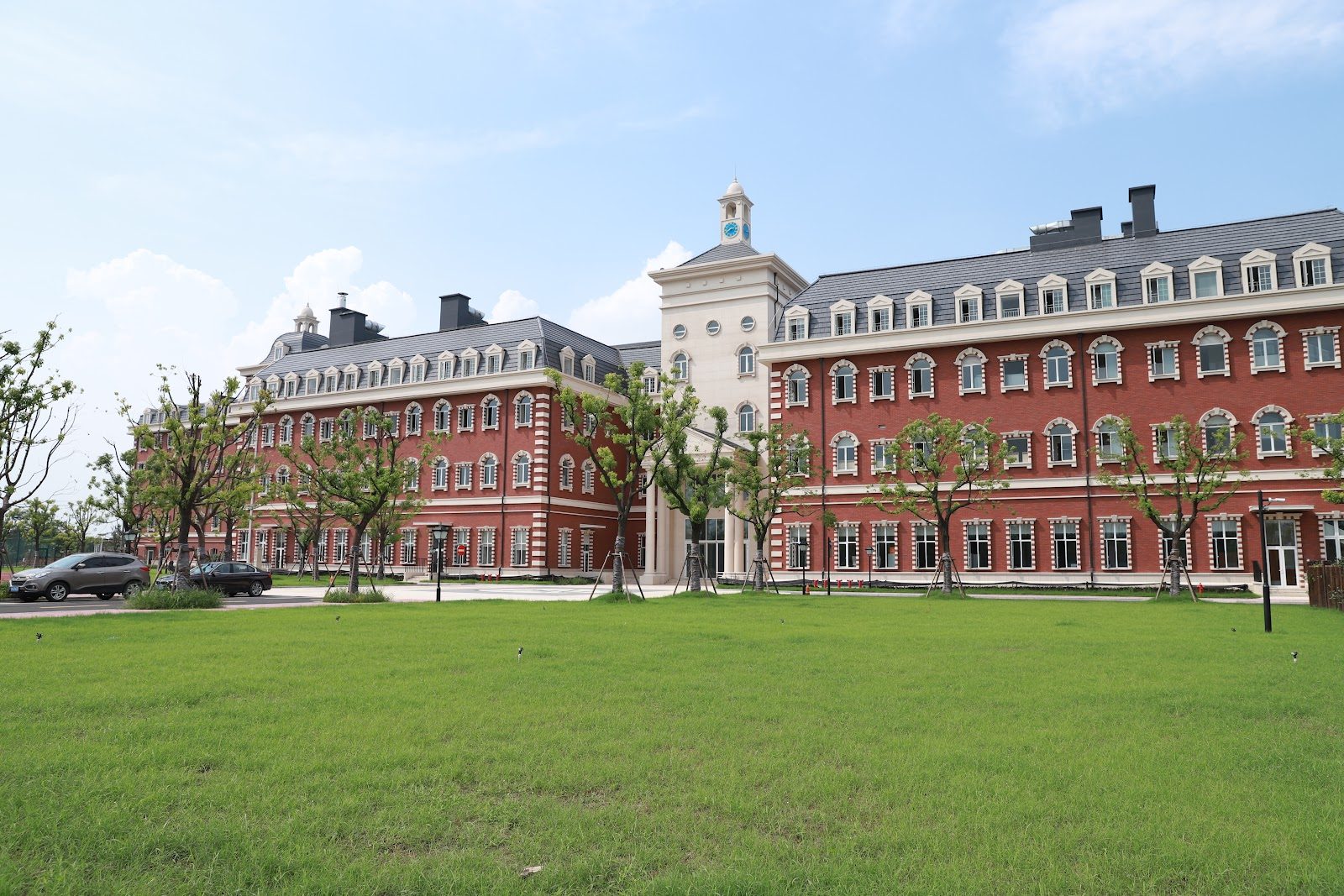
Wellington College International Hangzhou
Hangzhou · China
Houses named for the Duke of Wellington's generals anchor a British curriculum amid Hangzhou's tech-driven skyline.
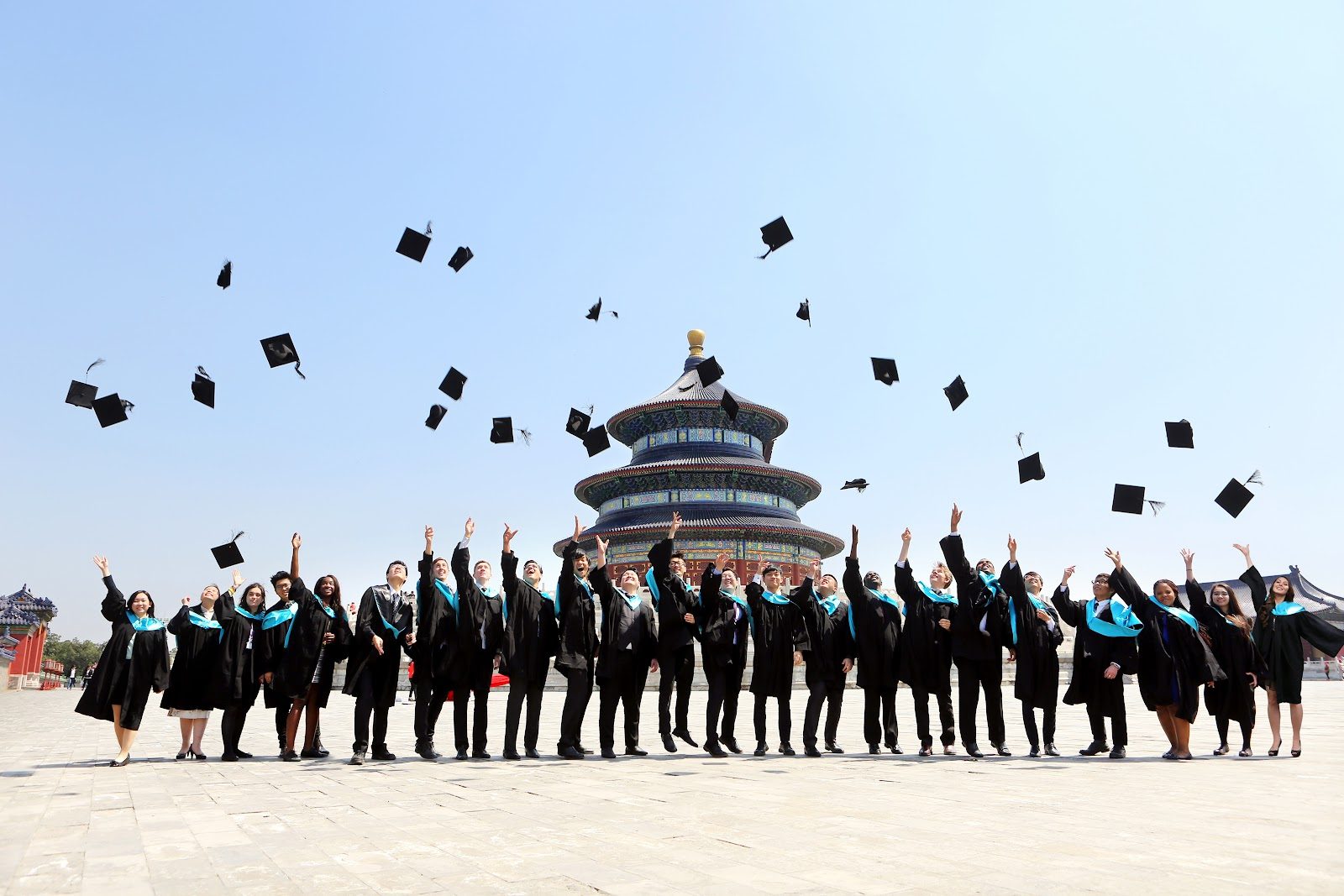
The British School of Beijing, Shunyi
Beijing · China
Behind air-filtered domes sits Beijing's longest-running British campus, pairing an MIT-built STEAM centre with a Juilliard performing arts partnership.

Harrow International School Beijing
Beijing · China
Six centuries-old Harrow houses transplanted to Chaoyang, anchored by China's largest LAMDA drama centre and a British A-Level core.
Dulwich College Suzhou
Suzhou · China
In Suzhou's canal district, a century-old house tradition underpins an IB programme ranked among China's best
Same country and curriculum — closest matches within ±10 points either way