
Beijing
The British School of Beijing, Shunyi
low confidence· 1/6 cats · 3.5 avg sourcesBehind air-filtered domes sits Beijing's longest-running British campus, pairing an MIT-built STEAM centre with a Juilliard performing arts partnership.
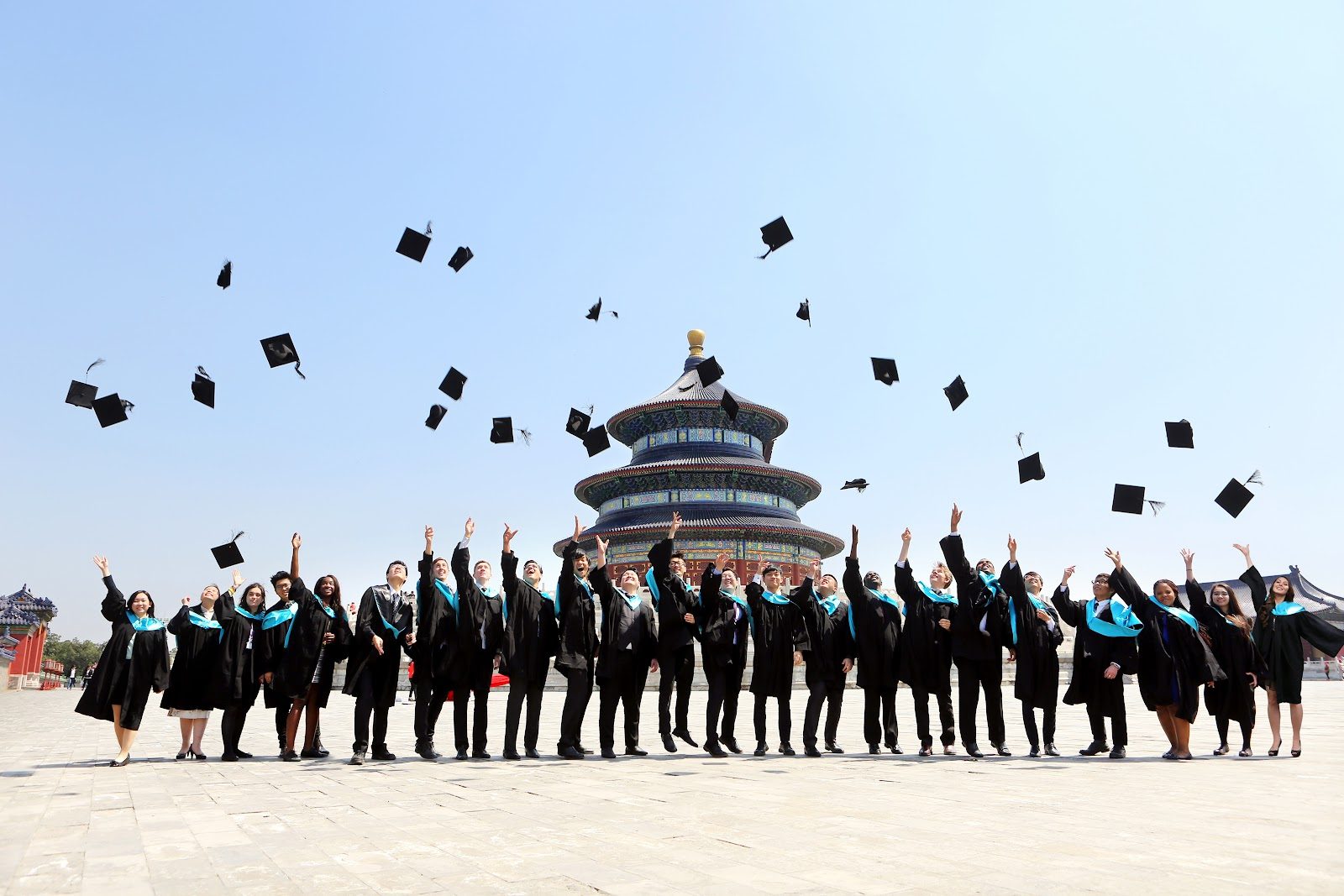
Photo © TheBritishSchool OfBeijingShunyi via Google Maps
Type
Day
Ages
3–18
Curriculum
British
Ratio
—
The Verdict
Editor's commitment
Right for
Families wanting a British day school in Beijing with IB World School status, BSO and CIS accreditation, plus English and Mandarin.
Wrong for
Parents seeking boarding, a low-cost option, or a pure single-route sixth form; this 3–18 school offers both A levels and IB.
Watch out for
The average annual fee is CNY 308,929, and the Shunyi campus dates from 2009 despite the school’s 2003 founding claim.
Ranking breakdown
The British School of Beijing, Shunyi · #1003 of 1591
Composite score 62.2. 8 weighted criteria.
By criterion
Academic Outcomes
Weight 20%
#1003
of 1529 scored
University Placement
Weight 16%
#965
of 1529 scored
Prestige & Heritage
Weight 12%
#1009
of 1571 scored
Alumni Network
Weight 12%
#692
of 1530 scored
Facilities
Weight 12%
#666
of 1533 scored
Transparency & Communications
Weight 8%
#865
of 1532 scored
Peer & Industry Review
Weight 10%
#1353
of 1548 scored
Admissions Selectivity & Demand
Weight 8%
#1308
of 1529 scored
Score history
The British School of Beijing, Shunyi · 2026
Movement across 2024–2026. Peer average overlaid.
Overall — 2024–2026
62.2/ 100
▲ +9.5 vs 2025
year on year
Peer & Industry Review
How The British School of Beijing, Shunyi is regarded in the sector
60
Respected · low confidence
The British School of Beijing, Shunyi (part of Nord Anglia Education) is recognized as a well-established international school in Beijing's expat-heavy Shunyi district, frequently mentioned in expat parent forums and Nord Anglia's network reputation, but lacks extensive coverage in specialist education press like Tatler or Good Schools Guide compared to top-tier global institutions. It benefits from Nord Anglia's brand recognition and partnerships (e.g., with Juilliard, MIT), which lends some credibility, but independent peer benchmarking specific to this campus is limited in publicly accessible sources.
Evidence sources
Editors' overview
The British School of Beijing, Shunyi trades on two hard advantages that matter in this market: scale of international community and serious parent-company backing. It opened in Beijing in 2003 and expanded to the Shunyi campus in 2009, which gives it a longer local track record than many rivals in a transient expatriate city. The school states that it sits within the oldest British heritage school system in the Chinese capital and that it draws families from over 60 nationalities. That mix matters. A lot of international schools promise global outlook; BSB Shunyi has the demographics to deliver it in daily school life. It also has the Nord Anglia machine behind it, which brings the standard chain advantages and the chain risks: strong systems, visible enrichment, and a polished operation, but less of the idiosyncratic character that parents get at smaller stand-alone schools.
The school’s strongest selling point is the junction between a British curriculum base and multiple premium add-ons. The context lists it as a British school with English and Mandarin as languages of instruction, and its accreditations — CIS, BSO and IB World School — give parents a clean external read on quality control and international legitimacy. The school publicises IBDP results at 5.39 points above the global average, which is a concrete academic claim and stronger than the vague “excellent outcomes” language many schools hide behind. This is a school for families who want a high-functioning, well-resourced international campus rather than a boutique environment. The editorial tagline points to the MIT-built STEAM centre and Juilliard performing arts partnership; those are not decorative extras, they are the sort of networked programmes that attract ambitious, globally mobile parents who expect more than classrooms and playing fields.
At an average annual day fee of 308,929 CNY, BSB Shunyi sits in Beijing’s expensive, premium bracket. Parents paying that level are buying breadth, infrastructure and a very international peer group, not just lesson time. The school will suit students aged 3 to 18 who thrive in a cosmopolitan, English-medium setting with a clear academic spine and substantial co-curricular ambition. It will appeal most to internationally minded families, including those who value British schooling conventions but do not want a narrowly British social mix. It will appeal less to parents who want a small, intimate school with strong local rootedness or a stripped-back academic culture without chain branding. For the right child — adaptable, outward-facing, comfortable in a big international environment — BSB Shunyi belongs on the shortlist because it offers proven longevity in Beijing, recognised accreditation, and a serious level of educational resourcing.
Academic Performance
Academic performance is one of this school’s cleaner strengths, though the public picture is narrower than it should be. The standout claim is the IB Diploma result: the school advertises scores 5.39 points above the global average. That places BSB Shunyi in the serious academic tier of Beijing’s international market, where families expect more than broad pastoral promises and glossy enrichment. The significance lies less in a single celebratory statistic than in what it signals: students at the top end are clearing a meaningful benchmark against a large international comparison set. For a school serving a mobile expatriate population, that matters. It gives parents a concrete indication that university-preparation at sixth-form level has substance.
The limitation is transparency across the full exam profile. The school site foregrounds the diploma result, but it does not publish a fuller run of headline outcomes here for IGCSE or A level, nor cohort size alongside the IB claim. That leaves an important gap. Strong schools publish enough data for parents to judge depth as well as peaks: distribution of top grades, subject breadth, and whether results hold steady year after year. BSB Shunyi still lands as an academically credible, high-expectation option, but not as an open-book one. Relative to peers, it sits above schools that trade on atmosphere and facilities while keeping outcomes opaque, and below the data-rich operators that publish a complete examination picture.
Facilities
Facilities are part of the school’s case, not an afterthought. The headline asset is the MIT-built STEAM centre flagged in the editorial context: that places BSB Shunyi above the many international schools that talk a good game on innovation but still teach science and design in standard classrooms with a few upgraded gadgets. The other high-value differentiator is the Juilliard-linked performing arts offer, which matters only when the campus has the rooms, rehearsal culture and production support to use it well. Taken together, those features point to a school with serious specialist infrastructure rather than a generic premium build. The site also invites visiting parents to tour its “state-of-the-art facilities”, and while that phrase is boilerplate, the combination of advanced STEAM provision and arts partnership gives it real substance. For internationally mobile families, the practical draw is clear: a campus built for breadth, not just exam delivery.
Against Beijing peers, this is top-tier resource territory. The strongest rival campuses in the city also offer deep sports, arts and science provision, so BSB Shunyi does not own the category. What it does have is a well-funded, high-functioning facilities profile anchored by network-level collaborations that many independents cannot replicate. The school also sits within a community drawn from 60-plus nationalities, which raises the bar for shared spaces: theatres, labs, maker environments and communal areas need to function at scale. That scale is an advantage for families who want choice and polish. It is less appealing for parents who want a smaller-scale, more intimate environment where facilities feel personal rather than institutional.
Its prestige is substantial and earned, though still tied to strong operations and network advantages rather than singular scholarly distinction
Prestige
Prestige here rests on three things: longevity in a crowded expatriate market, a parent body drawn from across the international sector, and the spending power to build programmes that weaker operators cannot match. The school cites families from more than 60 nationalities, which gives it social range and a strong peer network for globally mobile children. It also benefits from the cachet of a large premium group whose name carries weight with relocating employers and admissions teams scanning school histories on transfer files. The result is real market standing, not just polished branding. In Beijing’s international-school hierarchy, BSB Shunyi sits in the upper commercial tier: established, visible, well connected, and expensive enough that parents expect serious delivery.
That prestige is reinforced by selective markers of performance and enrichment rather than by old-world institutional mystique. The school’s advertised IBDP performance above the global average gives it a hard academic credential, and the MIT-linked STEAM offer and Juilliard partnership add high-status enrichment that travels well in parent conversations. This is modern premium prestige, built on outcomes, facilities and international mobility, not on cloisters, heritage rituals or an elite admissions myth. The limit is clear too: the school has brand strength, but not the aura of an ultra-selective, academically transparent powerhouse. Its prestige is substantial and earned, though still tied to strong operations and network advantages rather than singular scholarly distinction.
The British School of Beijing, Shunyi trades on two hard advantages that matter in this market: scale of international community and serious parent-company backing
Communications
Parent communication is organised, easy to access and unmistakably centralised. The admissions page gives named channels for contact, clear office hours and separate general and admissions telephone lines, which matters for relocating families who need quick answers rather than a generic web form disappearing into the void. The site also pushes campus visits, open days and direct meetings with admissions managers, so the school does not rely on passive brochure reading; it asks parents to enter a managed funnel. That is efficient and high-control communication. It suits busy international families who want prompt handling and a clear next step. It suits them less if they prefer a looser, more personal style from the outset. The mailing-list prompt, the dense navigation and the repeated calls to enquire all point to a corporate, systematised communications model rather than an intimate one.
Effectiveness is strongest at the front end and weaker where scrutiny deepens. For prospective parents, the essentials are there: key contacts, admissions routes, calendar links, FAQs and practical campus information. The school also makes its community scale legible, with reference to more than 60 nationalities, which gives families a concrete sense of who is on campus. Where communication falls short is academic disclosure. The school promotes its headline diploma result, but fuller public reporting is thin, and that matters because strong communication is not only about responsiveness; it is also about what a school chooses to publish without prompting. BSB Shunyi communicates smoothly and professionally. It does not communicate with full institutional candour.
Uniqueness
What distinguishes BSB Shunyi is not a single badge or building, but the way scale, mobility and networked enrichment intersect on one campus. A lot of international schools claim global outlook; this one educates children in a community drawn from more than 60 nationalities and does so inside a system built for families who move countries without much notice. That gives students something more useful than brochure multiculturalism: daily exposure to classmates with different passports, languages at home and assumptions about the world. The result is a genuinely international social education. Students learn to enter new groups, decode unfamiliar norms and work across cultural lines. In an expatriate city, that is not a soft extra. It is practical preparation for the lives many of these families already lead.
The second point of difference is the school’s access to high-level external collaborations that go beyond decorative branding. The MIT-linked STEAM provision and Juilliard partnership create a premium, globally networked layer of opportunity that smaller schools struggle to match. For students, that means specialist experiences, stronger exposure to creative and technical disciplines, and a school life that is broader than exam preparation alone. Add the school’s advertised IBDP performance at 5.39 points above the global average, and the picture sharpens: this is a campus for families who want serious ambition backed by resources, not a cosy local institution. That combination of international density, operational muscle and enrichment depth is its clearest point of difference.
The school states that it sits within the oldest British heritage school system in the Chinese capital and that it draws families from over 60 nationalities
Student Profile
The social fit is clear. This school suits children who are comfortable in a large, fast-moving international environment and who gain energy from constant exposure to different backgrounds, accents and expectations. With families drawn from over 60 nationalities, the student body is not a token mix; it is deeply international in everyday practice. The pupils who do best here are adaptable, socially confident and able to join established groups without needing a great deal of hand-holding. New arrivals from mobile expatriate families will find plenty of peers used to transition. Children who want one settled local culture, or who need a tight-knit, village-like atmosphere to feel secure, will find the scale more institutional than personal.
Academically and personally, this is a strong fit for students with visible ambition and broad interests beyond the classroom. The school rewards children who will use the specialist opportunities on offer rather than ignore them: the keen performer, the serious musician, the technically minded pupil who wants more than routine science lessons, the all-rounder who likes a busy week. It also suits families willing to pay for that breadth: the average annual fee of 308,929 CNY places the intake in a high-cost, high-expectation bracket. This is not the right school for children who need a stripped-back, low-pressure setting or for parents who dislike polished, large-scale operations. It is a strong match for outward-facing students who are comfortable with pace, competition and a campus culture built for globally mobile families.
A lot of international schools promise global outlook; BSB Shunyi has the demographics to deliver it in daily school life
Co-curricular strengths
Arts & sport, on a separate axis
Overall 8.32/10
Scored 0-10 from the school's own published evidence. This axis is editorial-only — it does not feed the main WTS ranking.
Sports
8.6/10
Multiple sports—football, basketball, swimming, tennis, volleyball and badminton—showing a solid multi-sport extracurricular offering, but gives no named facilities, specialist staff or competitive results.
Drama
8.4/10
Drama appears explicitly in the extracurriculars list.
Dance
8/10
Music
8.4/10
Choir and orchestra, indicating structured music participation beyond a vague arts mention, but provides no named music facilities, specialist staff or notable performance record.
Visual Arts
8.2/10
Editor first-pass · editor-reviewable · 7/27/2026
Strengths
- +Offers IGCSE, IB Diploma and A levels
- +IBDP average 5.12 points above global average
- +33% of IBDP students score 40+ points
- +German Primary offered alongside British curriculum
Considerations
- −School website gives no tuition fees here
- −No published accreditations in provided sources
- −Nord Anglia branding may feel corporate to some
Availability
Primary entry gate & tests
Academic Record
Gallery
Photo © TheBritishSchool OfBeijingShunyi via Google Maps
Photo © TheBritishSchool OfBeijingShunyi via Google Maps
Photo © TheBritishSchool OfBeijingShunyi via Google Maps
Photo © TheBritishSchool OfBeijingShunyi via Google Maps
Photo © TheBritishSchool OfBeijingShunyi via Google Maps
Photo © goodmiumiu via Google Maps
Photo © goodmiumiu via Google Maps
Photo © goodmiumiu via Google Maps
Photo © ZENAN OFFICIAL via Google Maps
Parent reviews
Have you sent your child here?
Voice reviews carry the strongest trust badge — we transcribe them for you to tidy up before they go live. Prefer to type? A written review is fine too.
Add your voice
In 60 seconds, tell other parents: what's the best thing about The British School of Beijing, Shunyi, and what surprised you when your child joined?
We ask for a Google sign-in so every review has a real face behind it — no anonymous drive-by attacks on schools, and no faked positive reviews. Your email is never shown publicly.
Send this profile to a friend
International parents rely on word-of-mouth. Share this review with someone weighing the same decision.
Schools with places
Similar schools to The British School of Beijing, Shunyi with places available now.
Harrow International School Beijing
Beijing · China
- 2026-27
- WAITPOOLSpace-dependent
- 2027-28
- PLACES OPENRolling
Yew Chung International School of Beijing
Beijing · China
- 2026-27
- WAITPOOLSpace-dependent
- 2027-28
- PLACES OPENRolling
Availability first, then country, area, curriculum, price, co-curricular
Consider also
Also worth looking at alongside The British School of Beijing, Shunyi.
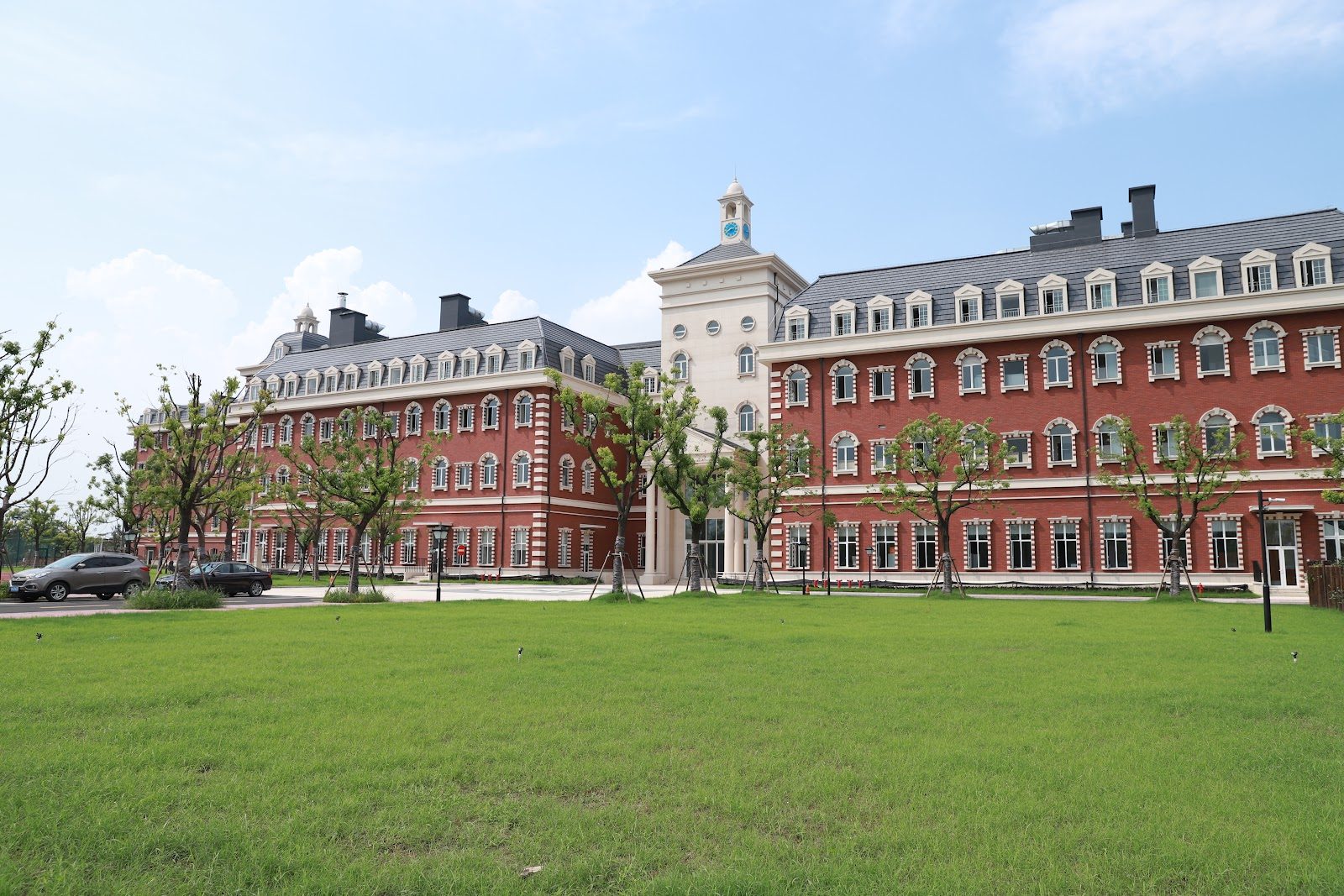
Wellington College International Hangzhou
Hangzhou · China
Houses named for the Duke of Wellington's generals anchor a British curriculum amid Hangzhou's tech-driven skyline.
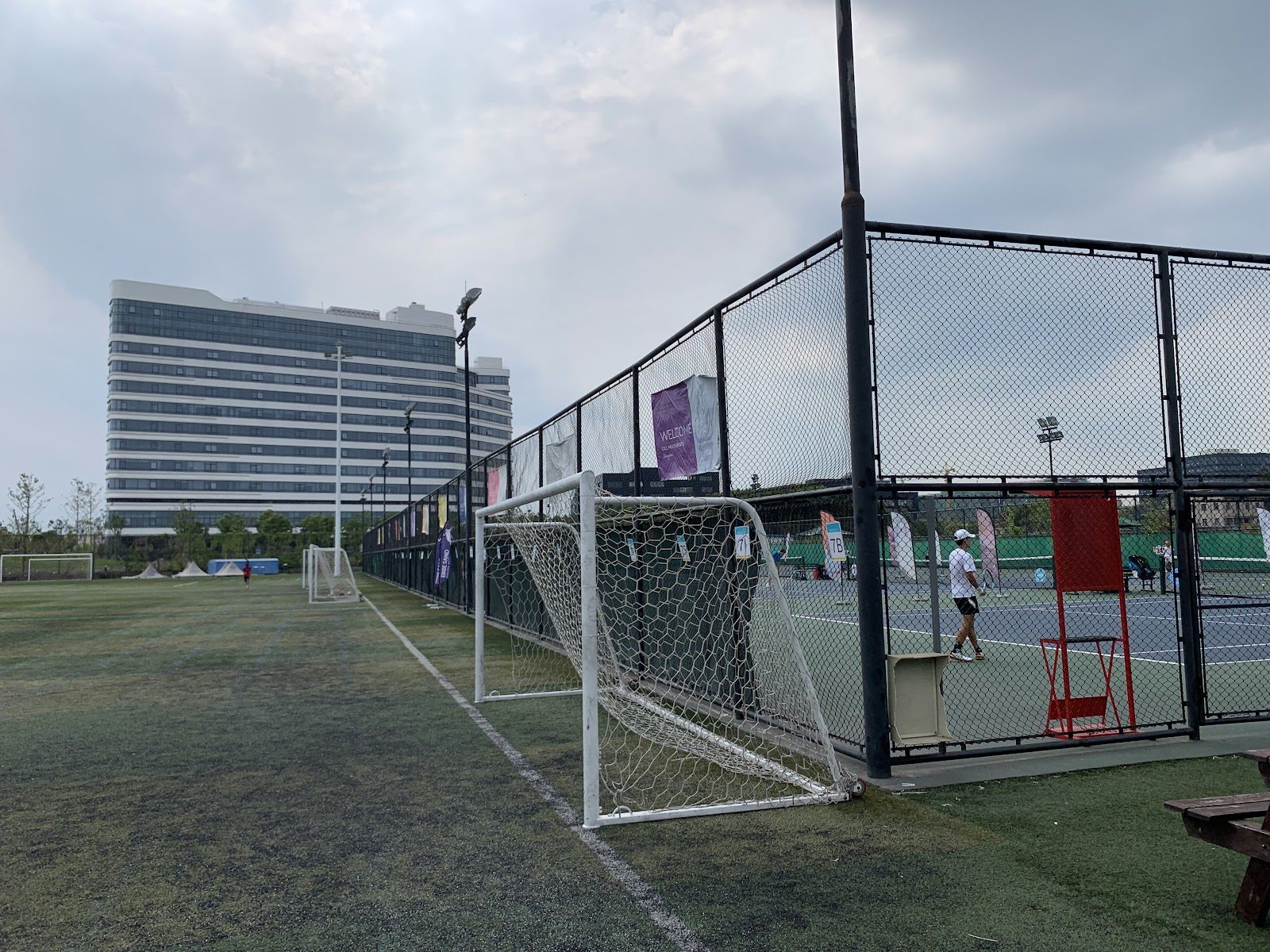
British International School Shanghai, Puxi
Shanghai · China
In Huacao's expat quarter, British curriculum runs through IB alongside a fully integrated Dutch school and UNICEF-linked sustainability projects.

Harrow International School Beijing
Beijing · China
Six centuries-old Harrow houses transplanted to Chaoyang, anchored by China's largest LAMDA drama centre and a British A-Level core.
Dulwich College Suzhou
Suzhou · China
In Suzhou's canal district, a century-old house tradition underpins an IB programme ranked among China's best
Same country and curriculum — closest matches within ±10 points either way