
Dubai
American School of Creative Science
low confidence· 3/6 cats · 0 avg sourcesPairing California Common Core rigor with a dedicated Quran programme, this Nad Al Sheba campus is on a steady KHDA upswing
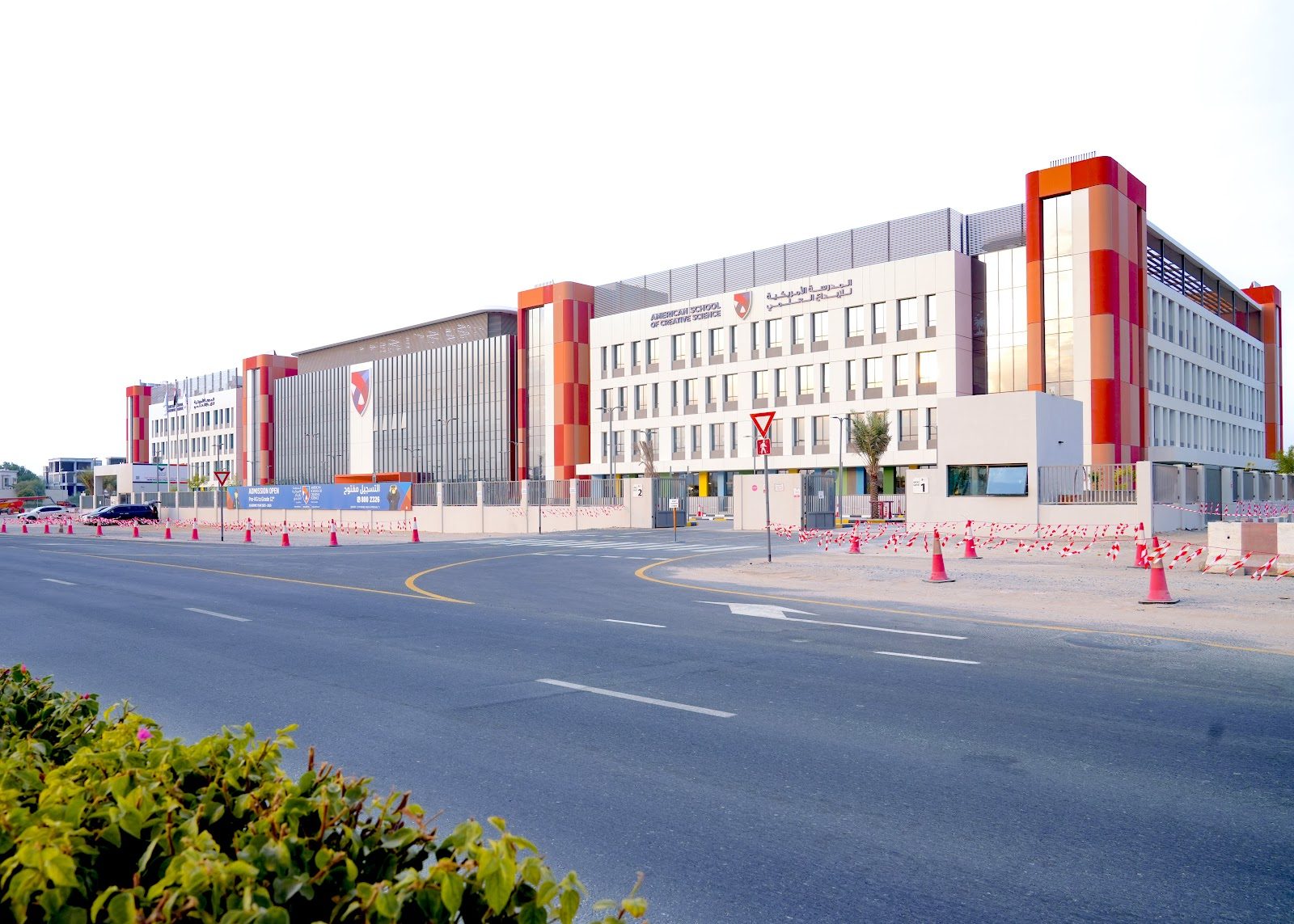
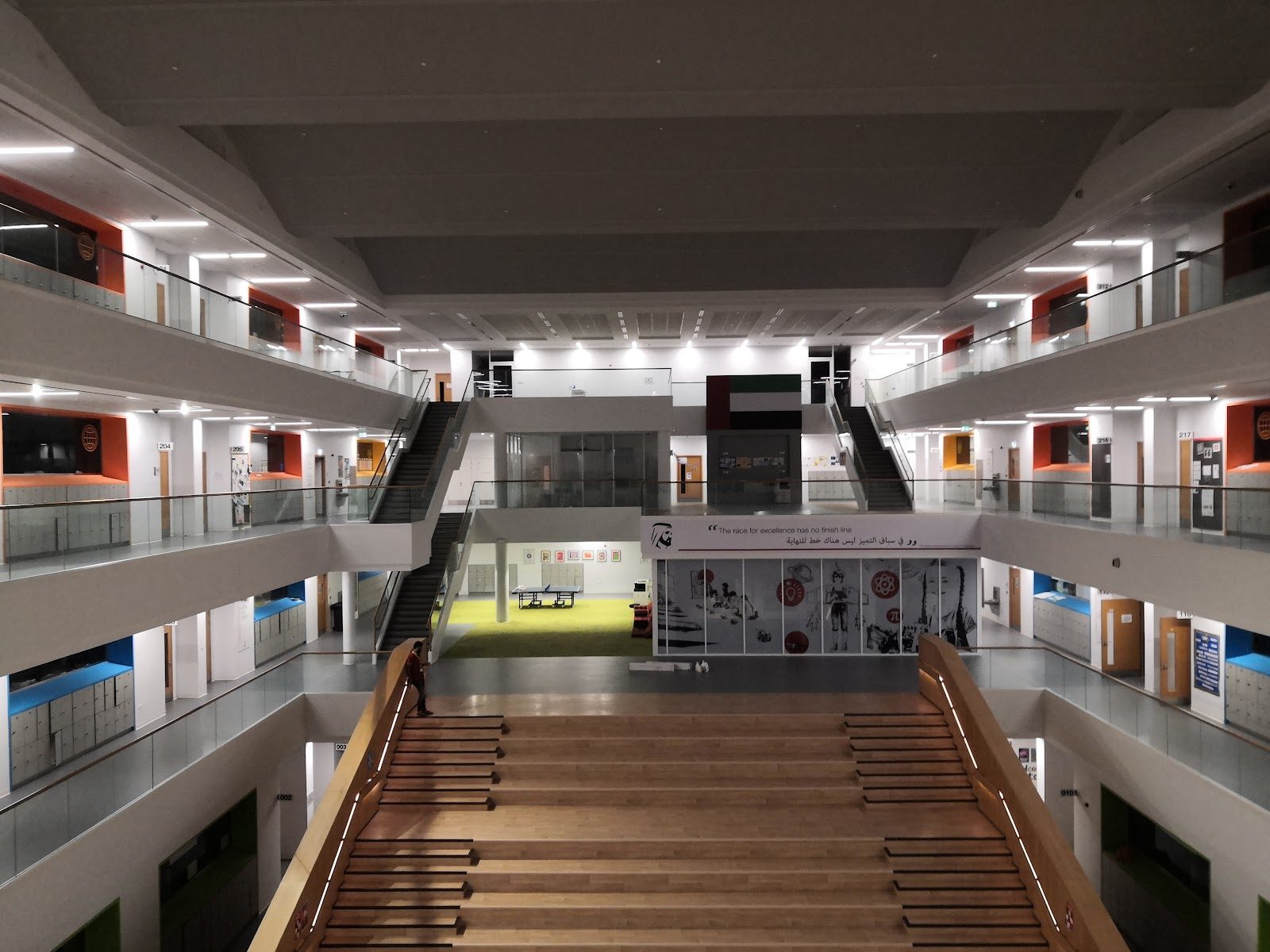
Photo © American School of Creative Science - Nad Al Sheba via Google Maps
Type
Day
Ages
3–18
Curriculum
American
Ratio
—
The Verdict
Editor's commitment
Right for
Dubai families wanting an American curriculum, English and Arabic instruction, and a dedicated Quran strand at a KHDA Very Good school.
Wrong for
Parents chasing boarding, an IB or British pathway, or a longer-established campus than this 2016 Nad Al Sheba opening.
Watch out for
Cognia accreditation and a Very Good KHDA rating are solid; the school does not publish aggregate external exam outcomes.
Ranking breakdown
American School of Creative Science · #1126 of 1591
Composite score 57.9. 8 weighted criteria.
By criterion
Academic Outcomes
Weight 20%
#1049
of 1529 scored
University Placement
Weight 16%
#1089
of 1529 scored
Prestige & Heritage
Weight 12%
#1357
of 1571 scored
Alumni Network
Weight 12%
#1059
of 1530 scored
Facilities
Weight 12%
#848
of 1534 scored
Transparency & Communications
Weight 8%
#650
of 1532 scored
Peer & Industry Review
Weight 10%
#1433
of 1548 scored
Admissions Selectivity & Demand
Weight 8%
#1491
of 1529 scored
Peer & Industry Review
How American School of Creative Science is regarded in the sector
54
Credible · medium confidence
American School of Creative Science, Nad Al Sheba is a credible, improving player in Dubai's American curriculum segment rather than a school peers routinely benchmark against. SchoolsCompared's verdict highlights a "good KHDA profile with clear recent improvement over time" and rates wellbeing culture and pastoral care as strong, alongside solid facilities including a covered pool, but flags that there are "no published senior external exam results yet to benchmark outcomes" and that Arabic attainment and maths consistency remain uneven. WhichSchoolAdvisor's review corroborates the trajectory, tracing the school's move from an early Acceptable KHDA rating to Good in March 2023, a shift it says "did not acknowledge clear improvements that had been made since 2020." The picture is one of a values-led, NEASC-accredited school building genuine momentum, but its reputation still rests on local parent goodwill and improving inspection data rather than a wide sector or alumni footprint.
Evidence sources
Editors' overview
American School of Creative Science occupies a clear niche in Dubai’s crowded American-school market: it combines a US curriculum with a serious Arabic, Islamic Studies and Quran memorisation strand, and it does so without disguising the point of the exercise. This is not a secular international school with token local requirements bolted on. It is a values-driven school for families who want *academic structure without cultural dilution*. The Nad Al Sheba campus teaches in English and Arabic, follows an American curriculum, holds Cognia accreditation, and has moved to a KHDA rating of Very Good in 2023/24. Founded in 2016, it is still a young school, but the regulatory trajectory matters: a steady rise in KHDA judgement carries more weight than glossy claims about innovation.
What sets ASCS apart is the blend. Plenty of schools in Dubai offer American curriculum delivery; far fewer pair California Common Core-style academic expectations with a dedicated religious and Arabic programme that families can treat as central rather than incidental. For the right parent, that is the decisive differentiator. The school’s own language leans hard on critical thinking, open-ended questioning and internal as well as external assessment. Fine. More important is the practical market truth: ASCS answers a specific demand from families who want their children educated for modern university pathways without surrendering daily contact with Quran, Islamic identity and UAE-rooted studies. That combination gives the school *a stronger sense of purpose than many middle-market American schools*. It also explains why ASCS belongs on a shortlist for parents who find the standard “global citizen” script thin and interchangeable.
The school will suit students who thrive in a more directed environment, with clear expectations around conduct, routine and cultural belonging. It fits children who benefit from academic scaffolding, who can handle a dual-language setting, and whose families value moral formation alongside grades. It will not suit every child. Students who want a looser, more overtly liberal school culture, or families seeking a purely Westernised campus experience, have other options in Dubai. ASCS is for households looking for discipline with identity, religious seriousness, and *a school culture that knows what it is for*. For that constituency, it is not an edge case. It is one of the more coherent propositions in the city for ages 3–18.
Academic Performance
Academic-performance transparency is the weak point. ASCS talks about “external international assessments” and internal assessments built around critical thinking, but it does not publish aggregate exam data, cohort averages, college-matriculation figures or comparative benchmarking against Dubai American-school peers. That leaves parents without the hard numbers needed to test the school’s academic claims. In a market where stronger operators disclose AP results, SAT profiles, MAP growth, IB outcomes or destination lists, that omission matters. It places ASCS in the opaque middle rather than the results-forward tier. A school asking families to buy into a highly specific educational model needs to show, in public, where that model lands academically.
That does not mean weak outcomes; it means unproven outcomes in the public domain. The school belongs to a larger education group with scale — 9000+ students across 5 academies — and the regulator’s upward judgement gives parents some external reassurance that classroom standards, leadership and student progress are moving in the right direction. Still, KHDA ratings are not exam tables. Relative to top-performing American schools in Dubai, ASCS lacks the published attainment evidence that marks out a genuinely top academic operator. Relative to many middle-market schools, it holds a stronger regulatory trajectory and a clearer academic identity. The verdict is plain: credible, but not yet fully evidenced.
Facilities
Facilities are the hardest area to judge because the school publishes very little beyond a campus-tour prompt and a few pupil comments about the building’s design. That is thin disclosure by Dubai standards. Parents can infer a full age-range campus with the core teaching spaces needed for an all-through school, but ASCS does not publish the sort of detailed facilities inventory stronger competitors now treat as routine: no clear breakdown of science labs, specialist arts rooms, indoor sports provision, performance spaces, library stock, maker facilities or sixth form study areas. For a school that asks families to buy into a highly defined educational model, that lack of detail is a real weakness. The most distinctive facility-related proposition is not a building but protected space in the timetable and school day for Arabic, Islamic Studies and Quran memorisation. For its target families, that is *functionally more important than flashy architecture*.
Against Dubai American-school peers, ASCS therefore sits in the competent but under-evidenced bracket on facilities. Premium schools in the same market publish extensive sports, STEM, arts and early-years infrastructure because those assets are part of the academic offer, not decorative extras. ASCS gives parents much less to inspect. The upside is that the broader Creative Science network operates at scale — 5 academies serving 9000+ students — which brings operational experience and a standardised campus model. The downside is plain: without published detail, ASCS cannot claim the best-equipped end of the market. Families prioritising specialist facilities need a tour and pointed questions; families prioritising values, routine and religious formation will care less.
Relative to top-performing American schools in Dubai, ASCS lacks the published attainment evidence that marks out a genuinely top academic operator
Prestige
Prestige here is niche rather than broad. ASCS does not occupy Dubai’s old-money, embassy-circuit or ultra-selective tier, and it does not trade on the cachet that attaches to schools with decades of public exam data, elite university placement lists or famous alumni. Its status rests elsewhere: a clear religious and cultural proposition, a recognisable education group behind it, and a regulatory record that has moved in the right direction. For families who want a school that treats Quran study, Islamic values and academic structure as one package, that carries real community prestige. For families shopping for social polish, international-brand glamour or a conventional top-table name, it does not.
That distinction matters. Prestige in Dubai is not one thing; it is segmented by class, faith, academic ambition and cultural priorities. ASCS has scale around it — 9000+ students across 5 academies — which gives the brand reach, but scale alone does not confer elite standing. The school’s strongest claim to esteem is coherence: it knows its constituency and serves it directly. The weaker point is public proof. Without published aggregate outcomes or destination data, ASCS cannot claim high academic prestige on evidence available to parents in the way the city’s most scrutinised schools can. My rating, then, is respectable, purposeful, and bounded: strong standing in its target market, limited prestige outside it.
For families shopping for social polish, international-brand glamour or a conventional top-table name, it does not
Communications
Parent communication is functional, centralised and sales-led. The public-facing site gives families the basic routes in: a tour prompt, a registration-of-interest form, a single phone line for the Dubai campus, and a bilingual interface with English and Arabic navigation. That matters for the school’s constituency. So does the wider network machinery behind it: enquiry capture is organised, source-tracked and built to process volume, with a long list of referral channels and a choice of intake years. This is not a boutique school running on ad hoc email replies; it is a systematised admissions operation inside a group serving 9000+ students across 5 academies. For first contact, that scale is a strength.
The weakness is depth. Communication works best at the point of enquiry and much less well at the point of scrutiny. The site tells parents what the school values, but gives too little hard operational detail on day-to-day school life, leadership visibility, academic reporting, facilities, or parent-facing policy information. Testimonials from very young pupils do little to answer the questions serious parents ask before committing substantial fees. There is also a clear marketing gloss: warm tone, broad claims, thin evidence. Effective communication in schools is not just responsiveness; it is disclosure. On that test, ASCS is competent but guarded — easy to contact, less strong on substance, and weaker than the more transparent operators in Dubai’s crowded school market.
Uniqueness
What makes ASCS distinct is not the generic claim of “values plus academics”, but the tight integration of mainstream academic study with daily Arabic, Islamic Studies and a serious Quran memorisation strand. Many schools fulfil local requirements; ASCS builds its identity around them. That gives the school a clear cultural centre of gravity. The BEAM link adds another point of difference: this campus sits inside a larger education group with 5 academies and 9000+ students, so families buy into a model that has already been systematised rather than improvised campus by campus. The school also talks less about enrichment gloss and more about the “why” of subjects, critical thinking and internally designed assessment. That intellectual framing is useful when it is backed by disciplined teaching rather than sloganry.
For students, the gain is coherence. Children do not move between one set of expectations in academic lessons and another in moral or religious life; the school tries to make those parts mutually reinforcing. For the right family, that produces rare consistency: strong routine, a firm sense of belonging, and an education that treats cultural identity as a core outcome rather than an optional extra. It also gives students repeated practice in operating across different registers of knowledge — analytical classroom work, faith-based study, and UAE-rooted social understanding. The trade-off is just as clear: this is a defined model, not an open-ended one, and its benefits are strongest for pupils who value structure over looseness.
This is not a secular international school with token local requirements bolted on
Student Profile
The best fit is a child from a family that wants school and home to pull in the same direction. ASCS suits pupils who are comfortable with clear boundaries, adult-led structure and a school day that gives serious weight to faith, conduct and cultural grounding alongside mainstream academics. Students who respond well to routine, explicit expectations and a purposeful moral frame will settle more easily here than children who need a highly permissive atmosphere or constant choice. The school also fits families who want Arabic and Quran study treated as core work, not peripheral compliance. That point matters more than any glossy promise about creativity or “whole child” development. In a city full of interchangeable school branding, this is a defined constituency school.
Socially, the strongest fit is a student who values belonging over reinvention. Children who like knowing where the lines are, who respect teacher authority, and who do not need a highly performative campus culture will do well. Students with a serious academic streak can also fit, provided they accept that the school’s identity is values-first as well as grade-conscious. The weaker fit is plain: families seeking a looser, Westernised social scene, a more experimental pastoral culture, or the status signals of a glossier peer group will find the atmosphere constraining. ASCS works best for households choosing *discipline, continuity and religious seriousness* on purpose, not by default.
It is a values-driven school for families who want academic structure without cultural dilution
Co-curricular strengths
Arts & sport, on a separate axis
Overall 3.2/10
Scored 0-10 from the school's own published evidence. This axis is editorial-only — it does not feed the main WTS ranking.
Sports
4/10
Football, Basketball, Swimming, and Karate as extracurriculars, showing multiple sports offerings.
Drama
3/10
Drama Club is offered, but there is no further detail on productions, staff, or facilities.
Dance
—
Music
3/10
School Choir is offered, but there is no further detail on ensembles, facilities, staff, or performances.
Visual Arts
3/10
Art Club is offered, but there is no further detail on studios, exhibitions, specialist staff, or facilities.
Editor first-pass · editor-reviewable · 7/27/2026
Official inspection · Dubai
KHDA report · 2023/24
Official · KHDAInspectorate
Knowledge & Human Development Authority
Dubai's mandatory education regulator; annual DSIB inspections.
Curriculum
American
Improved vs previous cycle
Full report
KHDA report finderRating history
Strengths
- +KHDA rated Good
- +American curriculum, KHDA-attested
- +English and Arabic instruction
- +Cognia accredited
Considerations
- −Examination outcomes and university destinations are not foregrounded in the school's public material
- −Dubai campus facilities detail is sparse in published material
- −Values-led framework is highly defined, which may not suit families wanting a more secular model
Availability
Primary entry gate & tests
CAT4 / Assessment
Gallery
Parent reviews
Have you sent your child here?
Voice reviews carry the strongest trust badge — we transcribe them for you to tidy up before they go live. Prefer to type? A written review is fine too.
Add your voice
In 60 seconds, tell other parents: what's the best thing about American School of Creative Science, and what surprised you when your child joined?
We ask for a Google sign-in so every review has a real face behind it — no anonymous drive-by attacks on schools, and no faked positive reviews. Your email is never shown publicly.
Send this profile to a friend
International parents rely on word-of-mouth. Share this review with someone weighing the same decision.
Schools with places
Similar schools to American School of Creative Science with places available now.
Swiss International Scientific School Dubai
Dubai · United Arab Emirates
- 2026-27
- PLACES OPENApps open / space-dependent
- 2027-28
- WAITPOOL2027/28 timetable TBC
American School of Dubai
Dubai · United Arab Emirates
- 2026-27
- WAITPOOLWaitpool applications accepted
- 2027-28
- OPENS SOONOpens Sept '26
Dubai English Speaking College
Dubai · United Arab Emirates
- 2026-27
- CLOSEDStandard route
- 2027-28
- OPENS SOONOpens Sept '26
Availability first, then country, area, curriculum, price, co-curricular
Consider also
Also worth looking at alongside American School of Creative Science.
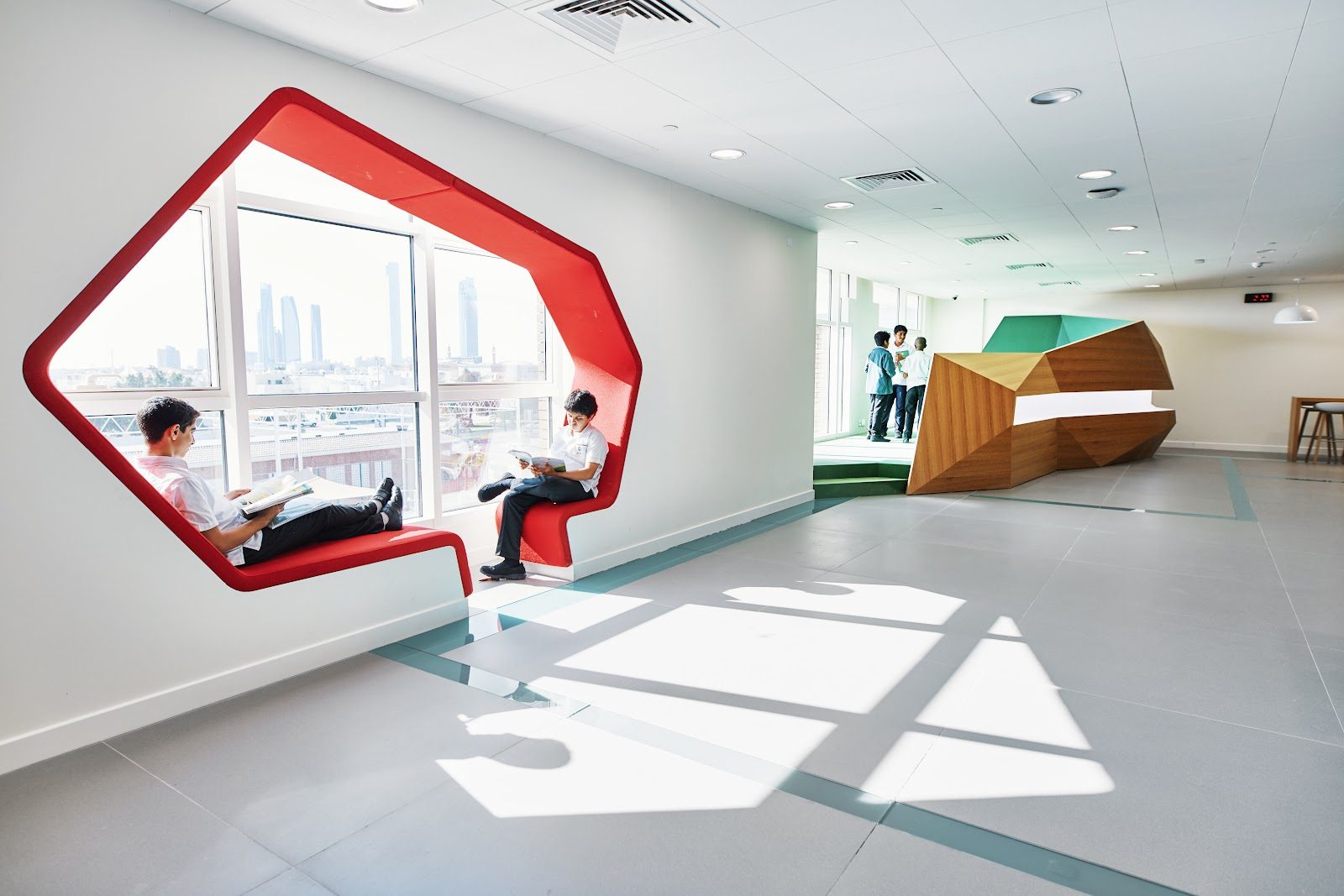
The Sheikh Zayed Private Academy for Boys
Abu Dhabi · United Arab Emirates
Massachusetts Common Core meets a UAE Armed Forces leadership programme, forging Emirati identity into an American diploma.
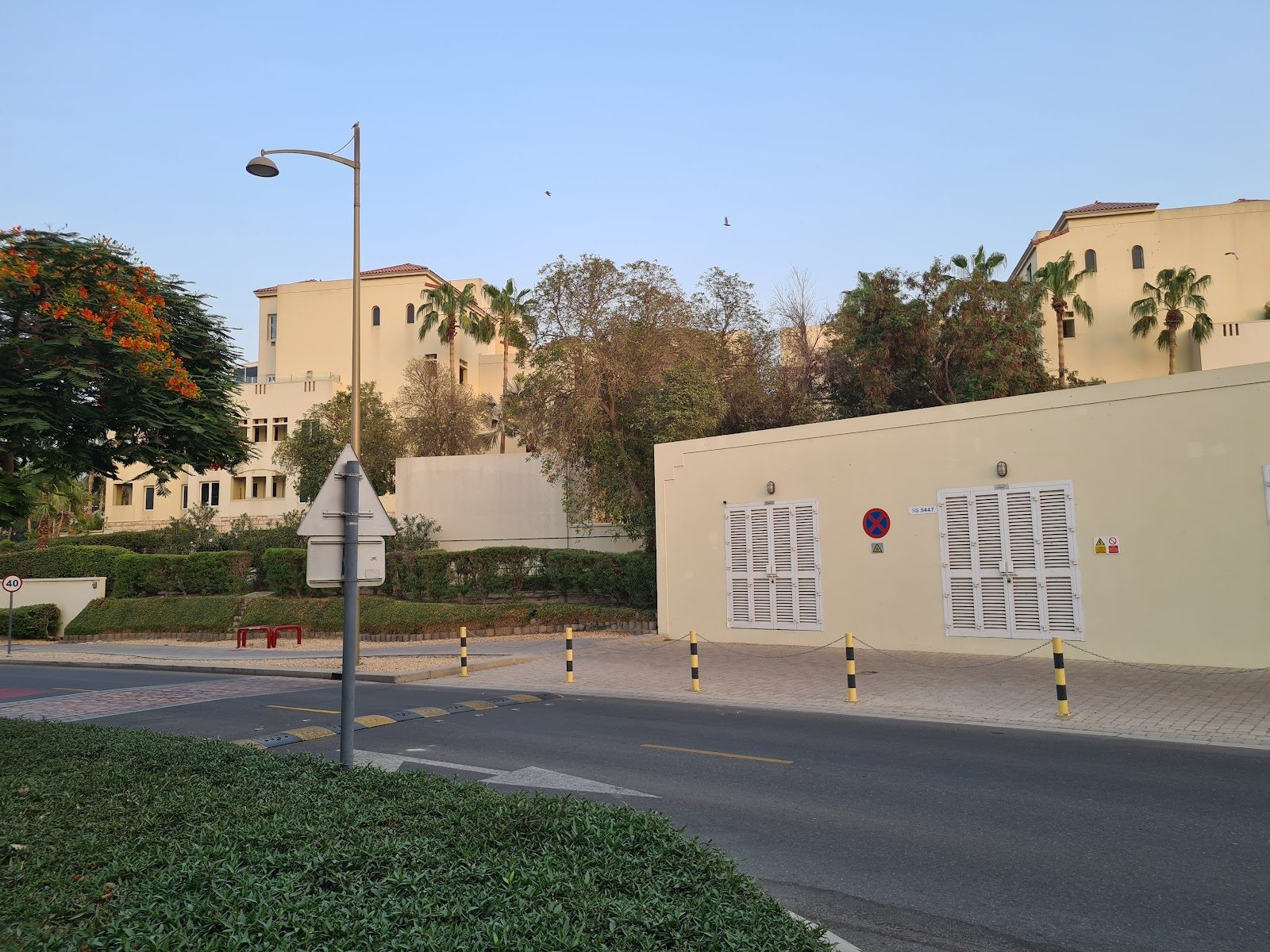
Universal American School
Dubai · United Arab Emirates
A not-for-profit Festival City campus where Grade 11 students choose between the IB Diploma and an AP-enriched US track
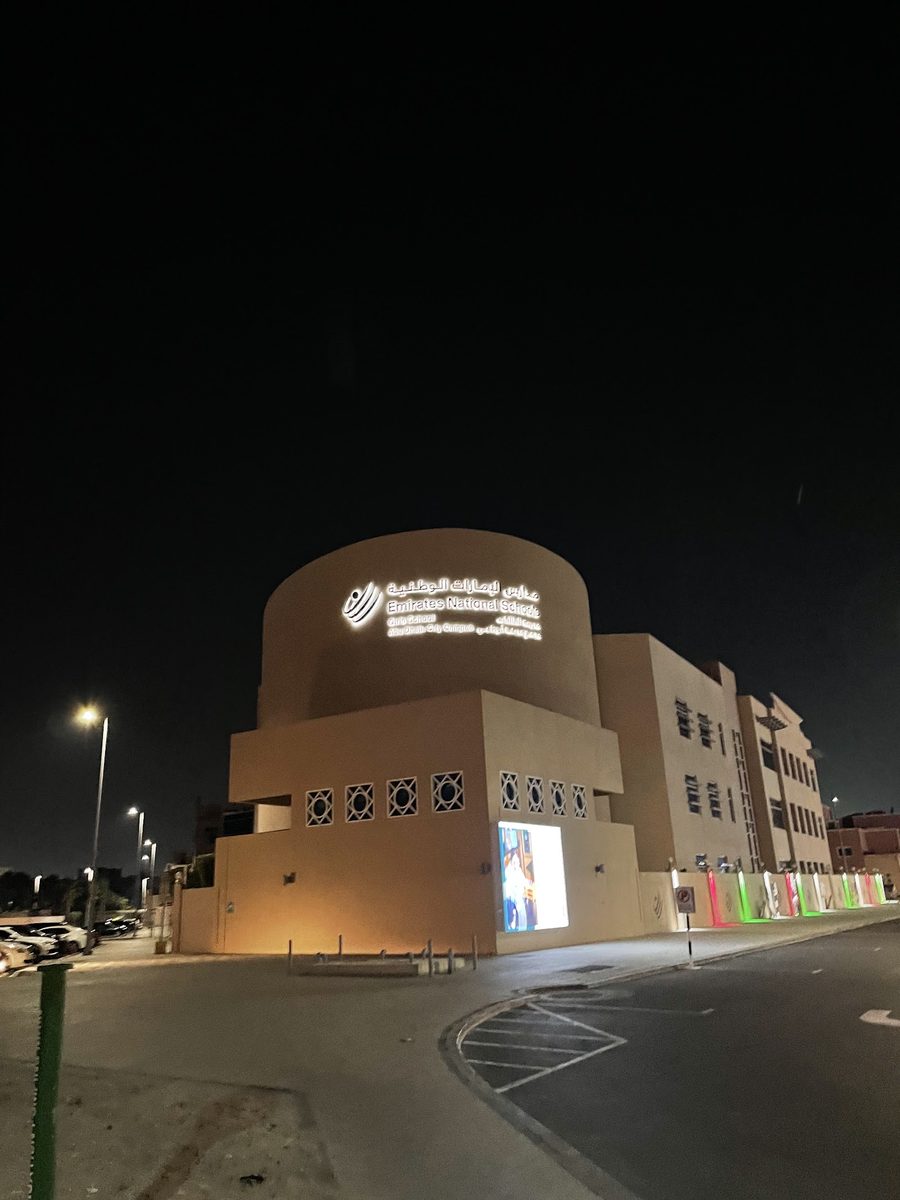
Emirates National Schools - Abu Dhabi Campus
Abu Dhabi · United Arab Emirates
American Common Core curriculum meets the IB Diploma and AP pathways, framed by mandatory Arabic and Islamic studies.
Swiss International Scientific School Dubai
Dubai · United Arab Emirates
The largest Swiss school outside Switzerland, running a bilingual IB continuum along Dubai Creek in French or German.
Same country and curriculum — closest matches within ±10 points either way