
Chisipite
Chisipite Senior School
low confidence· 4/6 cats · 1 avg sourcesRooted in a 1929 farm-school lineage, this all-girls Harare campus pairs Cambridge IGCSEs with a signature Servant Leadership finale.
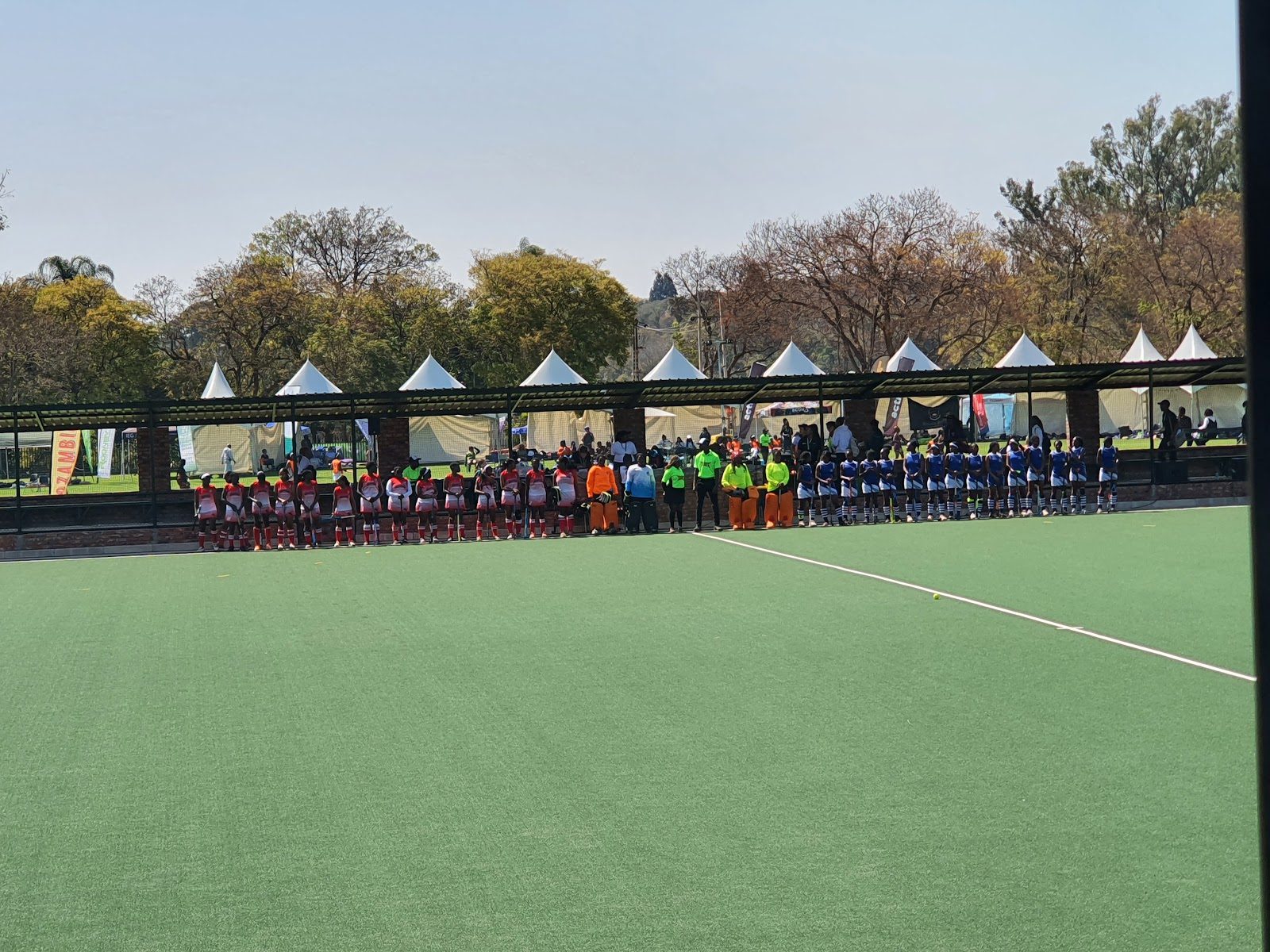
Photo © Sharaaz Umali via Google Maps
Type
Both
Ages
12–18
Curriculum
British
Qualifications
IGCSE · A-Level
Ratio
—
The Verdict
Editor's commitment
Right for
Girls 12–18 who want an Anglican all-girls school in Harare with boarding, Cambridge IGCSEs, and a 750-student campus.
Wrong for
Families wanting co-education, non-British curricula, or a secular culture; Chisipite is single-sex, Anglican, English-medium, and firmly Harare-based.
Watch out for
The 1953 senior school carries a 1929 lineage and 25-acre campus, but the school does not publish aggregate exam outcomes.
Ranking breakdown
Chisipite Senior School · #1207 of 1591
Composite score 57.9. 8 weighted criteria.
By criterion
Academic Outcomes
Weight 20%
#1192
of 1529 scored
University Placement
Weight 16%
#1201
of 1529 scored
Prestige & Heritage
Weight 12%
#1150
of 1571 scored
Alumni Network
Weight 12%
#761
of 1530 scored
Facilities
Weight 12%
#1228
of 1533 scored
Transparency & Communications
Weight 8%
#1226
of 1532 scored
Peer & Industry Review
Weight 10%
#1108
of 1548 scored
Admissions Selectivity & Demand
Weight 8%
#991
of 1529 scored
Peer & Industry Review
How Chisipite Senior School is regarded in the sector
60
Respected · low confidence
Chisipite Senior School is consistently named among Zimbabwe's leading girls' schools in expat parent forums and regional 'best schools in Harare/Zimbabwe' discussions, and is recognised as one of the older, established Anglican-founded private schools with a solid alumni network among Harare's professional and diaspora communities. However, it lacks coverage in major international specialist press (Tatler, Good Schools Guide, Sunday Times School of the Year), and third-party evidence is largely limited to expat forum mentions and general regional schooling guides rather than deep peer-benchmarking commentary.
Evidence sources
Editors' overview
Chisipite Senior School occupies a clear niche in Zimbabwe’s girls’ school market: an established Anglican school in Harare with both day and boarding places, a British curriculum, and the scale to feel substantial without becoming anonymous. Founded in 1953 and tracing its identity back to a 1929 farm-school lineage, it trades on continuity, order and institutional confidence. The setting matters too: 25 acres for 750 girls gives the school room to operate as a full campus rather than a cramped urban site. For parents, the draw is not novelty but old-school seriousness, institutional memory and a structure that has held its shape over decades.
What distinguishes Chisipite is the combination of an all-girls environment, Cambridge IGCSE study and a stated Servant Leadership finish to the senior years. That mix gives the school a more defined character than generic “good all-rounder” competitors. The leadership language will appeal to families who want ambition disciplined by duty, not swagger. Its Anglican foundation adds moral framing and ritual without altering the core academic proposition: this is an English-medium secondary school for girls aged 12–18 that aims to produce self-command, public confidence and a habit of contribution. Quiet discipline, a strong sense of place and a clear moral frame are central to the offer.
It belongs on a shortlist because it covers the essentials that matter in this segment: boarding as well as day provision, credible institutional affiliations through HMC (Sub-Saharan Africa), ATS Zimbabwe and GSA (Sub-Saharan Africa), and a student roll large enough to support breadth in teaching and co-curricular life. The staff body — 75+ academic staff — points to a school with real operational depth. That said, parents should treat it as a school for girls who thrive in structured environments. This is not the place for a child who wants a loose culture, progressive experimentation or an anti-establishment tone. It suits students who value purposeful routine, who respond to standards, and who want a girls’ school that takes formation as seriously as qualifications.
Academic Performance
Chisipite does not publish aggregate external examination results in the public domain. That matters. In a market where serious schools use outcomes to prove academic strength, the absence of school-level pass rates, top-grade proportions or university destination data leaves parents without the cleanest measure of performance. We have not seen consolidated IGCSE or sixth-form results, subject-by-subject breakdowns, or trend data across cohorts. That makes precise comparison with Zimbabwe’s strongest girls’ schools harder than it should be and weakens any claim to transparent academic accountability. For an established school with substantial scale and a self-confident institutional profile, this is a conspicuous gap.
That said, the school sits in the tier of long-standing Harare independents that attract academically serious families and sustain a full senior programme with 75+ academic staff. That staffing depth supports subject range, exam preparation and continuity in the senior years. The question is not whether Chisipite has the infrastructure for strong results; it does. The question is whether it publishes enough hard data to prove where it stands against direct competitors. On that front, the school is opaque. Parents who rank measurable outcomes above ethos, tradition or formation should press for recent headline results, top-grade distributions and university placements before treating it as a top-table academic bet.
Facilities
The campus’s key advantage is space. A site of 25 acres gives Chisipite room for the facilities that matter in a full secondary school: separate academic buildings, playing fields, boarding infrastructure and the circulation space that stops the day feeling cramped. In Harare, that counts. Many urban schools operate on tighter footprints and feel compressed by timetabling and traffic between lessons, sport and after-school activity. Chisipite has the physical scale for a proper school campus, not a stitched-together city plot. For parents weighing boarding, that matters twice over: boarders need more than classrooms and a field; they need a campus that can absorb study, recreation and downtime without tipping into institutional claustrophobia.
What the school does not publish is a detailed public inventory of specialist facilities. We have not seen clear information on science laboratories, performing arts spaces, libraries, design workshops or indoor sports provision. That is a weakness. Peer schools at the top of this market spell out their specialist rooms and signature assets because facilities shape daily school life and signal investment priorities. Chisipite’s landholding and scale put it in a strong position, and the broad outline is credible; the public detail is thin. The result is a campus that reads as substantial and well-established, but not one that proves, on published evidence, that its specialist provision outclasses direct competitors.
The rating stops short of the very top tier for one reason: prestige without published outcomes has limits
Prestige
Chisipite carries real local prestige. In Zimbabwe, old independent girls’ schools with durable identity, selective social cachet and stable governance still matter, and Chisipite sits firmly in that bracket. Its Anglican foundation, all-girls setting and long institutional continuity give it the kind of name recognition that travels well across Harare families, alumni networks and professional circles. Prestige here does not rest on glossy branding or imported cachet. It rests on reputation accumulated over time: disciplined schooling, social confidence, and the expectation that girls will be trained to carry themselves with composure, duty and self-command. A roll of 750 and more than 75 academic staff also place it beyond the boutique category; this is an established school with the scale to sustain visibility and influence.
The rating stops short of the very top tier for one reason: *prestige without published outcomes has limits*. Chisipite has standing, history and a recognisable place in the city’s independent-school hierarchy, but it does not disclose the academic data that would turn social and institutional esteem into a fully evidenced academic reputation. For some parents, the name, network and culture will be enough. For others, especially those comparing the strongest academic options, the school’s opacity will count against it. The result is a school with substantial status and genuine gravitas, but not one that earns unquestioned supremacy on evidence alone.
Founded in 1953 and tracing its identity back to a 1929 farm-school lineage, it trades on continuity, order and institutional confidence
Communications
Chisipite communicates in the manner of many established independent schools: formal, controlled and institution-led rather than chatty or hyper-transparent. The public-facing picture is functional, not expansive. Core facts are easy enough to establish, and the school’s identity is clear, but the level of detail falls short of what exacting parents now expect when they are assessing day-to-day communication standards. We have not seen a strong public habit of publishing the kind of operational detail that reduces friction for families: fuller academic reporting, richer department-level information, or a more developed window into school life beyond broad institutional messaging. That does not signal disorder. It signals a communications culture built around authority, reserve and need-to-know clarity rather than parent-facing openness.
For some families, that will suit. Schools with a traditional internal culture often communicate best once a family is inside the system, through direct notices, established routines and staff contact rather than through elaborate public explanation. But from the outside, Chisipite’s communications read as competent but guarded. The same pattern shows up elsewhere: the school states the essentials, yet leaves unanswered questions that stronger communicators address before parents need to ask. In a competitive market, that is a self-imposed weakness. Parents who want crisp, proactive communication should test this early—ask about reporting cycles, pastoral contact, response times and how boarders’ families are kept informed—before committing.
Uniqueness
What marks Chisipite out is not novelty but the way its parts lock together into a distinct social and moral project. An all-girls Anglican school with both day and boarding life already occupies a specific lane; Chisipite sharpens that further with its explicit Servant Leadership finish in the senior years. That phrase can sound formulaic elsewhere. Here it gives the school a recognisable end point: not just exam competence, but the training of girls to lead without theatricality, to speak with confidence, and to treat status as obligation. In a market full of schools promising “holistic” development, that is more exacting, more old-fashioned and more coherent than the standard all-rounder pitch. The result for students is a culture that rewards self-command, steadiness and public responsibility more than raw self-display.
The other differentiator is scale with containment. A roll of 750 and more than 75 academic staff create enough breadth for serious school life without the impersonality of a giant campus. Add the acreage and Chisipite has the physical and organisational weight to sustain routine, ritual and community at the same time. That combination matters for girls in adolescence: they get room to grow socially, chances to take visible responsibility, and a structure that does not dissolve into looseness. For the right student, that produces quiet confidence, institutional belonging and a habit of contributing beyond herself. For the wrong student, it will feel tradition-bound and exacting.
The setting matters too: 25 acres for 750 girls gives the school room to operate as a full campus rather than a cramped urban site
Student Profile
The girls who do best here are the ones who can live comfortably inside a school with a strong institutional spine. Chisipite suits students who do not need constant novelty, performative informality or loose adult boundaries to feel engaged. It works for girls who accept rules, cope well with routine and are willing to take correction without drama. In an all-girls environment of around 750 pupils, a student needs enough self-possession to be known, expected to contribute and held to account. The school will reward steady application, social composure and a willingness to shoulder visible responsibility. Girls who want a clear moral frame, structured pastoral oversight and peers from families that value polish, discipline and educational seriousness will fit naturally.
It is a weaker fit for students who resist convention on principle, need a highly flexible culture, or want a school that treats hierarchy lightly. The Anglican setting and leadership ethos point to a community that prizes conduct as much as attainment; that will suit some girls and grate on others. Boarders in particular need resilience, emotional steadiness and the ability to manage communal life without constant friction. This is a school for girls who can be well-schooled without becoming bland: articulate, dependable and comfortable in a culture that is ordered, demanding and at moments tradition-bound. For the right child, that produces confidence with ballast. For the wrong one, it feels restrictive very quickly.
For parents, the draw is not novelty but old-school seriousness, institutional memory and a structure that has held its shape over decades
Co-curricular strengths
Arts & sport, on a separate axis
Overall 7.98/10
Scored 0-10 from the school's own published evidence. This axis is editorial-only — it does not feed the main WTS ranking.
Sports
9.2/10
Drama
9.2/10
Dance
5/10
Music
9.5/10
Visual Arts
7/10
Editor first-pass · editor-reviewable · 7/30/2026
Strengths
- +Long-established Anglican-affiliated girls' senior school in Harare with a multi-decade history and an associated junior school feeder.
- +Follows the British/Cambridge curriculum, offering IGCSE and A-Level qualifications that are internationally transferable.
- +Provides both day and boarding places, which is useful for expatriate families and those relocating from outside Harare.
- +Established reputation within Zimbabwe's independent school sector for co-curricular sport, including hockey, netball, swimming and tennis.
- +Single-sex senior environment may suit families specifically seeking a girls-only academic and pastoral setting.
Considerations
- −Girls-only at senior level, so unsuitable for families wanting co-education through the final school years.
- −Operates within Zimbabwe's constrained economic environment, which has historically affected fee stability, currency arrangements and resourcing continuity.
- −Public-facing information on fees, recent inspection outcomes and exam results is limited, making direct benchmarking against regional or international peers difficult.
- −Editorial ranking places it well outside the top tier of globally recognised schools, reflecting a primarily local rather than international reputation.
Availability
Primary entry gate & tests
Academic Record
Gallery
Photo © Anesu Kafesu via Google Maps
Photo © Anesu Kafesu via Google Maps
Photo © Anesu Kafesu via Google Maps
Photo © Anesu Kafesu via Google Maps
Photo © Anesu Kafesu via Google Maps
Parent reviews
Have you sent your child here?
Voice reviews carry the strongest trust badge — we transcribe them for you to tidy up before they go live. Prefer to type? A written review is fine too.
Add your voice
In 60 seconds, tell other parents: what's the best thing about Chisipite Senior School, and what surprised you when your child joined?
We ask for a Google sign-in so every review has a real face behind it — no anonymous drive-by attacks on schools, and no faked positive reviews. Your email is never shown publicly.
Send this profile to a friend
International parents rely on word-of-mouth. Share this review with someone weighing the same decision.
Schools with places
Similar schools to Chisipite Senior School with places available now.
Bishop Cotton School
Shimla · India
- 2026-27
- WAITPOOLSpace-dependent
- 2027-28
- PLACES OPENRolling
Millfield School
Street · United Kingdom
- 2026-27
- CLOSEDStandard route closed
- 2027-28
- PLACES OPEN11+ / 13+ / 16+ active
Welham Girls' School
Dehradun · India
- 2026-27
- WAITPOOLSpace-dependent
- 2027-28
- PLACES OPENRolling
Muscat International School
Muscat · Oman
- 2026-27
- PLACES OPENApps open / space-dependent
- 2027-28
- WAITPOOL2027/28 timetable TBC
Availability first, then country, area, curriculum, price, co-curricular
Consider also
Also worth looking at alongside Chisipite Senior School.
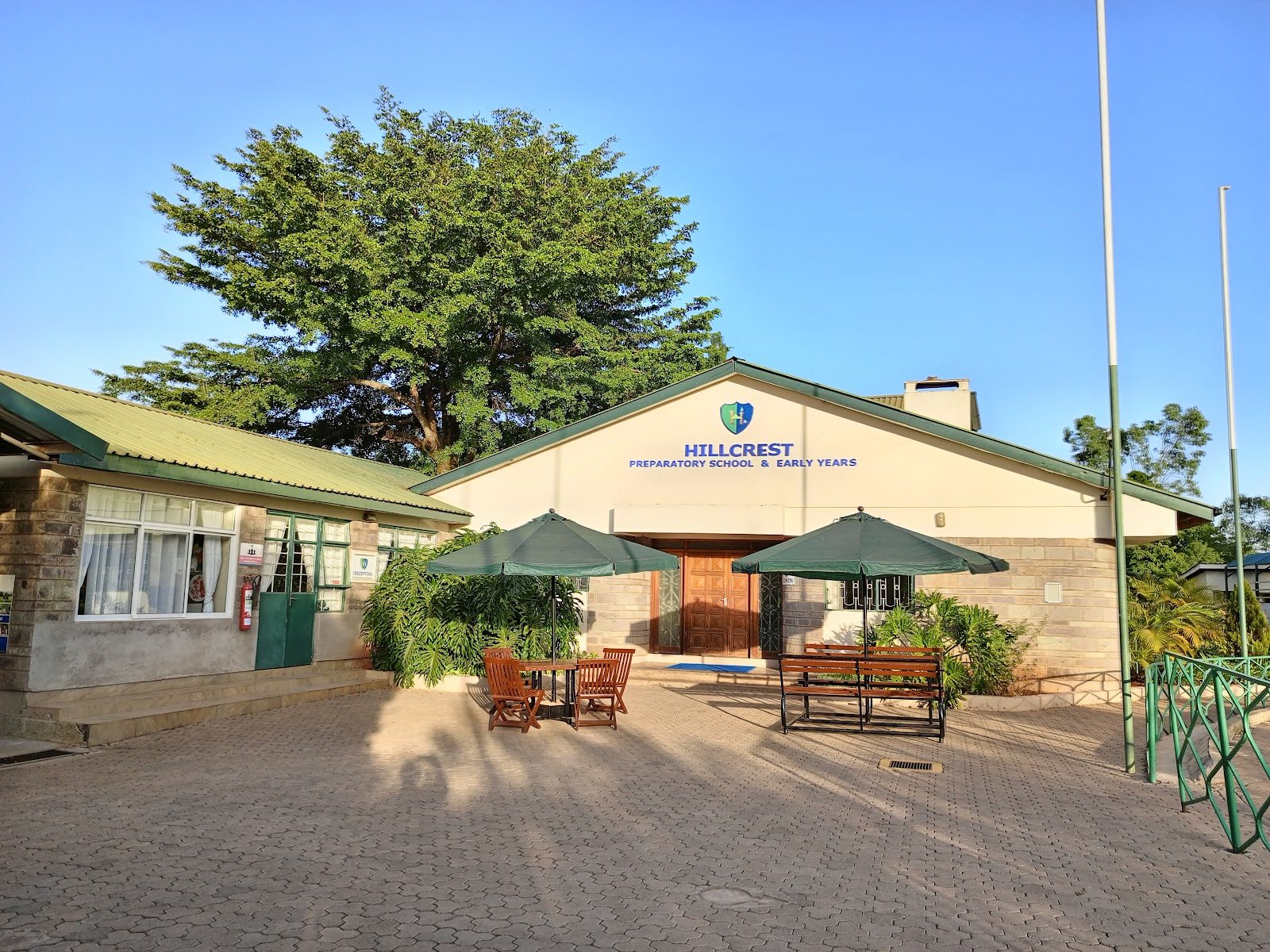
Hillcrest International School
Nairobi · Kenya
On a 35-acre Karen campus since 1965, sixth formers choose between Cambridge A-Levels and BTEC vocational pathways.
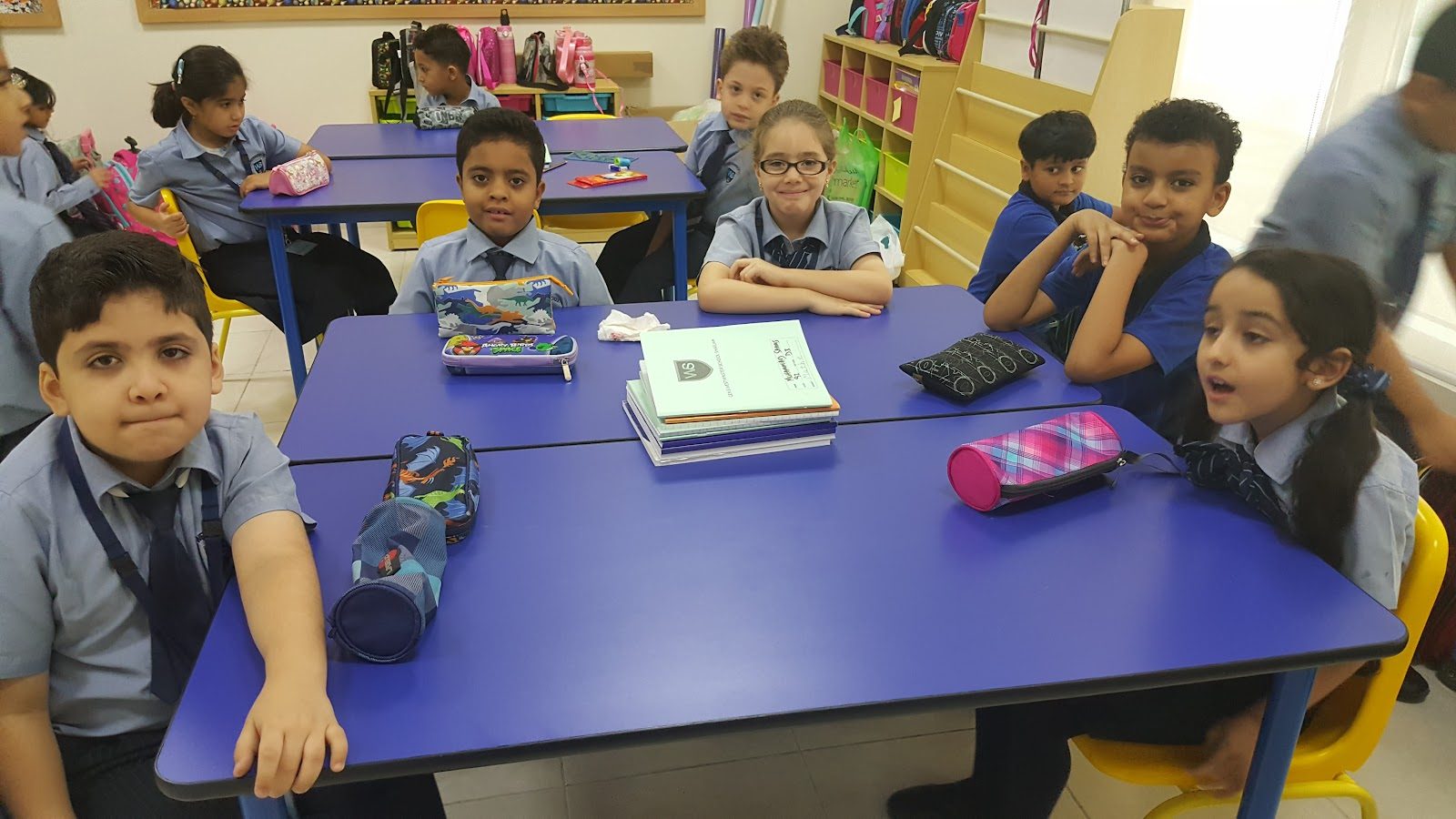
GEMS Westminster School - Sharjah
Sharjah · United Arab Emirates
A flexible two- or three-year IGCSE pathway in Muwaileh gives Sharjah families room to pace their children's British education.
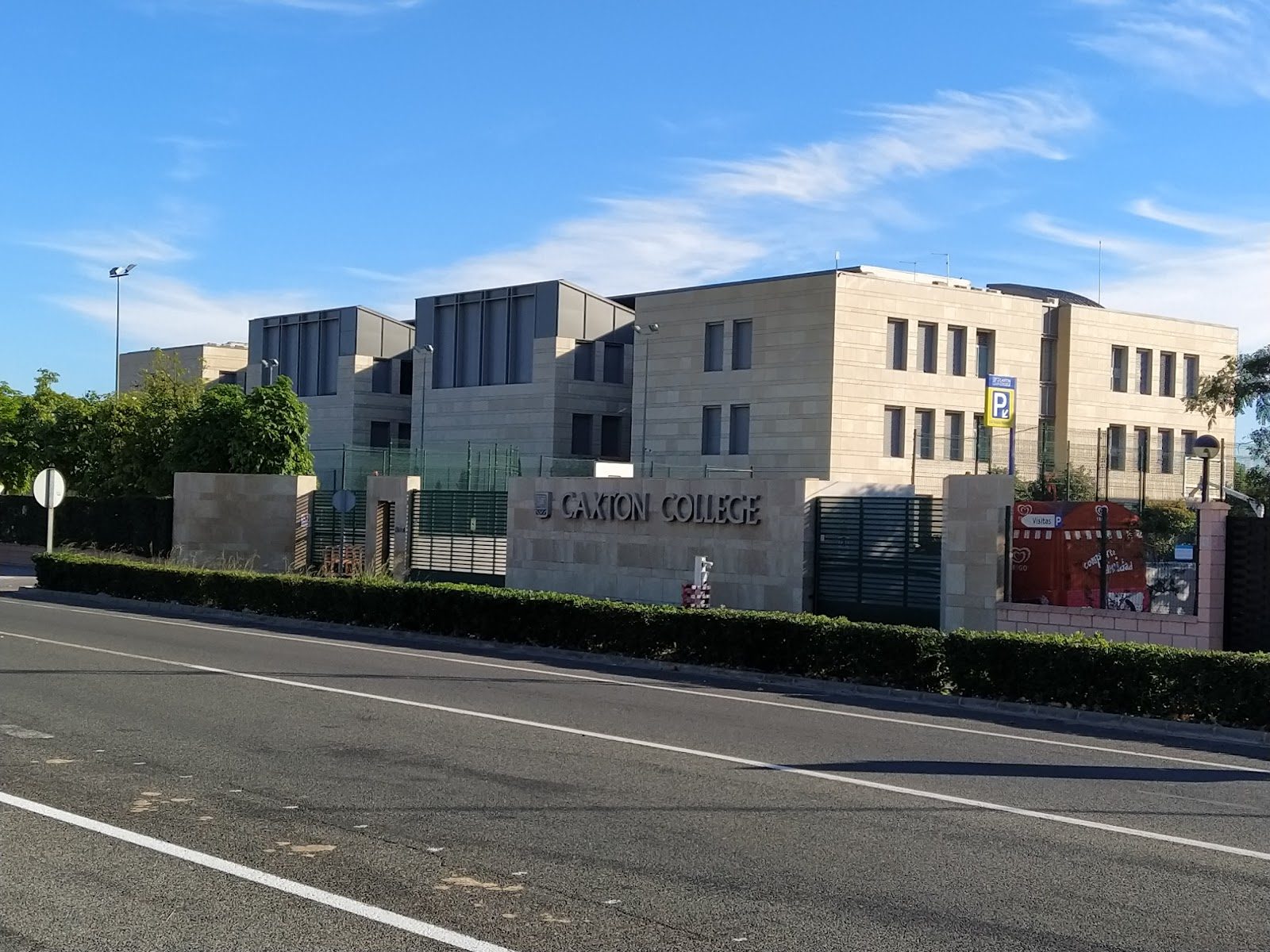
Caxton College
Puçol · Spain
On Valencia's coast between mountains and sea, a family-run British school pairs A-Levels with native Spanish literary strength.
Bishop Cotton School
Shimla · India
Perched on a Himalayan ridge since 1859, this all-boys campus pioneered India's first house system of schooling.
Same country and curriculum — closest matches within ±10 points either way