
Hawalli
The American School of Kuwait
medium confidence· 4/6 cats · 3.25 avg sourcesFounded in 1964 by American families, this Hawalli day school reopened after Gulf War closure to keep its AP college-prep legacy alive.
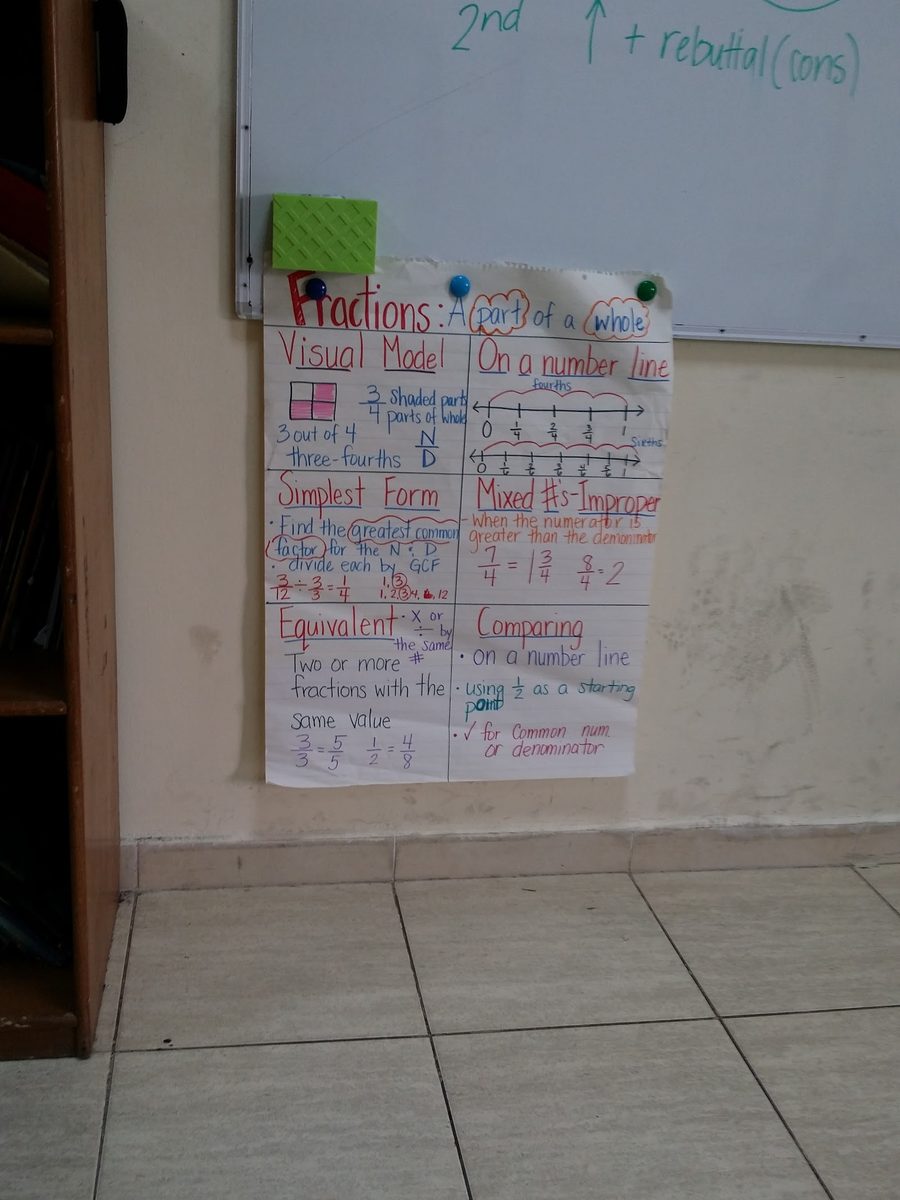
Photo © Bob Oueidat via Google Maps
Type
Day
Ages
3–18
Curriculum
American
Qualifications
AP
Ratio
—
The Verdict
Editor's commitment
Right for
Families wanting a non-religious, English-medium American school in Hawalli, with AP college-prep heritage and MSA accreditation.
Wrong for
Parents wanting boarding, a British or IB curriculum, or Arabic-medium teaching; ASK is a day school founded in 1964.
Watch out for
ASK serves ages 3–18 in Kuwait City, but the school does not publish public outcome data here beyond American curriculum and MSA.
Ranking breakdown
The American School of Kuwait · #814 of 1591
Composite score 63.6. 8 weighted criteria.
By criterion
Academic Outcomes
Weight 20%
#957
of 1529 scored
University Placement
Weight 16%
#965
of 1529 scored
Prestige & Heritage
Weight 12%
#900
of 1571 scored
Alumni Network
Weight 12%
#566
of 1530 scored
Facilities
Weight 12%
#960
of 1534 scored
Transparency & Communications
Weight 8%
#983
of 1532 scored
Peer & Industry Review
Weight 10%
#891
of 1548 scored
Admissions Selectivity & Demand
Weight 8%
#726
of 1529 scored
Score history
The American School of Kuwait · 2026
Movement across 2024–2026. Peer average overlaid.
Overall — 2024–2026
63.6/ 100
▲ +23.7 vs 2025
year on year
Peer & Industry Review
How The American School of Kuwait is regarded in the sector
58
Credible · low confidence
The American School of Kuwait is consistently listed among the top American-curriculum schools in Kuwait in expat-parent forums (e.g., ExpatWoman Kuwait school guides, Kuwait Times education roundups) and holds NEASC/Cognia accreditation, giving it credible regional standing. However, it receives little to no coverage in international specialist press (Tatler, Good Schools Guide, Sunday Times) and has a modest, locally-confined alumni network profile rather than a broadly recognized international reputation.
Evidence sources
Editors' overview
The American School of Kuwait has one advantage that matters immediately: history. Founded in 1964, it is one of the older international schools in Kuwait, and that matters in a market full of newer entrants with polished branding and thinner institutional memory. This is a non-religious, English-medium American day school for ages 3–18, based in Hawalli, with MSA accreditation and a clear college-prep identity. The editorial tagline points to a school shaped by interruption and recovery: it closed during the Gulf War and reopened, which gives ASK a hard-earned continuity that newer schools cannot manufacture. Parents looking for stability over fashion will clock that at once.
What puts ASK on a shortlist is not novelty but clarity. It serves families who want an American curriculum in Kuwait without the ambiguity that creeps into hybrid schools trying to satisfy every market segment at once. The age range is a practical strength: one school from early years to graduation, which gives families institutional continuity and children a consistent academic language. The school’s long-standing AP college-prep reputation, referenced in the editorial context, is the key market marker here. ASK sits in the established, traditional end of the market: less boutique, more proven route; less experimental, more structure-driven. For parents who value a school with a recognisable academic spine, that still counts.
The best fit is a student who does well in a conventional, English-language American system and wants a direct path towards university preparation rather than a progressive or alternative model. Ambitious, organised students who benefit from clear expectations will fit. So will internationally minded families who want a non-religious setting and a school with deep local roots in Kuwait’s expatriate and internationally oriented community. Students who need a highly specialised niche programme, or families chasing a new-build luxury campus as a priority, may look elsewhere. ASK earns its place on a shortlist because it offers something rarer than marketing sparkle: institutional weight, a long record, and a straightforward academic proposition.
Academic Performance
ASK’s academic case rests more on reputation than published proof. The school carries an established AP college-prep identity, but we have not seen aggregate AP outcomes, score distributions, university matriculation breakdowns, SAT or ACT averages, or year-by-year pass rates in the public domain. That matters. In a market where serious college-prep schools publish at least headline attainment data, this level of opacity leaves parents judging by institutional track record rather than hard numbers. For families comfortable with a school’s old-school credibility and long operational memory, that may suffice; for data-driven parents, it is a clear weakness.
Relative to peers, ASK sits in the group of established American schools whose value depends on consistency and university preparation rather than curricular novelty. Without published examination data, it does not earn a place among the best-evidenced academic performers in the region, because that category requires results the public can inspect. That does not mean weak outcomes; it means unproven outcomes in public. The one verified signal beyond the school’s own history is thin: 1 notable alumnus is catalogued in Wikidata, which is too narrow a measure to carry real weight either way. The practical conclusion is straightforward: ASK has the profile of a serious college-prep school, but parents should ask directly for recent AP results, score bands, and university destinations before treating it as a top academic bet.
Facilities
Facility judgement is constrained by one blunt fact: the school does not publish a usable public picture of its campus. We can place it in Hawalli and confirm it runs from pre-school through K–12, but that still leaves the core parental questions unanswered. There is no clear public accounting of specialist science laboratories, theatre or music spaces, library scale, indoor sports provision, design or technology rooms, swimming facilities, or the age and condition of teaching blocks. For a school with an all-through structure from age 3–18, that gap matters more than it does at a small stand-alone primary. Families need to know whether younger children and older students share one compact site, how phase separation works, and whether facilities are fit for purpose across the full age range.
Against peer schools in Kuwait and the wider Gulf, that puts ASK on the back foot in pure facilities assessment. Many competitors now publish detailed campus photography, room inventories and dedicated spaces for sport, arts and laboratory work. ASK does not give parents that level of inspection. That does not prove a weak campus; it leaves the campus under-evidenced and hard to benchmark. The practical read is simple: this school’s case does not rest on flashy infrastructure or a resort-style estate. If facilities are a deciding factor, parents should ask for a proper tour, inspect sports and arts provision in person, and test whether the physical environment matches the school’s more traditional academic identity.
The American School of Kuwait has one advantage that matters immediately: history
Prestige
ASK has real standing in Kuwait because it is an established name, not because it trades on elite mystique. That distinction matters. In prestige terms, this is not the sort of school that projects rarified exclusivity or an aggressively curated global brand. Its status comes from durability, local recognition and the fact that generations of families know it exists and what it does. In an international-school market crowded with newer operators, that gives ASK earned credibility. For many parents, that kind of prestige carries more weight than glossy marketing. The school also benefits from being a full-through institution, which reinforces loyalty and keeps its reputation visible across age groups rather than in one narrow phase.
The ceiling is lower than at the region’s most glittering names because the public case is thin where prestige now gets tested hardest: outcomes, destinations and external proof. We have not seen the published results that turn a respected school into an undisputed academic heavyweight. Nor does the verified alumni signal do much lifting at 1 notable alumnus in Wikidata. That does not diminish the school’s place in its local market; it sets the limit on how far its prestige travels. My rating lands in the solid upper-middle tier: a school with genuine local heft, a recognisable legacy and dependable name recognition, but not one that commands automatic deference across the wider international circuit.
Parents get the outline of what the school is, but not the level of operational clarity now expected from a top-tier international school
Communications
ASK’s parent communication gives little away in public, and that itself is a signal. Schools that communicate well do two things consistently: they publish enough for families to judge the institution before enquiry, and they keep routine channels clear once a child is enrolled. ASK clears the first bar only partially. Public information is thin, campus detail is underpowered, and hard academic reporting is still missing. That does not make the school disorganised; it does mark a communications culture that is more functional than transparent. Parents get the outline of what the school is, but not the level of operational clarity now expected from a top-tier international school.
That matters because an all-through school serving ages 3–18 needs disciplined communication across very different parental concerns: early-years routines, adolescent safeguarding, assessment, university counselling and day-to-day logistics. We have not seen the public evidence of a highly developed communications ecosystem — detailed handbooks, outcome dashboards, rich departmental updates, or a strong archive of parent-facing explanation. The practical inference is straightforward: ASK communicates like an established school that relies on institutional habit and direct community contact more than polished public messaging. Some families will value that no-frills style. Others will read it as a weakness and want sharper proof of responsiveness, clearer publication of results, and a more complete view of school life before committing.
Uniqueness
ASK’s distinctiveness lies in age and continuity, but not in the nostalgic way schools like to package those traits. Its identity is institutional rather than theatrical: a long-established American school that has stayed in one market, served the same broad expatriate and internationally oriented constituency, and kept an all-through structure from the earliest years to graduation. That gives students something more valuable than novelty: a steady internal culture. In practice, children move through one system with shared expectations, familiar routines and a faculty body working inside a recognisable academic frame rather than a school reinventing itself every few years. For families tired of churn, that is a serious advantage.
The other point of difference is restraint. ASK does not sell itself through grand claims, luxury-campus imagery or a fashionable educational philosophy. It reads as a traditionalist school whose value rests on staying power and a direct university-prep mission. That suits students who want clear structure, durable norms and a peer group shaped by families choosing continuity over spectacle. It brings reassurance, but also a trade-off: this is not a school whose uniqueness comes from an exotic programme, public intellectual swagger or a glittering alumni machine. With only 1 notable alumnus catalogued in Wikidata and little public outcomes data, its distinctiveness is grounded and local, not global or glamorous. For the right child, that makes the experience stable, legible and grown-up.
ASK’s distinctiveness lies in age and continuity, but not in the nostalgic way schools like to package those traits
Student Profile
The best fit here is a student who works well inside a structured, conventional school culture and does not need constant novelty to stay engaged. ASK suits children who value routine, clear behavioural boundaries and a peer group shaped by families making a deliberate choice for continuity. That profile spans very different ages: younger children who settle with predictable expectations, middle-years students who benefit from firm academic framing, and older pupils who want a school that treats university preparation seriously. It also fits internationally mobile families who want one institution to carry a child from the early years through to graduation, rather than forcing another transition halfway through. The all-through age span from 3–18 matters less as a statistic than as a social pattern: students grow up in one ecosystem, and that tends to reward steadiness over reinvention.
The weaker fit is just as clear. Students who need an experimental, highly personalised or visibly progressive environment will find this school too traditional. So will families who choose schools through lifestyle cues — glossy campus theatre, hyper-curated branding, or a strong public performance of innovation. ASK reads as a place for children who can get on with the work without needing a school to entertain them. The public record also gives little evidence of a broad alumni halo beyond 1 catalogued notable graduate, so this is not a natural choice for families chasing cachet. It is a better choice for grounded, self-managing students than for those needing a high-touch, heavily differentiated model.
With only 1 notable alumnus catalogued in Wikidata and little public outcomes data, its distinctiveness is grounded and local, not global or glamorous
Co-curricular strengths
Arts & sport, on a separate axis
Overall 8.12/10
Scored 0-10 from the school's own published evidence. This axis is editorial-only — it does not feed the main WTS ranking.
Sports
8.5/10
The extracurriculars explicitly list Basketball, Volleyball, Soccer, and Swimming, showing a solid multi-sport offering but with no named facilities, specialist staff, or competitive results provided.
Drama
7.8/10
Drama productions, which goes beyond a bare listing of drama by evidencing recurring staged activity, but gives no theatre, department, or production detail.
Dance
7.5/10
Music
8.5/10
Choir and Band, indicating structured music ensembles and visible participation, though no music facilities, specialist staff, or distinctions are mentioned.
Visual Arts
8.3/10
Editor first-pass · editor-reviewable · 7/28/2026
Strengths
- +Founded 1964; long-established in Kuwait.
- +American curriculum throughout ages 3–18.
- +English instruction suits internationally mobile families.
- +MSA accreditation offers external oversight.
Considerations
- −Day school only; no boarding option.
- −American curriculum may not suit British-system families.
- −Located in Hawalli, not central for all commutes.
Availability
Primary entry gate & tests
CAT4 / Assessment
Gallery
Photo © Bob Oueidat via Google Maps
Photo © Ali Sabah via Google Maps
Photo © المدرسة الأمريكية في الكويت via Google Maps
Photo © المدرسة الأمريكية في الكويت via Google Maps
Photo © المدرسة الأمريكية في الكويت via Google Maps
Parent reviews
Have you sent your child here?
Voice reviews carry the strongest trust badge — we transcribe them for you to tidy up before they go live. Prefer to type? A written review is fine too.
Add your voice
In 60 seconds, tell other parents: what's the best thing about The American School of Kuwait, and what surprised you when your child joined?
We ask for a Google sign-in so every review has a real face behind it — no anonymous drive-by attacks on schools, and no faked positive reviews. Your email is never shown publicly.
Send this profile to a friend
International parents rely on word-of-mouth. Share this review with someone weighing the same decision.
Schools with places
Similar schools to The American School of Kuwait with places available now.
Availability first, then country, area, curriculum, price, co-curricular
Consider also
Also worth looking at alongside The American School of Kuwait.
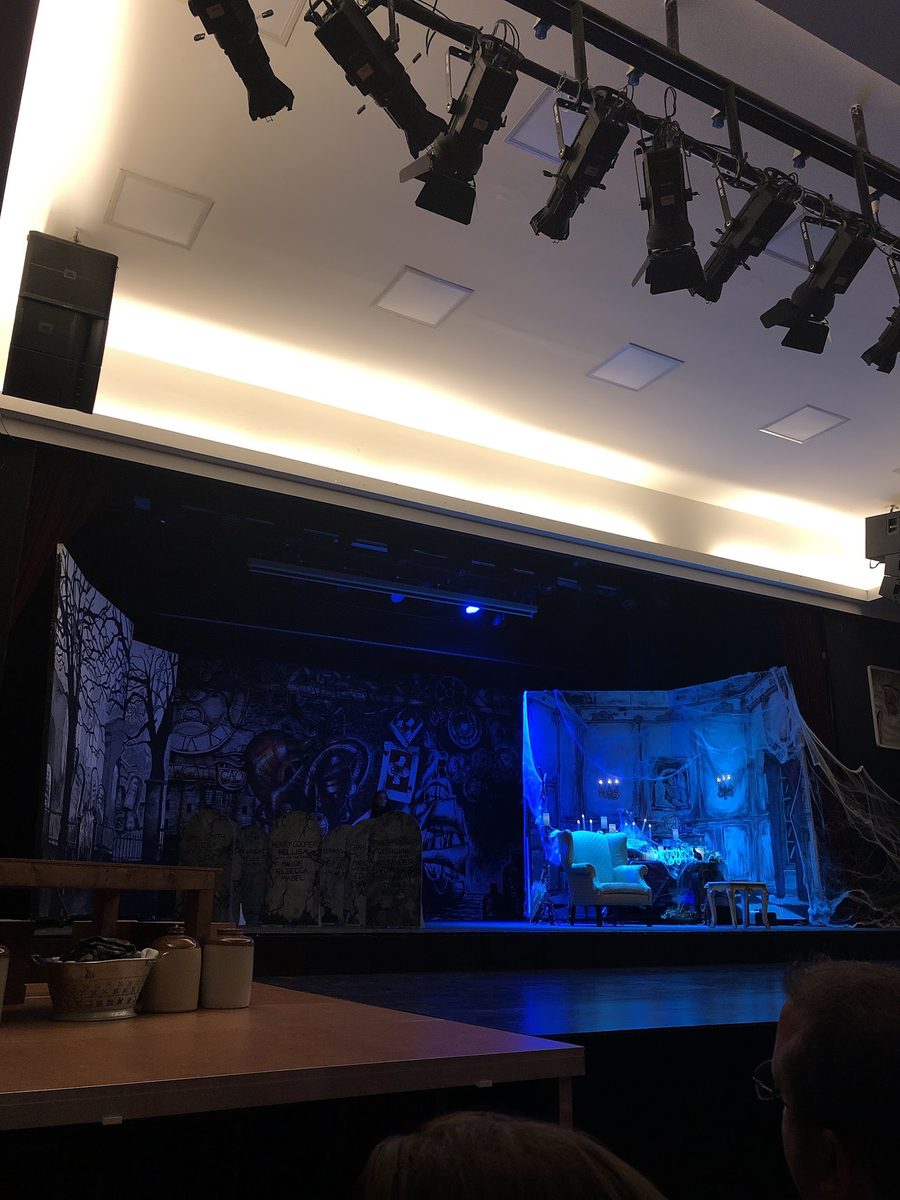
Kuwait English School
Salwa · Kuwait
In Salwa since 1978, a British day school that pioneered Middle East classroom tech and built inclusion through its Green Unit.
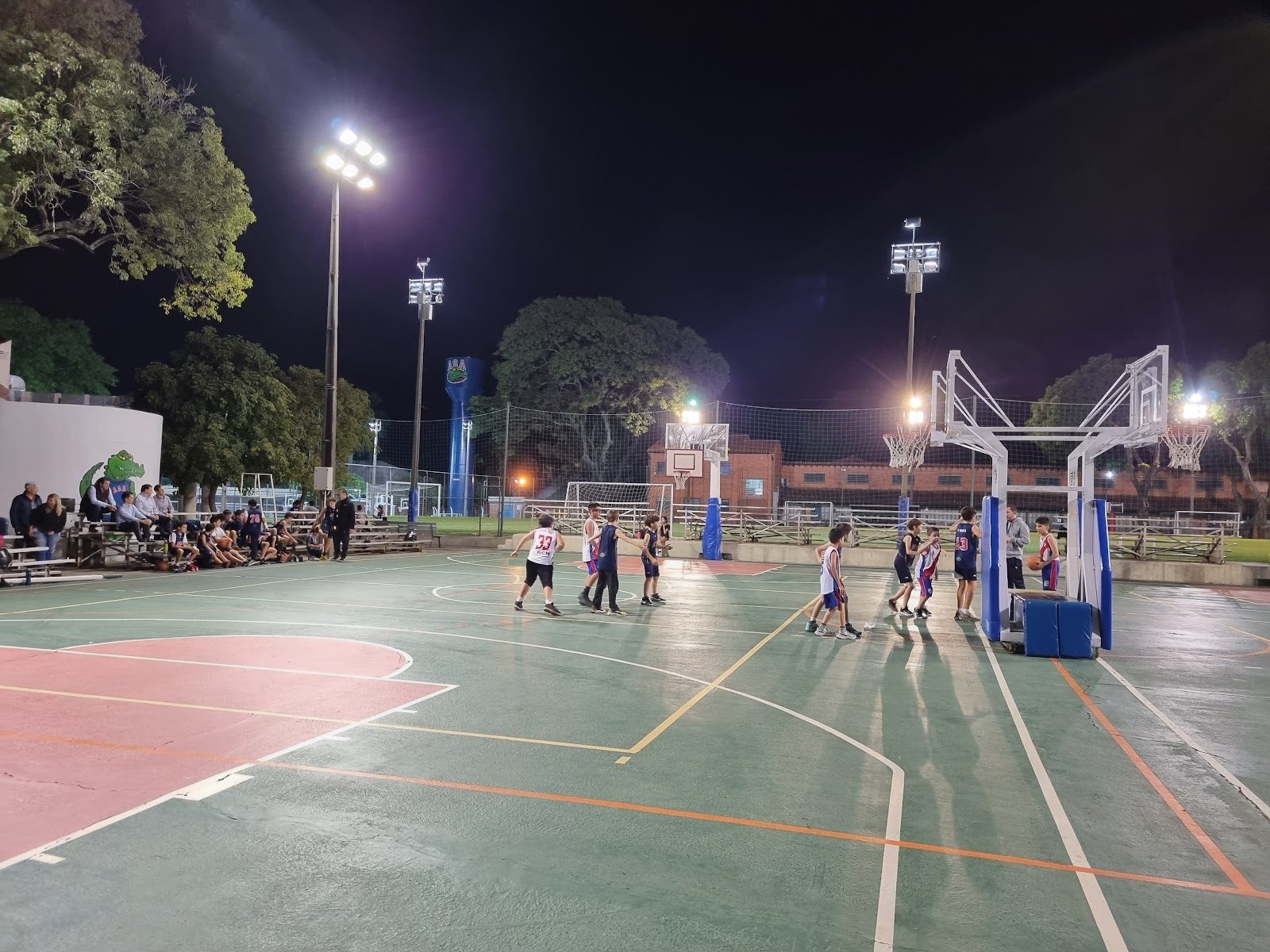
American School of Asunción
Asunción · Paraguay
Since 1953 in Villa Morra, pairing a US college-prep diploma with Paraguay's own, taught in English, Spanish, and Guarani.

Greenwich Academy
Greenwich · United States
Connecticut's oldest all-girls school pairs single-sex grounding with coeducational upper-school classes shared alongside Brunswick's boys.

West Point Grey Academy
Vancouver · Canada
On an 18-acre Jericho Lands campus above English Bay, a compulsory third language meets a student-run Model UN conference.
Same country and curriculum — closest matches within ±10 points either way