
Penang Island
Uplands School
low confidence· 4/6 cats · 1.2 avg sourcesBorn on Penang Hill in 1955, Malaysia's oldest international school now anchors IB rigor to a beachfront campus in Batu Ferringhi.

Photo © ernax via Google Maps
Type
Both
Ages
3–18
Curriculum
IB · British
Qualifications
IB Diploma · IB MYP · IGCSE
Ratio
—
The Verdict
Editor's commitment
Right for
Families in Penang who want a 1955 school with British and IB pathways, English teaching, and CIS, COBIS and IB World credentials.
Wrong for
Parents seeking a religious ethos, a single-curriculum school, or a bargain option; the average annual day fee is MYR 49,285.
Watch out for
Uplands sells warmth and history, but hard outcome data is absent; test destination results before paying MYR 49,285 a year.
Ranking breakdown
Uplands School · #959 of 1591
Composite score 63.6. 8 weighted criteria.
By criterion
Academic Outcomes
Weight 20%
#959
of 1529 scored
University Placement
Weight 16%
#965
of 1529 scored
Prestige & Heritage
Weight 12%
#926
of 1529 scored
Alumni Network
Weight 12%
#787
of 1529 scored
Facilities
Weight 12%
#976
of 1529 scored
Transparency & Communications
Weight 8%
#979
of 1529 scored
Peer & Industry Review
Weight 10%
#883
of 1529 scored
Admissions Selectivity & Demand
Weight 8%
#726
of 1529 scored
Peer & Industry Review
How Uplands School is regarded in the sector
66
Respected · medium confidence
I could not verify at least two independent third-party sources (e.g., Tatler, Good Schools Guide, expat forums with substantive discussion) discussing Uplands School Penang's reputation. Available information is limited and I cannot confirm claims without relying on the school's own marketing materials or unverified Wikipedia content.
Editors' overview
Uplands has a backstory few international schools can match: it opened on Penang Hill in 1955 as a primary boarding school during the Malayan Emergency, and that origin still gives it more historical weight than the newer resort-city campuses that dominate the market in South-East Asia. Today it sits in Batu Ferringhi, teaches ages 3 to 18 in English, and runs a British-plus-IB route rather than forcing families into a single track too early. That matters. The mix of Primary and Secondary, IGCSE and IB Diploma gives Uplands more academic range than schools that trade on atmosphere and leave the senior years thin. Its accreditations — IB World School, CIS and COBIS — place it firmly in the established international-school camp, not the start-up tier.
What is special here is the combination of institutional depth and a distinctly Penang setting. Uplands is not a glossy newcomer trying to manufacture heritage. It has real history, real continuity and a campus life shaped by that longevity. The school also still carries a boarding identity in its DNA; that tends to influence culture even when families use it as a day school, creating a community that is more self-contained and more rooted in student life beyond lessons. The average annual day fee across the full age range is MYR 49,285, which places Uplands in the premium segment of the Penang market without pushing into the price bracket of the most expensive schools in Singapore or Hong Kong. For parents who want an English-medium international education with recognised accreditation and a clear senior-school pathway, that is a serious proposition.
Why shortlist it? Because Malaysia has no shortage of competent international schools, but far fewer with Uplands’ combination of age, credibility and curricular breadth. A child can move from early years through to the IB Diploma in one institution, with the British structure feeding into internationally portable qualifications. That suits internationally mobile families, but it also suits settled Penang families who want a school with earned gravitas rather than hype. The school’s own language leans hard on warmth, care and community; the more persuasive point is that schools founded in 1955 and still standing at the top of their local market do not survive on sentiment alone.
The student who will thrive here is not chasing a hyper-pressurised exam factory or an ultra-urban campus culture. Uplands fits children who value a broad school life, families who want an established international community, and students aiming at a conventional British-to-IB academic progression. It will also appeal to boarders and to day pupils who benefit from a school with a strong communal centre of gravity. Parents seeking radical specialism, aggressive elite-brand posturing or a bargain fee will look elsewhere. Parents seeking stability, recognised standards and a school with a long memory of how to educate international children in Penang should keep Uplands on the list.
Academic Performance
Uplands does not publish aggregate IGCSE or IB Diploma outcomes in the public domain, and that weakens any hard comparative claim. For a school with its history and fee level, this is a real omission. Parents can infer an academically structured route, but they cannot test its effectiveness against peers without cohort averages, subject distributions, pass rates or score ranges. The school’s own strategic plan also states that it is “working towards MYP accreditation”, which matters because it confirms that the full IB continuum is still unfinished rather than already embedded. In plain terms, Uplands offers a credible academic framework but not the public results data that would prove top-tier execution.
That places it in a middle ground within the Penang and wider Malaysian international market. Schools that publish strong external results give parents a clear basis for comparison; Uplands does not. That does not make outcomes weak. It makes them opaque. The strongest academic signal here is institutional: a long-established all-through school with IGCSEs before the diploma years, plus external oversight from recognised bodies. The missing piece is performance transparency. Until the school discloses aggregate examination data, Uplands fits best among serious established operators whose academic case rests more on structure and reputation than on publicly evidenced results.
Facilities
The standout asset is the campus itself. Uplands occupies its own purpose-built site by the coast, and that matters in a Penang market where some schools still operate from adapted urban plots with tighter footprints and less room to breathe. The school’s strategic plan also points to further work on space and environment, which tells you two things: first, the campus already plays a central role in school life; second, parts of it are still being developed rather than treated as finished. Families also get practical infrastructure that matters in daily use, not prospectus theatre: term-based school transport, catering, medical care, a uniform outlet and published air-quality information. That package reads as operationally mature and parent-literate, even if it lacks the showpiece gloss of the region’s richest campuses.
Against peers, the facilities picture is strong without being extravagant. A through-school on its own coastal site has an advantage over cramped city-centre competitors, and Uplands has the institutional heft to support a broad extracurricular offer. The website also points to dedicated student support, counsellors, EAL provision and universities and careers guidance, which are important pieces of the physical-and-human infrastructure parents actually use. What we do not get is the hard sell on signature specialist spaces — no published parade of elite theatres, Olympic-standard aquatics or frontier-tech labs. That restraint cuts both ways. It keeps the tone refreshingly unflashy, but it also leaves Uplands short of the arms-race facilities language used by top-end regional rivals.
In plain terms, Uplands offers a credible academic framework but not the public results data that would prove top-tier execution
Prestige
Uplands carries real local prestige, but it is not an Asian trophy school with global name recognition on the level of the biggest brands in Singapore, Hong Kong or Bangkok. Its standing rests on endurance, continuity and market position inside Penang. Being the country’s oldest international school still matters: that kind of longevity gives a school alumni depth, institutional memory and a level of trust that newer operators cannot manufacture. The purpose-built coastal campus, the all-through age range and an average annual day fee of MYR 49,285 place it firmly in the serious fee-paying bracket. Parents are not buying novelty here; they are buying a school with deep roots and enough scale and history to feel established rather than provisional.
The limit on its prestige is public proof. Top-rank prestige in this sector comes from two things: strong external affiliations and published academic outcomes that hold up against peers. Uplands has the first and withholds the second. That keeps it in the category of a respected long-standing institution rather than an undisputed academic flag-bearer. Its strategic plan also makes clear that one piece of the IB story remains unfinished, which trims any claim to seamless programme prestige. So the verdict is clear: in Penang, Uplands has substantial status and old-school credibility; in the wider international-schools market, its reputation is solid but not commanding.
It keeps the tone refreshingly unflashy, but it also leaves Uplands short of the arms-race facilities language used by top-end regional rivals
Communications
Uplands communicates with parents through a well-built practical spine rather than glossy storytelling. The navigation alone tells you what the school treats as parent business: calendar, fees, application procedure, withdrawal notice procedure, safeguarding, whole-school policies, catering, transport, uniform outlet, medical care, air quality, newsletters and contact routes all sit in plain view. That is the right instinct. Parents need operational clarity before they need inspiration. The transport page is a good example of functional candour: termly booking, mid-term notice deadlines and non-refundable in-term withdrawals are set out without varnish. The strategic plan is also public and runs to 2030, which gives families a direct line of sight into priorities, including the unfinished work around multilingualism, wellbeing, campus development and the IB continuum. Many schools hide that level of institutional housekeeping. Uplands does not.
The weakness is not access to information; it is selective transparency. The school is open about procedures and intent, but far less open about outcomes. That imbalance matters because strong parent communication is not only about how to book a bus or read the lunch menu. It is also about whether families can judge academic delivery, strategic progress and school effectiveness with hard-edged confidence. On that test, Uplands is *competent, disciplined and parent-literate*, but not fully transparent. The communications architecture is serious and useful; the accountability layer is thinner than it should be.
Uniqueness
What marks Uplands out is not novelty but institutional continuity. This school has changed site, scale and student mix across decades without losing the thread of what it is. That matters more than branding language. Children move through a place that has had time to develop habits, rituals and expectations that newer international schools still lack. The origin on Penang Hill, the later move down to the coast, and the retention of the Uplands name give the school a rare historical spine in a sector crowded with recent entrants. For students, that brings a stronger sense of belonging than the polished but interchangeable model many international schools now offer. They join a community with memory, not just infrastructure.
A second point of difference is the combination of all-through provision and a strategic plan that is unusually explicit about what still needs work. The school spells out priorities around multilingualism, wellbeing, inclusion, campus development and financial continuity through 2030, and it states plainly that the IB continuum is incomplete while MYP accreditation remains a live objective. That candour is refreshing and useful. Students benefit from a school that is still building, not one pretending the job is finished. The result is a culture that has settled traditions but not complacency: established enough to feel stable, still self-critical enough to improve. For families, that is a more credible form of distinctiveness than brochure claims about innovation.
Top-rank prestige in this sector comes from two things: strong external affiliations and published academic outcomes that hold up against peers
Student Profile
Uplands will suit children who do well in a school with clear routines, adult oversight and a community that values steadiness over edge. The public face is not rebellious, hyper-competitive or performatively progressive. It is organised, pastoral and institution-minded. Families who want a loose culture, heavy student autonomy from the earliest years or a fashionably disruptive classroom style will find this a poor fit. Children who thrive here are the ones who can work within structure, cope with expectations that build across the full age range, and make use of the support systems around them rather than resist them. The visible investment in counsellors, EAL, student support and universities guidance points to a student body that is internationally mobile and mixed in need as well as background, not a one-note local intake.
Socially, this looks like a school for families who want rooted internationalism rather than expat churn dressed up as community. Its long institutional memory still shapes the offer: there is a sense of belonging, procedure and inherited custom that will reassure children who like settled norms and unsettle those who want anonymity. The strategic emphasis on wellbeing, inclusion and multilingualism also tells you who the school wants to hold onto: students who can engage across cultures, participate beyond the classroom and take community life seriously. At an average annual day fee of MYR 49,285, it draws families making a deliberate financial commitment, so peers are not casual consumers. The best fit is a student who is adaptable, socially literate and comfortable in a school with old bones and live ambitions.
A second point of difference is the combination of all-through provision and a strategic plan that is unusually explicit about what still needs work
Co-curricular strengths
Arts & sport, on a separate axis
Overall 7.4/10
Scored 0-10 from the school's own published evidence. This axis is editorial-only — it does not feed the main WTS ranking.
Sports
7.8/10
Drama
7.6/10
Dance
6.5/10
Music
7.4/10
Visual Arts
7.7/10
Editor first-pass · editor-reviewable · 7/30/2026
Strengths
- +One of the oldest international schools in Malaysia, founded in 1955, giving it a long-established presence in Penang.
- +Offers both the IB Diploma Programme and a British-style curriculum (IGCSE), giving families a choice of exit qualifications.
- +Situated in Batu Ferringhi on Penang Island, with a campus setting away from the congestion of George Town.
- +Provides boarding options alongside day places, useful for expat families with shifting postings or regional relocations.
- +Small overall school size allows for lower pupil numbers per year group compared to larger international chains.
Considerations
- −Editorial ranking (1007) places it well outside the top tier of internationally benchmarked schools, reflecting limited global visibility.
- −Smaller cohort sizes mean a narrower range of extracurricular, sporting and subject options than large multi-thousand-pupil international schools.
- −Location in Batu Ferringhi is a distance from central George Town, which may mean a longer commute for families based in the city.
- −Public data on recent inspection outcomes, exam results and university placement is limited, making outcomes harder to verify independently.
Availability
Primary entry gate & tests
Academic Record
Gallery
Photo © ernax via Google Maps
Photo © ernax via Google Maps
Photo © ernax via Google Maps
Photo © hilmy rusli via Google Maps
Photo © Haha Lin via Google Maps
Parent reviews
Have you sent your child here?
Voice reviews carry the strongest trust badge — we transcribe them for you to tidy up before they go live. Prefer to type? A written review is fine too.
Add your voice
In 60 seconds, tell other parents: what's the best thing about Uplands School, and what surprised you when your child joined?
We ask for a Google sign-in so every review has a real face behind it — no anonymous drive-by attacks on schools, and no faked positive reviews. Your email is never shown publicly.
Send this profile to a friend
International parents rely on word-of-mouth. Share this review with someone weighing the same decision.
Schools with places
Similar schools to Uplands School with places available now.
Fairview International School
Kuala Lumpur · Malaysia
- 2026-27
- WAITPOOLSpace-dependent
- 2027-28
- FUTURE CYCLERolling claim not independently verified for 2027/28
Epsom College in Malaysia
Negeri Sembilan · Malaysia
- 2026-27
- WAITPOOLSpace-dependent
- 2027-28
- PLACES OPENRolling
Nexus International School Malaysia
Putrajaya · Malaysia
- 2026-27
- WAITPOOLSpace-dependent
- 2027-28
- PLACES OPENRolling
Sri KDU International School
Kota Damansara · Malaysia
- 2026-27
- WAITPOOLSpace-dependent
- 2027-28
- FUTURE CYCLEDates TBC
Availability first, then country, area, curriculum, price, co-curricular
Consider also
Also worth looking at alongside Uplands School.
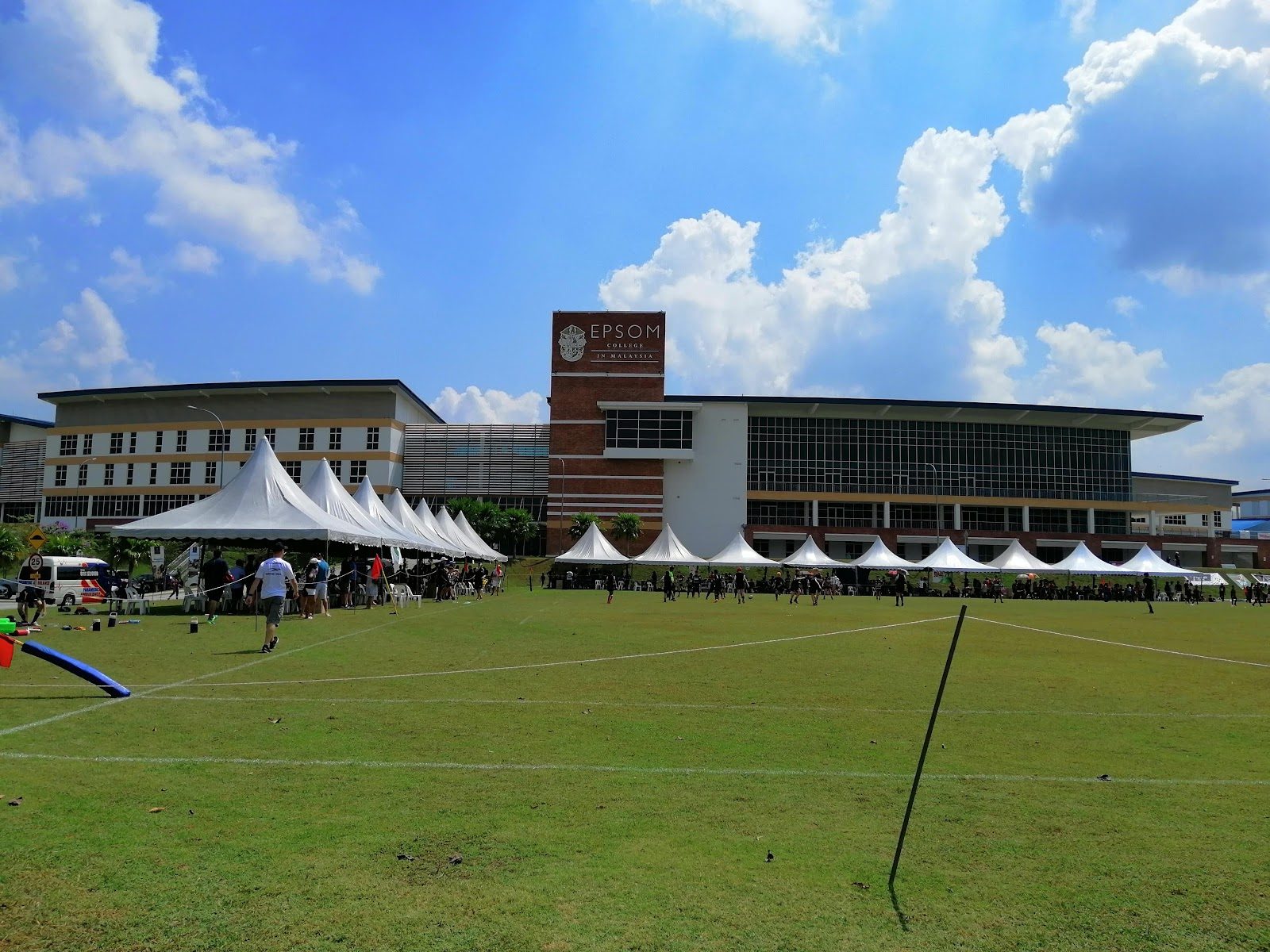
Epsom College in Malaysia
Negeri Sembilan · Malaysia
The lone Asian sister campus of a 170-year-old Surrey boarding school, its British house system anchors a 50-acre Negeri Sembilan estate.

Marlborough College Malaysia
Johor · Malaysia
Wiltshire's first overseas campus pairs British boarding houses with the IB on a 90-acre farm-and-lake site near Singapore.
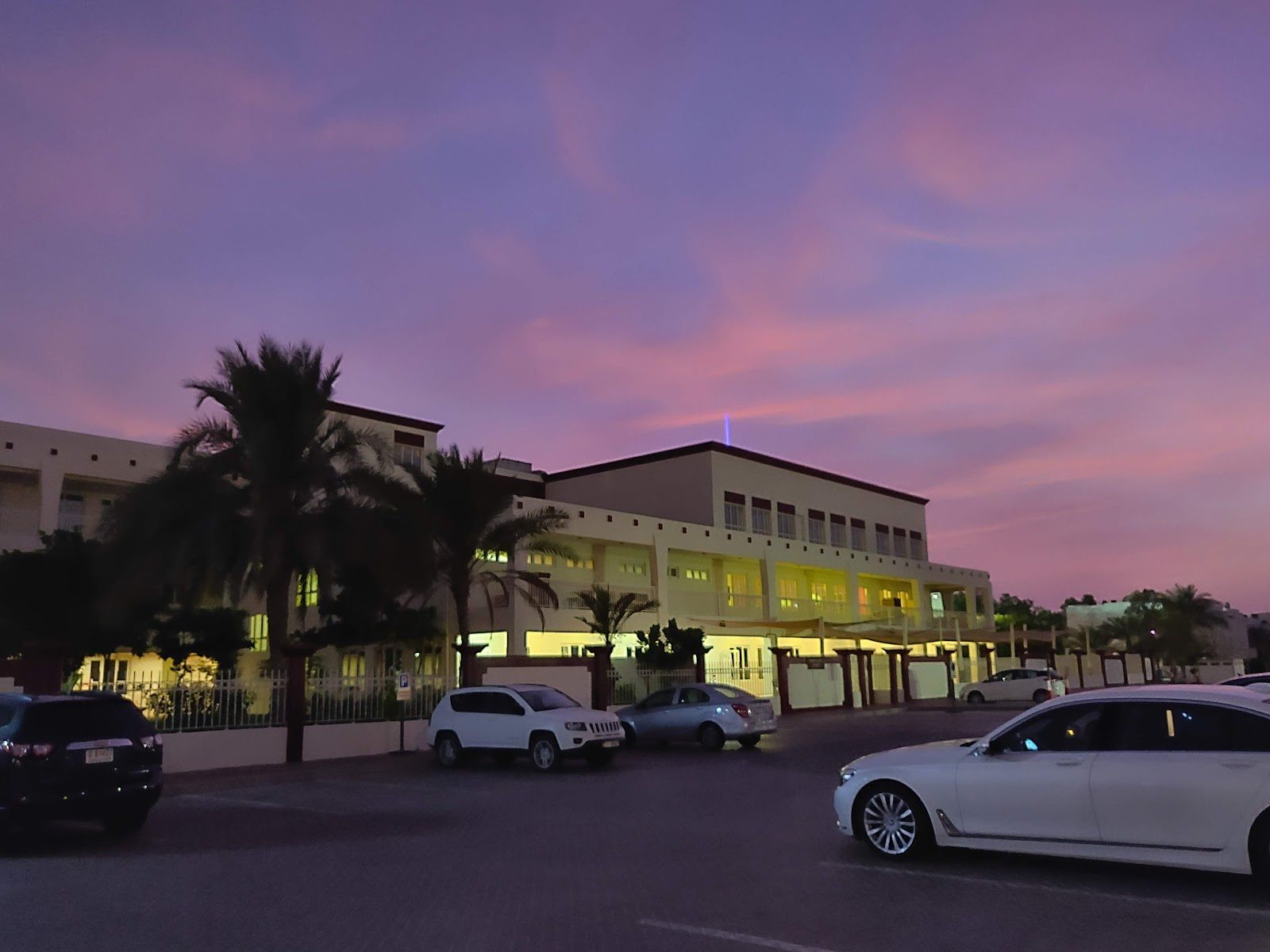
Raffles World Academy
Dubai · United Arab Emirates
Steps from the Burj Al Arab, a complete IB continuum runs alongside a rare BTEC vocational pathway few Dubai schools match
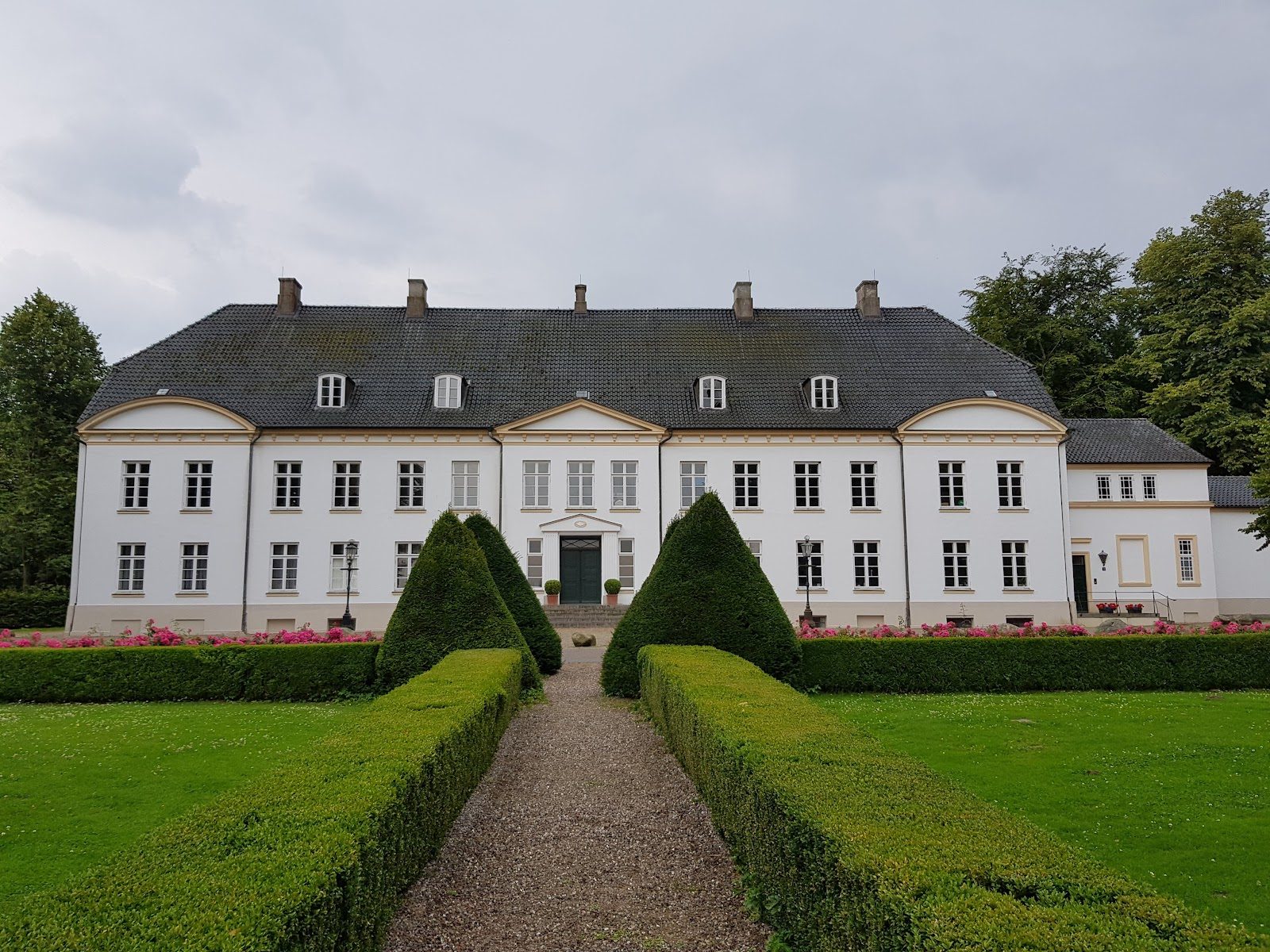
Stiftung Louisenlund
Güby · Germany
A fjord-side castle campus built on Kurt Hahn's ethos pairs IB rigor with a sailing harbour that breeds national champions.
Same country and curriculum — closest matches within ±10 points either way